Reviewed · KILIMANJARO CLIMBS
Private 6-Day Kilimanjaro Climbing via Machame route from Arusha
You do not start on Kilimanjaro, you start at the gate. A private Machame climb from Arusha means you get the full rhythm of getting permits, settling in, and grinding upward with a team that stays focused on safety. The Machame route is often picked for its scenery and longer, steadier rhythm, and it is why so many people talk about it like it just makes sense. I also like that the plan is private, not a crowded cattle-car trek.
Two other parts I really like: the crew setup (cook, porters, guides) and the food schedule, with multiple breakfasts, lunches, and dinners built into the trek. One possible drawback to plan for is the real physical grind: you are starting around 1,800m, then pushing high altitude fast enough that you must respect pace, rest, and weather. This is not a “hike it and chill” trip.
In This Review
- Machame Route: why the Whisky Route works for real trekking days
- Arusha to the Park Gate: timing, transport, and permit-day reality
- Days 1 to 3: rainforest start, Shira Plateau, and acclimatization that feels scheduled
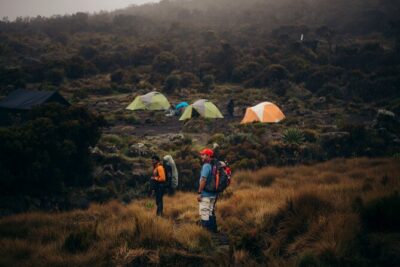
- Day 1: Rainforest trail and a slippery first day
- Day 2: Ridge, gorge, and Shira campsite cooler air
- Day 3: the acclimatization day that avoids wasted suffering
- Day 4: Barranco Wall, the South Circuit, and Barafu Camp for summit readiness
- Summit night on Machame: midnight start, Stella Point, and Uhuru Peak at 5,895m
- Day 6 descent, summit certificates, and the hot-shower payoff
- Price and what $160 covers in practical terms
- What you should pack for a Machame climb (based on how the trail behaves)
- Crew, safety, and why the team names matter
- Who should book this private Machame climb from Arusha
- Should you book this Machame climb from Arusha?
- FAQ
- Where does the climb start?
- How long is the Kilimanjaro climb?
- Which route is used on Kilimanjaro?
- Are airport transfers and private transportation included?
- What meals are included during the trek?
- Is there a mobile ticket?
- What is included in the price?
- What is not included?
- What should I wear or bring for trail conditions?
- How does summit day work timing-wise?
- Can I cancel and get a refund?
Machame Route: why the Whisky Route works for real trekking days
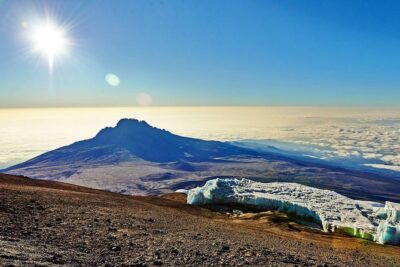
The Machame Route is nicknamed the Whisky Route, and the nickname fits the vibe. You get forest, ridge walking, moorland, and those big high-altitude views that make you stop asking whether you are tired and start asking how many switchbacks are left.
The big practical reason the Machame route gets chosen so often is pacing. Over six days, you are not just sprinting upward and hoping for the best. The plan includes a dedicated acclimatization approach around the Shira Plateau area, plus the South Circuit feel later on, with scenery changes that keep your mind busy on summit night.
You should still know this: Kilimanjaro is high-altitude climbing. Even with a smart route, altitude is altitude. Your guide’s job is to keep you moving in a way that gives your body a fighting chance, and your job is to listen, not macho-flex.
Arusha to the Park Gate: timing, transport, and permit-day reality
This trip starts in Arusha, with pickup logic anchored around Arusha Airport at 6:00am. From there, you drive toward Kilimanjaro National Park, with the route passing through Moshi and the village of Machame. That drive matters more than people think. You arrive already in “mountain mode,” and the day two logistics feel calmer because day one is mostly about transition.
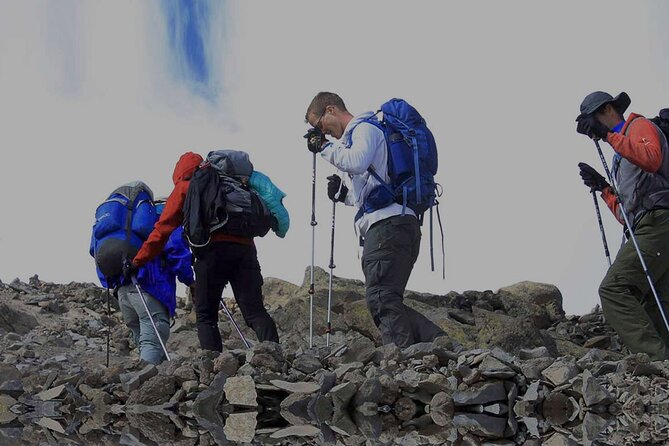
Day 1 elevation climbs from about 1,811m to 3,021m. You gain roughly 1,210m over the day. That is a big first push, but it is typical because you are going from lower elevation rainforest into the park zone. The trail at the start can be muddy and slippery, especially in wetter patches. I like that they flag this clearly and recommend gaiters and trekking poles. If you hate slipping, your feet will thank you.
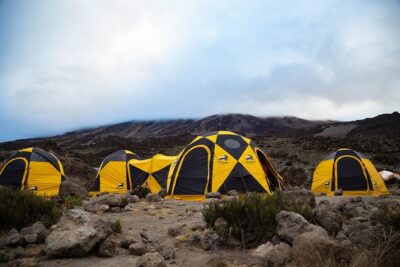
At the park gate, you wait while permits are issued and watch the operation around you: crews preparing loads, porters getting organized, and guides running final checks. It is not glamorous, but it is the moment when the whole trip becomes real. You are not just buying a climb, you are joining an actual operation with rules, timing, and responsibility.
More Kilimanjaro climbs:
- 8-Day Small-group Lemosho Kilimanjaro Summit Trekking
★ 5.0 · 186 reviews - 5 Days Best of Tanzania Luxury Safari Northern Circuit
★ 5.0 · 174 reviews - 7-Day Machame Kilimanjaro Summit Tour from Arusha
★ 5.0 · 125 reviews
Days 1 to 3: rainforest start, Shira Plateau, and acclimatization that feels scheduled
Day 1: Rainforest trail and a slippery first day
You start gaining altitude almost immediately. The experience here is classic Kilimanjaro lower slopes: rainforest scenery, windy sections, and a guide who talks about local flora and fauna. You are moving for around six hours, and you end the day at a high enough elevation that the air feels different.
This is where good footwear habits pay off. If you have to fight your boots all day because they are wet, you will feel it later on summit night. That is why I always like when a trip plan specifically calls out gaiters and poles early. This one does.
Day 2: Ridge, gorge, and Shira campsite cooler air
Day 2 climbs from about 3,021m to 3,839m. You gain around 818m, and the trail changes character. You emerge from the rainforest and begin ascending on rocky, steep ridge lines. You cross a valley on a ridge and then head west onto a river gorge toward the Shira campsite.
Expect temperatures to drop. It is not just “it’s cooler.” You will feel it in your hands, and if you pack light for warmth, you will pay later. The nice part is that day two stays focused on getting you to Shira without turning into chaos. You cover around five hours.
A few more Arusha trips to compare
- Balloon Safari & Bush Breakfast in Serengeti – Miracle Experience
★ 5.0 · 1,646 reviews - Tanzania Classic – 7 Days
★ 5.0 · 1,151 reviews - 4 Days Group Camping Safari
★ 5.0 · 1,101 reviews - 5 Days Group Camping Safari
★ 5.0 · 730 reviews
Day 3: the acclimatization day that avoids wasted suffering
Day 3 is one of the smartest parts of the plan. Even though the ending elevation is not massively higher, the day is doing heavy lifting for your body. You start around 3,839m and end around 3,986m, so the elevation gain listed is about 147m, but the route goes higher.
From the Shira Plateau you move up a ridge, pass junctions tied to the Kibo peak area, then continue toward the Lava Tower. Lava Tower is sometimes called the Shark’s Tooth, and you reach about 4,650m while passing toward higher junction points for the Arrow Glacier area.
Then you descend down to Barranco Camp.
Why this matters: you get the benefit of higher oxygen pressure changes without spending your day at maximum altitude. That can make summit night feel less like being blindsided.
Day 4: Barranco Wall, the South Circuit, and Barafu Camp for summit readiness
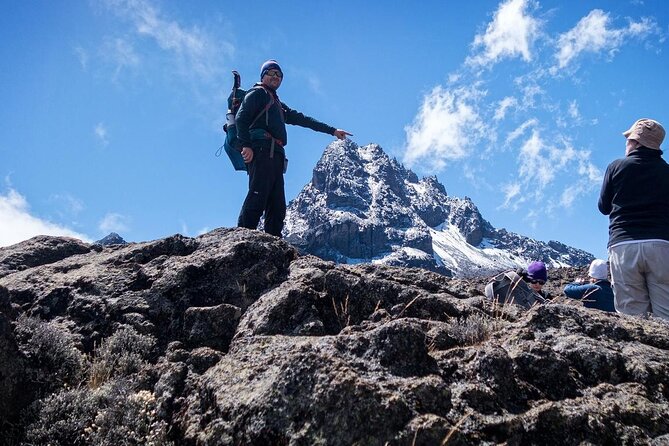
Day 4 is where the trek turns into “now we’re climbing for real.” You start around 3,986m, reach about 4,034m, then push up toward 4,662m. Elevation gain for the day is about 676m, and you move for around eight hours.
The star moment is the Barranco Wall. You climb a steep section up to the wall, then head through the Karanga Valley and connect with the Mweka Trail junction. This is often one of the days where the crew energy becomes noticeable. In past Kilimanjaro experiences with Emmanuel’s team, climbers credited the guide, assistant, cook, and porters for making the steep parts feel controlled and safe. You can also feel it operationally. Someone is always watching footing, managing loads, and keeping the line moving.
After that, you continue up toward Barafu Camp. When you reach Barafu, you have essentially completed the South Circuit, and the views start hitting you from angles you do not get on the earlier days. That matters because it changes your mood. Summit night becomes easier mentally when your brain has seen enough reward to keep going.
Once you reach Barafu, the plan includes an early dinner and rest. This is not optional rest. It’s the foundation for the midnight to pre-dawn grind on day five.
Summit night on Machame: midnight start, Stella Point, and Uhuru Peak at 5,895m
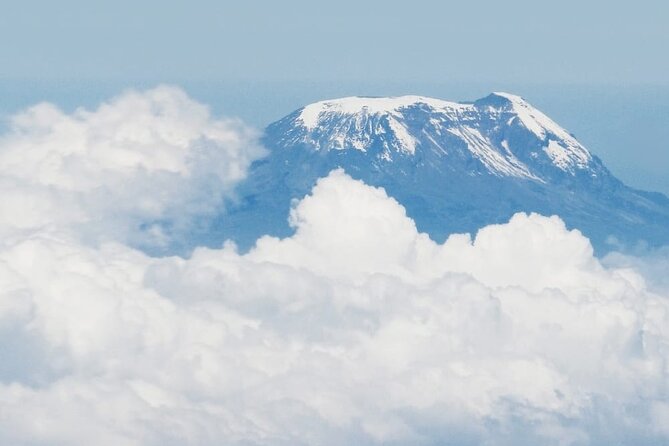
Day 5 is the big one. You start the day with an early wake-up, typically between midnight and 2:00am. The itinerary frames it as the most mentally and physically challenging part, and the reason is simple: you are climbing when your body wants sleep, and the air is thin enough that effort feels amplified.
You climb from around 4,662m up toward about 5,895m. The plan also notes a descent to about 3,106m after summit, with a significant altitude drop over the day.
The route goes between the Rebmann and Ratzel glaciers areas, then uses switchbacks in a northwesterly direction. You ascend through heavy scree toward Stella Point on the crater rim.
Stella Point is a key “breather” zone. It is where people often stop to regroup, and in this plan you get the payoff, the most magnificent sunrise during the short rest there. Faster hikers may catch sunrise from the summit, but your bigger goal is summit first, then enjoy what you can without turning it into a sprint contest.
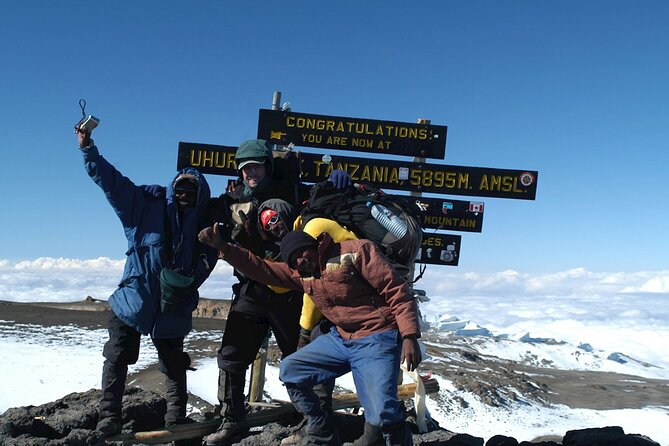
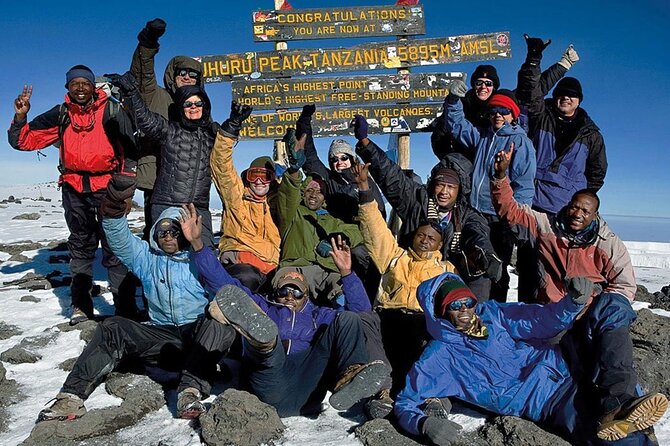
From Stella Point you still have about an hour ascent to Uhuru Peak. That hour can feel like it stretches. Take short steps, breathe steadily, and do not compare your pace to anyone else. In a private climb, you have less pressure from strangers, which helps. You still have pressure from the mountain, so keep it simple.
Day 6 descent, summit certificates, and the hot-shower payoff
After summit, you do not get a recovery day. You get breakfast, then you move. Day 6 elevation drops from about 3,106m down to about 1,633m. You lose roughly 1,473m and you need to keep your footing.
Before leaving the mountain, the plan includes a heartfelt ceremony of appreciation and team bonding with your crew. That part is not fluff. It signals the human side of the trek. You are not just hiring a service, you are working with people who have been carrying your safety and your comfort.
Then you descend to Mweka Park Gate to receive summit certificates. After the gate, a vehicle meets you at Mweka village and drives you back to your hotel in Moshi, about 30 minutes.
This day is also where the weather feels warmer and the terrain can be wet, muddy, and steep. That is another moment where gaiters and trekking poles become more than nice-to-have. Your knees will care. Your balance will care. Your last stretch from gate to vehicle will feel like the longest if your feet are sliding.
The reward is real: a long overdue hot shower, dinner, and celebrations.
Price and what $160 covers in practical terms
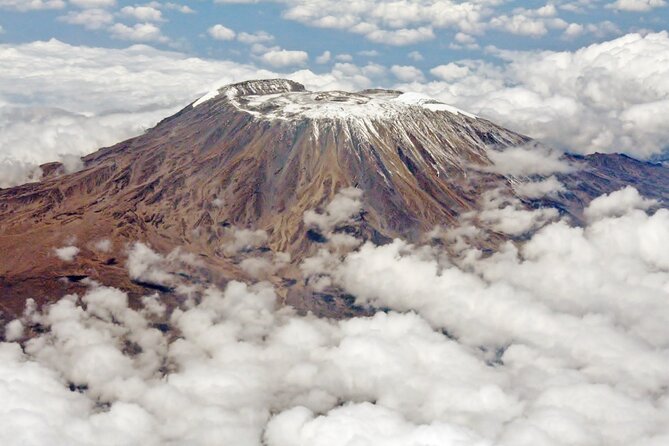
At $160 per person for a private six-day Kilimanjaro climb, the value depends on what you want included. The important part is that this price is not just for the trail. It lists all fees and taxes, private transportation, and a proper crew structure. It also includes pre and post accommodations and airport transfers.
Food coverage is strong on paper: 4 breakfasts, 5 lunches, and 4 dinners. On Kilimanjaro, meals are not just comfort, they are fuel. When meals are included properly, you do not lose time hunting for food or worry about your caloric intake.
You also get pickup offered and a mobile ticket, which reduces the annoying back-and-forth around arrival details. The only item explicitly listed as not included is tips.
The main “price consideration” I would think about is that your true cost on a climb like this is not just dollars. It includes gear and how much energy you can spend each day. If you already have trekking poles, decent boots, and a warm layering system, the $160 feels like a straightforward package. If you need to buy everything last minute, the total budget can creep up.
What you should pack for a Machame climb (based on how the trail behaves)
This trip specifically flags slippery mud early and wet steep terrain on the last day. So plan your gear like that.
What I’d prioritize:
- Trekking poles for ridge sections and steep descents, especially near the end of the trek.
- Gaiters to keep mud and grit out of your boots when conditions turn wet.
- Warm layers that can handle cooler temperatures as you move higher, including the drop after leaving the rainforest.
- Rain protection, because rainforest-to-high-route changes often come with quick weather shifts.
Other practical tip: pack for the fact that summit night is cold. If you are comfortable wearing layers on day one, you might still need more warmth once the air thins and the wind gets sharper.
Crew, safety, and why the team names matter
This is a private experience, but it is still a community of people: guide, assistant guide, cook, and porters. In one Kilimanjaro experience on Machame with Emmanuel (Ema) and his team, past climbers specifically praised the effort of the assistant guide Godwin, the cook Peter, and the porters. They also called out that food was amazing and that preparation and safety felt perfect.
You should take that seriously, because on Kilimanjaro, safety is not only about emergencies. It is about:
- keeping your pace stable,
- making sure you are properly fed and hydrated,
- managing cold and clothing,
- and watching the group when conditions change.
If you care about having a crew that treats the climb as a job, not just a hike, this team structure is a good sign.
Who should book this private Machame climb from Arusha
This trip fits best if you:
- want a private arrangement rather than a shared group experience,
- like structured pacing, including an acclimatization-focused day,
- are ready for a summit night that starts very early,
- and want your meals and logistics handled, including airport transfers and park-day permits.
It may not be the best fit if you:
- are uncomfortable with steep, muddy trails,
- expect a casual hike pace,
- or know you struggle at higher altitude. If you have any medical concerns, talk with a clinician before you commit.
Should you book this Machame climb from Arusha?
I think you should book if you want a plan that feels thought through: a scenic Machame route, a crew-led operation, and meals and transport built into the price. The biggest reason to choose Machame from Arusha is the rhythm. You get rainforest-to-plateau variety, an acclimatization day that avoids pointless suffering, and then a summit push that is demanding but clearly staged.
If you hate cold nights, slippery mud, or long walking days, then look for an easier alternative. But if you want the classic Kilimanjaro challenge with a team that runs it like a real mission, this one is worth serious consideration.
FAQ
Where does the climb start?
It starts in Arusha, with the meeting point listed as Arusha Airport and a start time of 6:00am.
How long is the Kilimanjaro climb?
The tour runs for 6 days (approx.).
Which route is used on Kilimanjaro?
The climb uses the Machame Route, also known as the Whisky Route.
Are airport transfers and private transportation included?
Yes. The package includes private transportation and airport transfers, plus pickup offered.
What meals are included during the trek?
The package includes 4 breakfasts, 5 lunches, and 4 dinners.
Is there a mobile ticket?
Yes, mobile ticket is included.
What is included in the price?
The price includes all fees and taxes, private transportation, proper ration of the mountain crew (cook and porters), pre and post accommodations, airport transfers, and the listed meals.
What is not included?
Tips are not included.
What should I wear or bring for trail conditions?
The itinerary specifically recommends gaiters and trekking poles, especially for muddy and slippery trails early on and for wet, muddy, steep terrain on the descent.
How does summit day work timing-wise?
You start between midnight and 2:00am on summit day, then ascend through heavy scree toward Stella Point and onward to Uhuru Peak, followed by a descent later that day.
Can I cancel and get a refund?
Yes. Free cancellation is available if you cancel up to 24 hours in advance of the experience start time for a full refund. If you cancel less than 24 hours before, the amount paid is not refunded.
Just posted around Arusha
- 8 Days Serengeti Migration safari★ 5.0 · 11 reviews
- tarangire & ngorongoro 2 days tour★ 5.0 · 14 reviews
- serengeti, ngorongoro & tarangire 4 days private tour★ 5.0 · 18 reviews
- tarangire, ngorongoro & lake manyara park 3 days private tour★ 5.0 · 11 reviews
- serengeti & ngorongoro 3 days private tour★ 5.0 · 15 reviews
- climb the KILIMANJARO via Lemosho route★ 5.0 · 4 reviews
- Mt. Kilimanjaro: Shira plateau to Cathedral point 3872m Day hike★ 5.0 · 7 reviews
- Kilimanjaro Waterfalls Hike & Moshi Hot Springs Day Trip Tour★ 5.0 · 4 reviews
Kilimanjaro Climbs, compared.
8-Day Small-group Lemosho Kilimanjaro Summit Trekking
Read our review →
5 Days Best of Tanzania Luxury Safari Northern Circuit
Read our review →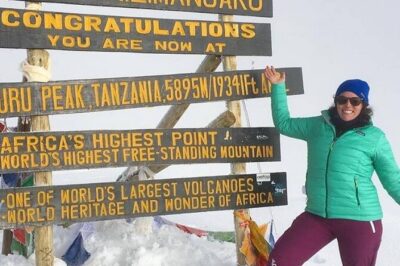
Climbing Kilimanjaro through 7 days Machame Route
Read our review →