
Reviewed · KILIMANJARO CLIMBS
Marangu waterfall & Coffee making Cultural Tour | BURIGI CHATO SAFARIS CO LTD
Coffee, caves, and Kilimanjaro views in one day. This Marangu cultural tour from Arusha mixes a morning drive at Marangu Gate, a coffee farm session you do yourself, and a hike to Ndoro Waterfalls where you can cool off and swim. You also get Chagga stories at the underground caves and the Chagga Live Museum, all in an 8-hour day.
I really like the practical parts: you do the work on the coffee side, from processing and roasting to preparing a fresh cup. I also like how the Chagga caves and museum are explained in a way that connects daily life, the landscape around Kilimanjaro, and the conflict that shaped the community.
One heads-up: you will be walking for real, including time around waterfall paths and steps, so wear grippy shoes and plan for slippery spots and sun.
In This Review
- Key things that make this tour worth your time
- Why Marangu works so well for a 1-day culture plan
- Marangu Gate: the Kilimanjaro starting point feeling, without hiking Kilimanjaro
- The coffee farm stop: not a demo, you actually do it
- Hands-on coffee plus a cooked meal later makes the day feel balanced
- Ndoro Waterfalls: a real hike, plus a refreshing swim if you feel safe in the water
- Chagga Underground Caves: survival stories you can feel in the details
- Chagga Live Museum: a focused outdoor look at daily life and tradition
- Lunch, banana beer, and the small moments that make the day human
- Price and value: what $150 really covers, and what can change
- Who this tour fits best, and who should skip it
- Should you book the Marangu waterfall and coffee cultural tour?
- FAQ
- What is the starting location and where does the tour end?
- What time does the tour begin?
- How long is the tour?
- Is hotel pickup included?
- What is included in the tour price?
- Can I swim at the waterfalls?
- What does the day include besides the waterfalls?
- What is not included?
Key things that make this tour worth your time
- Marangu Gate at about 1,900 meters for Kilimanjaro-route context and great photo opportunities
- Hands-on coffee making, including processing, roasting, and brewing your own cup
- Ndoro Waterfalls hike with a swim option, plus viewpoints over the area
- Chagga Underground Caves explained as part of the community’s survival story
- Chagga Live Museum for an outdoor look at traditional life
- Included lunch plus local drinks like banana beer at a stop during the day
Why Marangu works so well for a 1-day culture plan
Marangu is on the lower slopes of Kilimanjaro, where the Chagga people have lived for generations. Doing a day trip here is efficient, because you get multiple “layers” of meaning without spending days in transit. It is also a nice change from pure safari days if you want something human-scale and close to village life.
The tour runs about 8 hours starting at 8:00 am, and it includes lunch plus the main cultural stops. That timing matters. You can see morning light at Marangu Gate, then move into the waterfall hike when the day warms up, and still be back in Arusha by evening.
Value-wise, the price is $150 per person, and it includes lunch, all fees and taxes, and wages for the crew, plus a first aid kit. What is not included can affect your final total, so I treat the price as “base cost” rather than everything-once-you-arrive pricing.
More Materuni waterfall trips:
- Materuni Waterfalls, coffee tour & Kikuletwa Hot Springs
★ 5.0 · 643 reviews - Materuni Waterfalls & Chemka Hotsprings Day Trip
★ 5.0 · 214 reviews - Materuni waterfalls coffee tour & Chemka hot springs Day trip
★ 5.0 · 131 reviews
Marangu Gate: the Kilimanjaro starting point feeling, without hiking Kilimanjaro
Your morning drive takes you to Marangu Gate, around 1,900 meters. Even if you are not trekking Kilimanjaro, this stop helps you understand why Marangu matters. It is known as the starting point for Kilimanjaro treks via the Marangu Route, so the area carries that “gateway” energy.
This is where I’d expect the best photos of the day. You get a chance to frame Kilimanjaro with the settlement patterns around it, and you can get a sense of how the mountain sits over the lower slopes. The tour guide also ties this moment to Chagga life, so the views feel less like a postcard and more like context.
Practical note: the ride up can feel cooler than the town, then warmer again later. Bring a light layer you can manage, because you will likely step in and out of vehicles as the day moves between sites.
The coffee farm stop: not a demo, you actually do it
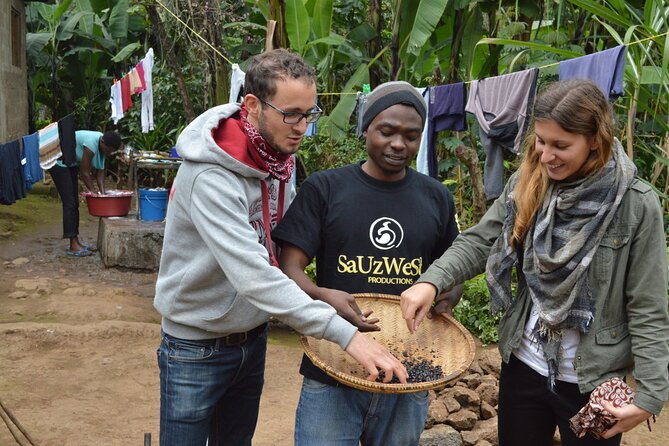
The coffee farm is one of the strongest reasons to pick this tour. This is not just watching someone pour or explain. You learn how coffee is grown, harvested, and processed locally, and then you try your hand at the steps that lead to a cup.
You will get a real hands-on sequence, including processing, roasting, and preparing a fresh coffee. That matters because it turns coffee into something you can picture later when you’re back home. It also makes the time fly, because you are active, not stuck in listen-only mode.
From the day’s vibe, this is also where the guide’s plant knowledge really shows. In at least one experience, the guide pointed out how different plants are used and explained why they are planted where they are, including examples of plants serving as land markers. That kind of detail makes the farm stop feel more like agriculture as a living system than a packaged attraction.
What to watch: coffee farms are usually working spaces, with uneven ground and dirt. If you have dry skin issues, bring lip balm and hand lotion. You may also want a small towel or tissue for the end of the session, since processing can get messy.
Hands-on coffee plus a cooked meal later makes the day feel balanced
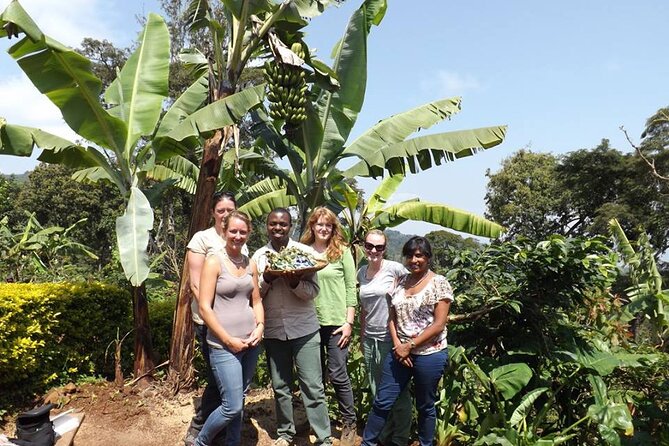
After the coffee stop, the plan shifts toward Ndoro Waterfalls. The tour keeps your energy in mind with a meal included on the day, and that helps you avoid the classic “culture tour crash” where you are hungry and cranky halfway through. You also get the chance to try local food, not just generic restaurant meals.
I also like that the day mentions local spirits like banana beer. In the right setting, it is a simple way to understand how fermentation and local ingredients show up in daily life. Don’t treat it like a party stop. Think of it as a cultural tasting, and ask the guide what it’s made from and when it’s served.
Hydration is important here. Even in the morning, Tanzania sun can sneak up on you. Bring water if your group doesn’t have it clearly covered. (The tour includes lunch, but it does not list bottled water as an included item.)
More Kilimanjaro climbs:
- 8-Day Small-group Lemosho Kilimanjaro Summit Trekking
★ 5.0 · 186 reviews - 5 Days Best of Tanzania Luxury Safari Northern Circuit
★ 5.0 · 174 reviews - 7-Day Machame Kilimanjaro Summit Tour from Arusha
★ 5.0 · 125 reviews - Mountain Kilimanjaro Day Hike
★ 5.0 · 102 reviews
Ndoro Waterfalls: a real hike, plus a refreshing swim if you feel safe in the water
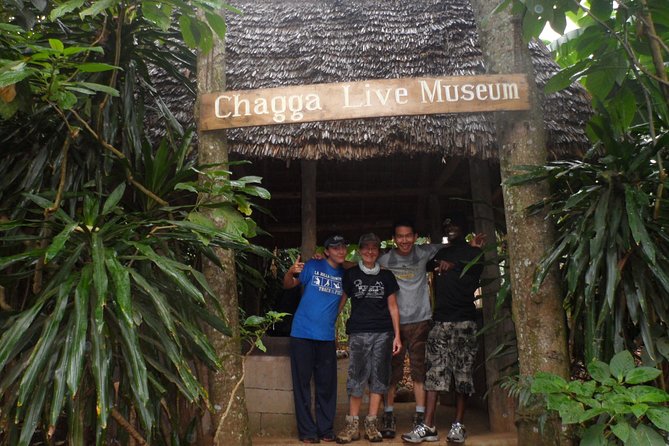
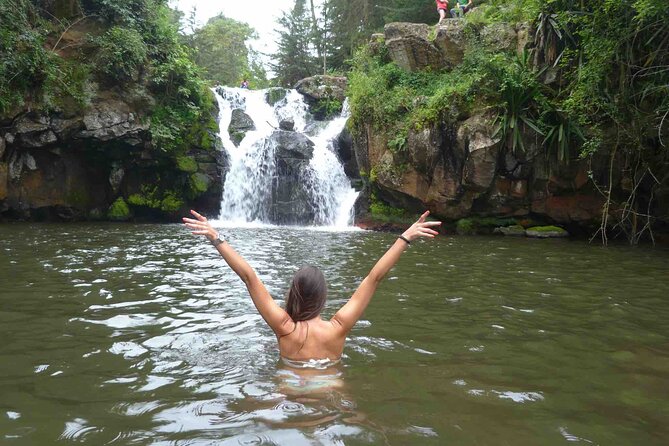
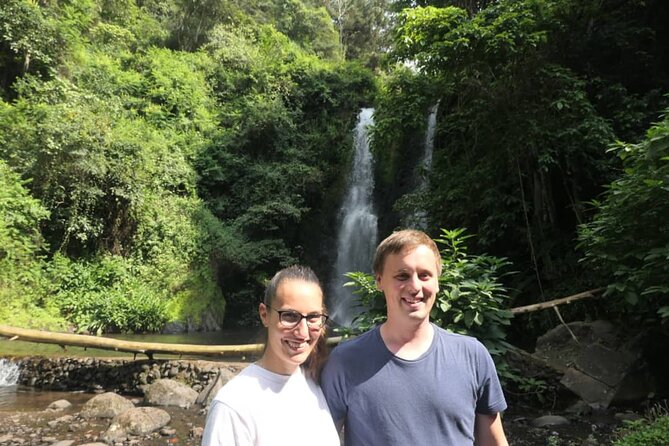
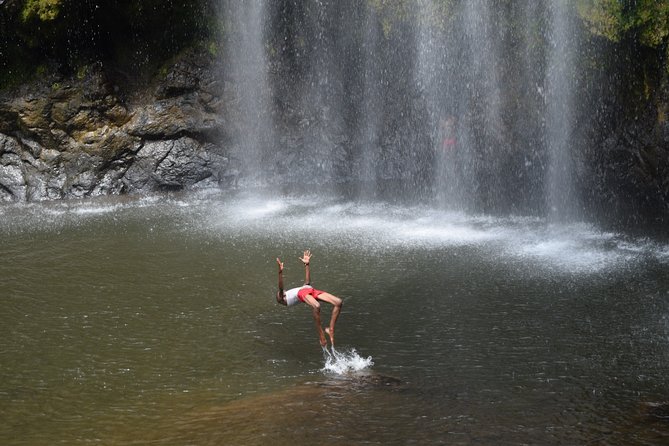
Ndoro Waterfalls is where the day adds movement and cooling relief. You hike through lush greenery to reach the falls area, and the tour highlights time at the waterfall pool where you can take a dip. People also note the falls are among the taller in Tanzania, and that the hike brings you to views where you can see the surrounding area and even get sightlines toward Moshi and Kilimanjaro in good conditions.
Swimming is one of the best perks, if you are comfortable with water conditions. The key detail is to treat it like a safety decision, not a guarantee. One traveler noted the water is safe for swimming, but it can get hard to swim unless you come from a colder country, and you need care if you go to the top. I’d follow that advice: if you go in, keep it controlled, stay aware of footing, and choose the pool area that feels calm.
Also, waterfall areas tend to be slippery. Even if the route looks like a gentle walk, it can turn slick after mist or splash zones. Wear shoes with grip and avoid rushing. This is a day where slow is smooth.
Chagga Underground Caves: survival stories you can feel in the details
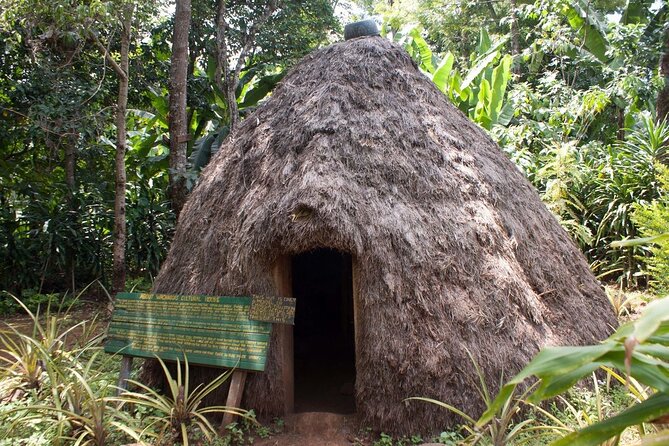
After the waterfall time, the tour shifts to deeper cultural interpretation at the Chagga Underground Caves and Chagga Live Museum. The caves are tied to a very specific historic reality: during times of drought, Maasai people migrated to the lower slopes seeking food and water, and conflicts led to enslavement and killing of local Chagga people. In defense, the Chagga built an extensive network of underground caves.
That is why this stop works. You are not only seeing a structure, you are hearing the logic behind why it existed. A guide will illustrate the conflict while you visit the caves, so you understand what “underground survival” means in a place where drought and resource stress shaped decisions.
It also helps you read the region. The caves are not a random curiosity. They are part of how communities adapted to Kilimanjaro’s rhythm of rainfall and dry seasons, and how neighbors became threats during hard times.
Comfort note: cave visits often involve uneven footing and cooler air. If you are sensitive to enclosed spaces, you might want to pace yourself and take breaks outside when possible.
Chagga Live Museum: a focused outdoor look at daily life and tradition
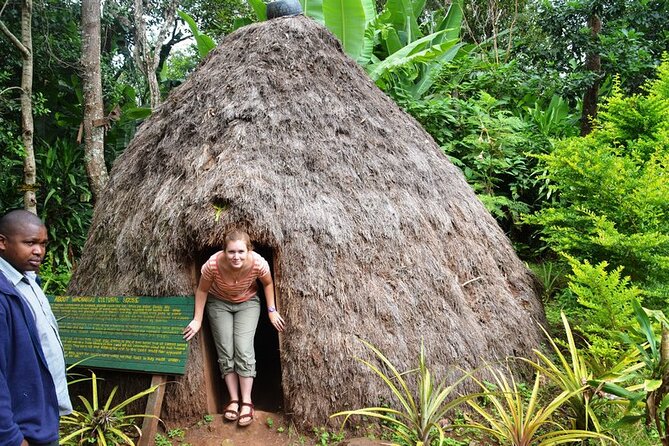
Next comes the Chagga Live Museum, described as a small outdoor museum. This stop adds “present-day shapes” to the stories you heard in the caves. Instead of focusing only on conflict, it brings you back to everyday life: how people live, what traditions look like up close, and how culture is passed through demonstration.
I like that it is outdoor. An outdoor museum tends to keep the feeling less heavy than a fully indoor space, and it can make it easier to move at your own pace. It also pairs well with the caves because you go from fear and survival to something more instructional and observational.
You also get a Chagga culinary taste during lunch in a small restaurant. That meal component is not a throwaway. Food makes culture tangible because you can remember flavors and textures long after the tour ends.
Lunch, banana beer, and the small moments that make the day human
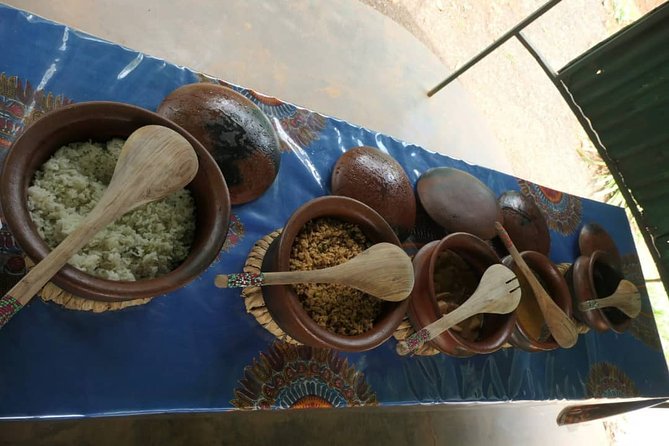
Lunch is included, and it is described as a traditional hot meal. People also mention being invited to a family for African lunch at least in some cases, where the food was prepared by local hosts. Even if your lunch stop differs, the core idea stays the same: you are eating in a local context, not just grabbing something nearby and calling it done.
Banana beer shows up as a local spirit you may try during the day, often at a local bar stop. I treat this as an optional tasting, since not everyone wants alcohol, and not every group schedules it exactly the same way. But if it is on the plan for your group, it can be a fun, low-pressure cultural add-on.
What I’d pack for comfort: a light top for daytime, something to cover shoulders if you want extra respect for cultural settings, and a small bag that can handle dust. If you plan to swim, bring a dry change of clothes in a sealed bag.
Price and value: what $150 really covers, and what can change
At $150 per person for about 8 hours, this tour offers a lot of “included structure.” You get:
- hotel pickup offered upon request
- lunch
- all fees and taxes (listed as included)
- wages for the crew and a first aid kit
Admissions are described with nuance in the itinerary, including an admission ticket included for one stop and free admission for another. Still, the tour does not list all possible extra park fees as included, and “additional park fees” are listed as not included.
So here’s how I’d think about final value:
- If you want a single day that combines viewpoints, coffee, waterfalls, and Chagga culture, you are paying for the entire package, not just one site.
- If you are sensitive to add-on costs, confirm whether any extra fees apply to your exact route on the day you book, especially related to parks.
Also consider group size. The tour lists a maximum of 200 travelers. That does not automatically mean it will feel crowded, but it is not a private tour either. If you hate group dynamics, ask ahead how groups are split on the day.
Who this tour fits best, and who should skip it
This tour is a good fit if you want culture plus action in one go. You’ll enjoy it if you like learning how things work, like the step-by-step coffee process, and if you are curious about the Chagga underground caves and how they connect to history.
It is also a solid option for people who are not planning Kilimanjaro but still want that Marangu Route connection. Marangu Gate gives you the mountain sense without turning your day into a trek.
Who might prefer something else:
- If you want a mostly low-walking day, this is probably not ideal, because the itinerary includes hiking to Ndoro Waterfalls and time in and around caves.
- If you dislike water entirely, you can still enjoy the waterfall viewpoints, but the highlight becomes more about scenery and culture than cooling off with a swim.
- If you want a deep, long-form history lecture session, the time is fixed and the format is guided stops, not a museum-only afternoon.
Should you book the Marangu waterfall and coffee cultural tour?
If you want a day that mixes hands-on coffee, Ndoro Waterfalls, and Chagga culture in a tight schedule, I think this is a strong choice. The included lunch, the active coffee processing, and the guided explanation at the caves are the core strengths that make it feel like more than just a checklist.
Book it if:
- you love practical experiences, especially learning by doing with coffee
- you want to see Marangu Gate and understand why it matters to Kilimanjaro treks
- you are comfortable with some walking and uneven, potentially slippery spots
Consider another option if you:
- are looking for a very easy, minimal-walking tour
- want zero time around caves or water areas
FAQ
What is the starting location and where does the tour end?
The tour starts in Arusha, Tanzania, and ends back at the meeting point.
What time does the tour begin?
The start time is 8:00 am.
How long is the tour?
It is about 8 hours.
Is hotel pickup included?
Pickup is available upon request.
What is included in the tour price?
Lunch, all fees and taxes, crew wages, and a first aid kit are included. Admission details are also included/free for parts of the itinerary.
Can I swim at the waterfalls?
The tour includes time to take a refreshing dip in the pool of the waterfalls, and the water is described as safe for swimming, with caution advised.
What does the day include besides the waterfalls?
You also visit a coffee farm for hands-on coffee making and visit the Chagga Underground Caves and the Chagga Live Museum, with a Chagga culinary taste at lunch.
What is not included?
Flights, tipping the crew, visas, additional park fees, and hotel are not included.
If you tell me your travel dates and whether you want more swimming time or more culture time, I can help you decide if this schedule is the right fit for your pace.
More Historical Tours in Arusha
- Arusha Guided Walking City Tour, Culture, Lifestyle & History
★ 5.0 · 150 reviews - Materuni Waterfalls & Coffee making Cultural Tour | BURIGI CHATO SAFARIS LTD
★ 5.0 · 15 reviews - Arusha: City Walking Tour Historic and Modern Highlights
★ 4.5 · 12 reviews - Arusha City Culture and Historical Walking Tour
★ 5.0 · 8 reviews
More Coffee Experiences in Arusha
- Maasai village visit, Materuni waterfalls & coffee experience
★ 4.5 · 95 reviews - Materuni Waterfalls & Coffee Tour from Moshi
★ 5.0 · 92 reviews - Arusha: Materuni Waterfalls, Coffee, and Hotsprings Tour
★ 4.8 · 78 reviews - Coffee tour and Buffet Lunch with Kingstone Asilia (Arusha)
★ 5.0 · 74 reviews
Just posted around Arusha
- 8 Days Serengeti Migration safari★ 5.0 · 11 reviews
- tarangire & ngorongoro 2 days tour★ 5.0 · 14 reviews
- serengeti, ngorongoro & tarangire 4 days private tour★ 5.0 · 18 reviews
- tarangire, ngorongoro & lake manyara park 3 days private tour★ 5.0 · 11 reviews
- serengeti & ngorongoro 3 days private tour★ 5.0 · 15 reviews
- climb the KILIMANJARO via Lemosho route★ 5.0 · 4 reviews
- Mt. Kilimanjaro: Shira plateau to Cathedral point 3872m Day hike★ 5.0 · 7 reviews
- Kilimanjaro Waterfalls Hike & Moshi Hot Springs Day Trip Tour★ 5.0 · 4 reviews
Kilimanjaro Climbs, compared.
8-Day Small-group Lemosho Kilimanjaro Summit Trekking
Read our review →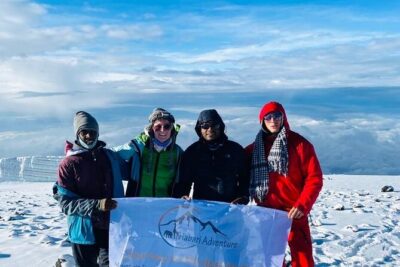
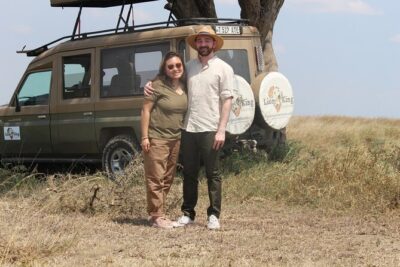
5 Days Best of Tanzania Luxury Safari Northern Circuit
Read our review →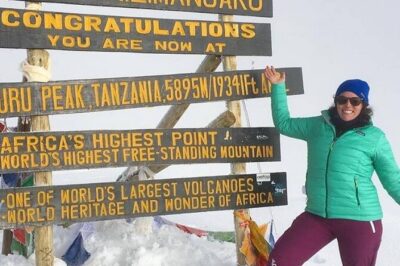
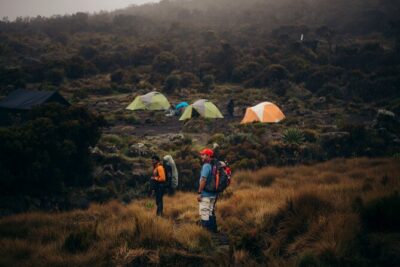
Climbing Kilimanjaro through 7 days Machame Route
Read our review →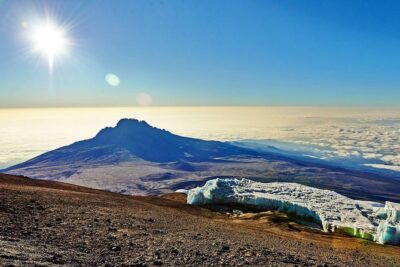
Browse the lists this tour appears in