

Reviewed · HISTORICAL TOURS
Arusha: City Walking Tour Historic and Modern Highlights
Arusha has a way of pulling you in fast. This 3-hour city walk mixes everyday street life with a couple of real landmarks, so you get both the city rhythm and the story behind it. I especially like the focus on Soko Kuu Central Market and the chance to talk with artisans, because those moments turn Arusha from a stop on a map into a place you can picture. One thing to consider: this is a proper walking tour, so if you have mobility limits, it may not be the right fit.
The route is built to help you get your bearings fast in Arusha, under Mount Meru. You start at the market, then head to the iconic Clock Tower, and later move to the Natural History Museum, which sits in a former German colonial fort. Along the way, you sample traditional snacks and see beadwork and fabrics up close, with a guide keeping the explanations in plain English.
The standout for me is how much a good guide can change the whole experience. If you’re lucky enough to get Elia, you’re in good hands, and the tour’s design supports that kind of thoughtful pacing and Q&A.
In This Review
- Key things that make this Arusha tour worth your time
- Starting at Soko Kuu Central Market, then using the Clock Tower to orient yourself
- Natural History Museum in a German colonial fort: what to expect and how to use it
- Snack time and artisan chats: beadwork, fabrics, and real conversation
- The guide makes the difference, and Elia sets a high bar
- How long this Arusha walk really is, and who should go
- Price and value: what $45 covers in the real world
- What to pack for Arusha walking comfort under Mount Meru
- Should you book this Arusha City Walking Tour?
- FAQ
- FAQ
- How long is the Arusha City Walking Tour Historic and Modern Highlights?
- What is the price per person?
- Where does the tour start?
- What are the main stops on the tour?
- Is the tour guided?
- What’s included in the price?
- What is not included?
- What should I bring?
- Is smoking allowed during the tour?
- Is the tour suitable for wheelchair users or mobility impairments?
Key things that make this Arusha tour worth your time
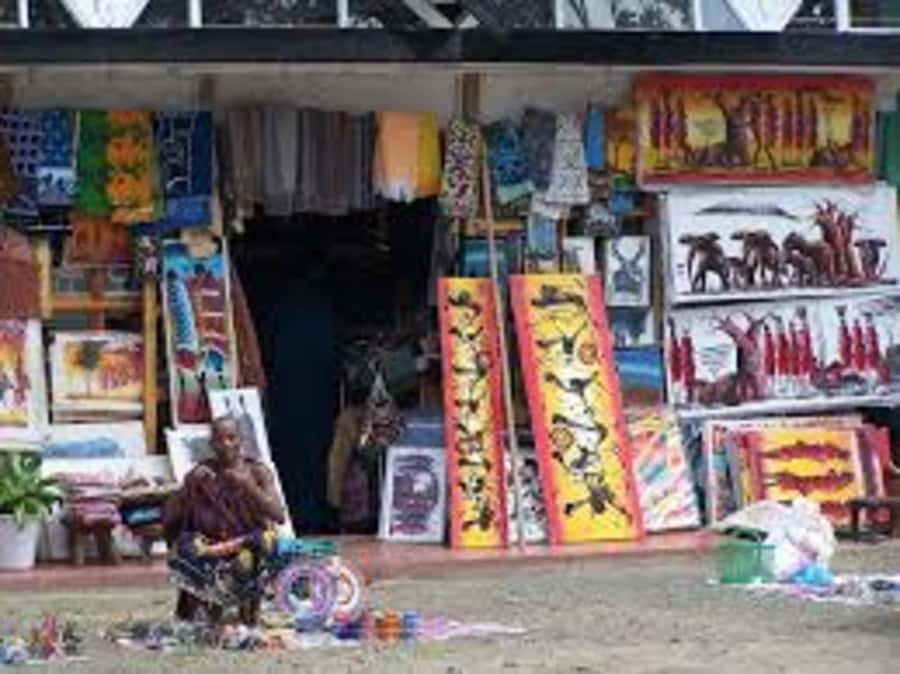
- Soko Kuu Central Market first, so you learn the city’s rhythms before you move on
- Clock Tower context, including Arusha’s symbolic halfway point between Cairo and Cape Town
- Natural History Museum in a German fort, with a human evolution and local culture focus
- Traditional snack sampling, giving you an easy, low-pressure taste of everyday food culture
- Artisan interaction with beadwork and fabrics, plus time to ask questions
Starting at Soko Kuu Central Market, then using the Clock Tower to orient yourself

I like this tour’s opening because it throws you straight into how Arusha actually operates. Soko Kuu is the kind of place where you notice patterns quickly: where people buy produce, where the craft stalls catch your eye, and how food, spices, and handmade goods sit side by side. You’ll get the chance to look around stalls with fresh produce, spices, and crafts, and your guide helps translate what you’re seeing instead of letting you guess.
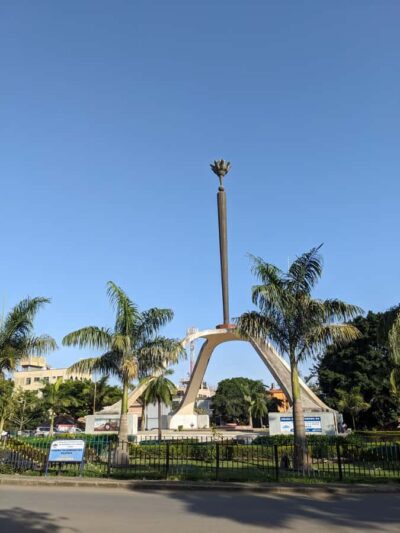
Then you jump to the Clock Tower Monument, one of Arusha’s best-known sights. What makes it interesting is the story tied to it, symbolizing Arusha’s position halfway between Cairo and Cape Town. It’s a small landmark in terms of time spent, but it helps you connect dots about why cities matter in Tanzania’s wider world, not just as safari launch points.
Practical takeaway: if this is your first time in Arusha, this combination works well. Markets teach you the local “how,” and landmarks give you the “why.” You end up understanding the city in layers, not just snapping photos and moving on.
More Walking Tours in Arusha
- Arusha Guided Walking City Tour, Culture, Lifestyle & History
★ 5.0 · 150 reviews - 7-Day Private Tanzania Safari with Sunset Walking on the Crater Rim and Maasai
★ 5.0 · 40 reviews - 4 Days lodge safari Tarangire , Ngorongoro crater & Walking
★ 5.0 · 39 reviews
Natural History Museum in a German colonial fort: what to expect and how to use it
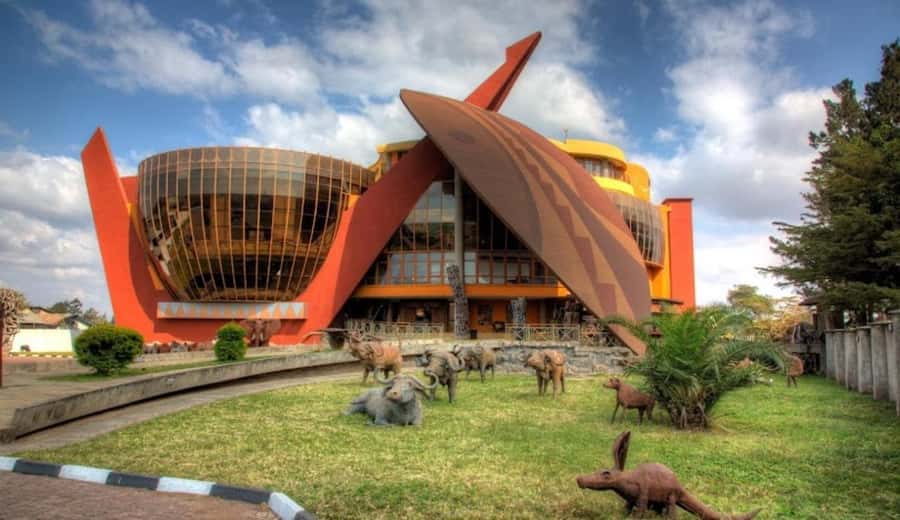
Next comes the Natural History Museum, housed in a German colonial fort. That building alone adds atmosphere, because you’re not just walking into a room of exhibits. You’re walking into a piece of the city’s layered past, and that context makes the learning feel more grounded.
Inside, the focus is on human evolution and local culture. Even if you’re not a museum person, this stop is worth your time because it connects human storylines to place. You’ll get explanations you can actually carry with you while you walk the streets afterward, especially if your guide is the type who links museum themes to what you notice outside.
One consideration: museums can slow group pace. If you’re the kind of traveler who likes lots of movement and minimal time indoors, plan for a short shift in energy here. The good news is the tour is only 3 hours total, so you should feel balanced rather than stuck.
Snack time and artisan chats: beadwork, fabrics, and real conversation
One of the smartest parts of this experience is that it doesn’t keep everything at the sightseeing level. You’ll stop to sample traditional Tanzanian snacks, which is an easy way to taste local flavors without turning it into a full meal plan. This also helps you feel less like a distant observer, because snacks are social by nature, and you’re usually able to ask simple questions as you try something new.
After that, the tour shifts toward hands-on culture. You’ll stroll through city streets and meet artisans working with beadwork and fabrics. This is where the walking tour format shines, because it lets you move slowly enough to actually look, not just pass by. You’ll have the chance to interact with the artisans, which is a different kind of souvenir than buying something quick from a stall.
How to get more out of this segment: ask about process and meaning, not just price. If you can, ask what materials are being used and what makes a pattern special. You’re more likely to get a helpful answer when you show you’re interested in how and why.
The guide makes the difference, and Elia sets a high bar
A 4.5 rating over a dozen trips isn’t only about the route. It’s about how the guide brings it to life. One name comes up strongly: Elia. If you get him, you can expect a guide who doesn’t rush you through checklists.
From the experience people describe, Elia’s approach is very practical. He shows everyday life in Arusha, walks you through the central market with real explanations, and shares information about local plants and trees. That kind of detail matters because it changes what you notice. Suddenly you’re not just seeing markets and buildings, you’re learning how Arusha’s environment and daily habits connect.
What I also like about a strong guide is the patience for questions. When you have someone who can slow down and answer, you feel more comfortable asking the “small” questions that make your trip better. Stuff like what something is, how locals use it, or why a landmark matters more than you assumed.
A few more Arusha trips to compare
- Tanzania – Arusha NP – Private Guided 4×4 Safari – Game Drive & Walking
★ 5.0 · 30 reviews - Private Walking Tour with Giraffes
★ 5.0 · 18 reviews - Street Food and Community Walking Tour
★ 5.0 · 12 reviews - Coffee walk day trip
★ 5.0 · 10 reviews
How long this Arusha walk really is, and who should go
This tour runs about 3 hours, with hotel pickup and drop-off included. That’s a sweet spot for city visitors: long enough to see multiple meaningful stops, short enough that you still have energy for the rest of Arusha (and for any safari planning later).
Because it’s a walking tour, it’s not ideal for people with mobility impairments or wheelchair users. If walking for a few hours is manageable for you, you’ll likely find the pacing comfortable. If not, you might feel rushed or uncomfortable.
Best fit: this is a great choice if you want a guided first look at Arusha, especially if you like markets, street scenes, and learning from locals. It’s also ideal if you want a structured plan without locking yourself into a full day.
Price and value: what $45 covers in the real world
At $45 per person, the value comes from what’s included, not just the fact that it’s “reasonable.” You’re getting hotel pickup and drop-off, a live English-speaking guide, snack sampling, and time to interact with local artisans. Those pieces would add up fast if you tried to replicate them independently.
More importantly, the guide’s role is the value multiplier. The market can be overwhelming if you’re not sure what you’re looking at. The museum can feel generic if you don’t have context. The artisan stops become much more interesting when you can ask questions and understand what you’re seeing.
If you’re someone who learns best through guided explanation and a bit of hands-on interaction, this price makes sense. If you prefer total independence and you don’t want any guided talk, you might feel the cost is less justified. But for most visitors, it’s a good way to buy clarity and comfort in a single morning or afternoon.
What to pack for Arusha walking comfort under Mount Meru
Arusha can mean sun, and you’ll be outside. Bring comfortable shoes because you’ll be walking city streets. Add a sun hat, sunscreen if you use it, and a water bottle so you’re not trying to stay focused while feeling dehydrated.
A camera is useful here, because Soko Kuu and the artisan areas give you plenty to photograph. Just keep it respectful around people who are working and selling, and focus on asking before photographing when it feels appropriate.
One rule to note: smoking isn’t allowed on this experience. It’s a small detail, but it helps keep the tour comfortable and considerate.
Should you book this Arusha City Walking Tour?
Book it if you want an efficient, guided way to learn Arusha beyond safari talk. The market start, the Clock Tower context, and the Natural History Museum stop give you structure, while the snack sampling and artisan interaction help you connect on a personal level. You also get real value from a guide who can explain what you’re seeing, and names like Elia signal that the guiding can be genuinely excellent.
Skip or rethink it if walking for a few hours is tough for you. Also consider whether you’re interested in museums and markets, because those are core parts of the experience.
If you’re traveling on a tight schedule, 3 hours is realistic. And if plans change, you have the option of free cancellation up to 24 hours in advance and the ability to reserve and pay later, which helps you keep flexibility.
FAQ
FAQ
How long is the Arusha City Walking Tour Historic and Modern Highlights?
The tour lasts 3 hours.
What is the price per person?
The price is $45 per person.
Where does the tour start?
You begin at Soko Kuu (Central Market).
What are the main stops on the tour?
You’ll visit Soko Kuu Central Market, the Clock Tower Monument, and the Natural History Museum, plus you’ll walk through city streets for snacks and artisan stops.
Is the tour guided?
Yes. It includes a live tour guide in English.
What’s included in the price?
Hotel pickup and drop-off, a guided walking tour, opportunity to sample traditional Tanzanian snacks, and interaction with local artisans.
What is not included?
Meals and drinks, and personal expenses are not included.
What should I bring?
Bring comfortable shoes, a sun hat, a camera, and water.
Is smoking allowed during the tour?
No, smoking is not allowed.
Is the tour suitable for wheelchair users or mobility impairments?
No, it is not suitable for people with mobility impairments or wheelchair users.
More Historical Tours in Arusha
- Materuni Waterfalls & Coffee making Cultural Tour | BURIGI CHATO SAFARIS LTD
★ 5.0 · 15 reviews - Marangu waterfall & Coffee making Cultural Tour | BURIGI CHATO SAFARIS CO LTD
★ 5.0 · 12 reviews - Arusha City Culture and Historical Walking Tour
★ 5.0 · 8 reviews - 24 Hours in Arusha—Arusha Museum, Cultural Heritage, Maasai Market, Shanga
★ 5.0 · 4 reviews
Just posted around Arusha
- 8 Days Serengeti Migration safari★ 5.0 · 11 reviews
- tarangire & ngorongoro 2 days tour★ 5.0 · 14 reviews
- serengeti, ngorongoro & tarangire 4 days private tour★ 5.0 · 18 reviews
- tarangire, ngorongoro & lake manyara park 3 days private tour★ 5.0 · 11 reviews
- Mt. Kilimanjaro: Shira plateau to Cathedral point 3872m Day hike★ 5.0 · 7 reviews
- serengeti & ngorongoro 3 days private tour★ 5.0 · 15 reviews
- climb the KILIMANJARO via Lemosho route★ 5.0 · 4 reviews
- Kilimanjaro Waterfalls Hike & Moshi Hot Springs Day Trip Tour★ 5.0 · 4 reviews
Historical Tours, compared.
Stone Town Historical Cultural Walking Guided Tour
Read our review →
Arusha Guided Walking City Tour, Culture, Lifestyle & History
Read our review →
Stone Town’s Hidden History: Private Guided Walking Tour
Read our review →

Browse the lists this tour appears in