
Reviewed · HISTORICAL TOURS
Arusha; Walking City Tour History, Culture & Lifestyle
Arusha makes more sense on foot. This walking tour mixes German-fortress history with real local market life, so the city feels lived-in instead of staged. I especially like how the day connects museums, streets, and food stops into one smooth flow, with a guide who explains what you’re actually seeing as you go. The pace is a big part of the value here, but you do need to be ready for walking.
I’m also a fan of the people factor. Guides like Israel, Daudi, and Innocent bring a mix of city stories and practical help, like pointing you toward what to try in the Central Food Market, or helping with small logistics if you ask (SIM card support came up in recent experiences). It’s the kind of tour where your questions get answered, not brushed off.
One possible drawback is the Natural History Museum entrance fee, $6 per adult, which is not included in the tour price. Plan for cash and a little extra time at the start, especially if you’re sensitive to museum crowds.
In This Review
- Key highlights before you go
- Arusha on foot, where the city stops performing
- German-fortress Natural History Museum, the smart first stop
- Walking the government and conference district (without feeling boring)
- Tanzanite Experience Museum, what the stone story actually is
- Arusha Clock Tower, and why it’s a big deal
- Maasai Market and Central Food Market, the senses you cannot fake
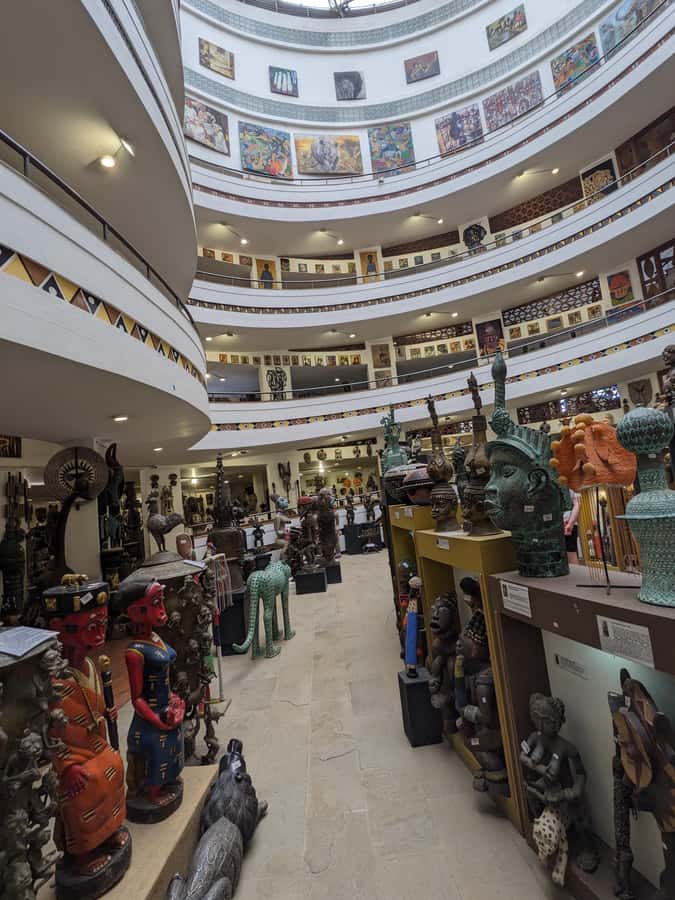
- African Art Gallery and Cultural Heritage Centre, art with context
- Walking safely and comfortably, with the right preparation
- Price and time: is $28 worth it?
- Who should book this Arusha walking tour
- Should you book this tour?
- FAQ
- How long is the Arusha walking city tour?
- How much does the tour cost?
- What museums are included?
- Is the Natural History Museum entrance fee included?
- Which markets do you visit?
- Do you offer hotel pickup and drop-off?
- What language is the guide?
- What should I bring?
- Can I cancel and get a refund?
Key highlights before you go
- German fortress Natural History Museum start with exhibits that go beyond postcards
- City-center landmarks on foot, including the AICC and the East African Community HQ area
- Tanzanite Experience Museum to understand the stone and shop if you want
- Maasai Market and Central Food Market for crafts, textiles, spices, and street-food smells
- African Art Gallery and Cultural Heritage Centre for serious art context
- Practical guidance from guides like Israel, Daudi, and Innocent, including safety through local walking routes
Arusha on foot, where the city stops performing
Arusha is a good base town for safari, but it also has its own pulse. This walking format helps you see how people move around daily, not just how they pose near monuments. You’ll cover key areas while still getting enough time to slow down at the places that matter.
I like that the tour is built around contrast. You start with museums, then shift to government and conference landmarks, and then you hit markets where you can feel the day-to-day rhythm. That mix is why this tour works well as either a first taste of Arusha or a final-day wrap-up.
A few more Tanzania trips to compare
- Stone Town Private Walking Tour
★ 5.0 · 371 reviews - Zanzibar: 3 Hours Private Stone Town walking Tour with Guide
★ 4.6 · 301 reviews - Zanzibar: Stone Town Historical Cultural Walking Guided Tour
★ 4.5 · 179 reviews
German-fortress Natural History Museum, the smart first stop
Most city tours in Africa start with something easy to photograph. This one begins with something more grounded: the Natural History Museum, set in a colonial-era German fortress. That setting alone gives you context for how Arusha has been shaped by different eras, not just by today.
Inside, you’re shown exhibits focused on human evolution, local wildlife, and the wider regional past. If you came to Tanzania mainly for safaris, this museum is a helpful bridge. It gives you a baseline for understanding how the land and people are connected, and it makes later conversations about culture and wildlife far easier to follow.
One practical note: the Natural History Museum entrance fee is $6 per adult, and it’s not included. If you want a smooth start, bring some cash ready before you get inside.
Walking the government and conference district (without feeling boring)
After the museum, the route heads toward Arusha’s more official zones. This is where the tour becomes more than just sightseeing. You pass the East African Community Headquarters area, Mount Meru Hospital, and the Arusha International Conference Centre (AICC).
The AICC stop matters because it’s a real place where diplomacy and regional cooperation happen. Even if you’re not attending an event, you’re getting a sense of Arusha’s role in the broader East African region. It’s a good reminder that the city is not only a gateway, it’s also a meeting point.
Also, this portion of the walk helps you orient yourself. If you’ve been dropped into a new city, being shown major landmarks in sequence makes it easier to navigate later on your own. Your guide’s explanations help turn what could be random buildings into a clear mental map.
Tanzanite Experience Museum, what the stone story actually is
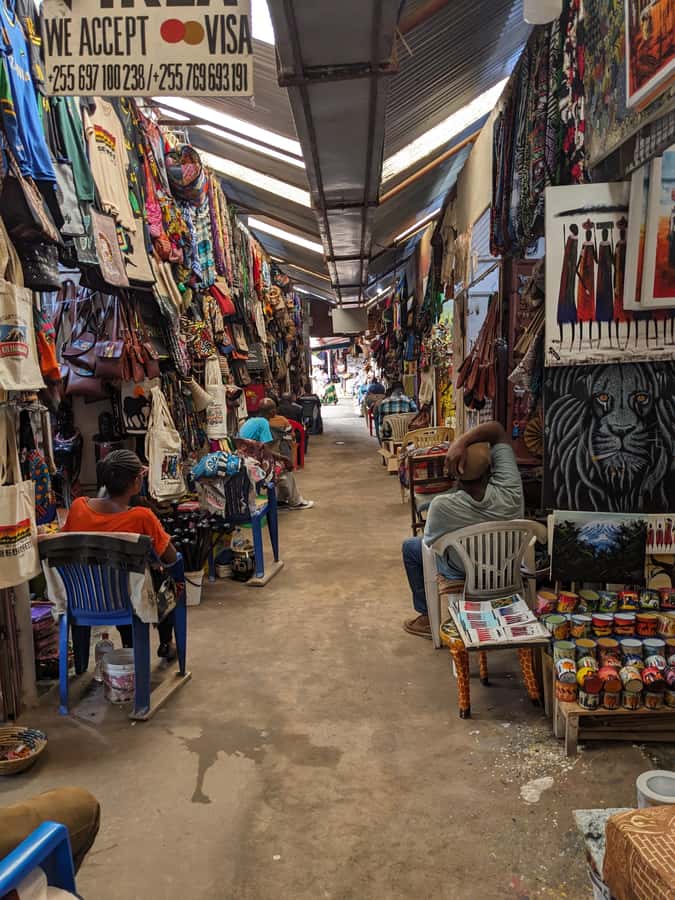
Next up is the Tanzanite Experience Museum. This stop is designed for two things: understanding why tanzanite is special, and learning how the gemstone fits into Tanzania’s story. You’ll hear about the mystery and history of the stone, and you’ll get time to ask questions.
Then there’s the shopping factor. If you want to buy, you can, because the tour includes the Tanzanite museum experience and the guide is there to help you look around. If you don’t want to shop, you can still use this stop to learn the basics, so any later gemstone conversations make more sense.
One thing to keep realistic: gemstone shopping can be tempting anywhere. If you’re buying, set your own budget before you enter. If you’re not, treat it like a learning stop, not a pressure test.
Same base in Tanzania, a completely different day:
- Serengeti Balloon Safari and authentic bush breakfast
★ 5.0 · 2,480 reviews - Balloon Safari & Bush Breakfast in Serengeti – Miracle Experience
★ 5.0 · 1,646 reviews - From Zanzibar: Mikumi Safari Day Trip with Flights and Meal
★ 4.7 · 1,470 reviews - Zanzibar: Quad Bike Adventure departing from Kendwa or Nungwi
★ 4.9 · 1,233 reviews
Arusha Clock Tower, and why it’s a big deal
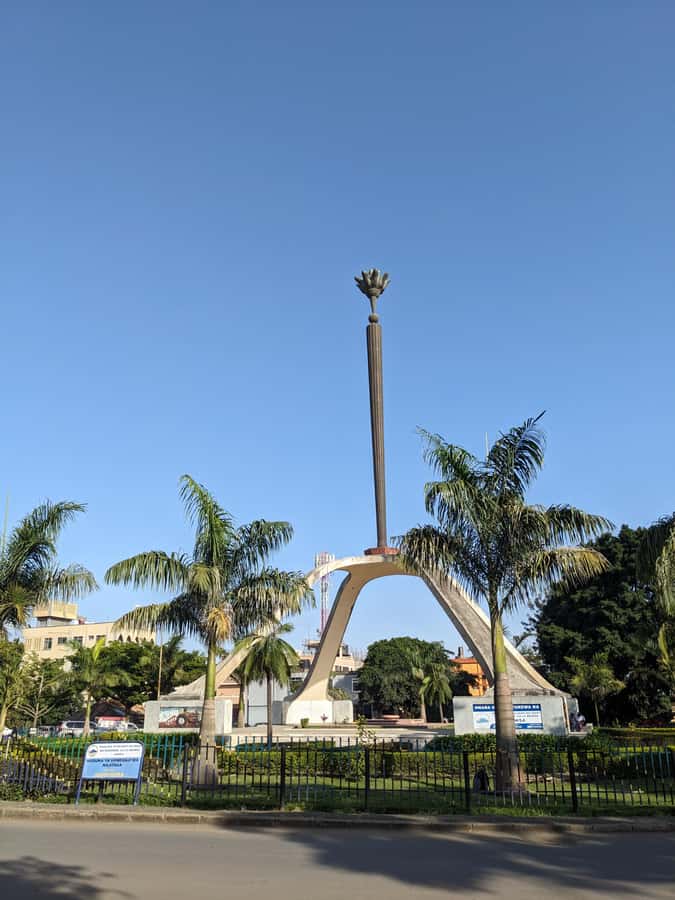
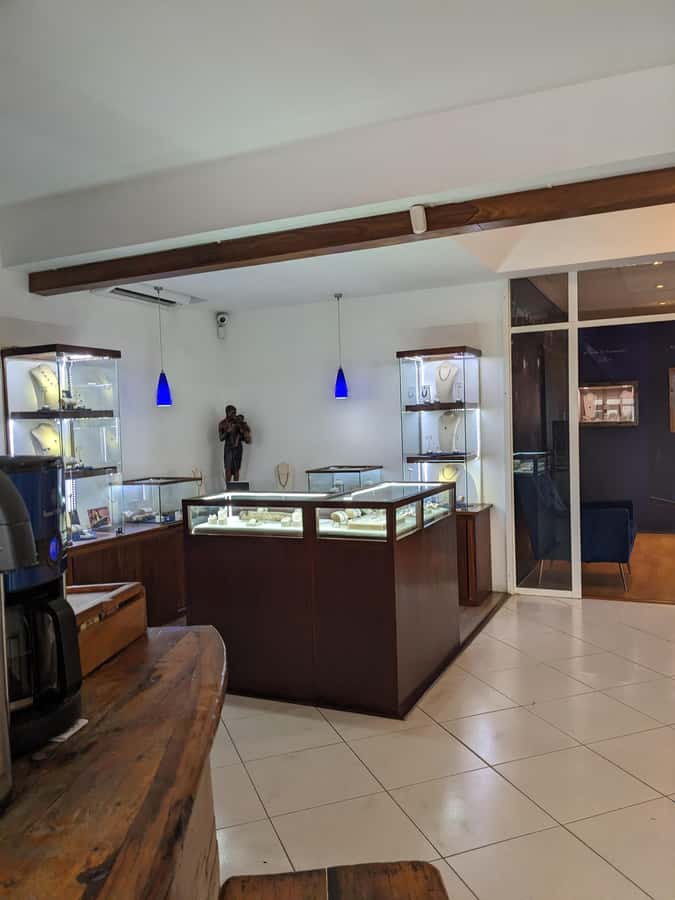
You’ll also pass the Arusha Clock Tower, known as the symbolic midpoint between Cairo and Cape Town. It’s the kind of landmark that’s small in photos but bigger in meaning.
This is one of those stops where the guide’s context matters. Without the explanation, a clock tower is just a clock tower. With it, you start to see why people build symbols into public spaces, and how Arusha fits into broader regional stories.
Maasai Market and Central Food Market, the senses you cannot fake
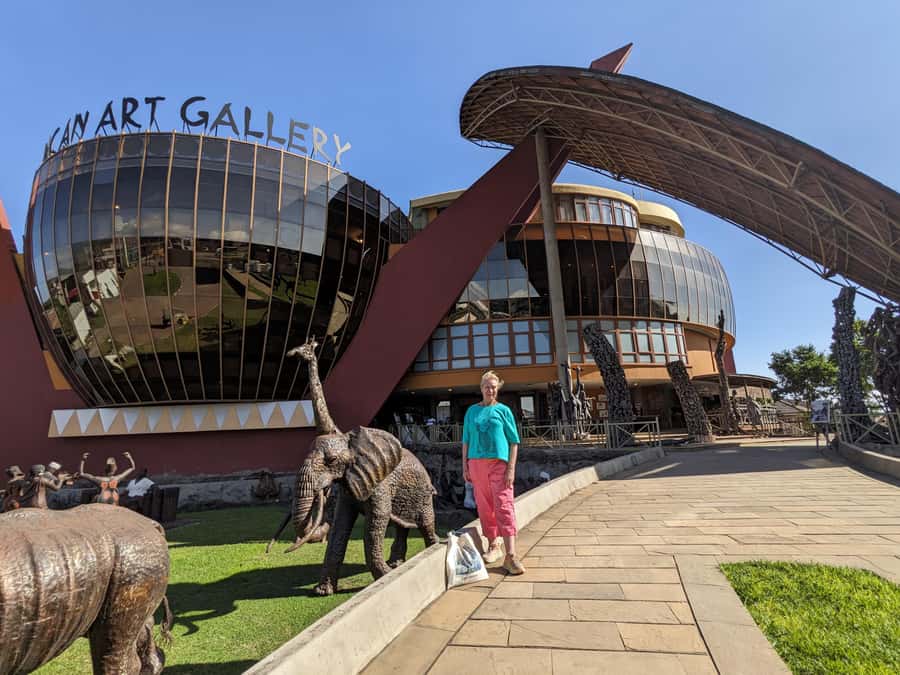
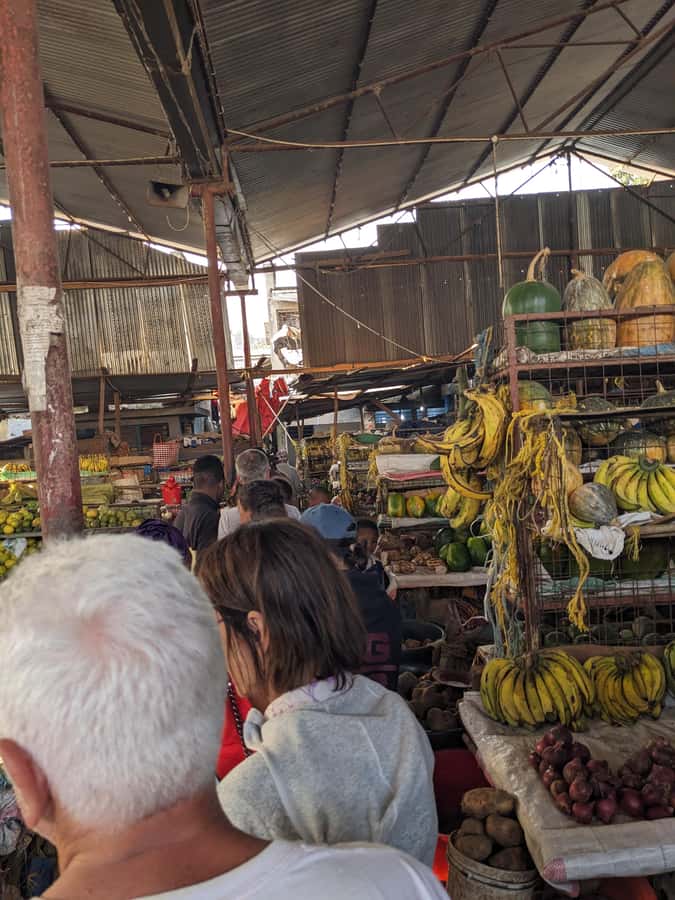
This is where the tour becomes most fun. The Maasai Market is a crowded, colorful place to see traditional crafts, jewelry, and textiles. You’ll get a feel for what’s made, what’s for sale, and how visitors are expected to interact.
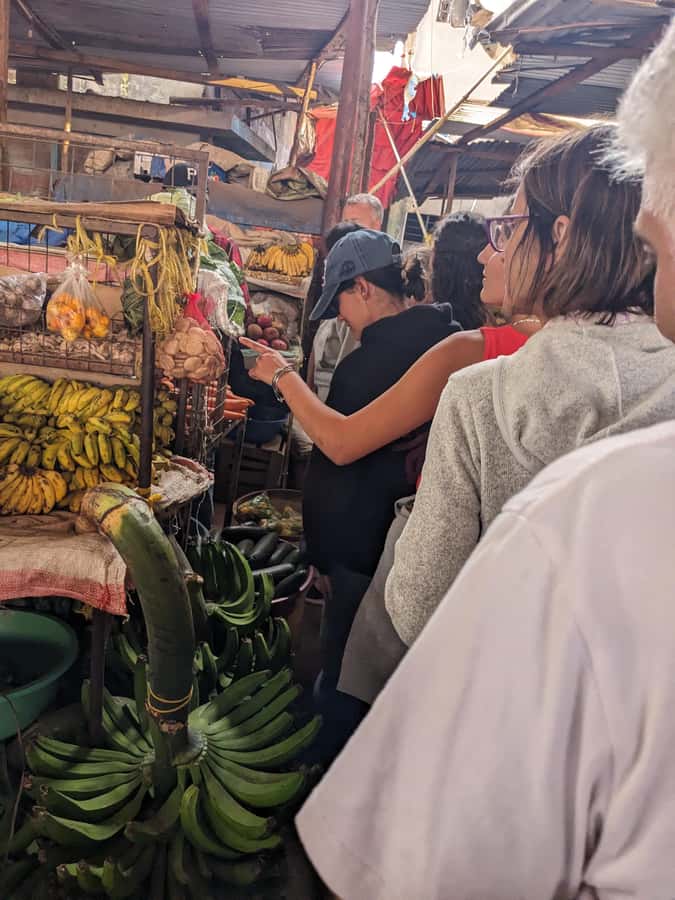
Then you shift to the Central Food Market, where the vibe changes fast. You’ll notice colors and aromas of produce, spices, and street food. This is the moment when Arusha stops being a checklist and starts feeling like a living city.
I really like that the tour doesn’t treat markets like a single photo stop. It’s guided, so you’re not just wandering. You can ask what something is, what people eat day to day, and how to think about prices. Some guides also help you find an actual local place to try food when you show interest, which makes the market portion feel like part of the experience, not just background noise.
African Art Gallery and Cultural Heritage Centre, art with context
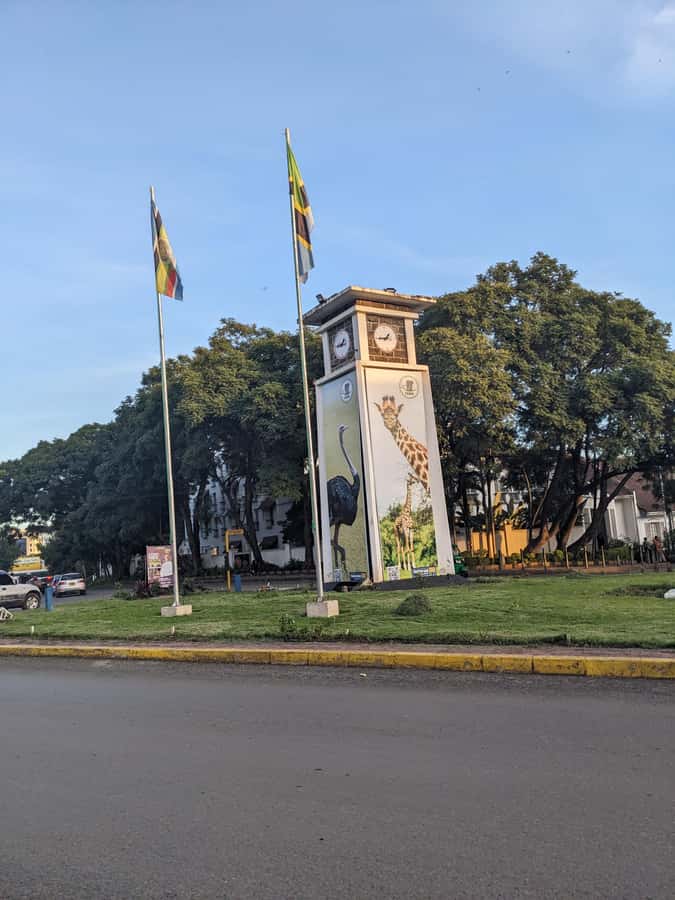
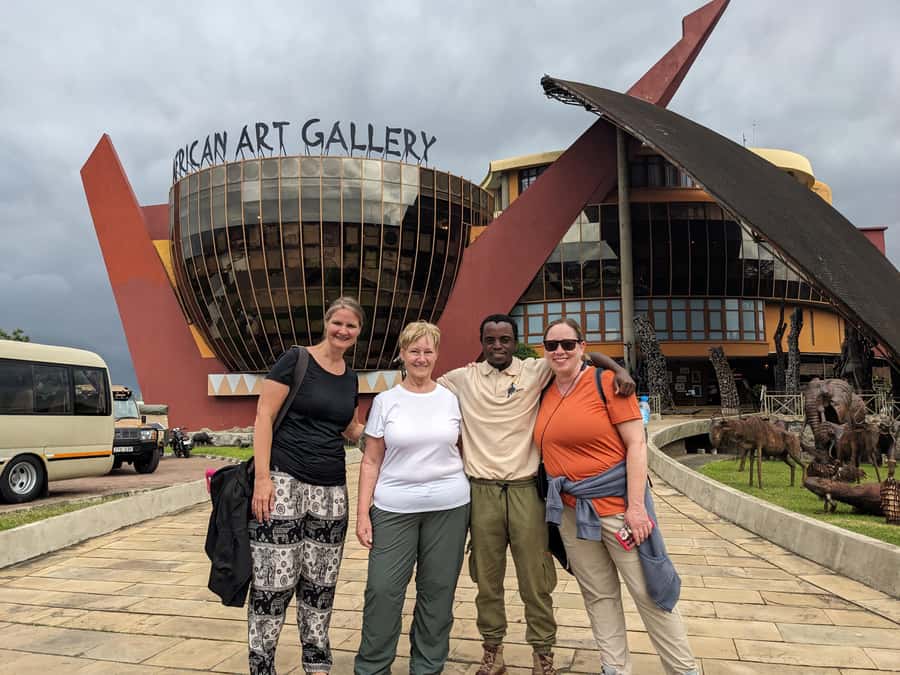
Later, you visit the African Art Gallery and Cultural Heritage Centre. This is a strong final section because it helps you zoom out and connect what you saw earlier, especially in the markets.
You’re shown one of the most extensive collections of African art on the continent. That scale can feel overwhelming at first, but with a guide, it becomes easier to understand what you’re looking at: styles, materials, and the cultural reasons art matters.
This stop is also a good reality check. Markets show items being sold. The gallery helps you understand why those items have meaning beyond souvenirs.
Walking safely and comfortably, with the right preparation
This tour is built around a moderate amount of walking. That sounds simple, but it really affects your enjoyment. Comfortable shoes are not optional here, and sun protection is smart even if you think it will be mild.
Here’s what I’d pack based on the tour guidance:
- Comfortable shoes
- Sun hat
- Camera
- Sunscreen
- Water bottle
- Cash (especially since the Natural History Museum entrance fee is extra)
The guides also tend to be flexible in small ways. In recent experiences, Israel and Daudi were flexible with families and time, and some guides offered practical assistance like helping with SIM card issues. That kind of responsiveness makes a walking tour feel safer and smoother.
Price and time: is $28 worth it?
At $28 per person for a 4 to 8 hour walk, this tour offers good value if you want more than a quick drive-by. You’re not just paying for transit. You’re paying for interpretation, museum access (except the $6 Natural History Museum entrance), and guided time at multiple stops that you might otherwise rush through or miss.
You should think about it like this: museums and markets are where you get “less obvious” value. The guide helps you understand the why behind the what, and that’s what makes a city tour stick with you after you leave.
Pickup is included for hotels near the city center, and the tour notes pickup and drop-off inclusive for hotels about 3 km from the center. If your hotel is farther, expect an extra cost, though it’s described as affordable compared to distance. If you’re planning carefully, choose the meeting point and pickup option that keeps you from spending your limited time on logistics.
Who should book this Arusha walking tour
This is a great match if you want:
- A city overview without hiring a private driver for the whole day
- A guided look at museums plus markets, not just landmarks
- A guide who can answer questions and handle small issues along the way
It’s less suitable if you have mobility challenges, wheelchair needs, or if you are pregnant, since the tour involves walking and is not listed as suitable for those situations.
If you’re visiting Arusha for safari and want a meaningful day that isn’t another long transfer, this is a strong way to feel the city while it’s still fresh in your mind.
Should you book this tour?
If you want an Arusha day that feels like you’re walking with someone who understands the city, yes, book it. The $28 price is reasonable for a guided walk that includes multiple major stops, especially the German-fortress Natural History Museum start, the Tanzanite Experience Museum learning segment, and the market time.
If you hate walking, or you want a purely passive, sit-down experience, you might feel overworked. But if you’re willing to wear comfy shoes, carry water, and bring some cash for the $6 museum entrance, this tour gives you a solid mix of history, art, and everyday Arusha life.
If you’re flexible, you also have the option to cancel up to 24 hours in advance for a full refund, which helps if your safari schedule shifts.
FAQ
How long is the Arusha walking city tour?
The tour duration is listed as 4 to 8 hours. It says starting times depend on availability.
How much does the tour cost?
The price is $28 per person.
What museums are included?
You’ll visit the Natural History Museum and the Tanzanite Experience Museum.
Is the Natural History Museum entrance fee included?
No. The Natural History Museum entrance fee is $6 per adult and is not included in the tour price.
Which markets do you visit?
You’ll visit the Maasai Market and the Central Food Market.
Do you offer hotel pickup and drop-off?
Yes, pickup and drop-off are offered for hotels near the city center. The information given says pickup and drop-off is inclusive for hotels about 3 km away from the city center, and hotels farther away can have an added cost. Pickup is described as optional and arranged after booking for your exact location.
What language is the guide?
The live tour guide language is English.
What should I bring?
Bring comfortable shoes, a sun hat, a camera, sunscreen, water, and cash.
Can I cancel and get a refund?
Yes. The tour offers free cancellation up to 24 hours in advance for a full refund.
Just posted around Tanzania
- Stonetown Private Half-day Walking Tour★ 5.0 · 21 reviews
- Full Day Safari to Mikumi National Park from Zanzibar with Lunch★ 4.5 · 3 reviews
- Dolphin Watching Tour & Josani Forest Sea Trip – Zanzibar★ 4.5 · 3 reviews
- Come and taste the Zanzibar feelings★ 5.0 · 12 reviews
- Cooking Class Tour★ 5.0 · 9 reviews
- Cultural Walking Tour through Stonetown, a UNESCO World Heritage Site★ 4.5 · 14 reviews
- Private Catamaran – Stone Town Islands & Sandbanks (5 hrs)★ 5.0 · 10 reviews
- Cave Tour & Rock Restaurant Visit★ 3.5 · 5 reviews
Historical Tours, compared.
Stone Town Historical Cultural Walking Guided Tour
Read our review →
Arusha Guided Walking City Tour, Culture, Lifestyle & History
Read our review →
Stone Town’s Hidden History: Private Guided Walking Tour
Read our review →

Zanzibar Stone Town Historical Tour and Spice Farm Tour
Read our review →Browse the lists this tour appears in