
Reviewed · HISTORICAL TOURS
Dar es Salaam History and Architectural Tours
Churches, markets, and museums in one smart day. This private tour strings together Dar es Salaam’s architecture, faiths, and daily life so you understand how the city grew. I especially love the mix of cathedral-and-church design plus story time with Bernard, and you’ll also get a practical hit of local markets and art that feels real, not staged.
The one thing to keep in mind is that you’re out for about seven hours in Dar’s heat, with multiple stops that require short walks and fast transitions. If you hate sun exposure or you want a slow, minimal itinerary, this might feel like a lot.
Still, it’s a strong choice if you want a first-time Dar orientation that connects buildings to people, and people to the city you see today.
In This Review
- Key things to know before you go
- Dar es Salaam, told through buildings and street life
- Morning start, pickup, and how to prepare for the heat
- St. Joseph’s Cathedral, and why 1903 matters
- Azania Front Lutheran Church, a Bavarian-style surprise
- Village Museum: traditional homes and lived-in context
- Mwenge Woodcarvers Market: ebony carvings with personality
- Kivukoni Fish Market: how the city feeds itself
- National Museum of Tanzania: a reality check for time and nature
- Kariakoo Market: shopping sprawl and real city energy
- Mlimani City Mall: modern Dar in one controlled location
- Tingatinga Arts Cooperative Society: art that travels well
- Lunch and the best kind of view break
- Price and value, with a reality check
- Who this tour fits best
- Should you book this Dar es Salaam architecture tour?
- FAQ
- What time does the tour start?
- How long is the tour?
- How much does it cost?
- Is pickup included?
- What’s included in the price?
- Can I cancel and get a full refund?
Key things to know before you go
- Bernard’s city storytelling ties religious sites, neighborhoods, and art to how Dar es Salaam works
- Admission tickets are included at every main stop, so you’re not scrambling for entry money
- Village Museum is hands-on, with traditional homes and day-to-day life for multiple Tanzanian tribes
- Mwenge Woodcarvers Market is built for seeing craft up close, from ebony-style carvings to masks and chests
- Lunch plus bottled water helps you handle a hot day without turning the trip into a “where can we eat?” hunt
- It’s a private tour, meaning your group moves together at a pace you can actually manage
Dar es Salaam, told through buildings and street life
Dar es Salaam is easy to underestimate if you only look at the skyline. What makes this tour work is that it links what you see, from church architecture to market stalls, with why it exists. Bernard’s approach is personal, with anecdotes that help you picture what daily life might have looked like for the people who lived here before you arrived.
You’re also not stuck in one theme. One hour you’re looking at a cathedral’s place in the city. The next you’re at a woodcarving market where craftsmanship is the whole point. By the time you reach the art co-op and Tingatinga paintings, you have a better sense of how Dar makes culture travel.
This is not the kind of day where you just “collect photos.” It’s more like getting your bearings fast, then building context stop by stop.
A few more Dar es Salaam trips to compare
- Bagamoyo Historical Tour – Everyday
★ 5.0 · 13 reviews - Bagamoyo Historical Tour – Everyday
★ 4.4 · 8 reviews - Private Tour in Historical Dar es Salaam with Lunch
★ 4.5 · 6 reviews
Morning start, pickup, and how to prepare for the heat
Your day begins at 9:00 am, and you’ll be picked up. That matters in Dar es Salaam, where getting from one area to another can eat up time. Private transportation is included, so you’re not negotiating rides back and forth.
The tour also includes snacks before lunch and bottled water. I like that because Dar can get hot, and hydration plus quick fuel keeps you from turning grumpy mid-day. Pack light layers you can handle in sun, plus comfortable shoes. Even with short stops, you’ll want something you can walk in confidently.
Since this is a private outing, you can ask questions as you go. The best results come when you’re willing to slow down for explanation, not just sprint between photo stops.
St. Joseph’s Cathedral, and why 1903 matters
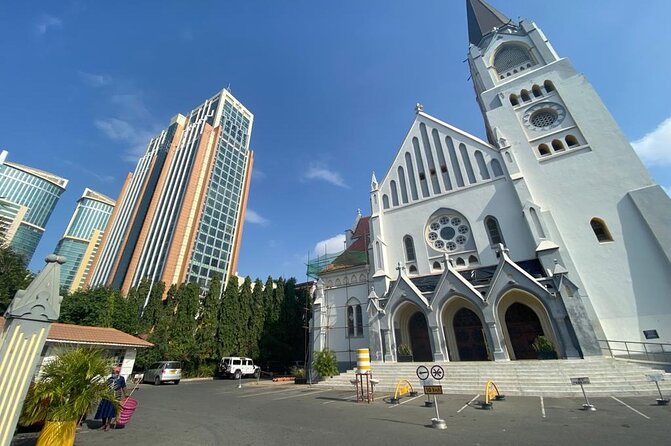
Your tour starts at St. Joseph’s Cathedral of the Archdiocese of Dar es Salaam. The cathedral was built in 1903 and it sits on the same spot as the city’s first mosque. That single detail gives you a lot to think about: the layering of faith and how religious life shifts over time without erasing what came before.
This stop is about 30 minutes. You’ll have enough time to look at the architecture and get the story, but not so long that the day gets bogged down. The admission ticket is included, so you’re free to focus on the place rather than logistics.
A practical note: religious sites often have rules about dress and behavior. Wear something that covers shoulders and knees, and keep your pace respectful. It makes the whole visit easier for you and everyone around you.
Azania Front Lutheran Church, a Bavarian-style surprise
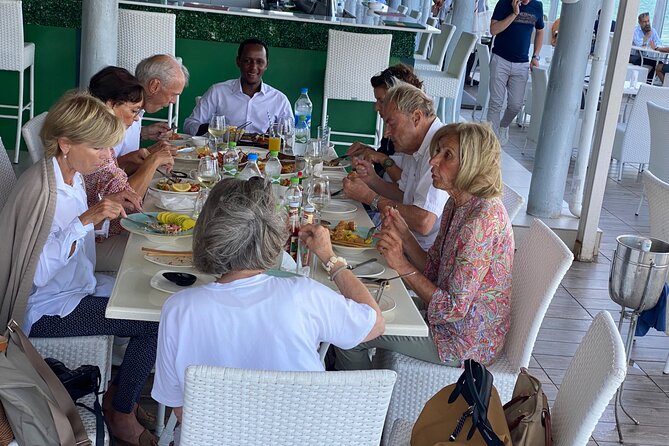
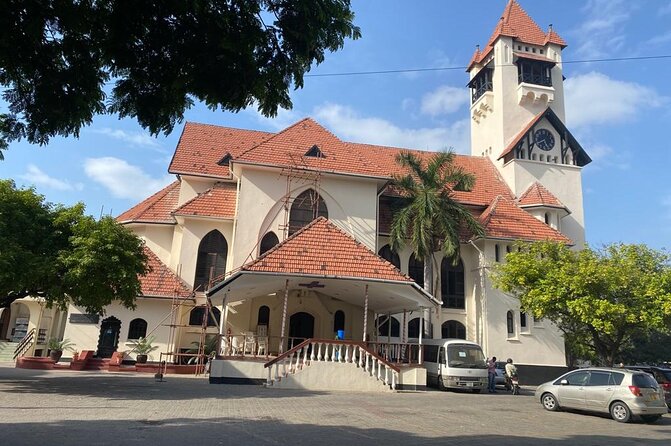
Next up is Azania Front Lutheran Church. What I like here is the contrast. The church is described as a Bavarian style building, inspired by churches in Latin America and India. That global mix tells you Dar was never isolated. Ideas, styles, and communities moved, and buildings reflect that movement.
You’ll also get 30 minutes here, including the admission ticket. Palm trees provide a natural frame for photos, and the setting helps you notice details you might otherwise rush over.
If you love architecture, this is one of the stops where you’ll enjoy pausing and comparing shapes and design choices to what you already know from Europe, Latin America, or Asia. Even if you’re not an architecture nerd, the story makes it click.
Same base in Dar es Salaam, a completely different day:
- Dar es Salaam: City Tour
★ 4.7 · 159 reviews - Dar es Salaam City Center: Walking Tour
★ 4.8 · 102 reviews - Dar es Salaam City Tour – Everyday
★ 5.0 · 64 reviews - MIKUMI NATIONAL PARK – 3 Days
★ 4.5 · 63 reviews
Village Museum: traditional homes and lived-in context

The Village Museum is a hands-on style stop that showcases traditional homes and living conditions of several Tanzanian tribes. It’s about an hour, and admission is included.
This is where the tour becomes more than a building walk. Instead of only looking outward at walls and roofs, you get a window into everyday life. The homes and living conditions help you understand how people adapted to climate, materials, and community needs.
What you might like most is that it helps you connect later stops to human routines. When you reach markets, fish, craft, and art, you’ll have a better sense of how culture shows up in practical choices, not just ceremonies.
If you prefer museum time that’s active, this fits well. If you dislike interactive exhibits, you may still enjoy it for the overview of lifestyle, but plan to move at your own speed rather than feeling you must take in everything at once.
Mwenge Woodcarvers Market: ebony carvings with personality
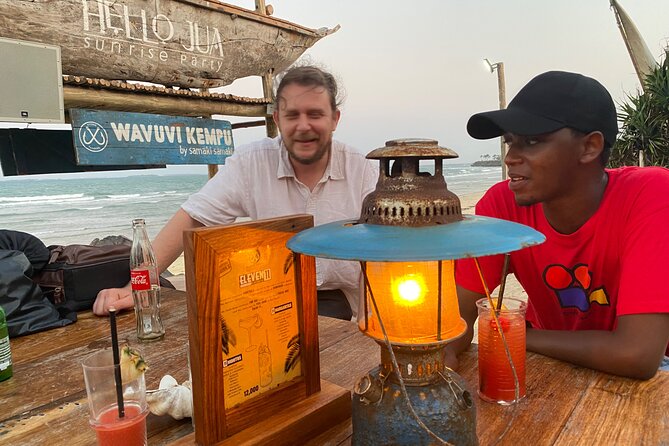
Mwenge Woodcarvers Market sits at the heart of Dar. You’ll spend about an hour here. This stop is all about craft: statues, masks, and chests carved in strong black wood often associated with ebony.
I love markets like this because they don’t just sell objects. They show process and personality. Even if you don’t buy anything, you learn how artisans think about forms, faces, and storytelling through shape.
A practical tip: if you want souvenirs, this is one of the better places to shop because you can see what’s being made and talk about styles. Just take your time. Carvings can vary a lot in size, detail, and price.
Keep in mind that wood and detailed items can be heavy. If you’re flying later, factor that into your shopping. You’ll have room in your day to focus, but not enough time to shop forever.
Kivukoni Fish Market: how the city feeds itself

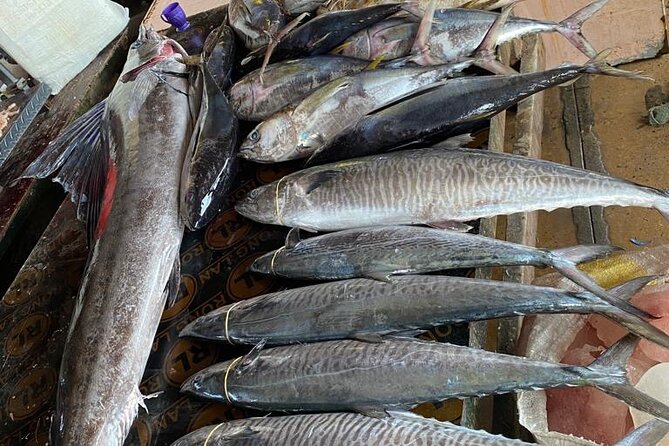
At Kivukoni Fish Market, expect a lively look at the local fishing industry and the city’s seafood culture. This stop is about 30 minutes, with admission included.
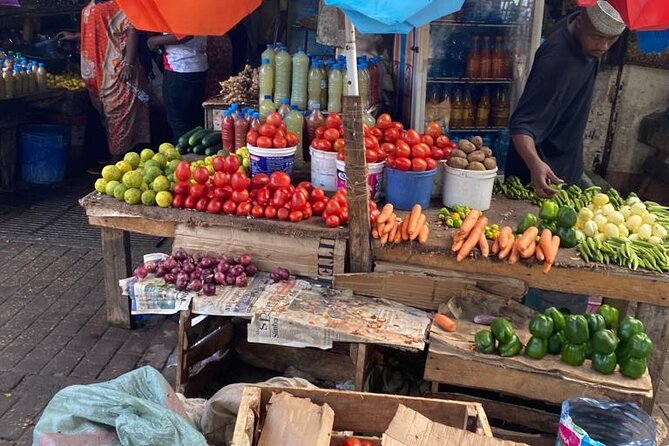
The value here is direct context. Markets like this show you the economics of daily food, who handles what, and how quickly fresh products move. You might also notice how many people treat the market as both workplace and meeting place.
If you’re sensitive to smells or prefer quieter environments, go in with awareness. That doesn’t mean you’ll have a bad experience. It just means you should be ready for a sensory place, not a gallery.
Also, don’t assume you’ll be ordering a full seafood meal here. The itinerary focuses on the market experience. Lunch comes later, and you’ll get more controlled eating time then.
National Museum of Tanzania: a reality check for time and nature
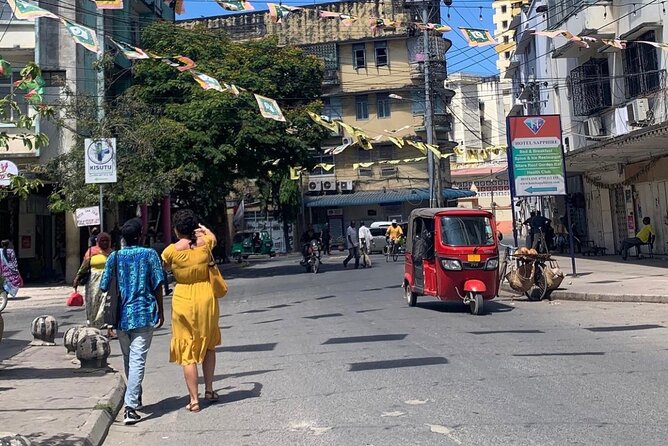
The National Museum of Tanzania is listed as a consortium of five Tanzanian museums, focused on preserving and showing exhibits about the history and natural environment of Tanzania. You’ll have about an hour, with admission included.
I like this kind of stop because it helps balance what you’ve already seen. The earlier parts of your day are heavily human-centered: religion, craft, food trade, and art. A museum that covers both history and natural environment gives you a wider frame for why people live the way they do across the country.
Even if you’re short on attention for exhibits, you’ll likely find at least a few sections that make you pause. Museums like this can connect the dots between artifacts, ecosystems, and cultural development.
If you like museums but get tired easily, set a personal goal for this stop: pick two sections that interest you, then enjoy the rest at a slower pace.
Kariakoo Market: shopping sprawl and real city energy
Kariakoo Market is known for its wide-ranging markets extending over many city blocks, and it contributes significantly to Dar es Salaam’s. You’ll have about an hour, with admission included.
This is a different mood from the woodcarving market. It’s more about scale and variety than craftsmanship alone. You’ll likely see everyday goods, clothing, and tons of movement. It can feel like the city’s supply chain in human form.
A tip for this stop: keep your shopping mindset practical. If you’re buying, decide what you want before you enter deeper lanes. If you’re not buying, still take your time watching how people navigate the crowd.
Also, remember that Kariakoo can be busy. Keep your phone and wallet secure, and stay close to Bernard. Private transportation helps later, but inside the market you’re on foot with your surroundings moving fast.
Mlimani City Mall: modern Dar in one controlled location
Mlimani City is a large shopping mall on Sam Nujoma Road in Ubungo. It covers about 30,000 square meters. You’ll spend about an hour there, and admission is included.
This stop offers a modern contrast. Before the mall, your day is full of street-level and community spaces. Here, you get a climate-friendly, organized environment where you can rest your legs without feeling guilty about taking a breather.
Because this is a mall, don’t expect it to feel like culture in the same way as the museums and markets. Instead, think of it as a useful pause and a chance to see how big retail and modern consumer spaces fit into Dar’s rhythm.
If you need a break from sun, this is often where that happens naturally. You might use the time to pick up water, snacks, or simple travel necessities you didn’t pack.
Tingatinga Arts Cooperative Society: art that travels well
The final art-focused stop is the Tingatinga Arts Cooperative Society. Tingatinga paintings were developed in the second half of the 20th century in Tanzania. These paintings tend to be striking in color and are made on masonite, which is one reason they’re popular with tourists who want art that travels more easily.
You’ll spend about 30 minutes here, with admission included. This is short on purpose. It gives you the essentials: what the style is, why it looks the way it does, and how artists share their work through cooperative structures.
If you buy art, this is a good stop to do it because you understand the method and context. If you’re not buying, you’ll still learn a lot from seeing how a modern local art style gained international visibility.
And yes, the colors can be intense. That’s part of the point. Tingatinga isn’t trying to blend in. It’s trying to be seen.
Lunch and the best kind of view break
Lunch is included, along with snacks before lunch, and it’s described as a local lunch. One thing I appreciated from the way this tour is run is that lunch is not treated as an afterthought. It’s part of the day’s planning, with food and hydration built in.
In some outings, you may be taken to Akemi, a revolving restaurant with magnificent views. Even if your lunch location differs, the idea stays the same: you get a proper break that helps you recharge before the last stretch.
For alcohol and dinner, they’re not included. If you want drinks or an evening meal later, the suggested budget mentioned is about $30 to $50 per person, and alcohol is for age 18 and up. Plan that into your day if you’re planning to extend it.
Price and value, with a reality check
At $150 per person for about seven hours, the value depends on what you normally spend on a day like this. Here, you get private transportation, admission tickets at every main stop, bottled water, and snacks before lunch. Those items add up, especially in a city where entry fees and transport can stack quickly.
The tour also does something subtle but important. It chooses stops that support each other. Churches and cathedrals explain cultural layering. The museum adds a broader lens. Markets connect you to daily commerce and livelihoods. The art co-op brings it back to modern identity.
The main cost consideration is what’s not included: alcohol and dinner. Also, because you move through several areas, you may want to budget for small purchases at markets if you’re into souvenirs.
If you’re the kind of traveler who likes guided context and doesn’t want to piece together multiple days, this price can feel fair. If you prefer total freedom and self-guided wandering, you might find it pricey for what you do not get to choose. Most people, though, like having the structure in place.
Who this tour fits best
This works especially well for:
- First-time visitors who want a coherent story of Dar es Salaam
- Travelers who care about architecture, religion, and everyday culture
- People who want a private day without the hassle of planning stops and entry times
It may not fit best if you want lots of free time to roam alone, or if you strongly prefer a shorter and less stop-heavy plan.
Should you book this Dar es Salaam architecture tour?
I’d book it if your goal is understanding Dar es Salaam, not just checking off landmarks. The itinerary is built around connection: buildings to belief, museums to place, markets to daily life, and Tingatinga art to how modern culture travels.
The biggest reason to choose it is Bernard’s approach. The tour isn’t just facts, it’s the kind of city storytelling that makes the streets feel less random. Add in included entry fees, bottled water, and snacks, and you get a day that runs like it was designed for real visitors in a hot city.
If you’re deciding between this and a more general city tour, this one tends to reward your attention. It asks you to look closer. And in Dar es Salaam, looking closer is how the city starts to make sense fast.
FAQ
What time does the tour start?
The start time is 9:00 am.
How long is the tour?
It’s about 7 hours.
How much does it cost?
The price is $150.00 per person.
Is pickup included?
Yes. Pickup is offered, and private transportation is included.
What’s included in the price?
The tour includes lunch, local snacks before lunch, bottled water, private transportation, all fees and taxes, and admission tickets at each listed stop. It also uses a mobile ticket.
Can I cancel and get a full refund?
Yes. You can cancel for free up to 24 hours in advance for a full refund. If you cancel less than 24 hours before the start time, the amount you paid will not be refunded.
Just posted around Dar es Salaam
- 2 Day Wildlife Experience and Masai Culture Mikumi Park★ 5.0 · 5 reviews
- Explore Dar es Salaam: Full-Day Private City Tour★ 5.0 · 18 reviews
- 3 Days Explore Selous Game Reserve + Boat safari + bushman walking★ 5.0 · 5 reviews
- Sunrise Beach Walk with Picnic Breakfast Activity★ 5.0 · 3 reviews
- Mikumi Np Mid Range Tour 3 Days★ 5.0 · 3 reviews
- 3 Days Safari to Nyerere National Park (Selous Game Reserve)★ 5.0 · 8 reviews
- Saadani National Park Day Tour★ 5.0 · 3 reviews
- Mikumi national park full day tour from Dar es sallam★ 5.0 · 9 reviews
Historical Tours, compared.
Stone Town Historical Cultural Walking Guided Tour
Read our review →
Arusha Guided Walking City Tour, Culture, Lifestyle & History
Read our review →
Stone Town’s Hidden History: Private Guided Walking Tour
Read our review →
Zanzibar Stone Town Historical Tour and Spice Farm Tour
Read our review →Browse the lists this tour appears in