
Reviewed · CITY TOURS
Dar es Salaam City Center: Walking Tour
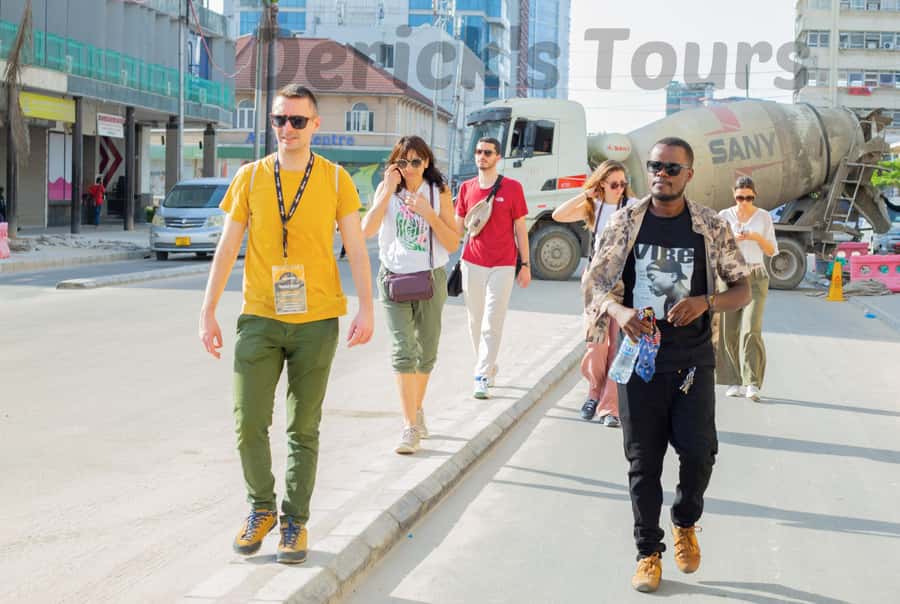
Dar es Salaam clicks fast on foot. In 2 hours, this city-center walk links big landmarks with real street life, so you get your bearings without wasting a day. I really like the way Derick Lawrence weaves architecture, World War I memory, and day-to-day coastal trading into one practical route.
I also love ending at Kivukoni Fish Market, where you can watch how the catch moves from water to stall. One possible drawback to plan for: it is a lot of walking in city heat, so bring water, wear comfy shoes, and protect yourself from the sun.
In This Review
- Key Highlights You Should Not Miss
- Why This 2-Hour Dar es Salaam Center Walk Hits The Sweet Spot
- St. Joseph Cathedral and Azania Front Church: Churches, Architecture, and Colonial Echoes
- Askari Monument: The World War I Story You Might Not Expect Here
- Botanical Garden: A Green Reset Between Main Sights
- Old Boma: One of Dar es Salaam’s Oldest Surviving Buildings
- Kivukoni Fish Market: Fresh Seafood, Street Food, and Real-World Energy
- A Local Art Stop: Seeing Modern Dar Through a Gallery
- The Real Value Behind the $30 Price Tag
- Pacing, Timing, and What to Tell Your Guide Before You Start
- Who Should Book This Walking Tour, and Who Might Skip It
- Should You Book This Dar es Salaam City Center Tour With Derick?
- FAQ
- How long is the walking tour in Dar es Salaam?
- What sights are included on the Dar es Salaam city center route?
- Is the tour guided in English?
- Can the route be customized to my interests?
- How much does the tour cost?
- Can I get a full refund if I cancel?
- Is there an option to pay later?
- Is the experience flexible if I cannot make the original time?
Key Highlights You Should Not Miss
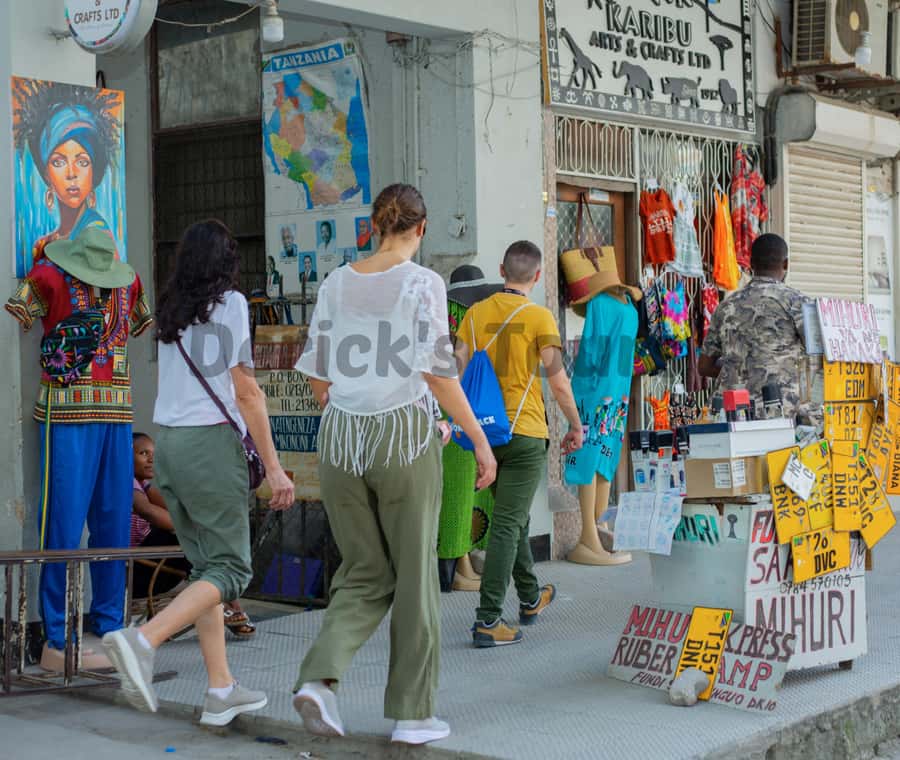
- Derick Lawrence in English makes the history feel clear, not heavy
- St. Joseph Cathedral and Azania Front Church show how faith and foreign influence shaped Dar
- Askari Monument gives real context behind the African soldiers of World War I
- Botanical Garden is a welcome calm stop before the action of the market
- Kivukoni Fish Market is the hands-on highlight, including street food options
- Route flexibility can mean adjusting timing, or even skipping the fish market if you have a smell-trigger allergy
Why This 2-Hour Dar es Salaam Center Walk Hits The Sweet Spot
Dar es Salaam can feel like a “drive-by city” from a taxi window. This tour fixes that. You walk through the center in a way that helps you understand where the city’s power, faith, and daily commerce overlap.
The best part is the time math. At 2 hours, you see enough landmark variety to form a mental map fast, but you are not stuck on a long day tour. That matters because Dar’s pace is not slow, and the sun can make even a short walk feel longer.
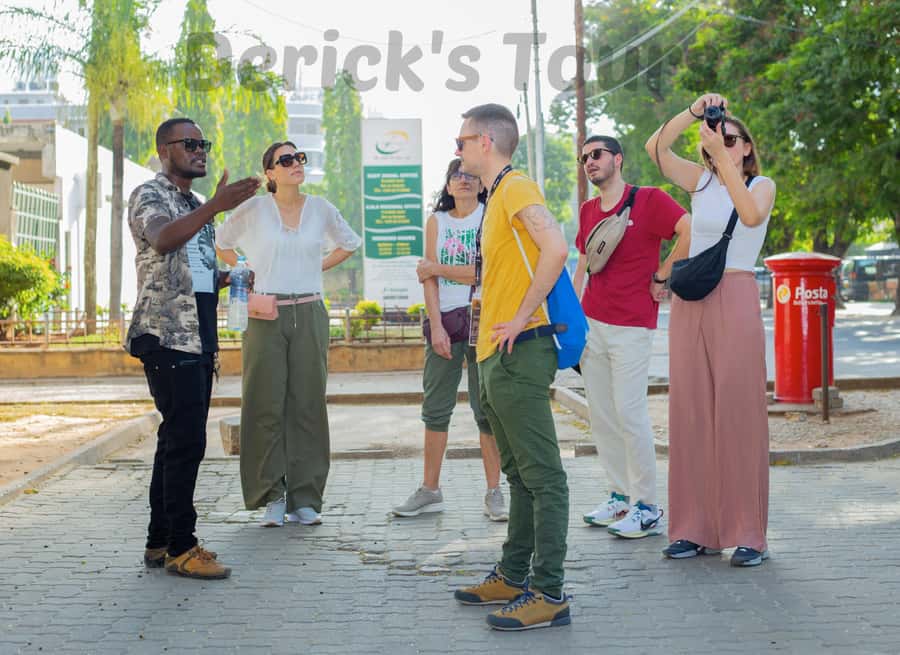
Also, I like that this is not just sign-and-photo tourism. Derick Lawrence is a live local guide who explains what you are looking at while you are still standing there. You get context for St. Joseph Cathedral, the churches tied to German colonial influence, and why a World War I memorial matters here, not in Europe.
Finally, this tour is designed to be adjustable. If you want the plan to lean more history, more street life, or fewer strong smells at the market, you can ask. That turns a standard city walk into something that actually fits you.
More City Tours in Dar es Salaam
- Dar es Salaam: City Tour
★ 4.7 · 159 reviews - Dar es Salaam City Tour – Everyday
★ 5.0 · 64 reviews - The Best/Top Rated Cultural City Tour in Dar es Salaam
★ 5.0 · 57 reviews
St. Joseph Cathedral and Azania Front Church: Churches, Architecture, and Colonial Echoes
Your tour kicks off at St. Joseph Cathedral, a major city landmark known for its Gothic-style look. Even if you are not a church architecture buff, you will feel the scale. In a city center full of motion, it is the kind of building that gives you a clear “anchor point” for your first impression of Dar es Salaam.
From there, you move to Azania Front Lutheran Church. This stop is valuable because it is tied to a specific layer of Dar’s past. The church reflects German colonial-era influence, and Derick’s explanations help you connect those influences to what you see now. The big win here is learning to spot historical clues without needing a textbook.
What to expect at these church stops:
- You get time to look closely at the buildings, not just walk past them
- Your guide ties architecture to historical influence and local context
- You learn how different religious communities and eras shaped the city center
A practical note: churches often have rules about how visitors should behave. Keep it respectful, dress appropriately, and follow your guide’s cues.
Askari Monument: The World War I Story You Might Not Expect Here
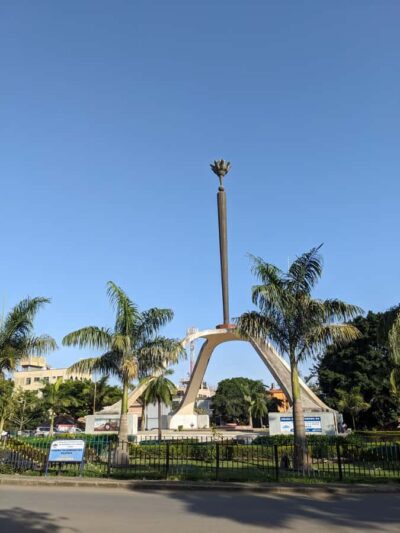
Next comes Askari Monument, a powerful memorial dedicated to the African soldiers who served during World War I. This stop is more than a photo spot. It is a reminder that global events reached Tanzania in complicated ways, and the city still carries that memory.
What makes this part of the walk click is that it breaks a common travel habit. Many people travel with a Europe-first timeline. Here you get a Tanzania-centered view of how a major 20th century event played out locally.
When you are standing at the memorial, pay attention to what Derick explains about who the soldiers were and why the monument is placed where it is. If you care about history, this is one of the most meaningful stops on the route, because it is not abstract.
Botanical Garden: A Green Reset Between Main Sights
After the monument, you head into the Botanical Garden, where the temperature and noise shift. This is one of those stops that is easy to underestimate on a short walk.
Why I think it works:
- It gives your body a break from the sun and pavement
- It gives your eyes a change of focus from concrete to plants
- It slows the tour down just enough to let the city register
You will see tropical trees and plants, and your guide uses the setting to talk about the city’s everyday rhythm and the way green space functions as a pause button in a built-up area.
If you are the type who takes photos at every turn, this garden stop is a good time to do it. You will also get a calmer moment before the market, when things can get intense.
More Walking Tours in Dar es Salaam
- 3 Days Nyerere NP [Selous GR] Game, Walking and Boat
★ 5.0 · 19 reviews - Dar es Salaam City Walking tour – Explore the Life of the Local People!
★ 4.5 · 17 reviews - 5 Days Selous/Nyerere & Mikumi NP Game drive, Maasai and Walking
★ 5.0 · 13 reviews - 3 Days Explore Selous Game Reserve + Boat safari + bushman walking
★ 5.0 · 5 reviews
Old Boma: One of Dar es Salaam’s Oldest Surviving Buildings
Old Boma is next, and this is where the walk turns into a “how the city formed” lesson. The Old Boma is among the oldest surviving buildings in Dar es Salaam, which makes it a rare physical link to earlier periods of the city.
This stop matters because it teaches you to read the city like a timeline. Instead of history being something you only hear in museums, you can literally point at an older structure and understand why it is still here.
Expect:
- A guided look at the building and why it survived
- Explanations that connect colonial-era development to the Dar you see today
- Time to ask questions, because your guide is happy to talk through details
If you love architecture and city evolution, this will land well. If you are more about food and street life, it still works because it provides a storyline for why the city center looks the way it does.
Kivukoni Fish Market: Fresh Seafood, Street Food, and Real-World Energy
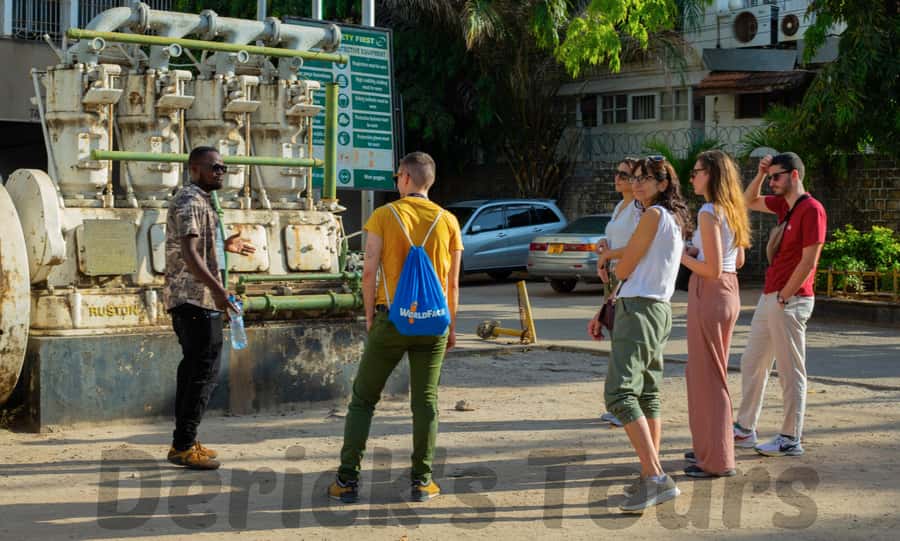
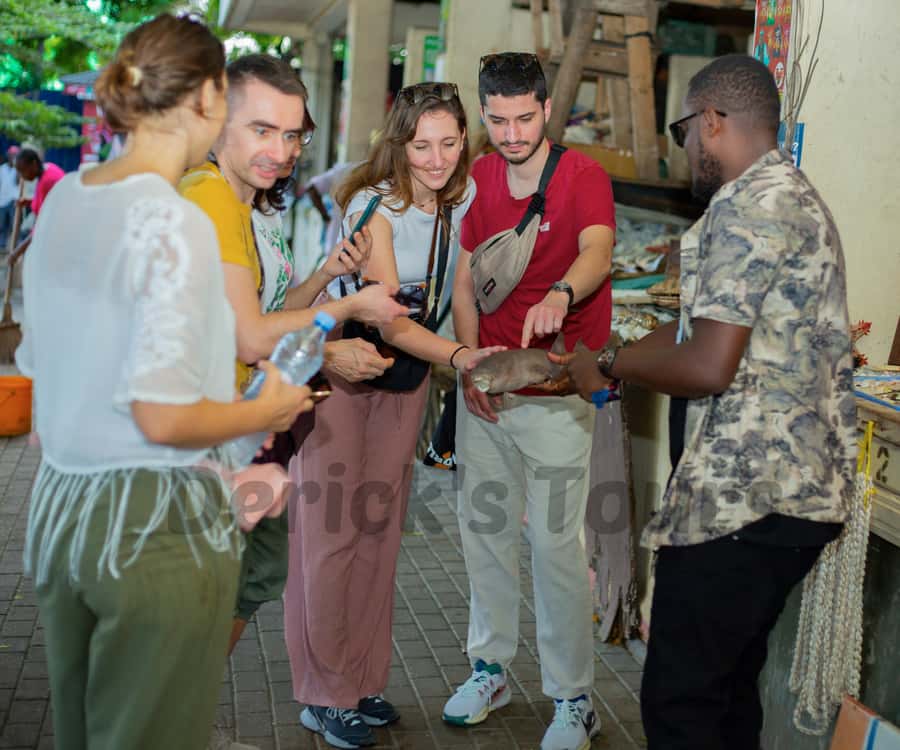
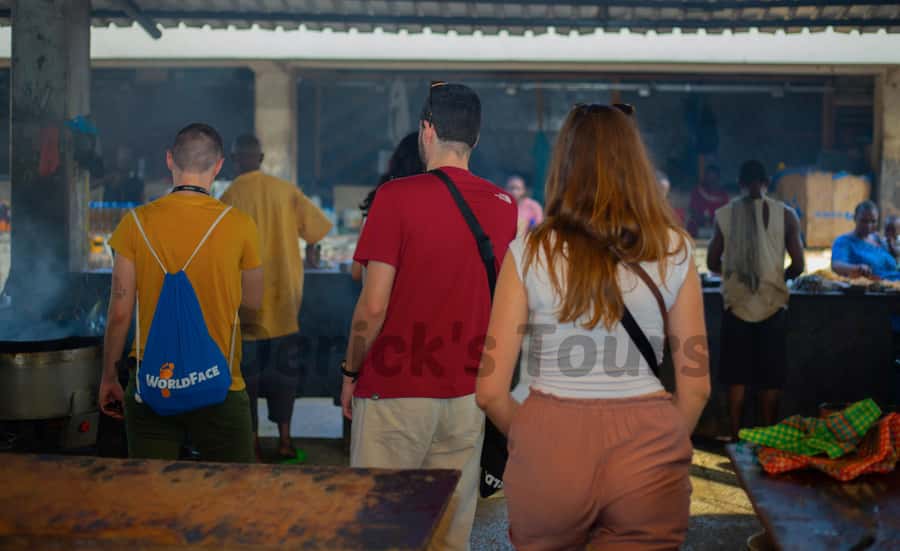
The walk ends at Kivukoni Fish Market, and that is the part most people remember. This is where ocean trade is visible, not just implied. You see fishermen and market activity in motion, including how nets are handled and replaced, and how seafood moves from catch to sale.
This is not a polished tourist market. It is practical. It can be loud. It can smell like fish because it is a fish market. If you go in expecting that, you will enjoy it more.
Why it is worth it:
- You get a close look at local trade and daily work
- You can watch how the market runs, not just see products on display
- You get the option to try street food with your guide, which makes the experience feel safer and more informed
One strong tip: if you have a smell trigger or a fish allergy, tell Derick in advance. The tour can be adjusted, including skipping the fish market and substituting another stop like Coco Beach. That kind of flexibility is a big deal because it lets you still do the city walk without suffering through a situation that could ruin your day.
Also, if you care about photos, ask early for a bit of extra time at the market. Some people love the pace. Others would like more time to stop for pictures. Derick can often manage the balance if you ask.
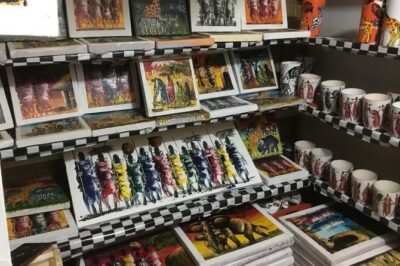
A Local Art Stop: Seeing Modern Dar Through a Gallery
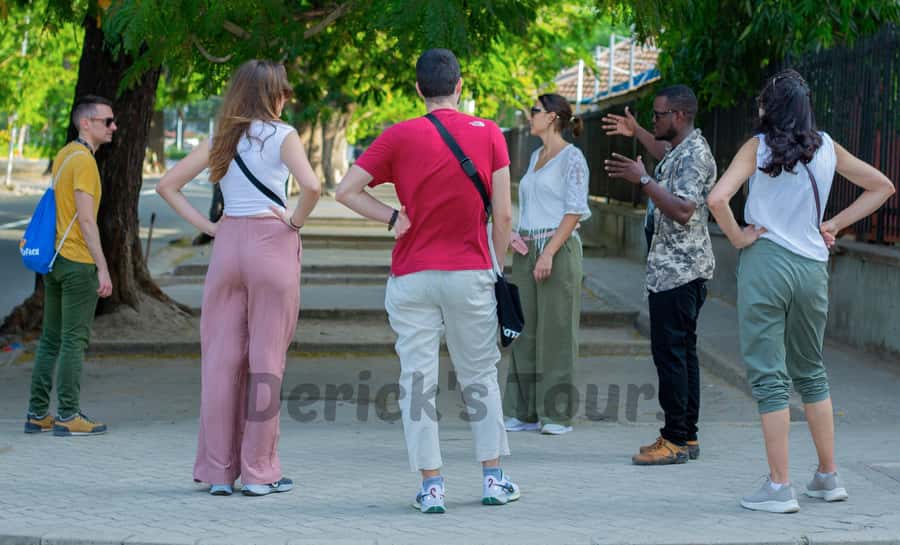
The route also includes a stop for local art at a gallery. This is a smart addition for two reasons.
First, it stops the tour from being only colonial-era and church-focused. You get a slice of today’s creative scene.
Second, it helps you understand Dar as a living city. People make art here now, not only in the past. If you are trying to shop for something meaningful instead of just souvenirs, a gallery stop is a good route choice.
What you will get out of it depends on what is on display that day, but the intention is clear: you are not only collecting landmark photos, you are learning how locals express culture.
The Real Value Behind the $30 Price Tag
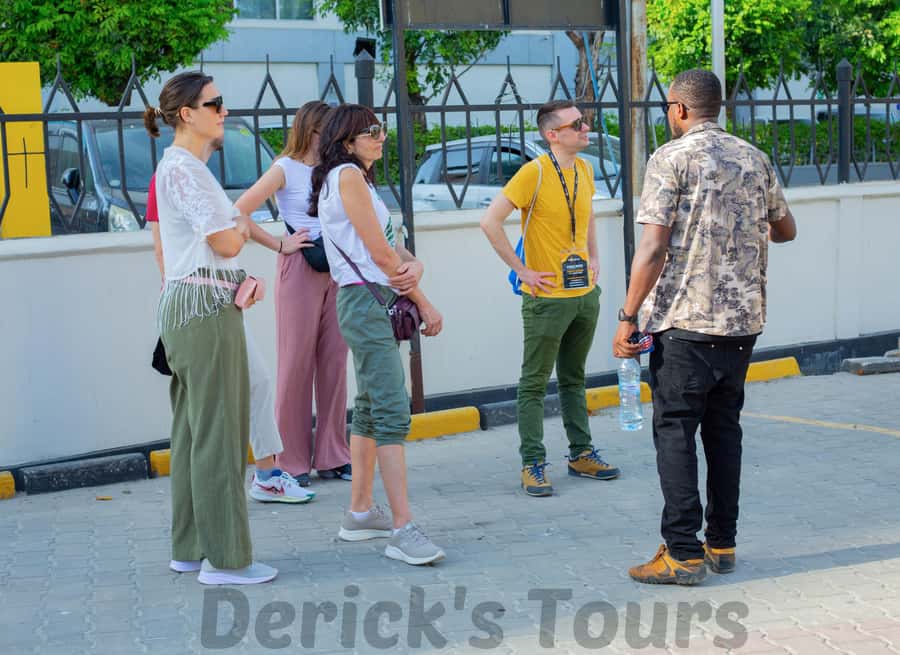
At $30 per person, the cost is not just for walking around. You are paying for a live local guide in English, plus guided time at all the main stops and a route that can be adjusted based on what you care about.
Here is how I think about value:
- You save time because you do not have to figure out what connects each landmark
- You learn faster because you get explanations on-site
- You reduce stress because your guide handles the flow and pacing
- You gain flexibility, including timing changes and possible substitutions around the fish market if needed
In other words, you are buying context and confidence. For a city center day that is otherwise easy to do “wrong” on your own, that can be worth a lot.
Pacing, Timing, and What to Tell Your Guide Before You Start
This is a short tour, so pacing matters. One of the most praised things about this experience is Derick’s helpfulness and flexibility. People have changed start times so the walk happened at more comfortable hours, and Derick has adjusted plans to match what the group needs.
Here is how you can get the best version of the tour:
- Tell Derick your priorities before you start, history or food or photos
- Mention any smell sensitivities up front so the market plan can be adapted
- If you want more photos, say so early, and ask for a slightly slower pace at key stops
If you are the type who hates rushing, bring it up. It is easier for your guide to build in extra time at the start than to fix it at the end.
Who Should Book This Walking Tour, and Who Might Skip It
This tour is best for you if:
- You are in Dar for a short visit and want a strong first impression
- You want a guided, English explanation at major landmarks
- You like mixing architecture, memorials, gardens, and street-level life
- You want a route that can shift if your interests or comfort levels change
You might want a different plan if:
- You hate fish market environments, smells, or crowds
- You need a very slow, break-heavy walk
- You want a deeper specialty itinerary, like only churches or only museums
The good news is that Derick’s flexibility can solve a lot of problems. If you tell him what you need, he can usually steer the route to match.
Should You Book This Dar es Salaam City Center Tour With Derick?
Yes, if you want a fast, guided way to understand Dar es Salaam’s center. This is the kind of tour that helps you walk away with a mental map, not just a handful of photos.
Book it especially if you care about:
- St. Joseph Cathedral and Azania Front Church as more than scenic stops
- Askari Monument with the World War I story explained in context
- The contrast between Botanical Garden calm and the real-world trade energy at Kivukoni Fish Market
- A guide who is willing to adjust timing and route details to keep the experience comfortable
If you are sensitive to fish smells, ask ahead about alternatives. If you want more time for pictures, request it early. With those two tweaks, this 2-hour walk becomes a smart value and a genuinely memorable Dar introduction.
FAQ
How long is the walking tour in Dar es Salaam?
The tour lasts 2 hours.
What sights are included on the Dar es Salaam city center route?
The tour includes St. Joseph Cathedral, Azania Front Lutheran Church, the Askari Monument, the Botanical Garden, Kivukoni Fish Market, Old Boma, and also a local art gallery stop.
Is the tour guided in English?
Yes. The live tour guide speaks English.
Can the route be customized to my interests?
Yes. You can customize the tour by messaging in advance, and the guide can adjust the route based on your preferences.
How much does the tour cost?
The price is $30 per person.
Can I get a full refund if I cancel?
Yes. You can cancel up to 24 hours in advance for a full refund.
Is there an option to pay later?
Yes. The activity offers reserve now and pay later, so you can book your spot and pay nothing today.
Is the experience flexible if I cannot make the original time?
The information provided includes timing flexibility, and the guide can accommodate changes. Check your start time options when booking and message in advance if you need to adjust it.
Just posted around Dar Es Salaam
- 2 Day Wildlife Experience and Masai Culture Mikumi Park★ 5.0 · 5 reviews
- Explore Dar es Salaam: Full-Day Private City Tour★ 5.0 · 18 reviews
- 3 Days Explore Selous Game Reserve + Boat safari + bushman walking★ 5.0 · 5 reviews
- Sunrise Beach Walk with Picnic Breakfast Activity★ 5.0 · 3 reviews
- Mikumi Np Mid Range Tour 3 Days★ 5.0 · 3 reviews
- 3 Days Safari to Nyerere National Park (Selous Game Reserve)★ 5.0 · 8 reviews
- Saadani National Park Day Tour★ 5.0 · 3 reviews
- Mikumi National Park 3 Day Tour★ 4.0 · 4 reviews
City Tours, compared.

Arusha Guided Walking City Tour, Culture, Lifestyle & History
Read our review →
The Best/Top Rated Cultural City Tour in Dar es Salaam
Read our review →

Browse the lists this tour appears in