
Reviewed · HISTORICAL TOURS
Bagamoyo Historical Tour – Everyday
Bagamoyo turns a day trip into something you can actually feel in your chest. I love how the tour connects coastal geography to the human story of trade, and I also love the mix of Kaole Ruins, colonial sites, and church landmarks in one smooth route. One watch-out: English quality can vary, so if you care a lot about fine details, I’d ask about the guide’s English level when you book.
The best part is that you are not just ticking off ruins. You get a guided thread that makes you understand why Bagamoyo mattered, what Portuguese and colonial forces changed, and how the town still carries that memory. The drive itself is also part of the experience, because you start seeing how daily life works as you leave Dar es Salaam behind.
In This Review
- Key highlights at a glance
- The day-trip setup: Dar es Salaam to Bagamoyo without drama
- What makes Bagamoyo matter: trade routes, forced decline, and lasting memory
- Kaole Ruins: 30 tombs, Portuguese pressure, and the oldest mosque in East Africa
- The prison site and Bwagamoyo meaning: the hardest stop, handled with context
- Old Boma and the German-British handover you can still see
- Christianity along the coast: Catholic Museum, Livingstone, and the First Cross (1867)
- Warm hospitality and beaches: the payoff after the serious stops
- Price and value: what $187 buys you in an 8-hour day
- Who this tour suits best, and who should think twice
- Planning notes that make the day smoother
- Should you book the Bagamoyo Historical Tour?
Key highlights at a glance
- Trade-port context that makes the ruins click
- Kaole Ruins with 30 tombs and the oldest mosque in East Africa
- A prison linked to the slave and ivory trade and the meaning behind Bwagamoyo
- Old Boma and German and British colonial traces from 1897 and after WWI
- Christian landmarks tied to Dr. Livingstone and the First Cross (1867)
- Beach time so history does not swallow the whole day
The day-trip setup: Dar es Salaam to Bagamoyo without drama
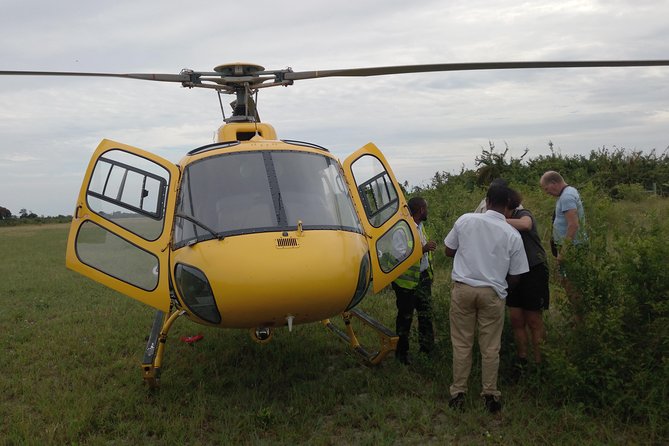
This tour is built for a full 8-hour experience, and it starts with the simple but important part: getting out of Dar es Salaam comfortably. You ride in air-conditioned transportation with a pickup included, and the driver waits in your hotel lobby with a sign showing your name. That removes one of the most annoying parts of coastal day trips, which is figuring out logistics while you are still half-awake.
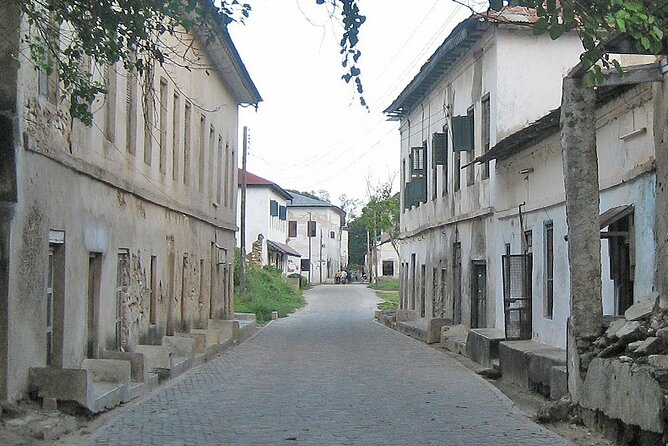
Bagamoyo is about 65 kilometers north of Dar es Salaam along the coast, facing Zanzibar across the water. That short distance is why this works. You can experience a town that used to be the formal capital of German East Africa and one of the major trading ports on the east-central coast, without losing your entire day to travel.
One practical takeaway: plan for heat. Even with a/c during the drive, you will spend time walking around ruins and memorial sites. I recommend light clothing, sun protection, and closed-toe shoes you can trust on uneven ground around older areas.
A few more Dar Es Salaam trips to compare
- Dar es Salaam History and Architectural Tours
★ 5.0 · 36 reviews - Bagamoyo Historical Tour – Everyday
★ 5.0 · 13 reviews - Private Tour in Historical Dar es Salaam with Lunch
★ 4.5 · 6 reviews
What makes Bagamoyo matter: trade routes, forced decline, and lasting memory
Bagamoyo’s big story is not just that it was important. It is that it was important for a long time, and then its fate was shaped by outside powers. This is the kind of history that becomes clearer when you see the specific places where people lived, suffered, governed, worshiped, and were remembered.
The tour’s sequence helps you build that picture. You start with the wider idea of Bagamoyo as a trading center, then you shift south to Kaole for older Arab history. After that, you return to Bagamoyo for the darker remnants connected to the slave and ivory trade, followed by colonial-era buildings and Christian landmarks.
That mix is not random. It reflects the way coastal towns evolved through commerce, conquest, and conversion, while the physical evidence stayed behind. You end with a chance to breathe, because Bagamoyo today is also a place for rest, warm hospitality, and beaches.
Kaole Ruins: 30 tombs, Portuguese pressure, and the oldest mosque in East Africa
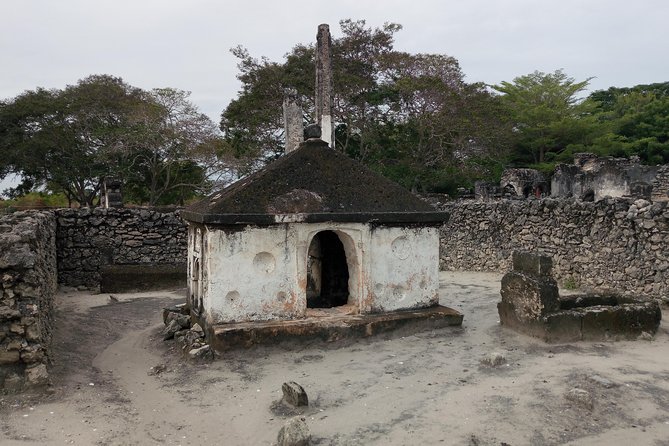
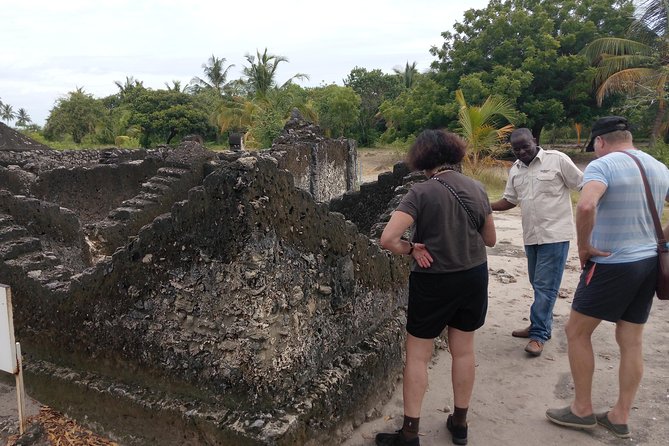
Kaole is about 5 kilometers south of Bagamoyo, and it is one of those stops where the details make the place. The ruins include around 30 tombs and the oldest mosque in East Africa. When you stand among the remains, the size and age help you understand that this area was once an active Arab town, not just a background setting.
The Kaole story also explains a turning point. The town was forced into decline after the arrival of the Portuguese in the 15th century. You do not need a history degree to grasp the impact. When trade routes shift, coastal settlements often shrink fast, and people move or adapt. Seeing Kaole after learning about Bagamoyo’s trade role makes that change feel real.
A practical note: Kaole is a ruin site. That means you should expect uneven surfaces and varying visibility. Bring water if you can, and stick close to your guide so you do not miss the key features they point out, especially with the mosque area and tombs.
The prison site and Bwagamoyo meaning: the hardest stop, handled with context
Next comes one of the most important, and most emotionally heavy, parts of the day: reminders tied to the slave and ivory trade. You visit the prison where enslaved people were held captive during that period. Even if you know the broad outlines of the trans-Atlantic slave trade, this chapter hits differently because it is tied to how inland goods and human lives were moved through coastal systems.
This is also where the meaning of Bwagamoyo comes in. The word is tied to the idea of Here I throw down my heart, reflecting despair from people who faced a future they could not escape and who would never return to Africa. Whether you are religious or not, you feel the weight of the phrase. It is not abstract.
How I think about this stop for planning purposes: I would not schedule this tour as a quick add-on when you are exhausted. This is the kind of place where you want your brain turned on, so the guide’s narration can land. If you tend to get overwhelmed easily, pace yourself, and take short breaks away from crowds if there are any.
Same base in Dar Es Salaam, a completely different day:
- Dar es Salaam: City Tour
★ 4.7 · 159 reviews - Dar es Salaam City Center: Walking Tour
★ 4.8 · 102 reviews - Dar es Salaam City Tour – Everyday
★ 5.0 · 64 reviews - MIKUMI NATIONAL PARK – 3 Days
★ 4.5 · 63 reviews
Old Boma and the German-British handover you can still see
After the heavier sites, the tour shifts to colonial-era remains, and it does it in a way that helps you connect politics to brick and stone.
You visit the Old Boma, a statehouse constructed by the Germans in 1897. After the First World War, the British took it over. That is the kind of timeline detail that can sound dry, but it matters because it explains why the town carries layered architecture and monuments.
Later, you walk among the tombs of German leaders who perished during the First World War. This is not a generic war cemetery stop. It is in Bagamoyo, connected to that same colonial footprint, so you understand that these were not distant events. People arrived, built administration, and left traces when war came to their door.
What I like about this portion is the balance. You are not just looking at buildings. You are learning the sequence of control, and you see how quickly the story of power changes hands.
Christianity along the coast: Catholic Museum, Livingstone, and the First Cross (1867)
Bagamoyo’s Christian landmarks give the day another angle: how missionaries and explorers shaped belief and documentation along the coast.
You visit the Catholic Museum and the former resting place of Dr. Livingstone. Livingstone’s name often brings to mind exploration stories, but here it is tied to a coastal setting and local remembrance.
Then you see the First Cross erected in 1867 by French missionaries. That is early in the timeline compared with many European missionary sites elsewhere, and it helps you see how old this connection can be.
A tip for enjoying these stops: dress respectfully. Even if the museum rules are straightforward, religious sites tend to have expectations for shoulders and legs. Also, go slower than you think you need. Church-related places are often quieter, and you will get more out of the narration if you do not rush.
Warm hospitality and beaches: the payoff after the serious stops
The tour does not end with ruins. It finishes with the kind of release you need after history that weighs a lot.
Bagamoyo is known for warm hospitality and for beaches and hotels that make it easy to relax. In practical terms, this matters because you are on a day tour from Dar es Salaam. If your schedule only includes intense memorial stops, you come home tired and flat. Here, you get a chance to cool down, breathe, and remember you are still on the coast.
If you want to maximize this part of the day, think ahead about what you will do at the beach. Bring a small towel, plan for sun, and consider a change of clothes if you get sandy or salty. The tour includes water and soft drinks, but meals are not included, so you will still need a plan for food later.
Price and value: what $187 buys you in an 8-hour day
At $187 per person for an 8-hour experience, you are paying for more than transportation. You are buying a guided route that ties together multiple locations that would otherwise be harder to connect on your own, especially when history spans Arab trade, Portuguese influence, colonial administration, and missionary landmarks.
Here is what is included: air-conditioned transportation, an English-speaking guide, water, and soft drinks. That is useful because it keeps you hydrated during walking stops without forcing you to hunt for purchases every time you move between sites.
Meals are not included, and alcohol is not included. That is normal for many structured day tours, but it affects your real total cost. I’d budget for lunch or an early meal before the tour starts, and for a post-tour bite afterward. If you like to drink during travel, you will also need to plan your own options.
Is $187 “cheap”? Not really. But for a focused historical day that avoids you piecing together transport to several separate sites, it can be fair value. If English interpretation is strong, it becomes even better value, because it makes the ruins and memorials understandable instead of just scenic.
One thing to be aware of: the narration quality depends on the guide’s English ability. I’d treat that as a simple decision factor. If you are very sensitive to language clarity, confirm the guide when you book.
Who this tour suits best, and who should think twice
This is a great match if you love history that connects geography to real human stories. It is also a good choice if you want a day that does not stay in one zone. You get Kaole Ruins, a prison linked to the slave and ivory trade, colonial administration remains at Old Boma, and Christian landmarks including Dr. Livingstone’s former resting place and the First Cross of 1867.
It is also ideal if you want a balance between heavy learning and recovery time on the coast.
You might want to think twice if:
- you hate walking around uneven, open-air ruins
- you want a lighter, purely relaxing day with no memorial sites
- you strongly depend on fluent English commentary for your enjoyment, since English quality can vary
Planning notes that make the day smoother
This tour is wheelchair accessible, and pickup is included. If you use a wheelchair, I’d confirm any on-site movement needs when you book, since ruins and older paths can be tricky even with access intentions.
Start-time flexibility depends on availability, so you will want to check what departure windows exist. Because the day is 8 hours, plan your schedule tightly at both ends. Try not to stack another major activity the same day unless you are truly comfortable with a long return travel time.
Finally, bring a mindset for the emotional rhythm. You will move from ruins to memorial reminders to colonial-era tombs to church landmarks. That flow is part of what makes the day powerful. Plan for it.
Should you book the Bagamoyo Historical Tour?
Book it if you want one well-organized day that takes you beyond Dar es Salaam and into a town shaped by trade, colonial rule, and missionary activity. The stop mix is practical, and the Kaole Ruins details and the prison memorial context are exactly the kinds of specifics that turn a “sightseeing day” into real understanding.
Skip it or look for another option if you want only relaxation, or if you know you get worn down by difficult historical topics. Also, if fluent English interpretation matters a lot to you, consider verifying guide language strength when booking.
If you fall in the first group, you are likely to feel like you used your time well, and you will come away with a clear sense of why Bagamoyo still matters.
Just posted around Dar Es Salaam
- 2 Day Wildlife Experience and Masai Culture Mikumi Park★ 5.0 · 5 reviews
- Explore Dar es Salaam: Full-Day Private City Tour★ 5.0 · 18 reviews
- 3 Days Explore Selous Game Reserve + Boat safari + bushman walking★ 5.0 · 5 reviews
- Sunrise Beach Walk with Picnic Breakfast Activity★ 5.0 · 3 reviews
- Mikumi Np Mid Range Tour 3 Days★ 5.0 · 3 reviews
- 3 Days Safari to Nyerere National Park (Selous Game Reserve)★ 5.0 · 8 reviews
- Saadani National Park Day Tour★ 5.0 · 3 reviews
- Mikumi national park full day tour from Dar es sallam★ 5.0 · 9 reviews
Historical Tours, compared.
Stone Town Historical Cultural Walking Guided Tour
Read our review →
Arusha Guided Walking City Tour, Culture, Lifestyle & History
Read our review →
Stone Town’s Hidden History: Private Guided Walking Tour
Read our review →
Browse the lists this tour appears in