
Reviewed · STONE TOWN TOURS
Zanzibar: 3 Hours Private Stone Town walking Tour with Guide
Stone Town tells stories with every doorway. In just 3 hours, this private walking tour links UNESCO Stone Town sights, Swahili culture shaped by Arabia, India, Europe, and Portugal, and the famous maze of narrow lanes into one easy plan.
I love the mix of major landmarks and everyday life, especially the market time at Darajani Market, where you can browse spices, fruits, fish, and meats. I also like how the tour balances architecture, culture, and the slave-trade history in a way that helps you understand what you are seeing, without feeling rushed.
One thing to consider: this is real walking on uneven streets. It is not a fit if you have back problems, and you should budget extra for museum entry at the Freddie Mercury Museum and the former East Africa slave market (ticket prices are not included).
In This Review
- Key highlights to know before you go
- Why a guide matters in Stone Town’s narrow streets
- Swahili culture, mixed influences, and what to watch for on the walk
- Darajani Market: your best shortcut to daily Zanzibar life
- The old slave market stop: what you will actually be looking at
- House of Wonders and Sultan Palace: architecture that signals power
- Freddie Mercury stops and a coffee reset in the narrow lanes
- Notre Dame of Zanzibar and the “holy heart” of Stone Town
- Forodhani Garden: when evening food becomes part of the tour
- Price and logistics for a $24 private tour
- Who this tour suits best, and who should rethink it
- Should you book this Stone Town private walking tour?
- FAQ
- How long is the Stone Town private walking tour?
- Is pickup included?
- What is included in the price?
- What is not included?
- Does the tour offer skip-the-ticket-line?
- Is it private?
- What languages are available for the guide?
Key highlights to know before you go
- Private 3-hour route with pickup inside Stone Town, plus bottled water for each person
- Darajani Market stop for spices, fruits, fish, and meats, with chances to shop and photograph
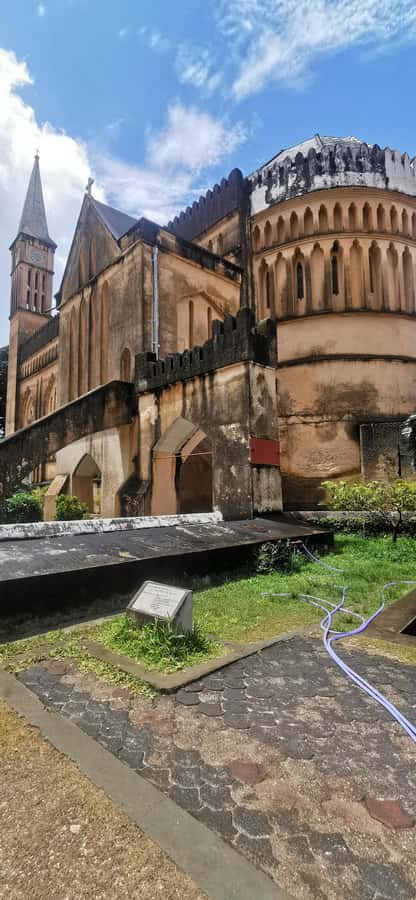
- Old slave market focus (now the Anglican Church), tied to the wider East Africa trade story
- Architectural icons like the House of Wonders and Sultan Palace, known for doors, balconies, and ceremonial spaces
- Freddie Mercury connections plus an optional museum visit and photo time near key spots
- Forodhani Garden timing if your walk reaches the evening food scene
Why a guide matters in Stone Town’s narrow streets
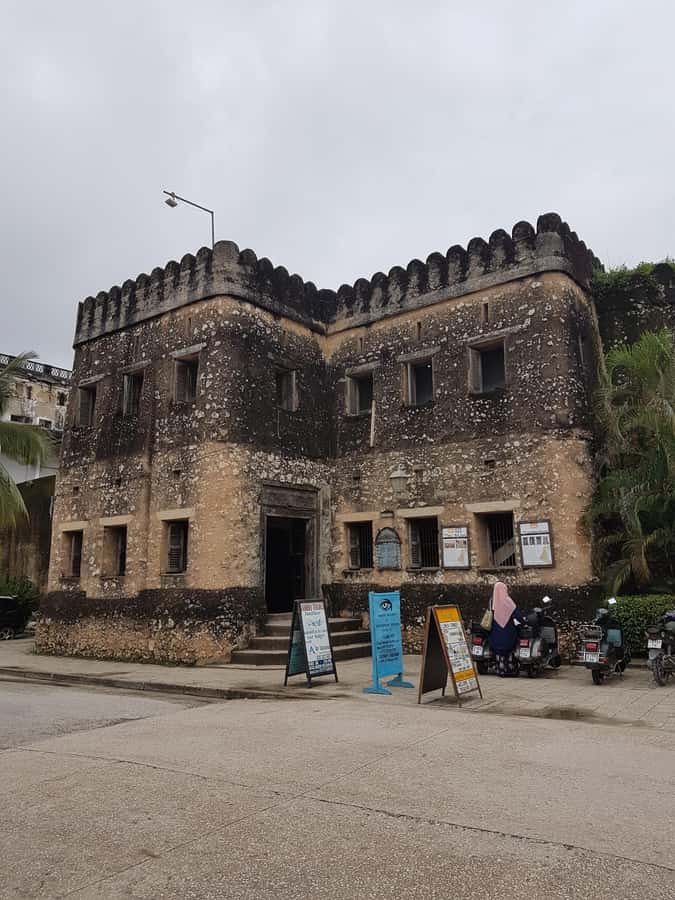
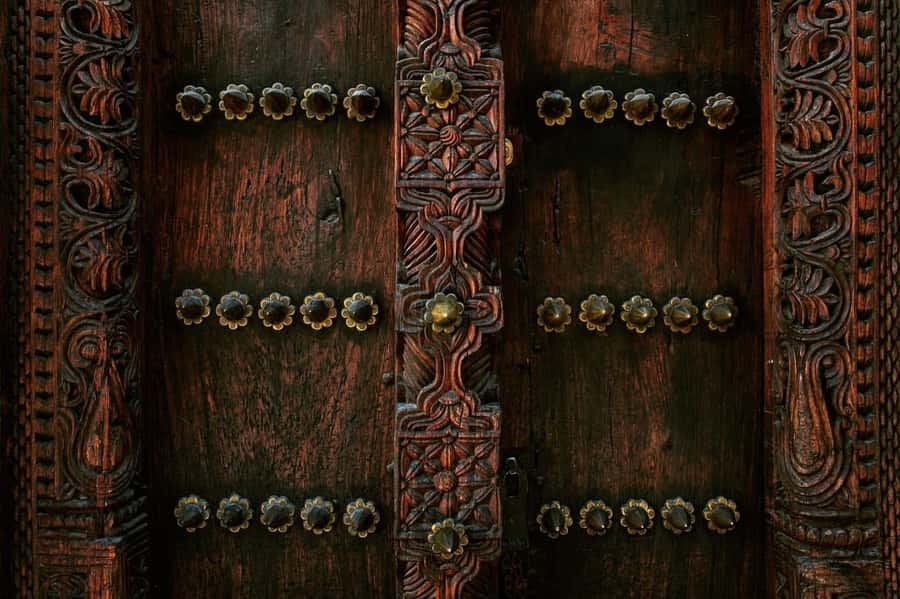
Stone Town is the kind of place where self-guided wandering can be fun, but you also risk missing the “why” behind the look. This tour is built for orientation. You start in Stone Town with a guide who knows how to connect streets to stories, so you notice the details that make the area feel so distinct: carved doorways with dramatic shapes, shaded balconies, and the way buildings seem to stack up along the lanes.
The private format helps. You are not competing with a big group for turns, photos, or the chance to ask questions. Pickup is included for locations within Stone Town, and the tour typically runs as a steady, walkable loop so you do not have to keep checking maps. If the weather changes, guides often keep the pace realistic and adjust where needed, based on how the day is going.
More Walking Tours in Zanzibar
- Stone Town Private Walking Tour
★ 5.0 · 371 reviews - Zanzibar: Stone Town Historical Cultural Walking Guided Tour
★ 4.5 · 179 reviews - Zanzibar: Spice Tour & Stone Town Walking Tour
★ 4.8 · 115 reviews
Swahili culture, mixed influences, and what to watch for on the walk
Stone Town was shaped by many waves of trade and travel, and you will feel that mix as you move through the neighborhood. Expect your guide to explain how Swahili culture grew with influence from Arabia, Indian communities, European presence, and Portuguese ties. That is not just trivia. When someone points out what kind of door design you are looking at, or what a balcony was used for, the street stops feeling random.
A useful skill on this tour is learning what to look at fast. You will likely get a quick framework for how to “read” the buildings:
- carved doors and entrances that signal status and function
- balconies and windows that show how families lived around light and shade
- ceremonial spaces and palaces that reflect power and trade wealth
You will also pass key landmarks that anchor the story. The tour description includes stops like the Sultan Palace area and major religious sites, plus the House of Wonders. The goal is to help you build a mental map by the end, so you can return later and explore with more confidence.
Darajani Market: your best shortcut to daily Zanzibar life
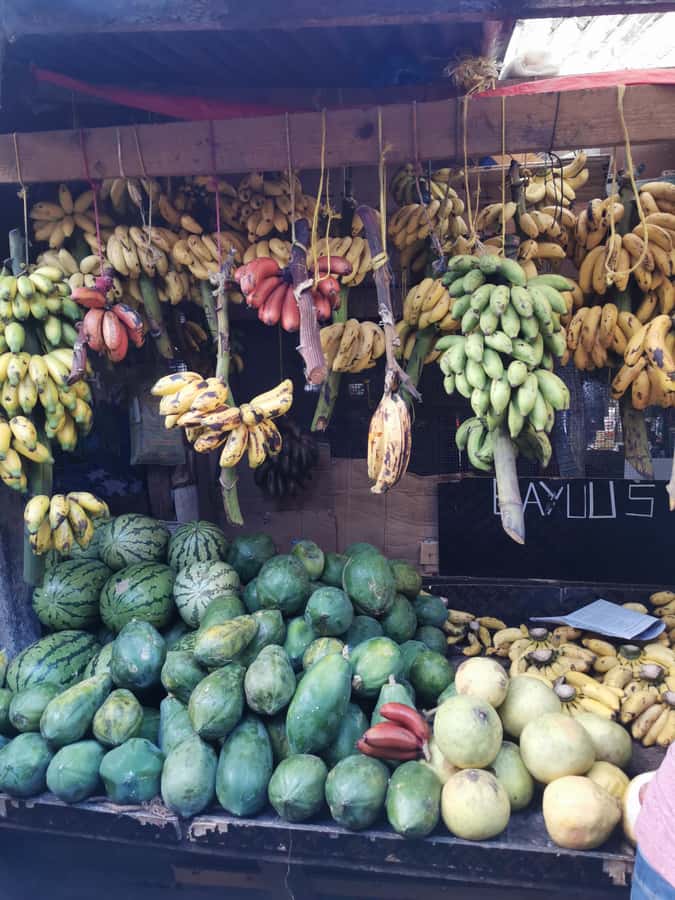
If you want one stop that makes Stone Town feel real, make it Darajani Market. This is where the tour shifts from monuments to people, smells, and motion. You get to see fruits and vegetables, meats, and seafood from the Indian Ocean. You can also check spices, and in many cases you can taste, photograph, and shop.
Even when you do not buy much, market time is useful because it teaches you what matters locally. Spices in particular are part of how Zanzibar built its reputation, and your guide can point out why these products mattered historically, not just today. If you are into photos, this is often where you get the best “color and texture,” but keep your pace calm and let the guide set the rhythm.
Practical tip: plan to bring a small amount of cash for souvenirs and snacks. The tour includes bottled water, so you can spend your energy on browsing rather than constantly searching for a drink.
The old slave market stop: what you will actually be looking at
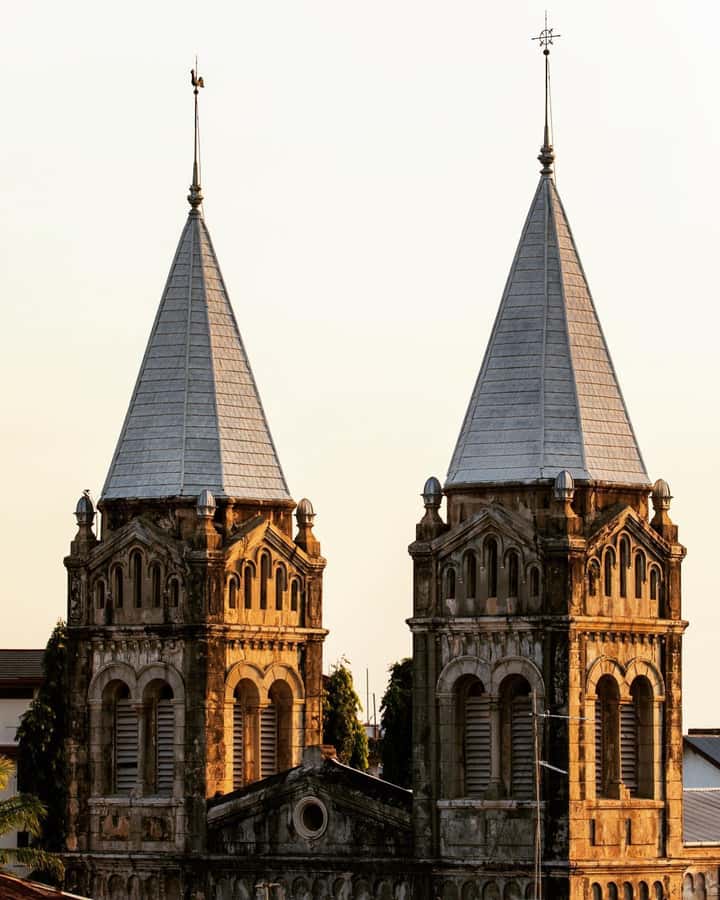
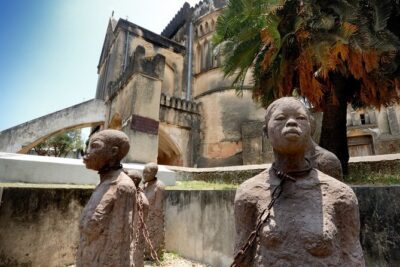
The emotional center of this walking tour is the old slave market area, described as the former East Africa slave market, currently an Anglican Church. The focus here is the broader trade story, with your guide helping you trace what happened and why this part of Stone Town matters. You also get context connected to explorers and missionaries, including Dr. David Livingstone.
This is not a stop meant for casual sightseeing. You may have time to understand the site in a way that feels respectful, and there is an additional admission fee for the former slave market ticket (listed as about $10 per person). The tour also mentions rules like not touching exhibits, which is a good sign that the visit expects a serious tone.
One real-world consideration: sometimes sites can be temporarily closed due to events outside the tour’s control. If the slave market portion is closed on the day, ask your guide right away what nearby elements of the story you can still see and how they recommend handling it. The guide’s job is to keep the learning thread alive, even if one stop changes.
More Stone Town walks:
- Zanzibar: Stone Town, Spice Tour, Prison Island with Lunch
★ 4.4 · 1,219 reviews - Zanzibar: Prison Island, Stone Town, & Spice Farm Tour
★ 4.5 · 579 reviews - Zanzibar: Stone Town, Spice tour & Prison Island with Lunch
★ 4.6 · 453 reviews - Full-Day Private Stone Town +Spice Farm and Prison Island Tour
★ 4.5 · 216 reviews
House of Wonders and Sultan Palace: architecture that signals power
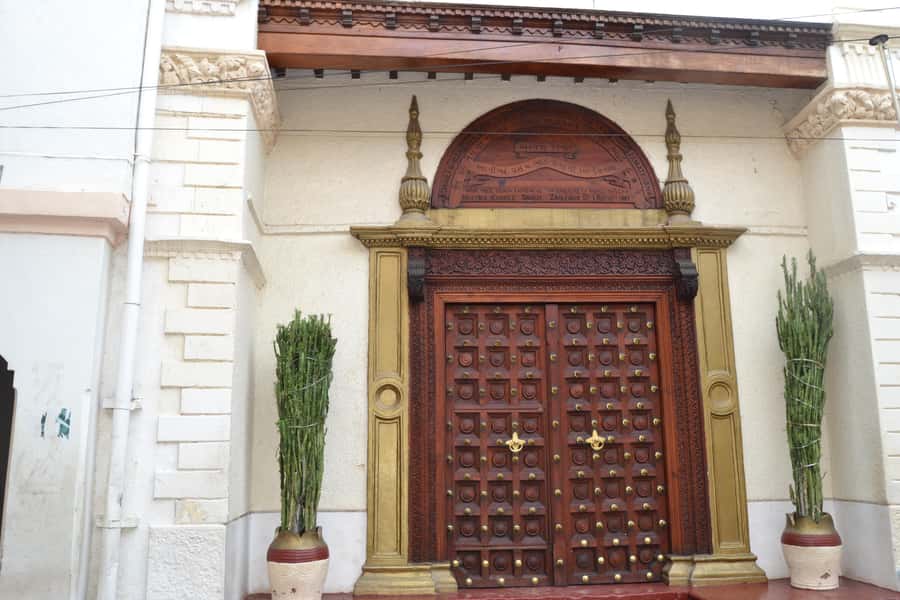
Stone Town’s palaces and ceremonial spaces are where the city’s wealth and connections show up in stone and design. The tour includes the House of Wonders, also called Bait el-Ajab. It is described as the tallest building in East Africa and a ceremonial palace with mysterious stories inside. Even if you just absorb the scale and purpose of the structure, it helps you understand why Zanzibar became so important to traders over time.
Next comes the Sultan Palace area. Expect a focus on the sultan dynasty and the ambience inside the palace. This part of the tour is often where people start noticing patterns: how architecture was designed for both privacy and public influence, and how decorative elements connect to status.
A practical bonus: these landmarks give you “anchors” for your photo time. When you later walk around on your own, you will recognize the style language and you will be able to spot similar doors and balconies without needing constant help.
Freddie Mercury stops and a coffee reset in the narrow lanes
Stone Town has a surprising pop-culture layer, and this tour includes the key Freddie Mercury connections. The Freddie Mercury Museum is not included in the base price, with an approximate entry fee of $8 per person. The tour description also notes skip-the-ticket-line, which can save time if you are visiting during busier hours.
After museum time, the route continues on foot toward places tied to Freddie Mercury’s life. The plan includes walking up to the area where you can take photos near his born house. In other words, you are not just ticking off a museum. You get a sense of how the neighborhood shaped the story.
Then there is a smart break: the tour stops up to the Zanzibar Coffee House, where you can pause, relax, and choose a coffee. This is more than a caffeine stop. It is your chance to slow down on a city that moves fast. You also get time to take breath-and-browse photos without feeling rushed.
Notre Dame of Zanzibar and the “holy heart” of Stone Town
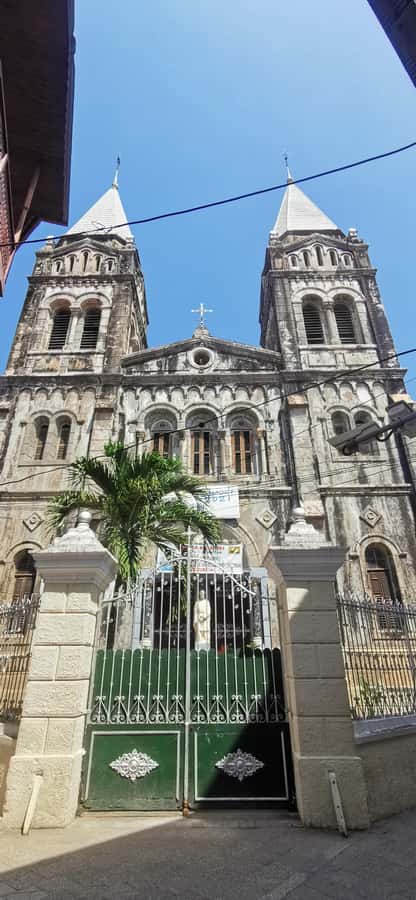
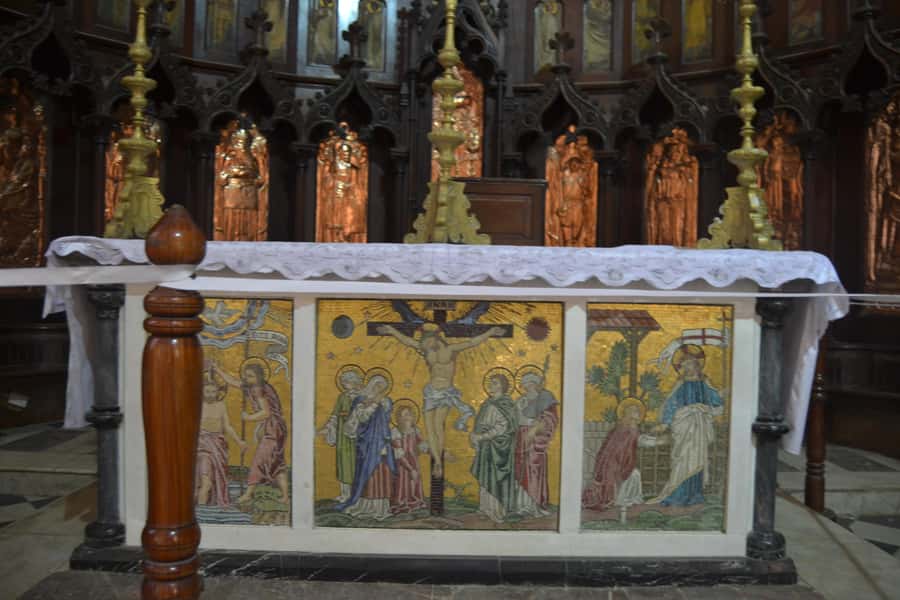
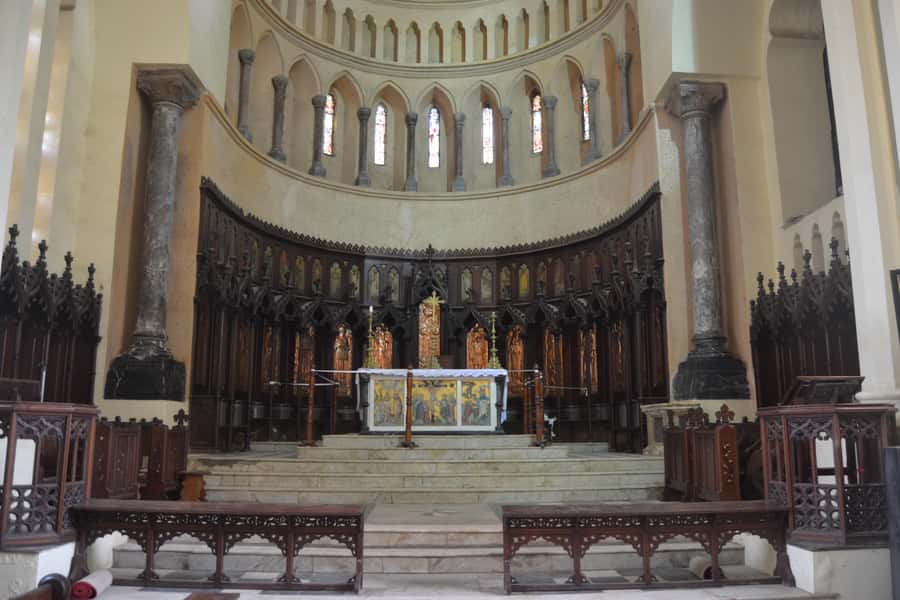
The tour includes the French Catholic cathedral, Notre Dame of Zanzibar. It is described as sitting in the heart of Stone Town, with well-sculptured church interiors and stories attached to it. This is a good contrast to the palaces and markets. Markets show daily life and trade flow. Cathedrals and churches show how communities organized identity, ceremony, and influence.
You may also encounter Anglican Cathedral areas connected to the historical slave market site and other church landmarks described in the route outline. The combination matters. It helps you see that Stone Town’s history is not only about buildings and commerce, but also about institutions that shaped community life.
If you like “places with meaning,” treat these church stops as learning pauses. Look for how the spaces are designed for gathering and reflection, then let your guide connect them back to the broader story of Stone Town’s mixed heritage.
Forodhani Garden: when evening food becomes part of the tour
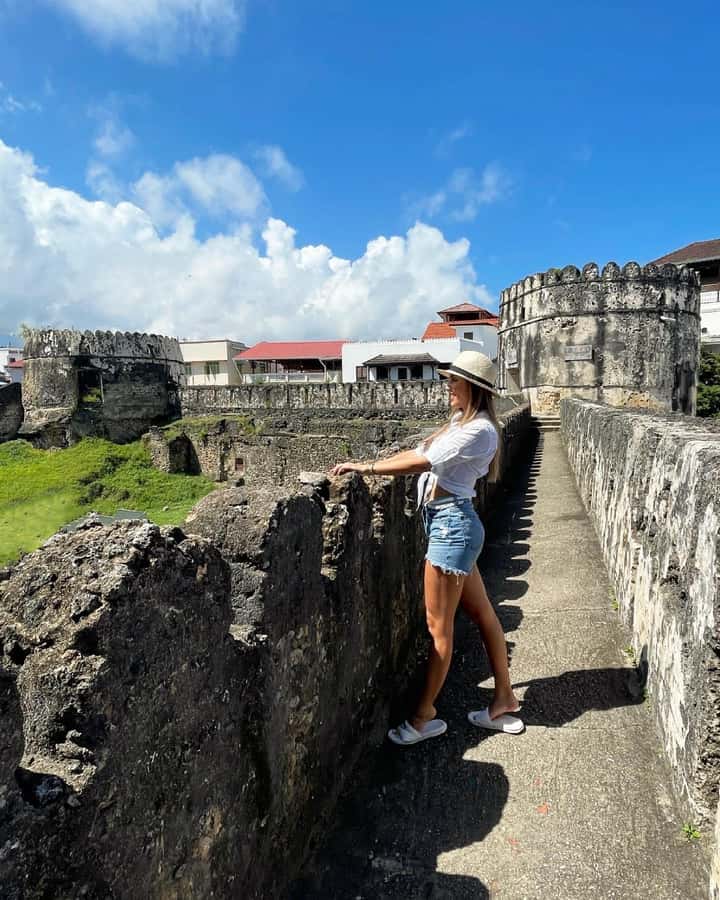
The tour description includes Forodhani Garden, described as a famous evening resort where locals sell sea foods, sugarcane juices, BBQ, Zanzibar pizza, and more. If your timing lines up with evening, this is an easy way to keep your Stone Town experience alive beyond the landmarks.
If you reach it earlier in the day, you might not get the full evening buzz, but it still works as a sense-making stop. You see how the area functions as a social space. In a city known for narrow streets, it is refreshing to step into a wider “gathering” scene.
Tip: if you are hoping to eat here, go with a light plan. The tour is only 3 hours, so you do not want a long meal that steals time from the other historical stops.
Price and logistics for a $24 private tour
At $24 per person for a 3-hour private walking tour, the value is strongest when you compare effort versus learning. You are paying for more than footsteps. You are paying for a guide to connect architecture, markets, religious sites, and the slave-trade chapter into one coherent route.
What is included:
- guiding services
- bottle of mineral water per person
What costs extra:
- Freddie Mercury Museum entry, approximately $8 per person
- former East Africa slave market ticket, approximately $10 per person
So if you do both paid admissions, you are looking at about $42 per person total (base price plus the two listed entries). That can be a good deal because the tour also includes skip-the-ticket-line for the Freddie Mercury Museum.
Pickup is included within Stone Town. Pickup outside Stone Town can be requested. The tour is wheelchair accessible, which is helpful to know, but it still involves walking in older streets, so discuss your comfort needs in advance if mobility is a factor.
Tour length is 3 hours, so it is designed as a half-day history and orientation sprint, not a slow, full-day ramble.
Who this tour suits best, and who should rethink it
This tour fits best if you want to do three things in one afternoon: get your bearings fast, learn the cultural and architectural logic of Stone Town, and understand the darker historical chapter rather than skipping it. It is also a strong pick for families who want guided context. In the feedback, there are examples of guides keeping teenagers interested, which tells you the explanations are not only for adults.
You should rethink it if:
- you have back problems, since the route is not described as comfortable for that
- you want a silent, self-paced museum day, since this is built around guided storytelling and walking
One more detail I appreciate: guides are offered in multiple languages, including German, English, French, Italian, Spanish, Arabic, Polish, Portuguese, and Chinese. That means you are more likely to find an option that you can follow without strain.
Should you book this Stone Town private walking tour?
Yes, if you are visiting Stone Town for the first time and you want a clear, manageable route that mixes beauty with context. The best reason to book is the way the tour links the market reality at Darajani with major landmarks like the House of Wonders and Sultan Palace, then tackles the slave-trade story at the old slave market site. You end up with more than photos. You end up with a framework.
Book with extra planning if you care about museums and tickets. Bring some extra cash or have a plan for the Freddie Mercury Museum and the slave market admission. Also wear comfortable shoes, because “narrow street” in Stone Town means uneven footing and lots of turns.
If your main goal is pure scenery with minimal learning, you might feel like the tour is more structured than you want. But if you want to understand why Stone Town looks the way it does, this is a solid, practical way to spend your limited time.
FAQ
How long is the Stone Town private walking tour?
The tour duration is 3 hours.
Is pickup included?
Pickup is included for any area in Stone Town. Pickup outside Stone Town can be offered upon request.
What is included in the price?
The price includes guiding services and a bottle of mineral water for each person during the tour.
What is not included?
Entry or admission for the Freddie Mercury Museum (about $8 per person) and entry or admission for the former East Africa slave market (about $10 per person) are not included.
Does the tour offer skip-the-ticket-line?
Yes, it includes skip-the-ticket line.
Is it private?
Yes, it is a private group tour.
What languages are available for the guide?
Guides are available in German, English, French, Italian, Spanish, Arabic, Polish, Portuguese, and Chinese.
More Walking Tours in Zanzibar City
- Zanzibar: Stone Town Walking Tour with Guide
★ 4.7 · 76 reviews - Zanzibar: Walking Spice Tours with Guide
★ 4.3 · 45 reviews - Stone Town: Guided Walking Tour
★ 4.2 · 38 reviews - Zanzibar: Private walking tour in stone town
★ 4.6 · 35 reviews
Just posted around Zanzibar City
- Mnemba Private Snorkeling Experience★ 5.0 · 4 reviews
- Serengeti & Ngorongoro 3 days Fly Safari in from Zanzibar★ 5.0 · 21 reviews
- Zanzibar Full Day experience★ 4.5 · 5 reviews
- Private Zanzibar Stone Town Historical Tour★ 5.0 · 13 reviews
- Zanzibar Spices Farms Tour (Private)★ 5.0 · 3 reviews
- Zanzibar’s Finest: Private Tour of Top 5 Attractions with Lunch★ 4.5 · 9 reviews
- Full-Day Stone Town and Prison Island Tour in Zanzibar★ 4.0 · 9 reviews
- Zanzibar Spice Tour★ 5.0 · 9 reviews
Stone Town Tours, compared.
Stone Town, Spice Tour, Prison Island with Lunch
Read our review →

Prison Island, Nakupenda, StoneTown Tour with BBQ
Read our review →Stone Town, Spice tour & Prison Island with Lunch
Read our review →
Full-Day Private Stone Town +Spice Farm and Prison Island Tour
Read our review →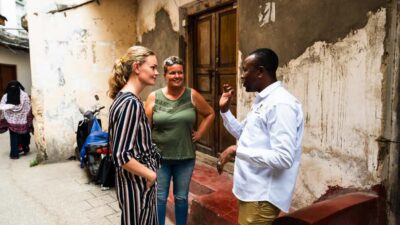
Stone Town Historical Cultural Walking Guided Tour
Read our review →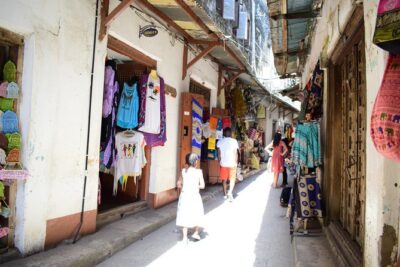
Browse the lists this tour appears in