
Reviewed · STONE TOWN TOURS
Stone Town: Guided Walking Tour
Stone Town rewards slow steps. This guided walking route strings together Zanzibar’s big landmarks, including the UNESCO World Heritage core and the House of Wonders, where the city’s many influences show up street by street. You get a guided story line, then time to look closely at doors, markets, and architecture.
I like that the tour hits both the formal sights and the everyday scenes. The Darajani Market walk gives you a feel for daily life, and the Hamamni Baths stop adds a sensory break from the streets. One possible drawback to plan for, based on recent feedback, is that some sights can be closed or under renovation, and guide quality or punctuality can vary.
If you want a short, manageable way to learn Stone Town’s layers without planning a route yourself, this fits well. Just wear comfortable shoes, bring water, and keep expectations flexible.
In This Review
- Key things to know before your Stone Town walk
- Why Stone Town’s UNESCO mix is best seen on foot
- Hotel pickup, van time, and how the pacing usually feels
- Anglican Cathedral and the House of Wonders: where the story turns into landmarks
- Palace Museum and the Old Fort: history you can physically stand inside
- Freddie Mercury House and Zanzibar doors: details that make photos worthwhile
- Darajani Market and Hamamni Baths: energy for your senses
- Shopping without losing your head: textiles, spices, and timing
- Price and value: is $40 a good deal for this Stone Town route?
- Guide quality and reliability: how to set expectations and stay flexible
- Who this tour suits best, and who should rethink it
- Should you book this Stone Town guided walking tour?
- FAQ
- Where does this Stone Town tour take place?
- How long is the guided walking tour?
- How much does the tour cost?
- What stops are included in the tour?
- Is there pickup from hotels?
- Do I need to bring anything?
- What languages are the guides available in?
- Are meals included?
- Is this tour suitable for wheelchair users or mobility impairments?
- What is the cancellation and refund window?
Key things to know before your Stone Town walk
- UNESCO context early on: you’ll learn why Stone Town’s mix of African, Arab, Indian, Persian, and European influences matters.
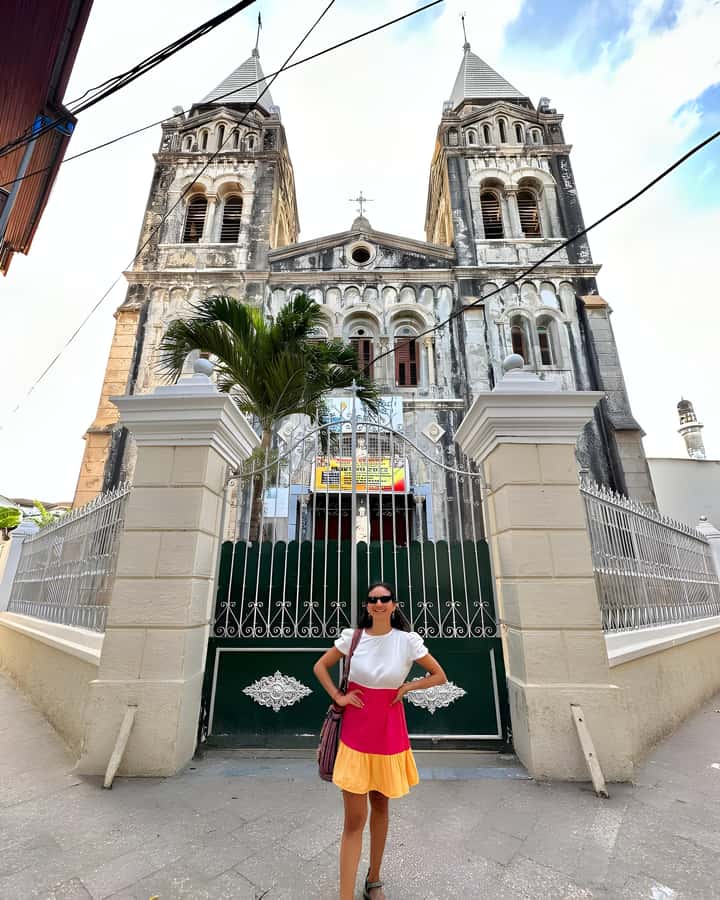
- Cathedrals and museums in one flow: Anglican Cathedral, House of Wonders, Palace Museum, plus the Catholic Cathedral.
- Markets plus architecture: Darajani Market for daily energy, then a look at the famous Zanzibar door details.
- Photo stops that actually help: you’ll pause for the Freddie Mercury House and Old Fort photos.
- A short half-day can stretch: the plan includes van time on both ends plus a main walking block.
Why Stone Town’s UNESCO mix is best seen on foot
Stone Town is the kind of place where geography and history feel connected. The city is built of limestone buildings, more than 2,000 of them, packed into about 50 hectares, with around 18,000 people living in the area. On a walking tour, you can actually notice scale and closeness, not just read about it later.
This is also a city of cross currents. The area grew from a blend of African, Arab, Indian, Persian, and European influence, and that cultural mix is part of why Stone Town was designated a UNESCO World Heritage Site in 2000. When your guide explains the connections, the narrow streets and different architectural styles start making practical sense, not just looking pretty.
More Walking Tours in Zanzibar
- Stone Town Private Walking Tour
★ 5.0 · 371 reviews - Zanzibar: 3 Hours Private Stone Town walking Tour with Guide
★ 4.6 · 301 reviews - Zanzibar: Stone Town Historical Cultural Walking Guided Tour
★ 4.5 · 179 reviews
Hotel pickup, van time, and how the pacing usually feels
The tour is designed around starting in Stone Town, with pickup optional from Stone Town hotel receptions if you request it in advance. The timing runs about 2 to 5 hours, depending on the selected start time, and the itinerary includes a van segment of about 1 hour at the beginning and again after the walking portion.
That matters because a “2 to 5 hour” label can fool you. You might spend a chunk of that time riding, not walking, then do most of the sightseeing inside Stone Town and nearby stops. If you like to linger and take photos often, the tour can feel brisk but still workable, especially if your group is small or private.
Anglican Cathedral and the House of Wonders: where the story turns into landmarks

The first big anchor on the route is the Anglican Cathedral. It’s not just a pretty stop. In Stone Town, religious buildings often help you read the city’s past and the arrival of different cultural groups.
From there, you move to the House of Wonders, which is now the national museum. This is a key moment on the tour because it takes you beyond street-level impressions and into curated context. Even if you only spend part of your time there, the value is that the guide can connect what you just saw on the street with what you’re about to see in the museum space.
One practical point: Stone Town buildings can be hot, and interiors may have posted limits depending on renovations or operating schedules. Recent feedback includes instances where some sights were closed or being renovated, so I’d treat museum time and cathedral time as variable. Your best strategy is to enjoy the route even if one stop is shorter than planned.
Palace Museum and the Old Fort: history you can physically stand inside
After the House of Wonders, the plan includes the Palace Museum. Think of this as your architecture and power-seat reference point. Stone Town’s buildings are tall for their era in some stretches, and details matter, from window shapes to how the spaces were laid out.
Next comes the Old Fort, with time for photos and guided explanation. The Old Fort is valuable because it’s a geographic marker as much as a historical one. You can feel how control and defense shaped the city.
You’ll also hear about the former slave market area as part of the tour narrative. That’s heavy subject matter, but it’s also part of what makes Stone Town real. If you’re sensitive to dark history, you may want to mentally prepare, and then balance it with the market and bath stops later, which feel lighter and more human-scaled.
More Stone Town walks:
- Zanzibar: Stone Town, Spice Tour, Prison Island with Lunch
★ 4.4 · 1,219 reviews - Zanzibar: Prison Island, Stone Town, & Spice Farm Tour
★ 4.5 · 579 reviews - Zanzibar: Stone Town, Spice tour & Prison Island with Lunch
★ 4.6 · 453 reviews - Full-Day Private Stone Town +Spice Farm and Prison Island Tour
★ 4.5 · 216 reviews
Freddie Mercury House and Zanzibar doors: details that make photos worthwhile

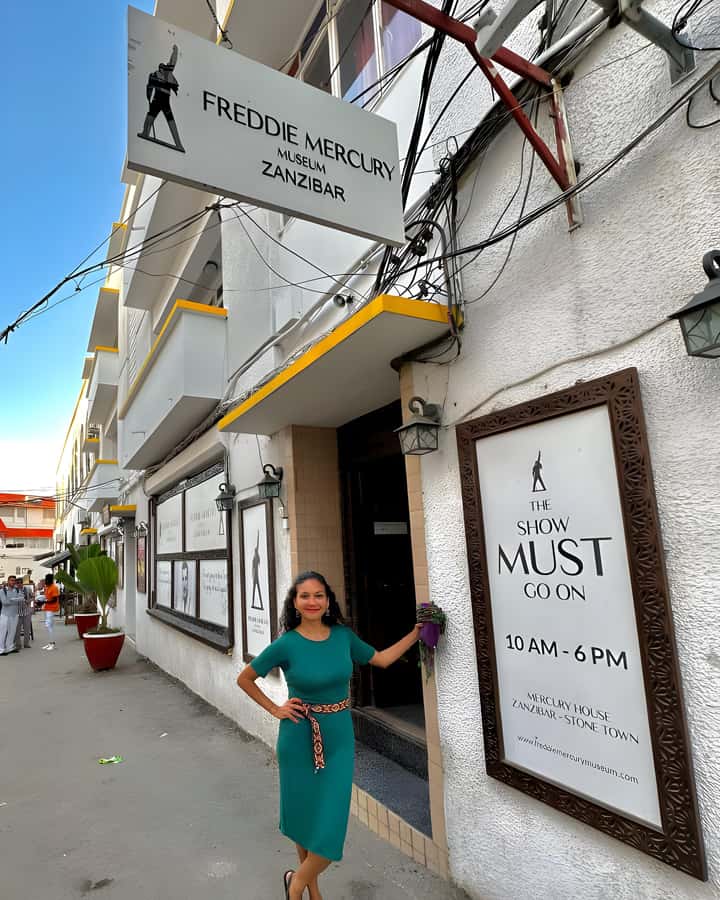
You’ll do a photo stop at the Freddie Mercury Museum area and get a guided tour of the Freddy Mercury house. Even if you’re not a hardcore fan, this stop works because it gives Stone Town a modern pop-culture reference point. It’s one of those moments where the city’s global connections show up instantly.
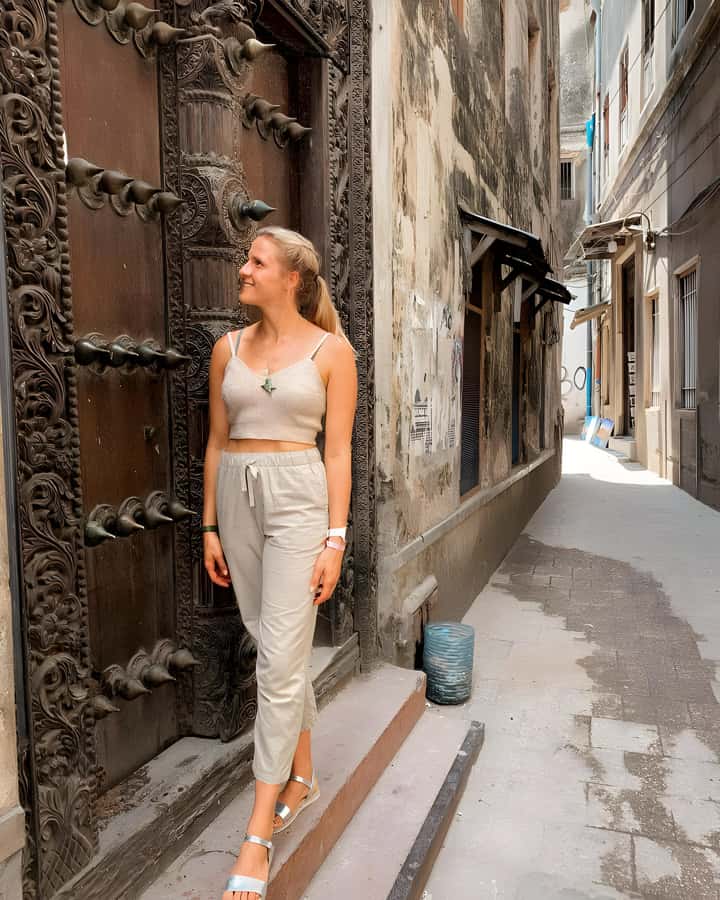
Then comes something I personally love for “bring home proof” photos, Zanzibar’s beautiful doors. The tour includes time to explore the colorful doors of Zanzibar. This matters because door styles in Stone Town are not random decoration. They often reflect craft traditions, trade connections, and status.
If you want to get the most out of this part, slow down. Look for carvings, painted motifs, and different levels of wear. Doors can tell stories even when the street is crowded. Bring your camera and use your guide as a timing tool so you don’t miss the best angles.
Darajani Market and Hamamni Baths: energy for your senses
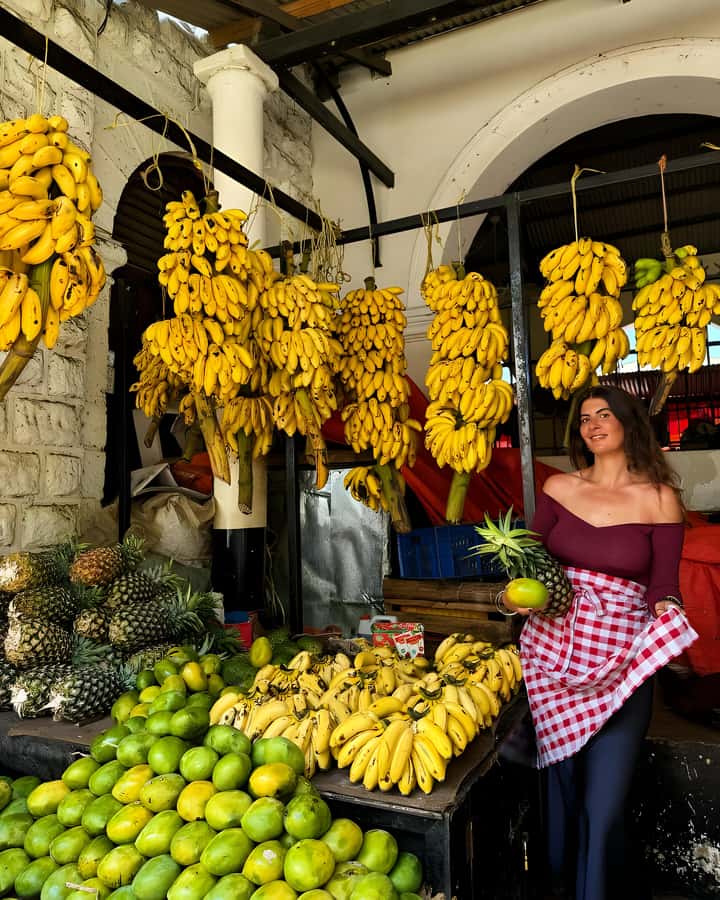
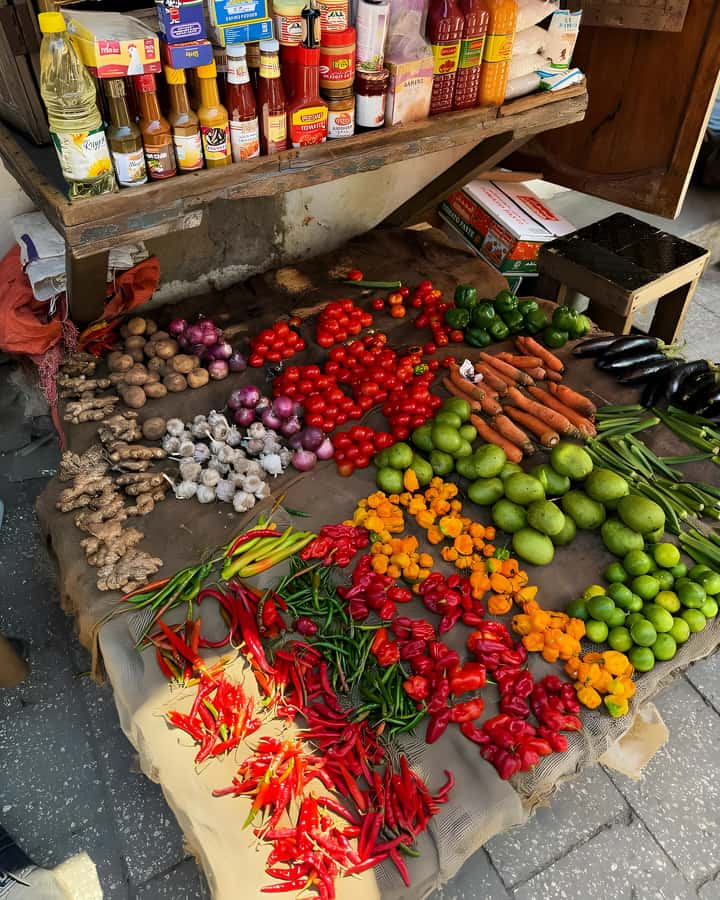
Darajani Market is where Stone Town stops feeling like a set of monuments and becomes a working city. The route includes strolling through Darajani Market, plus a guided tour and time for shopping and walking. You’ll also get a look at the textiles and colorful market streets, which is a great way to see what locals pick up for daily life.
Some feedback notes the experience moving quickly through market sections, which is understandable in a half-day plan. If you love markets, you’ll get better value by focusing on one lane or one theme. For example, pick a few things you want to understand, spices, fabrics, or food items, then ask your guide what stands out about that section.
The last major sensation stop is the Hamamni Baths. This is included as an experience, not just a photo moment. Hamamni Baths are a great contrast after the noise of market life. Even if you’re only there briefly, it breaks up the route and gives your body a chance to reset.
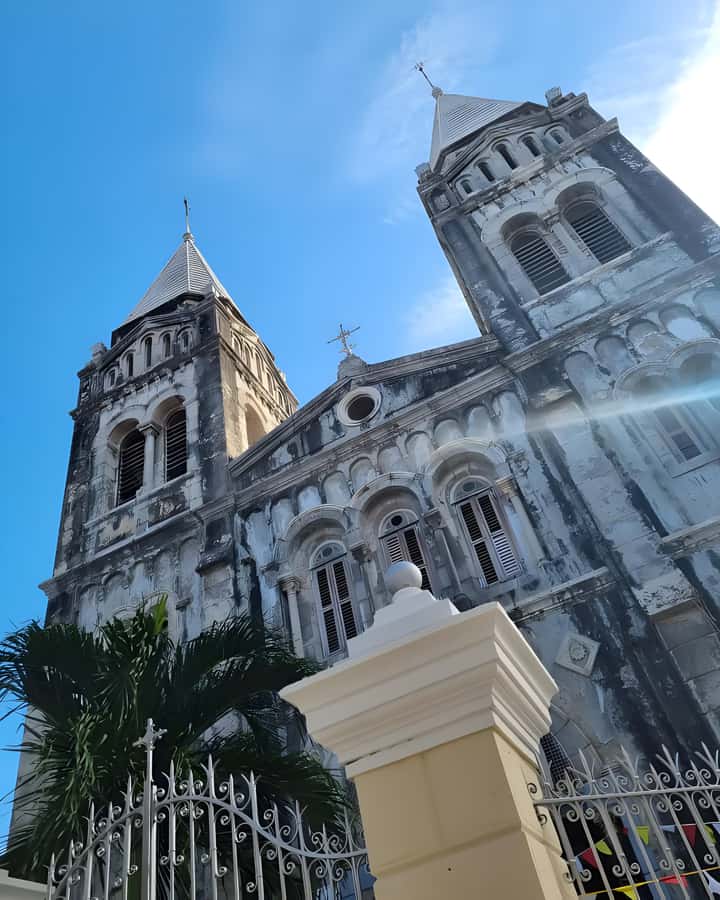
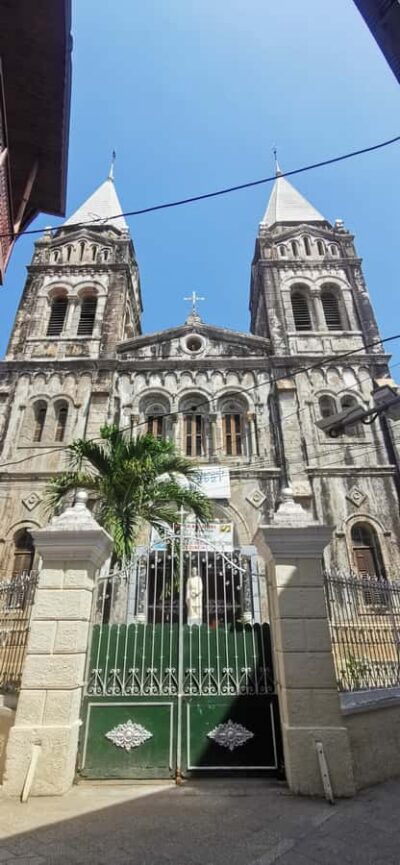
You’ll also see the Catholic Cathedral on the itinerary, which adds another layer to the religious skyline. With Anglican and Catholic cathedrals on the same day, you get a clearer view of how the city’s institutions evolved.
Shopping without losing your head: textiles, spices, and timing

The tour includes shopping time at Darajani Market. That’s a real plus because Stone Town shops and stalls can be overwhelming if you’re wandering alone. A guide can help you find what you want faster and also keeps you from drifting too long and throwing off the schedule.
A smart approach is to set a tiny budget before you arrive. If you try to bargain without one, you can lose track of time and money. Also, keep your purchases easy to carry. Stone Town streets are narrow and you may be walking, stopping for photos, and moving on.
If you’re after textiles, the itinerary explicitly includes a market street full of colorful textiles. If you’re after souvenirs with an actual connection to the city, look for locally made items rather than generic imports. Your guide can often point you in the right direction based on what’s available.
Price and value: is $40 a good deal for this Stone Town route?
At $40 per person, this tour is priced for value, especially if you want structured access to multiple landmarks in one half-day. The main “value engine” is the guided explanation of the UNESCO context plus the list of included sites: Anglican Cathedral, House of Wonders (national museum), Palace Museum, Old Fort, Darajani Market, Hamamni Baths, Catholic Cathedral, and the Freddie Mercury House, plus time for Zanzibar doors.
The key question is guide delivery. Reviews show strong performances when guides are prepared and able to explain clearly. One named guide, Samuel, stood out for being kind and careful with explanations and making things easier to understand.
At the same time, feedback also includes disappointment when a guide’s city knowledge felt limited or difficult to express in the booked language. There’s also at least one report of late arrival and even reliability issues around the meeting point.
So here’s how I’d judge value: if you’re paying for a guided story, you want that story to land. To protect yourself, you’ll want to arrive early at the meeting point area, confirm where you’ll meet, and have a backup plan for delays.
Guide quality and reliability: how to set expectations and stay flexible
Stone Town walking tours depend on a smooth start. The experience provider uses hotel pickup options in Stone Town when requested, and the driver meets you at reception with you ready about 5 minutes before departure. In theory, that keeps things punctual. In practice, a review included a late guide issue, including a case where the meeting point guidance didn’t match what actually happened.
What you can control is your readiness. Be at the reception early. Double-check any meeting point details before you leave your room. If you’re traveling with friends, agree on a quick regroup spot in case you get separated for any reason.
Also, factor in the city itself. Some landmarks can be closed or undergoing renovation. If one stop is limited, the tour can feel like it moves faster than you’d like. Still, the overall route is packed with enough high-interest points that you should come away with a clear Stone Town mental map.
Who this tour suits best, and who should rethink it
This tour is a strong match for first-time Stone Town visitors who want an efficient route. It also works well if you enjoy architecture and stories, not just checklists. The included combination of cathedrals, museum spaces, market streets, and Hamamni Baths makes it balanced.
It’s not suitable for people with mobility impairments or wheelchair users. You’ll be walking through narrow streets and moving between sites, and the tour plan includes multiple stops in a condensed time window.
If you’re the kind of traveler who hates rushing, go into it expecting a guided pace rather than a slow wander. If you’re the kind of traveler who loves structure, short explanations, and then looking on your own for a few minutes at each stop, this plan will feel right.
Should you book this Stone Town guided walking tour?
Book it if you want a compact, guided introduction to Stone Town that covers the big landmarks and the daily-life spots. The $40 price can feel fair because you’re getting a lot of included stops, plus the UNESCO context that helps everything click.
Skip it or at least consider a different option if you need a perfectly timed, deeply knowledgeable guide in your specific language, or if you’re worried about possible closures and renovation limits. In that case, prioritize tours that clearly emphasize reliability and provide strong, consistent language coverage.
If you go, bring comfortable shoes, camera, sunscreen, and water. Arrive early for pickup, and treat the itinerary as a great framework, not a rigid script.
FAQ
Where does this Stone Town tour take place?
It takes place in Stone Town, in the Unguja South Region of Tanzania.
How long is the guided walking tour?
The duration is listed as 2 to 5 hours.
How much does the tour cost?
The price is $40 per person.
What stops are included in the tour?
Included stops are the Anglican Cathedral, the House of Wonders (national museum), the Palace museum, the Old Fort, Darajani Market, Hamamni Baths, the Catholic Cathedral, and the Freddy Mercury house, plus time to explore Zanzibar’s beautiful doors.
Is there pickup from hotels?
Pickup is optional. If you request it in advance, the driver meets you at your Stone Town hotel reception, and you should be ready at least 5 minutes before departure.
Do I need to bring anything?
Bring comfortable walking shoes, a camera, sunscreen, and water.
What languages are the guides available in?
Live tour guidance is available in English, German, French, and Italian.
Are meals included?
No. Meals and drinks are not included.
Is this tour suitable for wheelchair users or mobility impairments?
No, it is not suitable for people with mobility impairments or wheelchair users.
What is the cancellation and refund window?
Free cancellation is available up to 24 hours in advance for a full refund.
More Walking Tours in Zanzibar City
- Zanzibar: Spice Tour & Stone Town Walking Tour
★ 4.8 · 115 reviews - Zanzibar: Stone Town Walking Tour with Guide
★ 4.7 · 76 reviews - Zanzibar: Walking Spice Tours with Guide
★ 4.3 · 45 reviews - Zanzibar: Private walking tour in stone town
★ 4.6 · 35 reviews
Just posted around Zanzibar City
- Mnemba Private Snorkeling Experience★ 5.0 · 4 reviews
- Serengeti & Ngorongoro 3 days Fly Safari in from Zanzibar★ 5.0 · 21 reviews
- Zanzibar Full Day experience★ 4.5 · 5 reviews
- Private Zanzibar Stone Town Historical Tour★ 5.0 · 13 reviews
- Zanzibar Spices Farms Tour (Private)★ 5.0 · 3 reviews
- Zanzibar’s Finest: Private Tour of Top 5 Attractions with Lunch★ 4.5 · 9 reviews
- Full-Day Stone Town and Prison Island Tour in Zanzibar★ 4.0 · 9 reviews
- Zanzibar Spice Tour★ 5.0 · 9 reviews
Stone Town Tours, compared.

Stone Town, Spice Tour, Prison Island with Lunch
Read our review →

Prison Island, Nakupenda, StoneTown Tour with BBQ
Read our review →Stone Town, Spice tour & Prison Island with Lunch
Read our review →
3 Hours Private Stone Town walking Tour with Guide
Read our review →
Full-Day Private Stone Town +Spice Farm and Prison Island Tour
Read our review →
Stone Town Historical Cultural Walking Guided Tour
Read our review →Browse the lists this tour appears in