
Reviewed · WALKING TOURS
Street Food and Community Walking Tour
Sinoni street food tells a whole story. On this 2 to 3 hour walk in Arusha, you follow local guides through daily life in the Sinoni district, while sampling sweet and salty food stops along the way. It’s a simple plan that feels real because the focus stays on people, work, and food.
I love the small group size (max 10), because it keeps the questions flowing and makes the walk feel more like conversation than a lecture. I also like that 100% of the tour profits support the Jamii imarika foundation, which backs education and basic needs for disadvantaged children, empowers women, and supports youth.
One thing to consider is that this experience requires good weather, so if it’s rainy, your timing may shift. Also, private transportation is not included, even though the tour does end in Sinoni and helps you get back to your hotel.
In This Review
- Key things you’ll notice on this Sinoni street food walk
- Sinoni, South of Arusha: what this walk is really showing you
- Price and timing: $25 for 2 to 3 hours that can actually do good
- Meeting at Kajo Art Gallery and Masai Market, then walking into Sinoni
- Urban farming, recycling, maize milling, and carpentry on the route
- Mud houses and churches: everyday spaces you pass with care
- Food on the move: sweet and salty tastings from multiple vendors
- How the Q&A time makes the walking tour worth the money
- Weather, comfort, and the one logistics reality you should plan for
- Who should book this tour, and who should skip it
- Should you book this Sinoni street food and community walk?
- FAQ
- How long is the street food and community walking tour in Arusha?
- How much does the tour cost?
- Where do I meet the tour?
- Where does the tour end?
- What food is included?
- Is a guide included?
- How big is the group?
- Do I need a printed ticket?
- Are tips included in the price?
- What is the cancellation policy?
Key things you’ll notice on this Sinoni street food walk
- Community-led guidance from Jamii imarika foundation, with plenty of room for questions
- Food stops on the move, with sweet and salty bites from different vendors
- A small group setting (up to 10) that makes the stories personal
- Work you can see, from urban farming and maize milling to carpentry and recycling
- Everyday landmarks included on the route, like mud houses and churches
Sinoni, South of Arusha: what this walk is really showing you
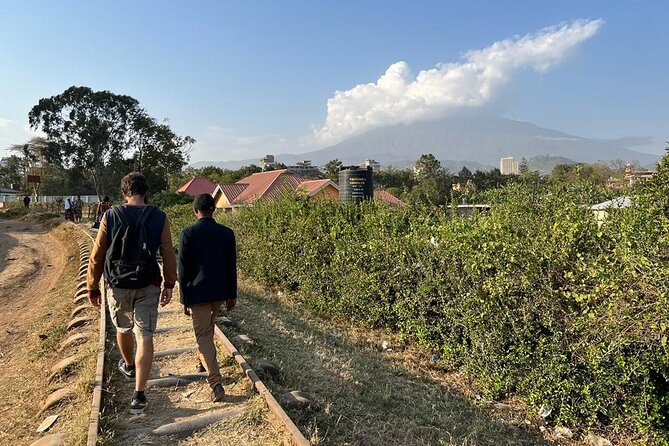
Sinoni is a district just south of Arusha city center, and that location matters. You’re not trying to spot famous monuments. Instead, you’re walking through the rhythms of neighborhood life, where people work, fix things, grow food, and gather in community spaces.
The best part is that the tour explains what you’re seeing as you see it. Your guide shares facts about Tanzanian culture and everyday life in Arusha, and you get a chance to ask questions. That turns a “street food outing” into something more useful, because you understand the context of what you’re eating and why it’s served the way it is.
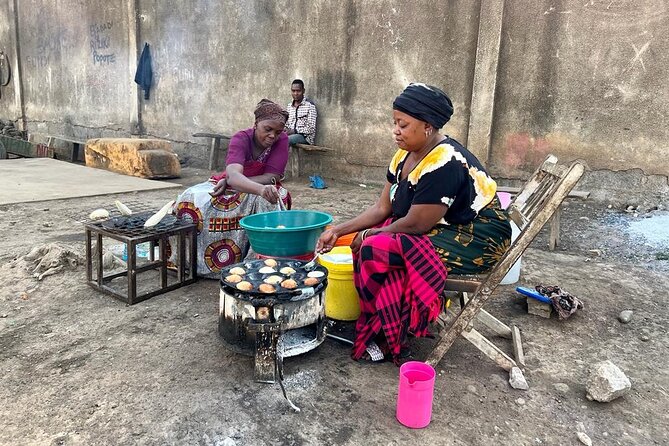
And yes, the food matters. You’ll taste traditional Tanzanian food along the route, with sweet and salty items from different vendors. But the route is designed so the food connects to the community, not just to your appetite.
More Walking Tours in Arusha
- Arusha Guided Walking City Tour, Culture, Lifestyle & History
★ 5.0 · 150 reviews - 7-Day Private Tanzania Safari with Sunset Walking on the Crater Rim and Maasai
★ 5.0 · 40 reviews - 4 Days lodge safari Tarangire , Ngorongoro crater & Walking
★ 5.0 · 39 reviews
Price and timing: $25 for 2 to 3 hours that can actually do good
At $25 per person for a 2 to 3 hour walking tour, the value comes from three places.
First, you get guided time with a local community focus, not a generic group shuffle. The walk stays small, with a maximum of 10 people, so the guide can respond to your questions and pace the group.
Second, your payment is not split into layers of intermediaries. The tour is run through Jamii imarika foundation, and the tour states that 100% of profits go directly toward their work for disadvantaged children, women, and youth. That means the money you spend is tied to community support, not just to the guiding service.
Third, the tour is short enough to fit into a busy Arusha schedule. If you’re visiting markets or planning day trips, a 2 to 3 hour window is manageable, and it’s easier to keep your energy up for evening plans.
Also, this tour is commonly booked about 42 days in advance on average, which usually hints that it’s a popular choice in the area. If you’re aiming for specific dates, book ahead so you don’t end up watching your options shrink.
Meeting at Kajo Art Gallery and Masai Market, then walking into Sinoni
You’ll start at Kajo Art Gallery at Masai Market, Tanesco Road, Arusha. That’s a good setup if you’re already moving around Arusha and want a meeting point that’s not hidden or hard to reach.
The end point is in Sinoni, at JM7M+65W, Arusha. The tour includes help getting you back to your hotel, which is a smart detail. One tradeoff: private transportation is not included, so don’t plan on a car ride as part of the experience. You should be ready to use public transport if you need it, or plan your own route back based on where you’re staying.
The tour uses a mobile ticket, and you’ll receive confirmation at booking. Service animals are allowed, and the experience says most travelers can participate. That combination makes it easier to fit into many travel styles, especially if you like walking as your main way to see a place.
Urban farming, recycling, maize milling, and carpentry on the route
The Sinoni portion of the walk is where the “community” part becomes concrete. As you go, you’ll pass by stops that reflect real work and real solutions that people use day to day.
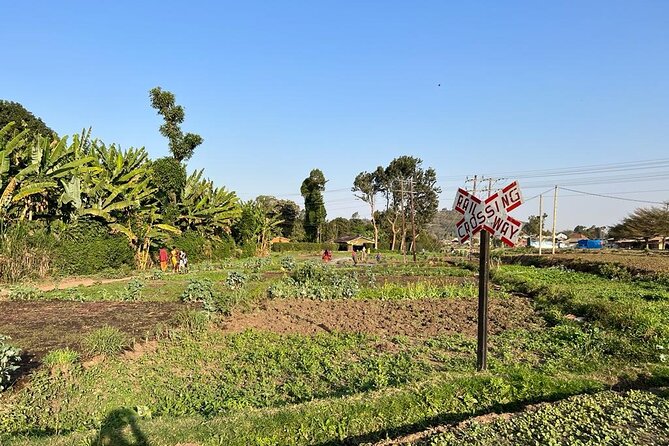
Urban farming is one of the stops along the way. Even without heavy technical explanation, you’ll see how food growing ties to neighborhood life. It’s a reminder that “street food” doesn’t start at the vendor counter. It starts much earlier, with the systems that help food reach people.
Recycling is another stop. Seeing this on a walking route is powerful because it shows how the community handles materials and waste as part of daily management. It’s not presented as abstract sustainability. It’s part of what people do where they live.
You’ll also see maize milling. Maize is a staple in many parts of Tanzania, so milling connects directly to what you eat. When you’ve got the background, tasting food later on the walk feels less random.
Carpentry is included too. That matters because it shows skill and maintenance within the neighborhood. Food tourism is common, but trade craft is often ignored. Here, you’re allowed to notice it.
Taken together, these stops help you build a mental map of the area: people grow what they can, manage materials, process staple foods, and keep buildings and tools working. That makes the street food feel connected to real life.
A few more Arusha trips to compare
- Arusha: Traditional Tanzania Cooking Class & Food Market Tour
★ 5.0 · 34 reviews - Organic Coffee Tour and Local Food Experience in Arusha
★ 5.0 · 29 reviews - Arusha: Traditional Tanzania Cooking class& Food Market Tour
★ 4.9 · 12 reviews - Waterfalls, Coffee, Hotsprings, Food Cuisine, & Serval Wildlife
★ 5.0 · 6 reviews
Mud houses and churches: everyday spaces you pass with care
The walk also includes mud houses and churches. These can be some of the most meaningful stops because they’re not staged. They’re simply part of how the neighborhood functions.
Mud houses reflect local building traditions and practical responses to materials and climate. Even if you don’t go inside, seeing the structures helps you understand why community life looks the way it does.
Churches bring another layer. They show how social life, community support, and daily routine can center around shared gathering places. For a traveler, it’s also a gentle education moment: you learn to watch and listen, and you keep your questions respectful.
A helpful approach is to stay curious but not intrusive. Ask what you’re allowed to ask, and follow your guide’s cues about where to pause, where to keep moving, and how to behave in community spaces.
Food on the move: sweet and salty tastings from multiple vendors
The tour includes sweet and salty food from different vendors, and that’s the main reason this works so well for most people.
Street food tasting is fun, but it’s also tricky because you might not know what’s safe, what to expect, or how much you’ll eat. This tour helps because you’re sampling with a guide who’s tied into the community, and the tastings are planned as part of the route.
You can expect multiple bites rather than one large meal. That’s ideal for a 2 to 3 hour walk because you’ll get to taste more variety without feeling stuffed early. It also keeps the energy high while you keep walking and listening.
One practical tip for your stomach: if you’re prone to sensitive digestion, go slow at the first vendor. Treat it like a tasting menu. Let your body decide what it likes.
How the Q&A time makes the walking tour worth the money
This isn’t a “stand still and learn facts” experience. You’re encouraged to engage with local people and ask questions. That changes the whole dynamic.
With small groups, the guide can tailor answers to your curiosity. If you want to understand daily life, your guide can point you to what matters most in that neighborhood context. If you’re more focused on food, you can ask how the food connects to the work you just saw, like milling and farming.
In other words, the tour uses your attention well. You walk past systems of work, then you taste the food those systems help create. When you connect the dots, the experience becomes more than a snack run.
It’s also a good reminder that culture is not something you “collect” as a souvenir. It’s something you learn through conversation, time, and respect.
Weather, comfort, and the one logistics reality you should plan for
This experience requires good weather. That means you should plan your best walking day for it, especially if your Arusha schedule is packed. If rain moves in, you may be offered a different date or a full refund, so you should keep an eye on the day you book.
Comfort is the other reality. You’re walking through a district as you go between stops, so wear shoes you can trust. Since private transport isn’t included, also think about how you’ll reach the meeting point and how you’ll handle the trip back from Sinoni if you don’t stay close by.
A small but useful planning step: if you have other appointments that same day, give yourself a buffer before and after the tour. Two to three hours passes fast, but you’ll want a little breathing room for the start and the wrap-up.
Who should book this tour, and who should skip it
This street food and community walking tour is a great match if you:
- like walking-based learning instead of museum-style sightseeing
- want Tanzanian street food with context
- care about where your money goes and want a direct social impact angle
- enjoy asking questions and talking with locals through your guide
It may be less ideal if you:
- dislike walking or prefer fully vehicle-based touring
- need guaranteed transportation back to your hotel by car
- can’t be flexible with weather changes
Should you book this Sinoni street food and community walk?
Yes, I’d book it if you want an Arusha experience that feels grounded in real community life. For $25, you’re getting guided tastings across multiple vendors, a route that connects food to daily work, and an impact component tied to Jamii imarika foundation, with profits stated as going to the organization.
The biggest practical reason to say yes is the small group size, max 10, paired with Q&A and community engagement. That combination usually turns a “food tour” into an afternoon you remember for the conversations, not just the bites.
If you’re staying in Arusha and you want a meaningful use of a couple of hours, this is a strong choice.
FAQ
How long is the street food and community walking tour in Arusha?
It lasts about 2 to 3 hours.
How much does the tour cost?
The price is $25.00 per person.
Where do I meet the tour?
You meet at Kajo Art Gallery at Masai Market, Tanesco Road, Arusha, Tanzania.
Where does the tour end?
The tour ends in Sinoni at JM7M+65W, Arusha, Tanzania, and the tour includes help getting you back to your hotel.
What food is included?
You’ll have sweet and salty food from different vendors during the walk.
Is a guide included?
Yes. The tour includes a knowledgeable guide from the community.
How big is the group?
The tour has a maximum of 10 travelers.
Do I need a printed ticket?
No, you use a mobile ticket.
Are tips included in the price?
Tips for the guide are optional and not included.
What is the cancellation policy?
You can cancel for a full refund up to 24 hours before the start time. Poor weather can also lead to a different date or a full refund.
More Food & Drink in Arusha
- Mama Aziz Food Court
★ 5.0 · 3 reviews - Stonetown: Food Markets and Street Food Walking Tour
★ 4.7 · 151 reviews - Authentic Street Food Tours in Stone Town, Zanzibar
★ 5.0 · 46 reviews - Stone Town Evening Walk Tour With Visit Food Markets
★ 4.5 · 28 reviews
Just posted around Arusha
- 8 Days Serengeti Migration safari★ 5.0 · 11 reviews
- tarangire & ngorongoro 2 days tour★ 5.0 · 14 reviews
- serengeti, ngorongoro & tarangire 4 days private tour★ 5.0 · 18 reviews
- tarangire, ngorongoro & lake manyara park 3 days private tour★ 5.0 · 11 reviews
- serengeti & ngorongoro 3 days private tour★ 5.0 · 15 reviews
- climb the KILIMANJARO via Lemosho route★ 5.0 · 4 reviews
- Mt. Kilimanjaro: Shira plateau to Cathedral point 3872m Day hike★ 5.0 · 7 reviews
- Kilimanjaro Waterfalls Hike & Moshi Hot Springs Day Trip Tour★ 5.0 · 4 reviews
Walking Tours, compared.

3 Hours Private Stone Town walking Tour with Guide
Read our review →
Stone Town Historical Cultural Walking Guided Tour
Read our review →
Arusha Guided Walking City Tour, Culture, Lifestyle & History
Read our review →

Browse the lists this tour appears in