
Reviewed · WORKSHOPS
Arusha: Traditional Tanzania Cooking class& Food Market Tour
Food teaches Arusha faster than any map. This 5-hour class pairs an Arusha market walk with a step-by-step cook-along led by locals like Liroy and Neema.
I love two things most: first, the chance to see and talk about the ingredients right where Arusha people actually shop. Second, you learn how to make Tanzanian comfort foods you can realistically recreate at home, not just watch from the sidelines.
One possible drawback to plan for: it is very local, so the food setup and hygiene feel less formal than what you might expect at home, and drinks are not included.
In This Review
- Key things you’ll notice right away
- Market morning in Arusha: what you’ll see before the stove
- Liroy at the stalls, and how the guide turns chaos into a lesson
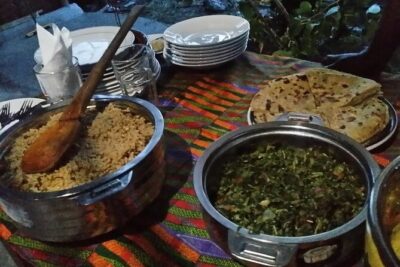
- Inside the kitchen: chapati, ugali, plantain banana, and vegetables
- Meat choice: stewed or barbecued, and how it changes the plate
- What you’ll actually eat, and how leftovers can stretch the experience
- Practical notes that can save your day
- Price and value: is $45 per person a good deal?
- Who should book this Arusha cooking class?
- Should you book the Arusha Traditional Tanzania Cooking Class and Food Market Tour?
- FAQ
- How long is the Arusha market and cooking class?
- Where does pickup happen?
- What dishes will I learn to cook?
- Is there a meat option?
- What is included in the price?
- Are drinks included?
- Can I take photos during the experience?
- Is free cancellation available?
Key things you’ll notice right away
- Hotel pickup in Arusha town makes the start easy, no hunting for the right corner
- Market time of 30 to 50 minutes gives you ingredient context before you cook
- Hands-on cooking with chapati, ugali, plantain banana, and vegetables
- You choose whether to add a stewed or barbecued meat option
- You eat what you make, and you may even pack leftovers if there is extra food
Market morning in Arusha: what you’ll see before the stove
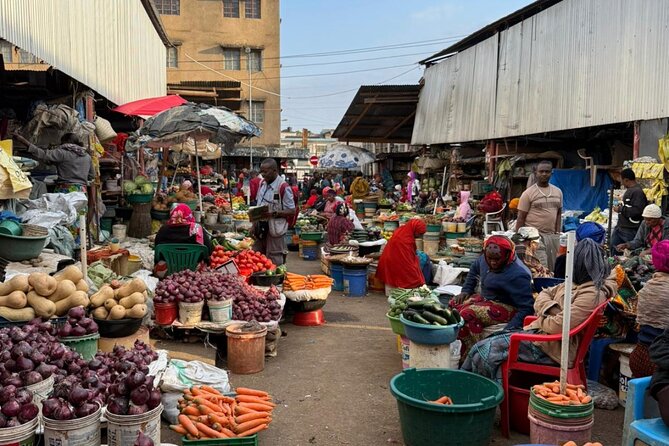
The experience starts with pickup from your hotel in Arusha town. Then you head to the central food market, where the day shifts from “tour mode” to “real-life food mode.”
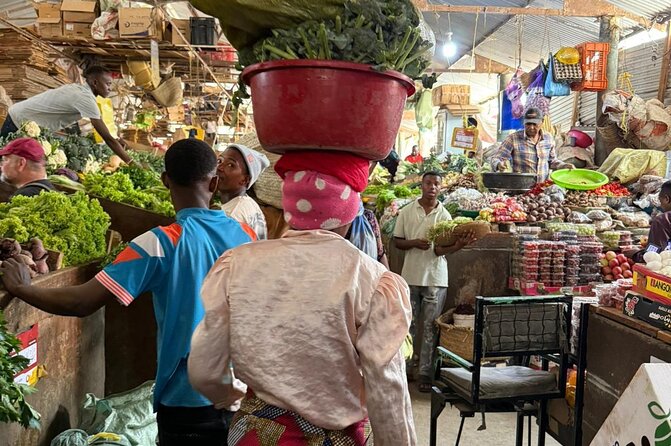
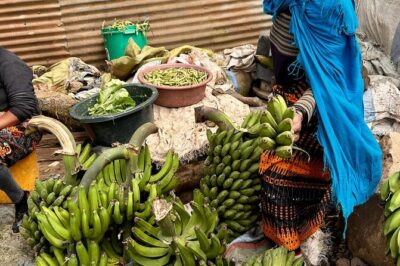
In that first stretch, you get about 30 to 50 minutes to wander with your guide, take photos, and talk with vendors. This is not just sightseeing. It helps you understand what ingredients look like in their natural state, before they turn into dinner.
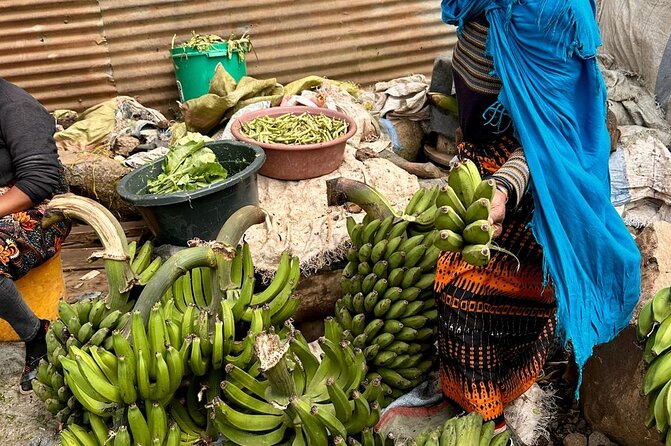
You will likely see dry staples, cuts of meat, fruits, and produce piled in ways that look chaotic until you realize there is a system to it. Even if you do not know the names yet, your guide will connect the dots.
A few more Arusha trips to compare
- NGO Lifted Strong – Traditional Tanzanian Cooking Class
★ 5.0 · 39 reviews - Arusha: Traditional Tanzania Cooking Class & Food Market Tour
★ 5.0 · 34 reviews - Cooking and Sewing & Jewelry Workshops in Arusha
★ 5.0 · 14 reviews
Liroy at the stalls, and how the guide turns chaos into a lesson
A big reason this tour gets such high marks is the way the guide works the market. People describe guides who explain products, point out what matters, and answer questions with patience.
In particular, you might meet Liroy as the English-speaking guide during the market portion. He also spends time keeping things safe and practical while you are walking, like when carriers and heavy loads move through tight paths. It is a small detail, but it makes a difference when you are navigating a working market.
What I like about this setup for your day is the timing. You do not jump straight into cooking. You see ingredients first, then cook them with purpose.
You also get an opportunity to interact with local people. That can mean asking how something is used, where it comes from, or what to look for when you buy it. You will leave with more than recipes. You will leave with context.
Inside the kitchen: chapati, ugali, plantain banana, and vegetables
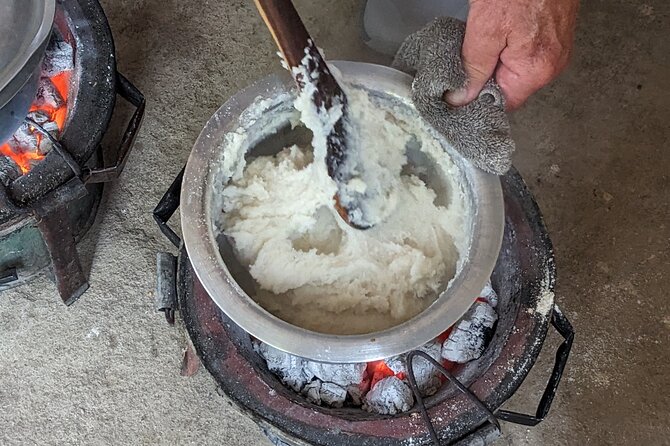
After the market, the cooking part happens in a home-style setting. The class lasts between 1 and 3 hours, depending on how your group moves through prep and cooking.
Your menu includes four core components:
- Plantain banana
- Chapati
- Ugali
- Vegetables
These are some of the most common building blocks of Tanzanian everyday meals. Learning them gives you a toolkit. Not every dish will match what you can buy at home exactly, but the technique and the flavor logic transfer well.
Chapati is where your hand skills start to matter. You will work the dough and learn what consistency looks like. Ugali teaches a different kind of patience, because it is about texture and timing, not just taste.
Plantain banana and the vegetable portion help balance the plate. They keep the meal from becoming one-note starch and spice. If you like food that feels filling but not heavy, this combo makes sense.
Meat choice: stewed or barbecued, and how it changes the plate
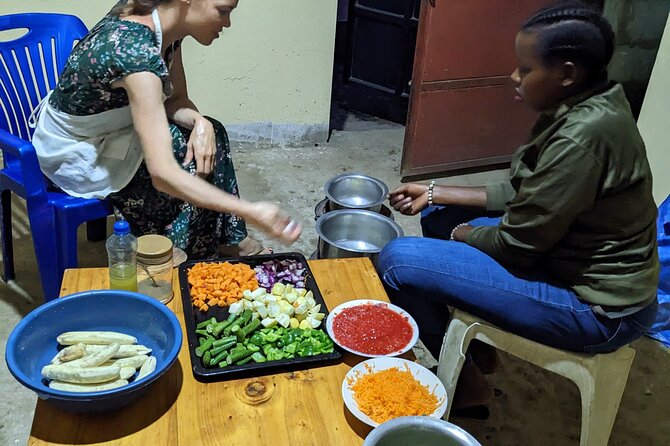
If you eat meat, you have an option for a stewed or barbecued dish. This matters because it affects how the meal lands at the end.
A stewed option tends to be slower and saucier. Barbecued options feel more smoky and direct. Either way, the meat choice is built into the class plan, meaning you are not stuck with someone else’s version of dinner.
You might cook on a mix of heat sources, including charcoal and propane stoves, depending on the setup used that day. The practical point for you is this: you will see real cooking rhythms, not a studio demo where everything is prepped and staged.
Also, the chef guides you through the steps. In the feedback I see, the chef, often Neema, demonstrates clearly, then turns over tasks so you do the work, not just hold a spoon for photos.
Same base in Arusha, a completely different day:
- Balloon Safari & Bush Breakfast in Serengeti – Miracle Experience
★ 5.0 · 1,646 reviews - Tanzania Classic – 7 Days
★ 5.0 · 1,151 reviews - 4 Days Group Camping Safari
★ 5.0 · 1,101 reviews - 5 Days Group Camping Safari
★ 5.0 · 730 reviews
What you’ll actually eat, and how leftovers can stretch the experience
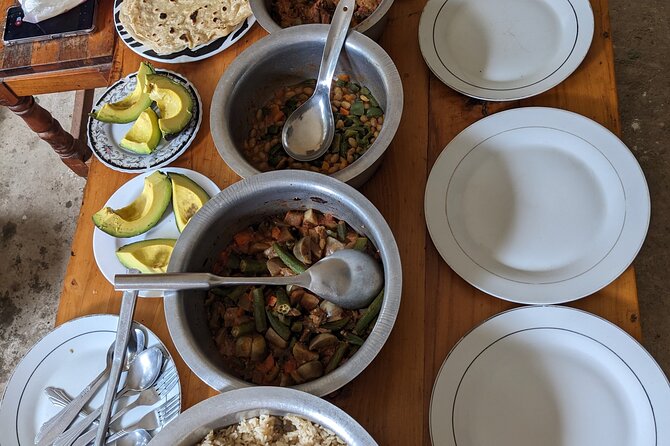
At the end, you sit down and eat the meal you prepared. This is one of the simplest joys of a cooking class, because the food has a story behind it.
In some cases, there is extra food left over. If time allows, you may be able to pack some to take back to your hotel. That turns the class into more than one meal, and it is a nice way to keep the flavors alive longer than a single sitting.
The group meal also has a social side. You are cooking, then eating together. It is a good rhythm if you like conversations that start with, What did you think of that part?
Practical notes that can save your day
This is a local market and local kitchen experience. That is why it is good. It is also why you should set expectations.
First, plan for a no-drinks situation. Drinks are not included, so if you want water or something else during the class, you will need to handle that yourself.
Second, think about kitchen cleanliness as a comfort level, not a dealbreaker. One person noted that soap and water were available, but the thorough hand scrubbing and cutting-board cleaning felt less strict than what they were used to. The important part, they said, is that the food was cooked fully.
So what should you do?
- Bring a small bottle of hand sanitizer if you like extra reassurance
- Be ready for a more casual kitchen routine
- Focus on the fact that the class is about cooking the dishes safely and eating them while they are hot
Third, wear the right clothes. The tour asks for long pants and comfortable shoes. Market ground can be uneven, and you will be standing and walking more than you think.
Finally, photos are allowed. You can take pictures during the market and while cooking, and guides may even help you capture your moment at the stove.
Price and value: is $45 per person a good deal?
$45 for a 5-hour experience sounds reasonable, and it makes more sense when you break down what you get.
You are paying for:
- Hotel pickup and drop-off
- Market visit with a guide
- Ingredients used for cooking
- A local chef-led class where you cook multiple staples
- The meal you prepare
If you tried to recreate this on your own, you would spend money on transit, guided market time, and a private cooking setup. Even if you do not hire a chef back home, buying the right ingredients and learning the steps takes time.
For me, the value comes from the pairing of market learning plus hands-on cooking. Many food experiences stop at one or the other. Here, the market makes the cooking make sense.
Who should book this Arusha cooking class?
This tour is a great match if you want Tanzanian food in a hands-on way. You do not need to be a cooking expert. The class is built around common staples like chapati and ugali, and your chef guides the process.
It also fits well if you like real interactions. You will have time in the market to talk with vendors and observe ingredients up close.
I would especially recommend it for:
- People who enjoy food education, not just eating
- Travelers who want a culturally grounded Arusha activity without a long day trip
- Anyone who wants recipes and technique they can use later
If you have a strong preference for high-formality hygiene standards and lots of bottled-drink comforts, you might feel less at ease. In that case, go in prepared, not disappointed.
Should you book the Arusha Traditional Tanzania Cooking Class and Food Market Tour?
Yes, I think you should book it if your goal is a practical, local food day. The structure is simple and effective: market first, then cooking, then shared eating.
The biggest wins are the hands-on cooking of Tanzanian staples and the guide-led market walk that explains what you are using and why. The main things to keep in mind are drink expectations and the fact that the kitchen experience is very local and casual.
If you want a souvenir that actually gets used, this delivers. You will leave with recipes, muscle memory for basics like chapati and ugali, and the flavor logic behind the dishes.
FAQ
How long is the Arusha market and cooking class?
The total experience lasts about 5 hours. The cooking class itself lasts between 1 to 3 hours.
Where does pickup happen?
You are picked up at your hotel in Arusha town, and you are dropped back there at the end.
What dishes will I learn to cook?
The class includes cooking plantain banana, chapati, ugali, and vegetables. You also cook a meat dish if you choose the meat option.
Is there a meat option?
Yes. There is an option for stewed or barbecued meat for people who enjoy meat.
What is included in the price?
The price includes hotel pickup and drop-off, a visit to the local central food market, the cooking class with a local chef, cooking ingredients, and the meal of the dishes you prepare.
Are drinks included?
No, drinks are not included.
Can I take photos during the experience?
Yes. You can take photos during the tour, including at the market.
Is free cancellation available?
Yes. You can cancel up to 24 hours in advance for a full refund.
More Markets in Arusha
- 24 Hours in Arusha—Arusha Museum, Cultural Heritage, Maasai Market, Shanga
★ 5.0 · 4 reviews - Stone Town Guided Tour: Culture, Slave Market & Spice Market
★ 4.8 · 44 reviews - Spice , Prison Island ,Stone Town and Slave Market Site Tour
★ 5.0 · 24 reviews - Zanzibar:Stone town Street food market walking tour,transfer
★ 4.5 · 9 reviews
More Food & Drink in Arusha
- Organic Coffee Tour and Local Food Experience in Arusha
★ 5.0 · 29 reviews - Street Food and Community Walking Tour
★ 5.0 · 12 reviews - Waterfalls, Coffee, Hotsprings, Food Cuisine, & Serval Wildlife
★ 5.0 · 6 reviews - Mama Aziz Food Court
★ 5.0 · 3 reviews
Just posted around Arusha
- 8 Days Serengeti Migration safari★ 5.0 · 11 reviews
- tarangire & ngorongoro 2 days tour★ 5.0 · 14 reviews
- serengeti, ngorongoro & tarangire 4 days private tour★ 5.0 · 18 reviews
- tarangire, ngorongoro & lake manyara park 3 days private tour★ 5.0 · 11 reviews
- Mt. Kilimanjaro: Shira plateau to Cathedral point 3872m Day hike★ 5.0 · 7 reviews
- serengeti & ngorongoro 3 days private tour★ 5.0 · 15 reviews
- climb the KILIMANJARO via Lemosho route★ 5.0 · 4 reviews
- Kilimanjaro Waterfalls Hike & Moshi Hot Springs Day Trip Tour★ 5.0 · 4 reviews
Workshops, compared.
Half-Day Kuza Cave Swimming Adventure and Cooking Class
Read our review →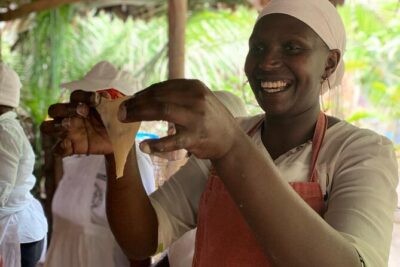
NGO Lifted Strong – Traditional Tanzanian Cooking Class
Read our review →
Traditional Tanzania Cooking Class & Food Market Tour
Read our review →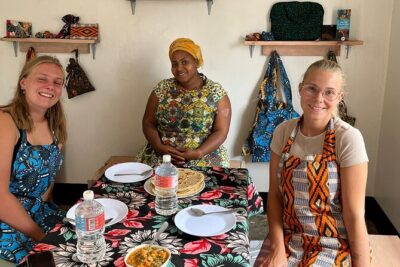
Cooking and Sewing & Jewelry Workshops in Arusha
Read our review →
Mnemba Dolphin Tour, Clear Kayak, Cooking Class, Horse Riding
Read our review →Browse the lists this tour appears in