
Reviewed · FOOD
Mama Aziz Food Court
Spices, stoves, and Swahili stories in Arusha. In this Mama Aziz Food Court class, you shop for ingredients, learn how dishes like biriyani and pilau get built, and eat what you cook with a family-run welcome. I especially liked hands-on cooking and the city market ingredient hunt. One drawback: it is not suitable for wheelchair users or visually impaired guests, since the lesson happens in active kitchen and market spaces.
I also like the small group format, capped at 10 people, plus the English-speaking instructor. The session runs about 3 hours, with pickup around the Clock Tower roundabout or from the museum area along the monument.
You’ll work with Swahili Coast flavors and familiar comfort-food staples, including biriyani, pilau with kachumbari, ugali, chapati with gravy, BBQ with veggies, chai masala (spiced tea), coconut iftaar, and seasonal fruit. Expect fresh aromatics like spices, herbs, and tropical produce, all part of how Swahili cooking blends African, Arab, Indian, and European influences.
In This Review
- Key highlights to look for
- Pickup in Arusha, then straight to the food plan
- The city market tour: where Swahili flavor starts
- Hands-on cooking: spice combinations and technique you can repeat
- The core Swahili menu: biriyani, pilau, ugali, chapati, BBQ
- Chai masala and coconut iftaar: the sweet-spiced finish
- Why this class feels culturally specific, not generic food talk
- Price and value: what $25 buys in a 3-hour format
- Who should book Mama Aziz Food Court
- Should you book this Swahili cooking class in Arusha?
- FAQ
- How long is the Mama Aziz Food Court cooking lesson?
- How much does it cost per person?
- Is the instructor available in English?
- What dishes will I eat or learn during the class?
- What’s included in the price?
- Where is pickup in Arusha?
- What should I bring?
- Are pets or alcohol allowed?
Key highlights to look for
- Market-to-pan shopping for spices, tropical fruits, and herbs you’ll actually use
- Hands-on chef-led cooking where you practice spice combinations and techniques
- Signature Swahili dishes like biriyani, pilau with kachumbari, ugali, and chapati with gravy
- Chai masala and coconut iftaar for sweet and spiced finishing touches
- Fresh ingredients emphasis so flavors stay real, not just theory
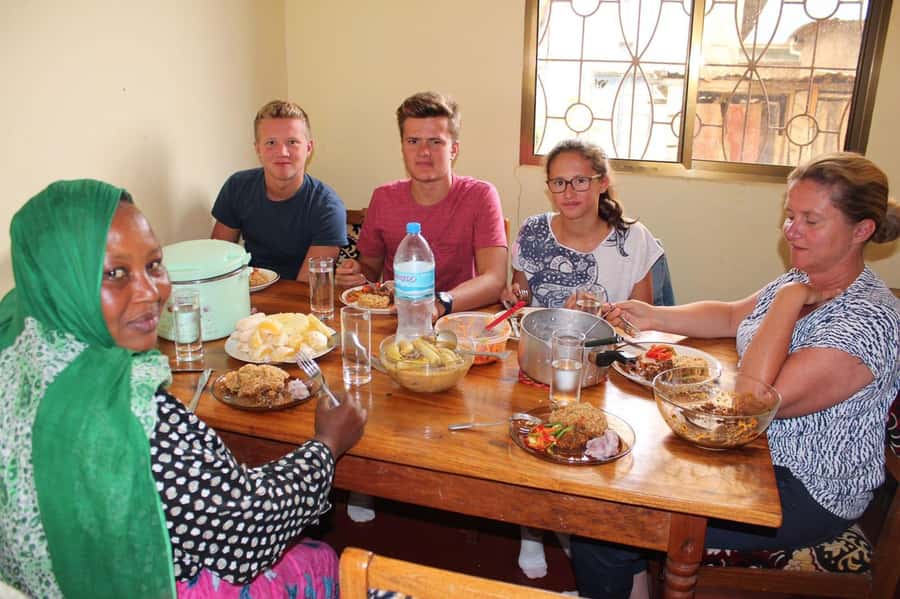
- Small group dining that feels social without being chaotic (up to 10 people)
Pickup in Arusha, then straight to the food plan
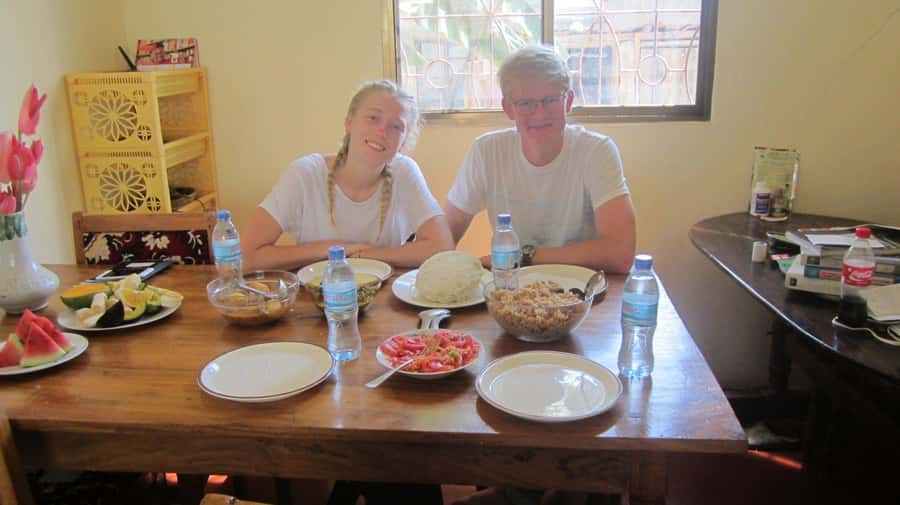
The day starts with pickup, which keeps things easy in Arusha. You’ll meet at a nearby restaurant around the Clock Tower roundabout, or you can meet at the museum area by the monument, depending on what’s closest for your session.
From there, the schedule is built around a simple idea: learn the Swahili Coast approach to food, then eat it. You’re not just watching someone cook. You’re helping with real steps and building your own understanding of why certain ingredients show up together.
Also, since it’s an English instructor, you won’t be stuck guessing what’s happening at the stove. That matters when you’re learning spice handling, timing, and how sauces and sides come together.
One practical note: this is a 3-hour experience, so you’ll want to arrive on time and ready to move. Wear something comfortable you don’t mind getting splashed by kitchen work, and keep your camera handy if you want food photos.
A few more Arusha trips to compare
- Arusha: Traditional Tanzania Cooking Class & Food Market Tour
★ 5.0 · 34 reviews - Organic Coffee Tour and Local Food Experience in Arusha
★ 5.0 · 29 reviews - Street Food and Community Walking Tour
★ 5.0 · 12 reviews
The city market tour: where Swahili flavor starts
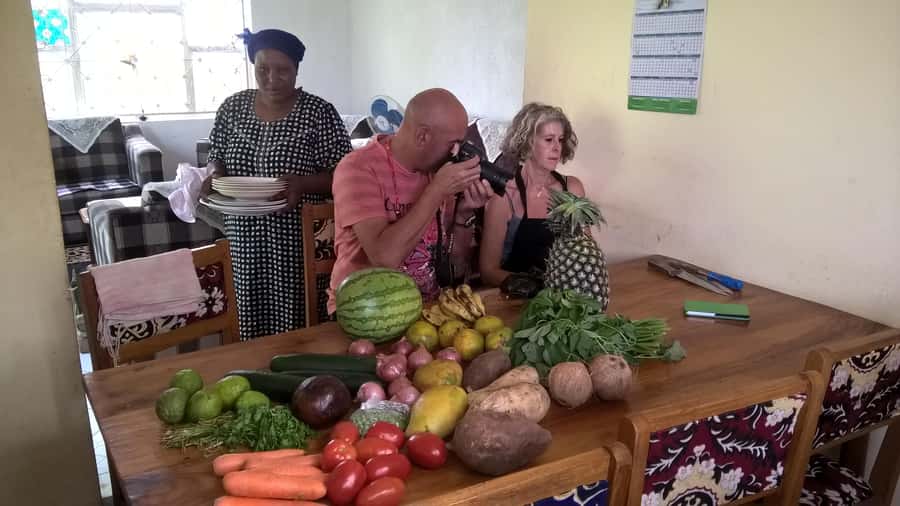
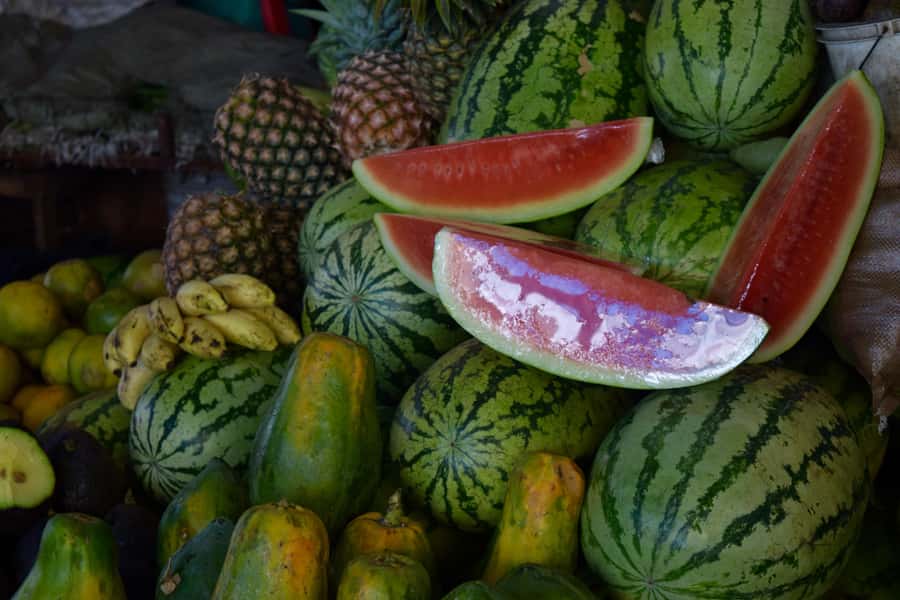
A big part of the experience is the city market tour, where you choose ingredients before you start cooking. This is more than a photo stop. You get to see the inputs that shape Swahili cooking, especially the spice blend thinking and the way produce quality affects taste.
You’re using fresh, locally sourced ingredients such as:
- aromatic spices
- tropical fruits
- fragrant herbs
That mix is key to Swahili cooking on the coast. Spices aren’t an afterthought, they are the structure. And herbs and fruit bring brightness that keeps richer dishes from feeling heavy.
If you like food that feels layered, this market step is where it begins. You learn how the menu connects to ingredients, then you connect that back to what you taste later.
From a planning standpoint, the market portion also helps you understand what makes a dish Swahili. It’s not just the recipe name. It’s the ingredient choices and the cooking rhythm.
Hands-on cooking: spice combinations and technique you can repeat
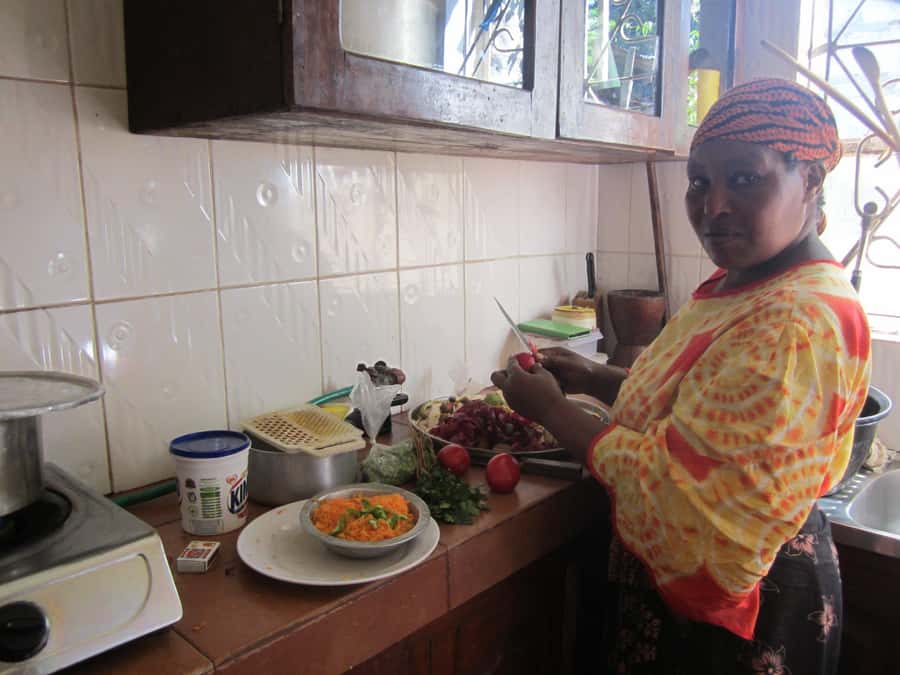
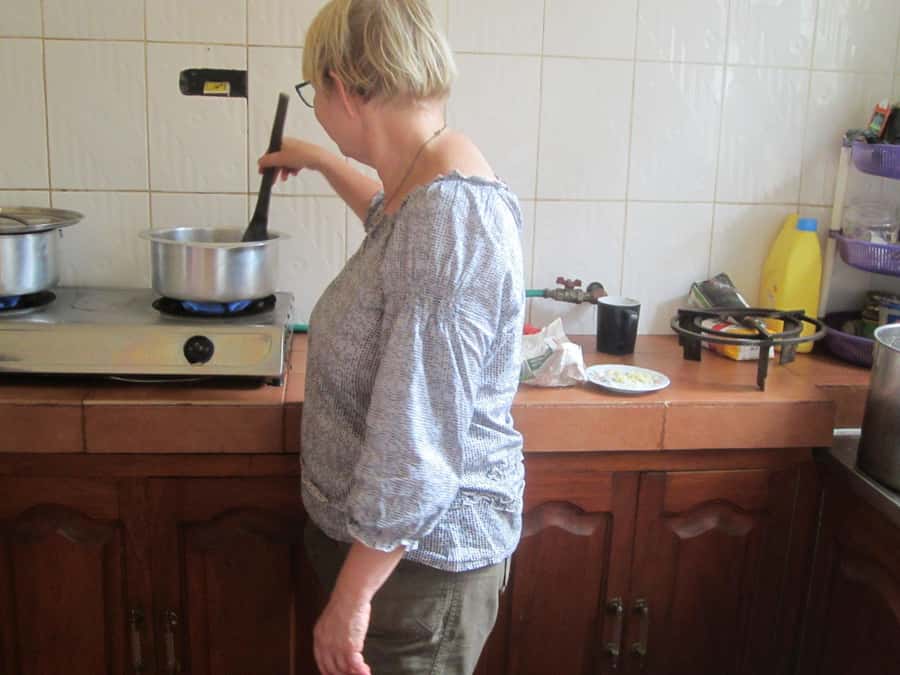
Once you’re back from the market, you shift into hands-on cooking. The format is interactive, led by experienced chefs who want you to learn the practical parts, not just the story.
Here’s what you’re really training your brain to do:
- combine spices so flavors build instead of clashing
- use technique so sauces and grains turn out the way they should
- balance savory staples with sides that add crunch or sweetness
You’ll work through a selected set of iconic recipes, focusing on the methods behind the flavors. That’s the value of a cooking class like this. You get a workflow you can reuse at home, even if your local ingredients are different.
And since it’s limited to 10 participants, the class tends to feel manageable. You’re not waiting forever for someone to notice you need help. You can ask questions, get feedback, and adjust while the food is still in progress.
If you’re the type who learns best by doing, you’ll probably have a great time. Your hands will get involved, and the payoff is sitting down with food you helped make.
The core Swahili menu: biriyani, pilau, ugali, chapati, BBQ
The menu covers several Swahili Coast staples, and each one shows a different side of the cuisine.
Biriyani is all about aroma and depth, built on spice and layering. You’ll see how the flavor comes together and how the dish holds together as it’s served.
Pilau served with kachumbari brings the contrast that makes many East African meals memorable. Pilau gives the warm, spiced base. Kachumbari adds a fresh, crisp element, often with a bright, tangy feel that makes you want another bite.
Ugali is another anchor on the table. It’s a key comfort food, and learning it helps you understand the way Swahili meals handle texture. It also changes how you eat the rest of the dishes, since it’s meant to pair and scoop.
Chapati and gravy is pure comfort. Chapati teaches you the bread side of the meal, and gravy gives you that savory sauce experience, the one that soaks into whatever you’re eating alongside it.
Then there’s BBQ served with veggies, which rounds out the meal with grilled flavor and adds vegetables to keep the plate balanced. If you like food that feels both hearty and practical, this section is worth paying attention to.
In short, the menu is a smart mix: grains, breads, sauces, and protein, plus sides and drinks. That balance makes the whole 3 hours feel worthwhile rather than repetitive.
Same base in Arusha, a completely different day:
- Balloon Safari & Bush Breakfast in Serengeti – Miracle Experience
★ 5.0 · 1,646 reviews - Tanzania Classic – 7 Days
★ 5.0 · 1,151 reviews - 4 Days Group Camping Safari
★ 5.0 · 1,101 reviews - 5 Days Group Camping Safari
★ 5.0 · 730 reviews
Chai masala and coconut iftaar: the sweet-spiced finish
Two items often make the biggest impression because they show how Swahili flavor isn’t only savory.
Chai masala (spiced tea) gives you a spiced drink you can actually think about after the class. You’ll see how spices are handled in a way that feels warm, not bitter, and how the tea fits naturally alongside a meal.
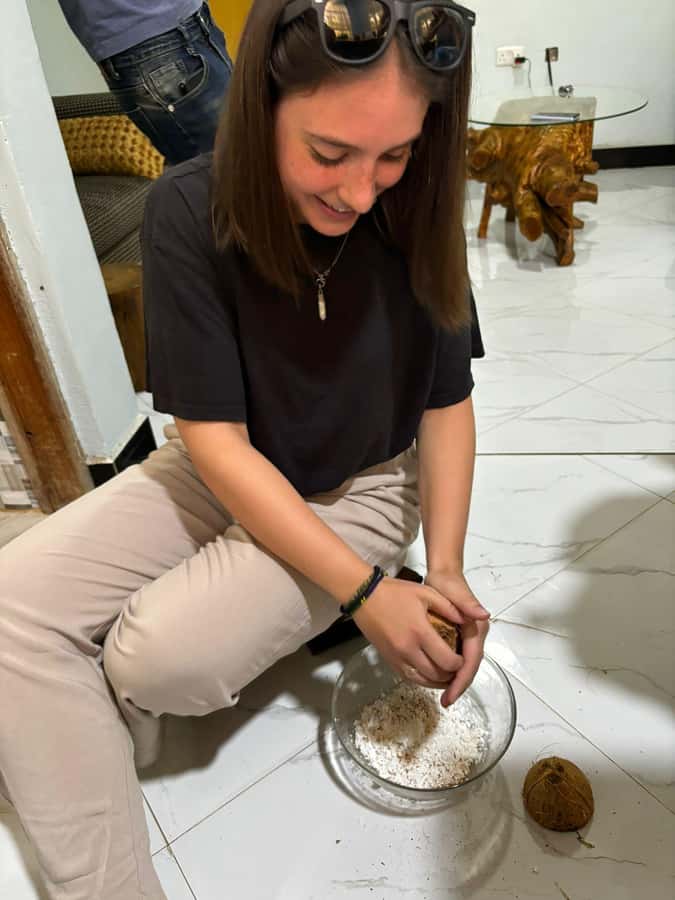
Then comes coconut iftaar, described with ingredients like plantains, sweet plantains, sweet potatoes, Irish potatoes, and arrow roots. That mix tells you something important about the cuisine: sweetness and starches can be part of a meal’s structure, not just dessert vibes.
The class also includes seasonal fruits available, which helps close the meal with something lighter. It’s a simple move, but it matters. Fruits keep the taste buds reset after spiced food.
If you’re hoping to leave with ideas you can recreate at home, these sweet and drink items are great. People often remember the flavor of chai, and the iftaar side gives you a new way to think about starchy ingredients and coconut notes.
Why this class feels culturally specific, not generic food talk
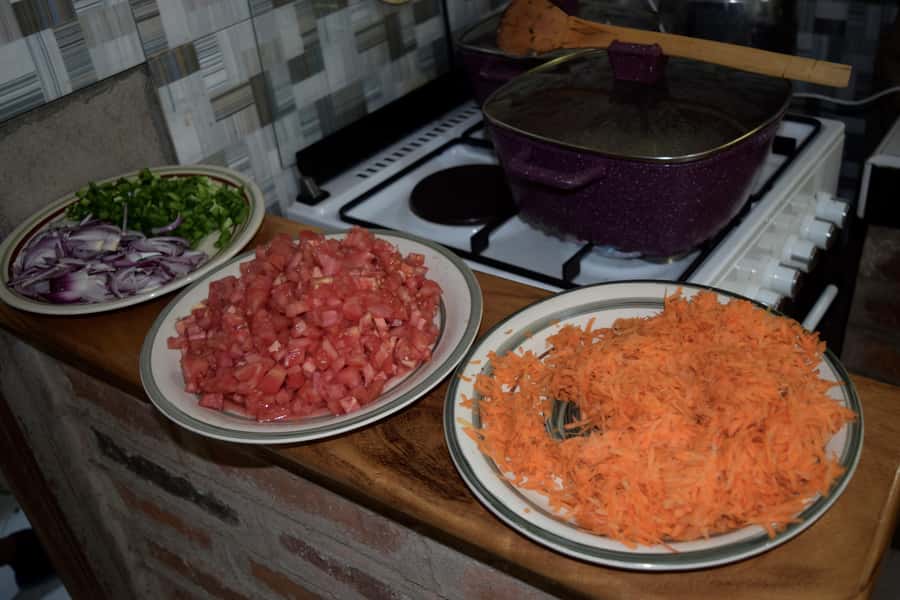
Swahili cuisine is shaped by mixing influences, and this experience pushes you to understand that through cooking. You get the big picture: Swahili food reflects African, Arab, Indian, and European influences.
But you learn it the practical way, by using ingredients and cooking techniques that match those influences. Spices show the coastal trade and cooking tradition. Bread and gravy connections feel tied to the wider region’s shared food patterns. Starch and side combinations show local eating habits.
The point is that you’re not only eating dishes. You’re learning how food can carry history without turning the meal into a lecture.
Also, there’s a social element baked in. You connect with fellow food enthusiasts during the market tour, then you eat what you made together. It’s the kind of shared meal that turns a class into a memory.
One small detail that you might appreciate: based on prior participants’ experiences, some sessions include a short look around a garden area. It’s not something to count on, but if it happens in your session, it’s a nice extra.
Price and value: what $25 buys in a 3-hour format
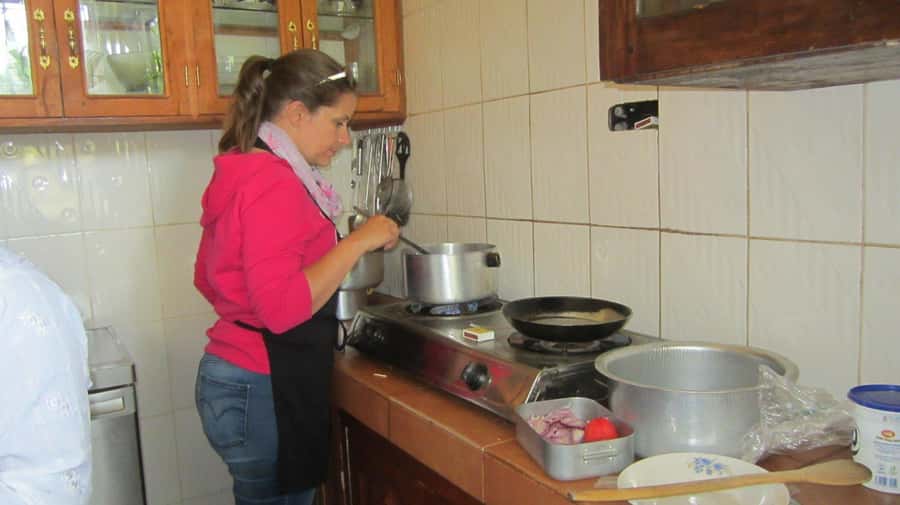
The price is $25 per person for a 3-hour experience. For that money, you’re not paying only for instruction. You’re also covering groceries and fruits, plus the necessary ingredients for the recipes and the city market tour.
Here’s the value logic:
- You get a market shopping component, which usually costs time and planning on your own.
- You get the ingredients portion handled for you, which means you avoid guessing quantities and sourcing.
- You get a small group experience, so attention and pacing tend to be more reasonable.
- You leave with a full plate of food, not just a taste.
If you’re watching your Tanzania budget, this is a strong option because it bundles the day’s core experiences into one cost. You’re spending less time figuring out transport and more time learning the cooking and eating parts that actually matter.
Just be ready for the basics of cash flow: bring cash or credit card, plus your camera if you want photos of the market and dishes.
Who should book Mama Aziz Food Court
This cooking lesson is a great fit if you want Swahili Coast food in a hands-on format.
You’ll likely enjoy it if you:
- like learning through cooking, not only watching
- want a guided way to experience Tanzanian ingredients such as spices and herbs
- enjoy spice-forward meals like biriyani, pilau, and kachumbari
- want a practical takeaway for chai masala and coconut-based sweet sides
It may not be your best choice if you need wheelchair access or if you have visual accessibility needs, since it is not suitable for wheelchair users or visually impaired people.
It’s also best for people who can comfortably spend 3 hours participating. This is an active food experience, not a sit-and-listen program.
Should you book this Swahili cooking class in Arusha?
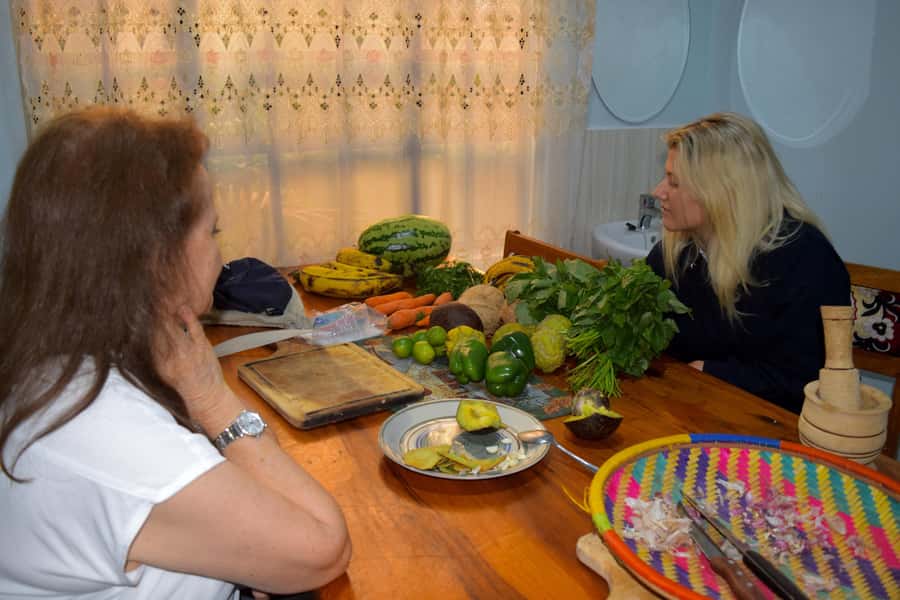
I’d book it if your goal is to come away understanding Swahili cooking through real steps: market ingredients, spice mixing, technique practice, and a full meal that includes both savory dishes and spiced tea and iftaar-style sides.
Skip it only if accessibility needs make a market and kitchen setting a problem for you, or if you’re hoping for a purely passive experience.
If you want a fun, social, kitchen-based taste of Arusha that goes beyond ordering in a restaurant, Mama Aziz Food Court is a smart choice. The value is in what you do with your hands, then what you eat right after.
FAQ
How long is the Mama Aziz Food Court cooking lesson?
The experience lasts about 3 hours.
How much does it cost per person?
The price is listed as $25 per person.
Is the instructor available in English?
Yes, the instructor is English-speaking.
What dishes will I eat or learn during the class?
You can expect a menu that includes biriyani, pilau with kachumbari, chai masala (spiced tea), ugali, BBQ served with veggies, chapati and gravy, coconut iftaar (with plantains, sweet plantains, sweet potatoes, Irish potatoes, and arrow roots), and seasonal fruits.
What’s included in the price?
The price includes buying groceries and fruits, all necessary ingredients for the recipes, and the city market tour.
Where is pickup in Arusha?
Pickup is included from any nearby restaurant around the Clock Tower roundabout, or from the museum along the monument.
What should I bring?
Bring a camera, a credit card, and cash.
Are pets or alcohol allowed?
Pets are not allowed, and alcohol and drugs are not allowed.
Just posted around Arusha
- 8 Days Serengeti Migration safari★ 5.0 · 11 reviews
- tarangire & ngorongoro 2 days tour★ 5.0 · 14 reviews
- tarangire, ngorongoro & lake manyara park 3 days private tour★ 5.0 · 11 reviews
- serengeti, ngorongoro & tarangire 4 days private tour★ 5.0 · 18 reviews
- serengeti & ngorongoro 3 days private tour★ 5.0 · 15 reviews
- climb the KILIMANJARO via Lemosho route★ 5.0 · 4 reviews
- Mt. Kilimanjaro: Shira plateau to Cathedral point 3872m Day hike★ 5.0 · 7 reviews
- Kilimanjaro Waterfalls Hike & Moshi Hot Springs Day Trip Tour★ 5.0 · 4 reviews
Food, compared.

Authentic Street Food Tours in Stone Town, Zanzibar
Read our review →
Traditional Tanzania Cooking Class & Food Market Tour
Read our review →
Organic Coffee Tour and Local Food Experience in Arusha
Read our review →
Stone Town Evening Walk Tour With Visit Food Markets
Read our review →Traditional Tanzania Cooking class& Food Market Tour
Read our review →

Stone town Street food market walking tour,transfer
Read our review →Browse the lists this tour appears in