
Reviewed · FOOD
Moshi: Serval Wildlife Tour with food and drinks
A serval encounter beats a long safari day. This half-day style outing in the Siha District pairs a guided sanctuary visit with time to meet animals up close, plus a meal afterward.
I especially like the hands-on feel of the sanctuary experience, where you get structured time with a naturalist guide and then free moments to look around at your own pace. I also like that the day is built around learning, not just looking, with a safety briefing and guided talks about the animals and their conservation status.
One thing to consider is that the value can feel different depending on what you expect from the “tour” part. The ride and transfers are part of the package, but the real show is the sanctuary entry, and some people have found the pricing confusing compared with booking transport or tickets separately.
In This Review
- Key highlights worth your attention
- Serval Wildlife Sanctuary near Kilimanjaro, what it’s really like
- The transport piece, why it matters for your expectations
- Inside Serval Wildlife, how the guided visit works
- The animals you can expect to see (and why the selection is useful)
- Close encounters, feeding, and what to watch out for
- The Siha Highlands drive, plus Mount Meru and Kilimanjaro views
- Lunch and drinks, what’s included and what to confirm
- Duration and group size, how much time you really get
- Price and logistics, how to judge the value honestly
- Who this tour fits best
- Practical tips so your day runs smooth
- Should you book it?
- FAQ
- How long is the Moshi Serval Wildlife Tour with food and drinks?
- Where does pickup happen?
- Where can I be dropped off?
- What animals are included in the guided wildlife encounters?
- Is lunch and drinks included?
- How long do you spend at the Serval Wildlife Sanctuary?
- What language is the tour guide?
- Is the tour wheelchair accessible?
- Is this suitable for people with allergies?
- What is the cancellation policy?
Key highlights worth your attention
- Up-close sanctuary time with guided encounters and a set period inside the grounds
- English naturalist guide with conservation and animal background during your visit
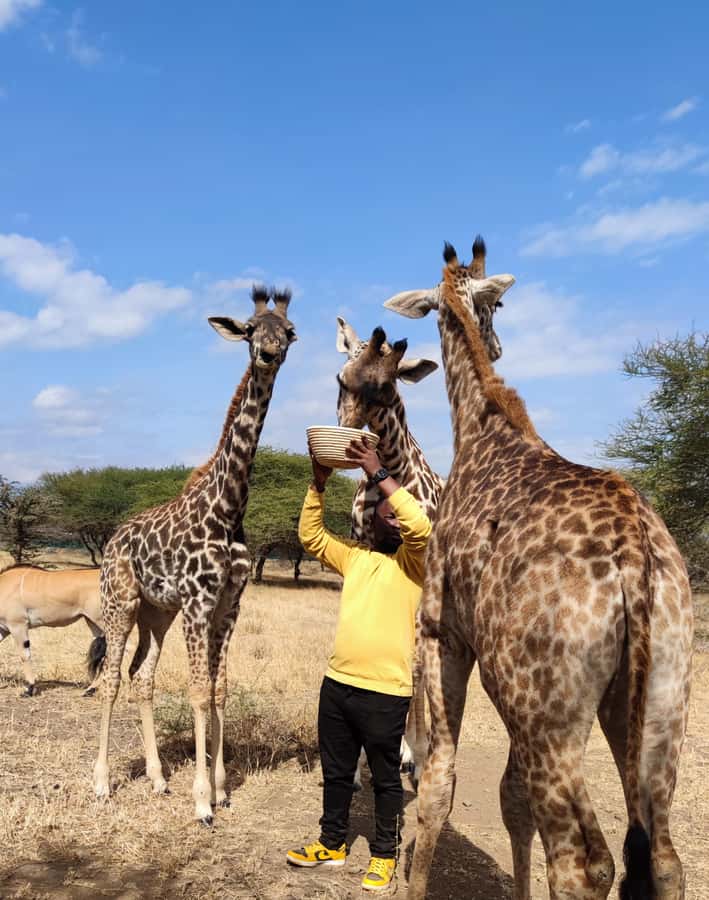
- Good variety of species on the property, including lions, giraffes, zebras, and monkeys
- Time set aside for photos and wandering after the guided section
- Food and drinks included in the listing, but meal details can be worth checking before you go
Serval Wildlife Sanctuary near Kilimanjaro, what it’s really like
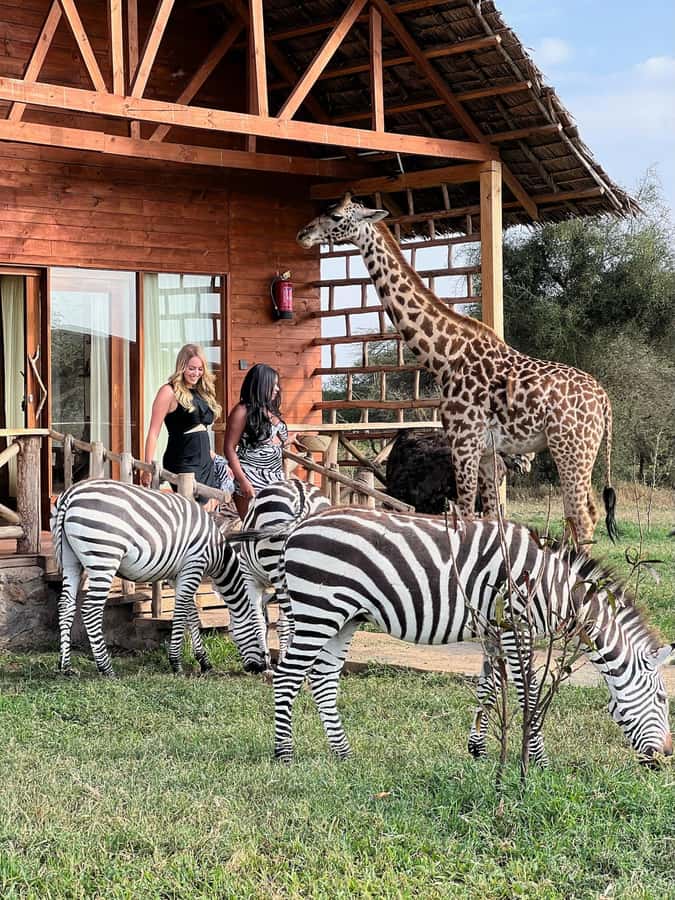
If your Tanzania plans include Arusha or Moshi and you want something that does not require a full-day game drive, this is a smart fit. You’re not bouncing around in a truck for hours chasing sightings. Instead, you go to a wildlife sanctuary in the Siha Highlands area and spend your time where the animals are.
The day starts with pickup from one of three areas: Boma Ng’ombe (Arusha), Arusha Urban, or Moshi. Then you head out by road through countryside scenery where you may get views of Mount Meru and Mount Kilimanjaro. Those mountain views can be quick and change with the weather, but they set the tone. Tanzania looks different once you’re away from town traffic and into open space.
Once you reach the sanctuary, the experience is structured. There’s time for a break and a photo stop on the way in, then you get guided time inside the enclosures and around the property. You also get free time later, which matters because wildlife moments are not always on schedule. Sometimes the animal you want to see is active during guided time. Sometimes it shows up during your own wander time. This tour gives you a little of both.
A few more Moshi trips to compare
- Stonetown: Food Markets and Street Food Walking Tour
★ 4.7 · 151 reviews - Authentic Street Food Tours in Stone Town, Zanzibar
★ 5.0 · 46 reviews - Arusha: Traditional Tanzania Cooking Class & Food Market Tour
★ 5.0 · 34 reviews
The transport piece, why it matters for your expectations
The itinerary on paper reads like a straightforward loop: pickup, a drive to the sanctuary, lunch afterward, then drop-off back at Boma Ng’ombe, Arusha Urban, or Moshi. In practice, the transport quality will shape how smooth your day feels.
A few real-world cautions: some people have reported that the paid “tour” component can feel like mainly pickup and drop, with the sanctuary experience happening after you are handed over to the sanctuary team. That can still be totally fine, because the sanctuary itself is the point. But it is worth checking how your booking price is split, especially if you are comparing it to arranging a car locally or asking your hotel to help.
Here’s the practical way I’d think about it: if you want stress-free logistics and a single booking to manage, a packaged pickup can be worth paying for. If you are price-sensitive and comfortable organizing transport yourself, you should verify what’s included in the booking price versus what is paid at the gate. This is the one area where value perception can swing.
Inside Serval Wildlife, how the guided visit works
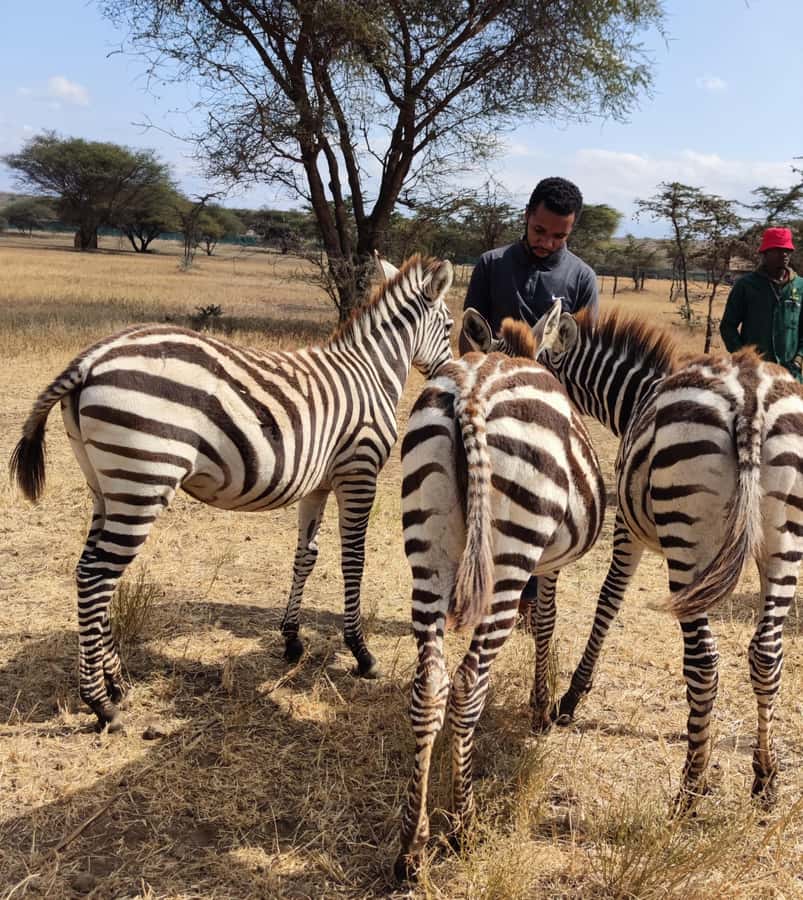
Once you’re at Serval Wildlife Sanctuary, your time is guided and paced. The format you’ll feel is: listen, look, move with the group, and then get some breathing room to take photos and explore.
You’ll get a safety briefing before you spend time close to animals. That’s not just fluff. When animals are accessible, rules matter. The goal is to keep everyone safe while still letting you experience the sanctuary in a real way, not just from far away.
Then comes guided touring time. In the information you get ahead of the visit, there’s focus on conservation status and the animals’ adaptability in different environments. In plain terms, you’re learning why these animals exist in this sanctuary setting, and you’re also learning the basics of how they live and behave.
One guide name that shows up in feedback is Ester, praised for being knowledgeable and for helping with photography. If you’re lucky enough to get her as your guide, that’s a strong sign that the learning part will be more than surface-level facts.
The animals you can expect to see (and why the selection is useful)
The sanctuary experience is built around multiple species on the grounds. Based on what’s included, you should plan on seeing or encountering:
- Servals (the star attraction)
- Ostriches
- Giraffes
- Lions
- Zebras
- Monkeys
- Oryx (included in the guided encounters)
A helpful way to interpret this list: it’s not a random collection. It is a mix of animals that lets you compare different movement styles and survival strategies, even in a controlled sanctuary setting. Servals are built for stealth and quick bursts. Zebras bring constant motion and social behavior cues. Giraffes change the feel of the visit because you often have to look up and slow down.
Also, the property setup is part of the value. You’re not just “seeing” from a distance. The sanctuary experience is described as a chance to observe, learn, and engage with the animals within the enclosures. If your Tanzania trip is mostly about national parks, this is a different kind of wildlife day. It’s shorter, more condensed, and often easier to fit into a tight schedule.
Same base in Moshi, a completely different day:
- Kilimanjaro climb by Lemosho Route (7-day)
★ 5.0 · 651 reviews - Safari Serengeti And Ngorongoro
★ 5.0 · 288 reviews - Kilimanjaro climb, Machame Route (7-day)
★ 5.0 · 262 reviews - Kilimanjaro Climbing Lemosho Route 8 Days.
★ 5.0 · 186 reviews
Close encounters, feeding, and what to watch out for
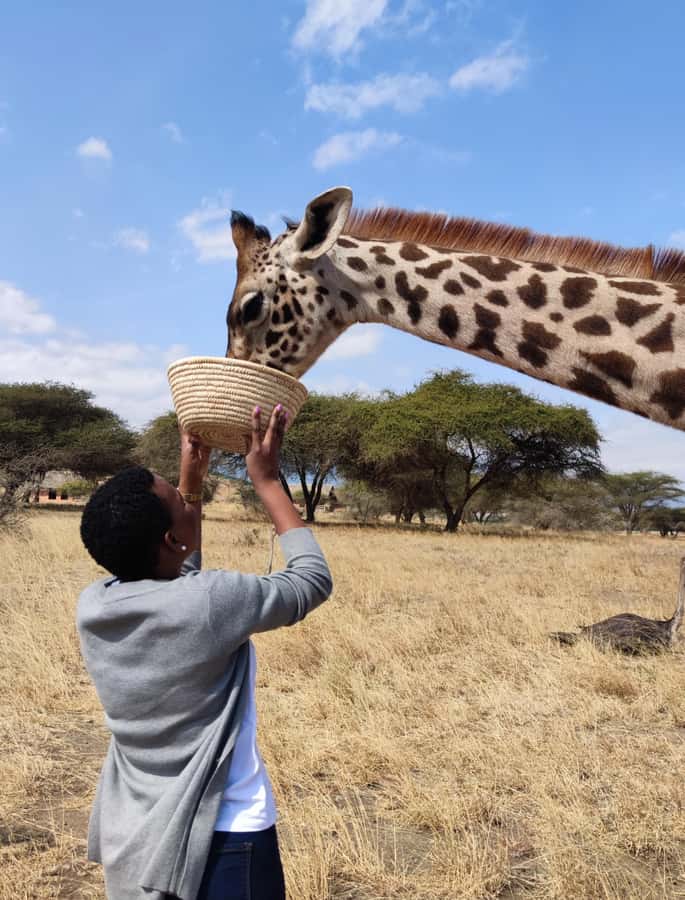
The strongest praise tied to this experience is about proximity and interaction that feels safe and guided. People mention being able to get close, and some highlight that you can pet and feed animals safely as part of the encounter process.
That said, interaction rules can vary by animal and by moment. Lions and other big cats typically mean extra caution. Even if you are excited, the correct move is to follow the guide’s instructions and keep your distance when asked. A short “just do what I say” moment saves a lot of problems.
If you’re traveling with kids or you want lots of direct contact, this is where you should manage expectations. The sanctuary experience is structured, and some animals may be sleeping or less active depending on the day and time. If you go expecting constant action, you might feel disappointed. If you go ready for calm observation and a guided approach, you’ll likely be happier.
The Siha Highlands drive, plus Mount Meru and Kilimanjaro views
A big part of the day is the road time between your pickup location and the sanctuary. It’s about getting out of the city and seeing the region’s open feel. The drive is described as scenic, running through the Siha Highlands, and it may include views of Mount Meru and Mount Kilimanjaro along the way.
Even when the mountains are partly hidden, you’re still getting that “we’re really going somewhere” feeling. It’s one reason I like shorter wildlife experiences. You get a taste of the countryside without committing to a long day.
If you get motion-sensitive, bring what you need for a bumpy road. Your itinerary is only a few hours total, but the drive is long enough to matter if you’re prone to nausea.
Lunch and drinks, what’s included and what to confirm
This is the part you should double-check before you set off. The listing says lunch and drinks are included, and the plan includes time at a local restaurant after your sanctuary visit.
However, there is a mismatch in real feedback that matters for your budget. One person reported the drinks being limited to one 2L water bottle, and that additional drinks might be paid separately. Another person reported that the meal plan did not match what they expected when they got there.
So here’s my practical advice: when you book, clarify what “drinks included” means. Ask if it is water only, how many bottles, and whether soft drinks or juice are part of the deal. Also ask whether lunch is guaranteed on-site and whether there are choices or set menu items.
If you want to avoid surprise costs, treat extra snacks and drinks as “maybe not included,” and carry a bit of spare cash. That way, even if the lunch experience differs slightly, your day stays comfortable.
Duration and group size, how much time you really get
The tour is listed as 3 hours, and the sanctuary portion is about 1.5 hours. That’s a compact block. It means you will not be at the sanctuary all day, and you will not have endless time to roam.
This is a plus for some people. If you want a quick wildlife fix that doesn’t eat your entire afternoon, this fits well. It is also a plus if you are balancing other Kilimanjaro-area plans.
It can be a minus if you want a very slow, long, photo-heavy day. Since you have guided time and then free time, you’ll still get chances for photos, but you’re on a schedule. If you’re extremely detail-focused, you might wish you had more hours inside the sanctuary.
The tour is also described as a small group and is wheelchair accessible. If accessibility or mobility is a concern, this is a good sign to ask your operator specific questions about routes inside the grounds and any uneven surfaces.
Price and logistics, how to judge the value honestly
At $120 per group up to 1, it can feel either like a fair package or like overpriced logistics, depending on what you think you’re paying for.
Here’s how to judge it:
- If the price includes sanctuary entry, guiding, pickup, and lunch plus included drinks, then it can be good value for a short day. You’re paying for convenience and a guided experience.
- If the price feels like it duplicates sanctuary entry costs, and the “tour” part is mainly a transfer, then the value drops fast.
One complaint that pops up is confusion around pickup and drop. Example: a booking request for Arusha pickup reportedly resulted in Moshi drop-off, with additional charges mentioned for specific drop options. Another complaint said the vehicle part felt overly focused on logistics rather than the guided tour experience.
My advice is simple: confirm the pickup and drop points in writing when you book. Also ask what exactly you pay for within the tour price versus what is paid at the sanctuary gate.
If you’re comparing with a DIY approach, factor in the hassle of finding the right car, paying entrance fees, and managing timing. The tour package can be worth it when you value simplicity.
Who this tour fits best
This is a strong match if you want:
- a short wildlife encounter near Arusha or Moshi
- structured time with a naturalist guide
- a sanctuary format instead of a full safari day
It’s likely not the best match if:
- you need maximum time at animals for in-depth photography
- you are extremely cost-sensitive and willing to arrange your own transport
- you have animal allergies or insect allergies (not suitable per the tour info)
If you’re traveling solo, this can work well since it is listed as a small-group activity. If you’re traveling with a partner or friends, you might want to compare how the group is priced and whether it stays “per person” or “per group,” because that affects the math.
Practical tips so your day runs smooth
These are the details I’d actually plan around:
- Wear comfortable shoes. You’ll be doing a walk in the sanctuary grounds, and the terrain may be uneven.
- Bring a camera plan. You’ll have guided time plus photo moments and free time, so decide what you want most: close-up animals, wide property views, or motion shots.
- Follow the safety briefing without negotiating. Sanctuary staff and guides have rules for a reason.
- Plan for the possibility of low animal activity. If a lion or other animal is resting, that can happen. Your guide can help you adjust how you look and what you focus on.
- Ask about lunch and drinks specifics. The day is short, so you do not want to lose time dealing with surprise meal issues.
Should you book it?
If your goal is a short, guided wildlife experience near Kilimanjaro without committing to a full-day safari, I think this is a solid booking. The main draw is the sanctuary format, the variety of animals you can see on the grounds, and the chance for guided learning paired with up-close interaction.
Before you confirm, do two things: verify your exact pickup and drop location (Arusha or Moshi) and clarify what is covered for lunch and drinks. If you get those answers straight, this becomes one of the easier “yes” choices in the Kilimanjaro region.
FAQ
How long is the Moshi Serval Wildlife Tour with food and drinks?
The total duration is listed as 3 hours.
Where does pickup happen?
Pickup is available from Boma Ng’ombe (Arusha Urban), Arusha Urban, or Moshi.
Where can I be dropped off?
Drop-off is available at Boma Ng’ombe, Arusha Urban, or Moshi.
What animals are included in the guided wildlife encounters?
The included encounters list ostriches, giraffes, lions, zebras, monkeys, and Oryx, along with the Serval Wildlife sanctuary focus.
Is lunch and drinks included?
Lunch and drinks are listed as included.
How long do you spend at the Serval Wildlife Sanctuary?
The sanctuary portion is listed as about 1.5 hours, including guided tour time and free time.
What language is the tour guide?
The live tour guide is listed as English.
Is the tour wheelchair accessible?
Yes, the tour is listed as wheelchair accessible.
Is this suitable for people with allergies?
It is not suitable for people with animal allergies or insect allergies.
What is the cancellation policy?
Free cancellation is available up to 24 hours in advance for a full refund.
More Wildlife in Moshi
- Wildlife Safari Tanzania
★ 5.0 · 19 reviews - From Moshi or Arusha: Serval Wildlife Sanctuary Trip
★ 4.9 · 14 reviews - 6 Days Essence of Tanzania Wildlife Safari
★ 5.0 · 8 reviews - 4 Days Wildlife Tanzania Adventure
★ 5.0 · 6 reviews
Just posted around Moshi
- machame route★ 5.0 · 16 reviews
- Kilimanjaro Climbing Umbwe Route★ 5.0 · 3 reviews
- Wildlife Extravaganza: Manyara, Tarangire & Ngorongoro in 3 Days★ 5.0 · 3 reviews
- Mt Kilimanjaro 6 days Marangu route hike★ 5.0 · 3 reviews
- West Kilimanjaro cycling Adventures★ 4.5 · 8 reviews
- 3 Days Private E-Bike Tour in West Kilimanjaro★ 5.0 · 3 reviews
- Kilimanjaro Climb • Marangu Route ~ 9 Day★ 5.0 · 4 reviews
- Private Cycle to Kilimanjaro Bike Park Safari★ 5.0 · 6 reviews
Food, compared.
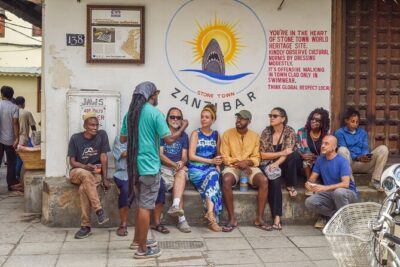
Authentic Street Food Tours in Stone Town, Zanzibar
Read our review →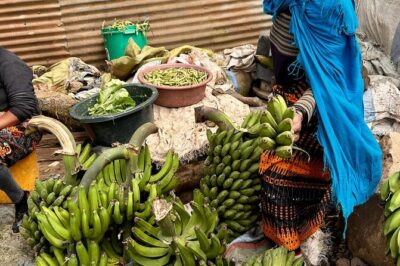
Traditional Tanzania Cooking Class & Food Market Tour
Read our review →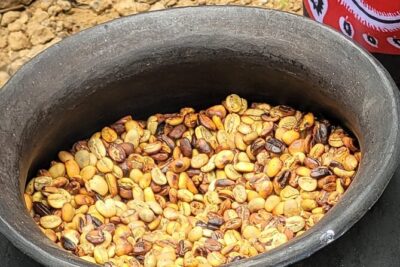
Organic Coffee Tour and Local Food Experience in Arusha
Read our review →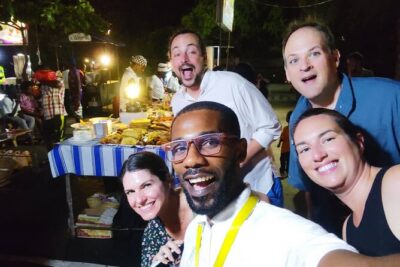
Stone Town Evening Walk Tour With Visit Food Markets
Read our review →Traditional Tanzania Cooking class& Food Market Tour
Read our review →
Stone town Street food market walking tour,transfer
Read our review →
Blue Safari Full Day Private Trip Zanzibar With Sea Food BBQ
Read our review →Browse the lists this tour appears in