
Reviewed · SPICE FARM TOURS
Zanzibar: Spice Farm Tour with Traditional Cooking Lesson
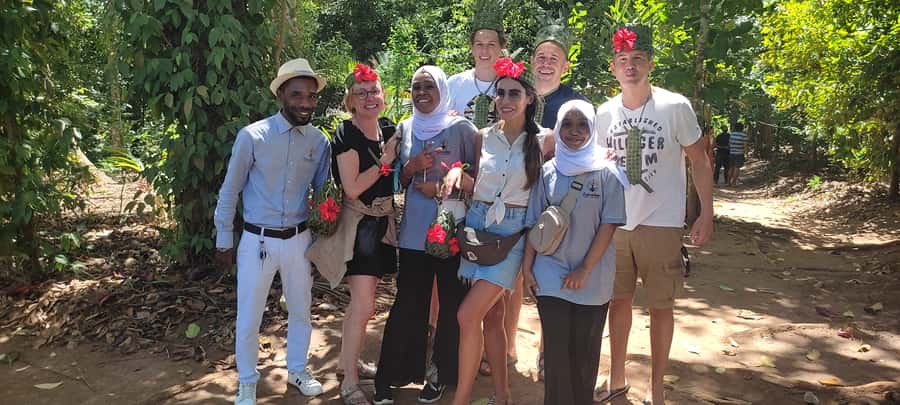
A spice farm tour sounds simple, then it gets surprisingly hands-on. On this 3-hour Zanzibar stop in Unguja South, you walk through an organic spice farm, smell the plants up close, and taste tropical fruit while learning how spices power island life.
I especially like two things. First, you get to handle fresh spice plants and compare them to the dried jars back home, including favorites like cinnamon, vanilla, cardamom, nutmeg, ginger, cloves, pepper, and more. Second, the day doesn’t end with a snack, it ends with lunch you help prepare during a traditional cooking lesson on the farm.
One consideration: the experience is meant to be quick, so if you want maximum time cooking with the women step by step, plan for a more guided, demo-style format. Also, it is not suitable for pregnant women.
In This Review
- Key things that make this spice farm tour worth your time
- Why this spice farm tour feels more real than a shopping stop
- The 9:00AM Stone Town start and how pickup changes the day
- Walking the organic spice farm, from plant to plate
- Cassava leaves, coconut milk, and the young coconuts part
- The traditional cooking lesson that ends with lunch
- Buying spices to take home, and why cash matters
- Price and value: is $65 for 3 hours a good deal?
- Small downsides to know before you go
- Who should book this spice farm tour, and who should skip it
- Should you book this Zanzibar spice farm tour?
- FAQ
- How long is the Zanzibar spice farm tour?
- Where do I meet in Stone Town?
- Is lunch included?
- Can I buy spices with a credit card?
- What should I bring?
- Is the tour suitable for pregnant women?
Key things that make this spice farm tour worth your time
- Smell spices while they are still on the plant, not dried and stale
- Taste jackfruit and other fresh tropical fruit, including coconuts picked fresh for you
- Learn practical cooking basics, including making coconut milk and handling cassava leaves
- Eat a farm lunch you help create, then enjoy the flavors while everything is still fresh
- Meet guides with real personality, with humor and clear explanations mentioned often
- Support a local community effort, since a community contribution is included
Why this spice farm tour feels more real than a shopping stop
Zanzibar’s spice reputation is famous, but fame can hide the point. What you’re really here for is the sensory reality: the oils in clove leaves, the sharp bite of pepper plants, the warm perfume of nutmeg, and the way plants look totally different when they are alive and growing.
I like that the tour is built around your senses first. You don’t just hear about spices, you touch and smell them directly from the farm, then you taste what the island is actually producing. That shift matters because it turns spices into something you can picture in your own kitchen, not just something you bought once at a stall.
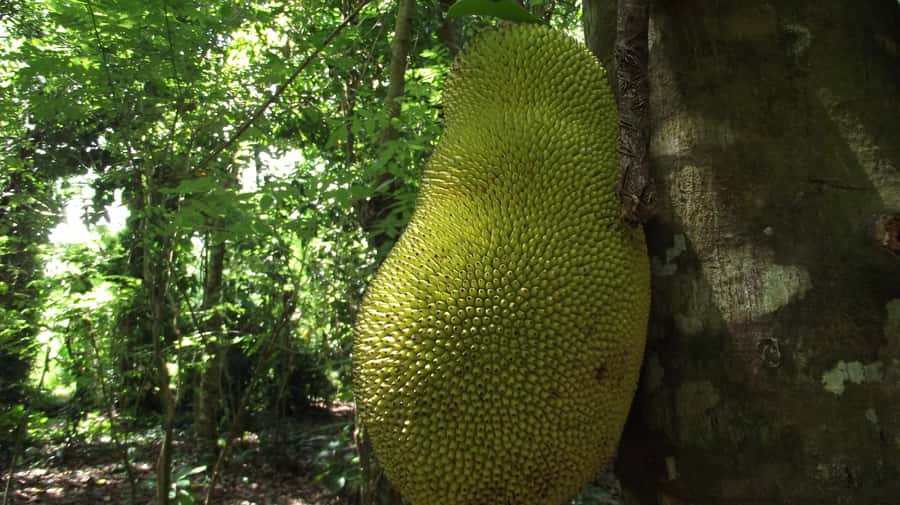
And you still get the fun factor. The tour includes fruit tastings, and jackfruit is highlighted as a big moment. It’s one of those foods that feels like a Zanzibar “only here” memory because you’re tasting it in context, right where it grows.
More spice farm visits in Zanzibar:
- Zanzibar: Stone Town, Spice Tour, Prison Island with Lunch
★ 4.4 · 1,219 reviews - Zanzibar: Prison Island, Stone Town, & Spice Farm Tour
★ 4.5 · 579 reviews - Zanzibar: Stone Town, Spice tour & Prison Island with Lunch
★ 4.6 · 453 reviews
The 9:00AM Stone Town start and how pickup changes the day
This tour is timed for a morning in Stone Town. Your meeting point is in front of the Old Fort on Mizingani Road, Zanzibar, at 9:00AM. If you’re staying at a Zanzibar beach hotel, pickup is available anywhere on the island, and there is also pickup from the Stone Town meeting point.
That structure helps if you want to keep your day plan simple. You can either roll in from Stone Town on your own, or let the transport handle the moving part so you can focus on the farm.
The big practical tip here is to start with enough energy. Wear comfortable shoes and bring water, because “spice farm tour” usually means walking on uneven ground in sun. Also pack sunscreen and a hat, because you’ll be outside for long stretches.
Walking the organic spice farm, from plant to plate
The heart of the tour is the guided walk across an organic spice farm. Your guide explains how spices are grown and how they’re used, both in food and historically as medication and flavoring. You’ll also see why Zanzibar and the Mafia Island area are sometimes called the Spice Islands. It’s not a marketing label, it’s an explanation for why Zanzibar became a trading hub and why spices still shape daily life.
What I like most is the “fresh” angle. Dry spices are concentrated, but they also lose nuance. On the farm, you can smell spices in their live form and often notice different notes than you get from the kitchen jar. Reviews frequently mention how guides help people connect the taste they know from home to the plant they’re seeing for the first time.
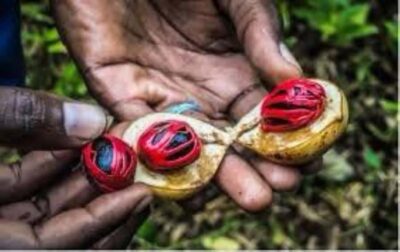
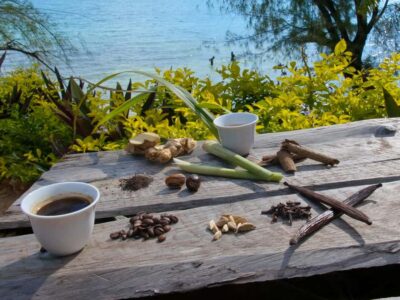
Depending on the day, you may sample plants like vanilla, cardamom, nutmeg, clove, black pepper, and other aromatics such as lemongrass. You also get a chance to touch and taste herbs and spices that most visitors only encounter as powders and capsules.
One more small bonus: there are fruit tastings alongside the spice education. Fresh tropical fruits make the walk feel like a real farm visit, not a lecture with occasional samples.
Cassava leaves, coconut milk, and the young coconuts part
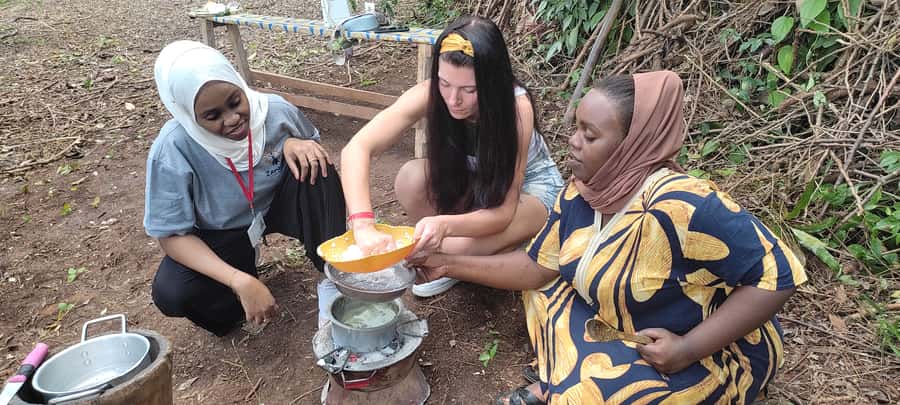
After the spice walk, the tour shifts from “look and smell” to “do something.” You can join activities like a cassava leaf harvest, practice making coconut milk, and participate in simple cooking preparation.
Why this stage is valuable: cassava leaves and coconut milk are common in Swahili and coastal cooking, but visitors often only see the final dish. Getting a chance to handle ingredients and understand the basics makes the flavors more believable. You start thinking in ingredients, not just in menu names.
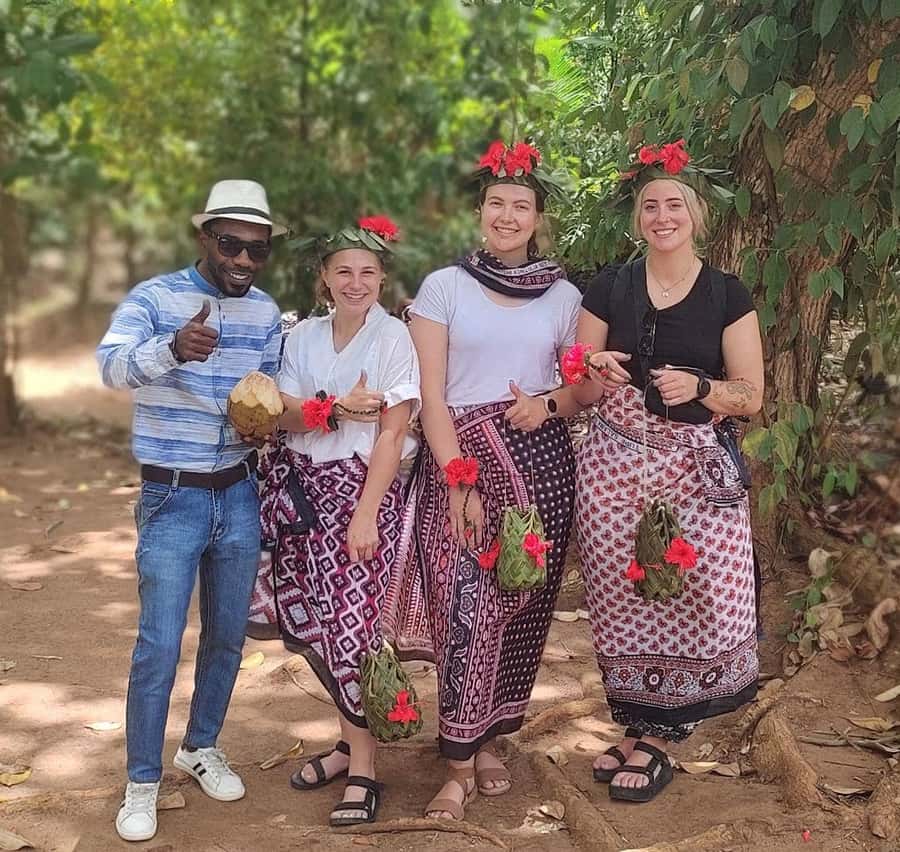
Then comes the coconut highlight. A coconut tree climber picks fresh young coconut fruits for you to try. You get to taste coconuts in their most immediate, fresh form, which helps you understand why coconut is such a workhorse ingredient on the islands. It’s sweet, cooling, and also becomes creamy once you turn it into milk.
If you’re someone who likes your souvenirs edible, this segment is a win. Fresh coconut taste is the kind of memory that sticks because it doesn’t taste like anything dried or packaged.
A few more Zanzibar trips to compare
- Zanzibar Cooking Class & Spice Tour
★ 4.5 · 77 reviews - Half-Day Kuza Cave Swimming Adventure and Cooking Class
★ 4.5 · 44 reviews - Mnemba Dolphin Tour, Clear Kayak, Cooking Class, Horse Riding
★ 4.5 · 14 reviews - A private half day spice farm with a cooking lesson
★ 5.0 · 13 reviews
The traditional cooking lesson that ends with lunch
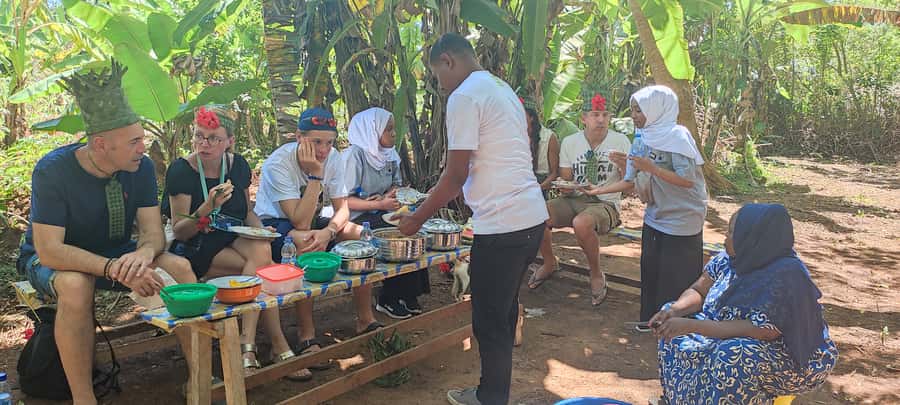
The tour doesn’t end at tasting. You’ll do a traditional cooking lesson and then enjoy lunch at the spice farm, after you help prepare the food.
This is where the value of the morning shows up. For about 3 hours total, you’re not just learning about Zanzibar spices, you’re using them in food while everything is still fresh in your mind. It also makes the spices easier to buy later, because you know which aromas belong in which kind of dish.
The cooking lesson is described as practicing cooking and preparing dishes from the ingredients you’ve been seeing. Reviews also mention that women prepare the traditional Swahili meal elements, and guests help with parts of the process. A small caution from feedback: some people felt the hands-on cooking time could be more involved, or that the timing can feel tight if the tour runs short.
Practical advice for lunch day: don’t overeat beforehand. The tour includes lunch and multiple tastings, so arriving hungry makes the food far more enjoyable.
Buying spices to take home, and why cash matters

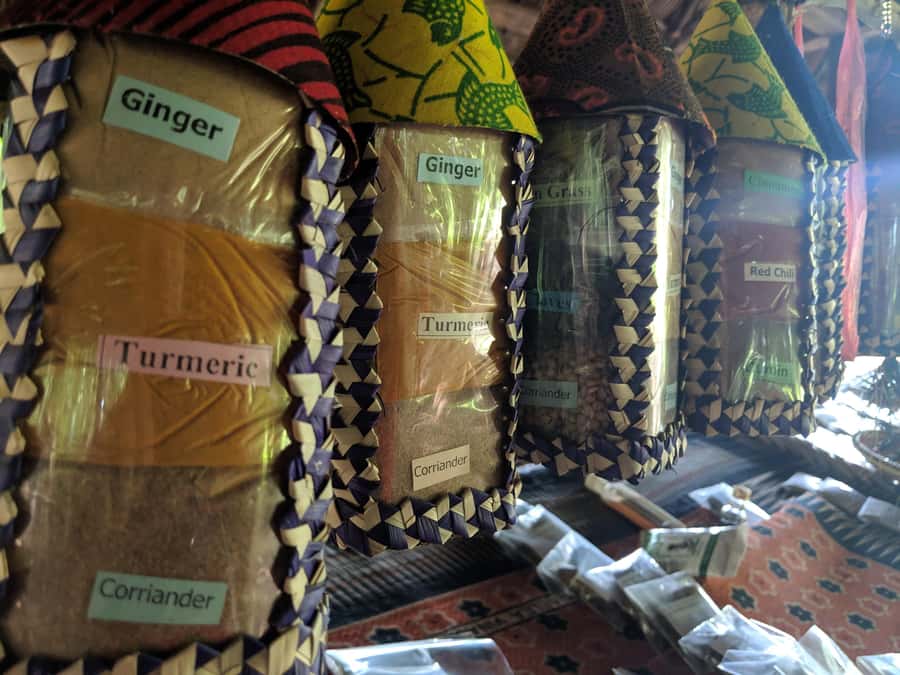
At the end, there’s time to buy spices from the farm shop. This is where you turn your experience into something usable later.
A key rule: spices can only be purchased with cash. That affects your planning more than you’d think. If you’re relying on card, bring enough Tanzanian shillings or the cash you need after currency exchange.
Here’s how to shop smarter once you’ve learned the plants:
- Buy spices you actually tasted in fresh form. You’ll recognize the aroma and know what you like.
- Consider purchasing the spices you’ll use quickly, not just rare blends.
- If you’re unsure, ask the guide what the spice works best for in cooking, since you’ve already been hearing about use in food and medication.
If you’re the type who likes cooking, this part is more rewarding than a standard market stop because you have context for what you’re buying. The same spice can smell totally different in its live form versus the dried jar, so your “before and after” memory is what makes shopping feel confident.
Price and value: is $65 for 3 hours a good deal?
At $65 per person for a 3-hour experience, this tour is not the cheapest thing you can do in Zanzibar. But it’s also not priced like a generic city guide or a long full-day excursion.
I think the value comes from three combined elements:
1) You get guided access to a working spice farm, not just a roadside stop.
2) You get a cooking lesson plus lunch, so the time is spent doing something, not only listening.
3) You’re paying for a real-world sensory experience, smelling and tasting spices at plant level.
If your alternative is doing only a walking tour in Stone Town or grabbing lunch elsewhere, this morning is a strong upgrade. You leave with both food memories and cooking ingredients, which is exactly what makes a farm tour worth it.
If you want a very relaxed, minimal-effort activity, this might feel like a packed morning. You’re outdoors, you’re tasting, and you’re moving through different parts of the farm program.
Small downsides to know before you go
Most people leave very happy, but a balanced review should include the friction points.
First, timing can be tight. A couple of experiences note that the tour felt a little rushed or ended earlier than expected, which can reduce how much hands-on cooking you get. If you care most about learning through participation, you may want to manage expectations and focus on what you can do during the lesson.
Second, some guests reported leaf-made souvenir extras, plus expectations around tipping tied to that moment. That stuff isn’t central to the farm, so if you dislike touristy pressure, just decide in advance what you’re comfortable with and keep your focus on the cooking and the spice education.
Third, the tour is not suitable for pregnant women. If that applies, skip this one and choose a different Zanzibar activity.
Who should book this spice farm tour, and who should skip it
This is a great fit if you:
- Want a hands-on Zanzibar experience beyond Stone Town streets
- Like cooking and want spices you can actually use later
- Enjoy farm visits and learning how ingredients become meals
- Want a morning plan that ends with a real lunch
You might skip it if you:
- Prefer long, slow activities and lots of free time to wander
- Want very deep cooking practice where you fully drive the cooking from start to finish
- Need a fully indoor experience, since the tour is outdoors
Should you book this Zanzibar spice farm tour?
I’d book it if you want a memorable, edible morning that mixes spices, fruit, and lunch without requiring a full day commitment. The sensory part, where you smell and taste herbs straight from the plants, is the main payoff, and the cooking lesson gives it a practical angle.
Just do two things to make the experience smoother: bring cash for spice purchases, and come ready to eat. If you keep those basics in mind, this tour is one of the more satisfying ways to experience Zanzibar beyond postcard stops.
FAQ
How long is the Zanzibar spice farm tour?
The tour lasts 3 hours.
Where do I meet in Stone Town?
You meet in front of the Old Fort on Mizingani Road, Zanzibar, at 9:00AM.
Is lunch included?
Yes. Lunch is included, served at the spice farm after the traditional cooking lesson.
Can I buy spices with a credit card?
No. Spices can only be purchased with cash.
What should I bring?
Bring comfortable shoes, a sun hat, sunscreen, water, and cash.
Is the tour suitable for pregnant women?
No. It is not suitable for pregnant women.
More Farms in Zanzibar
- Full-Day Private Stone Town +Spice Farm and Prison Island Tour
★ 4.5 · 216 reviews - Zanzibar: Stone Town & Spice Farm Tour with Lunch
★ 4.5 · 97 reviews - Zanzibar:Stone Town & Spice Farm Private Tour Lunch Included
★ 4.2 · 94 reviews - Zanzibar full day Jozani forest + Spice farm and stone town
★ 4.7 · 90 reviews
Just posted around Zanzibar
- Stonetown Private Half-day Walking Tour★ 5.0 · 21 reviews
- Full Day Safari to Mikumi National Park from Zanzibar with Lunch★ 4.5 · 3 reviews
- Dolphin Watching Tour & Josani Forest Sea Trip – Zanzibar★ 4.5 · 3 reviews
- Come and taste the Zanzibar feelings★ 5.0 · 12 reviews
- Cooking Class Tour★ 5.0 · 9 reviews
- Cultural Walking Tour through Stonetown, a UNESCO World Heritage Site★ 4.5 · 14 reviews
- Private Catamaran – Stone Town Islands & Sandbanks (5 hrs)★ 5.0 · 10 reviews
- Cave Tour & Rock Restaurant Visit★ 3.5 · 5 reviews
Spice Farm Tours, compared.

Stone Town, Spice Tour, Prison Island with Lunch
Read our review →
Stone Town, Spice tour & Prison Island with Lunch
Read our review →
Full-Day Private Stone Town +Spice Farm and Prison Island Tour
Read our review →

The Swahili Spice Experience – Spice Tour + Culinary Journey
Read our review →Browse the lists this tour appears in