

Reviewed · STONE TOWN TOURS
Zanzibar: Stone Town & Spice Farm Tour with Lunch
Smell Zanzibar before you even start walking, thanks to a real organic spice farm paired with Stone Town’s heritage sites. I love the hands-on spice tastings and the way the city’s fish auctions turn history into something you can watch and hear. One catch: you’ll want cash with you for the farm shop, since purchases are cash only.
At $73 per person for a 5-hour private tour, the value is in not rushing: you get a local private guide, entrance fees, water, and a proper farm lunch. The day starts at 9AM by the Old Fort, then moves through markets, palaces, and forts before heading into the countryside.
Expect a mix of shaded stops and real walking on uneven streets. Comfortable shoes and sunscreen matter, and large bags are not allowed.
In This Review
- Key moments that make this half-day special
- Entering Stone Town from Old Fort, then getting your bearings fast
- Old Slave Market site and Anglican Church, then straight into the tight streets
- City Market and fish auctions, where Zanzibar comes alive in real time
- Palace Museum, House of Wonder, and the forts that tie the whole story together
- Peace Memorial and Natural History Museum, where you slow down on purpose
- Heading to the Spice Islands: why cloves and nutmeg are more than souvenirs
- Inside the organic spice farm, you taste what you usually only smell
- Cassava, coconut milk, and hands-on cooking, then a coconut climber moment
- Lunch on the farm, plus time to buy spices if you bring cash
- Price, timing, and what to bring for a smooth 5-hour day
- Who should book this Stone Town plus spice farm tour
- Should you book this Stone Town and Spice Farm tour
- FAQ
- Where is the meeting point?
- How long is the tour?
- Is there a private guide?
- What language is the tour guide?
- What is included in the price?
- Is hotel pickup available?
- Can I buy spices during the tour?
- What should I bring?
- Is luggage allowed?
- What is the cancellation and payment option?
Key moments that make this half-day special
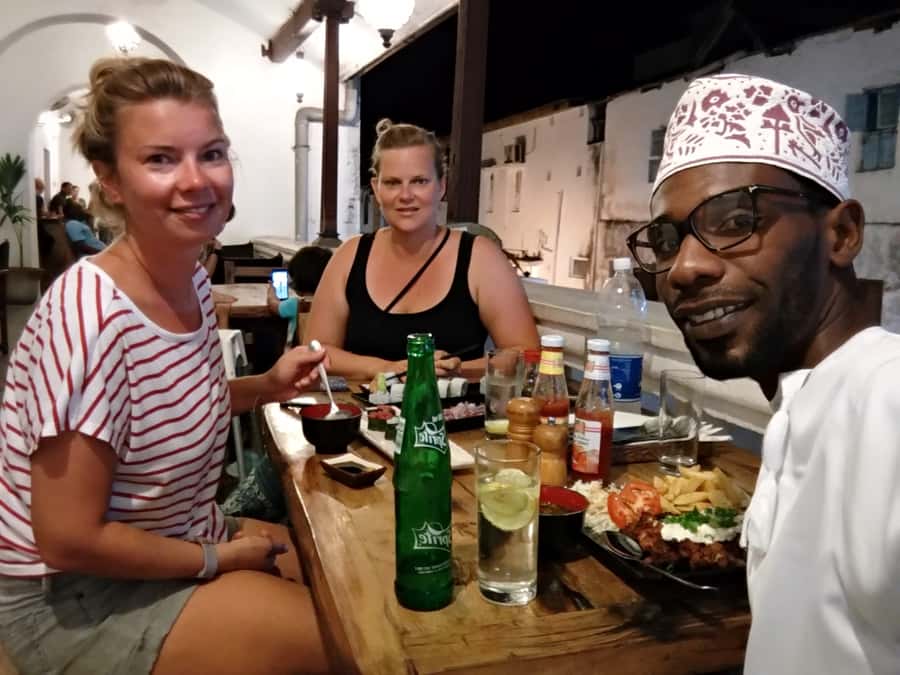
- Old Fort meet-up at 9AM: Easy start point, right in the middle of Stone Town.
- City Market and live fish auctions: A sensory, real-time look at local life.
- Palace Museum and Bait-al-ajab (House of Wonder): Big names, even bigger stories.
- Organic spice farm, not a showroom: You can touch, smell, and taste spices from the plants.
- Cassava, coconut milk, and cooking practice: You do more than just watch.
- Cash-only spice shop: Bring enough cash if you want to take flavors home.
Entering Stone Town from Old Fort, then getting your bearings fast

Your day begins in Stone Town, in front of the Old Fort on Mizingani Road, right at 9AM. That matters because Stone Town is easier when you start with a clear landmark. The Old Fort area also puts you close to a cluster of sites you’ll visit over the next stretch.
Stone Town itself is a UNESCO World Heritage Site (designated in 2000), and the architecture is largely tied to the 19th century. What you’re really seeing is a Swahili culture shaped by trade, where Arab, Persian, Indian, and European influences mixed over time. With a guide, those buildings stop looking random and start looking like evidence, each one pointing to a different chapter of the island’s connections.
This is also where the pacing helps you. You won’t just jump from photo spot to photo spot. You’ll walk in order, in a way that builds understanding as you go.
More spice farm visits in Zanzibar:
- Zanzibar: Stone Town, Spice Tour, Prison Island with Lunch
★ 4.4 · 1,219 reviews - Zanzibar: Prison Island, Stone Town, & Spice Farm Tour
★ 4.5 · 579 reviews - Zanzibar: Stone Town, Spice tour & Prison Island with Lunch
★ 4.6 · 453 reviews
Old Slave Market site and Anglican Church, then straight into the tight streets
The first part of the city walk focuses on two key reference points: the Old Slave Market site and the Anglican Church. Even if you don’t get lost in every detail, those stops set the tone. Stone Town isn’t just pretty doors and carved balconies. It’s also a place where difficult history is part of the landscape.
From there, you move through Stone Town’s narrow streets toward the City Market. This is the moment when I think most people feel the difference between reading about Stone Town and actually walking it. Narrow lanes create shade and frame views, but they also make you slow down. You can’t speed past the place. You have to look.
If you’re sensitive to crowds or want lots of calm, Stone Town markets can feel busy. A private guide helps, though, because you can adjust how long you linger at the best parts.
City Market and fish auctions, where Zanzibar comes alive in real time
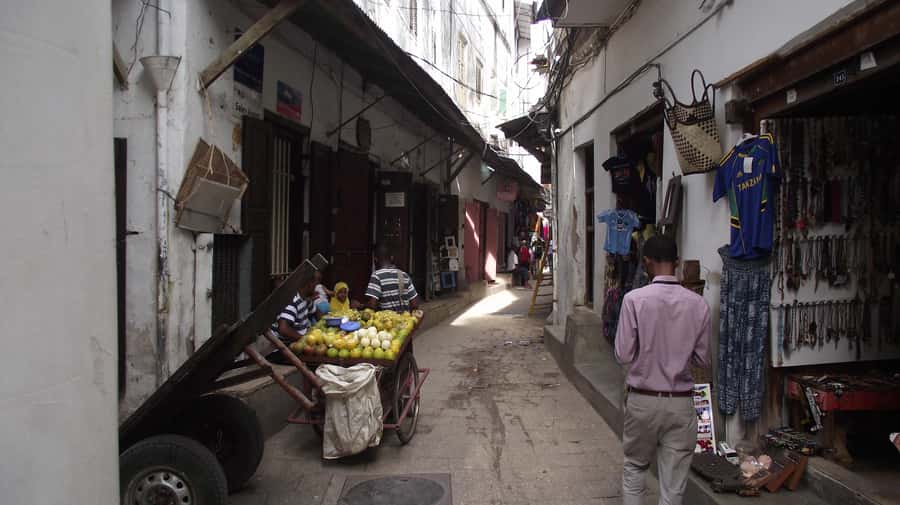
The City Market stop is one of the most practical parts of the day. You see fresh products and fruits, and you can watch how people buy and sell. That’s the value: you get the rhythm of the place, not just the landmarks.
Then comes the fish auction. You’ll be close enough to observe the hustle and the movement around the catch. It’s one of those moments that helps you understand why Zanzibar developed a trading reputation. Islands depend on sea food, and the market is where that dependence becomes visible.
One small tip for you here: keep your phone ready, but look up as often as you photograph. The auction is best when you watch how people negotiate, handle fish, and keep things moving.
Palace Museum, House of Wonder, and the forts that tie the whole story together
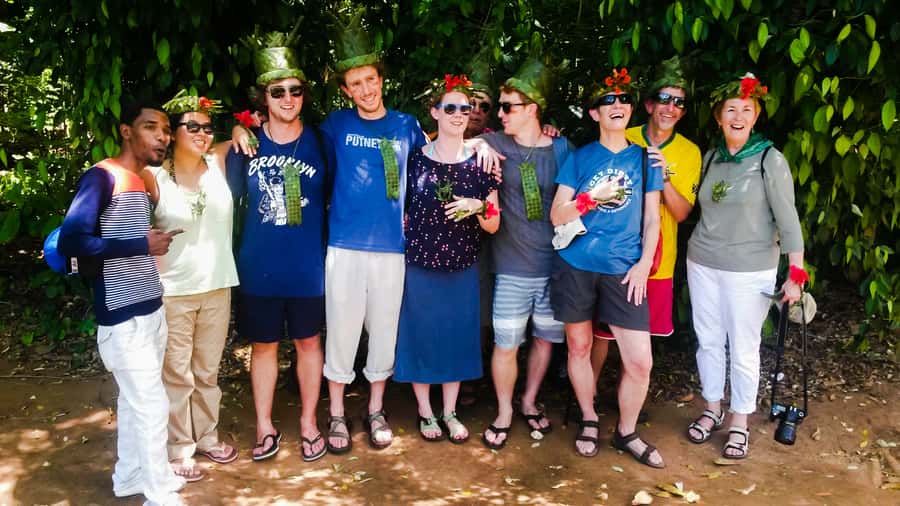
After the market, the tour shifts into main sights and larger buildings. You’ll visit the Palace Museum and the House of Wonder, also known as Bait-al-ajab. The House of Wonder is described as the largest and tallest building in the town, and for me it’s a good anchor point. When you hear the story tied to a scale like that, Stone Town’s trade power stops being abstract.
You’ll also see the Old Fort again from the broader sight area, plus Tippu Tip and Freddie Mercury’s House. Those last two might look like random pop-culture stops if you approach Stone Town like a checklist. With a guide, they connect to the way Zanzibar gathered international attention through different eras.
Other stops in the mix include the Peace Memorial and the Natural History Museum. This is where the day’s balance shows. The forts and palaces explain architecture and power, while the museums add meaning and context beyond trade.
More Stone Town walks:
- Zanzibar; Prison Island, Nakupenda, StoneTown Tour with BBQ
★ 4.3 · 457 reviews - Stone Town Private Walking Tour
★ 5.0 · 371 reviews - Zanzibar: 3 Hours Private Stone Town walking Tour with Guide
★ 4.6 · 301 reviews - Full-Day Private Stone Town +Spice Farm and Prison Island Tour
★ 4.5 · 216 reviews
Peace Memorial and Natural History Museum, where you slow down on purpose
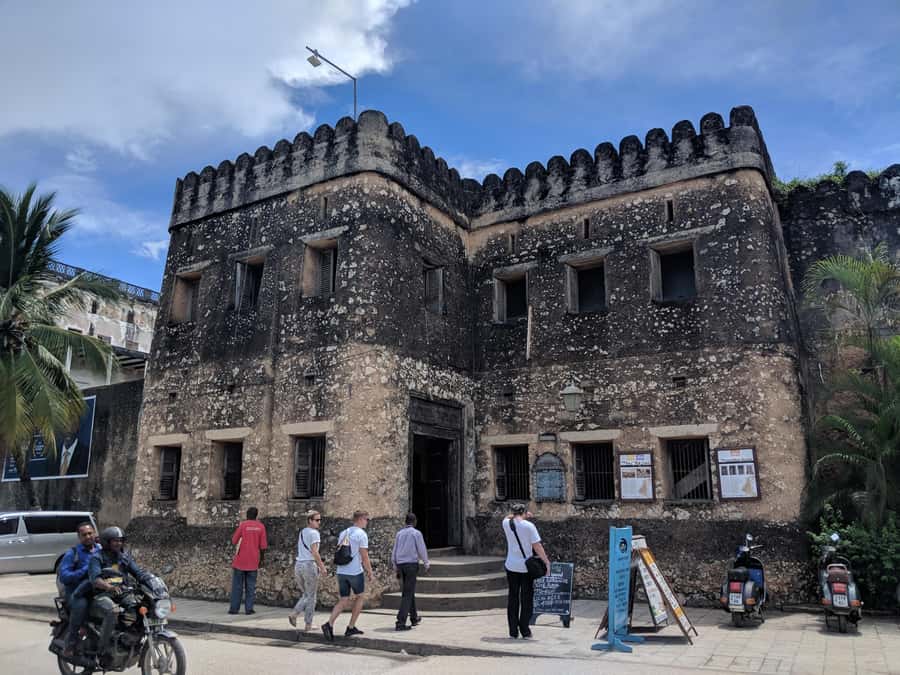
Not every stop is about standing in front of a famous facade. The Peace Memorial and the Natural History Museum give you a pause button. You get a break from constant walking, and the topics tend to feel more reflective.
The Peace Memorial adds a human scale to the idea of history, and the Natural History Museum offers another way to think about Zanzibar, the place itself, not just the people passing through. If you like learning that isn’t only political, you’ll probably appreciate these two.
If you’re short on patience for indoor visits, you might want to go in knowing you’ll spend less time scanning for photos and more time absorbing explanations. That’s the tradeoff, but the benefit is you leave with a better sense of what the island is, not just what it used to be.
Heading to the Spice Islands: why cloves and nutmeg are more than souvenirs
When the tour moves from Stone Town to the spice farm area, the topic changes from buildings to agriculture. That shift is the secret ingredient. The day stops being a history walk only, and becomes a story about how people made their living.
Spices are one of the region’s main industries. You’ll learn about Zanzibar’s role producing cloves, nutmeg, cinnamon, and black pepper, and why the Zanzibar Archipelago, along with Tanzania’s Mafia Island, is sometimes called the Spice Islands. It’s not just a nickname. It’s tied to trade, food, medicine, and the daily work behind flavor.
This section also helps you connect the earlier city stops to the farming part. Stone Town’s wealth and connections make more sense when you understand what people actually shipped, sold, and prized.
Inside the organic spice farm, you taste what you usually only smell

The spice farm visit is the reason most people remember this tour. You arrive and a farm guide explains how spices are grown and how they’re used as medication and flavor in dishes.
The biggest difference here is that you aren’t looking at spice jars behind glass. You can touch, smell, and taste spices and herbs directly from the plants. You’ll see spices like vanilla and cardamom, plus the familiar stars such as nutmeg. Even if you already know what cinnamon looks like, seeing how these plants grow gives you a clearer mental picture.
And yes, you’ll get those aromas. If you’ve ever walked past spice stalls and wished you could figure out what you were actually smelling, this is that answer. The farm guide shows you, then lets your senses do the matching.
One practical thought for you: use the chance to take a deep breath and pay attention right there. Later, when you’re back in a hotel room trying to describe what you tasted, you’ll be glad you focused in the moment.
Cassava, coconut milk, and hands-on cooking, then a coconut climber moment
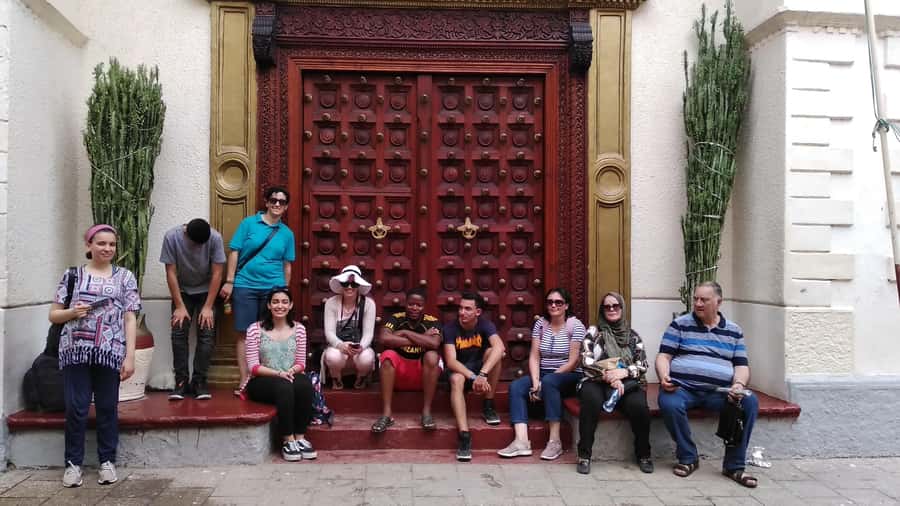
This part makes the farm feel real, not staged. You might join a cassava leaf harvest and practice making coconut milk, which is then used in local cooking. You’re not expected to become a chef, but you are involved enough to understand the steps.
Then there’s the coconut moment. A coconut tree climber picks some fresh young coconut fruits for you to try. That’s a small detail, but it hits for two reasons. First, it’s impressive to see the harvest method in person. Second, young coconut tastes different from what most people buy in cans or pre-cut cups.
If you’re the type who likes to eat, this section is where the learning becomes practical. You start to see how a farm product becomes a dish.
Lunch on the farm, plus time to buy spices if you bring cash
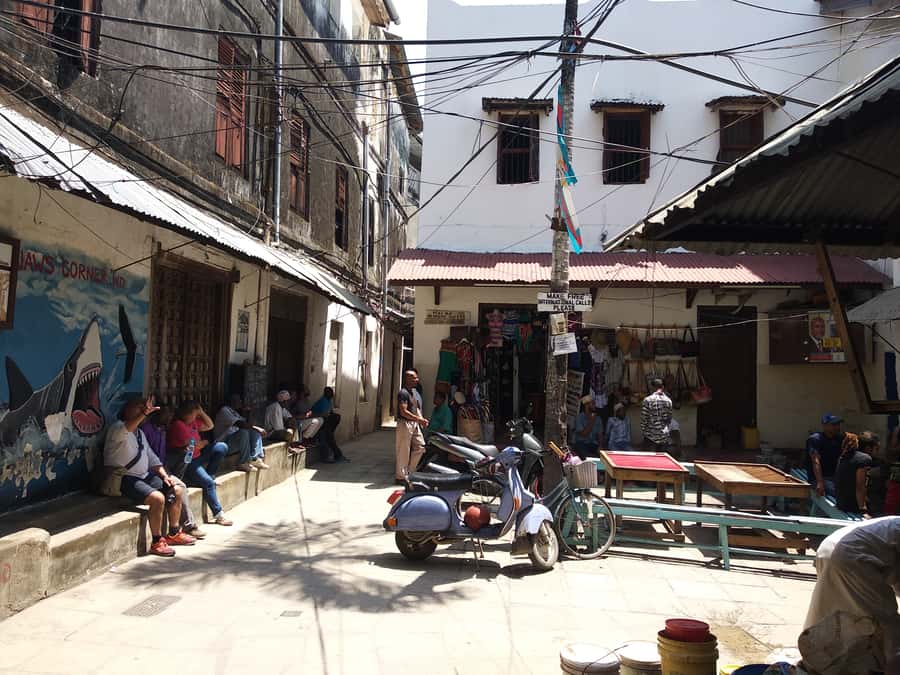
Lunch is included, and it’s not just filler after walking. You’ll eat at the spice farm at the end of the plant and cooking activities. After all the smelling and tasting, lunch helps you connect flavors to real use.
When you finish eating, there’s also time to purchase spices from the shop. Here’s the key point for your planning: purchases are cash only. So if you’re the kind of person who always relies on cards, bring cash anyway, even if it’s just to get one or two items.
If you want to bring something home, focus on spices you’ll actually use. Whole spices can keep well, and a small bottle can go farther than you think.
Also think about tipping. You’ll have guide support across both parts of the day, and a tip can matter. The guides doing the work often get it, even if it feels small to you.
Price, timing, and what to bring for a smooth 5-hour day
This is a 5-hour private tour priced at $73 per person. The value comes from what’s included:
- Entrance fees
- A private guide
- Drinking water
- Lunch
- Hotel transfers if you choose that option
So you’re paying for a guided day that combines city history, market observation, and a working spice farm experience that includes food. If you tried to piece it together yourself, you’d still spend money on entry fees and guide time, and you might struggle to get the same hands-on farm experience.
Timing-wise, it’s a half-day format. That’s ideal for first-time visitors who still want to see Stone Town without turning the trip into an all-day grind.
What to bring:
- Comfortable shoes (you’ll be walking)
- Sunscreen
- Cash
What not to bring:
- Luggage or large bags
One more note you should not ignore: wheelchair information is conflicting in the tour details. It’s marked wheelchair accessible in one place, but another line says it is not suitable for wheelchair users. If you need mobility support, confirm directly with the provider before you book.
Who should book this Stone Town plus spice farm tour
This tour is a strong fit if you want both sides of Zanzibar: the city story and the farm story. It works especially well if you like sensory travel, tasting, and learning how food is made.
It’s also a good choice if you prefer a guide to translate what you’re seeing. Stone Town has a lot going on, and without help, it’s easy to feel like you’re just collecting stops.
If you mainly want Stone Town photography and quick sightlines, you might feel the walking adds friction. One review-style pattern shows up in feedback: the spice farm tends to be the standout part, while the Stone Town part can feel more dependent on the guide’s English ability. If English is your priority, ask about language support when booking.
If you’re traveling with a heavy bag or lots of gear, plan to travel light. Large bags are not allowed, and that can shape what you pack.
Should you book this Stone Town and Spice Farm tour
I’d book it if you want a day that actually changes your senses, not just your calendar. The organic spice farm adds real value because you touch, smell, and taste plants, then eat what the process turns into. Stone Town complements it, giving you the context for why spices mattered and why the city looks the way it does.
Skip it or modify your plan if you hate walking, need to carry large luggage, or know you’re very limited with mobility. Also, bring cash. The shop is cash only, and tipping happens across both parts of the day.
If your ideal Zanzibar day is half city, half countryside, with lunch included and the chance to buy spices to remember the flavors, this is a very solid choice.
FAQ
Where is the meeting point?
Meet in front of the Old Fort in Stone Town, Mizingani Road, Zanzibar, at 9AM.
How long is the tour?
The duration is 5 hours.
Is there a private guide?
Yes, it includes a private guide.
What language is the tour guide?
The tour guide provides English.
What is included in the price?
Entrance fees, a private guide, drinking water, and lunch are included. Hotel transfers are included only if you select that option.
Is hotel pickup available?
Pickup is optional and is offered in front of your hotel.
Can I buy spices during the tour?
Yes, you’ll have the opportunity to purchase spices from the shop, and purchases are cash only.
What should I bring?
Bring comfortable shoes, sunscreen, and cash.
Is luggage allowed?
No, luggage or large bags are not allowed.
What is the cancellation and payment option?
You get free cancellation up to 24 hours in advance for a full refund, and you can reserve now and pay later.
More Farms in Zanzibar
- Zanzibar:Stone Town & Spice Farm Private Tour Lunch Included
★ 4.2 · 94 reviews - Zanzibar full day Jozani forest + Spice farm and stone town
★ 4.7 · 90 reviews - Zanzibar: Spice Farm & Stone Town Tour with Lunch
★ 4.5 · 80 reviews - Zanzibar: Spice Farm Tour with Traditional Cooking Lesson
★ 4.8 · 77 reviews
Just posted around Zanzibar
- Stonetown Private Half-day Walking Tour★ 5.0 · 21 reviews
- Full Day Safari to Mikumi National Park from Zanzibar with Lunch★ 4.5 · 3 reviews
- Dolphin Watching Tour & Josani Forest Sea Trip – Zanzibar★ 4.5 · 3 reviews
- Cultural Walking Tour through Stonetown, a UNESCO World Heritage Site★ 4.5 · 14 reviews
- Come and taste the Zanzibar feelings★ 5.0 · 12 reviews
- Cooking Class Tour★ 5.0 · 9 reviews
- Private Catamaran – Stone Town Islands & Sandbanks (5 hrs)★ 5.0 · 10 reviews
- Cave Tour & Rock Restaurant Visit★ 3.5 · 5 reviews
Stone Town Tours, compared.

Stone Town, Spice Tour, Prison Island with Lunch
Read our review →

Prison Island, Nakupenda, StoneTown Tour with BBQ
Read our review →Stone Town, Spice tour & Prison Island with Lunch
Read our review →
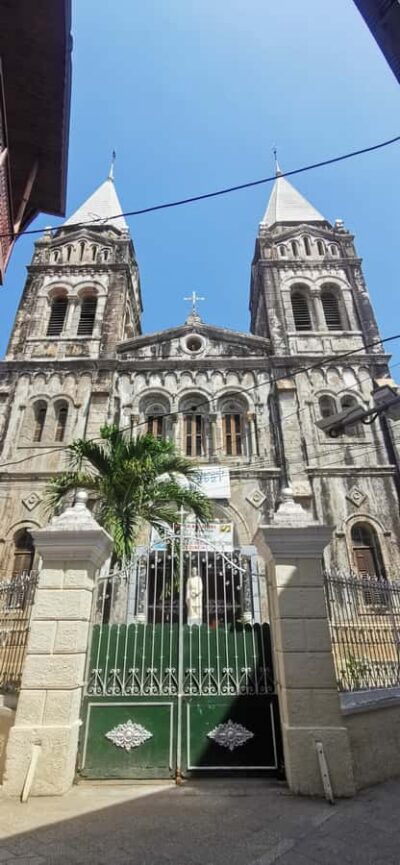
3 Hours Private Stone Town walking Tour with Guide
Read our review →
Full-Day Private Stone Town +Spice Farm and Prison Island Tour
Read our review →
Stone Town Historical Cultural Walking Guided Tour
Read our review →Browse the lists this tour appears in