Reviewed · KILIMANJARO CLIMBS
Kilimanjaro-lemosho Route 8 Days Itinerary
Sunrise at Kilimanjaro is pure adrenaline. This Lemosho route is built for gradual altitude gain, with a guided plan that starts and ends at Arusha Safari Lodge and includes private airport transfers from JRO. I especially like the upfront logistics, because you do not have to juggle rides after a long flight, and your trek begins with an evening briefing and equipment check at the lodge.
What I liked even more is the way the trek lines up the hard parts with acclimatization time. You spend multiple days working your way up from the forest trail into the Shira Plateau and on toward Kibo’s approaches, and the operator highlights that guide support leads to outstanding success rates versus overall Kilimanjaro attempts. In real life examples, guides such as Emmanuel and Frankie are praised for professionalism and pacing, and Clinton and his team show up in past climb stories as solid, local operators who manage the whole experience.
The main drawback to consider is simple: this is a serious altitude expedition, not a walk in the park. Day 8 is a long summit push, and high camps can be brutally cold, so you need to be ready for early nights, rough sleep, and a summit day that can run 13 to 15 hours.
In This Review
- Key highlights to know before you go
- Lemosho Route, why this 8-day trek pattern helps altitude
- Arusha Safari Lodge start: briefing, gear check, and smooth JRO access
- Days 2 to 4: from Londorossi forest trail to Shira Plateau camps
- Days 5 to 6: Lava Tower country, Great Barranco, and Karanga altitude grind
- Day 7 and Barafu Ridge: last camp before the summit push
- Day 8 summit push: Stella Point sunrise, optional Uhuru Peak, then the fast descent
- Days 9 and 10: rainforest descent, Mweka Gate certificates, and back to Arusha
- Best months to climb Kilimanjaro, plus what the weather means for your plan
- Price and value at about $2,950: what’s included, what you should budget
- Who this Lemosho trek suits best, and where to be careful
- Should you book this Lemosho route with Africa Joy Tours?
- FAQ
- Where does the trek start and end?
- Are airport transfers included from JRO?
- What meals are included during the trek?
- Are park admission tickets included?
- Is this a private tour or a shared group?
- What months are best for climbing Kilimanjaro?
- How long is the summit day?
- What is the cancellation policy and what if weather cancels the climb?
Key highlights to know before you go
- Airport transfers included from Kilimanjaro International Airport (JRO) to Arusha and back, so you start stress-free.
- Lemosho acclimatization rhythm moves from forest to plateau to alpine desert instead of jumping straight upward.
- Camp-by-camp trail pacing gives you steady “work high, sleep better” time before the final ridge push.
- Stella Point sunrise stop at 5,735 m, with an optional push to Uhuru Peak at 5,895 m if you feel good.
- Experienced guide support is repeatedly noted, including named guides like Emmanuel and Frankie.
- Meals and park admissions included, meaning you pay once and hike without daily add-on costs.
Lemosho Route, why this 8-day trek pattern helps altitude
The Lemosho route is popular for a reason: it gives you time. You start from the Londorossi side, then walk through the forest, climb toward the Shira Plateau, and only later work your way across toward the southern and eastern approaches. That “time on your feet” matters, because your body needs a chance to adjust before the big altitude days.
What I like about this plan is that it keeps the profile sensible. You do not just keep climbing every hour until you are in summit mode. Instead, you spend whole days gaining elevation slowly and reaching camps like Shira Camp (3,550 m) and Shira Hut (3,840 m) before you move into the Great Barranco area and the alpine desert. That means fewer “all at once” surges, which is exactly what you want when you are trying to reduce risk.
Also, the guide model matters here. The operator explicitly states that guide success rates are outstanding compared to overall Kilimanjaro climbers. Even if you cannot guarantee outcomes, a team that manages pace, hydration, and early decision-making can make a big difference on a mountain like this.
More Kilimanjaro climbs:
- 8-Day Small-group Lemosho Kilimanjaro Summit Trekking
★ 5.0 · 186 reviews - 5 Days Best of Tanzania Luxury Safari Northern Circuit
★ 5.0 · 174 reviews - 7-Day Machame Kilimanjaro Summit Tour from Arusha
★ 5.0 · 125 reviews
Arusha Safari Lodge start: briefing, gear check, and smooth JRO access
Your trip begins at Arusha Safari Lodge on the lower slopes of Mount Meru. On day 1, you meet at 5:30 pm for a pre-climb briefing and an equipment check. This is the moment where you confirm your packing and make sure you have what you need for wind, cold nights, and high-altitude conditions.
There is also a practical admin step: the team confirms you have mandatory medical coverage and travel insurance. Don’t treat that like paperwork you can ignore, because you are going to be far from hospitals once you’re on the mountain.
The other value piece is the airport transfer. After arriving anytime at Kilimanjaro International Airport (JRO), there will be a private transfer waiting to take you to the lodge in Arusha. All airport transfers are included, so you avoid the “last-mile stress” that can otherwise eat your energy before the climb.
One more small detail I appreciate: the trek is private, meaning only your group participates. That often leads to a calmer experience, since you are not reacting to a mixed pace from random strangers.
Days 2 to 4: from Londorossi forest trail to Shira Plateau camps
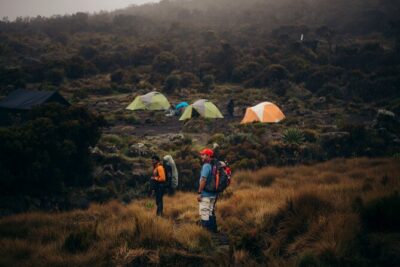
Day 2 is your entry into the trek proper. After breakfast in Arusha, you drive about two hours through rural countryside to Londorossi Gate. At the gate, you do the park registration formalities, then continue toward the Lemosho road head. The walking starts on a forest trail, and your first camp is Lemosho Mti Mkubwa Camp at 2,650 m. Expect around 3 to 4 hours of walking.
This day is a mental warm-up as much as a physical one. Forest trails usually mean fewer high-wind moments and a steadier temperature. You get to focus on technique, not panic about altitude.
Day 3 shifts you toward open views. You leave the forest behind, climb steadily, and eventually reach the rim of the Shira Plateau. It is a full day up to Shira Camp at 3,550 m, with about 6 to 7 hours of walking. The payoff is wide scenery, because as you rise, the mountain starts to look less like a single peak and more like a whole system of ridges and valleys.
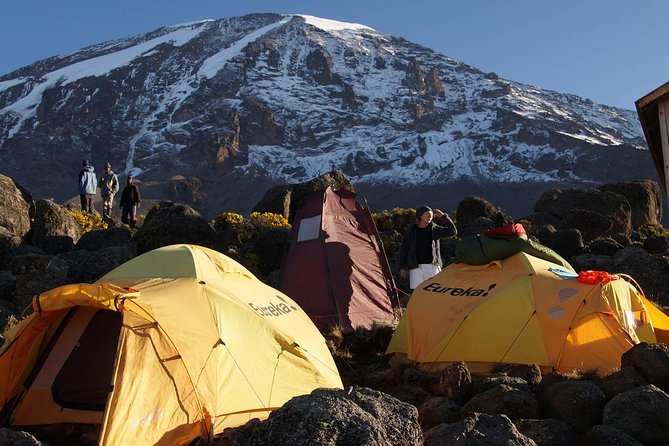
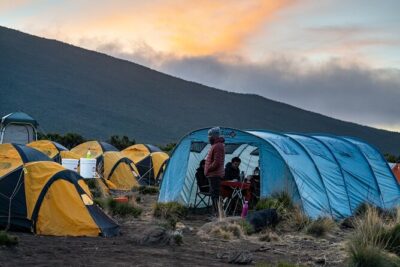
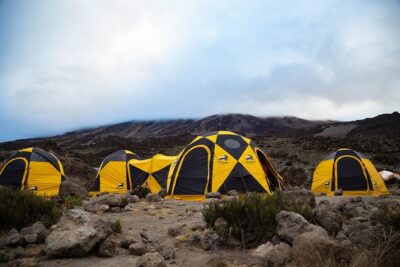
Day 4 brings a colder edge. You follow an easy path to Shira Cathedral before continuing to Shira Hut at 3,840 m. This camp is described as exposed, with temperatures dropping well below freezing compared with earlier nights. The walking time is shorter, about 3 to 5 hours, but the conditions can feel harder because exposure amplifies wind and cold.
Practical tip here: you may feel like you have “more time” on a short walking day. Don’t waste that time. Get your layers sorted early, eat, hydrate, and settle in. Warmth at high altitude is not optional.
Days 5 to 6: Lava Tower country, Great Barranco, and Karanga altitude grind
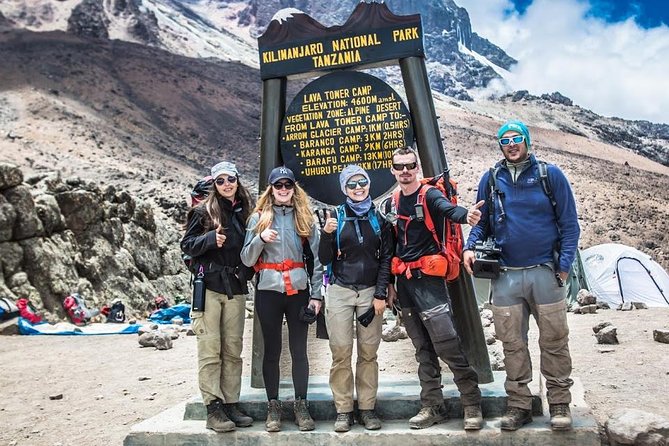
Day 5 is where the trek starts to look bigger and more dramatic. You traverse the southwest side of Kilimanjaro, passing underneath the Lava Tower and through the final section of the Western Breach. After a hot lunch, you descend to the bottom of the Great Barranco valley at about 3,900 m. Total walking time is about 5 to 7 hours.
This descent is not just for comfort. “Down” can actually help you regain a little energy and reduce strain after the day’s elevation. On Kilimanjaro, relief can be strategy.
Day 6 is a tougher day of ups and downs. You climb steeply up the eastern wall until you reach just below the Heim Glacier area, and you might catch spectacular views of Kilimanjaro. Then the trail exits up the Great Barranco Wall, moving you toward Kibo’s southeastern slopes. After that, you descend into the Karanga Valley, described as an alpine desert, and then you climb steeply to Karanga Camp at 4,000 m. Walking time is about 4 to 5 hours.
If you want a single word for what Day 6 feels like, it is “work.” The alpine desert terrain often means more wind and less shelter, so your layers matter. You might feel tired, but you are also positioning yourself for Barafu the next day, and that matters more than chasing speed.
A few more Arusha trips to compare
- Balloon Safari & Bush Breakfast in Serengeti – Miracle Experience
★ 5.0 · 1,646 reviews - Tanzania Classic – 7 Days
★ 5.0 · 1,151 reviews - 4 Days Group Camping Safari
★ 5.0 · 1,101 reviews - 5 Days Group Camping Safari
★ 5.0 · 730 reviews
Day 7 and Barafu Ridge: last camp before the summit push
On day 7, you take the Traverse Route up toward Barafu Ridge. You walk up quite slowly to the final camp before your last ascent day. This slow pace is the point. The body is still adjusting, and rushing right before summit night tends to backfire.
You spend the rest of the day relaxing and preparing for the final ascent, and you go to an early night. In my view, the “prep time” is part of the trek. It’s where you refuel, check gear, and try to sleep enough so the midnight start does not feel like punishment.
Day 8 summit push: Stella Point sunrise, optional Uhuru Peak, then the fast descent
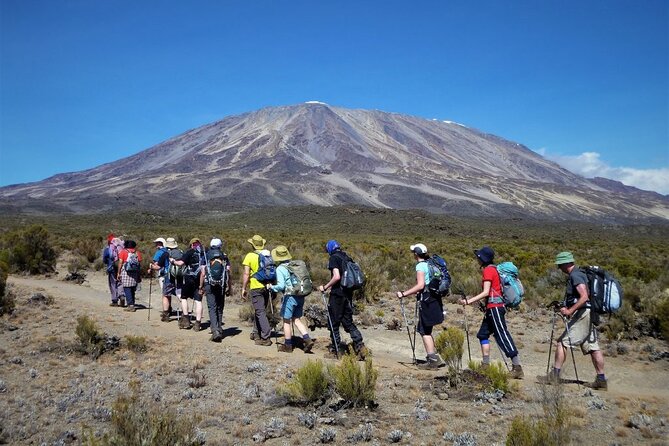
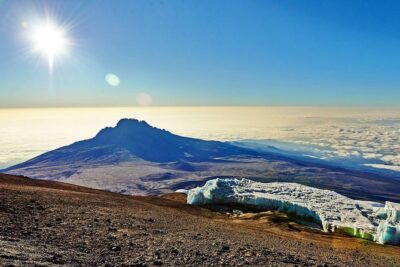
Day 8 starts before midnight. You climb over loose volcanic scree with zig-zags, in a slow but steady rhythm. The goal is Stella Point at 5,735 m. You rest there briefly to enjoy sunrise over Mawenzi.
This stop is important for two reasons. First, it gives you a mental win at a high point when your energy is low. Second, it forces the group to slow down and check how everyone is doing.
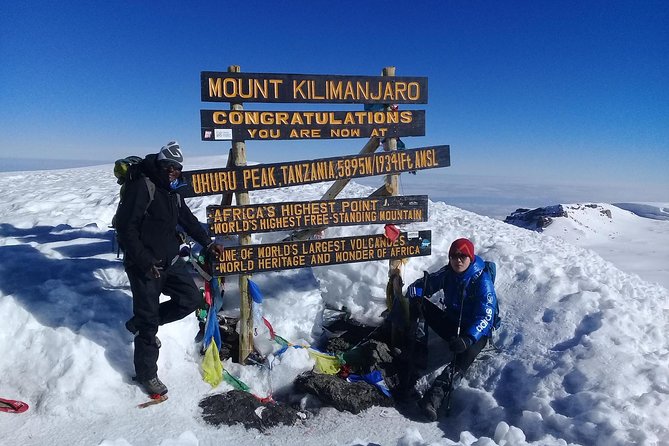
From Stella Point, you have an optional decision. If you feel good, you continue slowly along the crater rim for a two-hour round trip to the main peak, Uhuru Peak at 5,895 m, described as the highest point in Africa. If you do it, take the few minutes you are given for photos and breathing, then shift your focus to getting down.
Descent starts quickly. You descend back to Barafu Camp for refreshment, then continue down to Mweka Camp at about 3,100 m. Total walking time for the summit day can be about 13 to 15 hours, which is why this climb is not a “one day dream.” It is a long mission.
Days 9 and 10: rainforest descent, Mweka Gate certificates, and back to Arusha
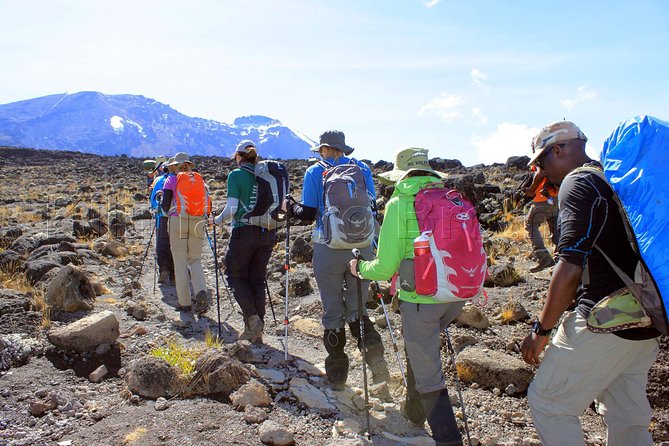
Day 9 is a gentle walk down through the rainforest to Mweka Gate. If you reached the summit, successful climbers receive summit certificates at the gate, usually after lunch. The walk from Mweka Camp to Mweka Gate is about 3 to 5 hours, then you drive back to Arusha Safari Lodge.
After that, you have dinner and an overnight at the lodge. This matters because your body needs time after the mountain shock. You are not just “finishing,” you are recovering.
Day 10 is your departure. You say goodbye to your guide team, then you take a private transfer included from Arusha to Kilimanjaro International Airport (JRO). If you want, there is an option to discuss a short safari or other add-on plans before you fly.
Best months to climb Kilimanjaro, plus what the weather means for your plan
Timing affects everything on Kilimanjaro, and the operator gives straightforward guidance:
- January and February are the warmest months, with almost clear evenings and mornings.
- August and September are also considered among the best months.
- March, April, and May usually bring long rains, and should be avoided.
- November is often short rains, and climbing is still possible, though it does not rain all days.
- July can be colder.
- November to December can be wet.
Here is how you can use that info. If you pick January-February, you are likely dealing with clearer mornings, which can help with sunrise visibility from high points like Stella Point. If you climb during wetter periods like late spring or late year, expect more challenging trail conditions and more damp gear management. Either way, you still need to plan for cold exposure, especially at higher camps like Shira Hut and during summit night.
Price and value at about $2,950: what’s included, what you should budget
The price is $2,950 per person. What makes that number feel more reasonable is what you actually get, compared to many “low-cost” climbs that nickel-and-dime you.
From what’s included:
- Meals are covered: breakfast 10 times, lunch 10 times, dinner 9 times.
- Park admission tickets are included on the trek days listed.
- Airport transfers are included from JRO to Arusha Safari Lodge and back.
- Lodging at Arusha Safari Lodge is included with dinner and breakfast on the arrival and post-descent nights.
- You get a mobile ticket.
What is not included:
- Tips
- International flight
- Items of personal nature
Value takeaway: if you add up meals, park fees, and private transfers, the trek price starts to look less like “just a mountain fee” and more like a full service package. You still need to budget for tipping and personal items, but the core experience is covered.
Who this Lemosho trek suits best, and where to be careful
This trek is listed as suitable for people with moderate physical fitness. That does not mean it is easy. It means the pace is managed and you are not expected to be an elite athlete, as long as you can hike for hours at altitude and follow instructions.
I think it fits best if you:
- Want a classic guided Kilimanjaro experience with structured acclimatization time
- Prefer slower pacing over “race to the top”
- Appreciate a team that checks equipment and coverage before you start
Be cautious if you:
- Struggle with very cold exposure or long nights, since exposed camps and summit timing are part of the plan
- Are not prepared for the summit day length, which can be 13 to 15 hours
- Have any uncertainty about medical coverage, because the team will confirm you have it
One more note: this is private, but you are still on a tight mountain schedule. You cannot “sleep in” on summit night.
Should you book this Lemosho route with Africa Joy Tours?
If your goal is to climb Kilimanjaro with a well-structured Lemosho progression, included transfers, and a team approach to pacing and success, this is a strong option to consider. The plan covers the big elements that usually cause friction, getting you from JRO to Arusha, feeding you consistently, and guiding you camp to camp until Mweka Gate and certificates.
I would book it if you like clear structure, can handle cold nights and early starts, and you want the chance to be guided by experienced leaders who have helped climbers reach the top. If you are the type who hates uncertainty, you should know the mountain still controls many variables, especially weather.
In short: plan for a real expedition, not a casual holiday. If you do that, this trek has the ingredients that make Kilimanjaro feel like an earned summit story.
FAQ
Where does the trek start and end?
The experience begins and ends at Arusha Safari Lodge in Arusha, Tanzania.
Are airport transfers included from JRO?
Yes. A private transfer is included from Kilimanjaro International Airport (JRO) to Arusha Safari Lodge, and there is also an included private departure transfer back to JRO.
What meals are included during the trek?
Breakfast is included 10 times, lunch 10 times, and dinner 9 times.
Are park admission tickets included?
Yes. Admission tickets are included on the trek days as listed during the route.
Is this a private tour or a shared group?
This is a private tour/activity. Only your group will participate.
What months are best for climbing Kilimanjaro?
The best months listed are January, February, August, and September. March to May are advised to be avoided due to long rains.
How long is the summit day?
Day 8, the summit push, is described as 13 to 15 hours of walking.
What is the cancellation policy and what if weather cancels the climb?
You can cancel up to 24 hours in advance for a full refund. If the experience is canceled due to poor weather, you will be offered a different date or a full refund.
If you tell me your travel month and your current fitness level (easy hikes per day), I can help you sanity-check whether the pacing and cold exposure match your expectations.
Just posted around Arusha
- 8 Days Serengeti Migration safari★ 5.0 · 11 reviews
- tarangire & ngorongoro 2 days tour★ 5.0 · 14 reviews
- serengeti, ngorongoro & tarangire 4 days private tour★ 5.0 · 18 reviews
- tarangire, ngorongoro & lake manyara park 3 days private tour★ 5.0 · 11 reviews
- serengeti & ngorongoro 3 days private tour★ 5.0 · 15 reviews
- climb the KILIMANJARO via Lemosho route★ 5.0 · 4 reviews
- Mt. Kilimanjaro: Shira plateau to Cathedral point 3872m Day hike★ 5.0 · 7 reviews
- Kilimanjaro Waterfalls Hike & Moshi Hot Springs Day Trip Tour★ 5.0 · 4 reviews
Kilimanjaro Climbs, compared.
8-Day Small-group Lemosho Kilimanjaro Summit Trekking
Read our review →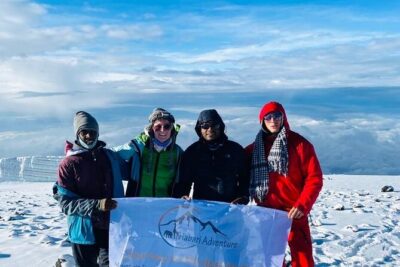
5 Days Best of Tanzania Luxury Safari Northern Circuit
Read our review →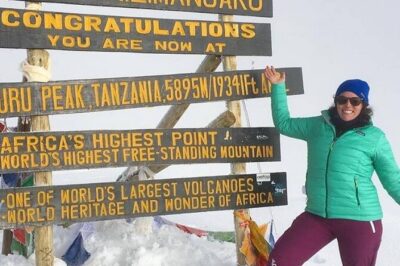
Climbing Kilimanjaro through 7 days Machame Route
Read our review →