Reviewed · KILIMANJARO CLIMBS
Kilimanjaro Climb- Lemosho Route
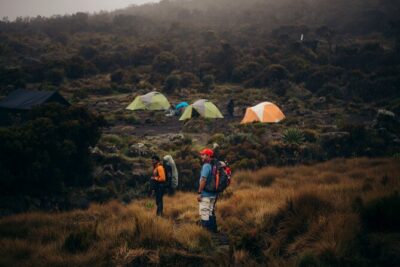
Kilimanjaro starts with a strong plan. The Lemosho Route is widely seen as one of the most scenic ways up, with panoramic vistas on different sides of the mountain, and I really like the low-crowd feel plus the kind of close, day-to-day support that helps you stay steady when the climb gets serious. The big drawback is simple: altitude fatigue is real, and this route costs a lot, so you want to be sure it fits your budget and your stamina.
I also like that your trip kicks off properly in Arusha, not with a rushed scramble. After pickup to Mvuli hotel, you get time to settle, and in the late afternoon your Kilimanjaro team briefs you and checks your equipment. If you want to see the town, you can, but you’ll need a taxi to get around comfortably.
One last consideration, so you can plan smart. The experience depends on good weather, and changes happen when conditions are poor, so build in a little flexibility if possible.
In This Review
- Key things I’d focus on before you go
- Arusha arrival day: Mvuli hotel, pickup, and your pre-trek equipment check
- Why the Lemosho route feels scenic and less crowded
- Guide support you can actually feel, from Kennedy, Noel, and Lucia
- Camp comforts included: tents, sleeping gear, and bottled water
- Summit day reality on Uhuru Peak, and why pacing matters
- Price and value for a Kilimanjaro climb at $3,005 per person
- Getting ready: moderate fitness, gear you bring, and what the meeting covers
- Should you book this Wild Root Safaris Lemosho climb?
- FAQ
- Where does the Lemosho route experience start, and what time?
- Is airport pickup and drop-off included?
- What meals and drinks are included?
- What camping gear is included for the trek?
- What should I bring that is not included?
- Is this a private tour or group activity?
- What fitness level do I need?
- Can I cancel for a full refund?
- What if the experience cannot run due to weather?
Key things I’d focus on before you go
- A scenic approach with a low-crowd reputation, which matters when you want space to breathe and pace
- Guide support that feels hands-on, with names like Kennedy, Noel, and Lucia showing up in real success stories
- Camp comfort largely handled for you, including tents, sleeping gear, and even camp tables and chairs
- Uhuru Peak summit day is hard, so your pacing and support system are a big part of the outcome
- A professional team setup, with porters, chefs, and multiple crew roles reported on some departures
Arusha arrival day: Mvuli hotel, pickup, and your pre-trek equipment check
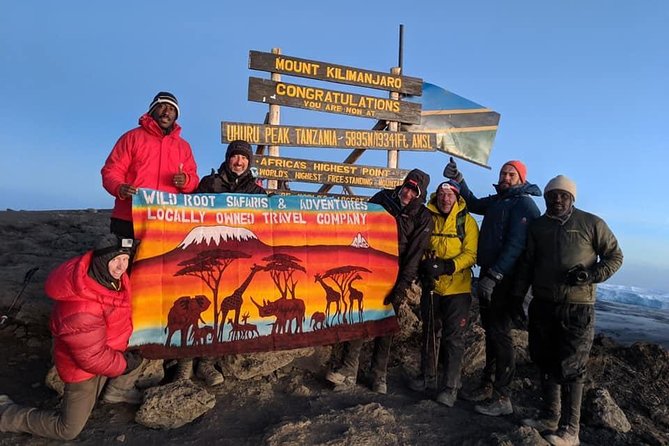
Your experience starts in Arusha, Tanzania, with pickup available. You land at Kilimanjaro Airport, then your driver meets you and takes you to Mvuli hotel. The rest of the day is for relaxing and getting your body ready, which is not just nice, it’s practical. With Kilimanjaro, the days that feel easiest are the days you benefit from planning well.
You also have options. You can visit Arusha town, but the notes say taxi is required, so don’t count on walking everywhere. This is a good time to do small tasks you might forget later, like charging devices, buying a few personal items, or double-checking that you have what you need before the mountains start doing their thing.
In the late afternoon, the Kilimanjaro team meets you at the lodge for a trek briefing and an equipment check. That step is a big deal on a mountain where the wrong gear can turn a small problem into a long one. I like when groups take time to go through gear carefully, because it helps you feel confident before you ever leave camp.
More Kilimanjaro climbs:
- 8-Day Small-group Lemosho Kilimanjaro Summit Trekking
★ 5.0 · 186 reviews - 5 Days Best of Tanzania Luxury Safari Northern Circuit
★ 5.0 · 174 reviews - 7-Day Machame Kilimanjaro Summit Tour from Arusha
★ 5.0 · 125 reviews
Why the Lemosho route feels scenic and less crowded
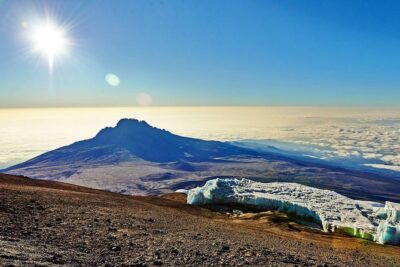
Lemosho is often chosen for one main reason: it’s considered the most scenic trail on Kilimanjaro. The idea is simple. Instead of getting a single “big view” at the summit, you get panoramic vistas from different sides of the mountain as you climb. That repeated scenery can keep morale up during the long stretches when your legs are doing all the talking.
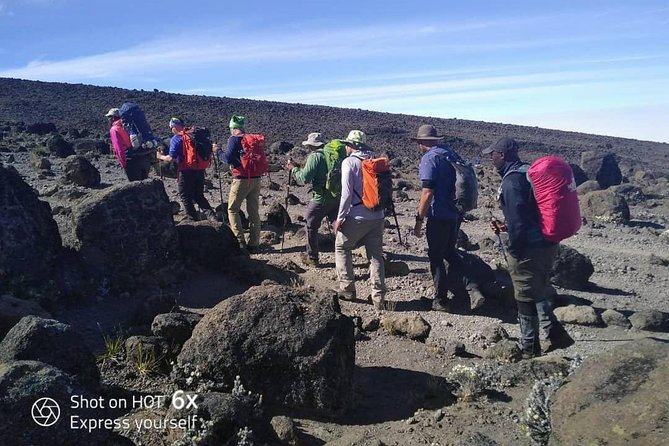
It’s also described as a newer route, and that usually translates into a different vibe on the trail. The route is recommended for its balance of low crowds, beautiful scenery, and a high summit success rate. Low crowds matter more than people expect. When the trail is busy, you tend to speed up just to manage traffic. When it’s quieter, you can stick to a steadier pace, which is the smarter way to climb.
One more nuance. Some climbers describe route variations as more challenging. For example, one account mentioned the Lemosho route via Western Breach as a particularly difficult summit line. If your plan includes that kind of variation, treat it as a heads-up to expect a steeper, tougher push rather than a casual stroll.
Guide support you can actually feel, from Kennedy, Noel, and Lucia
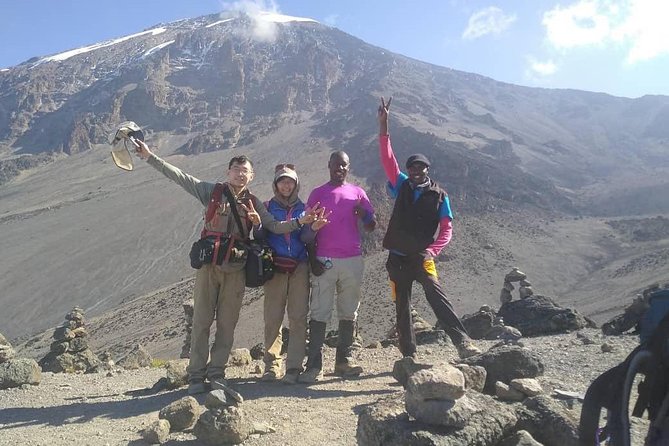
On Kilimanjaro, the guide team is the experience. It’s not just about reaching the top, it’s about how you get there: pace, encouragement, decision-making on the move, and support when you feel done.
In the feedback tied to this operator, guides like Kennedy and Noel get praised for being knowledgeable and honest, with a style that’s encouraging and supportive. What I take from that is not “nice words,” it’s the value of clarity. When you understand what’s happening, and you trust your team, you’re less likely to panic when altitude does its slow work.
Another name comes up again and again: Lucia. She’s described as leading a crew of expert guides, porters, and chefs. In one group success story, there was mention of a large team setup, including porters and chefs, and a 100 percent group outcome. I can’t promise the exact crew mix for every departure, but it signals something important: your summit success is treated like a team sport, not a solo challenge.
If you care about reliability, also pay attention to how people describe the professionalism. The same operator is repeatedly described as professional, trustworthy, and supportive, with a personal touch. That’s the balance you want. You want a team that can manage logistics and safety, while still making you feel like you’re not just a number in a lineup.
Camp comforts included: tents, sleeping gear, and bottled water
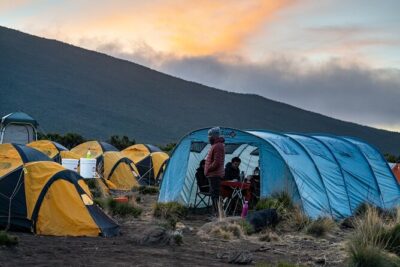
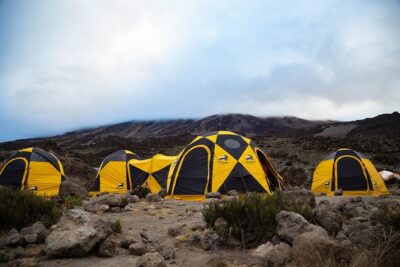
Good trekking gear is expensive, and renting it all last-minute is a headache. Here, your camping setup is largely handled. The included list states camping gears such as tent, mattress, sleeping bags, plus table and chairs. That means you’re not fighting the weather with borrowed or flimsy camp equipment.
Meals are included as well, with breakfast and lunch listed, plus dinner. Bottled water is also included. I like that combination because it removes a lot of uncertainty. On a climb like this, small stressors add up. When the camp system is set, you can focus on the real work, hiking, resting, and recovering.
What is not included matters, too. Walking sticks and other mountain gears are not included. That’s where you need to be deliberate. Even if you’ve climbed before, think about what will help you on steep days and how you’ll stay warm at night. If you show up without basic mountain items, you’ll end up solving problems during the hardest part of the trip: when you really want all your energy for the trail.
A few more Arusha trips to compare
- Balloon Safari & Bush Breakfast in Serengeti – Miracle Experience
★ 5.0 · 1,646 reviews - Tanzania Classic – 7 Days
★ 5.0 · 1,151 reviews - 4 Days Group Camping Safari
★ 5.0 · 1,101 reviews - 5 Days Group Camping Safari
★ 5.0 · 730 reviews
Summit day reality on Uhuru Peak, and why pacing matters
Let’s talk about the summit day vibe, because this is where people separate “I tried” from “I made it.”
Accounts of this route include summit-day struggle, described as a hard slog. The same stories also credit the guide team with 100 percent group success on summit day. That pattern matters. It suggests your guides are not just watching from behind. They’re actively helping you manage pace and effort, and they’re staying close enough to support the group when conditions and altitude stack up.
If your route option includes tougher variations like Western Breach, expect the summit push to feel even more demanding. In that case, pacing becomes even more important. The best strategy is usually the boring one: keep moving at a rhythm your body can sustain, don’t race every “quick win,” and trust the plan your guides are running.
One practical takeaway: summit day is often when morale and decision-making collide. If your team is known for honest guidance and encouragement, you’re more likely to keep your head when you feel physically limited. That’s not a motivational poster point. It’s a safety and success point.
Price and value for a Kilimanjaro climb at $3,005 per person
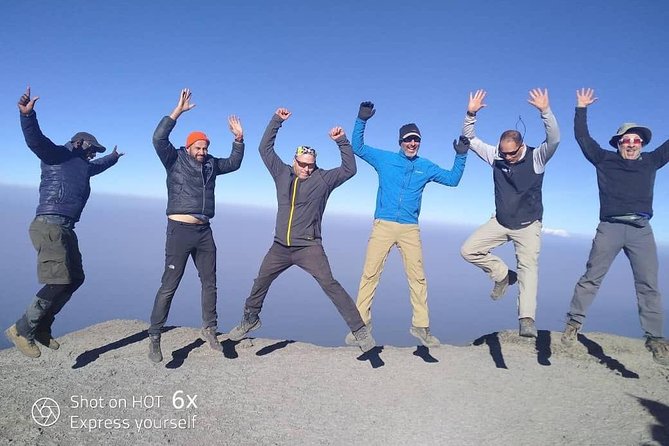
At $3,005.13 per person, this isn’t a casual add-on. The value question is what’s included versus what you’d otherwise pay to cobble together.
Here’s what you can count on from the included list:
- Airport pickup and drop-off
- Parking fees
- Bottled water
- Meals (breakfast, lunch, and dinner are listed)
- Camping gear like tents, mattress, sleeping bags, plus camp tables and chairs
Those items are the backbone of a guided climb. Even if you already own some personal gear, you still need camp systems, food logistics, and an organized crew to handle the move from camp to camp. That’s what you’re paying for.
What’s not included is also worth tracking:
- Airport or departure tax
- Alcoholic beverages
- Walking sticks and other mountain gears
- Landing and facility fees
Also, the duration shown in the basic info reads as approximately 6 hours to 1 day. That can look confusing if you’re expecting a full multi-day Kilimanjaro climb. At the same time, this route is discussed as a multi-day trek in accounts associated with this operator. So when you budget, make sure you’re comparing apples to apples, and confirm the exact number of trekking days in your final plan.
So, is it worth it? For me, it’s worth it if you want:
- a scenic route with a lower-crowd reputation
- a guide team that’s repeatedly described as supportive and professional
- the camp and meal system handled for you
If you prefer maximum independence, or you want the cheapest possible option, you might not love this price tag.
Getting ready: moderate fitness, gear you bring, and what the meeting covers
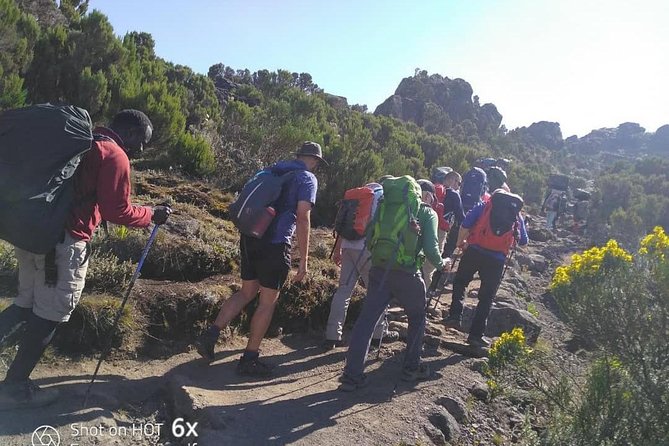
The info you’re given says you should have moderate physical fitness. That’s the right framing. Kilimanjaro isn’t about being a marathon hero, but it is about being able to hike uphill for hours at altitude without breaking down. If you’re currently sedentary, you’ll need a real training plan. If you already hike regularly and can handle long days, you’re closer to the target.
Plan to use the briefing day well. You’ll get an equipment check in the late afternoon after you arrive. That is your chance to fix problems before the climb begins, like missing items or pack issues.
Since walking sticks and other mountain gears are not included, you should think about your personal list. You’ll likely want items that help with stability, warmth, and visibility. Headlamps matter. Warm layers matter. Comfort matters. And if your gear is new, test it before you go.
One more practical note from the basics: the start time is 8:00 am in Arusha. That means you should plan an early night the day before, and be ready for a calm start. Kilimanjaro punishes poor sleep. It’s not personal, it’s altitude.
Should you book this Wild Root Safaris Lemosho climb?
I’d book this if your priority is a scenic, lower-crowd route, and you want a strong guide support system. The repeated praise for guides like Kennedy, Noel, and leadership connected with Lucia points to an operator that focuses on people, not just the paperwork. Add in the included camp gear and meal support, and the value starts to make sense even with the high price.
I’d think twice if you know you struggle with altitude or you can’t handle an intense physical commitment. Also, because this experience depends on good weather, you should be comfortable with the idea that schedules can shift.
If you want the smarter way to decide, ask yourself two questions:
- Do you want the more scenic Lemosho-style experience with a planned support system?
- Are you ready to bring the missing personal gear and meet the moderate fitness expectation?
If the answer is yes, this is a solid choice for a serious climb up Kilimanjaro.
FAQ
Where does the Lemosho route experience start, and what time?
It starts in Arusha, Tanzania. The start time is 8:00 am.
Is airport pickup and drop-off included?
Yes. Airport pick up and drop off are included.
What meals and drinks are included?
The included items list says bottled water, dinner, breakfast, and lunch.
What camping gear is included for the trek?
Camping gear such as tents, mattress, sleeping bags, and camp table and chairs are included.
What should I bring that is not included?
Walking sticks and other mountain gears are not included. Alcoholic beverages are also not included.
Is this a private tour or group activity?
This is listed as a private tour or activity, with only your group participating.
What fitness level do I need?
The experience notes a moderate physical fitness level.
Can I cancel for a full refund?
Yes, you can cancel up to 24 hours in advance for a full refund.
What if the experience cannot run due to weather?
It requires good weather. If it is canceled due to poor weather, you will be offered a different date or a full refund.
Just posted around Arusha
- 8 Days Serengeti Migration safari★ 5.0 · 11 reviews
- tarangire & ngorongoro 2 days tour★ 5.0 · 14 reviews
- tarangire, ngorongoro & lake manyara park 3 days private tour★ 5.0 · 11 reviews
- serengeti, ngorongoro & tarangire 4 days private tour★ 5.0 · 18 reviews
- serengeti & ngorongoro 3 days private tour★ 5.0 · 15 reviews
- climb the KILIMANJARO via Lemosho route★ 5.0 · 4 reviews
- Mt. Kilimanjaro: Shira plateau to Cathedral point 3872m Day hike★ 5.0 · 7 reviews
- Kilimanjaro Waterfalls Hike & Moshi Hot Springs Day Trip Tour★ 5.0 · 4 reviews
Kilimanjaro Climbs, compared.
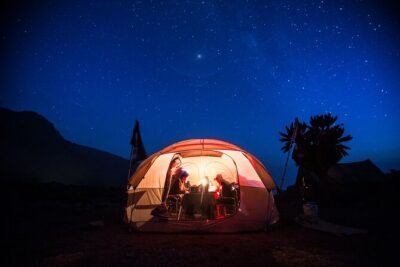
8-Day Small-group Lemosho Kilimanjaro Summit Trekking
Read our review →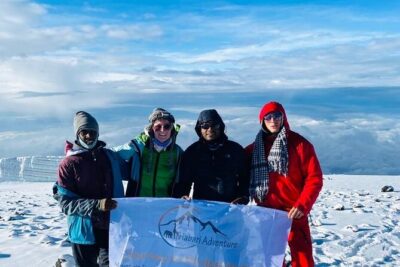
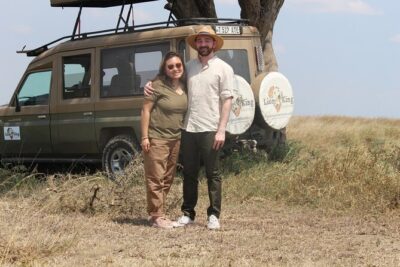
5 Days Best of Tanzania Luxury Safari Northern Circuit
Read our review →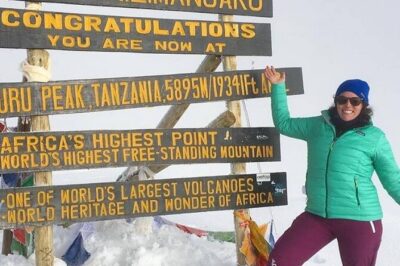
Climbing Kilimanjaro through 7 days Machame Route
Read our review →