Reviewed · KILIMANJARO CLIMBS
From Arusha: 7 Days Classic Safari Central Northern Circuit
A good safari plan moves fast, but not frantic. This 7-day Central Northern Circuit from Arusha strings together Arusha National Park, Lake Manyara, Tarangire, and the Ngorongoro Crater with overnight stays close to the action and full-board meals. You start with Mount Meru country, then work your way toward the wildlife-heavy crater that many people dream about.
My favorite part is the practical value: park fees and full-board meals are built in, so you spend less time figuring out what costs extra. The second big win is the guide-driver setup, since the strongest feedback centers on how well people are helped to spot animals and manage long days, with standout names like Allen, DJ Kalid, Hamisi Abdul, Jeff, and Shabani showing up again and again in positive experiences.
One drawback to plan for: there is a real downtime block early on. Day 2 is more of a relax-and-optional-excursions day in the Manyara region, so if you want back-to-back game drives every day, this schedule may feel slower. Also, you should be comfortable with a moderate fitness level for long sitting days and changing terrain at parks.
In This Review
- Key Points at a Glance
- Arusha National Park First, Mount Meru Second
- What I Like About This Day
- Manyara Region Day 2: A Break You Can Actually Use
- How to Make Day 2 Worth It
- Lake Manyara: Flamingos, Baboon Side-Eye, and Tree-Climbing Lions
- One More Note
- Tarangire: Elephant Concentrations and Easier Viewing Days
- Karatu and the 150 Corners Road: A Scenic Day Between Parks
- Small Comfort Wins in Karatu
- Ngorongoro Crater Day: Big Five Odds in a Volcanic Caldera
- The Smart Mindset for Day 6
- Back to Arusha on Day 7: Keep It Easy, Keep It Flexible
- Price and Value: What $2,721 Really Buys You
- Why the Guide-Driver Team Changes Everything
- Your job in the process
- Practical Tips for a 7-Day Northern Circuit Safari Comfort Plan
- Who Should Book This Safari, and Who Might Skip It
- Should You Book This 7-Day Central Northern Circuit From Arusha?
- FAQ
- What time does the safari start?
- How long is the Central Northern Circuit safari?
- Which parks and areas are included?
- What is included in the $2,721 price?
- What fees are not included?
- Is this tour private, and can I cancel?
Key Points at a Glance
- Full-board package means meals (breakfast, lunch, dinner) plus overnights are taken care of, not just the driving.
- Arusha National Park gives you a strong birding start, plus a good shot at the black-and-white colobus.
- Lake Manyara packs lots into a small area, including flamingos and the chance to see tree-climbing lions.
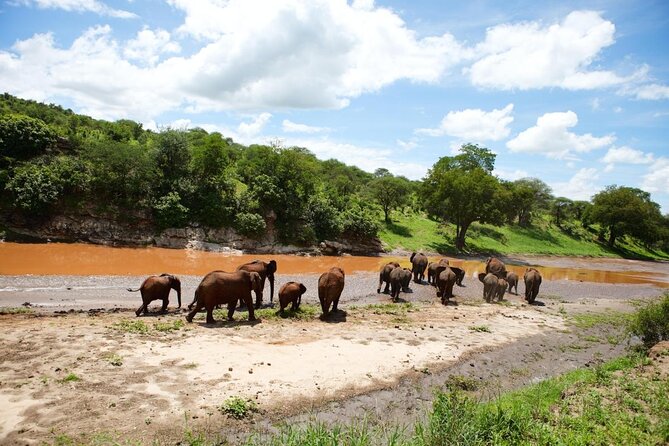
- Tarangire is famous for elephants, and the terrain tends to make wildlife easier to spot.
- Ngorongoro Crater is the Big Five day, set inside a volcanic caldera with wildlife all around.
- Karatu is your base between parks, reached via the scenic 150 corners road and a couple of good optional add-ons.
Arusha National Park First, Mount Meru Second
Your safari kicks off in Arusha, with pickup from your accommodation or the airport, and a morning start time of 8:00 am. Then you head into Arusha National Park for a long first game drive, about 6 hours of time on safari.
This park is small compared to some of Tanzania’s giants, but it hits hard if you like variety. It sits near Mount Meru and mixes mountain areas, rainforest pockets, and lakes. If you’re a birder, Arusha is a smart way to start. The park is known for rare black-and-white colobus monkeys, and it also has a reputation for unusual tropical bird sightings, with examples like Greater flamingos and the Silvery-cheeked horn-bill.
Practical tip: start your day with a clear head. Arusha game drives can be about paying attention. Scan treetops and edges of trails, and don’t just stare at open savanna.
More Safaris in Arusha
- Balloon Safari & Bush Breakfast in Serengeti – Miracle Experience
★ 5.0 · 1,646 reviews - 4 Days Group Camping Safari
★ 5.0 · 1,101 reviews - 5 Days Group Camping Safari
★ 5.0 · 730 reviews
What I Like About This Day
You get a quick sense of Tanzania’s “real” safari environment right away, and you also avoid the feeling of jumping straight into the most crowded wildlife sites without easing in.
Manyara Region Day 2: A Break You Can Actually Use
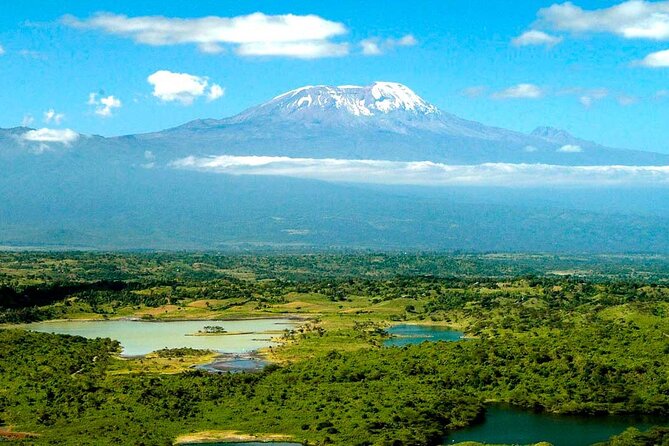
Day 2 is built for slowing down. You have about 12 hours in the Manyara region, and the plan leaves room for personal choices instead of nonstop driving.
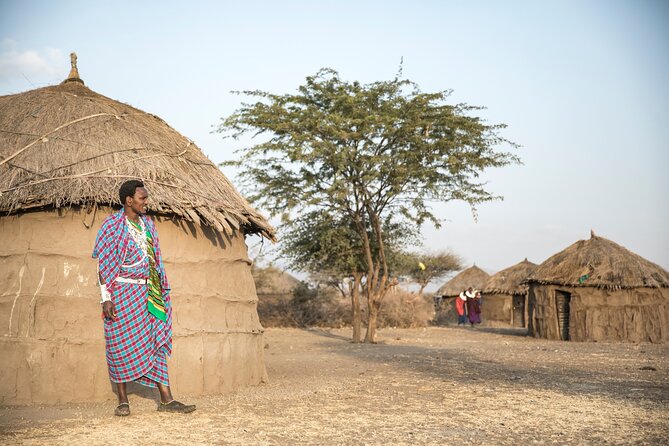
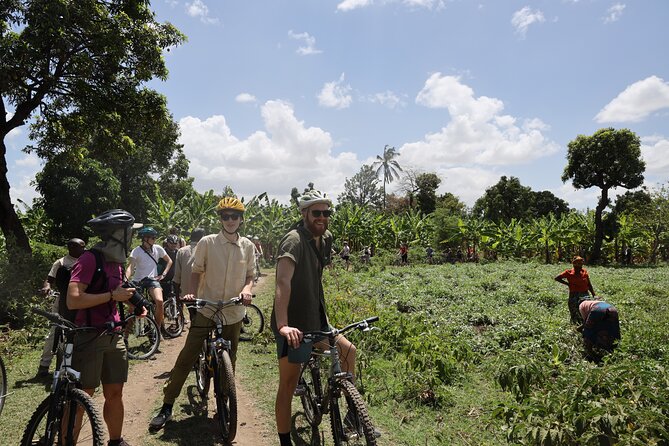
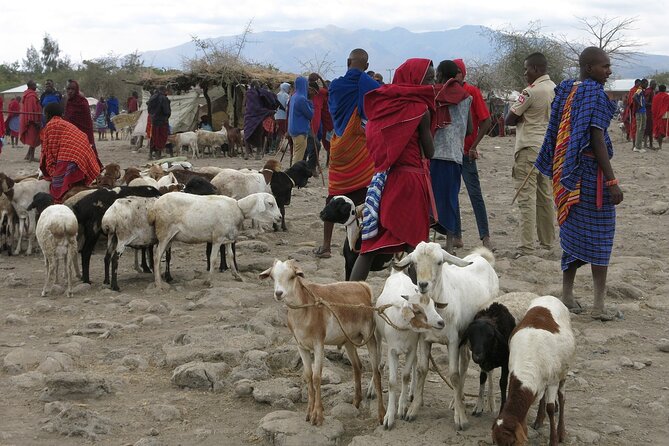
The tour description gives options in the area around Lake Manyara, including a traditional Maasai Boma visit, a mountain bike tour through farms and villages around Mto Wa Mbu, checking out a Maasai market, exploring Mto Wa Mbu via tuktuk, or booking a spa-type break. There’s also a suggestion to relax by a pool, which is not what you expect when you picture a typical safari schedule.
Here’s the consideration: if you want full throttle game driving every day, you may want to swap this day’s vibe. You can still go out, but you’ll be choosing the style, not following a fixed loop of park after park.
How to Make Day 2 Worth It
If you choose one optional activity, I’d pick the one that helps you connect the dots between wildlife and people. A boma visit or market stop can give context you won’t get from a vehicle window.
More Kilimanjaro climbs:
- 8-Day Small-group Lemosho Kilimanjaro Summit Trekking
★ 5.0 · 186 reviews - 5 Days Best of Tanzania Luxury Safari Northern Circuit
★ 5.0 · 174 reviews - 7-Day Machame Kilimanjaro Summit Tour from Arusha
★ 5.0 · 125 reviews - Mountain Kilimanjaro Day Hike
★ 5.0 · 102 reviews
Lake Manyara: Flamingos, Baboon Side-Eye, and Tree-Climbing Lions
Lake Manyara is the second major wildlife day, with about 6 hours for a full day game drive. This park is known for packing a lot of ecology into a smaller space, so you can go from lake birds to forest edges in a single outing.
The lake’s alkaline soda supports impressive birdlife, and the park has records of over 400 species. The headline is the flamingos, including the sight of thousands of them strolling around. Wildlife viewing also starts right from the park approach, as the road winds through groundwater forest where baboon troops can be seen on the roadside and in trees.
On the open grassy banks, you’re likely to spot grazing animals like wildebeest, giraffe, zebra, and buffalo. The big wow factor mentioned here is the chance of tree-climbing lions around the mahogany and acacia trees.
Practical tip: on Lake Manyara, your best strategy is to vary where you look. Watch the ground for grazers, but also tilt your eyes upward for cats and birds.
One More Note
Tree-climbing lions are one of those wildlife stories that can be thrilling or just theory depending on the day. Still, Lake Manyara is worth it even if you only get part of the mix, because the birdlife alone can make the drive feel like several mini-experiences.
Tarangire: Elephant Concentrations and Easier Viewing Days
Tarangire National Park is next, again with about 6 hours for a full day game drive. The tour frames Tarangire as the elephant park, and that’s accurate. Tarangire is known for having the highest wildlife concentration outside the Serengeti, especially for elephants.
The big advantage here is visibility. Tarangire’s terrain is more compact and open, and that often makes it easier to see wildlife both from a distance and at closer ranges. If you get anxious in dense vegetation, Tarangire is a calmer choice.
Tarangire is also large enough to feel like more than a single loop, at 2,850 square kilometers. You can expect animals like wildebeest, zebra, buffalo, gazelle, warthog, impala, and even python. Lions and leopard are possible, and there are over 50 species of birds listed as part of what makes the park special.
Practical tip: pack patience. Elephants can show up in waves, and it’s common for sightings to come after a bit of scanning. Let your guide-driver call the timing, and don’t rush your own eyes.
Karatu and the 150 Corners Road: A Scenic Day Between Parks
Day 5 shifts from parks to travel, with about 8 hours built in. You drive up the escarpment via the 150 corners road to reach Karatu. That detail matters more than it sounds. Curving roads and elevation changes can change the air, the light, and how quickly you feel road fatigue, so this is one of those days where a calm attitude pays off.
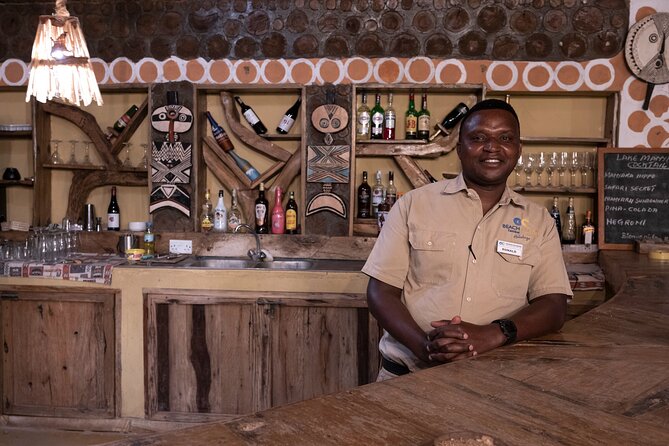
When you arrive at Africa Safari Karatu in the afternoon, there’s time to relax. If you feel like turning the day into something more, the tour suggests optional add-ons like a coffee farm tour or visiting the Hadzabe tribe, described as one of the oldest tribes in Africa.
Here’s what I’d consider: choose one optional add-on, not five. The safari days can be intense, and your brain needs recovery time too.
Small Comfort Wins in Karatu
Overnight bases like Karatu are practical because they reduce the sense of always being in transit. Instead of driving all day, you arrive, settle, and wake up closer to the next wildlife target.
Ngorongoro Crater Day: Big Five Odds in a Volcanic Caldera
Day 6 is your big finale wildlife day, with a full day game drive in the Ngorongoro Crater for about 6 hours. The tour describes it as the world’s largest intact volcanic caldera, and the setting is a big part of why this park is so emotional for people.
The vibe at the crater rim is different from open savanna. You stand and look into the crater, with clouds sometimes hovering around the rim and cool air moving in. Then you go down and wildlife seems to be everywhere, because the crater’s natural rims shape how animals use the space.
This is also the most direct Big Five pitch in the itinerary. You have the best chance here to spot them, since the crater conservation area supports a wide mix of wildlife.
Practical tip: for crater days, treat your first viewing minutes like a gift. Stay alert when you get into position. Lions, buffalo, and other large animals can appear fast, and your guide will likely adjust the route based on where sightings are happening.
The Smart Mindset for Day 6
Don’t force your expectations. The crater is powerful and also unpredictable day to day. If you keep your eyes up and follow your guide’s spotting cues, you’re far more likely to feel that wow moment.
Back to Arusha on Day 7: Keep It Easy, Keep It Flexible
Day 7 is designed as a return day. After breakfast, your driver-guide brings you back to Arusha, roughly a 3-hour drive, and then drops you off in central Arusha, your accommodation, or the airport.
This is one of those days where your best plan is to stay light. You’ve been eating, sitting, and scanning for wildlife for several days. So aim to keep your last morning simple, grab water, and set aside time for any last shopping or resting.
If you have camera batteries, this is the day to think about charging them while you still have stable access to outlets.
Price and Value: What $2,721 Really Buys You
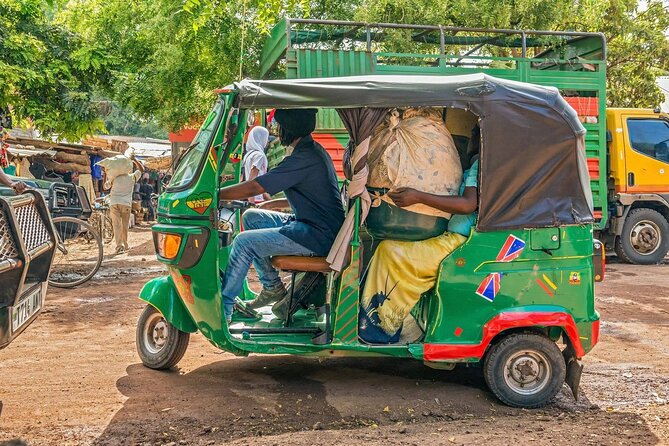
At $2,721 per person, this safari package is not cheap, but it is built to feel like a single bundle instead of a stack of separate bills. The included items are a big part of the value story:
- Park fees
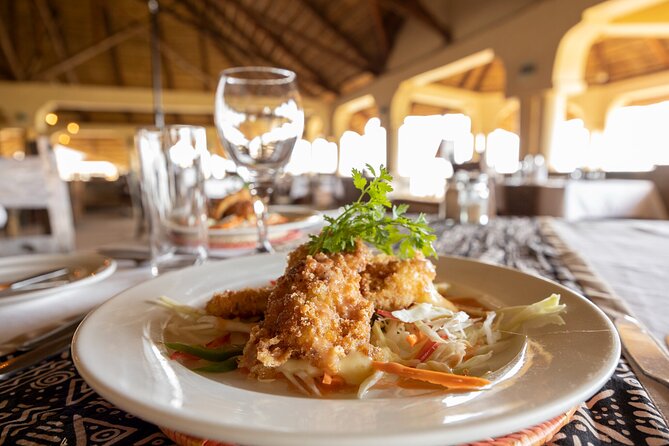
- Overnight stays in unique accommodations based on a full board meal plan
- Transport and a driver-guide
- Meals: 6 breakfasts, 6 lunches, and 6 dinners
When you’re bundling this many big pieces, you avoid the most common cost pain of a safari: surprise add-ons for national parks, meals that weren’t included, or multiple transfers you didn’t plan on.
What’s not included is also clear, and you should plan for it:
- Tourism Development Levy of $1.50 per person per night
- Village tax of $1.00 per person per night
These are paid at check-in.
- Personal expenses, drinks, and optional tips
My practical advice: budget for those taxes and carry cash for them if that’s what check-in requires, plus keep some extra money for drinks and souvenirs. Safari packages often include the essentials, then leave “extras” for you to decide.
Why the Guide-Driver Team Changes Everything
One theme in strong feedback is that the guide-driver partnership can make the difference between seeing animals and feeling like you found them. On this kind of itinerary, your time is limited by daylight and drive distances, so spotting skill matters.
Across past experiences with this operator, names that show up in positive comments include guide Allen, guide DJ Kalid, guide Hamisi Abdul, guides Malley, Engelbert, and Shabani, plus drivers like Jeff, Stanley, Martin, and Joe, and another driver named Gaza. People also praised guides for everything from helping spot animals quickly to plant knowledge, and even for giving families space when needed.
What I’d take from that as your decision helper: ask what your guide’s style is. Do they scan constantly? Do they give you quiet time when you’re trying to photograph? Can they adjust if you want more birding at Arusha, or if you want a deeper look at crater wildlife at Ngorongoro?
Your job in the process
Be direct. If you care about flamingos, colobus monkeys, or elephants, say it. A good guide can tailor scanning priorities in a way that makes your day feel more personal.
Practical Tips for a 7-Day Northern Circuit Safari Comfort Plan
This tour expects a moderate physical fitness level. Even without any specific hiking listed, you’ll be spending lots of time in a vehicle, moving between gates, and sitting through long game-drive windows.
Here’s what I recommend you pack and plan around, based on how safaris like this typically feel:
- Binoculars (even basic ones) for birding at Arusha and scanning at open parks like Tarangire
- A daypack for water, snacks, and your camera gear
- Sun protection, plus a light layer for cooler crater air
- Insect repellent and comfortable shoes you trust for uneven ground at lodges and park viewpoints
- A small stash of cash for the village tax and tourism levy at check-in
- Charging plan for your last day, since the route back to Arusha is your final stable time
Also, remember you have a relaxing day in the Manyara region. That’s a great day to dress for comfort, not just for the vehicle.
Who Should Book This Safari, and Who Might Skip It
This is a strong fit if you:
- Want a classic northern circuit focused on Arusha, Lake Manyara, Tarangire, and Ngorongoro
- Like the idea of a birding-friendly start at Arusha and a flamingo-heavy middle day
- Have Big Five as a priority and want Ngorongoro as the main event
- Value a bundled package with park fees and full-board meals included
It may be less ideal if you:
- Hate downtime. Day 2 is a break day with optional excursions rather than continuous game drives
- Want Serengeti time. This specific plan does not include Serengeti days, based on the parks listed
- Prefer lots of variety in accommodation types. The itinerary keeps you moving to nearby overnights, so your lodging style will match that rhythm
Should You Book This 7-Day Central Northern Circuit From Arusha?
If your goal is a well-paced, well-included safari that hits four of Tanzania’s headline areas without turning your trip into an accounting exercise, I’d seriously consider booking this one. The built-in value, with park fees and full-board meals plus transport and guide, is the kind of structure that reduces stress and lets you focus on the sightings.
Do book it if you’re happy with the classic pattern: start in Arusha, build through Manyara and Tarangire, regroup in Karatu, then go all-in at Ngorongoro. The guide-driven emphasis also lines up with what matters most on safari, finding animals within limited daylight.
If you’re the type who needs nonstop action every day, you might want to ask whether you can swap or shape the Day 2 Manyara plans with more park time. And if Big Five is your top goal, go in ready to pay attention at Ngorongoro and follow your guide’s positioning.
FAQ
What time does the safari start?
The start time is 8:00 am.
How long is the Central Northern Circuit safari?
It is approximately 7 days.
Which parks and areas are included?
The itinerary includes Arusha National Park, Lake Manyara National Park, Tarangire National Park, and Ngorongoro Crater, with time in Karatu between park days.
What is included in the $2,721 price?
Park fees, overnight stays in unique accommodations on a full board meal plan, transport with a driver-guide, and meals (6 breakfasts, 6 lunches, 6 dinners) are included.
What fees are not included?
Not included are the tourism development levy ($1.50 per person per night) and village tax ($1.00 per person per night), paid at check-in, plus personal expenses, drinks, and optional tips.
Is this tour private, and can I cancel?
It is a private tour, meaning only your group participates. Free cancellation is available up to 24 hours in advance of the experience start time for a full refund.
More Safaris from Arusha
- 3 Days Serengeti & Ngorongoro Group Camping Safari
★ 5.0 · 574 reviews - 7-Day Premium Luxury Tanzania Safari All-Inclusive
★ 5.0 · 426 reviews - 3-Day Classic Serengeti Safari
★ 5.0 · 263 reviews - 8 Days Great Wildebeest Calving Migration Safari from Arusha
★ 5.0 · 254 reviews
Just posted around Arusha
- 8 Days Serengeti Migration safari★ 5.0 · 11 reviews
- tarangire & ngorongoro 2 days tour★ 5.0 · 14 reviews
- serengeti, ngorongoro & tarangire 4 days private tour★ 5.0 · 18 reviews
- tarangire, ngorongoro & lake manyara park 3 days private tour★ 5.0 · 11 reviews
- serengeti & ngorongoro 3 days private tour★ 5.0 · 15 reviews
- climb the KILIMANJARO via Lemosho route★ 5.0 · 4 reviews
- Mt. Kilimanjaro: Shira plateau to Cathedral point 3872m Day hike★ 5.0 · 7 reviews
- Kilimanjaro Waterfalls Hike & Moshi Hot Springs Day Trip Tour★ 5.0 · 4 reviews
Kilimanjaro Climbs, compared.
8-Day Small-group Lemosho Kilimanjaro Summit Trekking
Read our review →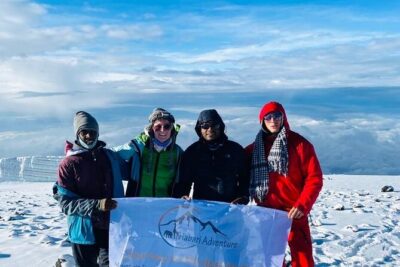
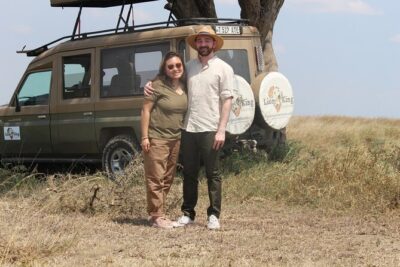
5 Days Best of Tanzania Luxury Safari Northern Circuit
Read our review →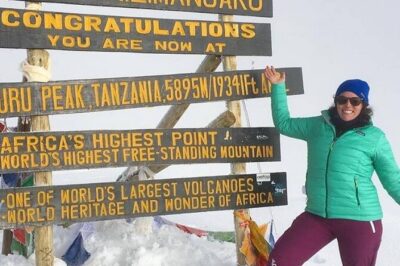
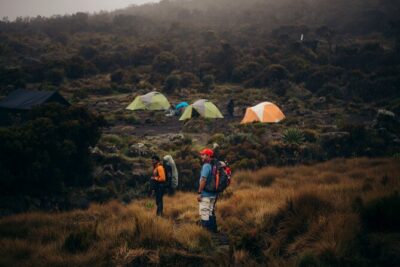
Climbing Kilimanjaro through 7 days Machame Route
Read our review →