Reviewed · KILIMANJARO CLIMBS
Climb Kilimanjaro – Marangu Route 8 Day Program
“Huts make Kilimanjaro feel more doable.” This 8-day Marangu-route climb is the classic tourist-style way up: you get services along the trail, you sleep in huts instead of tents, and you ascend and descend on the same path. You also start with a straightforward Moshi setup, because you’re picked up from Kilimanjaro International Airport and moved to your hotel before the climb.
What I like most is the practical flow of the trek, especially the scheduled acclimatization day at Horombo before the summit push. I also like how the itinerary balances effort with downtime, from rainforest hiking into heathland views of Mawenzi to that long, focused summit morning. One important consideration: Marangu is often seen as easier, and that can attract people who are not truly fit enough for altitude, which contributes to a lower success rate than you might expect.
In This Review
- Key Highlights You’ll Feel on the Mountain
- The Marangu Route’s Real Appeal, Huts and the Same Path
- Price and What You’re Really Paying For at $2,111
- Moshi Arrival, Airport Transfer, and Where You Start
- Marangu Gate to Mandara Hut, Rainforest Walking With Real Views
- Mandara Hut to Horombo Hut, Mawenzi Shows Up
- The Acclimatization Day at Horombo, Zebra Rocks and Altitude Training
- Horombo to Kibo Hut and the Saddle’s Lunar Feeling
- Midnight Summit Push to Uhuru Peak, Then Down to Horombo
- Descent to Mandara Hut, Then Back to Moshi Hot Showers
- Guides, Support, and Small-Group Energy (Max 12)
- Should You Book This Marangu 8-Day Kilimanjaro Program?
- FAQ
- Where do we meet for the climb?
- How do airport transfers work?
- What kind of accommodation is used on Kilimanjaro?
- Are park fees and guides included?
- What meals are included?
- Is Wi-Fi included?
- Is climbing gear included in the price?
- When do you start the summit ascent?
- What is the tipping expectation?
- Can I get a refund if I cancel?
- Final Call: Who This Climb Fits Best
Key Highlights You’ll Feel on the Mountain
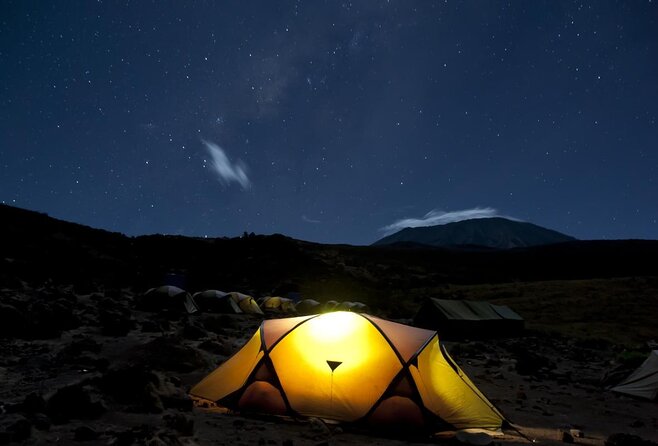
- Hut-based nights: easier logistics than camping, plus a more comfort-forward pace.
- A true acclimatization day: time at Horombo, including a walk up toward Zebra Rocks around 4,100 m.
- Rainforest to alpine desert changes: you move from lush forest into a saddle that feels lunar and wide open.
- Sunrise summit schedule: an early start for Uhuru Peak so you reach at sunrise.
- On-route support: qualified guides and a mountain crew, with bottled-in-the-real-world help like boiled water on the mountain.
- Practical comfort details: running-water bathrooms during some hut nights, and fewer worries than self-managed camping.
The Marangu Route’s Real Appeal, Huts and the Same Path
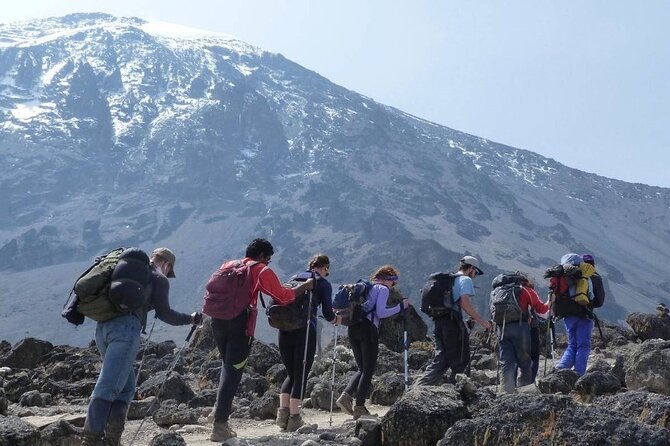
Marangu earns its reputation because it is structured for people who want to climb Kilimanjaro without the extra friction of tent camping. Hut stays mean you do not have to manage a full camping setup every night. You still have the altitude challenge, cold nights, and serious physical work, but the “day-to-day” logistics feel simpler.
The big comfort bonus is that ascent and descent follow the same route. That matters more than it sounds. You are not constantly learning new trail patterns or second-guessing a route change while tired. It also makes the experience feel more cohesive, like a single journey up, then a clear return line down.
Just remember: “easier” does not mean “easy.” Marangu can attract less-prepared hikers, and altitude punishes the unready. For me, the best way to think about Marangu is this, it removes some trekking complexity, so you can focus on acclimatization, breathing, and pacing.
More Kilimanjaro climbs:
- 8-Day Small-group Lemosho Kilimanjaro Summit Trekking
★ 5.0 · 186 reviews - 5 Days Best of Tanzania Luxury Safari Northern Circuit
★ 5.0 · 174 reviews - 7-Day Machame Kilimanjaro Summit Tour from Arusha
★ 5.0 · 125 reviews
Price and What You’re Really Paying For at $2,111
At about $2,111 per person for an 8-day program, you are paying for more than just trail time. The included package covers qualified guides with the full mountain crew, national park fees, transportation to the mountain start and back to Moshi, and accommodations on the mountain in huts.
You also get meal support and key comfort items that reduce decision fatigue. The tour includes boiled water on the mountain, plus breakfast, lunch, and dinner across the climb. Wi-Fi is listed as included as well, so you are not completely cut off if you need to send a quick message after you finish a day of hiking.
What is not included is equally important for budgeting. You will need to plan for visas, climbing gear, tips for guides and porters, health insurance, and personal expenses. If you already know you will need to rent or buy gear and you do not have travel insurance lined up, factor that into the real cost.
Moshi Arrival, Airport Transfer, and Where You Start
Your climb begins in the Kilimanjaro region. You fly into Kilimanjaro International Airport, then get picked up and transferred to your hotel in Moshi (Springlands Hotel). That is not glamorous, but it is smart. You reduce stress on arrival day, you get to settle, and you can focus on being rested for the first climb day.
This start also sets expectations for the overall rhythm. The program is set up so you are not juggling extra “get yourself there” tasks in the morning. You leave Springlands around 8:00 a.m. on the main hiking day that follows, and the drive to the gate is about 45 minutes.
If you like to keep things simple, this kind of prep day is a big deal. It lets you arrive on Kilimanjaro with enough energy to start pacing early, which is where altitude success often begins.
Marangu Gate to Mandara Hut, Rainforest Walking With Real Views
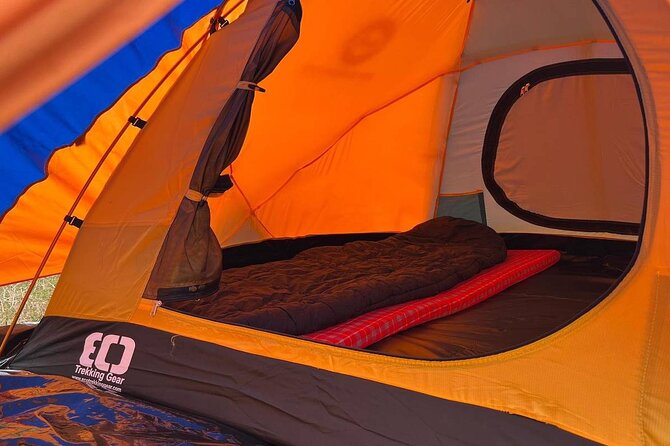
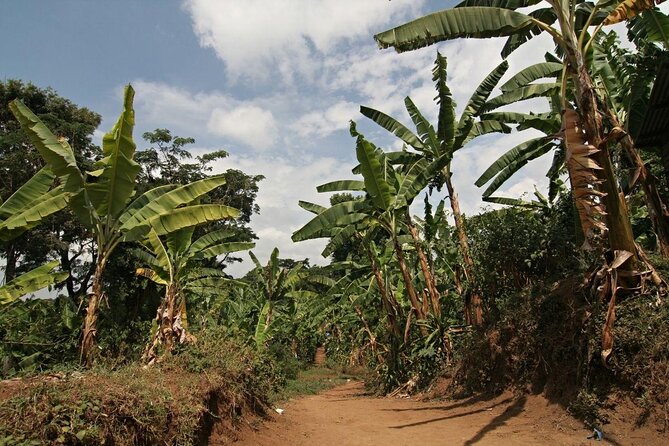
Your first real hiking day starts at Marangu Gate after paperwork and registrations. You begin hiking around 10:30 a.m., and you spend about 4 hours moving through rainforest.
This is a warm-up day in the truest sense. You get your legs working, you find your breathing rhythm, and you settle into the feel of the trail before altitude begins to press harder. You stop for lunch halfway, then continue to Mandara Huts, typically arriving around 2:00 p.m. to 3:00 p.m.
One of the neat perks here is that the program includes a short side option: a trip to Maundi Crater around 15 minutes away. It is a compact way to see the surroundings, including views noted toward Kenya and Northern Tanzania. It is also a good chance to take photos without turning the day into a longer expedition.
Facilities are practical. Bathrooms with running water are available at this stage. You will unpack, rest, and have tea or coffee, then dinner is served early evening, around 7:00 p.m.
A few more Arusha trips to compare
- Balloon Safari & Bush Breakfast in Serengeti – Miracle Experience
★ 5.0 · 1,646 reviews - Tanzania Classic – 7 Days
★ 5.0 · 1,151 reviews - 4 Days Group Camping Safari
★ 5.0 · 1,101 reviews - 5 Days Group Camping Safari
★ 5.0 · 730 reviews
Mandara Hut to Horombo Hut, Mawenzi Shows Up
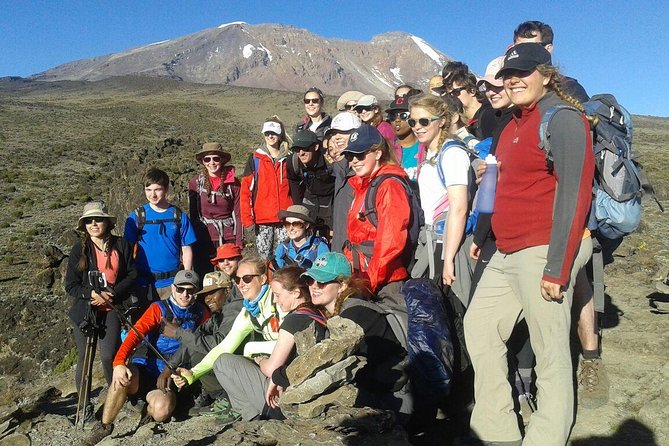
The next leg climbs you from roughly 2,720 m to 3,720 m. After breakfast around 7:30 a.m., you break camp about 8:30 a.m. and hike for about 5 to 6 hours to Horombo Hut.
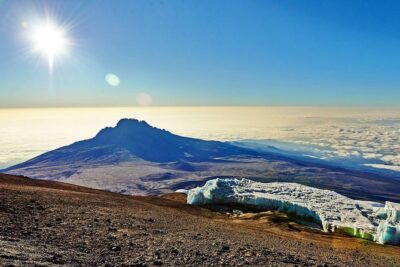
The vegetation shifts from rainforest to lower-heath land, with smaller shrubs taking over. This day matters because it introduces you to the long-view geography of Kilimanjaro. The program calls out that the views of Mawenzi are amazing, and you can also spot the summit of Kibo from the Horombo area.
That visual is psychological as much as it is scenic. Seeing the route’s endpoint while you are still “only” partway up helps you commit to the slow, steady effort. You arrive around 3:00 p.m., then rest, unpack, and dinner comes in the early evening. Bathrooms with running water are available again, which can feel like a small luxury after hours on the trail.
The Acclimatization Day at Horombo, Zebra Rocks and Altitude Training
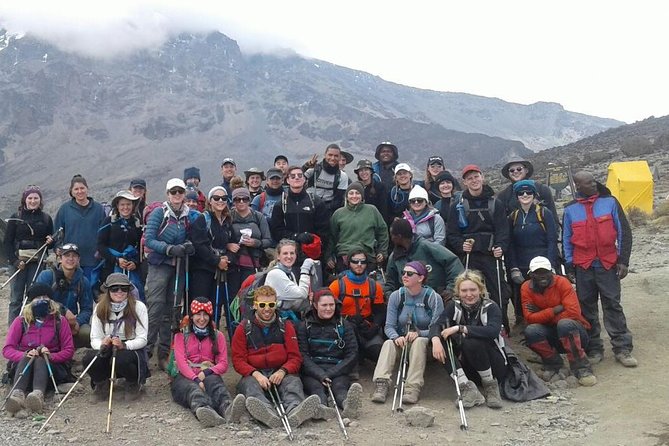
This is the heart of why many people like Marangu. You get an extra day at Horombo Hut at about 3,720 m for acclimatization. You stay put long enough for your body to adjust, instead of forcing a straight line toward higher altitude.
You train in a gentle, built-in way with time spent walking up to Zebra Rocks at around 4,100 m and back. You get the benefit of practicing altitude movement, not just sleeping under altitude stress. You also get time to familiarize yourself with what summit weather can feel like when conditions change fast.
For value, this day is hard to overstate. Summit day will be long, cold, and timed for sunrise. If you treat acclimatization as optional, you can feel it later. If you respect it, your “big day” becomes a controlled effort instead of a gamble.
Views here are called out as spectacular, which is the kind of upside you want during an acclimatization day, when your mind might otherwise wonder why you are not simply climbing higher.
Horombo to Kibo Hut and the Saddle’s Lunar Feeling
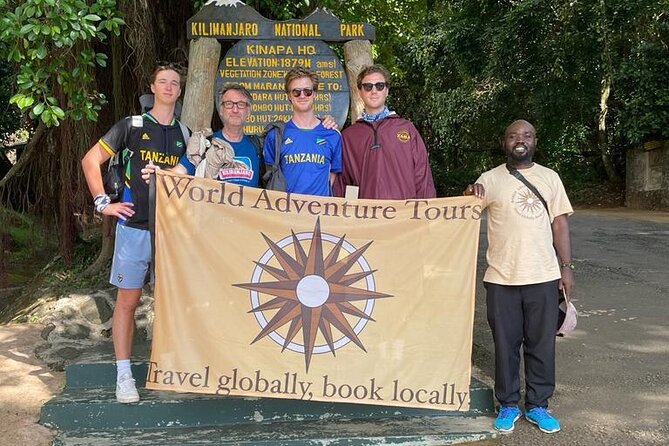
On this stage, you climb from about 3,720 m to 4,720 m, and you are typically hiking 6 to 7 hours. After breakfast, you start the hike and work your way through upper-heath land before entering the saddle area between Mawenzi and Kibo.
This is where Kilimanjaro changes character. The saddle is described as an alpine desert, and it can feel like a lunar landscape. The open terrain and the intensity of altitude make pacing feel even more important than usual. You also have to pay attention to signs of altitude sickness, and the program emphasizes listening to your body and communicating with your expert guide.
A practical note: there is no running water at Kibo Huts. Boiled water is included on the mountain, but you should still expect less convenience than at earlier hut stops.
You may also have the chance for sunrise photos if you wake before sun-up. That matters because sunrise can be a cue that conditions will be colder and more physical later, especially if you are preparing for the midnight summit start.
Midnight Summit Push to Uhuru Peak, Then Down to Horombo
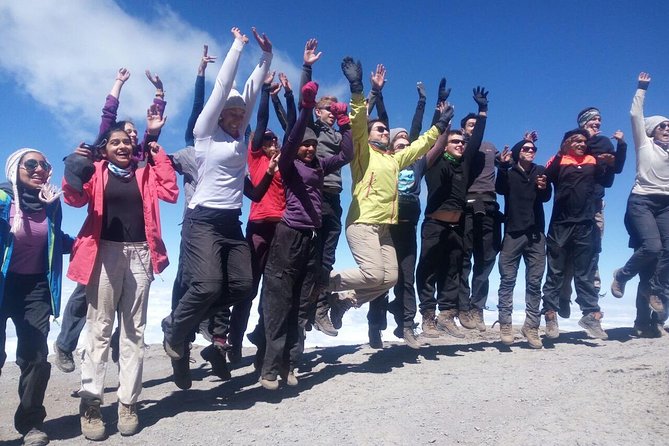
This is the day most people remember forever, and it is also the day where the timetable becomes real. You wake up around midnight for a light breakfast and then prepare for the summit ascent.
You leave at about 1:00 a.m. so you can reach Uhuru Peak at sunrise. The route description includes key checkpoints: you reach Gilman’s Point at about 7:00 a.m., and from there you get views of the crater, since Gilman’s Point is on the crater rim. Then you continue up for about another 2 hours, reaching Uhuru Peak around 8:30 a.m.
After the summit, you descend back to Kibo Huts, collect your things, and cross the saddle again toward Horombo Hut, where you spend the night. Expect that this “after summit” hiking is still tough. You will be tired, but your legs are also working on recovery mode, so steady movement matters.
Dinner and sleep follow at Horombo. And yes, this is the point where hut comfort matters again, because a long summit morning needs a decent place to rest afterward.
Descent to Mandara Hut, Then Back to Moshi Hot Showers
After the summit day, you wake, pack, and descend to Mandara Huts. You have lunch at Mandara, then continue to the park gate for transport back to Moshi. The program notes you should reach the gate around 2:00 p.m. to 3:00 p.m.
From there, you drive back to Moshi for the thing everyone looks forward to: a long overdue hot shower and an overnight at Springlands Hotel. That hot water is not a small perk. After days at altitude, it is a genuine reset for morale.
This is also where summit certificates are discussed as being issued. The program indicates successful climbers receive their summit certificates at Springlands Hotel. It also recommends tipping guides and porters. Tips are described as highly appreciated, and you can give them to the main guide at Springlands Hotel or via contact with local representatives at the hotel.
Guides, Support, and Small-Group Energy (Max 12)
This program caps the group size at a maximum of 12 travelers. That matters because Kilimanjaro is a slow, listening-required climb. Smaller groups make it easier for a guide to notice who needs extra encouragement, who is breathing too fast, or who is struggling to keep pace.
The support reputation looks strong in the names that come up. Past trips mention guides such as John and assistant Issa, plus Dustin for being attentive to health and needs, and lead guide Mmasa with a team including porters, cooks, and guides. You should still confirm who your crew will be when you book, but it is a good sign that multiple specific staff members have been credited for motivation and careful guidance.
Also included is Wi-Fi, which can be helpful for post-day contact. It will never replace the mountain, but it can help you stay connected after long hiking blocks.
Should You Book This Marangu 8-Day Kilimanjaro Program?
Book it if you want hut comfort, a classic route with practical services, and a plan that respects acclimatization with that extra Horombo day. If you are aiming for the sunrise summit schedule and you like the idea of structured, guided pacing with a small group size, this program is built for that style of climb.
Think twice if you are still deciding whether you are truly ready for altitude. Marangu can look easy on paper, but the lower success rate tied to unfit attempts is a real warning. If you choose Marangu, choose it with the mindset that you are training for altitude, not just hiking for distance.
If you are prepared to handle the basics, respect the schedule, and listen to your guide, this route offers a very workable way to chase Uhuru Peak with fewer camping hassles and more built-in support.
FAQ
Where do we meet for the climb?
You start at Springlands Hotel in Moshi (Springlands Hotel Moshi 1990, Moshi 25110, Tanzania). The activity ends back at the same meeting point.
How do airport transfers work?
On arrival at Kilimanjaro International Airport, you are picked up and transferred to your hotel in Moshi.
What kind of accommodation is used on Kilimanjaro?
Accommodation on the mountain is in huts on the Marangu route.
Are park fees and guides included?
Yes. Qualified guides with the mountain crew and national park fees are included.
What meals are included?
Breakfast, lunch, and dinner are included during the climb, and boiled water is provided on the mountain.
Is Wi-Fi included?
Yes, Wi-Fi is listed as included.
Is climbing gear included in the price?
No. Climbing gears are not included.
When do you start the summit ascent?
You leave for the summit around 1:00 a.m., and you are expected to reach Uhuru Peak around 8:30 a.m. (at sunrise).
What is the tipping expectation?
Tips are recommended for guides and porters. The program notes tips are highly appreciated and can be given to the main guide at Springlands Hotel.
Can I get a refund if I cancel?
No. The experience is non-refundable and cannot be changed for any reason.
Final Call: Who This Climb Fits Best
If your priority is a guided, hut-based Kilimanjaro experience with a sensible acclimatization plan, this Marangu 8-day program is a strong match. If you want to take altitude seriously and you are ready to follow the pacing advice, you will appreciate the structure. If you are uncertain about your fitness level for altitude, consider building more preparation time first, because Marangu’s “easy reputation” can trick the unready.
Just posted around Arusha
- 8 Days Serengeti Migration safari★ 5.0 · 11 reviews
- tarangire & ngorongoro 2 days tour★ 5.0 · 14 reviews
- tarangire, ngorongoro & lake manyara park 3 days private tour★ 5.0 · 11 reviews
- serengeti, ngorongoro & tarangire 4 days private tour★ 5.0 · 18 reviews
- serengeti & ngorongoro 3 days private tour★ 5.0 · 15 reviews
- climb the KILIMANJARO via Lemosho route★ 5.0 · 4 reviews
- Mt. Kilimanjaro: Shira plateau to Cathedral point 3872m Day hike★ 5.0 · 7 reviews
- Kilimanjaro Waterfalls Hike & Moshi Hot Springs Day Trip Tour★ 5.0 · 4 reviews
Kilimanjaro Climbs, compared.
8-Day Small-group Lemosho Kilimanjaro Summit Trekking
Read our review →
5 Days Best of Tanzania Luxury Safari Northern Circuit
Read our review →
Climbing Kilimanjaro through 7 days Machame Route
Read our review →