Reviewed · KILIMANJARO CLIMBS
Climb Kilimanjaro – Lemosho Route 7 Day Climb
Kilimanjaro can start quietly and go big. The Lemosho Glades approach feels far from the crowds, and on this route you’re also accompanied by an armed ranger because the forest holds plenty of wildlife.
What I really like: you get a sense of wild Africa before the altitude even starts messing with your breathing. And the route’s slower rhythm makes the summit feel more like a plan than a gamble.
You’ll also appreciate how well the operation is described by past hikers. In the small group setting (max 12), the trip is built around a dependable team setup, with guides like Gabriel, Izadin, and Kimbi called out by name, plus a chef such as Salim praised for mountain meals. That staff support matters on a climb this long, especially when the schedule gets serious.
One possible drawback: this is still a hard, high-altitude trek. Expect wind on exposed ridges, cold night starts, and long days like the Stella Point push that can run 15+ hours total. If you get spooked by discomfort, plan ahead.
In This Review
- Key points that matter on the Lemosho 7-day climb
- The Lemosho Glades route: why it feels different from the start
- Timing, group size, and fitness reality checks
- Day 1 in Moshi: your arrival night matters more than you think
- Day 2 to Mt. Mkubwa: Park Gate to Shira-area foothills
- Day 3 to Shira Camp: acclimatization with a steady pace
- Day 4 to Shira Camp 2: the classic “small gain” day
- Day 5 toward Lava Tower: the semi-desert tough day
- Day 6 on the ridge: wind, cold prep, and summit-night gear checks
- Day 7: the Stella Point climb and Uhuru Peak push at night
- Day 8: Mweka Gate descent, hot lunch, and your shower reset
- Day 9: depart from Kilimanjaro with the mountain off your calendar
- Price and value: what you’re really paying for at $2,280
- The team experience: what you can infer from the guide names
- Should you book the Lemosho 7-day climb?
- FAQ
- How long is the Kilimanjaro Lemosho route climb?
- Where do you stay before and after the climb?
- What time does the climb start?
- What is the maximum group size?
- Is airport pickup included?
- Are meals included on the mountain?
- What about park fees and rescue fees?
- What is not included in the price?
- Is mountain gear available to hire?
- What does the summit achievement certificate depend on?
- What is the cancellation policy?
Key points that matter on the Lemosho 7-day climb
- Remote Lemosho Glades feeling: less-used Shira Plateau country, a more “out there” start than some common routes
- Armed ranger included: a rare safety feature here because wildlife is part of the setting
- Built-in acclimatization days: Shira Camp and Shira Camp 2 help you adjust before the steeper work
- Lava Tower day is the turning point: semi-desert, scree, and a long push up then a useful descent
- Stella Point sunrise is the showpiece: a 6-hour climb to the crater rim, then Uhuru Peak if conditions cooperate
- You finish with a real reset: Mweka village down, then a hot lunch and a shower at Springlands Hotel, plus certificates
The Lemosho Glades route: why it feels different from the start
I like Lemosho because it doesn’t rush you into altitude stress. Instead, it builds in altitude gradually while you move through the Shira Plateau area, which tends to feel more open and scenic than the tightest, most crowded approaches. Even before you’re high on the mountain, the drive into the area is described as one of the best chances on Kilimanjaro for big-game viewing, so you get a safari-like start to a mountain trip.
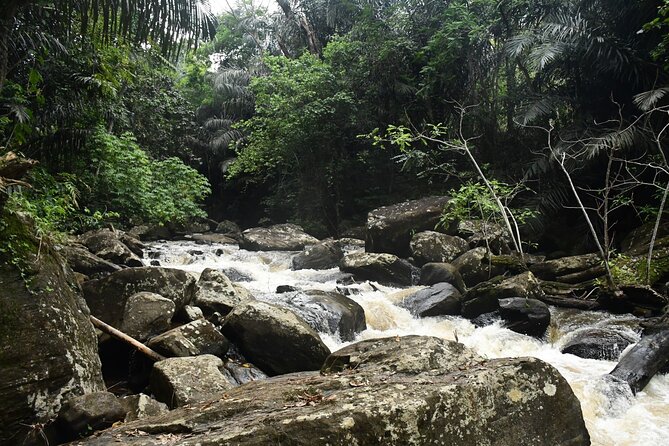
Another detail I’d treat as a big deal: this route includes an armed ranger. That’s not marketing fluff. It reflects the reality that the forest around the Lemosho glades is alive with wildlife. For many climbers, knowing there is ranger presence makes the early days feel calmer and more structured.
Also, this route has a practical connection to other summit strategies. Lemosho can connect toward the Western Breach Route or join the easier Barafu route depending on how the expedition is run. On your end, what matters is that the plan you’re on is designed to give you a shot at acclimatization plus a summit opportunity, not just a straight line to the top.
More Kilimanjaro climbs:
- 8-Day Small-group Lemosho Kilimanjaro Summit Trekking
★ 5.0 · 186 reviews - 5 Days Best of Tanzania Luxury Safari Northern Circuit
★ 5.0 · 174 reviews - 7-Day Machame Kilimanjaro Summit Tour from Arusha
★ 5.0 · 125 reviews
Timing, group size, and fitness reality checks
This climb runs about 9 days total, with a 7-day climb inside that schedule. Your start time is 9:00 am, and the trip uses a small group model, capped at 12 travelers. That usually means fewer people to navigate through, more space to keep your pace slow when you need it, and easier coordination when the night climb starts.
The operator describes the physical level as moderate fitness. That doesn’t mean it’s easy. It means you’ll do better if you can handle long hiking hours with a steady effort and you can move at a calm pace for acclimatization days. The itinerary includes some tough stretches, plus a summit night that starts around 23:30.
If you want a “set it and forget it” trip, this one isn’t that. You’ll need to follow instructions, manage cold and wind, and keep your pace steady even when you feel it in your lungs.
Day 1 in Moshi: your arrival night matters more than you think
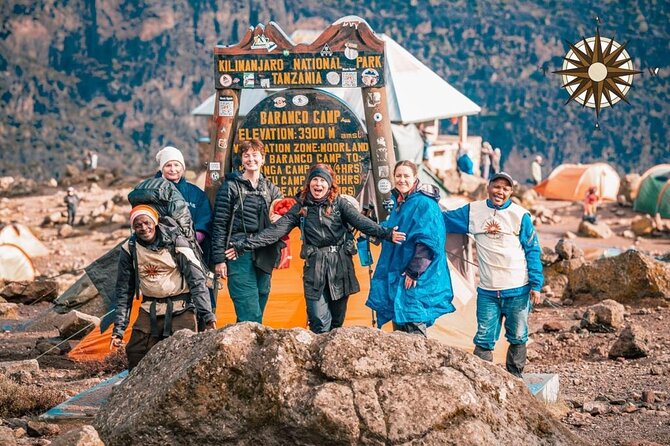
You land at Kilimanjaro International Airport, then you’re picked up and transferred to Springlands Hotel in the Moshi area for an overnight bed and breakfast stay. This is a smart buffer. It helps you avoid trying to start altitude hiking right after travel fatigue.
What you can expect on this first day is mostly logistics and rest. The goal is simple: sleep, eat, get organized, and show up to the 9:00 am start feeling human.
Day 2 to Mt. Mkubwa: Park Gate to Shira-area foothills
After breakfast, you drive about 5 hours to the Londorosi Park Gate. This drive through the Shira Plateau area is one of the best chances on Kilimanjaro to see large animals, which makes it feel like the start of a safari, not a bus ride to a trail.
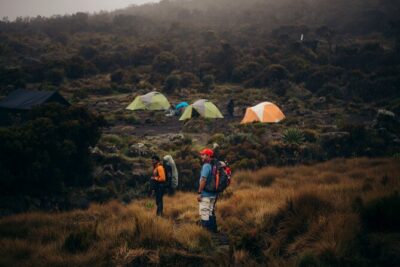
Then you hike to Mt. Mkubwa camp: about 5 km and roughly 3 hours, climbing from about 2,200 m to 2,600 m. It’s a short day physically, which is exactly what you want as your body starts adjusting.
By the time you arrive, you set up camp and enjoy dinner. I like this day because it’s long enough to get moving, but not so long that you feel wrecked before acclimatization even begins.
A few more Arusha trips to compare
- Balloon Safari & Bush Breakfast in Serengeti – Miracle Experience
★ 5.0 · 1,646 reviews - Tanzania Classic – 7 Days
★ 5.0 · 1,151 reviews - 4 Days Group Camping Safari
★ 5.0 · 1,101 reviews - 5 Days Group Camping Safari
★ 5.0 · 730 reviews
Day 3 to Shira Camp: acclimatization with a steady pace
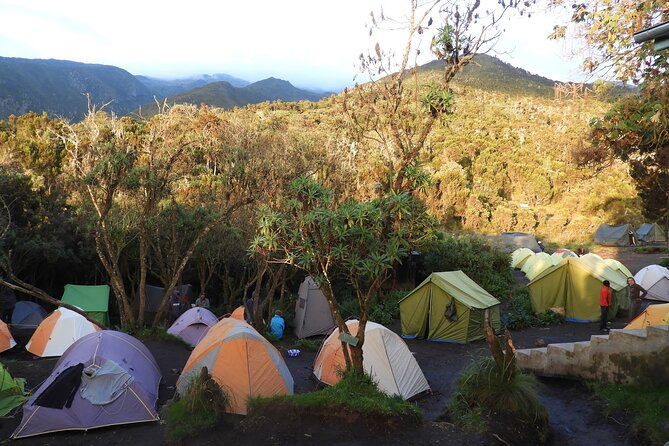
Day 3 is still about adjustment. You hike from Mti Mkubwa to Shira Camp, around 10 km and 4 to 5 hours, at roughly 2,600 m to 3,600 m. The key is that the route takes a calm pace. The itinerary specifically calls out that you need a steady approach for acclimatization, not a speed run.
You’ll also have a sense of scale here. The west face of the Kibo volcano looms above the campsite, so you’re not just walking by altitude numbers. You’re seeing what you’re building toward.
After lunch and camp setup, you can rest, or take a day hike through the lower moorland where shrubs and wildflowers show up. Even when you keep your pace slow, the scenery helps pass the time in a good way.
Day 4 to Shira Camp 2: the classic “small gain” day
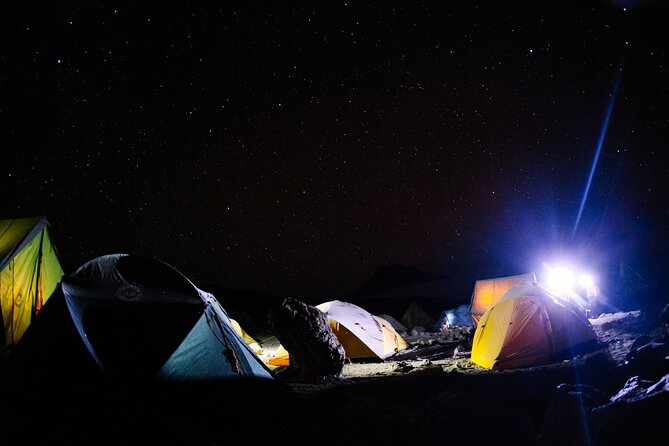
Day 4 is another acclimatization day designed to reduce the risk of altitude stress. You move from Shira Camp to Shira Camp 2, about 10 km and 5 to 6 hours, at roughly 3,600 m to 3,840 m.
This is the kind of day where you don’t need to push. You break camp, hike up a manageable amount, and make camp. It sets you up for the bigger work later, especially the Lava Tower push.
Day 5 toward Lava Tower: the semi-desert tough day
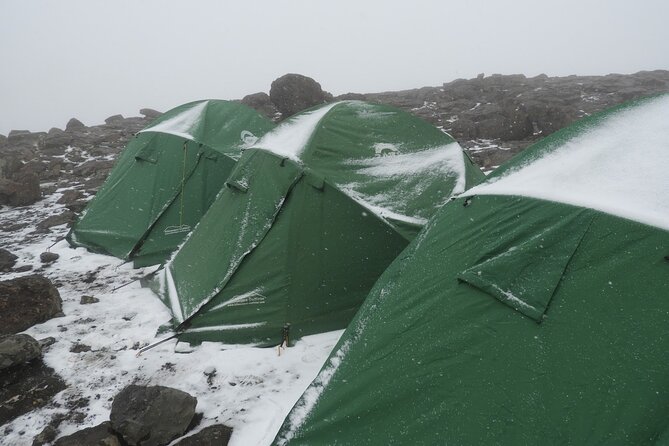
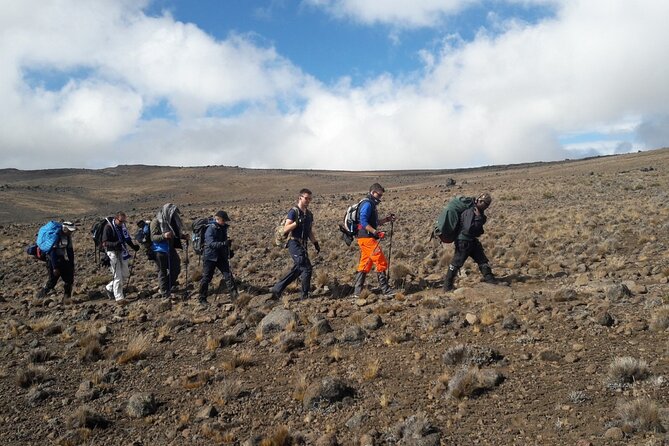
This is where the itinerary starts turning from “get used to it” into “earn it.” You hike into a semi-desert and rocky terrain around Lava Tower. Distance is about 11 km with 7 to 8 hours hiking time.
You start around 3,840 m to 3,940 m, climb up toward about 4,600 m, then after lunch you ascend a rocky scree path. The itinerary calls this the toughest day so far, and it’s also the point where some climbers start feeling symptoms like breathlessness, irritability, and headaches.
After reaching Lava Tower, you descend again almost 680 m to the Barranco camping area. That descent is not just “walk down and suffer less.” It’s the acclimatization logic working. You’re letting your body recover slightly while keeping the altitude benefit.
If you tend to worry when you feel altitude symptoms, take comfort here. This day is built into the program on purpose, and it’s one of the reasons the later summit attempt has a real chance.
Day 6 on the ridge: wind, cold prep, and summit-night gear checks
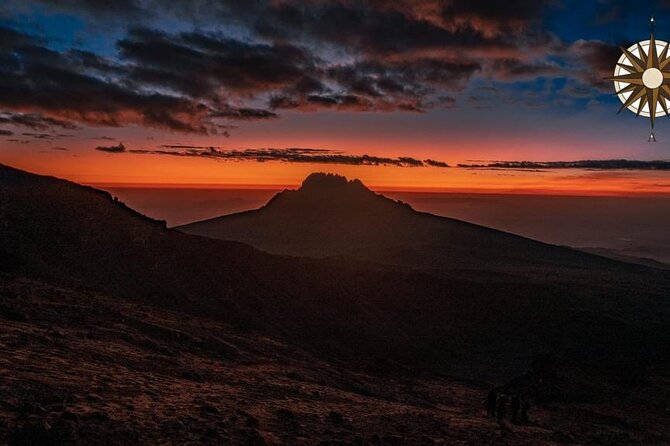
Day 6 runs from about 3,960 m to 4,640 m, with around 11 km and 7 to 8 hours hiking. The itinerary warns you’ll be exposed to gales, pitching tents on a narrow, stony, and dangerous ridge. Before dark is when you should familiarize yourself with the terrain, because that’s when you can move safely and understand the ground.
This day also includes summit-night preparation. The summit attempt is made the same night. You’ll prepare ski sticks and thermal clothing, and the itinerary is very specific about gear checks: replace your headlamp and camera batteries, and carry a spare set. You’ll also want water stored in a thermal flask to reduce freezing.
Then you’re told to go to bed early, around 19:00, and aim for about 5 hours of sleep. For me, that’s the biggest mental trick of the day. You need to treat sleep like a tool, not a luxury.
Day 7: the Stella Point climb and Uhuru Peak push at night
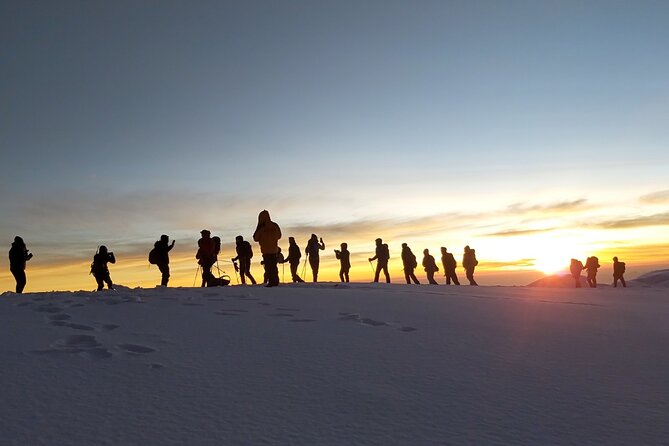
Day 7 starts brutally early: rise around 23:30, tea and biscuits, then off into the night. You head northwest through heavy scree toward Stella Point on the crater rim.
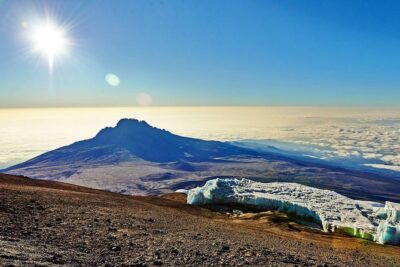
The walking to Stella Point is typically the most challenging segment on the route, around 6 hours. Stella Point is about 5,685 m, and you stop there for rest. Then, if the weather cooperates, you get one of the most memorable sunrise moments you’re likely to see on Kilimanjaro.
From Stella Point, the ascent continues for about 2 hours to Uhuru Peak at roughly 5,895 m. Snow is often encountered along the way. How long you stay on the summit depends on conditions, especially wind and visibility.
Total hiking time is listed as 15+ hours. This is why your earlier acclimatization pacing matters. If you arrived here with a steady pace mindset, your body is more likely to handle the long effort.
Day 8: Mweka Gate descent, hot lunch, and your shower reset
After breakfast, you continue down from the Mweka Gate into Mweka village, where the walk is normally muddy and can feel long. You then drive back to Springlands Hotel.
At Springlands, you get a hot lunch and a long-awaited shower. This is a real morale boost. It’s also where you start to feel the full payoff of the summit effort, even if your legs are tired and your brain is done bargaining with gravity.
There’s also a meaningful ceremony detail tied to achievement: climbers who reach Stella Point (5,685 m) receive green certificates, and those who reach Uhuru Peak (5,895 m) receive gold certificates.
Day 9: depart from Kilimanjaro with the mountain off your calendar
Day 9 is a quick transfer. After an early breakfast, you’re moved to Kilimanjaro airport for your departure flight home, about 30 minutes.
This is the day to keep your packing simple. You’ve already earned your recovery time. Just don’t underestimate how tired you can feel after summit-level exertion and a long descent day.
Price and value: what you’re really paying for at $2,280
At $2,280 per person, this isn’t a cheap trek. But the value case looks strong because the price covers a big chunk of what typically costs money on Kilimanjaro:
Included items you should care about:
- All fees and taxes
- Rescue fees
- Tents and sleeping mattresses
- Guides and porters salaries
- All meals on the mountain
- Transportation between Moshi and the starting point on the mountain and back
- Airport pickup
- Two nights accommodation in Moshi (bed and breakfast), with dinner and multiple breakfasts and lunches listed in the package
Not included, so you’ll need to budget:
- Flights in and out of Tanzania
- Tanzania visa (USD 50)
- Travel and health insurance
- Single room supplement at Springlands Hotel (USD 50 per person)
- Mountain gear hire (sleeping bags, clothes, shoes), though gear hire is available
- Guide, porter, and cook tips (optional), listed as USD 250 to 350 per person
Here’s how I’d think about the cost. You’re paying for safety systems (including rescue fees), the logistics machine (tents, mattresses, staff), and the fact that you don’t have to coordinate food and cooking at high altitude. That’s the heart of the Kilimanjaro expense, and this package already covers most of it.
The team experience: what you can infer from the guide names
Even without claiming personal firsthand history, I can tell you something practical from the guide names and team roles that show up in feedback. People consistently highlight communication and the calm leadership feel they needed during decision points.
Names that came up in connection with this style of trek include:
- Gabriel, praised for responsive communication and support before and during the trip
- Izadin, mentioned as an outstanding guide
- Kimbi, highlighted as excellent
- Salim, called out as delivering delicious meals as chef
- Porter teams, frequently described as providing day-to-day support
- Other trip personnel like Rashid and Papuu being mentioned in a combined Kilimanjaro and safari booking context
What matters for you: this is a small-group climb where the guide and cook system is doing a lot of work behind the scenes. When the summit night hits, your success often comes down to following guidance, staying warm, and keeping your pace steady, not just “having strong legs.”
Should you book the Lemosho 7-day climb?
Book it if you want a route that feels remote at the start, you’re okay with a long trek rhythm, and you like the idea of an armed ranger safety component on the Lemosho glades forest approach. The acclimatization structure also fits people who prefer steady gains, not constant max effort.
Think twice if you know you struggle with cold nights, wind exposure on ridges, or long, grinding hours like the climb to Stella Point and the summit push. This itinerary gives you rest where it can, but it still asks you to handle serious altitude walking.
If you do book, do three practical things early:
- Train for long hours with a moderate pace, not just short hard hikes
- Plan for summit-night gear checks, including headlamp and battery replacements
- Budget for the items not included, especially the visa (USD 50) and optional tips
If that sounds like your kind of challenge, this Lemosho route is a strong pick for a Kilimanjaro climb that blends wildlife-aware safety with a real acclimatization plan.
FAQ
How long is the Kilimanjaro Lemosho route climb?
The full program runs about 9 days total, and it includes a 7-day climb portion on the mountain.
Where do you stay before and after the climb?
You stay in Moshi at Springlands Hotel for two nights: one arrival night and one night after the descent.
What time does the climb start?
The start time is listed as 9:00 am.
What is the maximum group size?
The maximum number of travelers is 12.
Is airport pickup included?
Yes, airport pickup is included.
Are meals included on the mountain?
Yes. Guides, porters, and cooks’ accommodation and entry fees on the mountain are included, along with mountain meals (breakfast, lunch, and dinner during the climb days).
What about park fees and rescue fees?
All fees and taxes are included, and rescue fees are included as well.
What is not included in the price?
Not included are flights, Tanzania visa (USD 50), travel and health insurance, single room supplement (USD 50 per person), mountain gear hire, and tips for guides, porters, and cook (optional, USD 250 to 350 per person).
Is mountain gear available to hire?
Yes. Mountain gear hire is available, including items like sleeping bags, clothes, and shoes.
What does the summit achievement certificate depend on?
Reaching Stella Point (5,685 m) earns a green certificate, and reaching Uhuru Peak (5,895 m) earns a gold certificate.
What is the cancellation policy?
This experience is non-refundable and cannot be changed for any reason. If you cancel or ask for an amendment, the amount paid is not refunded.
Just posted around Arusha
- 8 Days Serengeti Migration safari★ 5.0 · 11 reviews
- tarangire & ngorongoro 2 days tour★ 5.0 · 14 reviews
- serengeti, ngorongoro & tarangire 4 days private tour★ 5.0 · 18 reviews
- tarangire, ngorongoro & lake manyara park 3 days private tour★ 5.0 · 11 reviews
- serengeti & ngorongoro 3 days private tour★ 5.0 · 15 reviews
- climb the KILIMANJARO via Lemosho route★ 5.0 · 4 reviews
- Mt. Kilimanjaro: Shira plateau to Cathedral point 3872m Day hike★ 5.0 · 7 reviews
- Kilimanjaro Waterfalls Hike & Moshi Hot Springs Day Trip Tour★ 5.0 · 4 reviews
Kilimanjaro Climbs, compared.
8-Day Small-group Lemosho Kilimanjaro Summit Trekking
Read our review →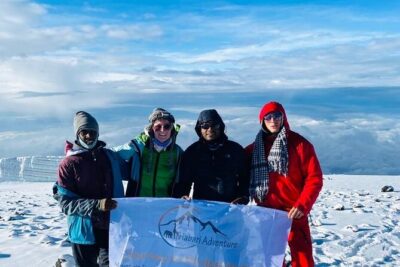
5 Days Best of Tanzania Luxury Safari Northern Circuit
Read our review →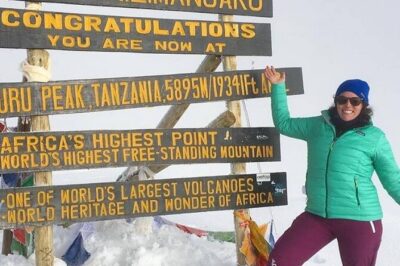
Climbing Kilimanjaro through 7 days Machame Route
Read our review →