Reviewed · KILIMANJARO CLIMBS
8 Days Mountain Kilimanjaro Lemosho Route
Kilimanjaro rewards the calm, steady climber. On the Lemosho route, you get a classic mix of thick rainforest, open savannah grasses, and volcanic rock, all while building altitude with the goal of keeping you safer. I like that the operator is active in KPAP so porters are treated well and paid fairly.
What you’ll like most is how “taken care of” this feels on the mountain. You get clean water, meals, and camping gear, plus a sleeping bag, so you can focus on pace, breathing, and staying warm instead of hauling logistics into the wild.
The main drawback is also the whole point: summit night is hard. You start around midnight, it can be brutally cold with wind, and you need to be ready for a long, steep, mentally demanding climb at very high elevation.
In This Review
- Key things that make this Kilimanjaro Lemosho climb worth your time
- Why the Lemosho route makes altitude feel less scary
- Price and value: what $2,840 buys you on Kilimanjaro
- From Lemosho Gate into the rainforest: your first day sets the tone
- Shira Ridge and Shira 1 to Shira 2: moorlands and the first big Kibo views
- Lava Tower to Barranco: the weird beauty of alpine desert
- Great Barranco Wall to Karanga: steep but non-technical
- The route’s short days: your body needs the “pause” before Barafu
- Summit night to Uhuru Peak: the midnight climb and the sunrise payoff
- Descent to Mweka Gate and back to Moshi: collect your summit certificate
- Camps, meals, and gear: why “included” matters more than comfort alone
- Acclimatization you can feel: time higher, then back down
- Your crew and the ethics side of Kilimanjaro staff care
- Who this trek fits best, and who should rethink it
- Should you book the 8 Days Kilimanjaro Lemosho route with African Polecat Safaris?
- FAQ
- What time does the trek start?
- Is pickup offered?
- What’s included in the price?
- What is not included?
- Is this a private tour?
- What is the cancellation policy?
Key things that make this Kilimanjaro Lemosho climb worth your time
- Lemosho’s gradual climb through multiple habitats, starting in rainforest and working up through moorland and alpine desert
- Shira Plateau walking on one of the highest plateaus on Earth, with options for acclimatization
- Flexible day walks built around your group’s needs, using a route plan that can fit a 7 or 8-day journey
- Real acclimatization moments, including time spent higher on summit-bound days
- Chef, food, water, and gear handled, with sleeping bag and camp setup included
- KPAP membership that supports ethical porter treatment and fair pay
Why the Lemosho route makes altitude feel less scary
The Lemosho route is popular for one simple reason: it doesn’t rush you. You start lower in the forest zone, then gradually shift upward through different vegetation and terrain. That matters because your body has to adjust as oxygen levels drop. Even when you are hiking steadily, the altitude is still the boss.
Along the way, you’ll move from rainforest into open country with tall grasses, heather, and volcanic rock draped with lichen. Later, you’ll spend time in moorlands and heath, then into alpine desert, and finally into the arctic zone near the summit. That variety keeps your brain engaged. It also gives your legs different kinds of work, instead of repeating the same uphill style all week.
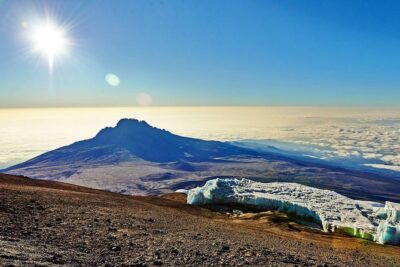
The Shira Plateau section is one of the most memorable parts. It’s described as one of the highest plateaus on Earth, and when you cross moorland meadows at high altitude, the air feels thin in a way that’s hard to forget. You’ll likely get your first big views of Kilimanjaro’s Kibo across the plateau too, which helps summit day feel real instead of theoretical.
More Kilimanjaro climbs:
- 8-Day Small-group Lemosho Kilimanjaro Summit Trekking
★ 5.0 · 186 reviews - 5 Days Best of Tanzania Luxury Safari Northern Circuit
★ 5.0 · 174 reviews - 7-Day Machame Kilimanjaro Summit Tour from Arusha
★ 5.0 · 125 reviews
Price and value: what $2,840 buys you on Kilimanjaro
At $2,840 per person for an 8-day trek, this is not a budget hike. But for Kilimanjaro, it’s a “what you’re really paying for” kind of price.
Here’s what’s included that saves you money and stress:
- All fees and taxes
- Clean water
- Camping gear
- Sleeping bag
- Meals for 7 breakfasts, 7 lunches, and 7 dinners
That coverage matters. On Kilimanjaro, you’re paying for more than your hiking days. You’re paying for the permits, the staff system that keeps food and camp running, and the mountain infrastructure that lets you sleep at altitude instead of carrying everything yourself.
Pickup is offered, and you’ll receive a mobile ticket. Also, this is described as a private tour/activity, meaning it’s just your group rather than sharing the camp experience with strangers.
What is not included:
- Tips
- Travel insurance
- Visa
- Flights
The practical takeaway: if you already have flights and a plan for tips and insurance, this package can feel straightforward. If you still need to secure visas and insurance, budget time for that early so it doesn’t rattle your prep.
From Lemosho Gate into the rainforest: your first day sets the tone
The trek begins with a drive from Arusha toward the park, then into the forest zone. You’re picked up right after breakfast, and the day includes time to connect with your crew and gear up for the hike.
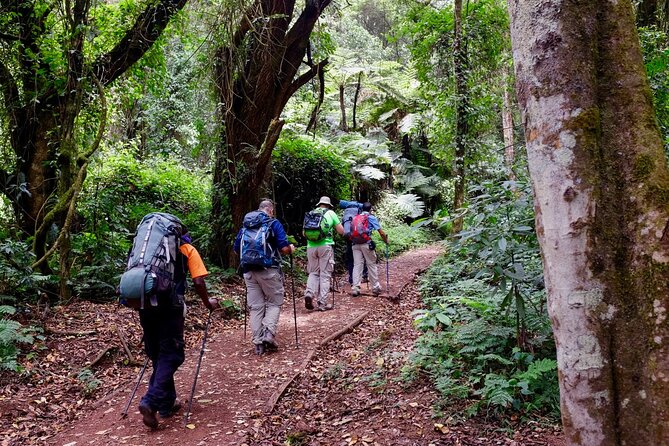
Your first hiking push is a 3 to 4-hour climb to Mti Mkubwa (Big Tree) Camp. You’re moving through thick rainforest, and that’s the kind of environment where the mountain feels alive. One specific wildlife detail to watch for is the Colobus Monkey, a great reminder that you’re not just hiking a trail, you’re hiking an ecosystem.
If you’re the kind of hiker who likes to ease in and get used to the rhythm, that forest start is a gift. Your body warms up gradually, and you learn how your breathing changes on inclines without jumping straight into high-altitude strain.
Potential consideration: rainforest weather can be damp. Even if this is a shorter day, expect moisture. Your best friend on these trails is quick-drying clothing and a plan for keeping electronics protected.
Shira Ridge and Shira 1 to Shira 2: moorlands and the first big Kibo views
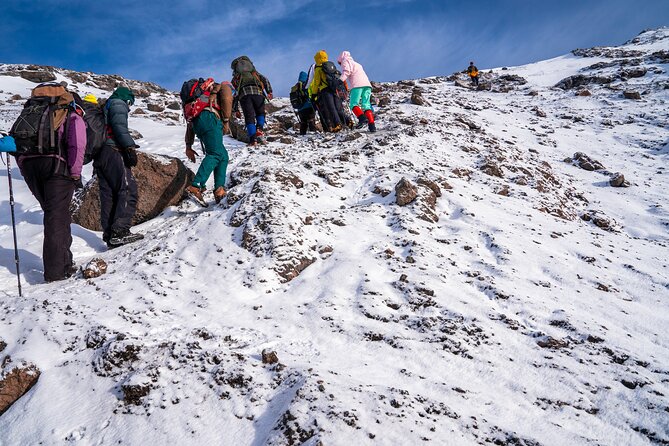
Day two and three shift you out of rainforest into rolling high ground. The trail moves from 9,498 ft to 11,500 ft with a hike described at 8 km and 5 to 6 hours. You’ll pass through savannah of tall grasses, heather, and lichen-covered volcanic rock, then cross streams while you climb toward Shira Ridge.
From there you reach Shira 1 Camp, with the itinerary noting a first glimpse of Kibo across the plateau. For many hikers, that view is a mental milestone. Kibo is the summit target, so seeing it early helps you measure your progress.
On the next segment, you go up again from 11,500 ft to 13,800 ft with a longer effort: about 11 km and 5 to 7 hours. You spend a full day exploring the Shira Plateau and then head toward Shira 2 Camp. There’s also mention of a detour to Moir Hut at the base of the Lent Hills, described as a little-used acclimatization opportunity.
This matters because moorland and heath at high elevation can feel like you’re “not gaining much,” but your body is still doing the work. Those long plateau hours are the kind of effort that can make summit day feel more doable later.
A few more Arusha trips to compare
- Balloon Safari & Bush Breakfast in Serengeti – Miracle Experience
★ 5.0 · 1,646 reviews - Tanzania Classic – 7 Days
★ 5.0 · 1,151 reviews - 4 Days Group Camping Safari
★ 5.0 · 1,101 reviews - 5 Days Group Camping Safari
★ 5.0 · 730 reviews
Lava Tower to Barranco: the weird beauty of alpine desert
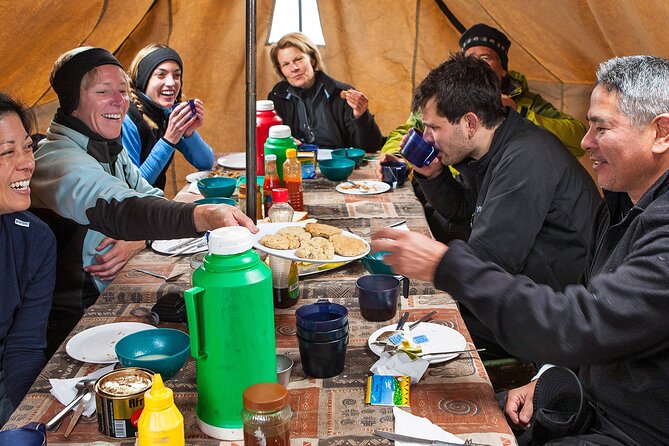
This part of the trek is where the scenery gets strange in a good way. You start at about 13,800 ft and head up toward Lava Tower, reaching roughly 15,190 ft. The hike is described as 7 km over 3 to 4 hours.
Lava Tower itself is described as a 300 ft tall volcanic rock formation, which sounds dramatic because it is. You climb above a landscape that feels sculpted rather than grown. Then you descend to Barranco Camp, with a noted altitude shift from around 15,190 ft down to 13,044 ft.
The itinerary calls out Senecio Forest on the descent. That’s the kind of detail that tells you the guide will be moving you through micro-zones, not just point-to-point climbing. And even when you end the day at the same altitude you started, the time you spend higher is described as beneficial for acclimatization. That is the core of smart high-mountain trekking: sometimes the “big” climb is less about distance and more about safe exposure to altitude.
Great Barranco Wall to Karanga: steep but non-technical
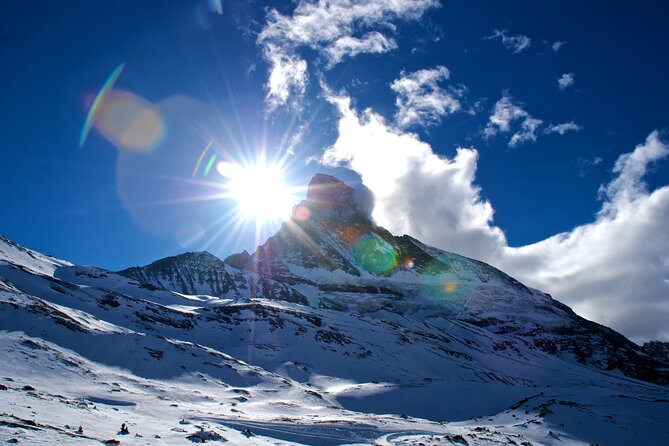
The next day includes what many hikers remember as their first real “workout” after the plateau. You go from Barranco Camp to Karanga Camp at about 13,044 ft to 13,106 ft.
Distance is short, around 5 km, with 2 to 3 hours of hiking. But the route includes a descent into a ravine, then the climb up to the Great Barranco Wall. It’s described as non-technical, yet steep, with nearly 900 ft of climb.
That combination is important: non-technical means you don’t need ropes or scrambling skills. Steep means your legs will feel it. The good news is that Karanga is meant as a shorter acclimatization day. In plain terms, you don’t pay for that wall with a full marathon, which helps you recover before the final push toward summit.
The route’s short days: your body needs the “pause” before Barafu
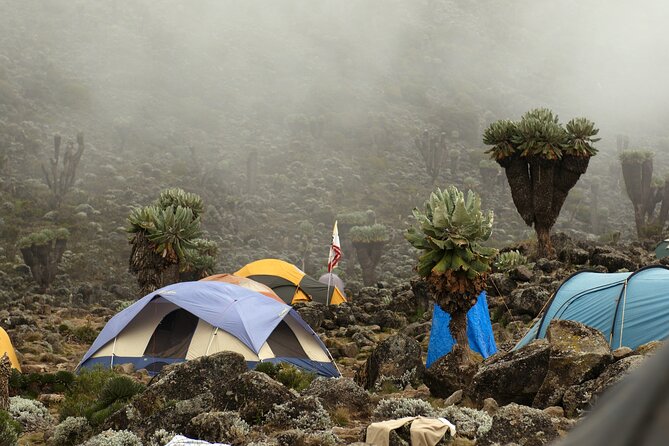
From Karanga, you move to Barafu Camp at about 13,106 ft to 15,331 ft. This day is described as 4 km over 1 to 2 hours. Yes, it’s short. That’s intentional.
You reach the junction connecting with the Mweka Trail, then continue up to the rocky section and into camp. This is the stage where your mind starts counting hours toward the summit window.
An important note here is the mention that you’ve completed the Southern Circuit by the time you reach Barafu. From Barafu, you can see both Mawenzi and Kibo. That view is one of those rare moments where you feel like the mountain is explaining itself. It’s also a reminder that summit day isn’t some random cliff at the top. It’s a destination you can actually imagine.
Summit night to Uhuru Peak: the midnight climb and the sunrise payoff
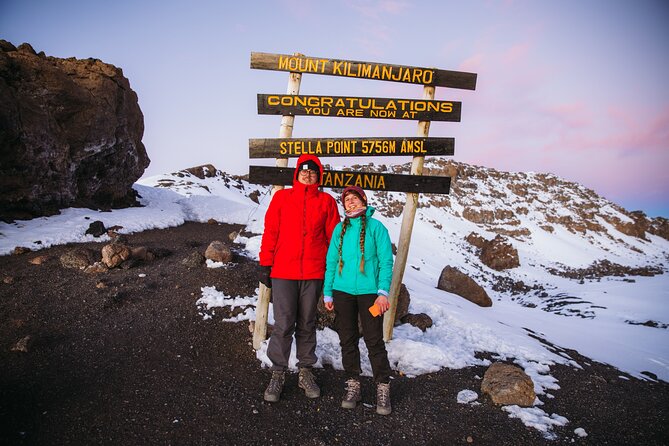
The summit day starts very early, around midnight. The climb goes from about 15,331 ft up to Uhuru Peak at roughly 19,341 ft.
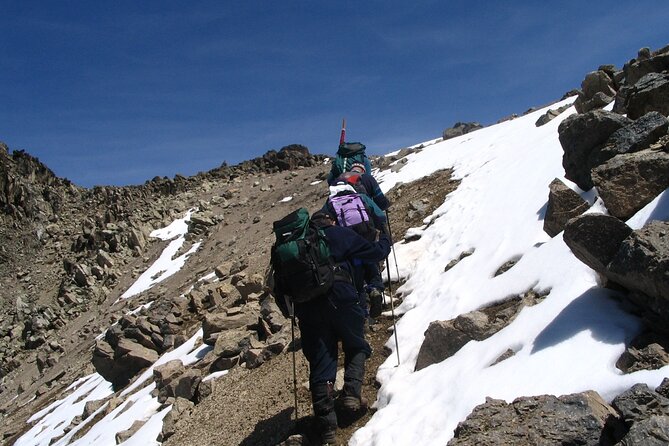
Hiking time is listed as 6 to 8 hours over about 6 km. That might sound “short on paper,” but this is not a normal hike. You’re climbing in the cold dark with wind and low oxygen. Short breaks are part of the plan, not a failure.
Near Stella Point at around 18,900 ft, the payoff is described: you’ll likely see the most magnificent sunrise, coming over Mawenzi. Even if the sunrise is cloudy, the moment of reaching the top rhythm is still the kind of mental click that hikers talk about for years afterward.
One more reality check: if you’re prone to getting cold, summit day will test that. If you’re prone to panicking when you feel uncomfortable, you’ll need a steady head. This trek is built for patience. You don’t go fast. You go controlled.
Descent to Mweka Gate and back to Moshi: collect your summit certificate
After the summit, you descend to Mweka Camp and later down to Mweka Gate. The day includes 2 to 3 hours of hiking for about 10 km, moving from 10,065 ft to 5,380 ft.
Lower on the mountain, conditions can be wet and muddy. That’s not unusual. Plan on wet socks and slower footing. The good news is that your biggest altitude challenge is over by then. The trekking becomes more about balance, careful steps, and letting your body recover.
At Mweka Gate, you collect your summit certificates. After that, you continue about an hour to Mweka Village, where a vehicle meets you to return you to your hotel in Moshi.
Camps, meals, and gear: why “included” matters more than comfort alone
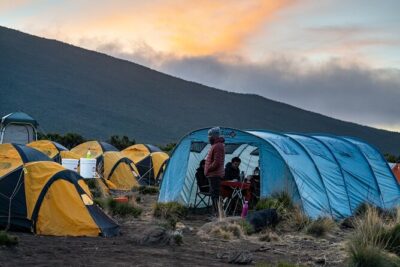
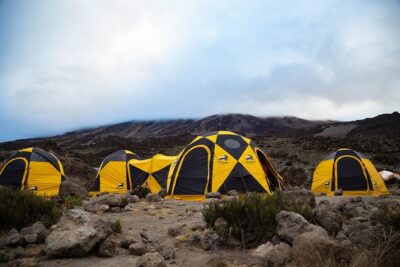
Many people picture Kilimanjaro camps as pure hardship. Reality is a little more practical. When you’re on a high-altitude trek, the difference between struggling and functioning is often simple stuff: warm sleep, a reliable meal, and water you don’t have to worry about.
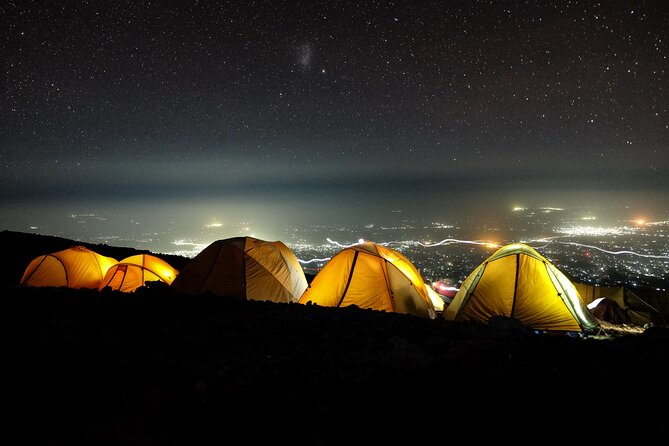
In this package, you’re provided with camping gear and a sleeping bag, plus clean water throughout. Breakfast, lunch, and dinner are built into the plan for the full trekking days. That means your day-to-day energy is supported in a way that’s hard to DIY if you don’t travel with a full crew.
What you should still bring:
- Layers for cold mornings and a summit-night climb
- Rain protection for forest and lower-elevation wet patches
- A headlamp for dark starts and summit darkness
- A small daypack for essentials like snacks, water, and layers
Also, since the tour is private, your group’s pace and needs are more controllable. That can matter on the descent when your legs feel tired and your focus shifts to finishing safely.
Acclimatization you can feel: time higher, then back down
If you’ve never done a high-altitude trek, the hardest part to understand is that acclimatization is not just “going higher.” It’s repeating the right pattern: go up, then rest or come down in a controlled way.
This trek uses that logic multiple times:
- The early days in Shira and around Moir Hut give your body time in high terrain before you push higher.
- The Lava Tower to Barranco move includes a “higher exposure” day, then a descent. The itinerary explicitly notes that time spent higher is beneficial even if your start and end elevations are similar.
- The Karanga day is shorter, meant for acclimatization after a steep climb.
- The Barafu day is short too, giving you rest before summit night.
As a practical tip: treat the “short” days like the most important days. Many people get tempted to hike faster to bank energy. On Kilimanjaro, you want energy, but you also want consistent acclimatization. Let your guide set pace and take breaks when asked.
Your crew and the ethics side of Kilimanjaro staff care
One theme that comes through strongly is the quality of leadership and the team vibe. Guides named in feedback include John Danford as head guide, and James as a key point of contact before and during planning. People also mention John and Chris as part of guide support.
Why this matters to you: on summit day, it’s not just about legs. It’s about communication. Good guidance helps you manage effort, interpret weather and trail conditions, and stay calm when your body is telling you it’s uncomfortable.
The other big factor is the porter system. This operator has a paid membership with KPAP, specifically to support ethical treatment and fair payment for porters. On Kilimanjaro, that is not a small detail. Porters are carrying major loads so you can climb. When that work is handled ethically, it improves the whole experience and supports the people making the trek possible.
Who this trek fits best, and who should rethink it
This climb is described for travelers with moderate physical fitness. That doesn’t mean it’s easy. It means the route is designed for hikers who can walk for hours, handle steep sections, and stick to a steady pace rather than needing advanced technical skills.
You’ll likely do best if you:
- Like structured trekking with guided pace and breaks
- Can handle cold mornings and summit-night conditions
- Enjoy gradual altitude travel where day-to-day hikes sometimes feel short but are still demanding
You should think twice if you:
- Are not comfortable with a long, cold summit push starting around midnight
- Know you struggle with altitude and have no plan to manage it
- Expect a casual stroll instead of a real mountain challenge
For most people, this Lemosho plan is a solid “classic” way to aim for the summit while working with acclimatization rather than fighting altitude.
Should you book the 8 Days Kilimanjaro Lemosho route with African Polecat Safaris?
I think this is a strong choice if you want a well-run Kilimanjaro trek with the pieces that matter already handled. The big positives are clear: meals, water, gear, and sleeping bag included, a route that supports acclimatization through its high plateau and stepping-stone camps, and KPAP-backed porter ethics.
You should only book if you’re truly ready for the summit-day reality. Summit night is where you earn the sunrise and where your body pays attention. If you take the plan seriously, stay patient, and dress for cold, the payoff can be life-changing.
If you’re still deciding between routes, the Lemosho profile here is especially good for people who want variety and extra time to adjust before the top push. Just be honest about your fitness and your willingness to handle a tough midnight start.
FAQ
What time does the trek start?
The start time is listed as 8:00 am.
Is pickup offered?
Yes, pickup is offered. You’re picked up from your accommodation after breakfast on the day you drive to the park and begin the hike.
What’s included in the price?
The price includes all fees and taxes, clean water, camping gear, a sleeping bag, and meals for 7 breakfasts, 7 lunches, and 7 dinners.
What is not included?
Tips, travel insurance, visas, and flights are not included.
Is this a private tour?
Yes. It’s described as a private tour/activity, with only your group participating.
What is the cancellation policy?
You can cancel up to 24 hours in advance for a full refund. If you cancel less than 24 hours before the experience starts, the amount you paid will not be refunded.
Just posted around Arusha
- 8 Days Serengeti Migration safari★ 5.0 · 11 reviews
- tarangire & ngorongoro 2 days tour★ 5.0 · 14 reviews
- serengeti, ngorongoro & tarangire 4 days private tour★ 5.0 · 18 reviews
- tarangire, ngorongoro & lake manyara park 3 days private tour★ 5.0 · 11 reviews
- Mt. Kilimanjaro: Shira plateau to Cathedral point 3872m Day hike★ 5.0 · 7 reviews
- serengeti & ngorongoro 3 days private tour★ 5.0 · 15 reviews
- climb the KILIMANJARO via Lemosho route★ 5.0 · 4 reviews
- Kilimanjaro Waterfalls Hike & Moshi Hot Springs Day Trip Tour★ 5.0 · 4 reviews
Kilimanjaro Climbs, compared.
8-Day Small-group Lemosho Kilimanjaro Summit Trekking
Read our review →
5 Days Best of Tanzania Luxury Safari Northern Circuit
Read our review →
Climbing Kilimanjaro through 7 days Machame Route
Read our review →