Reviewed · KILIMANJARO CLIMBS
7 days Lemosho route
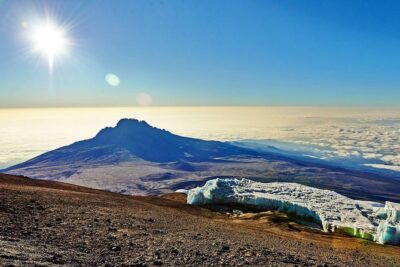
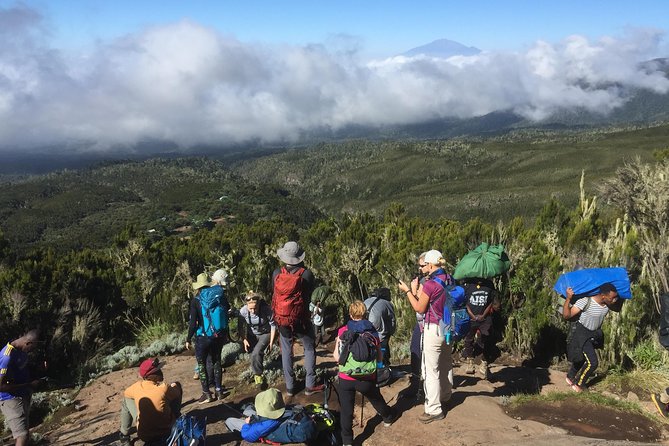
A quiet route changes everything at altitude. The 7-day Lemosho plan is designed to get you into the rhythm slowly, starting in montane rainforest before you work your way up through moorland, semi-desert, and the crater rim.
I really like the way this schedule treats acclimatization as a real job, not an afterthought. You spend multiple nights at altitude, including a full day on and around the Great Barranco Wall, and that steady pacing is the kind of detail that can make the summit attempt feel less like a gamble.
One thing to weigh first: you are sleeping cold on exposed camps, and Day 7 is a very early start. If you hate harsh mornings and freezing tent nights, this route might test your patience more than you expect.
In This Review
- Key highlights worth your attention
- The Lemosho route, explained in real hiking terms
- Price and value for a private climb up to 2
- Day 1 in Arusha: the gear check that sets the tone
- Day 2 to Londorossi Gate: rainforest walking with real variety
- Days 3 and 4: from Shira 2 to Lava Tower, cold camps included
- Day 5: the Great Barranco Wall for acclimatization and confidence
- Day 6: Barafu ridge, timing matters and water is limited
- Day 7 summit night: 23:30 wake-up, Stella Point, then Uhuru Peak
- Day 8: celebration at Mweka Gate, certificates, and a final forest walk
- What makes the team setup feel organized
- Who should book this Lemosho route, and who should pause
- Should you book the 7-day Lemosho climb with this operator?
- FAQ
- Where does the trek start and end?
- How long is the trek, and when does it start?
- Is this a private tour, and how many people are in the group?
- What is included in the price?
- What is not included?
- Do you offer pickup?
- What time is the summit attempt and how long is the summit day?
- How do certificates work on the last day?
- Is there free cancellation?
Key highlights worth your attention
- Low-traffic approach from the west, starting with a long drive to Londorossi Gate and a deep rainforest entry
- Strong acclimatization pacing, including the Barranco Wall and extra time before Barafu
- Lava Tower altitude moment at 4630m, with an optional tower climb when conditions allow
- Predictable summit logistics, wake-up around 23:30, Stella Point at 5685m, then Uhuru Peak
- Team coordination that keeps you moving, from tent setup to clean water handling and meal timing
- Certificate payoff on Day 8, with green for Stella Point and gold for Uhuru Peak
The Lemosho route, explained in real hiking terms
The Lemosho route is one of the popular ways to climb Kilimanjaro because it tends to stay calmer than busier paths. You start from the west side of the mountain, work through lush forest first, then gradually trade greenery for high, dry zones.
That matters because your first days are not just about distance. They are about adjusting to thinner air, changing temperatures, and a different kind of effort. On this itinerary, you join the shared corridor with the Machame route at Shira 2 Camp, then continue through the classic southern circuit before descending via Mweka Gate.
If you like your Kilimanjaro experience to feel organized, the west-to-south flow helps. You get a clear progression, and you are not thrown directly into the highest and coldest parts too soon.
More Kilimanjaro climbs:
- 8-Day Small-group Lemosho Kilimanjaro Summit Trekking
★ 5.0 · 186 reviews - 5 Days Best of Tanzania Luxury Safari Northern Circuit
★ 5.0 · 174 reviews - 7-Day Machame Kilimanjaro Summit Tour from Arusha
★ 5.0 · 125 reviews
Price and value for a private climb up to 2
The price listed is $6,300 per group (up to 2 people). That is a private setup, so the cost is easier to justify if you are going with one climbing partner, or if you value privacy over shared group logistics.
Here is what you get in the price: park and admission fees, camping gear, guides and porters, and transportation, plus meals (breakfast 7 times, lunch 7 times, dinner 6 times). You also get pickup at the airport and transfers in Arusha.
What is not included is equally important: visa, flight tickets, and trekking gear. That means you should budget for your own boots, layers, and a sleeping bag (or whatever your provider expects you to bring), unless you plan to rent gear on your arrival day.
In short, this price is less about a “cheap deal” and more about buying a smoother climb: you pay for permits, staff time, camp infrastructure, and food so you can focus on walking, hydration, and acclimatization.
Day 1 in Arusha: the gear check that sets the tone
Day 1 is built for you to land, reset, and get sorted. You are picked up at Kilimanjaro International Airport and transferred to your hotel in Arusha town. Then you meet your guide for a briefing and an equipment check.
This matters more than it sounds. On Kilimanjaro, the wrong gloves, a missing rain layer, or ill-fitting footwear can turn normal aches into real problems. The plan also allows for missing gear to be rented on this day, which keeps you from scrambling later when you are already tired.
You overnight at Arusha Planet lodge and do an Arusha Village Experience with an included ticket. It is a nice soft landing before the mountain pulls the schedule tight.
Day 2 to Londorossi Gate: rainforest walking with real variety
Day 2 starts with travel and then a hike into the forest. You drive from Arusha (around 1400m) up to Londorossi Park Gate (around 2100m). The final stretch to the gate is on a bumpy forest track, and 4WD vehicles are used for this portion.
Once you reach the gate area, guides and porters distribute supplies and register with TANAPA. Then you begin a hike of about 3 hours through montane forest. This is the day where you might spot wildlife like Colobus monkeys.
Why I like this entry: you are not just going up in altitude, you are warming up your body in a greener environment. The air feels different, the ground is softer, and your mind has something to focus on besides breath management.
A few more Arusha trips to compare
- Balloon Safari & Bush Breakfast in Serengeti – Miracle Experience
★ 5.0 · 1,646 reviews - Tanzania Classic – 7 Days
★ 5.0 · 1,151 reviews - 4 Days Group Camping Safari
★ 5.0 · 1,101 reviews - 5 Days Group Camping Safari
★ 5.0 · 730 reviews
Days 3 and 4: from Shira 2 to Lava Tower, cold camps included
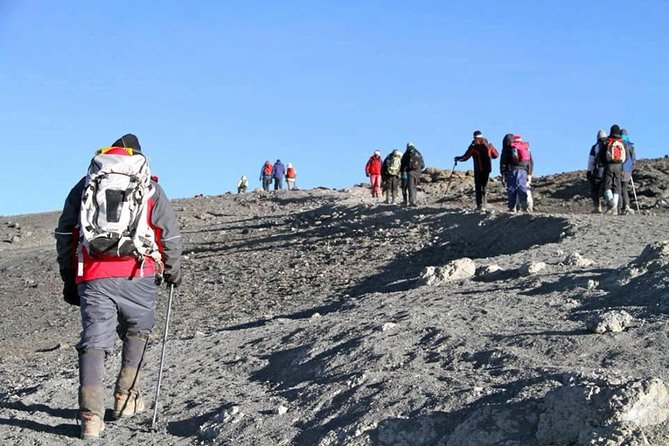
Day 3 is your transition day. After an early breakfast, you ascend out of rainforest into heather moorland. You cross streams and walk across plateau terrain toward Shira 2 Camp at 3840m.
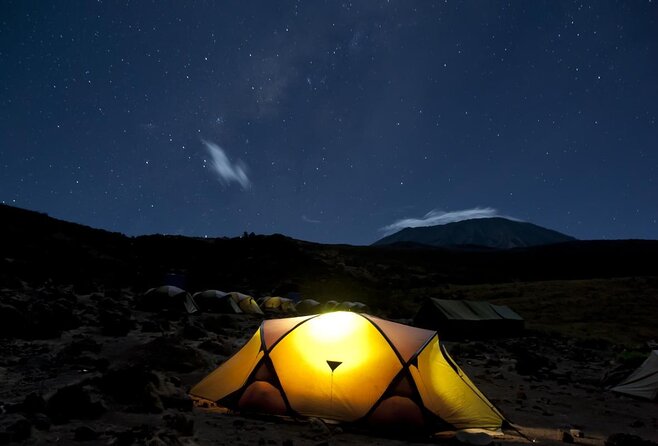
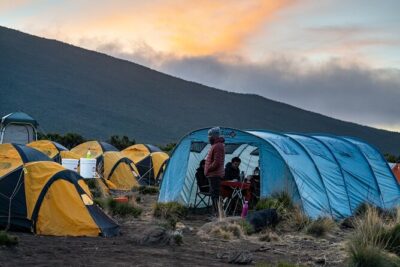
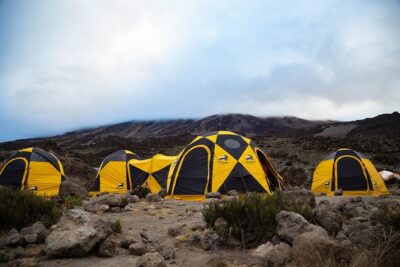
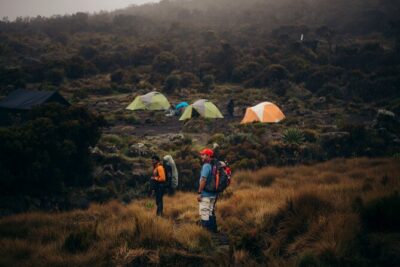
At camp, you are next to a stream, and the views can be dramatic, including a look toward the Western Breach glaciers. The big takeaway for you is temperature: Shira 2 is exposed, and it can get below freezing. Your tents should be set up for you before arrival, and porters prepare water for drinking and washing.
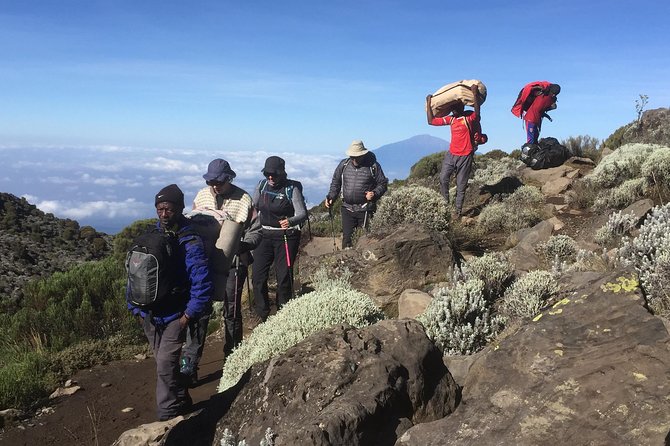
Day 4 pushes altitude and terrain harder. You leave moorland for semi-desert and rocky ground. After about 5 hours, you reach Lava Tower (4630m). Packed lunch is served there, and you may have the option of climbing the tower if conditions allow.
This is also when altitude can start speaking up. Headaches and shortness of breath are normal to feel as you climb. The rest of the day is about descending from Lava Tower to Barranco Campsite at about 3950m.
A practical note for your comfort: you will probably change layers several times on these days. Keep a system for warm and dry clothes so you are not stuck digging through your pack at the worst moment.
Day 5: the Great Barranco Wall for acclimatization and confidence
Day 5 is a shorter hiking day, designed for acclimatization. You hike about 4 to 5 hours in alpine desert terrain and tackle the Great Barranco Wall.
This section looks intimidating at first glance. The good news is that it is a Class 2 style hike, and people often find it easier than expected. Once you crest the wall, you can get views of Heim Glacier, and you may feel like you are above the clouds.
After that, the trail winds through Karanga Valley, and you sleep at Karanga Camp around 3950m. For many hikers, this day is the moment confidence kicks in, because you realize you can handle steeper sections even at altitude.
Day 6: Barafu ridge, timing matters and water is limited
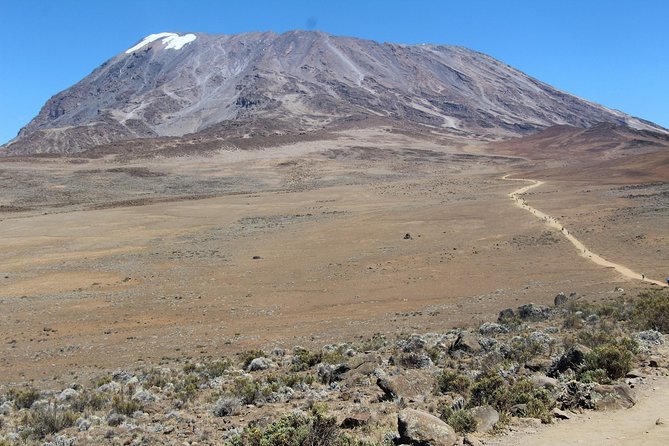
Day 6 is short, but it is intense in feel because the goal is the summit push. You start with a breakfast and hike about 2 to 3 hours to Barafu Hut and then toward Barafu Camp at about 4550m.
This trail intersects with the Mweka route, which is helpful later when you are descending over the last stretch. You also hit Barafu as a major turning point: it is the last water stop for porters because there is no accessible water at camp.
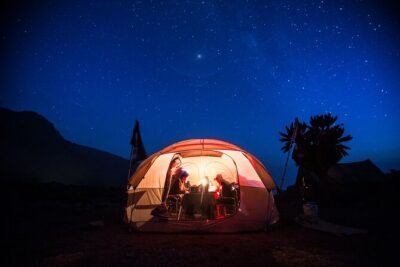
Barafu sits on a rocky, exposed ridge. Expect wind and cold, and plan to get your campsite routine dialed before dark. Dinner is served early so you can rest for the late-night summit schedule.
If you tend to waste energy when you are nervous, use this day to calm down. Eat well, manage your layers, and keep everything you will need for the summit easily reachable.
Day 7 summit night: 23:30 wake-up, Stella Point, then Uhuru Peak
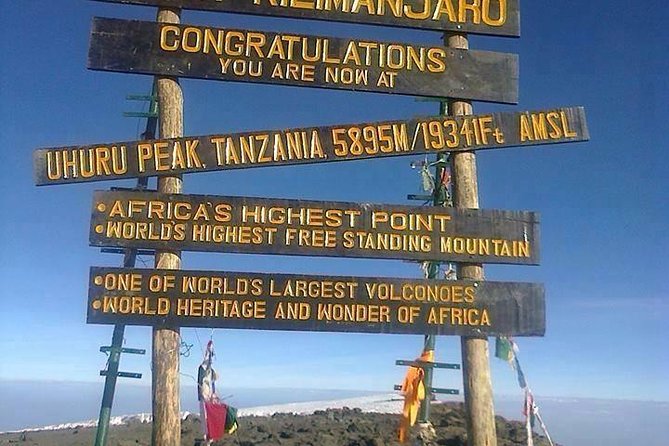
Day 7 is the day you wait for. Your guide wakes you around 23:30 with tea and biscuits. Then you start climbing over stone scree toward Stella Point (5685m), which is on the crater rim.
The timing is intense but clear: about 6 hours to Stella Point for many hikers, plus more time after sunrise. At Stella Point, you enjoy the sunrise and then continue for about 2 more hours on a snow-covered trail to Uhuru Peak at 5895m.
This is often the most mentally and physically demanding part of the climb. The altitude makes every step feel like it has a cost. The best strategy is simple: keep your pace controlled, don’t fight the cold, and focus on steady movement rather than dramatic bursts.
Then comes the long exit. You descend from Uhuru Peak back to Mweka, with a hiking time listed as 7 to 8 hours and a descent distance of about 23 kilometers. This is where your legs will feel it, even if your brain is ready to celebrate.
Day 8: celebration at Mweka Gate, certificates, and a final forest walk
You start Day 8 with a well-deserved breakfast. Then the staff put on a celebration with dancing and singing. It is also when you present tips to the guide, assistant guides, chefs, and porters, which is a nice moment because you are thanking the people who made the whole plan run.
Next, you descend to Mweka Gate in about 3 hours. You will sign your name for certificates of completion. If you reached Stella Point, you receive a green certificate. If you reached Uhuru Peak, you receive a gold certificate.
After the certificate moment, you continue descending into the Mweka village for about an hour. The point here is practical: you are moving from mountain rules to normal life rules, and that shift matters after days of cold air and scheduled meals.
What makes the team setup feel organized
The experience is more than just “a route.” It is the operating details that make you feel safe and keep the day flow smooth.
This plan uses a staff system that tends to be tight and clear. Tents get set up before you arrive at camp, and porters prepare drinking and washing water. The cooking team serves meals at consistent times, and the food is described as delicious and well balanced.
Most importantly, the pace is meant to support acclimatization. In the successful summit stories, the common thread is not speed. It is the controlled, steady tempo that helps you adjust day by day.
Guides and lead staff from Wild Root Safaris and Adventures come up in past feedback too, including names like Mathew and Lucia. You will also see support from the wider crew, and the general theme is coordination, where guides and porters work in a way that does not leave you guessing.
For your part, the best way to match their plan is to be honest about how you feel. If headaches show up, tell your guide promptly. If you are too warm or too cold, adjust layers early. The mountain rewards small decisions made calmly.
Who should book this Lemosho route, and who should pause
This itinerary fits best if you:
- Want a route with low traffic and strong scenic variety, starting in rainforest
- Prefer a climb that includes real acclimatization time, especially with the Barranco Wall and extra nights
- Are comfortable with cold nights and very early summit timing
- Like a private group feel, since it is up to 2 people only
You might pause if you:
- Hate freezing, exposed camps. Shira 2 can drop below freezing, and Barafu can be windy and rocky
- Are not willing to do the long final descent after reaching the summit
- Need a fully flexible schedule. Hiking times are built in, and Day 7 in particular is tightly scheduled
Should you book the 7-day Lemosho climb with this operator?
If you are choosing between routes, I would consider this plan a smart pick for the balance it aims for. You get a west-side start, you do not rush your acclimatization, and the summit day is handled with a clear, early launch and structured timing.
If your priority is maximum comfort, you should still expect cold and hard walking. The mountain does not do comfort. But this itinerary buys you something else: you pay for staff support, camp setup, and food that helps you keep moving with less stress.
For me, the decision comes down to one question: do you want a climb that feels managed step by step, not improvised? If yes, this 7-day Lemosho setup is worth strong consideration.
FAQ
Where does the trek start and end?
The meeting point is in Arusha, Tanzania, and the experience ends back at the same meeting point. You also get picked up at Kilimanjaro International Airport and transferred to your Arusha hotel on Day 1.
How long is the trek, and when does it start?
The duration is listed as 8 days (approx.), with a start time of 8:00 am.
Is this a private tour, and how many people are in the group?
Yes. It is described as a private tour/activity, with a group size of up to 2.
What is included in the price?
Included items are fees (including admission, camping gear, guides, porters, and transportation), lunch (7), breakfast (7), and dinner (6). Admission ticket entries are also included for the listed hiking days.
What is not included?
Not included are visa, flight tickets, and trekking gears.
Do you offer pickup?
Yes. The plan includes pickup offered, and you are picked up at Kilimanjaro International Airport for transfer to your hotel in Arusha.
What time is the summit attempt and how long is the summit day?
You wake around 23:30 for the summit attempt. The schedule is listed as about 8 hours to reach Uhuru Peak, then 7 to 8 hours to descend to Mweka.
How do certificates work on the last day?
You sign names to receive certificates. If you reached Stella Point (5685m) you receive a green certificate. If you reached Uhuru Peak (5895m) you receive a gold certificate.
Is there free cancellation?
Yes, free cancellation is available. You can cancel up to 24 hours in advance for a full refund, based on the local time of the experience.
Just posted around Arusha
- 8 Days Serengeti Migration safari★ 5.0 · 11 reviews
- tarangire & ngorongoro 2 days tour★ 5.0 · 14 reviews
- serengeti, ngorongoro & tarangire 4 days private tour★ 5.0 · 18 reviews
- tarangire, ngorongoro & lake manyara park 3 days private tour★ 5.0 · 11 reviews
- serengeti & ngorongoro 3 days private tour★ 5.0 · 15 reviews
- climb the KILIMANJARO via Lemosho route★ 5.0 · 4 reviews
- Mt. Kilimanjaro: Shira plateau to Cathedral point 3872m Day hike★ 5.0 · 7 reviews
- 2 Days Tanzania Midrange Group Join Safari★ 5.0 · 7 reviews
Kilimanjaro Climbs, compared.
8-Day Small-group Lemosho Kilimanjaro Summit Trekking
Read our review →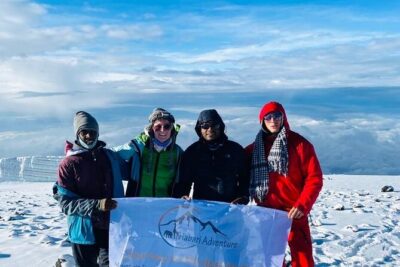
5 Days Best of Tanzania Luxury Safari Northern Circuit
Read our review →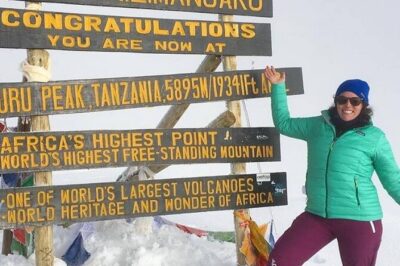
Climbing Kilimanjaro through 7 days Machame Route
Read our review →