Reviewed · KILIMANJARO CLIMBS
7 Days Kilimanjaro Climb Machame Route
Kilimanjaro, but with real altitude grind. This 7-day Machame route is built for acclimatization, covers multiple climates, and uses a private team so you are not just “one more person on a schedule.” I especially like how the trip is structured around the whiskey route style of camping, so the mountain experience feels full-on from gate to summit.
What I like most is the amount that is handled for you. You get guides, cooks, porters, park fees, camping fees, rescue fees, three meals a day on the mountain, filtered water, and the tent setup that keeps you warm enough to sleep and recover.
The main drawback to consider is also the signature feature: Machame is tent-only, and it is a relatively difficult climb. If you want hut comfort or a slow, easy incline, you may find this route more demanding than you expected.
In This Review
- Quick hits
- Machame Route, the Whiskey Route, and why most climbers pick it
- Price and what you get for your $2,564.11
- Day-by-day on the Machame 7-day itinerary
- Day 1: Machame Gate, rainforest start, to Machame Camp
- Day 2: Machame Camp to Shira Camp, then Shira 2
- Day 3: Shira to Lava Tower to Barranco Camp
- Day 4: Barranco Camp to Karanga Camp, including the Great Barranco Wall
- Day 5: Karanga Camp to Barafu Camp, finishing the southern circuit
- Day 6: Summit night to Uhuru Peak, then down to Mweka Camp area
- Day 7: Mweka Camp to Mweka Gate, certificates, and back to Moshi
- Guides, cooks, porters, and why the team matters
- Tents, food, water, and what “included” actually feels like
- Packing and training tips for a tougher-than-it-looks route
- Who should book this Machame climb, and who should think twice
- Should you book this 7 Days Kilimanjaro Machame Route with Youth Adventures and Safaris?
- FAQ
- How long is the Kilimanjaro Machame climb?
- Where does the Machame route start?
- What is the highest point on the route?
- Is this route tent-only?
- What is included in the price?
- What is not included?
- What are the main days of hiking like?
- Is free cancellation available?
Quick hits
- Private team experience with guides, cooks, and porters, plus airport and gate transfers
- Five climatic zones through rainforest, heath, alpine desert, and more
- Whiskey route difficulty with tent nights instead of huts
- Summit night for the sunrise with Stella Point at 18,900 ft and Uhuru Peak at 19,341 ft
- Everything mountain-related included, from park fees to meals, filtered water, and mats
Machame Route, the Whiskey Route, and why most climbers pick it
Machame is one of Kilimanjaro’s most popular paths for a reason. The route climbs from the southern base through dense rainforest, then rises into moorlands and heath, and keeps changing the feel of the hike. You are not repeating the same scenery all week, which matters when you are already tired and oxygen is thinner.
It’s nicknamed the whiskey route for a simple reason: the climbing is harder than the easier hut-style option, and you sleep in tents instead of on hut bunks. The trip is described as relatively difficult and geared more toward physically fit, more experienced hikers. It is also noted as a common choice among seasoned climbers, with the route often favored by about half of experienced trekkers.
I also like that Machame gives you a circuit-style feel. You head toward the Shira Plateau, then circle along the southern circuit for big, all-around views. The summit approach comes from the east, and the descent follows the Mweka trail, so the “up” and “down” feel like different chapters rather than a simple out-and-back.
More Kilimanjaro climbs:
- 8-Day Small-group Lemosho Kilimanjaro Summit Trekking
★ 5.0 · 186 reviews - 5 Days Best of Tanzania Luxury Safari Northern Circuit
★ 5.0 · 174 reviews - 7-Day Machame Kilimanjaro Summit Tour from Arusha
★ 5.0 · 125 reviews
Price and what you get for your $2,564.11
At $2,564.11 per person, this is not a budget hike. But for Kilimanjaro, value is not just the headline price. Here, a lot of the usual extra costs are already wrapped in.
You get:
- Park fees, camping fees, and rescue fees
- Professional mountain guides, cooks, and porters
- All meals on the mountain, plus snacks, bottled water, and coffee or tea
- Filtered water throughout the trek
- 3-season mountain tents and double layered sleeping mats
- Transport to and from the mountain gate
- Pre and post trek accommodation in Moshi, plus two-way private airport transfers
That inclusion matters because Kilimanjaro is expensive in the details. You do not want to discover halfway through that you still have to price out camping, staffing, and fees. With this setup, you can focus on training, packing right, and pacing yourself.
One cost item to be aware of: if you want a portable flush toilet with its toilet tent, it is extra at US$65.
Day-by-day on the Machame 7-day itinerary
You start in Arusha, then the trip focuses on the climb and the Moshi-area logistics. The timing is usually framed as 6 days of hiking and 5 nights, with an extra day built in for acclimatization. That extra time is not magic, but it does give your body more chances to adjust.
Also note the route length. From gate to gate, Machame is about 62 km total.
Day 1: Machame Gate, rainforest start, to Machame Camp
Day 1 begins at Machame Gate in the southern base area, in a lush rainforest zone. After breakfast, you get a briefing on what to expect and some summit guidance before the climb becomes real. Then you drive from Moshi to the Machame area, around 1490 m at Machame village, where guides and porters pack your food and gear.
This is the day where your legs learn the rhythm. The walk is long enough to feel like a workout, and you will likely reach Machame Camp late in the afternoon. Expect tent accommodation tonight, since Machame is tent-only.
A few more Arusha trips to compare
- Balloon Safari & Bush Breakfast in Serengeti – Miracle Experience
★ 5.0 · 1,646 reviews - Tanzania Classic – 7 Days
★ 5.0 · 1,151 reviews - 4 Days Group Camping Safari
★ 5.0 · 1,101 reviews - 5 Days Group Camping Safari
★ 5.0 · 730 reviews
Day 2: Machame Camp to Shira Camp, then Shira 2
Day 2 shifts the vibe. You leave the rainforest glades and start an ascending hike that includes a steep, rocky ridge. This is where you start feeling elevation and effort as a combined problem.
You reach the Shira Plateau, passing through heather and open moorlands, and you cross a large river gorge before arriving at Shira 2 Camp. The elevation moves from about 9,350 ft to 12,500 ft, with a hike time roughly 4 to 6 hours.
The terrain is also about variety. Heath areas and moorland stretches can feel exposed compared with the rainforest, so it’s a good day to practice steady pacing and not “chase the view” too fast.
Day 3: Shira to Lava Tower to Barranco Camp
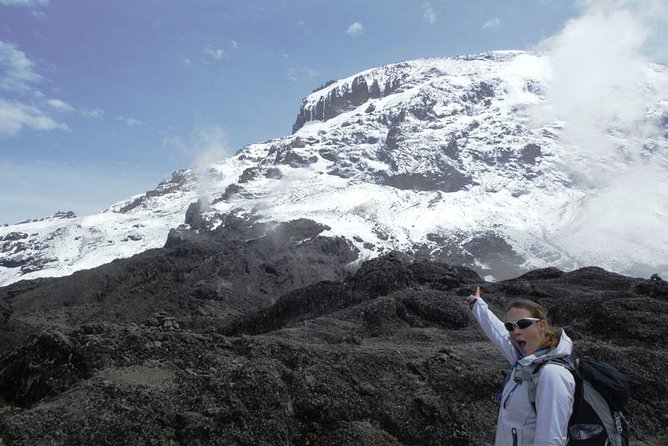
Day 3 is the day for volcanic drama. You follow a ridge east, then head southeast toward Lava Tower, described as a volcanic rock formation about 300 ft tall. It’s a recognizable landmark on Kilimanjaro, and reaching it helps break up the day.
Then you descend toward Barranco Camp, using the Senecio Forest route down to around 13,000 ft. The plan keeps you at similar elevation ranges at the start and end, which helps your acclimatization.
You go from about 12,500 ft up to 15,190 ft around Lava Tower, then down toward 13,044 ft for Barranco. Total hiking time is roughly 4 to 5 hours up to Lava Tower, then 2 to 3 hours to Barranco.
Day 4: Barranco Camp to Karanga Camp, including the Great Barranco Wall
Today is a short day that still feels serious. You start by trekking down into a ravine at the base of the Great Barranco Wall, then you climb a 900 ft cliff that is non-technical but steep.
After that steep section, the route moves through hills and valleys and drops into Karanga Valley, before climbing again to Karanga Camp. The elevation change is modest, so it can help your body adjust without exhausting you completely.
This is also a good day to keep your form tight. Steep, non-technical climbs can knock your breathing around, so slow, controlled steps beat big bursts.
Day 5: Karanga Camp to Barafu Camp, finishing the southern circuit
Day 5 connects you to the main summit approach. You reach the junction that connects with the Mweka Trail, then continue up through rocky sections to Barafu Hut, where you rest.
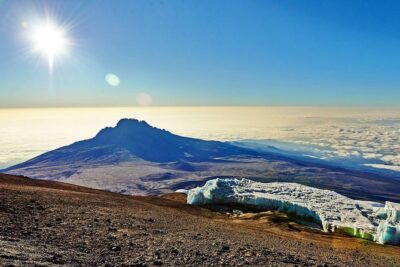
This day marks the completion of the southern circuit, and it’s a turning point. From Barafu, the peaks of Mawenzi and Kibo are described as easily spotted, which helps you visualize the summit route ahead.
Elevation rises to about 15,331 ft at Barafu. It’s a shorter, more restful day compared with later stages, and it sets you up for summit night. You also get dinner and the routine prep that helps you sleep, hydrate, and be ready.
Day 6: Summit night to Uhuru Peak, then down to Mweka Camp area
Summit day is the famous one for a reason. You start just past midnight. The wind and cold can be extreme, and the climb is described as the most challenging part of the whole journey.
You ascend in darkness with short, frequent breaks. At Stella Point (18,900 ft), you get a sunrise reward described as coming over Mawenzi Peak. From there you continue to the top, Uhuru Peak at 19,341 ft.
Then it is straight reality: you descend to the Mweka Hut Camp site, with a brief stop at Barafu for lunch. The descent is rocky and can be stressful for knees, so trekking poles can be a real help.
Camp is in the upper forest, where mist and rain late in the afternoon are common. That means you’ll want to manage damp layers and keep your sleeping setup dry enough to sleep.
Hiking time on this day is listed around 7 to 8 hours for the ascent and summit leg, plus the descent after.
Day 7: Mweka Camp to Mweka Gate, certificates, and back to Moshi
Your final day is all about getting down safely. You trek from Mweka Camp to Mweka Gate, then pick up summit certificates.
The lower reaches can be muddy and wet depending on rain, so traction and calm footing matter. From the gate, you continue about one hour to Mweka Village, where a vehicle meets you and transfers you back to your Moshi hotel.
This is the day you feel the hike in your legs, but it is also the day you get to relax and reflect on what you just did.
Guides, cooks, porters, and why the team matters
On Kilimanjaro, your success is not just effort. It’s how the team manages pacing, hydration, morale, and practical problem-solving.
This company is described in past accounts as strongly guided by Daniel Mlangwa, with Godfrey also mentioned as a managing director. One of the most repeated points is that Daniel’s team was highly responsive and present, with communication running smoothly ahead of the trip, including WhatsApp-style check-ins. When people say they could not have reached the summit without their team, it usually points to things like route management, encouragement at the right moments, and quick fixes for small issues.
Another name that shows up is John, leading a team with competent operations, plus careful handling when conditions got rough, like rain on earlier days. Even if weather is unpredictable, a well-run team helps you keep moving with less stress.
Privateness also helps. This is a private tour/activity, so your pace decisions and comfort needs are handled for your group, not diluted across a big herd.
Tents, food, water, and what “included” actually feels like
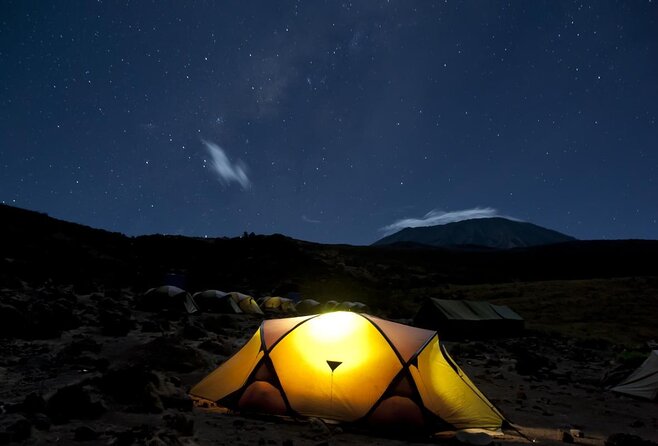
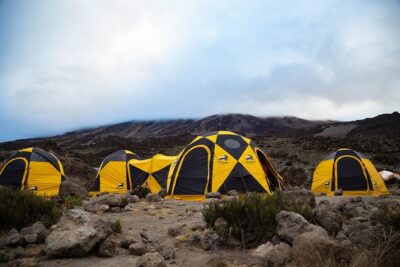
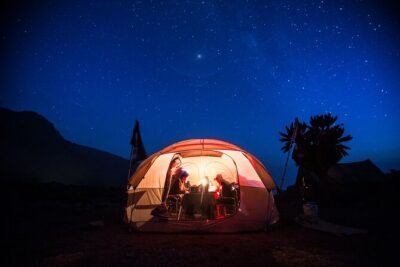
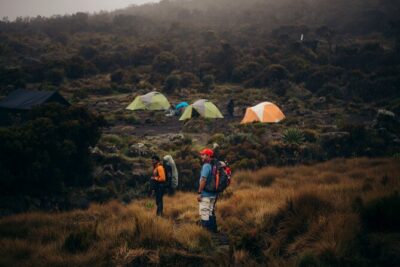
Because Machame is tent-only, your nights are part of the hike. This trip provides 3-season mountain tents and double layered sleeping mats, which is a big baseline for comfort. The goal is simple: sleep enough so you can wake up and hike, not just survive the night.
Food is structured around recovery. You get 3 meals daily while on the mountain, plus snacks, bottled water, and coffee or tea. Filtered water is provided throughout the trek, which helps you avoid the common hassle of boiling or buying your own supplies at altitude.
One practical point: because the route includes areas where mist and rain can happen late in the day (especially after the summit descent), you will be grateful if you pack with damp management in mind. The trip does not mention laundry, so plan to keep your essentials practical and your layers protected.
Packing and training tips for a tougher-than-it-looks route
Machame is labeled as relatively difficult and recommended for people with some trekking experience and good physical fitness. So go in with a mindset of “steady and consistent,” not “race the mountain.”
Here are a few no-nonsense ideas that match how this itinerary actually moves:
- Train for long days and frequent elevation changes, not just one big workout. Day 2 and Day 6 are especially demanding in time and effort.
- Bring gear that works well in cold and wind, especially for summit night and the descent. The cold exposure is explicitly part of Day 6.
- Use trekking poles if your knees are even slightly sensitive. The descent on Day 6 is described as rocky and stressful for knees.
- Pack smart for tent nights. Since you do not have hut beds here, your sleep system matters.
- Plan to manage muddy footing on the final descent. The lower reaches on Day 7 can be wet and muddy.
If you want Kilimanjaro, but you want it more “adventure” than “comfortable lodge,” Machame fits that personality well.
Who should book this Machame climb, and who should think twice
This Machame 7-day trek is a strong match if:
- You want the whiskey route camping experience and can handle tents
- You have some hiking background and are physically ready for a relatively difficult route
- You value a private guide team and want your experience handled more personally
- You want the classic “Roof of Africa” goal with sunrise at Stella Point and a proper summit plan
You should think twice if:
- You strongly prefer hut accommodations and a gentler route
- You know you struggle with cold conditions or long summit-night effort
- You want a lighter, more relaxed itinerary rather than a demanding climb
Should you book this 7 Days Kilimanjaro Machame Route with Youth Adventures and Safaris?
If you are aiming for a true Kilimanjaro climb with camping, varied climates, and a real summit-night push, I think this one makes sense. The biggest reason is the way the package is built: you are not juggling fees, meals, tents, and staffing logistics at altitude. Most of the hard-to-manage parts are handled, and you get a private team.
My one caution is mindset. Machame is not the easy, hut-style option. It’s a serious climb, and tent nights plus cold summit conditions are part of the deal. If you accept that and train for the effort, you’ll likely love how the route keeps changing as you climb.
FAQ
How long is the Kilimanjaro Machame climb?
The trek is typically about 6 to 7 days, with the climbing journey taking about six days and five nights, and the extra day set aside for better acclimatization.
Where does the Machame route start?
It starts at Machame Gate, located at the southern base of Kilimanjaro National Park.
What is the highest point on the route?
The summit is Uhuru Peak, at an elevation of 19,341 ft.
Is this route tent-only?
Yes. The Machame route described here uses tents for accommodation during the trek.
What is included in the price?
The package includes park fees, camping fees, and rescue fees, mountain guides, cooks, and porters, three meals daily on the mountain, filtered water, bottled water, coffee or tea, sleeping mats and mountain tents, and transportation to and from the mountain gate. It also includes pre and post trek accommodation in Moshi and two-way private airport transfers.
What is not included?
Flights, tips to the mountain crew, and items of a personal nature are not included. Laundry services and anything not mentioned are also not included. A portable flush toilet with a toilet tent is extra, at US$65.
What are the main days of hiking like?
The itinerary includes rainforest hiking on Day 1, a climb to the Shira Plateau and Shira 2 on Day 2, Lava Tower and Barranco on Day 3, Great Barranco Wall to Karanga on Day 4, Barafu preparation on Day 5, summit night from Barafu to Uhuru Peak on Day 6, and descent to Mweka Gate with certificates on Day 7.
Is free cancellation available?
Yes. Free cancellation is available up to 24 hours in advance for a full refund.
Just posted around Arusha
- 8 Days Serengeti Migration safari★ 5.0 · 11 reviews
- tarangire & ngorongoro 2 days tour★ 5.0 · 14 reviews
- serengeti, ngorongoro & tarangire 4 days private tour★ 5.0 · 18 reviews
- tarangire, ngorongoro & lake manyara park 3 days private tour★ 5.0 · 11 reviews
- serengeti & ngorongoro 3 days private tour★ 5.0 · 15 reviews
- climb the KILIMANJARO via Lemosho route★ 5.0 · 4 reviews
- Mt. Kilimanjaro: Shira plateau to Cathedral point 3872m Day hike★ 5.0 · 7 reviews
- Kilimanjaro Waterfalls Hike & Moshi Hot Springs Day Trip Tour★ 5.0 · 4 reviews
Kilimanjaro Climbs, compared.
8-Day Small-group Lemosho Kilimanjaro Summit Trekking
Read our review →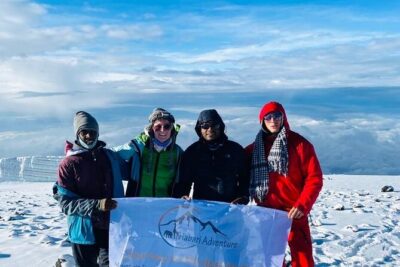
5 Days Best of Tanzania Luxury Safari Northern Circuit
Read our review →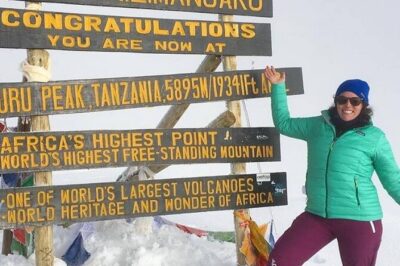
Climbing Kilimanjaro through 7 days Machame Route
Read our review →