Reviewed · KILIMANJARO CLIMBS
7 Day Kilimanjaro Climb Lemosho Route & 2 Day Safari
There are few better ways to earn your Africa stories than Kilimanjaro plus safari. This package pairs a Lemosho route climb with a 2-day safari that follows your summit effort with game drives in Tarangire and time at Ngorongoro crater. It is built for both first-timers and experienced hikers, with extra attention for older travelers and some visitors with disabilities.
Two things I really like: the small group size (up to 10 travelers) and the way the team puts support front and center, from guides and porters to the cook. The reviews and on-the-ground focus show up in practical details like balanced, nutritious meals and a steady, motivated pace, including the crew’s classic pole pole encouragement from guides like Hassani and Endrie.
One possible drawback: you still need moderate physical fitness, and a Kilimanjaro climb is weather dependent. If conditions are poor, plans can shift because the experience requires good weather.
In This Review
- Key Highlights You’ll Feel From Day One
- Lemosho Route and Mixed Fitness: Who This Climb Really Fits
- The Forest Trek to Kilimanjaro: What Your Days Are Likely Like
- Your Kilimanjaro Team: Guides Like Hassani and Endrie, Plus Porters and Chef Frank
- Safari After the Climb: Tarangire’s Elephants and Ngorongoro Crater
- Price, Value, and What You Actually Get for $2,228.58
- Start Point, Timing, and How to Think About Logistics
- Pace, Safety, and the Real Meaning of Pole Pole
- Is This Trek Family-Friendly, Beginner-Friendly, and Disability-Sensitive?
- Should You Book This Lemosho Climb Plus Safari?
- FAQ
- Where does the trip start?
- Is pickup included?
- What route is used for the Kilimanjaro part?
- What parks are included in the safari?
- How many people are in the group?
- What meals are included?
- Is a sleeping bag included?
- What fitness level do I need?
- What happens if the weather is poor?
- What is the cancellation policy window?
Key Highlights You’ll Feel From Day One
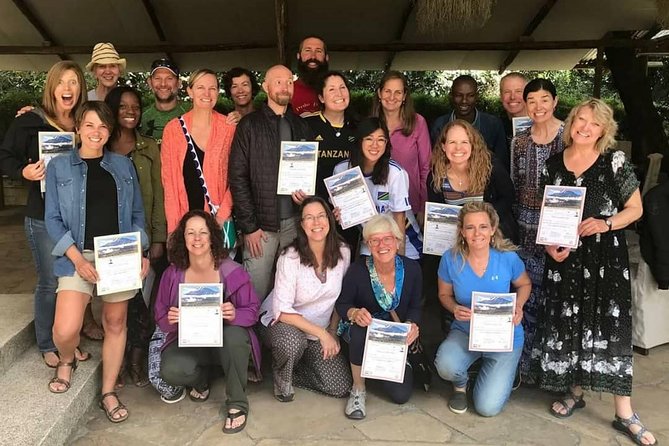
- Lemosho route for mixed experience levels, positioned as a simpler path to the summit for non-mountaineers
- Up to 10 travelers, which keeps the trek more manageable and lets guides notice how you’re doing
- Team-led motivation, including pole pole pace coaching and high-energy morale on tough sections, with singing and dancing on the final push
- Safari right after the hike, so you go from mountain effort to classic Tanzania wildlife country
- Meals included for breakfast, lunch, and dinner, with a focus on balanced, nutritious food
- Tarangire + Ngorongoro on the safari side, including Tarangire’s big-elephant country
Lemosho Route and Mixed Fitness: Who This Climb Really Fits
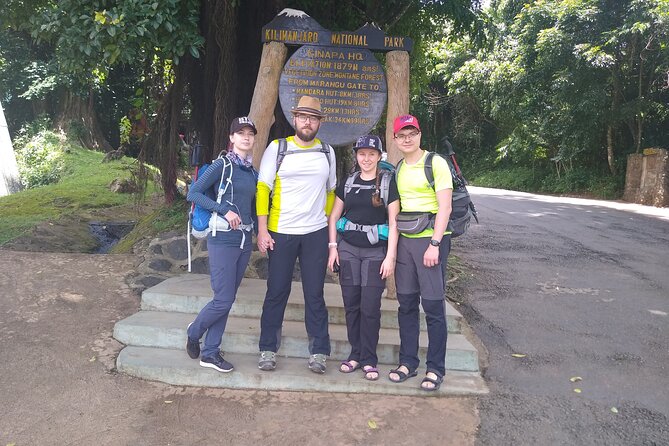
The best thing about the Lemosho approach here is that it is presented as straightforward enough for a wide range of hikers. This matters because Kilimanjaro has a reputation for being intimidating. With this route, you are not expected to arrive as an expert climber, and the operator specifically says mountaineers and non-mountaineers can summit effectively.
You also get a clue about inclusivity from their positioning: the climb is advertised as doable even for older travelers and people with disabilities, including blind and wheelchair users, with extra support. I cannot promise every participant will have the same experience, since safety depends on conditions and individual needs, but the intent is clear. The team is trying to make the trek less about ego and more about support.
That said, the “simple route” angle does not mean easy hiking. The requirement is moderate physical fitness. Think of it like this: you might not need technical climbing skills, but you do need the stamina to keep moving day after day at high altitude, even when your legs complain.
More Safaris in Arusha
- Balloon Safari & Bush Breakfast in Serengeti – Miracle Experience
★ 5.0 · 1,646 reviews - 4 Days Group Camping Safari
★ 5.0 · 1,101 reviews - 5 Days Group Camping Safari
★ 5.0 · 730 reviews
The Forest Trek to Kilimanjaro: What Your Days Are Likely Like
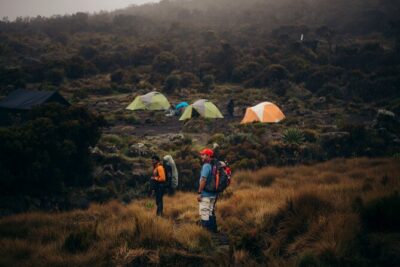
Your climb begins with walking through the forest to Mount Kilimanjaro. Even without a detailed day-by-day schedule here, that forest start is a big clue about the tone of the early days. Expect a mix of steady trekking and changing trail conditions as you move away from lower elevations and closer to the mountain’s tougher air.
Forest trekking is also where you learn the rhythm that makes or breaks a long climb: slow pace, consistent movement, and smart hydration. In the reviews, you see the guides repeatedly stress pole pole, drink water, and keep a positive mindset. That is not just motivational fluff. On days when altitude starts to play games with your breathing, the slow pace is what helps you avoid blowing up too early.
One more thing you will likely appreciate is how the team keeps morale from collapsing on the hardest uphill moments. One account describes the crew going out of its way with singing and dancing so people stayed awake and focused through a long climb at the end. On Kilimanjaro, motivation is part of the equipment.
Your Kilimanjaro Team: Guides Like Hassani and Endrie, Plus Porters and Chef Frank
The biggest “make it or break it” factor on Kilimanjaro is your team. And in these reviews, the team shows up constantly: caring guides, supportive porters, and a cook who can feed you like a human being, not like a ration dispenser.
Guides named in the feedback include Hassani and Endrie, and you also see Sabastine and Anthony listed. People also give specific thanks to Innocent, which usually signals that someone on the ground handled the details that keep stress low. When you see multiple names like this, it suggests the operator runs a full crew, not just one charismatic guide.
Then there’s the food. The tour includes breakfast, lunch, and dinner, and the reviews highlight balanced, nutritious meals as a standout. On a long trek, good food is not a luxury. It is what lets you keep moving when you feel heavy and slow. It also helps you recover between days, which is a major part of finishing strong.
Porters are also part of the story. Several reviews stress that the porters and chef were very supportive and encouraging. That support matters because it is easier to stay calm when you know the load and the camp side are handled. You get to focus on breathing, stepping, and keeping the pace steady.
Safari After the Climb: Tarangire’s Elephants and Ngorongoro Crater
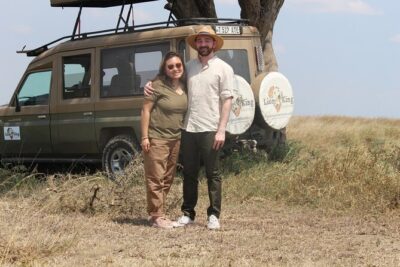
Here is the twist that makes this combo feel smart: you do not rush straight into the next big thing right after the climb. Instead, you get a 2-day safari that follows your trek, which lets the trip land in your brain as two connected chapters.
The safari includes Tarangire National Park, described as home of big elephants. If you want your trip to feel distinctly Tanzanian, Tarangire is a strong pick because it immediately gives you that sense of place, not just generic “we drove around and saw animals” time.
Then you move on to Ngorongoro crater. The data here only names the location, but even that matters. Ngorongoro is one of those places people remember. The crater setting gives you a different geography than the plains feel of typical game drives, and that contrast can be a nice reward after days of mountain effort.
One practical upside of combining climb plus safari: the safari acts like a recovery window for your body and your mood. Your legs might still be tired, but you get to sit, watch, and soak in the scenery without constant hiking. It is a good way to turn effort into celebration.
More Kilimanjaro climbs:
- 8-Day Small-group Lemosho Kilimanjaro Summit Trekking
★ 5.0 · 186 reviews - 5 Days Best of Tanzania Luxury Safari Northern Circuit
★ 5.0 · 174 reviews - 7-Day Machame Kilimanjaro Summit Tour from Arusha
★ 5.0 · 125 reviews - Mountain Kilimanjaro Day Hike
★ 5.0 · 102 reviews
Price, Value, and What You Actually Get for $2,228.58
The price here is $2,228.58 per person, which sounds like a lot until you break down what is included. This package lists all fees and taxes plus breakfast, lunch, and dinner, and it also includes pickup and a mobile ticket.
What that means for value is simple: you are paying for the core structure of the trip, not just a raw guide. Meals are often where costs and headaches stack up on multi-day adventures, and having them included removes a big chunk of planning stress. You also do not have to line up separate access fees for the climb and the safari components, since all fees and taxes are stated as included.
The one clear item not included is the sleeping bag rental. You will need to plan for that, either by renting it or bringing your own. If you forget this, you could end up scrambling at the worst time, right when you should be settling in and resting.
The duration detail can be confusing: it shows 30 minutes approx. On its face, that does not match a 7-day climb plus a safari. In practice, that shorter duration usually refers to pickup time or a brief activity window in the platform’s display. Your real planning should be built around the full climb and the safari days.
Start Point, Timing, and How to Think About Logistics
This trip starts at Mvuli Hotel Arusha, Kundayo Rd, Arusha, Tanzania. Pickup is offered, so you should plan to meet the team at that point, or be picked up based on your confirmation. The start time is shown as 12:00 am, which is midnight on paper. That does not mean you are necessarily walking at midnight. It usually means an early departure window, so you will want to verify the exact timing in the confirmation you receive at booking.
Also pay attention to the group limit: maximum 10 travelers. Small groups are not only nicer socially. They help on a trek because guides can watch pacing, hydration, and energy levels without spreading attention too thin.
Finally, confirmation happens at booking. That is useful because it reduces the uncertainty loop. You do not want to be guessing what day to show up in Arusha when you are tying the mountain plan to a later safari schedule.
Pace, Safety, and the Real Meaning of Pole Pole
On Kilimanjaro, pace is everything. This operator’s approach shows up in how guides teach you to slow down and keep it steady. In one highlight, guides Hassani and Endrie are praised for advising pole pole, drink water, and think positive, with the idea that it genuinely works.
That is good advice for your brain and your body at the same time. When you slow down, you give your body a chance to adjust to altitude demands. When you hydrate, you reduce that foggy, headache-y feeling that can creep in when you’re not paying attention. When you keep your mindset positive, you are less likely to react badly to discomfort that is normal at altitude.
One more safety consideration: the experience requires good weather. That means your summit or key hiking windows may be adjusted if conditions turn rough. You do not want to plan your whole Africa trip around one fixed moment unless you are comfortable with change. The good news is the operator’s policy includes a plan for weather cancellations or offering a different date or a full refund if needed, which takes some of the sting out of nature being nature.
Is This Trek Family-Friendly, Beginner-Friendly, and Disability-Sensitive?
The short answer: it is aimed at people who want a supported climb, not just hardcore trekkers. The route is described as effective for both mountaineers and non-mountaineers, and the operator also notes that elder people and even some visitors with disabilities can be supported, including blind and wheelchair users.
For me, that does not mean you should assume everything is automatically built for every need. It does mean you should feel more comfortable reaching out if you have questions about support and whether the team can accommodate your situation. The reviews repeatedly show a caring, encouraging crew. If you want a climb where someone helps you keep going, that emotional safety net matters.
For families or first-timers, the small group size and the coach-like guidance can be a huge advantage. You are not getting lost in a giant group where you disappear into the crowd. Instead, you get direct encouragement and practical trekking tips.
Should You Book This Lemosho Climb Plus Safari?
If you want a trip that mixes challenge with care, I think this one deserves your attention. The strongest reasons to book are the support-first team, the structured meals (breakfast, lunch, dinner), and the fact that the climb is framed as workable for non-mountaineers on the Lemosho route. Add in the follow-up safari with Tarangire and Ngorongoro crater, and you get a full Tanzania storyline instead of a mountain-only box.
I would hesitate only if you do not have moderate fitness, or if you cannot handle the idea that weather might force changes. Kilimanjaro is weather sensitive by nature, and this experience explicitly depends on good conditions.
If you can handle those two points, this package is a strong value play. At $2,228.58 per person, you are paying for a guided climb plus safari structure, with meals and fees included, and you know the crew names that people praise, like Hassani, Endrie, Sabastine, Anthony, chef Frank, and Innocent.
FAQ
Where does the trip start?
The meeting point is Mvuli Hotel Arusha, Kundayo Rd, Arusha, Tanzania.
Is pickup included?
Yes, pickup is offered.
What route is used for the Kilimanjaro part?
It uses the Lemosho route for the 7-day Kilimanjaro climb.
What parks are included in the safari?
The safari portion includes Tarangire National Park and Ngorongoro crater.
How many people are in the group?
The tour has a maximum of 10 travelers.
What meals are included?
The package includes breakfast, lunch, and dinner.
Is a sleeping bag included?
No. Sleeping bags are available for rent, but they are not included in the package.
What fitness level do I need?
You should have moderate physical fitness.
What happens if the weather is poor?
The experience requires good weather. If it is canceled due to poor weather, you will be offered a different date or a full refund.
What is the cancellation policy window?
There is free cancellation. You can cancel up to 24 hours in advance for a full refund, and changes within 24 hours are not accepted. The cut-off is based on local time.
More Safaris from Arusha
- 3 Days Serengeti & Ngorongoro Group Camping Safari
★ 5.0 · 574 reviews - 7-Day Premium Luxury Tanzania Safari All-Inclusive
★ 5.0 · 426 reviews - 3-Day Classic Serengeti Safari
★ 5.0 · 263 reviews - 8 Days Great Wildebeest Calving Migration Safari from Arusha
★ 5.0 · 254 reviews
Just posted around Arusha
- 8 Days Serengeti Migration safari★ 5.0 · 11 reviews
- tarangire & ngorongoro 2 days tour★ 5.0 · 14 reviews
- serengeti, ngorongoro & tarangire 4 days private tour★ 5.0 · 18 reviews
- tarangire, ngorongoro & lake manyara park 3 days private tour★ 5.0 · 11 reviews
- serengeti & ngorongoro 3 days private tour★ 5.0 · 15 reviews
- climb the KILIMANJARO via Lemosho route★ 5.0 · 4 reviews
- Mt. Kilimanjaro: Shira plateau to Cathedral point 3872m Day hike★ 5.0 · 7 reviews
- 2 Days Tanzania Midrange Group Join Safari★ 5.0 · 7 reviews
Kilimanjaro Climbs, compared.
8-Day Small-group Lemosho Kilimanjaro Summit Trekking
Read our review →
5 Days Best of Tanzania Luxury Safari Northern Circuit
Read our review →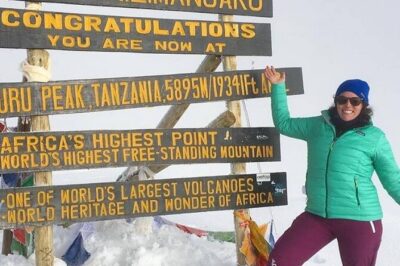
Climbing Kilimanjaro through 7 days Machame Route
Read our review →