Reviewed · KILIMANJARO CLIMBS
6 Day Machame Route – Climb Mount Kilimanjaro
Kilimanjaro at sunrise is pure theater. I love the walk high, sleep low acclimatization rhythm, and I also like that the team runs meals with plentiful, well-prepared food. The main thing to think about is the reality of the route itself, wet rainforest days early on and a very long midnight-to-summit push later.
This is a small-group trek, maximum 15 people, and it starts with pickup and a proper equipment check in Moshi. You’ll sleep at Mvuli Hotel (or an alternative) before and after the climb, then finish with certificates at Mweka Gate before heading back down.
In This Review
- Key highlights worth knowing
- Entering the Machame Route: Why This Path Makes Sense
- Price and Logistics: What $2,000 Buys on This Trek
- Day-by-Day: From Moshi to the Summit Rim, Step by Step
- Day 1: Airport pickup, Moshi hotel, and equipment check
- Day 2: Machame gate to the rainforest climb
- Day 3: Into the Shira Plateau and broad views
- Day 4: Moorland, Lava Tower area, and sleeping high
- Day 5: Barranco Wall, glaciers below, Karanga water, Barafu camp
- Day 6: Midnight start to Stella Point sunrise, then Uhuru Peak
- Day 7: Down through rainforest to Mweka Gate, certificates in hand
- Day 8: Wind-down day and optional Zanzibar add-ons
- What Makes the Team Experience Feel Different
- Food, Meals, and Camp Rhythm That Actually Help
- The Summit Day Reality: Midnight, Scree, Stella Point, Uhuru Peak
- Weather and Group Size: Two Things You Can Control, One You Can’t
- Packing and Altitude Tips That Match the Route
- Who This Trip Fits Best
- Should You Book Rupia Adventure’s 6 Day Machame Route?
- FAQ
- What is the start time for this experience?
- Where are you picked up, and where do you sleep before the trek?
- Is there an equipment check before you start climbing?
- What meals are included during the trek?
- What are the main highlights of the route?
- How long is the summit day, and when do you start?
- What happens at the end of the trek?
- What if the climb is canceled due to poor weather?
Key highlights worth knowing
- Machame’s variety: rainforest, Shira Plateau views, moorland near the Lava Tower, then scree to the summit
- Altitude strategy: follow the walk high, sleep low code, with time spent up around 4600m
- The summit timeline: leave around midnight, reach Stella Point at sunrise, then push on to Uhuru Peak
- Team focus: praised for a friendly crew and a guide who listens and adjusts your pace, including Emmanuel
- Small group feel: maximum 15 travelers, so you are not lost in a crowd
Entering the Machame Route: Why This Path Makes Sense
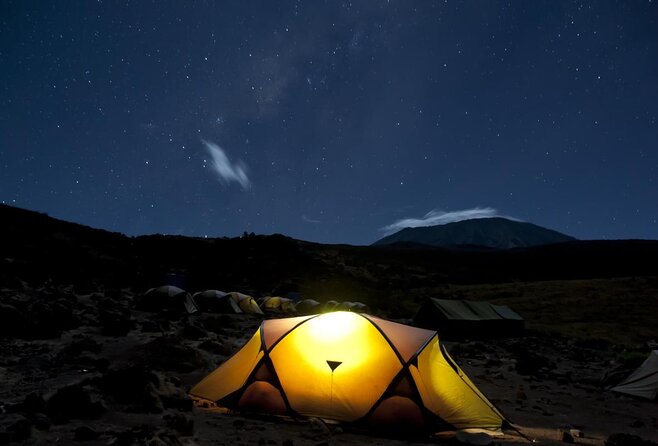
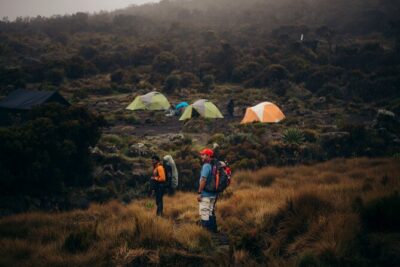
The Machame Route is a classic for a reason: it gives you variety day after day. Early on, you’re climbing through dense rainforest, where the air is thick, the trail can be muddy, and the footing rewards careful steps. Later, the terrain opens up into moorland, then turns into rockier, drier sections with scree underfoot.
If you like your big mountain day with a clear storyline, Machame does that. You move from shaded, wet forest to high views from the Shira Plateau. Then you’re walking the southwest side near the Lava Tower and the Western Breach before you finally work your way toward the dramatic Barranco area.
One practical note: this route description includes sections that can be overgrown and often wet. That means you should plan for damp conditions even if the forecast looks promising on paper.
More Kilimanjaro climbs:
- 8-Day Small-group Lemosho Kilimanjaro Summit Trekking
★ 5.0 · 186 reviews - 5 Days Best of Tanzania Luxury Safari Northern Circuit
★ 5.0 · 174 reviews - 7-Day Machame Kilimanjaro Summit Tour from Arusha
★ 5.0 · 125 reviews
Price and Logistics: What $2,000 Buys on This Trek
At $2,000 per person, you’re paying for more than a set of trails. You’re paying for the structure that keeps Kilimanjaro manageable, even when it is still hard.
Here’s what you can count on from the provided details:
- Transfers and pickup support: you’re picked up at Kilimanjaro International Airport and transferred to a hotel in Moshi, and vehicles meet you at the end near Mweka Gate
- A guide and crew setup: you meet your guide at the start, and you also meet your porters when you enter the park area
- Food coverage: lunches and breakfasts are included across the trek, plus dinners on 5 days
- Sleep stops: overnight stays include Mvuli Hotel before and after the trek (or an alternative)
- Gear handling: the first day includes an equipment check, and if something is missing, you can rent it
You’ll also travel with a mobile ticket, and the group is capped at 15 people. That small size matters. When you’re breathing thin air and walking long distances, having a trek that feels organized and not overcrowded helps you stay focused.
Day-by-Day: From Moshi to the Summit Rim, Step by Step
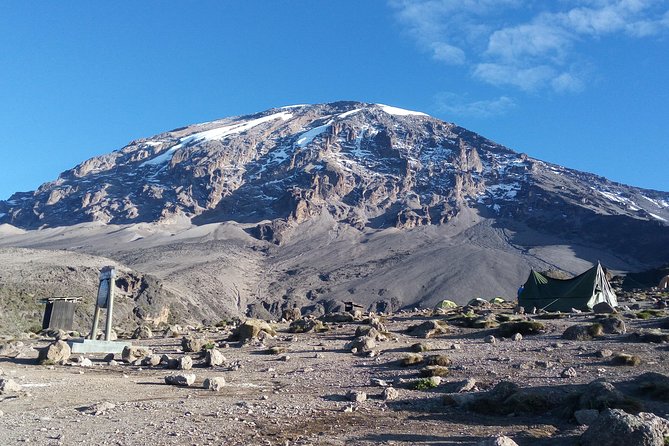
This trek runs about 8 days overall, with the core climb spread across 6 days on the Machame route profile. The rhythm is simple: start with logistics and gear, move up through rainforest and plateaus, tackle Barranco and Karanga, then go for the summit at night.
Day 1: Airport pickup, Moshi hotel, and equipment check
You’ll be picked up at Kilimanjaro International Airport and transferred to your hotel in Moshi. You meet your guide and do an equipment check to confirm you have the mountain gear you need. If anything is missing, gear rental can happen this day, which reduces stress before you ever step on the trail. Overnight is at Mvuli Hotel (or an alternative).
This first day is underrated value. When your clothing and socks are right, your trek becomes easier to endure.
A few more Arusha trips to compare
- Balloon Safari & Bush Breakfast in Serengeti – Miracle Experience
★ 5.0 · 1,646 reviews - Tanzania Classic – 7 Days
★ 5.0 · 1,151 reviews - 4 Days Group Camping Safari
★ 5.0 · 1,101 reviews - 5 Days Group Camping Safari
★ 5.0 · 730 reviews
Day 2: Machame gate to the rainforest climb
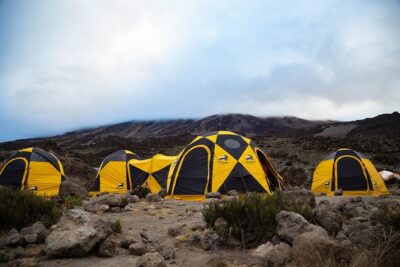
Two hours from Arusha, you reach the Machame route gate. You complete park formalities and meet your porter crew. Then you start climbing through dense rainforest, on a path described as less well-trodden, with places that can be overgrown, wet, and muddy.
- Distance: 10.8 km (6.7 mi)
- Time: about 6 hours
This is the day to walk carefully, not fast. Mud happens here, and the best move is steady footing and early hydration.
Day 3: Into the Shira Plateau and broad views
Your route continues through forest until you reach the steep ascent onto the Shira Plateau. As altitude increases, views become part of the work. Looking back, you can see Mt Meru rising above Arusha.
- Distance: 5.4 km (3.4 mi)
- Time: about 5 hours
Even though the distance is shorter, the climb to plateau is still serious because you’re gaining altitude.
Day 4: Moorland, Lava Tower area, and sleeping high
The terrain changes. You move on high moorland, and the walk takes you along the southwest side of Kilimanjaro. You pass underneath the Lava Tower, then the final section of the Western Breach, before reaching camp.
This day spends time at altitude, up to about 4600m, using the mountaineering code walk high, sleep low to support acclimatization.
- Distance: 10.8 km (6.7 mi)
- Time: about 8 hours
If you’re prone to feeling worn out at altitude, this is the day to listen to your body. The operator’s approach here is designed to reduce the “too fast” problem.
Day 5: Barranco Wall, glaciers below, Karanga water, Barafu camp
Day 5 is where the trail starts feeling longer and more exposed. You begin by descending into the Great Barranco, a huge ravine. Then you climb up and out via the Great Barranco Wall, described as rock walking that is not technical, but long and tiring.
You pass underneath the Heim and Kersten glaciers and head toward the Karanga valley, which is your last stop for fresh water before the summit push. From there, terrain becomes more arid and desolate, with scree leading you into Barafu camp.
- Distance: 8.5 km (5.3 mi)
- Time: about 8 hours
This is also a key mental day. You’re not yet on the summit route, but you’re being staged for it. Eating well and pacing yourself pays off tonight and tomorrow.
Day 6: Midnight start to Stella Point sunrise, then Uhuru Peak
This is the big day. You start around midnight, walking steeply upward toward the summit glaciers. You’ll be climbing scree for 4 to 5 hours, gaining incredible height over a short distance.
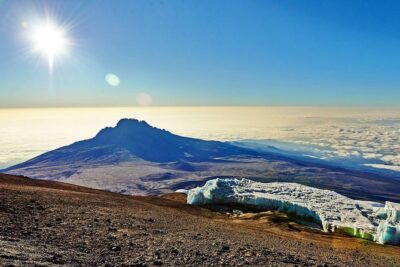
The goal is to reach the crater rim area at Stella Point (5739m) as the first rays of sun hit. The description highlights ice cliffs within the crater and views toward Mawenzi and beyond. Then you keep going about another hour to Uhuru Peak (5895m).
After sunrise and the summit moment, descent starts by returning to Stella Point, then heading down over scree back to Barafu Camp for breakfast. You finally descend to Millennium Camp for rest.
- Distance: 13.4 km (8.3 mi)
- Time: about 12 to 15 hours
This is not the day for an all-or-nothing attitude. The summit is a long effort, and the safest pace is usually the one you can repeat for hours.
Day 7: Down through rainforest to Mweka Gate, certificates in hand
You get a gentler trek on the descent. You walk down through rainforest toward Mweka Gate, complete park formalities, and receive certificates you can hang up with pride. Vehicles then meet you and return you to Moshi. There’s time for a welcome shower and time to celebrate, with overnight back at Mvuli Hotel (or alternative).
- Distance: 12.1 km (7.5 mi)
- Time: about 6 hours
Day 8: Wind-down day and optional Zanzibar add-ons
Day 8 is flexible. After the trek, you have time to wind down. Depending on flight times, you can explore Moshi town and grab souvenirs, then head back to the airport. Safari and Zanzibar add-ons are available if you want to keep exploring Tanzania.
What Makes the Team Experience Feel Different
Most Kilimanjaro operators promise support. The difference is how that support shows up when you’re tired, cold, or stuck with a pace that does not match your body.
In the feedback provided, the overall tone is that the team is friendly and good at their jobs. The food gets called out as very good and plentiful. One guide is specifically named: Emmanuel, praised for listening during the hikes and adapting as needed.
Another name shows up from initial contact: Matt, with the note that support was available from the first interaction.
Why that matters for you: on Kilimanjaro, the pace is not just about speed. It’s about breathing, temperature changes, and your ability to keep steady energy from one camp to the next. When a guide listens and adjusts, it can help you avoid the most common mistake, going out too hard early.
Food, Meals, and Camp Rhythm That Actually Help
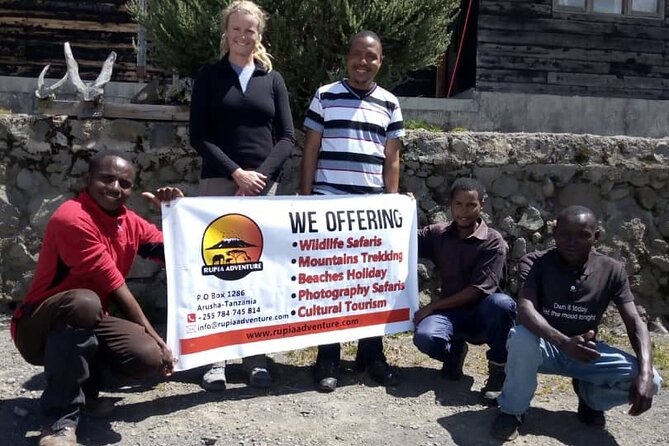
You’re not just buying a summit. You’re buying the camp rhythm that keeps you walking again tomorrow.
Meals included in the package:
- Breakfast (7)
- Lunch (6)
- Dinner (5)
That matters because the timing of food can make a difference. On summit day, you need energy before you leave. On descent days, you still need calories to recover. Having structured meals reduces the risk of relying on snacks alone while your body is under constant stress.
Also, the positive comments about food being plentiful line up with what you’d hope for on a trek with long hiking days, including a 12 to 15 hour summit day.
The Summit Day Reality: Midnight, Scree, Stella Point, Uhuru Peak
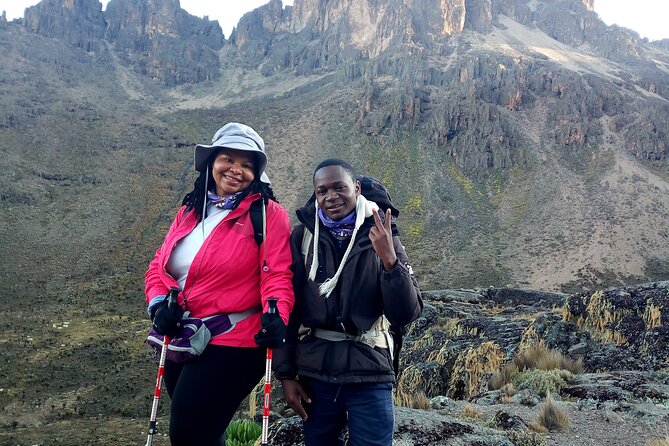
Let’s talk plainly about the summit plan, since it’s the heart of the trip.
You start around midnight, climb steeply on scree, and aim to reach Stella Point (5739m) as sunrise begins. From there, you keep walking to Uhuru Peak (5895m). After that, you do a long descent, including a return to Stella Point and back toward Barafu Camp for breakfast before heading down to Millennium Camp.
This timeline is intense, but it has a clear logic. If you reach the crater rim for the sunrise, you’re rewarded for the hard hours of climbing in darkness. Then you still have time to get to the summit and begin the return while temperatures and energy are still in decent shape.
For your planning: be ready for cold early hours, long stretches without breaks, and the need to keep moving even when your legs feel slow.
Weather and Group Size: Two Things You Can Control, One You Can’t
Kilimanjaro depends on weather. The provided details say the experience requires good weather. If it’s canceled due to poor weather, you’ll be offered a different date or a full refund.
That affects how you should plan your broader Tanzania trip. If you want Zanzibar or safari right after this, leave some buffer time. Weather can shift, and a trek that’s running on summit windows may need rescheduling.
Group size is the part you can usually predict. The maximum is 15 people. Smaller groups can feel more responsive. It also tends to reduce crowding at tricky trail spots and makes it easier for the guide to manage pacing.
Packing and Altitude Tips That Match the Route
The itinerary includes wet rainforest sections, long moorland walking, scree climbs, and a midnight summit push. That mix means you’ll want clothing and gear that handle moisture and cold.
What tends to matter most on this route profile:
- Footing and comfort: wet trail days mean your socks and shoes matter more than fashion
- Layering for big temperature swings: moorland and summit hours get cold, especially around midnight
- Consistent pacing: the route uses acclimatization time, but you still need to walk at a sustainable pace on steep days
- Plan for long days: distance is not the only measure, summit day is described as 12 to 15 hours
If you’re unsure about what to bring, lean on the equipment check day in Moshi. The tour explicitly includes that check, and missing gear can be rented on day 1.
Also, set expectations about altitude. Even with the walk high, sleep low approach, you still gain a lot of elevation and spend meaningful time high, including up to around 4600m.
Who This Trip Fits Best
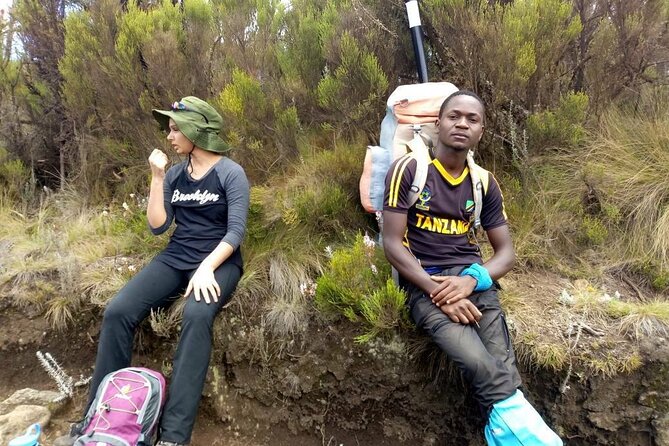
This trek is a fit if you want:
- a structured 6 day Machame climb with clear pacing and acclimatization
- a team that focuses on the day-to-day work of hiking and camp life, with attention to supportive guidance
- sunrise-on-the-rim payoff, with Stella Point and Uhuru Peak as the summit targets
It may be less ideal if you want an easy vacation pace. The description includes steep sections, muddy rainforest underfoot, and a summit push lasting much of the night and early morning.
Should You Book Rupia Adventure’s 6 Day Machame Route?
If you’re looking for a guided Kilimanjaro trek that combines strong route planning with a supportive crew, this one deserves a close look. The value is in the full package feel: airport pickup, hotel stays in Moshi, an equipment check day, a small group cap, and meals that are included across the climb. The standout praise centers on the team being kind and the food being plentiful, plus guide Emmanuel being attentive and responsive to individual needs.
Book it if you can commit to the physical challenge and you’re willing to align your schedule with the weather window. Pass or switch dates if your itinerary is too tight and you cannot handle a possible date change due to poor conditions.
If you want, tell me your hiking experience level and whether you are prone to altitude sickness symptoms. I can help you sanity-check if Machame’s profile matches your goals and how to plan your prep.
FAQ
What is the start time for this experience?
The start time is 8:30 am.
Where are you picked up, and where do you sleep before the trek?
You are picked up at Kilimanjaro International Airport and transferred to your hotel in Moshi town. Your overnight is at Mvuli Hotel (or an alternative).
Is there an equipment check before you start climbing?
Yes. On the first day, you meet your guide for an equipment check, and gear that is missing can be rented that day.
What meals are included during the trek?
Breakfast is included for 7 days, lunch is included for 6 days, and dinner is included for 5 days.
What are the main highlights of the route?
The climb passes through dense rainforest, reaches the Shira Plateau, continues through high moorland near the Lava Tower, goes via the Great Barranco area, and includes a summit attempt with sunrise at Stella Point before reaching Uhuru Peak.
How long is the summit day, and when do you start?
You start around midnight. The trek is described as taking about 12 to 15 hours total, including time climbing scree, reaching Stella Point for sunrise, and continuing to Uhuru Peak.
What happens at the end of the trek?
You walk down to Mweka Gate for park formalities and certificates. Then you’re met by vehicles and return to your hotel in Moshi, with time to shower and celebrate.
What if the climb is canceled due to poor weather?
If it is canceled due to poor weather, you’ll be offered a different date or a full refund.
Just posted around Arusha
- 8 Days Serengeti Migration safari★ 5.0 · 11 reviews
- tarangire & ngorongoro 2 days tour★ 5.0 · 14 reviews
- serengeti, ngorongoro & tarangire 4 days private tour★ 5.0 · 18 reviews
- tarangire, ngorongoro & lake manyara park 3 days private tour★ 5.0 · 11 reviews
- serengeti & ngorongoro 3 days private tour★ 5.0 · 15 reviews
- climb the KILIMANJARO via Lemosho route★ 5.0 · 4 reviews
- Mt. Kilimanjaro: Shira plateau to Cathedral point 3872m Day hike★ 5.0 · 7 reviews
- Kilimanjaro Waterfalls Hike & Moshi Hot Springs Day Trip Tour★ 5.0 · 4 reviews
Kilimanjaro Climbs, compared.
8-Day Small-group Lemosho Kilimanjaro Summit Trekking
Read our review →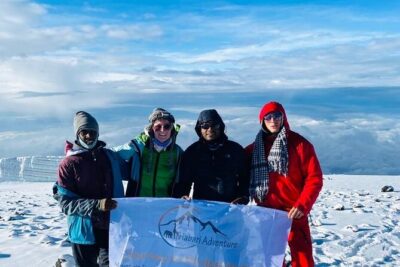
5 Days Best of Tanzania Luxury Safari Northern Circuit
Read our review →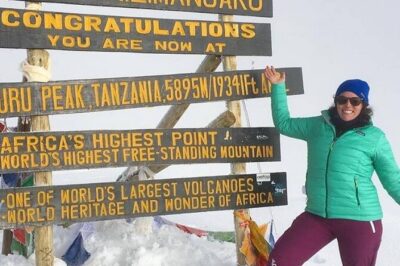
Climbing Kilimanjaro through 7 days Machame Route
Read our review →