Reviewed · KILIMANJARO CLIMBS
5 Days Marangu Route Kilimanjaro Climbing
Marangu Route climbs hit a special sweet spot: big altitude challenge with real hut comfort. This 5-day Kilimanjaro trek from Arusha is built for hikers who want the most straightforward path up, with sleeping huts and planned pacing that helps you stay focused on the climb. I also like how the route moves you from forest to moorland to the eerie crater zone without wasting time on complicated logistics. One possible drawback to plan for, though, is that you still need a steady fitness base, because summit day is long and starts around 1 a.m.
What makes this climb feel practical is the way comfort is handled. You sleep in communal mountain huts with bunks, and you get a sponge mattress and pillow, plus solar lighting at camps. If you are tired of “camping” that feels more like survival, you will probably appreciate this more relaxed setup.
The other consideration is the pace for a 5-day itinerary. The route is often described as the easiest and shortest option, but it is still Kilimanjaro, and altitude acclimatization can be tight for some people. If you want extra buffer, the program can be done as 6 days for better acclimatization, with an extra rest day at Horombo or time to climb the small peak of Mawenzi.
In This Review
- Key things that make this Marangu climb worth your attention
- Marangu Route comfort, explained in plain terms
- Altitude timeline: 5 days versus choosing the 6-day option
- Day-by-day: forest to moorland to the summit rim
- Day 1: Kilimanjaro National Park gate to Mandara Hut
- Day 2: Mandara Hut to Horombo Hut through grassy moorland
- Day 3: Horombo Hut to Kibo Hut and the saddle feeling
- Day 4: 1 a.m. start to Gillman’s Point, then options for Uhuru rim
- Day 5: Mandara and the forest walk down to Moshi or Arusha
- Huts, meals, and those small comforts that matter at 4,700 m+
- Your guide team, and why Gasto matters on Kilimanjaro
- Price and value: what $1,730 includes, and what to budget for
- Pickup, timing, and the logistics that affect comfort
- What you should pack, since climbing gear is not included
- Fitness level and who this trek suits best
- The summit day reality check: decision-making at altitude
- Should you book this 5-Day Marangu climb?
- FAQ
- Where does this Kilimanjaro climb start?
- How long is the trek?
- What route is this, and why is it popular?
- Do you sleep in tents on the Marangu Route?
- Is food included?
- Are park fees and rescue fees included?
- What drinks are provided?
- What is not included in the price?
- Is this tour private?
- What if I need to cancel?
Key things that make this Marangu climb worth your attention
- Hut-based camping all the way up, with solar lights and basic bedding
- A simple, well-graded route profile compared with many other Kilimanjaro paths
- Sunrise and summit logistics that start early, including Gillman’s Point timing
- Meals and hot comfort on the mountain, including quality mess tents with table and chairs
- Gasto and his team style, known for organization, safety focus, and laughs along the way
- Park fees and rescue fees included, which helps you budget cleanly
Marangu Route comfort, explained in plain terms
Marangu is often called the Coca Cola route, or the tourist route, because it tends to be the most straightforward option to the top. The big practical difference is that you are not living in tents at each camp. Instead, you sleep in mountain huts at the main camps, which makes a real difference on a cold, windy mountain where your energy matters.
Those huts are communal, with bunks and a sponge mattress plus pillow. Solar lights are provided, so you are not fumbling around in the dark trying to manage bags and layers. You will still want to be organized, but the hut setup removes a lot of the “gear wrestling” that can turn a trek stressful.
More Kilimanjaro climbs:
- 8-Day Small-group Lemosho Kilimanjaro Summit Trekking
★ 5.0 · 186 reviews - 5 Days Best of Tanzania Luxury Safari Northern Circuit
★ 5.0 · 174 reviews - 7-Day Machame Kilimanjaro Summit Tour from Arusha
★ 5.0 · 125 reviews
Altitude timeline: 5 days versus choosing the 6-day option
This trek is usually done in 5 days, and the schedule is designed to move you upward steadily: forest at Mandara Hut, then moorland to Horombo Hut, then higher up toward Kibo Hut and the saddle. On the hardest days, the plan includes slow, steady walking rather than constant steep bursts.
Still, 5 days means you may feel the altitude sooner than you would on a 6-day plan. If you want a bit more margin, there is an option to add a day for better acclimatization. That extra day can be spent resting at Horombo, or used to climb the small peak of Mawenzi, which can help you break the “waiting for summit” mental tension without rushing.
A quick reality check: you will be going up to Gillman’s Point at 5,685 m, and the summit rim near Uhuru Peak reaches 5,896 m. Your body needs time to adjust. If you tend to get headaches, nausea, or a cough that worsens with altitude, the extra day can be a smart call.
Day-by-day: forest to moorland to the summit rim
Day 1: Kilimanjaro National Park gate to Mandara Hut
You start with a short drive from Arusha area to the Kilimanjaro National Park gate at 1,830 m. The walk begins through attractive, unspoiled forest, which is a gift on day one. It feels cooler, greener, and calmer than the upper zones, and it is a good time to settle into rhythm.
You hike roughly 3 to 5 hours to reach Mandara Hut at 2,700 m. The volcanic remains of Maundi Crater are nearby, and you can use the afternoon to explore if you feel good. This is also a wildlife-friendly section: birdlife is rich, and monkeys are often seen around the huts.
Practical note: day one is a warm-up, not a race. Use it to test your layers, gloves, and how your legs handle a steady uphill.
A few more Arusha trips to compare
- Balloon Safari & Bush Breakfast in Serengeti – Miracle Experience
★ 5.0 · 1,646 reviews - Tanzania Classic – 7 Days
★ 5.0 · 1,151 reviews - 4 Days Group Camping Safari
★ 5.0 · 1,101 reviews - 5 Days Group Camping Safari
★ 5.0 · 730 reviews
Day 2: Mandara Hut to Horombo Hut through grassy moorland
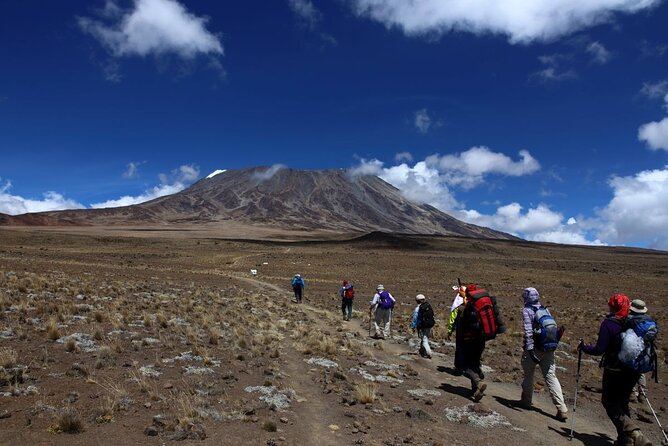
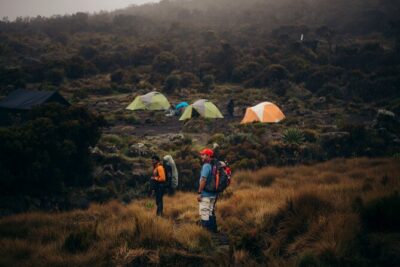
Day two starts with a steep ascent through forest, then opens out into grassy moorland. In clear weather, you can get views of the Kibo and Mawenzi peaks, which makes the climb feel more like a journey instead of just a wall.
The hike takes about 4 to 6 hours and ends at Horombo Hut at 3,720 m. This zone includes giant heather and occasional stands of groundsel. The timing matters here too, because sunrises and sunsets from Horombo can be stunning, and the hut sits close enough to the Kibo dome area that you can feel like you are living above the clouds.
What to expect: cooler air, thinner feeling breathing, and a need to pace. If you push early, you pay later.
Day 3: Horombo Hut to Kibo Hut and the saddle feeling
This day climbs very gradually toward the saddle between Mawenzi and Kibo. The terrain changes toward a lunar, high-altitude wilderness vibe, with scree underfoot.
You walk about 4 to 5 hours to reach Kibo Hut at 4,700 m, usually by midday. The afternoon is free after that, which is valuable. It gives you time to rest, eat, and mentally prepare for the final push, without packing and unpacking every hour.
You will likely feel the mountain more intensely on day three than day one. That “palpable sense of high altitude wilderness” is not just poetic, it is your body noticing the air is thinner and the environment is harsher.
Day 4: 1 a.m. start to Gillman’s Point, then options for Uhuru rim
This is the big summit day, and it starts early. You begin the ascent by torchlight at about 1 a.m., aiming to reach Gillman’s Point at sunrise. The climb from Kibo Hut is steep over loose volcanic screen, but the route uses well-graded zig-zags so a slow, steady pace can work.
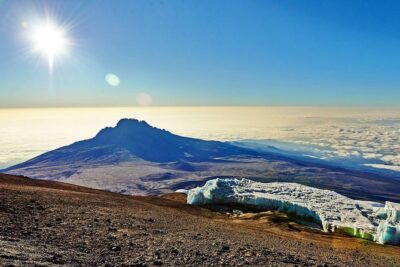
Most people reach Gillman’s Point at 5,685 m in about 5 to 6 hours. Then there is time to rest and take in the sunrise. From there, there is an option to continue a 3-hour round trip along the crater rim toward Uhuru Peak at 5,896 m.
If conditions allow and you still feel strong, you get close to the glaciers that still occupy much of the summit area. The descent back to Horombo Hut is surprisingly fast compared with the climb up, and you spend the night there.
Two things you should plan for mentally:
- Early starts can mess with your appetite, so keep snack routines simple.
- Summit day is as much about pacing and decision-making as it is about stamina.
Day 5: Mandara and the forest walk down to Moshi or Arusha
On the final day, you retrace steps. You walk in a pleasant moorland section back to Mandara, then enjoy a forest walk to the National Park gates and onward to Moshi or Arusha.
This day is typically 5 to 6 hours. The contrast is the point: the greenness and lush forest feels like a reset button after the crater day. It also helps you appreciate how varied Kilimanjaro really is, even when you are taking one of the simplest routes.
Huts, meals, and those small comforts that matter at 4,700 m+
What I like about this climb is that it treats comfort as part of the plan, not a bonus. Overnight stays in mountain huts mean you can focus on breathing, eating, and sleeping instead of assembling camp. The bunks come with a sponge mattress and pillow, and solar lighting helps you function after dark.
Food is another big deal. You get all meals while on the mountain, plus quality mess tents with table and chairs. That sounds small until you are sitting at altitude trying to warm up and refuel. Having a proper place to eat, rather than “standing and hoping,” is the difference between feeling cared for and feeling run down.
There is also purified, clean drinking water included, which removes one more uncertain factor. You still need to follow guide advice on hydration, but the baseline is handled.
Your guide team, and why Gasto matters on Kilimanjaro
A huge part of any Kilimanjaro trek is who is calling the pace and reading the mountain. The team here includes professional, experienced mountain guides, and the included structure means you are not left to figure things out on the fly.
In the feedback for this company, one name comes up again and again: Gasto, known as the Kili King. People highlighted how organized his crew was, how safety and summit attempts were handled, and how the team carried heavy luggage so hikers could focus on walking. Gasto is also described as someone who keeps things light, with good laughs while still treating the climb seriously.
You can also expect that cultural context and local learning are part of the experience, not tacked on. Some guides bring stories, but the best ones connect those stories to what you are seeing around you. That is the kind of guide experience you want at altitude, because it makes the waiting and early mornings feel purposeful.
Price and value: what $1,730 includes, and what to budget for
At $1,730 per person, this is not a budget trek, but it also is not priced like a luxury safari. The value comes from what is included versus what you would normally have to hunt down yourself.
Included items that protect your budget:
- Overnight stays in mountain huts
- Professional guides
- All park fees and rescue fees
- All meals on the mountain
- Quality mess tents with table and chairs
- Clean, purified drinking water
- Pickup via airport transfers
- Mobile ticket
- A private group setup, meaning only your group participates
Not included items you must plan for:
- Tanzania visa
- Tips
- Personal climbing gear
If you are the type of traveler who hates surprise costs, this inclusion list helps. You can plan your climb budget with fewer question marks, and that matters when your time and energy are already on a tight schedule.
Pickup, timing, and the logistics that affect comfort
You meet with a start time of 7:30 am. That gives you a smooth day rhythm for planning, and it also matters if you are traveling from Arusha in the morning.
Pickup is offered, and airport transfers are included. The experience is also described as near public transportation, which can help if you are not staying far from Arusha.
Because this is a private tour/activity, it is only your group on the trek. That can be helpful if you want a consistent pace and fewer disruptions.
What you should pack, since climbing gear is not included
Person climbing gear is not included, so you need to bring the essentials for a high-altitude winter-style climb, even though the Marangu route is often called easier.
You should also plan for early-night wakeups on summit day, since the ascent starts around 1 a.m. That means you need clothing you can layer fast in low light and keep warm as you walk and stop.
I recommend treating packing as part of training:
- Bring layers you can handle in forest warmth and higher cold air.
- Use comfortable hiking socks, because blisters at altitude are no joke.
- Bring a simple bag system you can manage one-handed in torchlight if needed.
If you are unsure, ask the operator what they expect for gear. The climb is hut-based, but your personal gear still has to be altitude-ready.
Fitness level and who this trek suits best
The trek is best for people with moderate physical fitness. That does not mean it is easy. It means the route design leans on steady walking and hut comfort rather than technical climbing.
This is also a strong fit for:
- First-time Kilimanjaro hikers who want a straightforward route
- Travelers who prefer hut sleeping over tent camping
- Couples or small groups who value a consistent guide-led pace
- People who want solid meal structure and fewer logistics headaches
It might not be the best fit if you strongly need more acclimatization time. If you know altitude hits you hard, you may want the 6-day option, so your body has a better chance to adjust before the final push.
The summit day reality check: decision-making at altitude
Even with the easiest route, summit day is serious. The plan is to get to Gillman’s Point at sunrise and then decide whether to continue toward Uhuru Peak. Some hikers will feel ready for the crater rim round trip. Others will stop earlier and still consider that a major win, because the mountain is about safety as much as it is about reaching a specific point.
The route includes a return to Horombo Hut that night, so you get back to the comforts of the next camp rather than ending the climb abruptly in the cold.
If weather is not cooperating, your guide team will steer you. With mountain huts and organized support, the tone is typically practical, not pushy. That is exactly what you want when you are tired and breathing hard.
Should you book this 5-Day Marangu climb?
Book it if you want:
- A hut-based Kilimanjaro experience with solar-lit camps
- Straightforward route pacing and a clear summit-day plan
- Guides who focus on safety, organization, and supportive teamwork, with Gasto often named as a standout
- Included meals, water, park fees, and rescue fees, which makes your trip budget easier
Skip it or reconsider the length if:
- You know acclimatization is tough for you and you want extra time before the high zones
- You are expecting a truly effortless hike. It is manageable for many hikers, but it is still a high-altitude challenge
If you match the moderate fitness target and you like the idea of sleeping in huts, this is a strong, value-focused way to climb Kilimanjaro on the Marangu route.
FAQ
Where does this Kilimanjaro climb start?
It starts from the Arusha area, with pickup offered and airport transfers included, and the mountain meeting start time is 7:30 am.
How long is the trek?
The trek runs for about 5 days, and it can be done in 6 days for better acclimatization.
What route is this, and why is it popular?
This is the Marangu Route, also called the Coca Cola or tourist route. It is described as the easiest and shortest route to the summit, with huts at the camps.
Do you sleep in tents on the Marangu Route?
No. You sleep in communal mountain huts at the camps, with solar lights and beds, plus a sponge mattress and pillow.
Is food included?
Yes. All meals while on the mountain are included: breakfast, lunch, and dinner each day on the trek.
Are park fees and rescue fees included?
Yes. All park fees and rescue fees are included in the tour price.
What drinks are provided?
You get clean, purified drinking water included during the mountain portion.
What is not included in the price?
Not included are the Tanzania visa, tips, and person climbing gear.
Is this tour private?
Yes. It is private, and only your group participates.
What if I need to cancel?
There is free cancellation. You can cancel up to 24 hours in advance for a full refund, but cancellations within 24 hours do not receive a refund.
Just posted around Arusha
- 8 Days Serengeti Migration safari★ 5.0 · 11 reviews
- tarangire & ngorongoro 2 days tour★ 5.0 · 14 reviews
- serengeti, ngorongoro & tarangire 4 days private tour★ 5.0 · 18 reviews
- tarangire, ngorongoro & lake manyara park 3 days private tour★ 5.0 · 11 reviews
- Mt. Kilimanjaro: Shira plateau to Cathedral point 3872m Day hike★ 5.0 · 7 reviews
- serengeti & ngorongoro 3 days private tour★ 5.0 · 15 reviews
- climb the KILIMANJARO via Lemosho route★ 5.0 · 4 reviews
- Kilimanjaro Waterfalls Hike & Moshi Hot Springs Day Trip Tour★ 5.0 · 4 reviews
Kilimanjaro Climbs, compared.
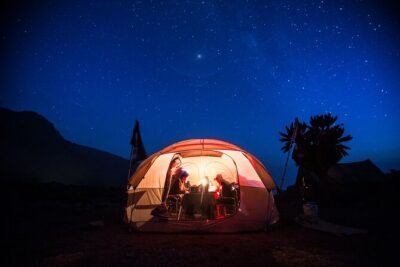
8-Day Small-group Lemosho Kilimanjaro Summit Trekking
Read our review →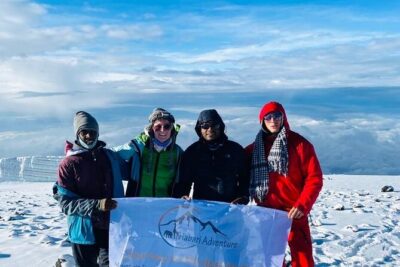
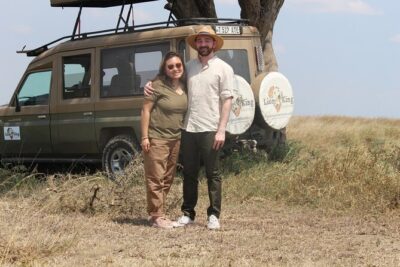
5 Days Best of Tanzania Luxury Safari Northern Circuit
Read our review →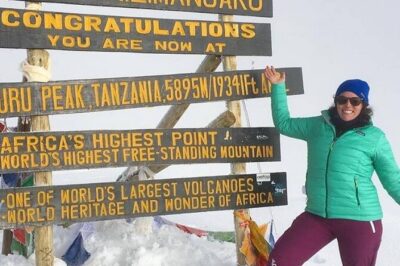
Climbing Kilimanjaro through 7 days Machame Route
Read our review →