
Reviewed · KILIMANJARO CLIMBS
5 Days (4 Night) Marangu Route
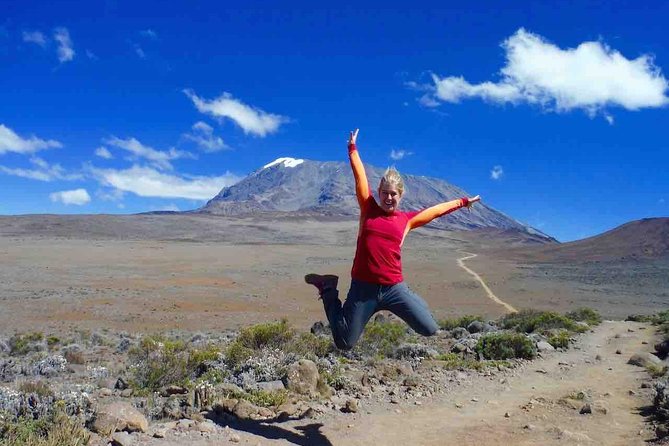
High camps start with an easy day-one climb. This 5-day Kilimanjaro experience out of Moshi mixes straightforward walking with scenic high-altitude moments on the Shira Plateau, and the guiding team brings real people skills. I like the careful pacing on day 1 and the included meals that keep you fueled. One thing to consider: the details provided only cover days 1 through 3, so you should confirm what happens on days 4 and 5 before you go.
I also like the practical setup in town. You get pickup offered, transport to and from, a hotel included, and bottled water through the trek, plus a mobile ticket. That means less time figuring out logistics and more time focusing on steps, breath, and staying warm.
Finally, read the weather note closely. This experience requires good weather, and if it has to be canceled due to poor conditions you will be offered a different date or a full refund. Just remember the amount paid is non-refundable if you cancel or request changes.
In This Review
- Key things to know before you trek
- From Moshi to Londorossi Gate: a calm start with built-in logistics
- Day 1: check in at Londorossi Gate, then to MitiMkubwa Camp
- Day 2: the shift from forest into heather, ending at Shira One
- Day 3: Shira Plateau walking, Shira Cathedral side trips, then Shira Two
- Camps and food: what included support really means on Kilimanjaro
- The guiding style that gets you moving: John and the team behind you
- Pace, altitude comfort, and what to do with the first three days
- Price and value: $2,805.66 per person, what you are really paying for
- Who this trek suits best, and who should think twice
- Should you book this Marangu Route experience with Majali Tours?
- FAQ
- Where do we meet for this Kilimanjaro trek?
- How long is the trek, 2 days or 5 days?
- What is included in the price?
- What is not included?
- Is pickup offered from Moshi?
- What kind of ticket do I get?
- What happens if weather is poor?
Key things to know before you trek
- Pickup and transport from Moshi: you start from a known point, Kilimanjaro Wonders Hotel on Kigoma Street.
- Day 1 is genuinely friendly: check in at Londorossi Gate, then a short climb to MitiMkubwa Camp.
- Shira Caldera to Shira One Camp: you shift from forest walking to heather forest and reach the edge of the caldera area.
- Shira Plateau walking plus Shira Cathedral options: day 3 includes a gentle crossing with possible side trips.
- John-led motivation is a highlight: the guide is praised for caring, humor, and pushing energy when legs feel done.
- Weather matters: the climb is dependent on conditions, so be ready for date adjustments.
From Moshi to Londorossi Gate: a calm start with built-in logistics
This experience begins in Moshi, and that matters more than people think. Most of your stress before a mountain is logistical, not physical. Here, you have pickup offered and transport to and from, plus a hotel included, so you can arrive, check in, and get your gear sorted without scrambling.
Meeting point is clear too: Kilimanjaro Wonders Hotel, Kigoma Street, Tanzania. If you like knowing where your day starts, you’ll appreciate that. The listing also mentions it is near public transportation, which can be a comfort if you are arriving in town on your own.
Another small but helpful touch is the mobile ticket. It reduces the chance of last-minute paperwork surprises. And bottled water is included through the trek, which helps you plan your hydration rhythm.
One more note that tells you something about operations: the activity listing says a maximum of 500 travelers. That cap likely reflects sales volume, not the number on your mountain trek. Still, it is smart to ask what your on-trek group size will be, because Kilimanjaro is more fun when you know what kind of group dynamic you are walking into.
More Kilimanjaro climbs:
- Kilimanjaro climb by Lemosho Route (7-day)
★ 5.0 · 651 reviews - Kilimanjaro climb, Machame Route (7-day)
★ 5.0 · 262 reviews - Kilimanjaro Climbing Lemosho Route 8 Days.
★ 5.0 · 186 reviews
Day 1: check in at Londorossi Gate, then to MitiMkubwa Camp
Day 1 is built to be approachable. After about a 1.5-hour drive from Moshi, you check in at the Londorossi Gate. Then the main walking block is a relatively short climb, about 3/4 of an hour, to MitiMkubwa Camp.
I like this kind of first day for two reasons. First, it helps your body learn the new rhythm without punishing you immediately. Second, it gives you time to settle into the group process, especially if you are new to mountain treks.
You should still treat day 1 as day 1. Even when the climb is short, the altitude and the long day ahead can add up. Wear layers you can adjust fast. Start steady, not heroic. And if you feel off, tell your guide early. That early course correction is where the best guiding makes a difference.
Day 2: the shift from forest into heather, ending at Shira One
Day 2 begins with a few hours of walking, and the terrain changes in a way you can feel. You move from the forest to the start of a climb through heather forest, then you work your way to the edge of the Shira Caldera area. Destination is Shira One Camp.
That “end of forest to beginning of heather” transition is a classic mountain clue. It usually signals colder air, different footing, and more attention needed for your pace. If you tend to rush on climbs, this is the day to slow down and keep your breathing calm.
Shira One Camp is also the kind of stop that sets expectations for the week. You are moving from lower, softer routes into the more open high-altitude scenery. The air can feel thinner even when you do not clock it instantly.
Meals are included on day 2 too, with breakfast, lunch, and dinner provided. I love that kind of all-in structure. When you do not have to make decisions about food, you can focus on eating at the right times and getting rest when your body asks for it.
Day 3: Shira Plateau walking, Shira Cathedral side trips, then Shira Two
Day 3 is described as a gentle hike across the Shira Plateau. You also have possible side trips to Shira Cathedral, and you end at Shira Two Camp (3,849 m / 12,628 ft.). The notes also say Shira Two Camp is at the first high camp of Shira Two, and from there the trail links with the Machame Route.
That link matters for two reasons. One, it tells you that your experience is not only about what happens on a single named route, but about how the trekking sections connect. Two, it means your team and your schedule may adjust to the broader trekking plan once you join that trail.
The good news is the plateau crossing is described as gentle. That is exactly the kind of hiking that helps you manage effort. Gentle does not mean easy. It usually means a steady workload where slow, consistent steps win over speed.
If you are debating whether to do a side trip to Shira Cathedral, I would use your guide’s advice and your own body cues. If you feel strong and your breathing is steady, it can be a nice add-on. If you are already breathing harder than you expected, keep it simple and prioritize the camp goal.
And yes, meals are again included with breakfast, lunch, and dinner on day 3. That repetition is a comfort. Your body likes routine when the altitude gets serious.
A few more Moshi trips to compare
- 6 Days 5 Night Safari
★ 5.0 · 57 reviews - Moshi sunset experience
★ 4.5 · 31 reviews - Private guided tour to the night lifestyle of Moshi town
★ 5.0 · 13 reviews - Moshi: Sunset Chill with Drinks and Roundtrip Transfer
★ 4.1 · 7 reviews
Camps and food: what included support really means on Kilimanjaro
Kilimanjaro is not just walking. It is also how you sleep, eat, and recover. This experience includes a hotel and then camping along the way. One review specifically called out basic hut accommodation on the Marangu Route. That lines up with the reality of many Kilimanjaro climbs: you are paying for the mountain experience and the team logistics, not for luxury lodging.
Food is a standout in the feedback. One group said the guide made sure they ate good food the entire trek. Another described nice food and well balanced meals. That matters because on summit attempts and long days, good food can be the difference between feeling capable and feeling drained.
Coffee or tea is included, and bottled water is included through the trek. Those little comforts add up. They also help you avoid the common mistake of under-drinking because you forgot to plan your water intake.
Potential drawback: since only days 1 to 3 are spelled out here, you may not know in advance where each night falls. Still, if you are choosing this for value, the included structure on the early days is a good sign.
The guiding style that gets you moving: John and the team behind you
The name that comes up most is John. The tone of the praise is consistent: caring, professional, funny when appropriate, and focused on getting you through when your body says no.
One review highlighted that John helped someone reach the top by giving energy when the hiker did not want to carry on. Another review described John as informative, friendly, and attentive throughout the group. And a separate review praised John and his team for a successful climb, noting they reached Uhuru Peak.
I like that this guiding is not presented as tough-love only. It sounds like John is doing two jobs at once. He is guiding on trail, and he is managing morale. On Kilimanjaro, those two jobs are inseparable.
The wider team is also part of the appeal. Reviews mentioned amazing teams including the guide, porters, and cooking staff. This matters because your hike depends on more than your legs. Cooking staff keep your energy up. Support staff help with smooth carry logistics. When the team is solid, your group usually feels calmer.
Pace, altitude comfort, and what to do with the first three days
You can learn a lot about a climb from the first part of the route, even with limited schedule details. Here, day 1 is short and easier. Day 2 includes a terrain change into heather forest. Day 3 is a gentle plateau crossing, with possible side trips, then you reach Shira Two.
That combination is a decent setup for acclimatization, but you still need to do your part. My practical advice:
- Keep your pace slow enough that you can talk in short sentences.
- Drink regularly, not only when you feel thirsty. Bottled water is included, so make that work for you.
- Dress in layers and adjust often. When you stop moving, you can cool down fast.
- Save your effort for the day’s end, not for the first hour.
Also, you will want to plan your motivation strategy. When you feel tired, it helps to have something concrete in mind, like reaching the next camp safely. John is praised for bringing energy in those moments, so expect the guide to coach you through the low points rather than just walking on autopilot.
Price and value: $2,805.66 per person, what you are really paying for
At $2,805.66 per person, this is not a bargain-bin option. So you should judge it by what is included and what kind of experience it supports.
Here is what is covered:
- Coffee and/or tea, plus breakfast, lunch, and dinner
- A guide
- Bottle of water through the trek
- Hotel
- Transport to and from
- Potters, plus other team support listed as part of the package
What is not included:
- Tips
- Visa
- Laundry services
- Flight
That inclusion list tells me a lot about value. You are not paying extra for meals and on-trek basics, and you are getting transport and lodging covered. For a mountain like Kilimanjaro, those are real costs that add up fast if you try to build it yourself.
The biggest question is whether you want a team-forward climb. If you like knowing that cooking, support, and guiding are handled, then paying for a complete package can feel fair.
The drawback, again, is the missing detail for days 4 and 5 in the information provided. Before you commit, confirm the full 5-day outline so you know exactly what you are paying for and what the final nights look like.
Who this trek suits best, and who should think twice
This tour says most travelers can participate, and that matches the general structure of a guided Kilimanjaro trek where the team manages pacing and logistics.
This is a good fit if:
- You want a guided climb with a known meeting point in Moshi
- You value strong human support and morale coaching, especially from the guide named John
- You prefer meals and key logistics handled so you can focus on walking and acclimatization
- You want included water, plus coffee or tea, not a pay-as-you-go setup
You might think twice if:
- You want a fully detailed day-by-day schedule in advance. The provided info covers days 1 to 3 in detail, and you will need confirmation for the rest.
- You have very tight plans around dates. Weather can force changes, and the experience is non-refundable if you cancel for reasons not related to poor weather.
Should you book this Marangu Route experience with Majali Tours?
If your priority is a team-led Kilimanjaro climb with good food, included support, and a guide who is praised for both professionalism and morale, then yes, this looks like a strong choice.
My deciding points would be:
- Confirm the full day-by-day plan for the full 5 days, especially what happens after Shira Two Camp.
- Plan your budget to include tips and your visa, since those are not included.
- Make sure your trip timing can handle possible weather-driven date shifts.
If that checks out, this is the kind of climb where a caring guide like John can make the difference between just getting there and feeling supported the whole way.
FAQ
Where do we meet for this Kilimanjaro trek?
The start point listed is Kilimanjaro Wonders Hotel, Kigoma Street, Tanzania.
How long is the trek, 2 days or 5 days?
The title says 5 Days (4 Night) Marangu Route, but the overview also notes duration as 2 days (approx.). You should confirm the exact schedule with the operator before booking.
What is included in the price?
The package includes coffee and/or tea, breakfast, lunch, dinner, bottled water through the trek, a guide, a hotel, transport to and from, and potters.
What is not included?
Not included are tips, visa, tips again (listed twice), laundry services, and flight.
Is pickup offered from Moshi?
Yes. Pickup is offered, and transport to and from is included.
What kind of ticket do I get?
The listing mentions a mobile ticket.
What happens if weather is poor?
This experience requires good weather. If it is canceled due to poor weather, you will be offered a different date or a full refund. The experience is otherwise non-refundable and cannot be changed for any reason.
Just posted around Moshi
- machame route★ 5.0 · 16 reviews
- Kilimanjaro Climbing Umbwe Route★ 5.0 · 3 reviews
- Wildlife Extravaganza: Manyara, Tarangire & Ngorongoro in 3 Days★ 5.0 · 3 reviews
- Mt Kilimanjaro 6 days Marangu route hike★ 5.0 · 3 reviews
- 3 Days Private E-Bike Tour in West Kilimanjaro★ 5.0 · 3 reviews
- West Kilimanjaro cycling Adventures★ 4.5 · 8 reviews
- Kilimanjaro Climb • Marangu Route ~ 9 Day★ 5.0 · 4 reviews
- Private Cycle to Kilimanjaro Bike Park Safari★ 5.0 · 6 reviews
Kilimanjaro Climbs, compared.
8-Day Small-group Lemosho Kilimanjaro Summit Trekking
Read our review →
5 Days Best of Tanzania Luxury Safari Northern Circuit
Read our review →
Climbing Kilimanjaro through 7 days Machame Route
Read our review →
Browse the lists this tour appears in