Reviewed · KILIMANJARO CLIMBS
12 Days Safari Tour around Mt Kilimanjaro off the beaten
Kilimanjaro on safari is a smart mix. This 12-day circuit strings together remote wildlife areas and the headline stops around Serengeti and Ngorongoro, plus walking days at the foot of the mountain.
What I like most is the focus on ranger-guided experiences, not just vehicle time, and the route keeps pulling you into different ecosystems so wildlife looks and feels different each day.
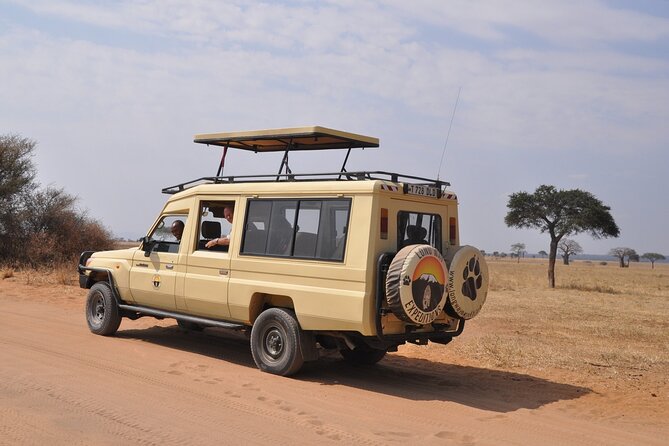
The tour’s biggest plus for me is the small group size, max 7, paired with a vehicle setup built for game viewing: open roof Land Cruiser, binoculars, and even a fridge. One thing to consider is that the price is high, and key extras are not included, like international and domestic flights, visa fees, travel insurance, and drinks.
In This Review
- Key reasons this Kilimanjaro-area safari feels different
- Arriving in Arusha, then stepping straight into “safari mode”
- Arusha National Park: armed ranger walk, Momella Lakes, and crater forest
- Enduimet Wildlife Reserve: Kilimanjaro views while you drive and walk
- Mkomazi National Park: African wild dogs, black rhino odds, and a bird-heavy day
- Evening hunt, then morning hunt for different animal moods
- What this means for you in practice
- Back through Moshi: a reset day that keeps the safari human
- Lake Manyara: the fairytale forest, monkeys, and big-bird energy
- Lake Natron and Engare Sero Gorge: Maasai-led bird watching at a remote salt lake
- Serengeti via Klens Gate: big cats, Great Migration country, and rift valley views
- Ngorongoro Crater: descending into a volcanic bowl and hunting Big Five odds
- Your safari “base kit”: open-roof Land Cruiser, radios, and included water
- Price and value: what the $4,810 includes, and what you need to plan
- Who this safari fits best
- Should you book this 12-day safari around Kilimanjaro?
- FAQ
- How long is the safari tour?
- Where does the tour start?
- Where does the tour end?
- What parks and areas are included?
- What kind of wildlife viewing do you do?
- Is armed ranger support included?
- What is included in the tour price?
- What is not included?
- What is the cancellation cutoff for a full refund?
Key reasons this Kilimanjaro-area safari feels different
- Max 7 travelers keeps the pace and attention more personal when you’re watching animals.
- Open-roof Land Cruiser 4×4 with binoculars and a fridge means better viewing and fewer annoyances on long drives.
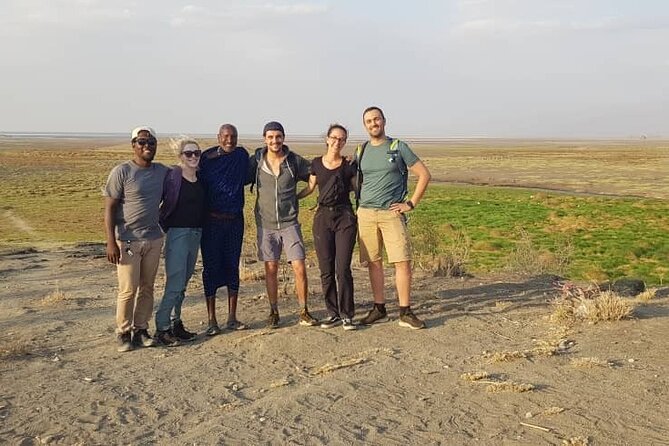
- Ranger and local-led walks happen more than once, including an armed-ranger walk in Arusha and Maasai-led bird-watching at Lake Natron.
- A route that mixes remote parks with Serengeti and Ngorongoro, so you get both variety and the classic highlights.
- Strong coordination from Ann and experienced driving support (including guides like Tuma) comes through in how smoothly the trip is described.
- Water included daily (1.5 litres per person) is a practical win when you’re out early and returning late.
Arriving in Arusha, then stepping straight into “safari mode”
Your trip starts in Arusha, with a meet-and-greet on arrival at Kilimanjaro Airport and a transfer to your overnight hotel. The guides are local Tanzanians with 10+ years of experience, and that matters because the first day sets expectations: you want someone who understands timing, routes, and how to run a day without chaos.
From the start, this tour also signals a lighter footprint than the big mega-circuits. With a maximum group size of 7, you’re less likely to feel like you’re squeezed into a long line of vehicles, especially in places where the schedule can get tight.
Who it suits best: people who want real wildlife time, but also like the idea of stepping out of the vehicle occasionally with the right kind of guidance.
More Safaris in Arusha
- Balloon Safari & Bush Breakfast in Serengeti – Miracle Experience
★ 5.0 · 1,646 reviews - 4 Days Group Camping Safari
★ 5.0 · 1,101 reviews - 5 Days Group Camping Safari
★ 5.0 · 730 reviews
Arusha National Park: armed ranger walk, Momella Lakes, and crater forest
Day 2 is a strong welcome to Tanzania wildlife without immediately jumping into the biggest, busiest parks. Arusha National Park is relatively small at 137 square kilometers, which often translates into more flexibility for where you go and how the day flows.
You start with a guided walk with an armed ranger, then you switch gears into a relaxed game drive. You’ll pass through areas around Great and Small Momella Lakes and the forests surrounding Ngurdoto crater. Even if you end up seeing many of the same species that show up later in the trip, this day gives you variety in habitats, and that helps you notice animals differently.
Expect a mix that can include giraffes, buffalo, and baboons. The park’s size also tends to make it feel manageable. You’re not rushing from one end of a giant park to the other all day, and you get back to your lodge in the evening.
Possible drawback: it’s still a safari schedule day, so you should plan on being out for several hours and not expecting long downtime between activities.
Enduimet Wildlife Reserve: Kilimanjaro views while you drive and walk
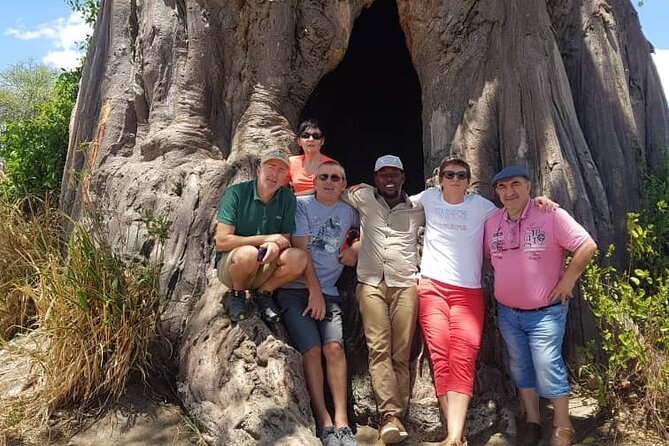
On Day 3, you travel to Enduimet Wildlife Reserve (described as southern Amboseli). This is one of the most appealing “off the beaten” style parts of the circuit. It’s also where the trip leans into that Kilimanjaro-at-your-back feeling.
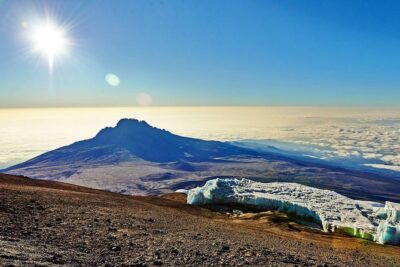
You get a game drive and a ranger-guided walk, and the reserve’s location is the point: you’re in a strategic area that can deliver photogenic views of Mount Kilimanjaro, the highest free-standing mountain in the world. For a lot of people, this becomes the visual theme of the safari. You’re not just hearing about Kilimanjaro, you’re seeing it between savannah and wildlife sightings.
The day is also paced so you reach your lodge before nightfall, which is important for a tour like this. After a walking session and driving, you want a calm arrival and a real chance to reset.
Mkomazi National Park: African wild dogs, black rhino odds, and a bird-heavy day
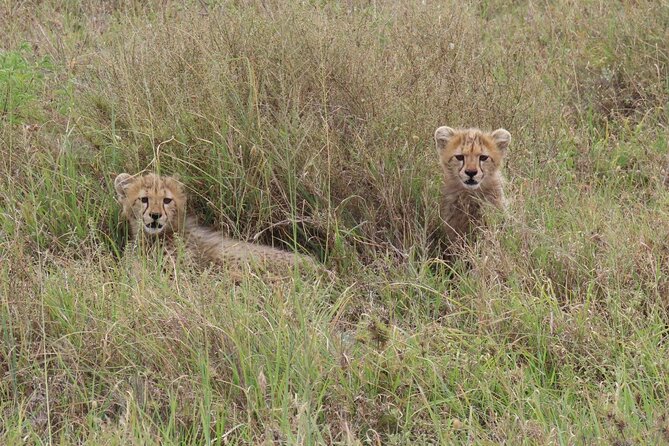
Days 4 and 5 are built around Mkomazi National Park, with two different rhythms.
More Kilimanjaro climbs:
- 8-Day Small-group Lemosho Kilimanjaro Summit Trekking
★ 5.0 · 186 reviews - 5 Days Best of Tanzania Luxury Safari Northern Circuit
★ 5.0 · 174 reviews - 7-Day Machame Kilimanjaro Summit Tour from Arusha
★ 5.0 · 125 reviews - Mountain Kilimanjaro Day Hike
★ 5.0 · 102 reviews
Evening hunt, then morning hunt for different animal moods
On Day 4, you arrive and head out for an evening game drive. The highlight focus is African wild dogs, which is exactly the kind of sighting that makes a safari feel like more than a checklist. You’ll drive to camp before dark.
Day 5 turns early, with an early morning game drive. Mkomazi is described as a remote part of North Eastern Tanzania, and the park’s size is given as 3,500 square kilometers. The animal list is broad: black rhinos, giraffes, elephants, oryx, impalas, elands, dik-dik, and African wild dogs again, plus an emphasis on bird life with 400+ species noted.
What this means for you in practice
Two game drives in one park, with a shift from evening to morning, gives you better odds of seeing animals with different activity patterns. It also means you’re not stuck waiting for the same mood of the day. If you want to maximize animal variety before you head toward the big-ticket parks, this is a smart setup.
Possible consideration: remote parks can mean long driving time between sighting moments. The trade is that you’re often away from the heaviest crowds, and that can make sightings feel more relaxed.
Back through Moshi: a reset day that keeps the safari human
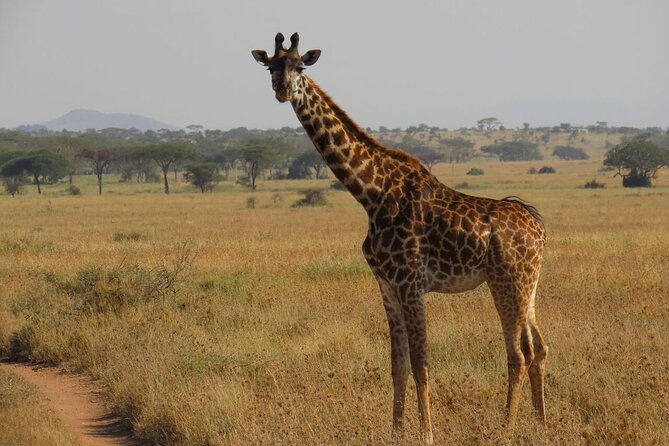
Day 6 brings you back to Arusha via Moshi, with a note that there may be a stop for a barbeque if possible. This day matters more than it looks on paper.
After driving days and early starts, a reset day gives you space to catch your breath, do laundry if you’re traveling that way, and sleep more comfortably knowing you’re not chasing a major park on the schedule. It also positions you well for the next set of habitats.
You’ll return to Arusha and stay overnight again, which helps prevent “continuous motion fatigue.”
Lake Manyara: the fairytale forest, monkeys, and big-bird energy
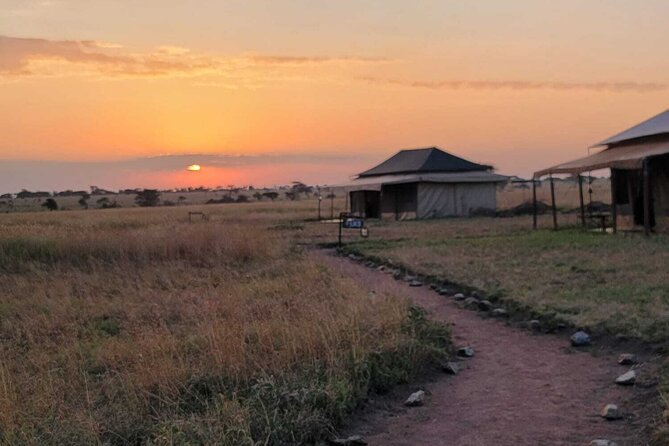
Day 7 is Lake Manyara National Park, and it’s described with the kind of texture many safari itineraries skip: forest-edge drama. You drive through a “fairytale forest” where you can see baboons and blue monkeys, plus elephants and plenty of bird species.
This kind of park is great if you want variety beyond the classic open savannah view. Even when you’re still searching for large mammals, you end up noticing the smaller action too: troop movement, bird calls, and the rhythm of animals moving through cover.
You’ll have a game drive and then head to your hotel for overnight.
Lake Natron and Engare Sero Gorge: Maasai-led bird watching at a remote salt lake
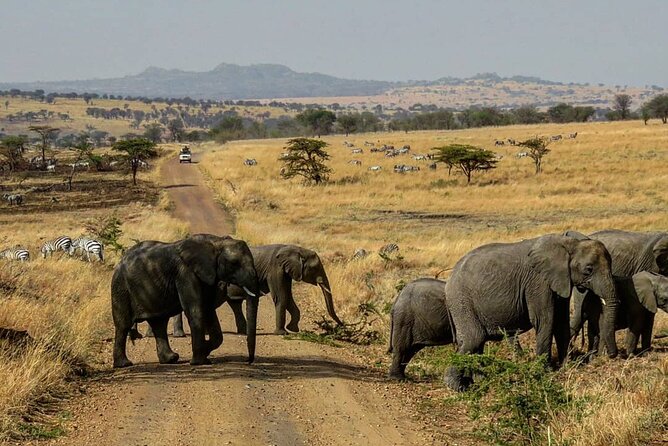
Day 8 shifts to Lake Natron, which is described as a remote salt lake in Tanzania and known for flamingo breeding grounds. The timing lands you there in the afternoon, with a mix of sights.
You’ll visit Engare Sero Gorge and waterfalls, then take a guided walk led by a Maasai tribesman to the lake shore for bird watching. This is one of those days where “walking” adds more than stretch breaks. The lake shore is where you want eyes level with what birds are doing.
Even if flamingos are not the only thing you spot, you’re set up for bird-focused attention, and that is the point of the day’s pacing.
Possible consideration: afternoons can mean heat and tougher walking conditions, so you’ll appreciate having good water support from the vehicle. The tour includes 1.5 litres per person daily, which is a real comfort.
Serengeti via Klens Gate: big cats, Great Migration country, and rift valley views
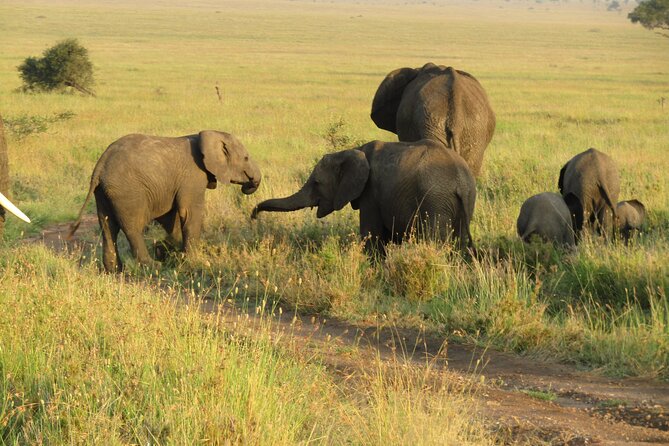
Days 9 and 10 are Serengeti National Park, starting via Klen’s Gate on the eastern side of the Serengeti. You also travel through the escarpment that forms the eastern branch of the rift valley, with views tied to areas named Waso and Ololosokwan.
You arrive at Serengeti around midday, then you head out for a game drive. Serengeti is described as having the largest population of big cats and being home to the Great Wildbeest Migration. If you’re aiming for classic predator action, this is where the itinerary puts the spotlight.
Day 10 repeats the day structure with another game drive, giving you a second chance to adjust based on where animals are moving. That matters because wildlife does not care about your schedule.
Possible drawback: Serengeti can feel like the busiest section of the route. The benefit of this specific tour is that you’re doing it with a small group, max 7, and you have the open-roof vehicle setup that makes scans fast.
Ngorongoro Crater: descending into a volcanic bowl and hunting Big Five odds
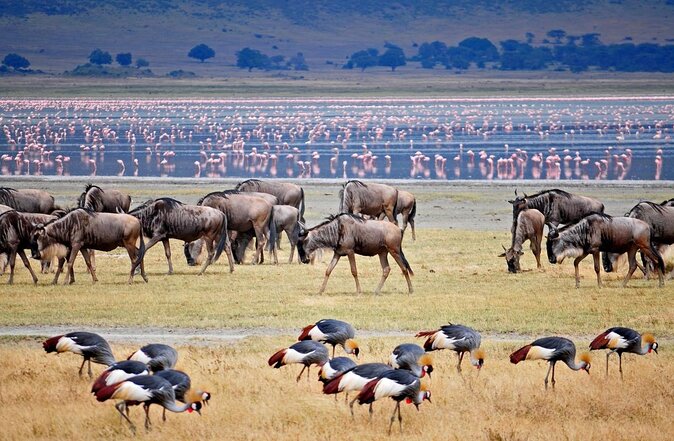
Day 11 goes to Ngorongoro Crater, with a descent to the crater floor. The crater’s origin is explained as a collapsed volcano, and the ecosystem is framed as self-sustaining, with a dense predator presence. You’ll spend time on the crater floor, and the day is described as a place where you may be able to spot the Big Five in a single afternoon.
The scenery is also described as astonishing. On crater days, the “view” part is not just scenery for photos. It helps you understand why animals gather and how you can spot them from the vantage points you’re allowed to use.
Afterward, you ascend and head to Karatu for your overnight.
Possible consideration: crater drives involve lots of attention and long viewing time. If you get motion sickness easily, it’s worth knowing you’ll likely spend time in vehicle sitting positions designed for animal scanning.
Your safari “base kit”: open-roof Land Cruiser, radios, and included water
This tour includes a Land Cruiser 4×4 with an open roof, plus 2-way radio, a fridge, and a pair of binoculars. That list is more useful than it sounds.
- Open roof helps you see over heads and reduces the friction of trying to shoot through closed windows.
- Binoculars matter in parks where you might spot something moving long before you can see it clearly.
- 2-way radio is a quiet operational advantage. It helps the driver coordinate and communicate so you’re not always “guessing” where the action is.
- Fridge and drinking water (1.5 litres per day per person) reduce the small-day stress. When you’re out early, little comfort issues become big ones.
Meals also look good on paper. You have breakfast for all 12 days and dinner included. You will not be stuck hunting for food after long drives, at least for the meals covered.
Price and value: what the $4,810 includes, and what you need to plan
At $4,810 per person for about 12 days, this safari sits in the higher bracket. The value comes from what’s built into the experience:
Included features you can point to:
- Accommodations as per the program
- Land Cruiser 4×4 with open roof, radio, fridge, and binoculars
- Daily water (1.5 litres per person)
- English speaking driver guide
- Parking fees
- Airport and departure tax
- Breakfast (12) plus dinner
Not included items you should budget for separately:
- International flight and domestic flight
- Visa fees (if applicable)
- Travel insurance
- Drinks
Also, the itinerary includes some items marked as included (like certain park admission days) and many are marked as free. What that means for you is simple: the trip is set up to reduce the number of surprise costs once you arrive, but you should still expect some costs not listed in the includes section.
Where the price makes sense is the mix. You’re not just doing Serengeti. You’re also covering Arusha National Park, Enduimet, Mkomazi, Lake Manyara, Lake Natron, and Ngorongoro. That is a lot of ecosystems and a lot of wildlife time for one continuous journey, and the small group size helps keep it comfortable.
Who this safari fits best
This tour makes sense if you want:
- Walking experiences with guidance, including ranger-led walking and Maasai-led time by Lake Natron
- A route that feels off the beaten track in parts (Enduimet and Mkomazi) but still lands you at the major East African wildlife icons
- More structured wildlife searching, with two different game drive blocks in key areas like Mkomazi and two full days in Serengeti
- A vehicle setup optimized for viewing: open roof, binoculars, and radio communication
You might think twice if:
- Your biggest priority is maximum downtime or short driving days. This is a circuit with several transitions.
- You want flights fully handled end-to-end. Flights are not included, and visas and insurance are also your responsibility based on the includes list.
Should you book this 12-day safari around Kilimanjaro?
If you’re choosing this style of trip, I think it’s a strong pick for two reasons: the route gives you real variety, and the safari includes more than vehicle viewing. Ranger-led walking in Arusha and Enduimet, plus Maasai-guided time near Lake Natron, adds texture you won’t get from a purely driving-only itinerary.
I’d book it if your travel style matches this rhythm: early starts, long viewing hours, and the patience that comes with watching animals do their thing. I would not book it if you need a fully packaged flight-and-visa solution or you’re hoping for lots of free time in each location.
FAQ
How long is the safari tour?
The tour is listed as 12 days (approx.).
Where does the tour start?
It starts at African View Lodge, Momella Road, Arusha, Tanzania.
Where does the tour end?
The activity ends in a different location. The exact end location is not specified in the details provided.
What parks and areas are included?
The itinerary includes Arusha National Park, Enduimet Wildlife Management area, Mkomazi National Park, Lake Manyara National Park, Lake Natron, Serengeti National Park (including entry via Klen’s Gate), and Ngorongoro Crater, plus time in the Karatu area after Ngorongoro.
What kind of wildlife viewing do you do?
You get game drives and you also have guided walks in places like Arusha National Park and Enduimet, plus a Maasai-led walk near Lake Natron.
Is armed ranger support included?
Yes. The Arusha National Park day includes a guided walk with an armed ranger.
What is included in the tour price?
Included items listed are accommodations, Land Cruiser 4×4 with open roof, 2-way radio, fridge, and binoculars, drinking water (1.5 litres per day per person), English speaking driver guide, parking fees, airport/departure tax, breakfast (12), and dinner.
What is not included?
Not included are international flight and domestic flight, visa fees (if applicable), travel insurance, and drinks.
What is the cancellation cutoff for a full refund?
You can cancel up to 6 days in advance of the experience start time for a full refund.
More Safaris from Arusha
- 3 Days Serengeti & Ngorongoro Group Camping Safari
★ 5.0 · 574 reviews - 7-Day Premium Luxury Tanzania Safari All-Inclusive
★ 5.0 · 426 reviews - 3-Day Classic Serengeti Safari
★ 5.0 · 263 reviews - 8 Days Great Wildebeest Calving Migration Safari from Arusha
★ 5.0 · 254 reviews
Just posted around Arusha
- 8 Days Serengeti Migration safari★ 5.0 · 11 reviews
- tarangire & ngorongoro 2 days tour★ 5.0 · 14 reviews
- serengeti, ngorongoro & tarangire 4 days private tour★ 5.0 · 18 reviews
- tarangire, ngorongoro & lake manyara park 3 days private tour★ 5.0 · 11 reviews
- serengeti & ngorongoro 3 days private tour★ 5.0 · 15 reviews
- climb the KILIMANJARO via Lemosho route★ 5.0 · 4 reviews
- Mt. Kilimanjaro: Shira plateau to Cathedral point 3872m Day hike★ 5.0 · 7 reviews
- Kilimanjaro Waterfalls Hike & Moshi Hot Springs Day Trip Tour★ 5.0 · 4 reviews
Kilimanjaro Climbs, compared.
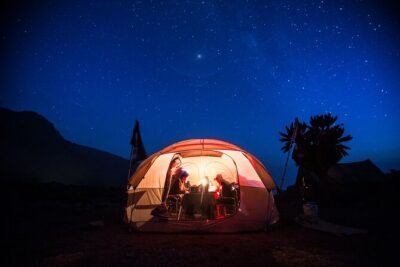
8-Day Small-group Lemosho Kilimanjaro Summit Trekking
Read our review →
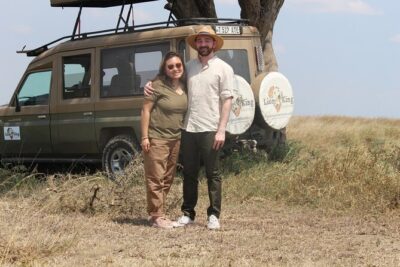
5 Days Best of Tanzania Luxury Safari Northern Circuit
Read our review →
Climbing Kilimanjaro through 7 days Machame Route
Read our review →