Reviewed · KILIMANJARO CLIMBS
The Best of Machame Route in 6 Days: Your World’s Summit Guide
Six days, one big altitude test. This Machame-route Kilimanjaro climb is interesting because the schedule is shaped for acclimatization, and the scenery shifts fast as you gain height toward the summit. You also get a shot at that classic summit moment, sunrise if conditions cooperate, with the added thrill of knowing you’re on the most popular ascent path.
I particularly like that meals are included throughout the trek, so you can focus on hiking instead of budgeting every meal at elevation. I also like the practical setup for sleep, since camping equipment such as tents and mattresses is included. One possible drawback to plan for is that Kilimanjaro park fees and crew tips are not included, and you’ll want decent personal hiking gear you bring yourself.
In This Review
- Key things to know before you tackle Machame
- Machame Route: why this 6-day climb is a smart choice
- Day 1: Moshi to Machame Gate, then into the rainforest
- Day 2: Shira Camp and the shift into moorland
- Day 3: Lava Tower (Shark’s Tooth) and the acclimatization pivot
- Day 4: Barranco Wall to Barafu Camp and the South Circuit feel
- Day 5: Summit night, Stella Point, Uhuru Peak, then down to Mweka
- Day 6: Mweka descent, summit certificate, and back to Moshi
- Price and value: what you pay for in this $1,150 Machame climb
- What’s the pace like, and how fit do you need to be?
- Camps, meals, and the comfort choices that save energy
- Group size and the vibe on a big mountain
- Should you book this Machame route 6-day climb?
- FAQ
- Where does the tour start?
- How long is the Machame climb?
- What route are we taking up Kilimanjaro?
- Are meals included?
- Is camping equipment included?
- Are Kilimanjaro park fees included in the price?
- Do I need to bring personal hiking gear?
- What about tips for the mountain crew?
- How many people are in the group?
- When does the summit push start?
- Is there free cancellation?
Key things to know before you tackle Machame
- Machame route is built for acclimatization with several altitude gains and controlled direction changes
- Meals and camping gear are included, which reduces what you must pack
- Day 3 and Day 4 are strategy days, helping your body adjust before the summit push
- Your summit night starts very early, typically midnight to 2 am, which is demanding but time-tested
- You descend to Mweka for your last day, with a muddy, wet trail risk at lower elevations
Machame Route: why this 6-day climb is a smart choice
Kilimanjaro is not a mountain you “power through.” The best climbs are the ones that give your body time to adjust to altitude while still building stamina. The Machame route is popular for a reason: it layers the ascent with gradual progress, then adds specific days where you adjust, recover a bit, and move in ways that help you handle the thinner air.
What I like about this format is that the route isn’t just about getting higher. It also keeps you moving through clear stages of the mountain, from rain forest to moorland, then into semi-desert and alpine desert. That matters because each zone tends to feel and hike differently, and you’ll notice the change in air, temperature, and trail conditions as the climb continues.
More Kilimanjaro climbs:
- Kilimanjaro climb by Lemosho Route (7-day)
★ 5.0 · 651 reviews - Kilimanjaro climb, Machame Route (7-day)
★ 5.0 · 262 reviews - Kilimanjaro Climbing Lemosho Route 8 Days.
★ 5.0 · 186 reviews
Day 1: Moshi to Machame Gate, then into the rainforest
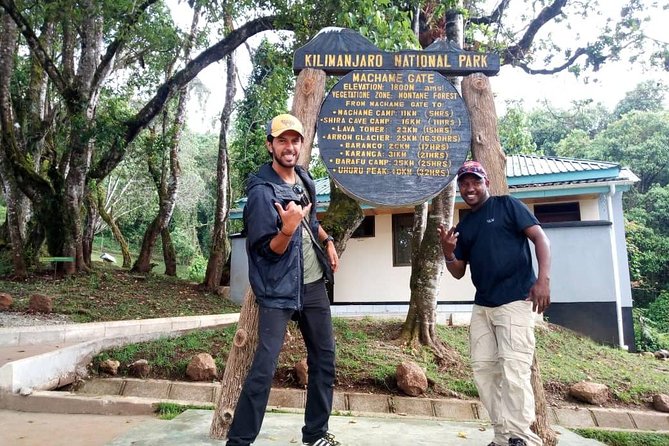
You start in Moshi, with about a 45-minute drive to Machame Gate. After you pass through the gate, you begin a hike through rain forest, climbing from about 1,830 m (6,000 ft) to roughly 3,050 m (9,950 ft) over around 11 km (7 mi). Plan on 5 to 6 hours, plus the usual pauses for breath and photo stops.
This is the day to take it easy. When the trail is winding and shaded, it’s tempting to get excited and hike faster than you should. I suggest treating Day 1 like training for good altitude habits: steady pace, small sips of water, and consistent breathing.
By the end, you land at Machame Camp for the night, with lunch and dinner included. It’s a good setup because you’re not scrambling for food or gear once you arrive.
Day 2: Shira Camp and the shift into moorland
Day 2 starts with breakfast, then you leave the rain-forest feel behind and climb toward higher, more open terrain. You’ll ascend from about 3,050 m to 3,850 m (roughly 12,600 ft) over a shorter distance of around 5 km (3 mi), with hiking time about 4 to 5 hours.
The walking includes some varied terrain, including crossing a valley along a steep rocky ridge and moving through a river gorge before reaching Shira campsite. Expect a noticeable change in vegetation, and you’ll feel it in the air as the mountain opens up.
Shira Camp is where you spend the night, and you get breakfast, lunch, and dinner included. This day is also a baseline day for how your body is handling altitude. If you feel overly breathless or headachy, Day 2 is the moment to speak up early rather than toughing it out.
Day 3: Lava Tower (Shark’s Tooth) and the acclimatization pivot
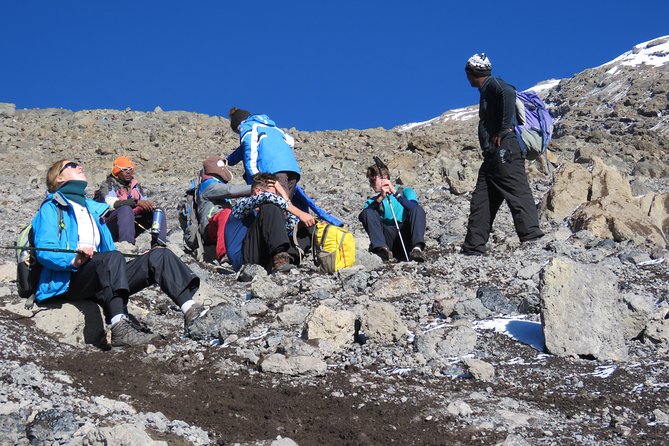
Day 3 is a big one, and it’s crucial for your success. You start from Shira Camp and continue up a ridge, then head east and southeast toward Lava Tower, also known as “Shark’s Tooth,” reaching about 4,650 m (15,250 ft). After that high point, you descend to Barranco Camp.
Even though you’re going up and down, the key is that Day 3 helps your body learn the pattern: higher effort, controlled time, then a descent to recover. The route goes from about 3,850 m to about 4,000 m (13,000 ft) overall, over roughly 10 km (6 mi) and about 5 to 6 hours.
The habitat becomes semi-desert, which often means less shade and more exposure to wind and temperature changes. Keep that in mind for clothing layers and hydration, because the mountain can feel colder even when you’re still working hard.
You’ll stay overnight at Barranco Camp with breakfast, lunch, and dinner included. In practical terms, this is the day where you either start to relax into the altitude rhythm, or you learn quickly that you need to slow down and focus on breathing.
A few more Moshi trips to compare
- Safari Serengeti And Ngorongoro
★ 5.0 · 288 reviews - Climbing Kilimanjaro – Machame Route
★ 5.0 · 170 reviews - Climbing Kilimanjaro through 7 days Machame Route
★ 5.0 · 151 reviews - Kilimanjaro climb, Lemosho Route (8-day)
★ 5.0 · 148 reviews
Day 4: Barranco Wall to Barafu Camp and the South Circuit feel
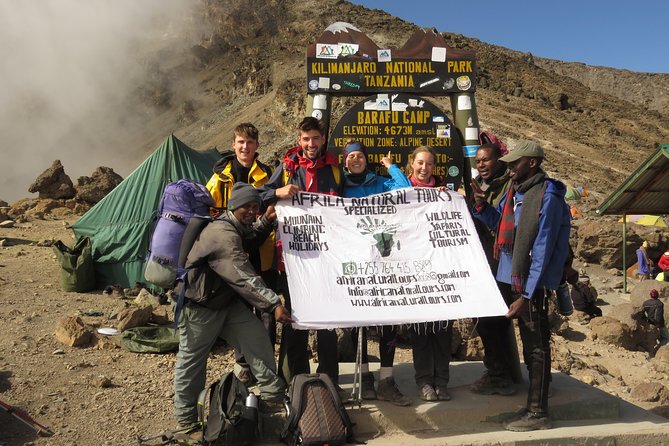
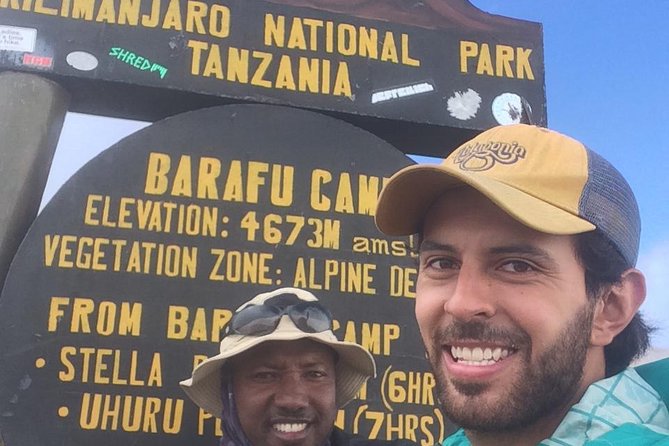
Day 4 is where the climb starts to feel sharper. After breakfast, you tackle the steep Barranco Wall, reaching around 4,250 m (13,900 ft). Then you traverse through the Karanga Valley at about 4,050 m (13,250 ft), before continuing to Barafu Camp.
The elevation gain goes from about 4,000 m to 4,700 m (15,350 ft), across about 9 km (6 mi). Hiking time is listed at 6 to 8 hours, and the terrain is described as alpine desert, which typically means less cover and more wind exposure.
This stretch is also described as completing the South Circuit, which helps explain why the views can feel so rewarding even before summit day. I like days like this because you get a “progress” feeling. You are working hard, but you’re also clearly moving into the final approach zone.
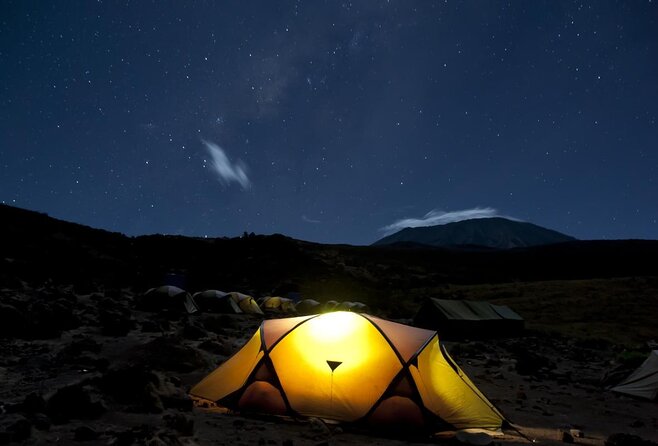
You’ll sleep at Barafu Camp overnight, with breakfast, lunch, and dinner included. If you’re prone to getting cold at rest, plan layers for Barranco and the time spent near camp.
Day 5: Summit night, Stella Point, Uhuru Peak, then down to Mweka
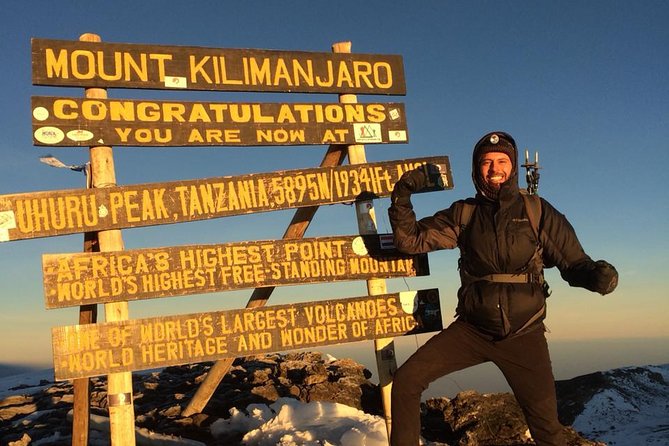
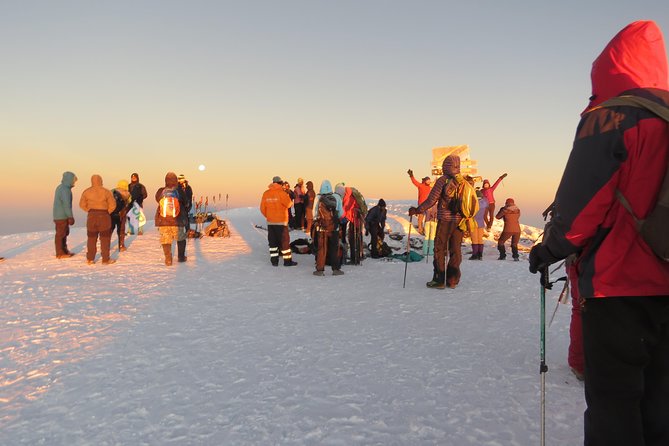
Day 5 is the make-or-break day. You start very early, typically between midnight and 2 am, heading toward the summit in the dark. The route goes through areas near the Rebmann and Ratzel glaciers, ascending through scree to reach Stella Point on the crater rim at about 5,740 m (around 18,850 ft, with the listing focusing on the summit sequence).
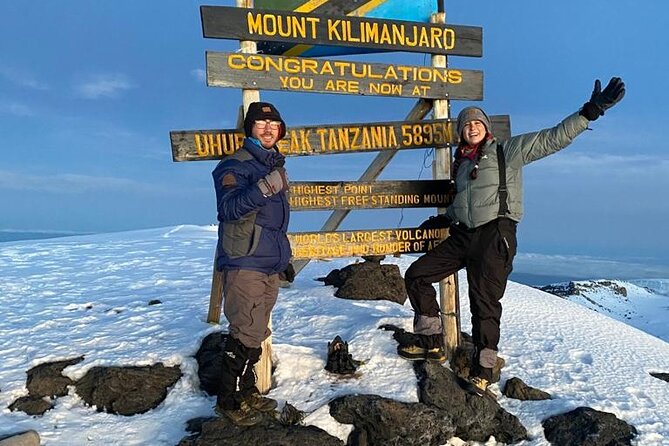
From Stella Point, you continue to Uhuru Peak, the highest point in Africa at 5,895 m (19,340 ft). Summit timing is described in terms of reward: a breathtaking sunrise is the big payoff, weather permitting. That’s why a cold, slow, careful push tends to work better than sprinting early.
After summiting, you descend to Mweka Camp. The route notes a stop at Barafu for lunch, which helps you refuel before the long drop. The elevation changes from about 4,700 m up to 5,895 m, then down to about 3,090 m (10,150 ft). Total hiking time is listed at 10 to 13 hours, with about 5 km up and 13 km down.
This is also the day you’ll feel the cumulative effect in your legs. Start conservatively, watch your breathing, and keep your focus on steady steps rather than distance.
Day 6: Mweka descent, summit certificate, and back to Moshi
Day 6 is mostly about getting down safely and feeling proud of what you accomplished. After breakfast, you descend to Mweka Park Gate to receive your trekking certificate. The trail down can be wet and muddy at lower elevations, so gaiters and trekking poles are advisable.
The listed descent covers about 10 km (6 mi), from about 3,090 m to about 1,680 m (roughly 5,500 ft), taking about 3 to 4 hours. Once you finish at Mweka Gate, a vehicle meets you and drives you back to Moshi, about 60 minutes away.
You get breakfast before the trek concludes. It’s a satisfying ending: you’ve spent days building altitude discipline, and now you’re rewarded with a calmer rhythm and the certainty that you’re finishing strong.
Price and value: what you pay for in this $1,150 Machame climb
At $1,150 per person, this is clearly not a casual day hike. The value comes from what the package covers, especially the parts that reduce hassle and risk at altitude.
Here’s what’s included:
- Breakfast, lunch, and dinner during the trek
- Pickup from your Moshi hotel to Machame Gate, and drop-off back to your Moshi hotel after descent
- Camping equipment like tents and mattresses
- A briefing, trekking certificate, and a professional Kilimanjaro hiking guide
What’s not included:
- Kilimanjaro park fees
- Tips to mountain crew
- Hotel accommodations before and after the trek
- Any airport pickup and drop-off
- Domestic and international flights
- Personal hiking gear
For me, the big value is that the trek day logistics are handled, so you’re not making constant decisions about food and sleep setup at altitude. That matters when you’re already managing energy, cold, and breathing.
Just don’t assume $1,150 is the only cost. Park fees and tips are normal add-ons on Kilimanjaro, and personal gear is on you. If you budget for those early, the “price shock” goes away.
What’s the pace like, and how fit do you need to be?
This is described as suitable for travelers with moderate physical fitness, but don’t let that phrase fool you. “Moderate” here means you can handle long hikes and steep stretches. The climbing hours listed across the days are substantial, and Day 5 can run 10 to 13 hours.
The best way to judge readiness is to think about sustained walking, not just top fitness. You’ll be hiking 4 to 8 hours on several days, often while breathing harder than usual. If you’re comfortable with that kind of effort and you don’t mind doing it in cold, windy conditions at altitude, you’re in the right zone.
The good news: the route includes acclimatization-focused pacing, which is a built-in advantage. The guide also plays a practical role in keeping you on schedule and moving safely.
Camps, meals, and the comfort choices that save energy
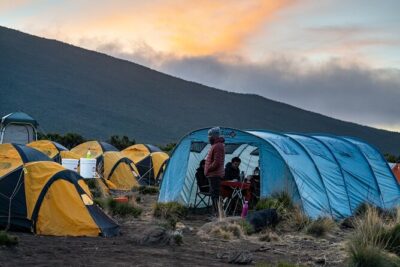
Food and rest are not perks on Kilimanjaro. They’re survival tools. With breakfast, lunch, and dinner provided each day, you can trust that calories and timing will be consistent. That’s especially helpful on summit night, when eating and hydration habits can make a big difference in how you feel.
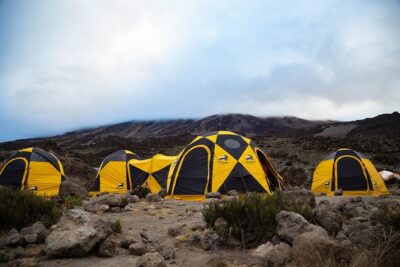
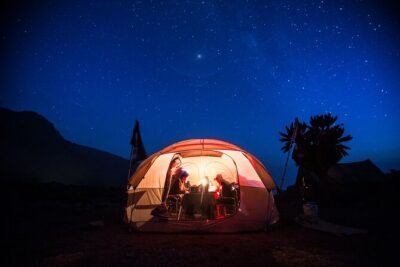
You also get camping equipment including tents and mattresses. That helps you avoid the common mistake of traveling light on critical comfort items. At these altitudes, comfort affects sleep, and sleep affects your next day.
Still, the package does not include personal gear. That’s where you can make or break your comfort:
- Pack personal hiking items you’re used to
- Plan for cold conditions, especially on early starts
- If the descent gets muddy, gaiters and trekking poles can make your day easier, as the route notes
Group size and the vibe on a big mountain
This climb runs with a maximum of 100 travelers. In real terms, that usually means you’re not alone on the mountain, but you’re also not in a giant crowd during every single walking hour. Kilimanjaro has a shared feeling because you and your group are dealing with the same cold start and the same altitude.
I’ve found that the mood on summit day tends to get focused and upbeat at the same time. You’ll feel adrenaline from the moment you realize it’s actually happening, and you’ll also notice how quickly people shift into “one step at a time” mode.
Should you book this Machame route 6-day climb?
Book it if:
- You want the popular Machame route with an acclimatization-minded schedule
- You prefer a package that handles camping equipment and all trek meals
- You’re ready for early mornings and long hiking days, especially Day 5’s summit push
Skip or reconsider if:
- You expect a low-effort trip. This is a real climb, not just a scenic walk
- You’re not prepared to cover park fees, tips, and your own personal hiking gear
- Cold, early starts, and long descents would stress you out more than you can manage
If you’re looking for a structured, value-based Kilimanjaro experience from Moshi, this one fits well. The route gives you the right mix of climb, adjustment days, and final summit timing, and the included meals and camping setup let you focus on the only thing that truly matters on Kilimanjaro, taking each step carefully.
FAQ
Where does the tour start?
The tour starts in Moshi. You get pickup from your hotel in Moshi to Machame Gate, then you begin hiking after the drive.
How long is the Machame climb?
The duration is listed as 6 days approximately, and the experience is also described as a 6 or 7 day Kilimanjaro hiking tour depending on the schedule.
What route are we taking up Kilimanjaro?
You hike via the Machame route, with camps including Machame Camp, Shira Camp, Barranco Camp, Barafu Camp, and Mweka Camp, plus the summit via the crater rim route through Stella Point.
Are meals included?
Yes. Breakfast, lunch, and dinner are included during the trekking days.
Is camping equipment included?
Yes. Camping equipment such as tents and mattresses are included.
Are Kilimanjaro park fees included in the price?
No. All Mount Kilimanjaro park fees are not included, and you can pay them direct to the park or via the tour operator.
Do I need to bring personal hiking gear?
Yes. Personal hiking gear is not included in the package.
What about tips for the mountain crew?
Tips for the mountain crew are not included.
How many people are in the group?
The tour has a maximum of 100 travelers.
When does the summit push start?
The summit push starts very early in the morning, listed as midnight to 2 am, and you reach Stella Point on the crater rim before continuing to Uhuru Peak.
Is there free cancellation?
Yes. There is free cancellation up to 24 hours in advance for a full refund. If you cancel less than 24 hours before the start time, the amount paid is not refunded.
Just posted around Moshi
- machame route★ 5.0 · 16 reviews
- Kilimanjaro Climbing Umbwe Route★ 5.0 · 3 reviews
- Wildlife Extravaganza: Manyara, Tarangire & Ngorongoro in 3 Days★ 5.0 · 3 reviews
- Mt Kilimanjaro 6 days Marangu route hike★ 5.0 · 3 reviews
- 3 Days Private E-Bike Tour in West Kilimanjaro★ 5.0 · 3 reviews
- West Kilimanjaro cycling Adventures★ 4.5 · 8 reviews
- Kilimanjaro Climb • Marangu Route ~ 9 Day★ 5.0 · 4 reviews
- Private Cycle to Kilimanjaro Bike Park Safari★ 5.0 · 6 reviews
Kilimanjaro Climbs, compared.
8-Day Small-group Lemosho Kilimanjaro Summit Trekking
Read our review →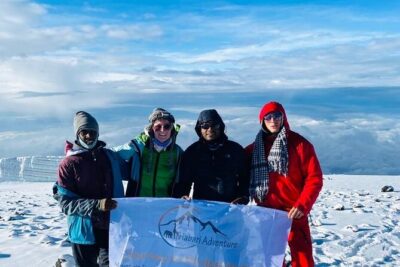
5 Days Best of Tanzania Luxury Safari Northern Circuit
Read our review →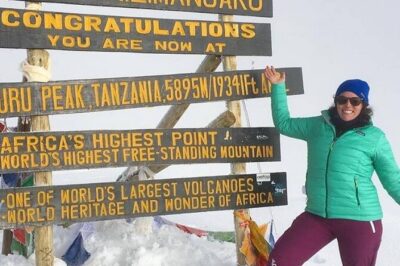
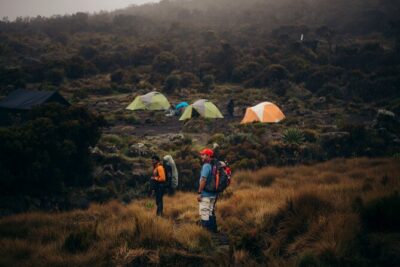
Climbing Kilimanjaro through 7 days Machame Route
Read our review →