Reviewed · KILIMANJARO CLIMBS
Rongai Route 7 Days
Rongai is the climb that comes at Kilimanjaro from the north, close to the Kenyan border, and it stays low-crowd for most of the trek. I like that the ascent feels more gradual than other routes, and you get long stretches through real wilderness instead of constant re-gazing at tourists and track markers. One tradeoff: the scenery is reported as less varied than the western routes.
From my perspective, the best part is the “approach” and the “feel” of the hike. Rongai’s north-side timing can be friendlier during the rainy season since that side typically sees less precipitation. And the bonus is practical too, since your descent goes via the Marangu route, so you finish through different terrain than you started.
This is also a properly organized trek. You get pickup, chef and porter support, quality camp setups, and a mobile ticket. Do note the fitness requirement is real: this itinerary expects strong physical readiness for steep stretches and the long summit day.
In This Review
- Key things I’d watch for on this Rongai trek
- Rongai Route Kilimanjaro, why the northern approach matters
- Price and what $2,923.08 buys you, practically speaking
- Day 1, Nale Moru Gate to Simba Camp: farmland, pine forest, and a moorland edge
- Day 2, Simba Camp to Second Cave Camp: steady ascent and Kibo’s ice-field views
- Day 3, Second Cave Camp to Kikelewa Camp: leave the forest behind and aim at Mawenzi
- Day 4, Kikelewa to Mawenzi Tarn Hut: a short steep push and a view to the north
- Day 5, Mawenzi Tarn Hut to Kibo Hut: crossing the saddle into the lunar desert
- Day 6 summit night, Kibo Hut to Uhuru Peak and down to Horombo Hut
- Day 7, Horombo Hut down via Marangu route to Marangu Gate
- Guides, chef and porter support, and why it affects your comfort
- What to pack, with the items the trek does not include
- Who this Rongai 7-day climb suits best
- Should you book this Rongai Route 7 Days?
- FAQ
- What time does the trek start?
- How long is the Rongai 7-day trek?
- Is airport pickup and drop-off included?
- What meals are included during the trek?
- What’s not included in the tour price?
- Is this tour private?
Key things I’d watch for on this Rongai trek
- North approach, Kenyan-border proximity for a quieter, less trafficked Kilimanjaro experience.
- Gradual climbing profile than many other routes, which can help you manage the pace.
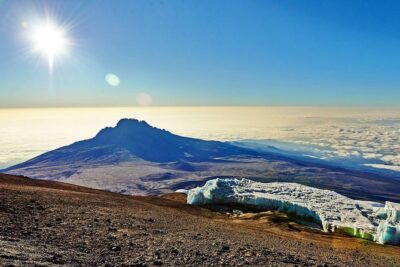
- Moorland and moody crater-rim views of Kibo and the Eastern ice fields as you go higher.
- A summit night that starts around midnight and runs 12 to 15 hours total including the descent back to camp.
- Quality camp comfort basics: mess tents with tables and chairs, plus private four-season tents.
- You still get rainforest on the way down, since descent follows the Marangu route.
Rongai Route Kilimanjaro, why the northern approach matters
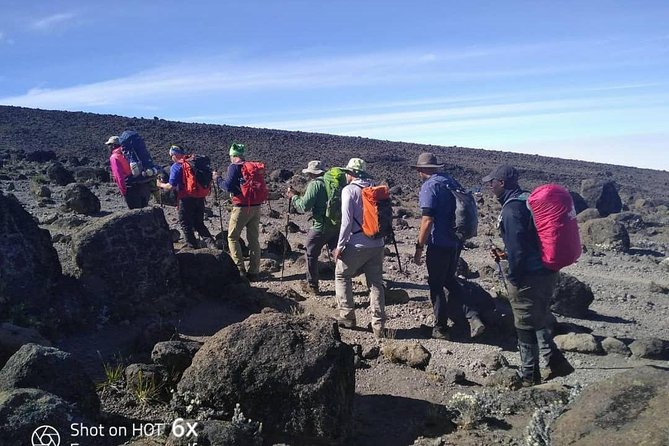
Rongai is special because it is the only well-known Kilimanjaro route that climbs from the north. That changes the whole vibe. You are near the Kenyan border, and the route tends to attract fewer climbers than the big-name routes. When the trail is not crowded, you can breathe, slow down, and actually pay attention to how the mountain changes day by day.
Rongai is also described as having a more gradual slope, which matters because Kilimanjaro is as much a pacing game as it is a strength game. Steady movement helps you avoid the early “hammer it and hope” strategy that can wreck your breathing later. The itinerary supports this with day-to-day camp spacing and a summit plan that gives you a slow start at altitude.
The other reason Rongai fits many schedules is seasonal. During the rainy season, the north side typically receives less precipitation. That doesn’t guarantee clear skies, but it can mean fewer weather interruptions. If you’re trying to schedule Kilimanjaro when other routes might feel wetter, Rongai is a smart contender.
The tradeoff, again, is variety. If what you want most is constant scenery changes every hour, Rongai may feel more uniform. But the payoff is that long stretch of remote wilderness that feels less like a highway and more like being in the middle of the mountain’s own world.
More Kilimanjaro climbs:
- Kilimanjaro climb by Lemosho Route (7-day)
★ 5.0 · 651 reviews - Kilimanjaro climb, Machame Route (7-day)
★ 5.0 · 262 reviews - Kilimanjaro Climbing Lemosho Route 8 Days.
★ 5.0 · 186 reviews
Price and what $2,923.08 buys you, practically speaking
At $2,923.08 per person, this is not a budget trek. But it is priced like a full-service climb, not just “walk from camp to camp.”
Here’s what you get for your money:
- Guides, chef, and porters allowances
- First and last accommodation
- Airport pickup and drop off
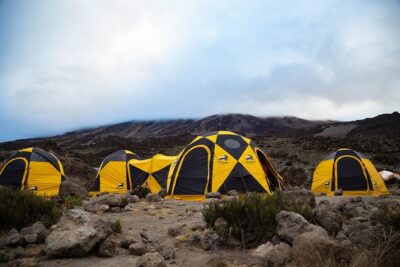
- Quality mess tents with table and chairs
- Quality, waterproof, four-season private mountain sleeping tents
- Professional, experienced mountain guides
- Dinner (7) plus breakfast and lunch included during the trekking days
When you look at the real cost drivers on Kilimanjaro, this list adds up. Staffing is the biggest piece, especially with porters and a chef because your life becomes about eating well and staying functional, not about carrying everything. The tent and mess setup also matters at altitude. At night, conditions can get cold fast, and it is much easier to handle the cold when you are not dealing with sketchy shelter and awkward food setup.
Two things to plan for. First, your sleeping bag and walking poles are not included, so you’ll need to source or rent them on your own. Second, you still pay for visa and gratuities and personal expenses. Those are normal and common, but they are worth budgeting so the final bill does not surprise you.
If you’re deciding between “cheaper and simpler” and “more supported,” this trek leans clearly toward the supported side. That is usually a good match if you want to enjoy the climb without turning it into a logistics project.
Day 1, Nale Moru Gate to Simba Camp: farmland, pine forest, and a moorland edge
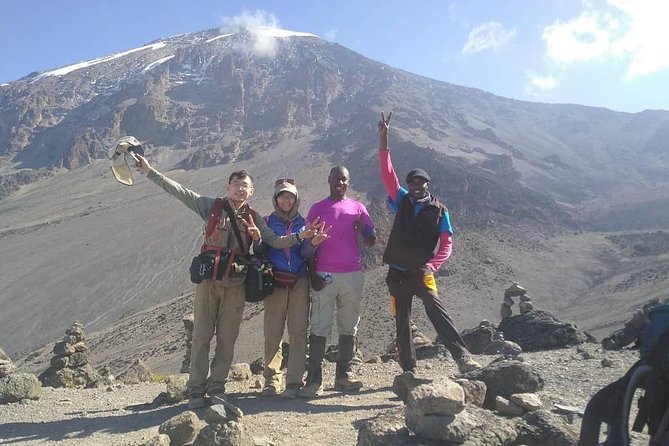
The trek starts with a drive from Moshi to the Nale Moru Gate (1990m). Then you head into the early landscape of farmland and pine forests. The good news is that Day 1 is not about suffering yet. It’s about getting your body moving, meeting the rhythm of trekking, and settling into the routine of breakfast, lunch breaks, and camp goals.
This first stage covers about 8 km (roughly 4 to 5 hours). You may spot colobus monkeys, and if luck is on your side you could see elephants or buffalo along the way. Even if animals do not show up, this start gives you a feeling for the region before Kilimanjaro turns into altitude math.
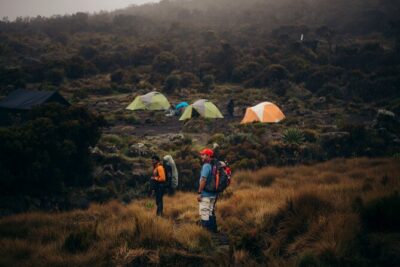
Your first camp is Simba Camp at 2625m, right at the edge of moorland. That location transition is not just scenery. It often signals that the air will feel different soon, and the light can change quickly. You’ll want to stay disciplined with hydration and keep an easy pace.
Meals are handled for you (breakfast, lunch, dinner included), so you can focus on sleep prep. After this kind of Day 1, I’d treat evening like a warm-up for the real game: simple, early rest, and no heroic late-night energy.
Day 2, Simba Camp to Second Cave Camp: steady ascent and Kibo’s ice-field views
Day 2 is a steady climb, about 5 km in 3 to 4 hours, taking you from 2625m up to Second Cave Camp (3480m). This is moorland climbing, which often feels more exposed than forest walking. The air gets thinner. The ground gets more dramatic under your feet. And that’s why the pace matters more than the distance.
The payoff is the views. You get superb sightlines toward Kibo and the Eastern ice fields on the crater rim. On Rongai, this is one of those moments where you understand why people commit to the long climb. You’re not just walking upward. You’re seeing where you’re headed.
A key practical note: steady ascent sounds easy, but at these heights it is still work. Take shorter steps, keep breathing controlled, and avoid the temptation to “make up time” by moving faster than you can recover.
This day includes all meals again, so the planning is mostly about your effort and your sleep. If you can arrive at camp feeling like you still have some energy left, you usually do better later.
A few more Moshi trips to compare
- Safari Serengeti And Ngorongoro
★ 5.0 · 288 reviews - Climbing Kilimanjaro – Machame Route
★ 5.0 · 170 reviews - Climbing Kilimanjaro through 7 days Machame Route
★ 5.0 · 151 reviews - Kilimanjaro climb, Lemosho Route (8-day)
★ 5.0 · 148 reviews
Day 3, Second Cave Camp to Kikelewa Camp: leave the forest behind and aim at Mawenzi
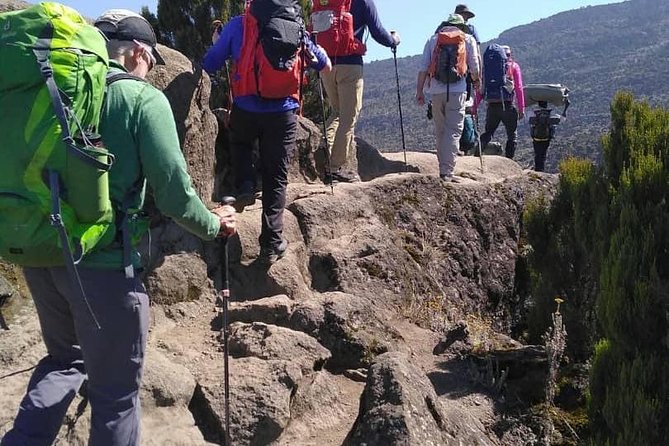
On Day 3, you move from 3480m to Kikelewa Camp (3630m). Distance is not huge, but the day’s meaning is big because you leave pine forest behind and keep climbing through moorland.
The itinerary emphasizes superb views toward the Eastern ice fields on Kibo’s crater rim. Then you leave the main trail and strike out across moorland on a smaller path toward the jagged peaks of Mawenzi, Kilimanjaro’s second of the three volcanoes.
That small-path detail is more important than it sounds. Main trails can feel busy and predictable. Smaller routes can feel more remote and more “in the wilderness,” which matches Rongai’s low-crowd reputation.
This is a great day for mindful trekking. Your legs are working at altitude, so you’ll likely want consistent steps and careful pacing. If you’re prone to speeding when you feel okay, Day 3 is where slowing down becomes a superpower.
Meals are included, and the camp at Kikelewa is set at 3630m, so you continue acclimatization without jumping to extreme height in one day.
Day 4, Kikelewa to Mawenzi Tarn Hut: a short steep push and a view to the north
Day 4 is where Rongai starts to feel sharper. You climb from 3630m to Mawenzi Tarn Hut (4310m), with a short but steep ascent up grassy slopes. The duration is about 4 to 5 hours over 8 km.
The reward is a superb view of the Kenyan plains to the north. That’s your reminder that you are on the outer edge of the mountain’s world, looking out at huge distances. At altitude, horizons can look bigger than you expect.
You reach Mawenzi Tarn Hut directly below towering cliffs of Mawenzi. That setting can make the air feel even colder. It also makes Day 4 a useful acclimatization day because after the climb, you have time to rest or explore in the surrounding area to aid acclimatization.
This is where I’d be smart with your energy. If you push too hard on arrival, you’ll pay for it on later days. Think calm, hydrate, eat well, and let your body catch up.
Day 5, Mawenzi Tarn Hut to Kibo Hut: crossing the saddle into the lunar desert
Day 5 takes you from 4310m to Kibo Hut (4700m). About 8 km over 5 to 6 hours, you cross the saddle between Mawenzi and Kibo. The itinerary calls it the lunar desert, and that’s a fitting description. Expect a stark feeling, fewer trees, and more of that rocky, high-altitude walking.
After a couple hours trekking, you arrive at Kibo Hut and spend the rest of the day resting in preparation for the final ascent, with an early night recommended. This is a big shift. The earlier days ask for steady effort. Day 5 asks for discipline. Your body needs energy for a midnight start.
At Kibo Hut (4700m), you are high enough that sleep can be more difficult. The trek provides meals (breakfast, lunch, dinner included), so do not skip food. You’ll want calories that keep you warm and help you handle the cold night.
If you want a simple strategy, it’s this: conserve movement on Day 5, manage sleep carefully, and treat your routine like it’s part of the summit plan.
Day 6 summit night, Kibo Hut to Uhuru Peak and down to Horombo Hut
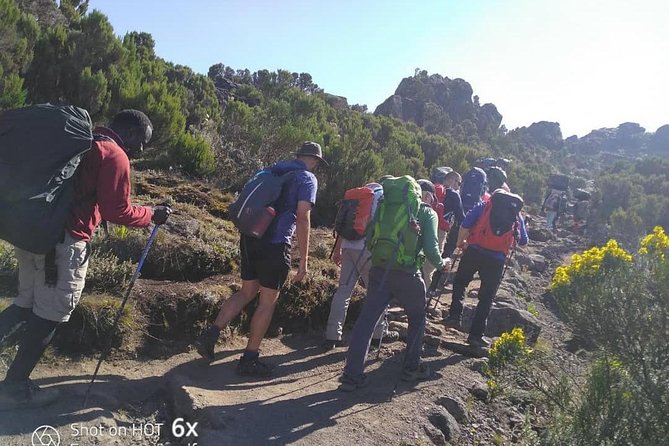
This is the Big Day. You begin the final ascent around midnight, and the itinerary estimates 12 to 15 hours total, covering 22 km. You will pass Hans Meyer Cave at 5220m. The climb goes slowly but surely upwards, and the cold of the night is real.
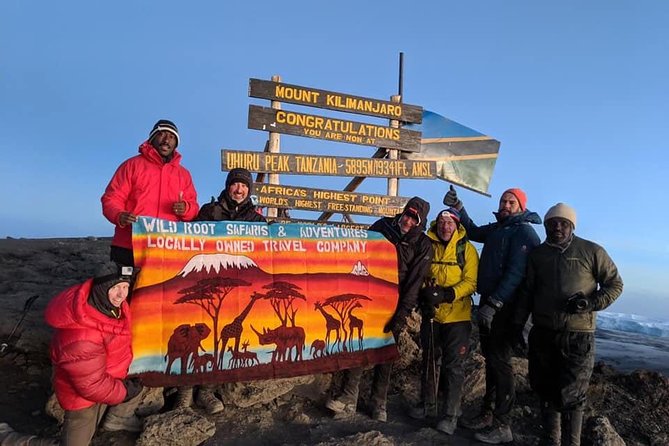
At sunrise you reach Gillman’s Point (5681m), the crater rim of Kilimanjaro. Then you continue for 1 to 2 hours before reaching Uhuru Peak (5895m).
Why this stage feels intense even if you have trained: altitude turns distance into effort. The move itself is not technically complicated, but the air makes each step expensive. The good side is that the route’s timing is built around the day’s light. Warming up at sunrise can help you feel more human again.
After you summit, you return to Kibo Hut for a warm meal, then a 1 to 2 hour break, and then you go down to Horombo Hut (3700m). That descent is not a joke. Descending too fast can beat up knees and energy. Still, it’s essential because you need recovery before the final day.
Meals are included on the day, and that matters. Food and warmth after the summit can help you actually bounce back instead of just dragging yourself downhill.
Day 7, Horombo Hut down via Marangu route to Marangu Gate
Day 7 brings the finish line from Horombo Hut (3700m) to Marangu Gate (1860m). You trek about 6 hours total, with a route that goes through the heath and moor zone first, then into tropical rainforest. Before that, you pass Mandara Hut (2700m) where a warm lunch is waiting.
The itinerary describes a total of about 20.8 km (roughly 8 hours trekking time including the whole section). That length feels big after a summit day, but it is also the “normalizing” effect of dropping back into a lower altitude world.
You finish by returning to the Kilimanjaro National Park Gate (1860m). After goodbye time with your guides, you transfer back to your hotel in Arusha. Then you get that classic post-trek payoff, a warm shower and time to celebrate.
One practical thing: even if your body feels mostly okay, the lower altitude still brings you into work mode. Rainforest walking can be slippery and shaded. Take your time and keep your steps sure.
Guides, chef and porter support, and why it affects your comfort
This kind of climb succeeds or fails on small daily logistics. When guides, chef, and porters are well-run, you spend your time trekking and resting, not managing equipment and meals.
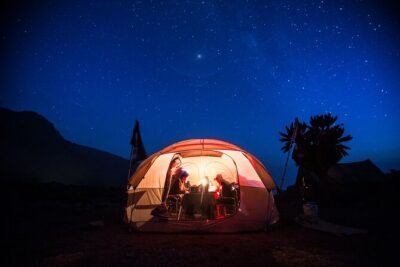
This trek includes guides, chef and porters allowances. Camps are set up with quality mess tents and private mountain sleeping tents that are described as waterproof and four-season. That is not a luxury detail. At altitude, tent quality changes how you sleep. Better sleep makes the summit day more realistic.
The operator is Wild Root Safaris and Adventures. In prior feedback tied to this company, I’ve seen names like Mathew and Khoo Swee Chiow connected with planning and leadership. More importantly, the tone from that kind of feedback is consistent: staff in good spirits, helpful service, and a focus on safety and smooth logistics.
That is what you want on Kilimanjaro. You want calm confidence, clear instructions, and a team that keeps the operation tight when weather or altitude makes everything feel slower.
What to pack, with the items the trek does not include
Your trek includes tents and camp meals, but it does not include sleeping bags or walking poles. That’s a big deal, because many Kilimanjaro nights feel cold enough that a poor sleeping bag can wreck your rest.
So plan your essentials early:
- Sleeping bag sourced or rented before arrival
- Walking poles if you use them and want extra knee support on descents
- Personal trekking layers for warmth and rain protection
Also remember the trek does not include Tanzania visa or gratuities, plus personal expenses like laundry, telephone, and beverages. Even if you keep it simple, those add up.
Who this Rongai 7-day climb suits best
This trek is a strong match if you want:
- A less crowded Kilimanjaro route with a remote wilderness feel
- A climb that is described as moderately difficult and suitable for less backpacking experience, especially if you can stay consistent with pacing
- More interest in acclimatization and steady progress than in constantly changing scenery
- A rainy-season plan where the north side’s lower precipitation is a plus
If you want the absolute most variety in scenery, Rongai may feel less dramatic than some western routes. But if you value quiet trail time, crater-rim views of Kibo and the Eastern ice fields, and a summit day built for sunrise, this itinerary’s shape makes sense.
Should you book this Rongai Route 7 Days?
If you want a well-supported climb with real wilderness time, Rongai is a smart choice. The pricing looks like it includes the important comforts: staff support, camp structure, and meals, so you can focus on the hike itself. The day-by-day pacing from lower zones up to Kibo Hut also fits a steady acclimatization approach, which matters a lot for the final summit push.
I would book if you can meet the fitness level requirement and you handle the cold thoughtfully, especially since sleeping bags and poles are not included. I’d hesitate only if you are chasing maximum scenic variety over quiet wilderness, because Rongai’s trade is repetition of a certain high-altitude look for long stretches.
If you want a calmer Kilimanjaro route that still delivers the big moments, this Rongai plan is a solid bet.
FAQ
What time does the trek start?
The experience start time is listed as 8:00 am.
How long is the Rongai 7-day trek?
The duration is listed as 7 days approximately.
Is airport pickup and drop-off included?
Yes. Airport pick up and drop off are included.
What meals are included during the trek?
The itinerary lists breakfast, lunch, and dinner included for the trekking days. Dinner (7) is also listed as included.
What’s not included in the tour price?
Not included are sleeping bags and walking poles, Tanzania visa, gratuity, and personal expenses like laundry, telephone, and beverages.
Is this tour private?
Yes. It is described as a private tour/activity, and only your group participates.
Just posted around Moshi
- machame route★ 5.0 · 16 reviews
- Kilimanjaro Climbing Umbwe Route★ 5.0 · 3 reviews
- Wildlife Extravaganza: Manyara, Tarangire & Ngorongoro in 3 Days★ 5.0 · 3 reviews
- Mt Kilimanjaro 6 days Marangu route hike★ 5.0 · 3 reviews
- 3 Days Private E-Bike Tour in West Kilimanjaro★ 5.0 · 3 reviews
- West Kilimanjaro cycling Adventures★ 4.5 · 8 reviews
- Kilimanjaro Climb • Marangu Route ~ 9 Day★ 5.0 · 4 reviews
- Private Cycle to Kilimanjaro Bike Park Safari★ 5.0 · 6 reviews
Kilimanjaro Climbs, compared.
8-Day Small-group Lemosho Kilimanjaro Summit Trekking
Read our review →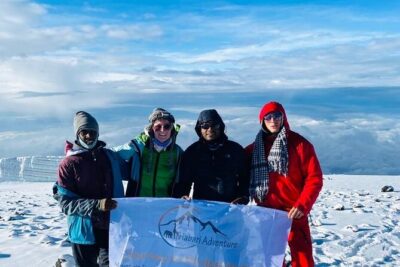
5 Days Best of Tanzania Luxury Safari Northern Circuit
Read our review →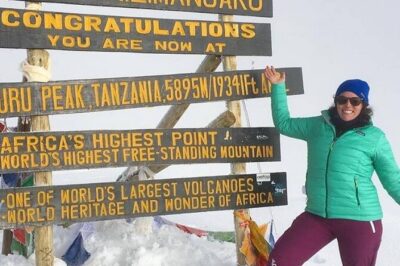
Climbing Kilimanjaro through 7 days Machame Route
Read our review →