Reviewed · KILIMANJARO CLIMBS
Rongai Route 6 Days 5 Nights/Kilimanjaro climb
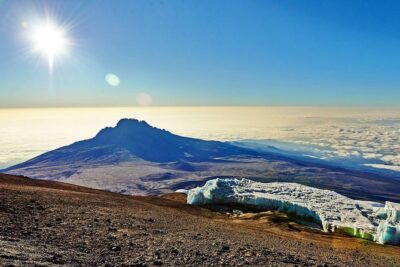
Kilimanjaro from the north feels different. This 6-day Rongai-style climb uses the quieter northern approach, starting near Nale Moru and building you up step by step through forest, caves, and the “lunar desert” toward Uhuru Peak.
I really like the way your days are paced for altitude, with a mix of longer scenic walks and shorter steeper sections, plus an acclimatization walk around 4,500 m on day 3. I also like the team side of this trip, especially the guidance and logistics support associated with Amos and guides such as Vitalis and Eric.
One thing to consider up front: the summit day is long and demanding, with a 1:00 am wake-up, torchlight trekking, and total walking that can run from 10 to 16 hours depending on pace and conditions.
In This Review
- Key highlights I’d circle before you book
- Rongai Route: what you’re actually trekking, and why it matters
- Moshi start, transfers, and what $1,850 buys you
- Your day-by-day climb: from fields to the crater rim
- Day 1: Nale Moru at about 1,950 m, fields and pine forest
- Day 2: Kikelelwa Caves, Second Cave at 3,450 m, and crater rim views
- Day 3: grassy slopes to Mawenzi Tarn Hut at 4,330 m, then acclimatization
- Day 4: the saddle between Mawenzi and Kibo, and Kibo Hut at 4,700 m
- Day 5: 1:00 am wake-up, torchlight to Gilman’s Point at 5,685 m, then Uhuru Peak
- Day 6: down to Marangu Park gate at about 1,700 m through lush forest
- The crew and guides: the human part you’ll feel every day
- What to pack and how to handle the weather you might face
- Who this Rongai climb fits best
- Should you book this Rongai 6-day Kilimanjaro climb?
- FAQ
- What time does the climb start?
- Where does the trek begin on day 1?
- How long is the Kilimanjaro climb?
- What’s the maximum group size?
- What is included in the price?
- What’s not included?
- Is pickup offered?
- Do I need a certain fitness level?
- What is the cancellation rule?
Key highlights I’d circle before you book
- North-route approach that’s known for big views over the Kenyan plains
- Second Cave and Kikelelwa views on day 2, including the crater rim and Kibo (weather permitting)
- Thoughtful acclimatization timing, including an afternoon walk around 4,500 m on day 3
- Classic summit-night rhythm, starting around 1:00 am to reach Gilman’s Point for sunrise
- A hut-to-hut style finish, including the descent to Horombo Hut and then down through lush forest to Marangu Park gate
- A small group limit of up to 15, which usually keeps things calmer in camps
Rongai Route: what you’re actually trekking, and why it matters
First, a quick naming reality check. “Rongai Route” is the name most people use, but the original Rongai trail linked to a border village was closed years ago. What most trekkers do now for a northern approach follows a different start area and is often called the Loitokitok Route. On the ground, you may also see signposting that calls it Nalemuru or Nalemoru, so don’t be surprised if the maps and signs don’t match perfectly.
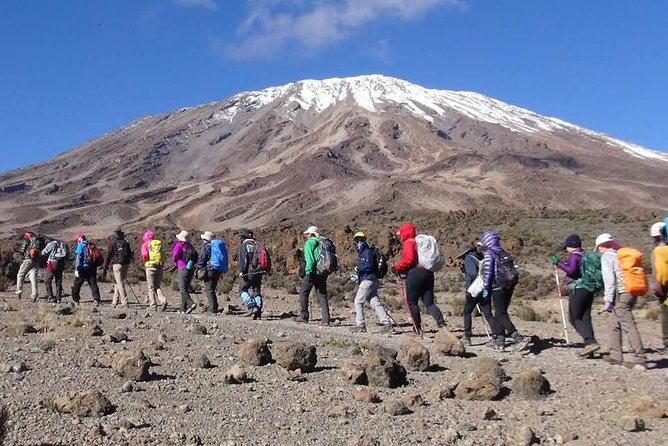
Why should you care? Because the route’s reputation is tied to its feel. The northern approach is typically chosen by people who want solitude compared with the most crowded options, and it’s also famous for views over the Kenyan plains when weather cooperates. If you’re the type who enjoys starting in fields and forest, then gradually trading green for high-altitude wilderness, this route’s progression makes sense.
More Kilimanjaro climbs:
- Kilimanjaro climb by Lemosho Route (7-day)
★ 5.0 · 651 reviews - Kilimanjaro climb, Machame Route (7-day)
★ 5.0 · 262 reviews - Kilimanjaro Climbing Lemosho Route 8 Days.
★ 5.0 · 186 reviews
Moshi start, transfers, and what $1,850 buys you
This climb is based out of Moshi, Tanzania, and the start time is 9:00 am. You’ll be picked up and driven for park registration, then transported to the trailhead near Nale Moru (around 1,950 m) on day 1. The operator also notes mobile ticket delivery, which is one less thing to manage once you arrive.
Now the money question. At $1,850 per person, what you’re paying for is not only the trek itself, but the whole mountain system around it. Included in the price are:
- Camping equipment
- All park fees
- Crew salary
- Accommodation and airport transfers
- Meals: 5 breakfasts, 6 lunches, and 5 dinners
You’ll still need to budget for items clearly listed as not included: international flights, visa, and alcohol and soft drinks. That’s normal for Kilimanjaro, but it matters for your total trip cost.
My practical take: this price is most “fair” when you’re going to use the included support fully. That means you’re relying on the crew to handle the logistics, you’re okay with camping equipment and hut/camp lodging style nights, and you’re prepared for a serious physical schedule that gets you all the way through summit day and back down.
Your day-by-day climb: from fields to the crater rim
Day 1: Nale Moru at about 1,950 m, fields and pine forest
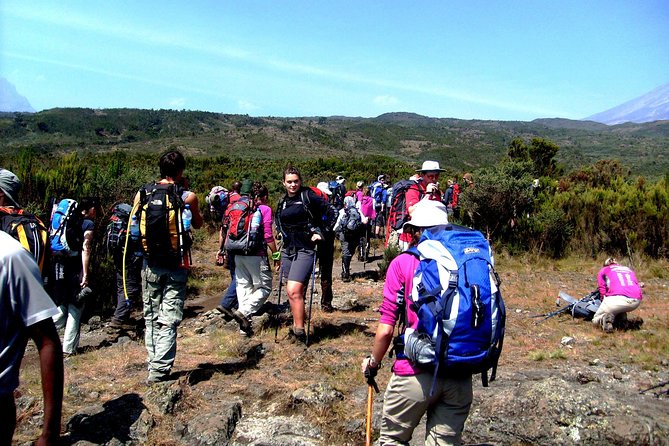
You start after breakfast with a guide-led pickup and drive to Kilimanjaro National Park for registration. Then the trek begins at Nale Moru around 1,950 m, where today’s walk is roughly 3 to 4 hours.
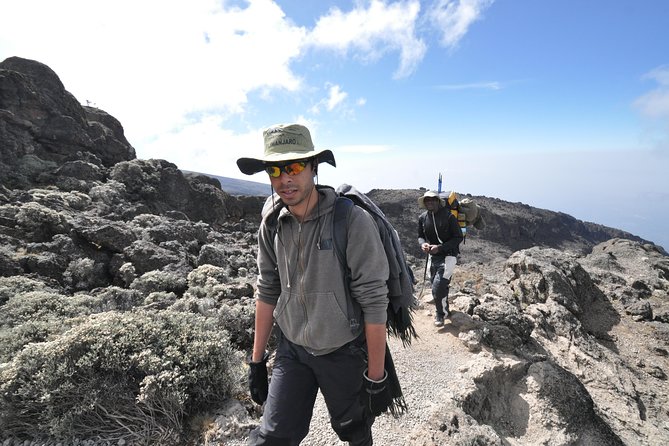
The trail begins on a small path through maize and potato fields, then transitions into pine forest. As you climb, you gradually move toward the moorland zone. The big payoff for day 1 is the views over the Kenyan plains when the air is clear.
Practical note: it can be wet in the rainforest zone. The trip info specifically recommends bringing waterproofs, and I agree. Light rain in the tropics can turn into slippery trail conditions quickly, and you do not want wet gear festering all afternoon.
Overnight is at the end of day 1’s walking, with dinner and camp.
A few more Moshi trips to compare
- Safari Serengeti And Ngorongoro
★ 5.0 · 288 reviews - Climbing Kilimanjaro – Machame Route
★ 5.0 · 170 reviews - Climbing Kilimanjaro through 7 days Machame Route
★ 5.0 · 151 reviews - Kilimanjaro climb, Lemosho Route (8-day)
★ 5.0 · 148 reviews
Day 2: Kikelelwa Caves, Second Cave at 3,450 m, and crater rim views
Day 2 is longer: about 5 to 6 hours (about 9 km), with a steady ascent up to Second Cave at 3,450 m. You’ll camp near the Kikelelwa Caves around 3,800 m after dinner.
This is one of the days that can feel like a mini adventure inside the adventure. When weather is right, you get superb views of Kibo, plus the Eastern ice fields from the crater rim area. Even if you don’t see everything, the sense of altitude change is real here, and it’s a good day for settling into your slow pacing.
Numbers that help you plan expectations:
- Altitude gain: about 950 m
- Walking time: about 6 to 7 hours (as listed)
- Overnight altitude: about 3,800 m
Day 3: grassy slopes to Mawenzi Tarn Hut at 4,330 m, then acclimatization
Today is shorter on paper, but don’t let that fool you. You’re looking at about 3 to 4 hours of trekking, around 6 km, but with steeper sections.
You leave camp and climb grassy slopes, then the vegetation shifts as you go. The route description calls out a real sense of wilderness, and that matches what you’ll feel when you stop thinking about “a hike” and start thinking about “an alpine climb.” It’s also a relief psychologically because it’s a short day before you move higher.
Dinner and overnight are at Mawenzi Tarn Hut at 4,330 m. Then comes a smart detail for your body: an afternoon acclimatization walk to about 4,500 m. That extra effort is not the point, it’s the strategy. You get a chance to help your body adjust without exhausting yourself.
- Altitude gain: about 730 m
- Afternoon walk: about 3 hours to around 4,500 m
Day 4: the saddle between Mawenzi and Kibo, and Kibo Hut at 4,700 m
Day 4 is about crossing the area between Kilimanjaro’s two main peaks. Expect around 4 to 5 hours of walking, roughly 9 km, with a listed altitude gain of about 370 m.
The description uses a “lunar desert” vibe for the saddle between Mawenzi and Kibo. Translation: fewer distractions, more focus on your breath, and a feeling of high-altitude emptiness. Early dinner and overnight are at Kibo Hut around 4,700 m.
This day is valuable because it sets up summit night. You don’t need to rush, you need to arrive in working condition.
Day 5: 1:00 am wake-up, torchlight to Gilman’s Point at 5,685 m, then Uhuru Peak
This is the day everyone remembers, and it’s also the day you should respect the most.
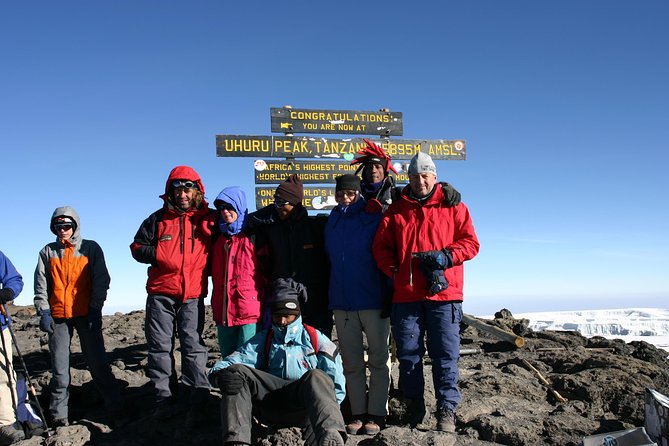
You’re woken early, around 1:00 am, for a hot drink and snack. Then you trek very slowly by torchlight to reach Gilman’s Point at 5,685 m. You rest briefly to take in sunrise over Mawenzi (weather permitting). After that, you continue to Uhuru Peak at 5,895 m, often described as the roof of Africa.
From there, the schedule turns practical. You descend back to Kibo Hut at about 4,700 m to rest and have brunch, then you continue down to Horombo Hut at 3,720 m for the overnight.
What makes this hard is the total time. The listing notes:
- Ascent: about 5 km
- Descent: about 15 km
- Overall walking time can range from 10 to 16 hours depending on your pace and conditions
You’re aiming for safety and steady movement, not speed. The “very slow” guidance is key. If you go out too fast, the altitude charges the price later.
Day 6: down to Marangu Park gate at about 1,700 m through lush forest
Your final day is descent, roughly 5 to 7 hours. You walk around 20 km with a typical finish at Marangu Park gate around 1,700 m, where you sign out of the mountain.
The route drops you through lush forest on good paths, which is one of the nicer feelings after summit day. You’ll then be met by a driver and transferred to your hotel in Moshi or Arusha.
- Walking time: about 5 hours
- Descent: about 1,840 m
This day is less about conquering and more about rebuilding your legs and your hydration habits.
The crew and guides: the human part you’ll feel every day
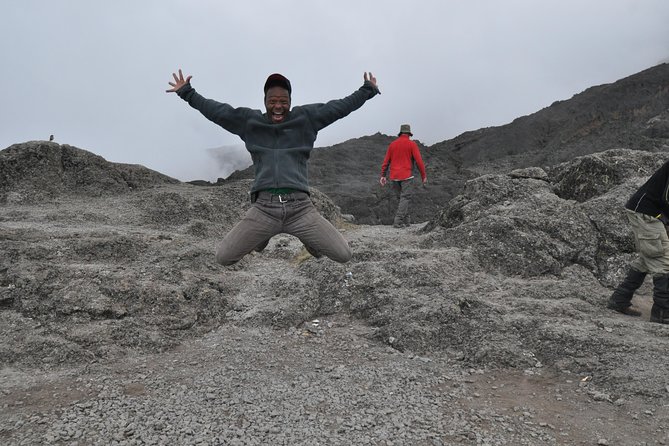
Kilimanjaro success is never just about legs. It’s about how you’re managed during long days, how you handle fatigue, and how comfortable you feel asking questions.
In the feedback connected to this operator, the standout theme is support and professionalism from start to finish. The director Amos is mentioned for taking care of details like permits, transfers, and overall logistics. On the mountain side, names like Vitalis and Eric come up as guides who help people feel capable even when they’re not mountaineers.
If you’re worried about doing this without prior climbing experience, that matters. A strong team can keep your pace sensible, make the schedule feel organized, and help you stay calm when weather and crowds in the broader region change the vibe.
Small-group size also helps. With a maximum of 15 travelers, you’re less likely to feel like a number.
What to pack and how to handle the weather you might face
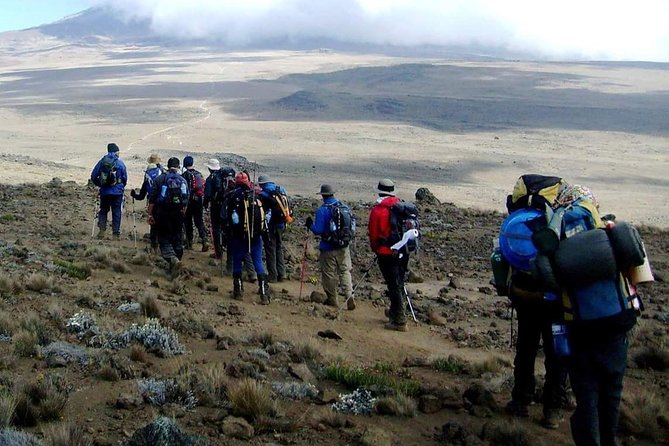
The trip info flags one specific weather risk: rain in the rainforest section on day 1. That’s the day you’ll most appreciate waterproofs. For the higher days, you’ll be dealing with cold and wind, but the exact conditions can’t be guaranteed from the data provided. The safest approach is to plan for temperature swings and bring gear you can layer.
Also, remember that day 5 is torchlight trekking and you’re waking up at about 1:00 am. Even with a guided plan, you’ll want to be ready for cold fingers and dark conditions so you can focus on slow, steady steps.
Who this Rongai climb fits best
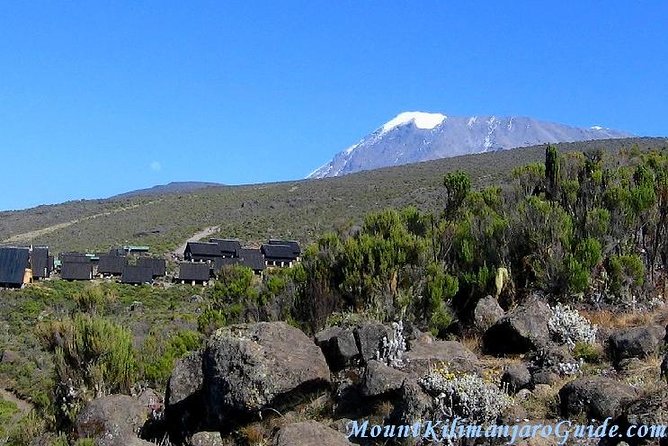
This climb is a good match if:
- You have moderate physical fitness
- You want a northern Kilimanjaro approach with the chance for privacy and strong scenery
- You prefer a structured hut and camp progression, including an intentional acclimatization step
- You want a small-team feel, with up to 15 people maximum
It may not be the best fit if you strongly dislike long days. Summit day alone can stretch to a 10 to 16 hour day, and day 6 includes a big descent. This route also isn’t just “up and down,” it’s a sustained push into altitude followed by a serious summit attempt.
Should you book this Rongai 6-day Kilimanjaro climb?
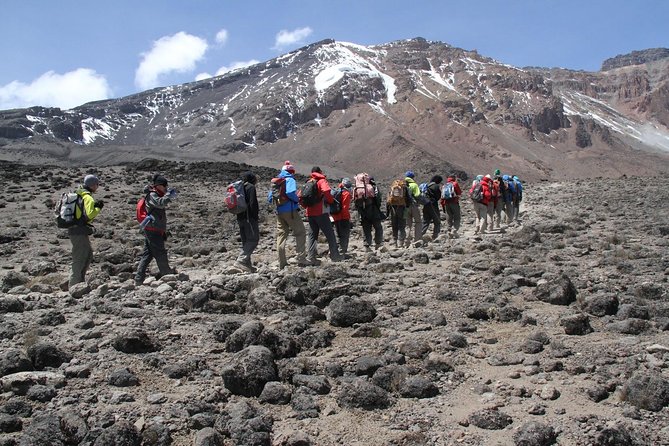
I’d book if you want the northern route experience with solid support and you can handle the summit-day reality. The combination of a route that’s often chosen for a calmer feel, an acclimatization walk on day 3, and a crew that’s highlighted for handling logistics (with Amos) and guiding people well (including Vitalis and Eric) is a strong practical package.
I would pause and think twice if you know you get discouraged by long, slow days or if you’re not confident in your ability to move steadily at altitude. This is not a casual hike. It’s a real climbing commitment, and the payoff comes to people who take the slow pace seriously, especially during the torchlight trek to Gilman’s Point.
If your goal is a well-managed, north-side Kilimanjaro route from Moshi with sunrise at the crater rim, this is the kind of itinerary that makes sense on paper and in the way people describe the experience.
FAQ
What time does the climb start?
The start time is 9:00 am.
Where does the trek begin on day 1?
You’ll drive to the trailhead near Nale Moru at around 1,950 m after registration in Kilimanjaro National Park.
How long is the Kilimanjaro climb?
It’s listed as 6 days (approximately), running through summit day and a final descent back to Marangu Park gate.
What’s the maximum group size?
The tour has a maximum of 15 travelers.
What is included in the price?
Included are camping equipment, all park fees, crew salary, accommodation and airport transfers, plus meals including breakfast (5), lunch (6), and dinner (5).
What’s not included?
Not included are international flight, visa, and alcohol and soft drinks.
Is pickup offered?
Yes, pickup is offered, and you will also be transferred back to Moshi or Arusha at the end.
Do I need a certain fitness level?
You should have a moderate physical fitness level.
What is the cancellation rule?
There is free cancellation up to 24 hours in advance for a full refund. If you cancel less than 24 hours before the start time, the amount paid is not refunded.
Just posted around Moshi
- machame route★ 5.0 · 16 reviews
- Wildlife Extravaganza: Manyara, Tarangire & Ngorongoro in 3 Days★ 5.0 · 3 reviews
- Mt Kilimanjaro 6 days Marangu route hike★ 5.0 · 3 reviews
- Kilimanjaro Climbing Umbwe Route★ 5.0 · 3 reviews
- 3 Days Private E-Bike Tour in West Kilimanjaro★ 5.0 · 3 reviews
- West Kilimanjaro cycling Adventures★ 4.5 · 8 reviews
- Kilimanjaro Climb • Marangu Route ~ 9 Day★ 5.0 · 4 reviews
- Private Cycle to Kilimanjaro Bike Park Safari★ 5.0 · 6 reviews
Kilimanjaro Climbs, compared.
8-Day Small-group Lemosho Kilimanjaro Summit Trekking
Read our review →
5 Days Best of Tanzania Luxury Safari Northern Circuit
Read our review →
Climbing Kilimanjaro through 7 days Machame Route
Read our review →