Reviewed · KILIMANJARO CLIMBS
Pedal power the villages on foothills of Mt. Kilimanjaro
Pedaling through Kilimanjaro country feels different fast. This half day mountain bike tour in Moshi mixes real village life, Chagga culture, and coffee farm learning, all on roads you can actually experience up close.
I especially loved how the ride turns into an on-the-ground education, with frequent stops at village centers, a local school, and markets. I also really appreciated the practical setup: bikes and helmets are provided, plus you get a lunch box and a full 1L bottle of water.
One thing to plan for: this is not a casual stroll. You’ll need intermediate riding skills and a moderate fitness level, and you should share your height in advance so the bike fits well.
In This Review
- Key highlights
- Pedal Power in Moshi’s Kilimanjaro Foothills
- Getting Ready: Bike size, intermediate skills, and what you should pack
- Kibosho Magharibi (Stop 1): Chagga life, school visits, and farm-road reality
- Mweka (Stop 2): Coffee plantation learning and the story behind the crop
- Lunch Box Power: What the included meal is really like
- Guides Make the Difference: Saït, Charles, and how the tour feels
- Price and Value: Why $55 can make sense for Moshi
- Meeting Points and Timing: From Mr. Price to Coffee Union Cafe
- Who Should Book This, and Who Should Skip It
- Should You Book This Kilimanjaro Foothills Bike Tour?
- FAQ
- How long is the bike tour?
- Where do I meet the group, and where does it end?
- What is included in the price?
- Is pickup available?
- What fitness level do I need?
- Do I need to tell them my height?
- What should I expect to see during the ride?
- What happens if weather is bad?
- What is the cancellation policy?
Key highlights
- Real Chagga village moments with stops at everyday places like shopping centers, a school, and a market
- Coffee and banana farm riding that keeps you moving while teaching along the way
- Lunch box that actually fills you up, plus 1L bottled water included
- Patient, experience-driven guides, including Saït and Charles from Safari by Leo
- All-in-one half day (about 5 to 6 hours) with no ticket hassles for admissions at stops
- Good weather matters, so build in flexibility in case conditions require a change
Pedal Power in Moshi’s Kilimanjaro Foothills
This tour is built for people who learn best by doing. You’re not just looking at the foothills of mighty Mt. Kilimanjaro from a viewpoint. You’re moving through the places that feed and shape the area, one village road at a time.
The best part is how the ride is tied to daily life. You’ll bike in and out of local villages where you can see farming and community routines up close, and you’ll get guided context about the Chagga people and the region. It’s a very human way to understand why Kilimanjaro is more than a mountain people talk about.
If you’re hoping for a mellow, flat cruise, you might find the pace and terrain more demanding than expected. But if you like active travel, this feels like a genuinely efficient use of time.
More Kilimanjaro climbs:
- Kilimanjaro climb by Lemosho Route (7-day)
★ 5.0 · 651 reviews - Kilimanjaro climb, Machame Route (7-day)
★ 5.0 · 262 reviews - Kilimanjaro Climbing Lemosho Route 8 Days.
★ 5.0 · 186 reviews
Getting Ready: Bike size, intermediate skills, and what you should pack
This experience expects you to ride with some confidence. The tour requires at least intermediate skills and a moderate fitness level, so you’ll want to be comfortable controlling your bike on uneven ground and village paths.
Bike fit matters here. The operator asks for your height so they can provide a good bike size for you. Do that when you book, even if it feels like a small detail. A good fit makes the ride easier, safer, and more enjoyable.
What to bring is not spelled out in the details you provided, so I’ll stick to the common sense basics for a mountain bike day:
- Comfortable riding clothes and closed-toe shoes
- A light layer in case mornings are cool
- Sunscreen and basic sun protection
- Any personal snacks if you tend to get hungry before lunch
Also, you’ll be on a mountain bike, not a city cruiser, so plan on a more physical ride than you’d expect from the term half day.
Kibosho Magharibi (Stop 1): Chagga life, school visits, and farm-road reality
Your first major block of time is around Kibosho Magharibi, where the tour starts by showing how villages stretch across the foothills of Kilimanjaro. The focus is not just scenery. It’s people, farming, and the rhythms of the Chagga communities.
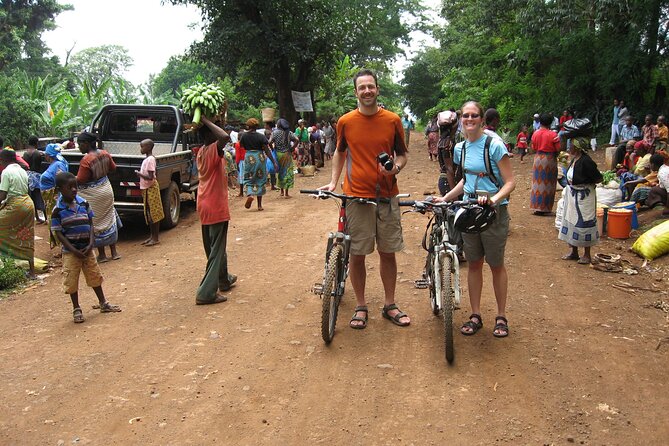
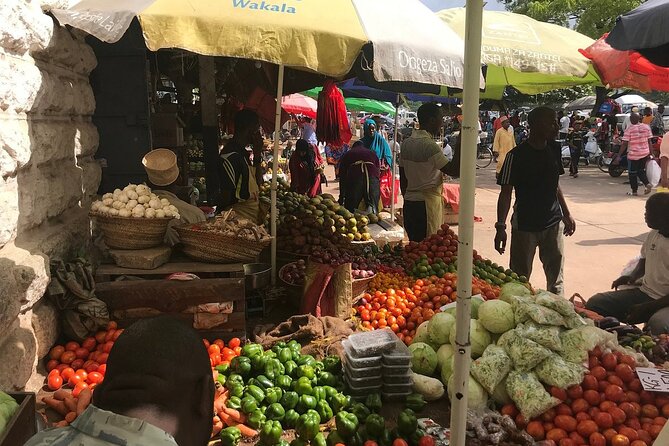
This is where the tour’s structure feels especially smart. You’ll bike through areas that include banana and coffee farms, then you’ll make regular stops in village areas such as shopping centers, a local school, and a market. Those stops break up the ride and help you connect what you’re seeing to the stories you hear from your guide.
You’ll learn about:
- The history of the Chagga
- Coffee and how it fits into daily life in the region
- The legend of Kilimanjaro, and why stories like that matter culturally
Expect this part to be the most “hands-on” feeling. School and market stops can be eye-opening because you see how communities organize everyday needs. It’s the kind of experience that turns the idea of cultural tourism into something more practical and real.
The only drawback here is time pressure. Since this is about 3 hours at the first stop, you’ll want to pace yourself. Ask questions, but don’t try to capture every single detail. Let the ride do part of the teaching.
Mweka (Stop 2): Coffee plantation learning and the story behind the crop
After the first village and farm immersion, you shift to Mweka for a shorter sightseeing and learning segment focused on coffee. This part lasts about 1 hour, which means you’ll get a concentrated dose of coffee plantation history and context without it dragging on.
Coffee is one of those topics that can get abstract when you talk about it from far away. Here, it’s grounded. You’ll learn about coffee’s place in Tanzania and connect the dots between what you rode through and what your guide explains.
What I like about the way this is handled is that it doesn’t turn into a lecture. You’re still on your mountain bike day, still in motion. That helps the information stick, because you can mentally link the stories to the actual surroundings you passed through.
One practical consideration: if coffee is your top interest, give yourself permission to ask follow-up questions. With only 1 hour, you’ll get the highlights, but your curiosity might want a little extra time.
A few more Moshi trips to compare
- Safari Serengeti And Ngorongoro
★ 5.0 · 288 reviews - Climbing Kilimanjaro – Machame Route
★ 5.0 · 170 reviews - Climbing Kilimanjaro through 7 days Machame Route
★ 5.0 · 151 reviews - Kilimanjaro climb, Lemosho Route (8-day)
★ 5.0 · 148 reviews
Lunch Box Power: What the included meal is really like
The tour includes a lunch box and bottled water (1L). That sounds straightforward, but on active tours it makes a real difference. Without lunch included, you’d be stuck figuring out food logistics in Moshi during a busy half day. With it included, you can focus on the ride and the stops.
The reviews you shared highlight that the lunch is not skimpy. One comment praised that the lunch was enormous, which is exactly what you want on a mountain bike day when you’ve been moving for hours.
My advice: treat lunch as part of the schedule, not a bonus. You’re more likely to enjoy the second leg if you eat well and drink your water earlier rather than saving it all for the end.
Guides Make the Difference: Saït, Charles, and how the tour feels
A bike tour succeeds or fails on the guide. This one has the kind of guidance that turns a route into a story you can follow.
I’m glad you’ll have a mountain bike guide, and your review notes names that matter. One traveler specifically thanked Saït for being patient and for showing real life in Moshi. That patience matters more than people think, especially if you’re not a fast or confident rider. It helps you feel safe, not rushed.
Another review mentioned Charles from Safari by Leo, describing him as a book of knowledge who explained the history and culture of different tribes. That’s the kind of guidance that makes the stop-and-learn moments feel earned, not forced.
If you value learning that’s tied to actual place, this guide-led format is a big part of the value. You’ll feel like you’re traveling with someone who understands both the route and the context.
Price and Value: Why $55 can make sense for Moshi
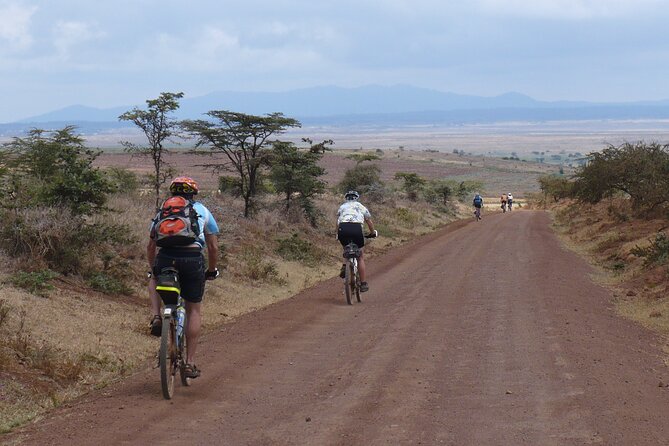
At $55 per person, this tour looks like a bargain on paper, but the real question is what you’re getting for that money.
You get:
- Use of a bicycle
- Helmet
- A mountain bike guide
- Lunch box
- Bottled water (1L)
That package matters because renting a bike plus getting a guide plus paying for food would add up quickly on your own. The tour also notes that admissions at the stops are free, which means you’re not paying extra at each location.
The one cost you should not ignore is that private transportation is not included. If you are far from the meeting point, you’ll need to plan your own way in. The tour does offer pickup, so check how pickup works for your exact location.
Overall, $55 feels like good value if you want an active day with food and a guide, and you’re okay with an intermediate riding requirement.
Meeting Points and Timing: From Mr. Price to Coffee Union Cafe
You start at Mr. Price Village on Kilimanjaro Road in Tanzania, and the tour ends at Coffee Union Cafe (on Arusha Road, Lindi Street area). The experience ends in Moshi town, which is convenient because you don’t have to figure out where to go afterward.
The tour runs with opening hours listed as 8:30 AM to 2:30 PM, and it’s offered daily during the stated date range. Duration is about 5 to 6 hours.
There’s also a mobile ticket, which is handy. Just make sure you have what you need on your phone or device before you meet, so you don’t spend your first hour fumbling with tech.
If you want an easy day afterward, you’ll probably enjoy it more if you plan for a slower evening in Moshi. You’ll have worked, even if you feel like you didn’t ride “that long.”
Who Should Book This, and Who Should Skip It
This tour suits you if:
- You like biking and want a hands-on way to see Kilimanjaro foothill villages
- You’re curious about Chagga culture and the role of coffee
- You enjoy learning from guides while also moving through real places
- You want included lunch and water without extra planning
You might skip it if:
- You’re looking for an easy, beginner-only ride
- You are not comfortable with intermediate mountain bike conditions
- You want lots of time at each stop, instead of a structured half day
Also, the operator asks for your height to match the bike size. If you’re very tall or very short and have had fit issues on other tours, this is still worth considering, because you’re explicitly prompted to share your height.
Should You Book This Kilimanjaro Foothills Bike Tour?
I’d book it if you want more than a drive-by view of Moshi. The combination of village stops, coffee learning, and a ride that ties everything together makes this feel like a smart use of a limited day.
It’s especially appealing when you care about guidance. Names like Saït and Charles show up for a reason: the tour emphasizes patient, explanatory guiding and uses stops that create real context, not just photo ops.
Book with confidence if you’re physically ready for an intermediate, mountain-bike style experience. If you’re not, you’ll still enjoy learning from the guide, but the ride part may feel like work instead of fun.
If you’re on the fence, aim to check with your provider about bike sizing based on your height, and be honest with yourself about your riding comfort. The tour is worth it when you meet it halfway.
FAQ
How long is the bike tour?
The tour lasts about 5 to 6 hours.
Where do I meet the group, and where does it end?
You start at Mr. Price Village on Kilimanjaro Road. The tour ends at Coffee Union Cafe in Moshi town.
What is included in the price?
The tour includes a lunch box, bottled water (1L), use of a bicycle, a helmet, and a mountain bike guide.
Is pickup available?
Pickup is offered, but private transportation is not included.
What fitness level do I need?
You should have at least intermediate riding skills and a moderate physical fitness level.
Do I need to tell them my height?
Yes. You should share your height size so they can provide a good bike size for you.
What should I expect to see during the ride?
You’ll ride through areas including banana and coffee farms and make regular stops at village centers, a local school, and a market. You’ll also learn about the Chagga people and the legend of Kilimanjaro.
What happens if weather is bad?
This experience requires good weather. If it’s canceled due to poor weather, you’ll be offered a different date or a full refund.
What is the cancellation policy?
You can cancel for free up to 24 hours in advance for a full refund. Cancellations within 24 hours are not refunded.
Just posted around Moshi
- machame route★ 5.0 · 16 reviews
- Kilimanjaro Climbing Umbwe Route★ 5.0 · 3 reviews
- Wildlife Extravaganza: Manyara, Tarangire & Ngorongoro in 3 Days★ 5.0 · 3 reviews
- Mt Kilimanjaro 6 days Marangu route hike★ 5.0 · 3 reviews
- 3 Days Private E-Bike Tour in West Kilimanjaro★ 5.0 · 3 reviews
- West Kilimanjaro cycling Adventures★ 4.5 · 8 reviews
- Kilimanjaro Climb • Marangu Route ~ 9 Day★ 5.0 · 4 reviews
- Private Cycle to Kilimanjaro Bike Park Safari★ 5.0 · 6 reviews
Kilimanjaro Climbs, compared.
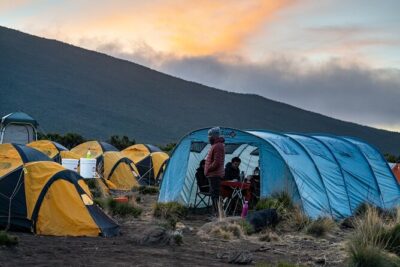
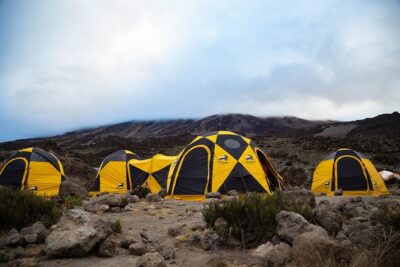
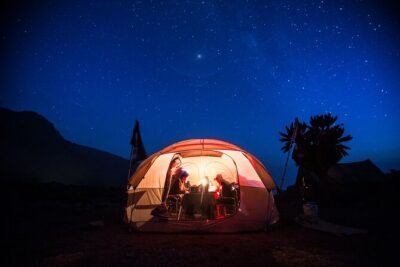
8-Day Small-group Lemosho Kilimanjaro Summit Trekking
Read our review →
5 Days Best of Tanzania Luxury Safari Northern Circuit
Read our review →
Climbing Kilimanjaro through 7 days Machame Route
Read our review →