Reviewed · KILIMANJARO CLIMBS
Mt.kilimanjaro-machame Route
Kilimanjaro is a mood swing, then a miracle. This Machame Route turns big altitude days into a coached, step-by-step climb with strong support from real people. What I like most is that the plan is built around guided pacing and the night push to Uhuru Peak, not just bravado.
Two things I really appreciate: you get a dedicated guide team plus a mountain support crew from the start, and the itinerary keeps you moving in a smart rhythm for acclimatization. One thing to consider up front: this is a physically demanding trek with long hiking days, early starts, and the altitude being the main challenge, not technical difficulty.
If your idea of a great trip includes weather-ready hiking, clear guidance, and a summit that feels earned, this one fits. If you want short days and guaranteed comfort on every mile, think carefully. Altitude can be stubborn, even when everything is going right.
In This Review
- Key highlights I would circle on your plan
- From Moshi to Machame Gate: the trek starts with real coordination
- Day 1, Machame Gate to Machame Camp: rainforest hiking with wet-weather reality
- Day 2, Shira Camp and the Lava Tower acclimatization hike: altitude training, not just hiking
- Day 3, Lava Tower (4,630 m) to Barranco Camp: the day that teaches you patience
- Day 4, Barranco Wall to Karanga and on to Barafu: the classic Kilimanjaro leg-burn
- Day 5, Barafu night summit to Uhuru Peak and down to Millennium Camp
- Day 6, Mweka Gate exit: the finish feels different than you expect
- Guides, camp support, and the human side of climbing
- Price and value: what $1,743.59 buys you, and what to verify
- Who this Machame Route trip is best for
- Should you book this 6-day Machame climb?
- FAQ
- What time does the trek start?
- Is this a private tour or shared group?
- How long is the Machame Route itinerary?
- Does the trek include rainforest conditions?
- How do you handle acclimatization?
- Is there extra support during the summit climb?
- What are the key high and low points on the route?
- What is the cancellation policy?
Key highlights I would circle on your plan
- Guide-led summit support, with a personal guide for each pair during the Uhuru Peak ascent
- Smart acclimatization stops at Shira and Lava Tower, including time spent at 4,630 m
- Rainforest-to-alpine rhythm, with Day 1 and Day 6 in tropical settings and warm meals along the way
- Barranco Wall moments, including the simple trail up the gorge wall and photos with Kibo Volcano
- Private group experience, so your pace and needs stay in your hands
- Summit morning relief, followed by a celebratory exit through Mweka Gate and commemorative certificates
From Moshi to Machame Gate: the trek starts with real coordination
Most Kilimanjaro trips either feel like an adventure or like a checklist. This one aims for both. You start with a morning pickup in Moshi, then meet your guides and the mountain support crew for a quick briefing before heading into Kilimanjaro National Park via Machame Gate.
The start time is 7:00 am, which matters because Kilimanjaro is all about timing. You want daylight on your side early, especially with changing weather in the rainforest belt.
One practical detail I like: permits and the registration process with the search and rescue service happen before the hike begins. It means you are not scrambling mid-trek for paperwork, and you get a clean start to the climb.
More Kilimanjaro climbs:
- Kilimanjaro climb by Lemosho Route (7-day)
★ 5.0 · 651 reviews - Kilimanjaro climb, Machame Route (7-day)
★ 5.0 · 262 reviews - Kilimanjaro Climbing Lemosho Route 8 Days.
★ 5.0 · 186 reviews
Day 1, Machame Gate to Machame Camp: rainforest hiking with wet-weather reality
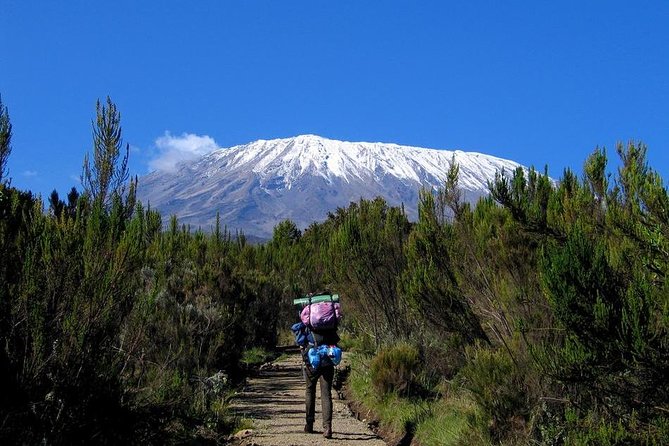
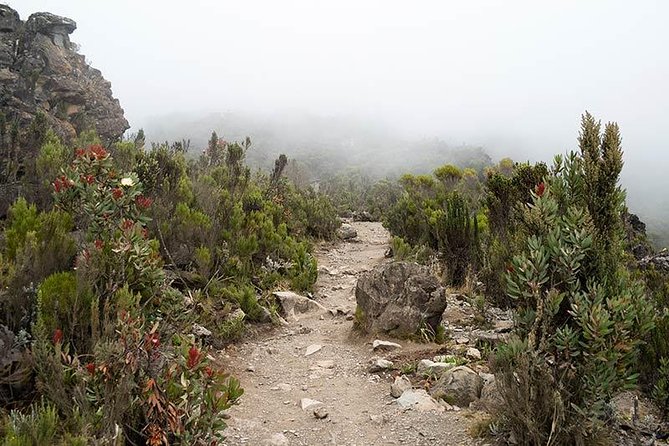
Your first altitude jump takes you from Machame Gate (1,800 m) to Machame Camp (3,010 m). That is a big first-day climb on paper, and it can feel even bigger when you add the rainforest.
This is the day where tropical showers are highly probable. I treat Day 1 like a packing audit: you’ll feel better if you bring more than one dry change of clothes and you have rain protection that actually covers your daypack straps and not just your jacket.
The route passes through rainforest, so your experience will be humid, your shoes may stay damp, and your body will work harder at the same time. The upside is you ease into the mood of the mountain early, with your crew and guides already on hand.
Day 2, Shira Camp and the Lava Tower acclimatization hike: altitude training, not just hiking
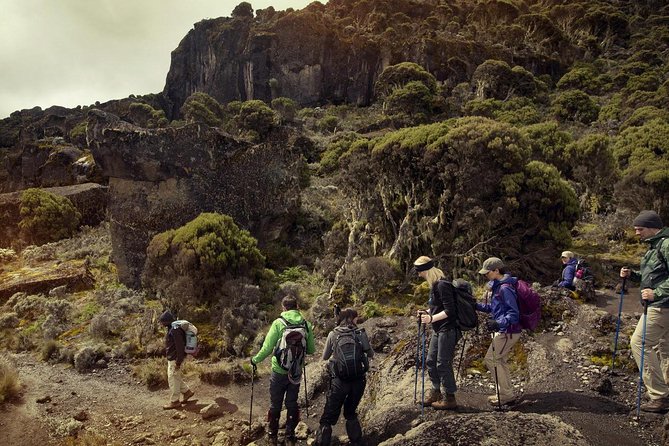
Day 2 takes you up to Shira Camp (3,845 m) after breakfast. You leave the rainforest feel and you start seeing wider views. For many people, this is the first moment Kilimanjaro stops being just “a trek” and becomes a real mountain.
The guide team keeps the day manageable in effort, and the plan recognizes that the altitude can hit even when you feel physically okay. You hike at a pace designed for acclimatization, because speed is not your friend up high. If you try to outmuscle the air, the air wins.
Then comes the extra acclimatization work: an hike toward Lava Tower Camp area with about 300 meters gain, followed by lunch and rest back at Shira Camp, plus a hot dinner. This is smart planning. It lets your body practice going higher without committing to a full big push.
Day 3, Lava Tower (4,630 m) to Barranco Camp: the day that teaches you patience
Day 3 is where the Machame Route starts feeling more like a real expedition. You go from Shira Camp (3,845 m) toward Lava Tower (4,630 m), and the description of the terrain fits what you’ll likely feel: lots of ascents and descents, ending in camp above 4,600 m.
The key part is not just reaching Lava Tower. You need time there. The plan builds in at least 1 to 2 hours spent at Lava Tower for acclimatization, and that is the difference between a climb that feels like it is working for you versus one where you rush and pay later.
After lunch, you descend to Barranco Camp (3,960 m). This is also the day you get a first look at Barranco Wall. Even before you climb it, you’ll see why it gets famous, it looks steep and dramatic from camp.
A few more Moshi trips to compare
- Safari Serengeti And Ngorongoro
★ 5.0 · 288 reviews - Climbing Kilimanjaro – Machame Route
★ 5.0 · 170 reviews - Climbing Kilimanjaro through 7 days Machame Route
★ 5.0 · 151 reviews - Kilimanjaro climb, Lemosho Route (8-day)
★ 5.0 · 148 reviews
Day 4, Barranco Wall to Karanga and on to Barafu: the classic Kilimanjaro leg-burn
Day 4 starts early. You leave camp to hike the Barranco Wall, and the plan recommends going as soon as possible to avoid crowds of other groups. The wall hike is described as not difficult and about one hour, which is encouraging. This is one of those moments where you feel nervous, then you realize your guide’s pacing and the trail shape are working for you.
After the climb, you rest and take photos with Kibo Volcano nearby. If you like pictures that actually look like Kilimanjaro, this is one of the better windows.
Then the day shifts to a more difficult section: hiking up toward Karanga Camp through repeated ascents and descents. Your group’s pace is managed by guides so you’re not just “keeping up,” you’re maintaining control.
You get warm lunch at Karanga Camp after that push, then you continue up to Barafu Camp (4,640 m) for a hot dinner. The remaining hours are for rest and sleep before night summiting. Plan to treat the evening like part of the summit climb, because your body will ask you for it later.
Day 5, Barafu night summit to Uhuru Peak and down to Millennium Camp
This is the day with the big payoff, and also the part where you respect altitude most.
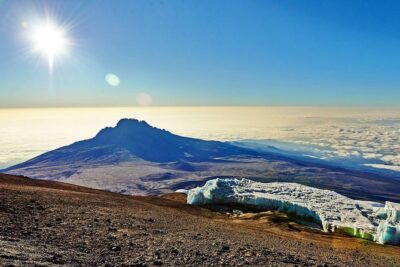
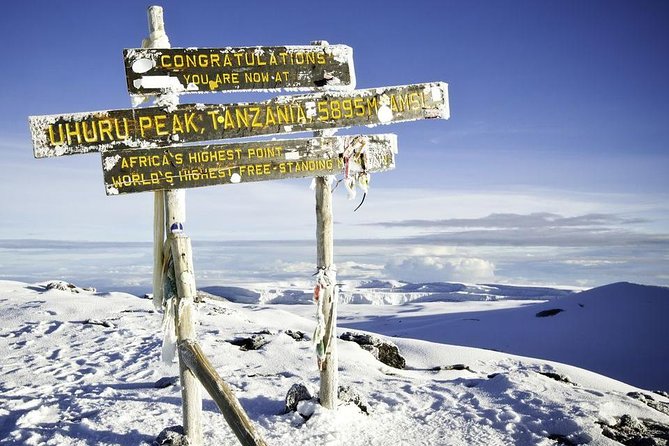
You depart Barafu Camp (4,640 m) at night and start the ascent to Uhuru Peak (5,895 m). Technically, it’s described as relatively simple. Practically, it is hard because you are operating at extreme height. This is where mental stamina matters as much as leg stamina.
Here’s a standout detail: each pair of climbers gets a personal guide for the entire ascent to monitor your physical and mental conditions. That is huge for a summit night because you are not just moving forward, you are being watched for how you feel. It also helps you keep pace when breathing gets heavy.
After reaching Uhuru Peak, you can descend to the nearest glacier if you want. Then you go back to Barafu Camp, take a two-hour rest, and continue descending to Millennium Camp (3,820 m).
I like how the plan uses that rest window. You are not expected to bounce from summit effort straight into a long slog without recovery time.
Day 6, Mweka Gate exit: the finish feels different than you expect
You wake up at Millennium Camp, and the description notes the camp sits in a tropical rainforest. That’s a nice change of pace, because after summit height, any reduction in altitude feels like relief.
After warm breakfast, you head to the park exit at Mweka Gate (1,650 m). Your group gathers after the descent, with congratulations and time to share opinions in a guestbook. You also receive commemorative certificates in the office, then a transfer back to the hotel.
This final day is often underrated. You are tired, but you’re also grateful, and the pacing of the descent plus that small celebration helps you land the experience properly. You do not just disappear into the city and forget it.
Guides, camp support, and the human side of climbing
The tour description is blunt about what matters: the guides are the real stars, and that line is not just marketing.
From personal-style feedback you can feel the pattern. People highlight guides like Fred and Nancy for being amazing and for handling changes at the last minute. Others call out support from Qamrish and Ayoub, with the strong feeling that the guides helped make a dream happen, not just a march up a mountain.
There is also a big meal note. The trek includes warm dinners and warm lunches on key days, and one review specifically praised the chef and the quality of meals. That matters more than you might think on Kilimanjaro. When you’re exerting yourself for hours, the difference between lukewarm food and a proper hot meal is not comfort, it’s energy you can use.
So yes, you should come for the altitude story. But you should also come ready to trust the team. Kilimanjaro is the kind of mountain where the right pace can make a difference between a normal trek and an experience you replay for years.
Price and value: what $1,743.59 buys you, and what to verify
At $1,743.59 per person for about 6 days, this is not a budget hike. You are paying for the structure that keeps the climb safer and smoother: park logistics, the support crew, guide leadership through altitude, and the multi-day plan that includes acclimatization time.
A big value signal here is that park admissions are listed as free and the itinerary repeatedly references stops inside Kilimanjaro National Park. That suggests your core access costs are part of the package rather than tacked on later.
You also get pickup offered and a transfer back to the hotel at the end, plus a mobile ticket. Small things? Sure. But they reduce stress when you’re trying to focus on sleeping, hydrating, and moving at the right pace.
Before you book, I’d still confirm what your package includes in terms of gear and camp setup, because those details are not specified here. You can still feel confident about the core guide-driven plan.
Who this Machame Route trip is best for
This is best for people with moderate physical fitness who understand that the altitude is the main challenge. If you can handle long days and you can commit to early starts, you’ll likely enjoy the flow.
It also fits travelers who value a private tour. Only your group participates, so you’re not stuck with someone else’s pace or preferences. That can matter on a summit night, when you want your group to move in a calm, focused rhythm.
If you are someone who hates rain, hates early wakeups, and wants a gentle sightseeing pace, this route might feel too intense. The rainforest days and the summit night are not optional parts of the experience, they are the experience.
Should you book this 6-day Machame climb?
I’d book it if you want a well-paced Kilimanjaro climb with strong guide involvement, clear acclimatization planning, and a summit day that includes personal guide attention for each pair of climbers. The combination of Machame’s classic camp progression, Lava Tower acclimatization time, and the early start habits on Day 4 and the night summit on Day 5 make the plan feel built for success, not just for bragging rights.
I would hesitate if you expect a relaxed schedule or you know you struggle with long hiking days and altitude stress. In that case, you might still love Kilimanjaro, but you should look for a different route and more flexible pacing.
FAQ
What time does the trek start?
The experience starts at 7:00 am.
Is this a private tour or shared group?
It is a private tour/activity. Only your group participates.
How long is the Machame Route itinerary?
The duration is listed as 6 days (approx.).
Does the trek include rainforest conditions?
Yes. Day 1 includes trekking through rainforest, where tropical showers are probable, and Day 6 notes the camp is situated in a tropical rainforest.
How do you handle acclimatization?
The plan includes acclimatization steps like an acclimatization hike from Shira Camp toward Lava Tower with about 300 meters gain, and the route also includes spending 1 to 2 hours at Lava Tower at around 4,630 m.
Is there extra support during the summit climb?
Yes. During the ascent to Uhuru Peak, each pair of climbers gets a personal guide for the entire ascent to monitor physical and mental conditions.
What are the key high and low points on the route?
Uhuru Peak is at 5,895 m. The exit is at Mweka Gate (1,650 m).
What is the cancellation policy?
You can cancel for a full refund if you cancel at least 24 hours in advance of the experience start time. If canceled due to poor weather, you’ll be offered a different date or a full refund.
Just posted around Moshi
- machame route★ 5.0 · 16 reviews
- Kilimanjaro Climbing Umbwe Route★ 5.0 · 3 reviews
- Wildlife Extravaganza: Manyara, Tarangire & Ngorongoro in 3 Days★ 5.0 · 3 reviews
- Mt Kilimanjaro 6 days Marangu route hike★ 5.0 · 3 reviews
- 3 Days Private E-Bike Tour in West Kilimanjaro★ 5.0 · 3 reviews
- West Kilimanjaro cycling Adventures★ 4.5 · 8 reviews
- Kilimanjaro Climb • Marangu Route ~ 9 Day★ 5.0 · 4 reviews
- Private Cycle to Kilimanjaro Bike Park Safari★ 5.0 · 6 reviews
Kilimanjaro Climbs, compared.
8-Day Small-group Lemosho Kilimanjaro Summit Trekking
Read our review →
5 Days Best of Tanzania Luxury Safari Northern Circuit
Read our review →
Climbing Kilimanjaro through 7 days Machame Route
Read our review →