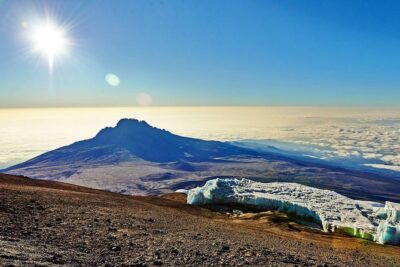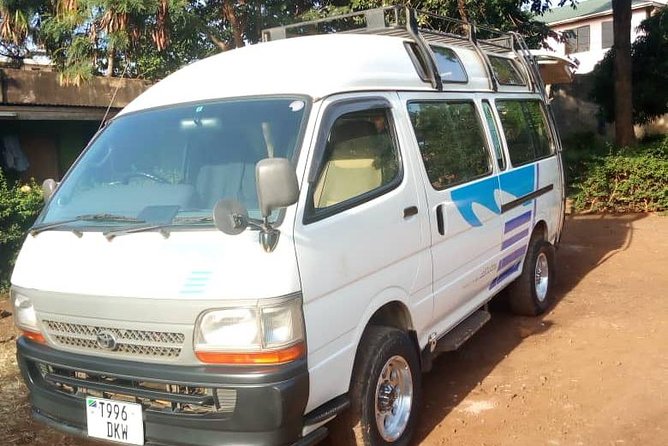
Reviewed · KILIMANJARO CLIMBS
Mt.kilimanjaro Lemosho Route
Kilimanjaro feels personal on the Lemosho route. This 7-day trek from Moshi blends careful acclimatization with strong on-trail support, and the experience level matters because guides really can change how safe and steady you feel at altitude. I like the way the team builds in time at key camps and viewpoints, plus the summit push is guided with close monitoring by a personal guide (for each pair) on the ascent to Uhuru Peak.
Two things I truly like: first, the focus on guide quality is not just marketing, I’ve seen names like Ayubu and Qamrish praised for support, and Edwin for keeping things moving through variable weather. Second, the pacing is built around altitude logic, with lunch and rest happening at the tough, high points like Lava Tower and the route’s acclimatization hikes. One consideration: you are still signing up for real altitude pressure, and the plan depends on good weather, so you need to be mentally ready for slow days and possible changes if conditions are poor.
In This Review
- Key Highlights You Should Not Miss
- Mount Kilimanjaro Lemosho Route: What This Trek Feels Like
- Starting in Moshi and Rolling Into the Park (Londorossi Gate Day 1)
- Shira Plateau Days 2 and the Meru-Spotting Moment
- Lava Tower to Barranco: Where the Route Gets Serious (Day 3)
- Barranco Wall to Karanga: The Art of Not Rushing (Day 4)
- Barafu Summit Camp and the Kosovo Acclimatization Loop (Day 5)
- Night Summit to Uhuru Peak, Then Down to Millennium (Day 6)
- Mweka Gate Exit Through Tropical Rainforest Relief (Day 7)
- Price and Value: Is $2,256.42 Worth It?
- Guide Quality Is the Difference, Not Just the Headline
- Who This Trek Suits Best
- Should You Book the Mt. Kilimanjaro Lemosho Route?
- FAQ
- How long is the Kilimanjaro Lemosho route trek?
- Where does the trek start and end?
- What is the highest point on this itinerary?
- Are guides and support included during the climb?
- Is pickup offered from Moshi?
- What happens if weather is poor?
Key Highlights You Should Not Miss
- Londorossi Gate to Shira 1: a long approach by vehicle, then an easier first hike so you can start acclimatizing early
- Shira 2 Camp and the Meru moment: the itinerary calls out a chance to see Mount Meru nearby if weather allows
- Lava Tower lunch stop: you spend time at 4,630 m (and make it a point to acclimatize there) before dropping to Barranco
- Barranco Wall early start: climbing the gorge wall is described as simple, and you’ll want to leave early to avoid crowd pressure
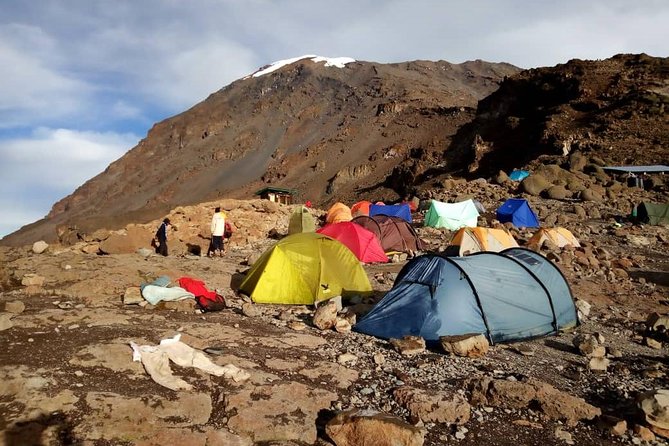
- Barafu Summit Camp setup: tents and sleeping bags are provided so the night summit window is less chaotic
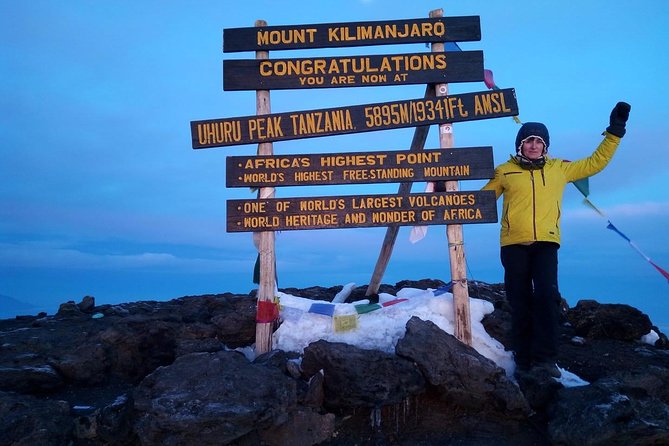
- Uhuru Peak night summit with close monitoring: each pair gets a personal guide during the ascent
Mount Kilimanjaro Lemosho Route: What This Trek Feels Like
The Mount Kilimanjaro Lemosho Route has a slow-burn rhythm. You don’t just hike uphill day after day. You move, gain altitude, then intentionally pause long enough for your body to adapt. That matters because Kilimanjaro is not mainly a technical mountain. It’s an altitude mountain, and the difference between feeling okay and feeling awful is often your pacing, your rest, and how well you listen to your body.
From Moshi, you meet the mountain support crew and guides in the morning, then roll out to the western entrance at Londorossi Gate (2,200 m). From there, you climb gradually into the Shira Plateau area, cross into Barranco terrain, and eventually head toward Barafu and the summit push for Uhuru Peak (5,895 m). Even if you’re a first-timer, this route is structured so you can keep making progress without treating every day like a sprint.
The best part is that the human support is part of the design, not an afterthought. On the big night summit, the trek specifically includes a personal guide for each pair to monitor physical and mental conditions. That’s a big deal when you are tired, breathing hard, and your brain starts bargaining for shortcuts.
More Kilimanjaro climbs:
- Kilimanjaro climb by Lemosho Route (7-day)
★ 5.0 · 651 reviews - Kilimanjaro climb, Machame Route (7-day)
★ 5.0 · 262 reviews - Kilimanjaro Climbing Lemosho Route 8 Days.
★ 5.0 · 186 reviews
Starting in Moshi and Rolling Into the Park (Londorossi Gate Day 1)
Day 1 is about getting your bearings. A guide and mountain support crew meet you at your hotel in the morning for a briefing. Then you travel by vehicle for roughly 3 to 4 hours to Kilimanjaro National Park’s western entrance, Londorossi Gate at 2,200 m.
After permits and registration with the search and rescue service, you continue upward by off-road vehicles until around 3,500 m. That means day 1 is not a brutal, hours-long climb straight away. It’s more like: settle in, get organized, and start feeling the mountain before you commit to full trekking hours.
You then hike from your drop-off point to your first high-altitude camp, Shira 1 at about 3,505 m. The itinerary notes that this section has a small altitude gain and is not too physically challenging. I like that choice because it lets you acclimatize without overwhelming your legs or your breathing.
What to watch for: even a “not too challenging” start can feel tough if you’re anxious or moving too fast. The plan is there to slow you down. Use that to your advantage.
Shira Plateau Days 2 and the Meru-Spotting Moment
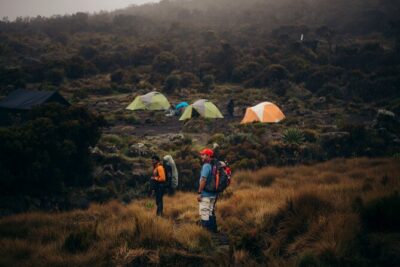
Day 2 begins at Shira 1 Camp (3,505 m) and takes you toward Shira 2 Camp (3,900 m). This is described as a light trek, with spectacular views and unique flora in the area. It’s a good day for steady walking, taking breaks when you need them, and getting comfortable with camp life.
Shira 2 Camp is also flagged as the best place on the trip to see Mount Meru, the fifth summit of Africa, weather permitting. That’s the sort of detail that makes the middle of a trek feel special, because you’re not only grinding toward the summit. You’re also looking around at the big geography.
Once you arrive, you get lunch, then a two-hour rest. After that, you do an acclimatization hike toward Lava Tower Camp, with a 200-meter gain in altitude. This is one of those “small effort, big payoff” choices. You’re testing your altitude comfort without committing to the hardest section too early.
What to watch for: acclimatization hikes sound easy on paper. Don’t treat them like a victory lap. Keep your pace gentle and your breathing controlled.
Lava Tower to Barranco: Where the Route Gets Serious (Day 3)
Day 3 is the key turning point. You leave Shira 2 Camp (3,900 m) and head to Lava Tower at 4,630 m. The itinerary notes this section has many ascents and descents and can feel difficult, so you may experience discomfort. That’s normal in this altitude band, but the route handles it in a practical way.
The plan tells you to spend at least 1 to 2 hours at Lava Tower to acclimatize, and that’s where lunch happens. This is a smart move. You’re not just passing through a high point and hoping for the best. You’re giving your body a chance to adjust, then you descend to Barranco Camp at 3,960 m.
When you reach Barranco, you’re in position to see the famous Barranco Wall. It’s impressive because it’s steep and massive. And knowing what you’re about to climb the next day can be motivating, even if you’re not thrilled about the stairs.
What to watch for: Lava Tower is where many people feel the altitude most. If you push too hard here, tomorrow gets harder. The trek’s schedule is trying to prevent that.
A few more Moshi trips to compare
- Safari Serengeti And Ngorongoro
★ 5.0 · 288 reviews - Climbing Kilimanjaro – Machame Route
★ 5.0 · 170 reviews - Climbing Kilimanjaro through 7 days Machame Route
★ 5.0 · 151 reviews - Kilimanjaro climb, Lemosho Route (8-day)
★ 5.0 · 148 reviews
Barranco Wall to Karanga: The Art of Not Rushing (Day 4)
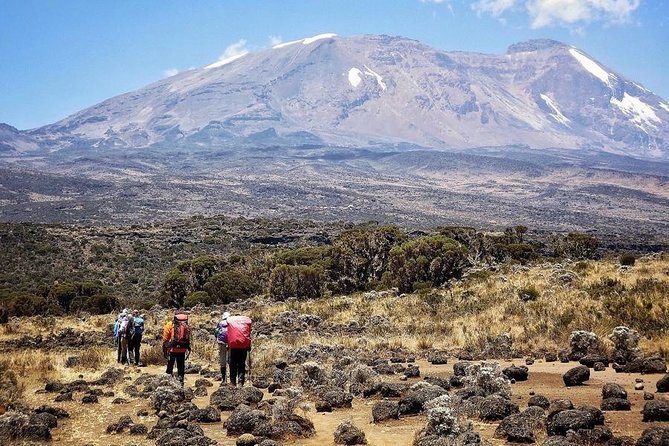
Day 4 starts early. After breakfast, you begin summiting Barranco Wall, with a recommendation to leave the camp as early as possible to avoid crowds from other groups. The climb up the gorge wall is described as not difficult and takes around an hour. You then rest and take photos with Kibo volcano in view.
Then you hike to Karanga Camp. The itinerary describes numerous ascents and descents. It also explicitly says our guides will choose an optimal pace for the group, which is exactly what you want on a day like this. When conditions are tough, a good pace is a safety tool.
After reaching Karanga, you get warm lunch. Then you do a couple-hour acclimatization hike toward Barafu Camp with a 200-meter gain in altitude, and return to the camp.
This day matters because it teaches you route discipline. You are moving toward higher terrain, but you are not letting fatigue turn you into a careless hiker.
What to watch for: if you feel strong, it’s tempting to speed up. Resist that urge. Your goal is to keep your system calm for Barafu and the summit night.
Barafu Summit Camp and the Kosovo Acclimatization Loop (Day 5)
Day 5 is the start of the summit build-up. In the morning, you begin your way to Barafu Summit Camp at 4,640 m, which is the starting point for the night ascent to Uhuru Peak (5,895 m).
One thing I like about this plan is how it handles the logistics of being exhausted. The team sets up camp for you in advance, including tents and sleeping bags. That means you’re not spending the last big daytime scramble setting up gear. You can conserve energy and focus.
After regaining strength, the itinerary includes an acclimatization hike toward Kosovo Summit Camp (4,800 m) and then back to Barafu Camp. You then get a hot dinner and are advised to rest and sleep before night summiting. That’s a classic Kilimanjaro strategy: protect your energy for the midnight to dawn push.
What to watch for: on summit eve, rest is not optional. Even if you feel restless, try to stay quiet and conserve calories and focus.
Night Summit to Uhuru Peak, Then Down to Millennium (Day 6)
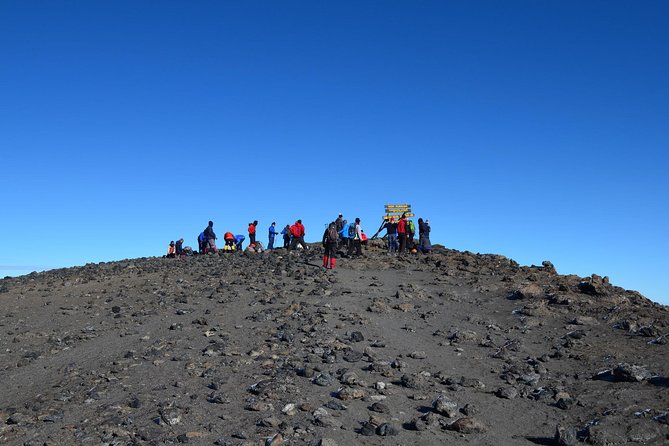
This is the day most people dream about, and the day that requires the most patience. You depart Barafu Camp at night to start the summit of Kilimanjaro, Uhuru Peak at 5,895 m.
The itinerary says the climb is technically relatively simple. The real challenge is the high altitude. That matches what you’ll feel: breath, rhythm, and mental staying power matter more than strength.
Here’s a crucial detail: each pair of climbers gets a personal guide for the entire ascent to monitor physical and mental conditions. I’m glad that’s explicitly built in. When your body starts lagging, having a guide who can read you quickly can prevent panic and keep you steady.
After you reach Uhuru Peak, you can descend to the nearest glacier if desired. Then you return to Barafu Camp for a two-hour rest. After that, you descend to Millennium Camp at 3,820 m.
That rest after the summit is not just comfort. It’s damage control. It helps you move safely downhill the next hours.
What to watch for: summit days can feel like time goes both fast and slow. The best move is to follow the pacing plan, not your ego.
Mweka Gate Exit Through Tropical Rainforest Relief (Day 7)
Day 7 starts in a tropical rainforest environment. After reaching the summit, the itinerary describes a feeling of relief when the altitude drops. That tracks with what most people experience, but the design here matters too because you’re not thrown into another high-altitude challenge.
You wake up, enjoy warm breakfast, then head to the park’s exit: Mweka Gate (1,650 m). After descent, the group gathers to congratulate you, and there’s a guestbook moment where you can share opinions about the climb. Finally, you receive commemorative certificates and get a transfer back to the hotel.
This final day is where the trek turns into a story you can actually live with. It’s not just victory photos. It’s closure: food, recognition, and a real return to normal life.
What to watch for: even if you’re happy to be done, your legs may still feel heavy. The downhill still takes care and attention.
Price and Value: Is $2,256.42 Worth It?
At $2,256.42 per person for an about 7-day Mount Kilimanjaro Lemosho Route trek, you’re paying for more than walking time. You’re paying for a full system: guides, a mountain support crew, camps, and the structure that puts acclimatization on the calendar instead of leaving it to luck.
Here’s what makes the price feel more reasonable in this specific plan:
- Guide and support emphasis: reviews praise guides by name, including Ayubu and Qamrish, and Edwin for handling variable weather. On the summit night, the plan includes a personal guide per pair, which is a meaningful safety and pacing feature.
- Food and camp setup for the hardest night: at Barafu Summit Camp, tents and sleeping bags are set up for you ahead of time. That reduces stress when you are already low on energy.
- Clear acclimatization structure: Lava Tower includes a longer acclimatization stop for 1 to 2 hours, and the route includes multiple altitude adjustment hikes (like the Lava Tower move after Shira 2, and the 200-meter climb near Karanga and the Kosovo hike from Barafu).
What I would consider if you are price-sensitive: the route is not a short trek, and it’s private for your group. Private usually costs more than shared group trips, but it also means your pacing and needs can be managed for your exact group dynamic. If you can afford it, I think this plan offers strong value for people who take safety and quality leadership seriously.
Also note: the trek requires good weather. If canceled due to poor weather, you’re offered a different date or a full refund. That matters because Kilimanjaro is a mountain with real environmental control points.
Guide Quality Is the Difference, Not Just the Headline
This is where the reviews hit hard, and the itinerary backs it up with specific guidance choices. You’re not just hiring someone to walk ahead. You’re hiring decision-makers who manage pace, timing, and stress.
Examples you should care about:
- Ayubu and Qamrish are praised for being knowledgeable and supportive, with a focus on safety and comfort.
- Edwin is called out for helping the group fulfill the summit dream even when weather was variable.
- Fred appears in feedback tied to professionalism, reliability, and a warm welcome.
- Chef Panta is mentioned delivering food surprises, including pizza on the mountain.
That pizza detail might sound like fun trivia, but it actually points to something practical: morale and routine matter when you are sleeping at high altitude. A team that can keep the experience human will help you stick to the pacing plan when it gets rough.
Who This Trek Suits Best
This trek is designed for people with moderate physical fitness. You should be comfortable with long trekking days and the idea that altitude affects how hard each step feels. If you have never hiked at altitude before, I’d still consider Lemosho because the plan’s acclimatization built into the schedule is a big part of the appeal.
It also fits well if you want a more guided, team-supported summit experience rather than a minimalist approach. The personal guide during the summit night is the kind of detail that matters if you want confidence when your body gets tired.
Should You Book the Mt. Kilimanjaro Lemosho Route?
Yes, I’d consider booking this trek if you value strong leadership, structured acclimatization, and a summit plan that actively manages risk. The itinerary does not treat acclimatization as a side note. It makes it a main character on multiple days, including the Lava Tower stop and the rest before the summit push.
I’d think twice if you dislike cold, fatigue, and the mental grind of altitude. Even with excellent guides, this is still a high-stakes mountain. Also, because the trek requires good weather, you need to be flexible about dates if conditions force changes.
If you want Kilimanjaro to feel like a once-in-a-lifetime plan, not a random uphill gamble, this Lemosho route is the kind of choice you can feel good about.
FAQ
How long is the Kilimanjaro Lemosho route trek?
It runs for about 7 days, based on the day-by-day itinerary from Londorossi Gate to Mweka Gate.
Where does the trek start and end?
It starts at Kilimanjaro National Park’s western entrance, Londorossi Gate (2,200 m), and ends at Mweka Gate (1,650 m).
What is the highest point on this itinerary?
The summit point is Uhuru Peak at 5,895 m.
Are guides and support included during the climb?
Yes. You’ll be met by a guide and mountain support crew at your hotel in the morning, and on summit night each pair of climbers receives a personal guide for the entire ascent to Uhuru Peak.
Is pickup offered from Moshi?
Pickup is offered, and after the trek there is also a transfer back to your hotel.
What happens if weather is poor?
The experience requires good weather. If it’s canceled due to poor weather, you’ll be offered a different date or a full refund.
Just posted around Moshi
- machame route★ 5.0 · 16 reviews
- Kilimanjaro Climbing Umbwe Route★ 5.0 · 3 reviews
- Wildlife Extravaganza: Manyara, Tarangire & Ngorongoro in 3 Days★ 5.0 · 3 reviews
- Mt Kilimanjaro 6 days Marangu route hike★ 5.0 · 3 reviews
- 3 Days Private E-Bike Tour in West Kilimanjaro★ 5.0 · 3 reviews
- West Kilimanjaro cycling Adventures★ 4.5 · 8 reviews
- Kilimanjaro Climb • Marangu Route ~ 9 Day★ 5.0 · 4 reviews
- Private Cycle to Kilimanjaro Bike Park Safari★ 5.0 · 6 reviews
Kilimanjaro Climbs, compared.
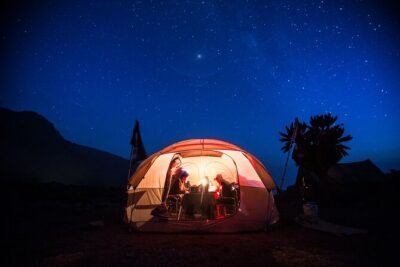
8-Day Small-group Lemosho Kilimanjaro Summit Trekking
Read our review →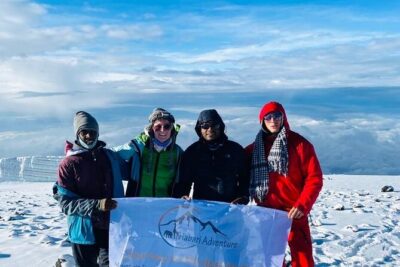
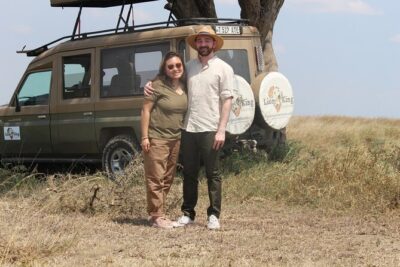
5 Days Best of Tanzania Luxury Safari Northern Circuit
Read our review →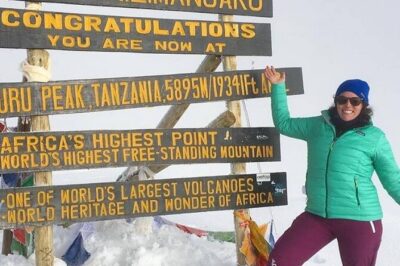
Climbing Kilimanjaro through 7 days Machame Route
Read our review →