Reviewed · KILIMANJARO CLIMBS
Mt Kilimanjaro Climb – 8 days Lemosho
Kilimanjaro starts softer on the Lemosho route. This 8-day Lemosho trek begins on the west side of the mountain, just under the Shira area, and is known for its good acclimatization because the schedule gives you more time at altitude. If you want extra adventure, there’s also an option some operators offer to add an overnight stay in the Kibo Crater area.
What I like most is the crew support and how many guests emphasize feeling safe and cared for throughout the climb. I also like that the trek includes practical medical back-up like an oxygen cylinder and ox meter, not just hope and hype. The main drawback to consider is the length and intensity of the summit day, when you can face a very long, very steep, and possibly cold climb to Stella Point before continuing to Uhuru Peak.
In This Review
- Key highlights you will feel on this climb
- Why the Lemosho route is a smart way onto Kilimanjaro
- Day 1 to Day 3, getting your legs under you around Shira
- Day 4, the long setup into the Barranco area
- Day 5 and Day 6, the Barranco Wall and the rise to Barafu
- Summit night is the whole game: Stella Point to Uhuru Peak
- Day 8, your knees meet gravity and you win anyway
- Price and logistics, what $3,500 includes and why that can be good value
- The Nyange Adventures team focus, care that feels real
- Camps, food, and daily comfort you should not ignore
- Oxygen support and the real meaning of “tools”
- What to pack when the mountain is cold and long
- Who should choose this Lemosho climb
- Should you book this 8-day Lemosho climb with Nyange Adventures?
- FAQ
- Where is the climb based and what is the usual start time?
- How long is the Kilimanjaro trek on the Lemosho route?
- What is the highest point on the itinerary?
- What does the daily walking look like on the itinerary?
- Is hotel pickup and drop-off included?
- Are meals included during the climb?
- Is oxygen support included?
- What camping setup is provided?
- What is not included in the price?
- What is the cancellation policy?
Key highlights you will feel on this climb
- A route built for acclimatization, using a longer approach up the mountain
- Scenic altitude days that mix steady walking with big views
- Strong support crew, with guides and porters noted for care, efficiency, and a good vibe
- Oxygen and an ox meter included, so the team has tools if altitude becomes a problem
- Camping comfort handled well, with tents, mattresses, and a mess tent set up for you
Why the Lemosho route is a smart way onto Kilimanjaro
The Lemosho route is one of the newer ways up Kilimanjaro, and it starts on the western side of the mountain beneath the Shira zone. That matters because your first days focus on getting your body used to thin air instead of rushing to altitude.
You also get a good mix of walking styles across the week. Some days are longer, some are shorter, and the changes help you avoid that miserable pattern where every single day feels the same. It is not a gentle walk in the park, but it is a more patient approach.
Finally, there is a reason this trek is often described as scenic. You spend multiple days around major elevation points, and that gives you more chances to look out, catch your breath, and feel the mountain shift around you.
More Kilimanjaro climbs:
- Kilimanjaro climb by Lemosho Route (7-day)
★ 5.0 · 651 reviews - Kilimanjaro climb, Machame Route (7-day)
★ 5.0 · 262 reviews - Kilimanjaro Climbing Lemosho Route 8 Days.
★ 5.0 · 186 reviews
Day 1 to Day 3, getting your legs under you around Shira
Day 1 goes from Lemosho Gate (2385 m) to Big Tree Camp (2780 m). Plan for about 2 to 3 hours walking. It is a good warm-up day that helps you find your rhythm before you start stacking altitude more seriously.
Day 2 climbs from Big Tree Camp (2780 m) up to Shira Camp 1 (3500 m), with a big jump in altitude. Expect about 4 to 5 hours of walking. This is where your pacing really matters, slow steps, steady breathing, no racing the clock.
Day 3 moves from Shira Camp 1 (3500 m) to Shira Camp 2 (3900 m). The walking time is about 3 to 4 hours. You feel more time at altitude now, and that is part of the point, you are giving your body time to adjust instead of forcing the summit early.
Practical note: your base routine is set from the start because you have camping facilities and three meals a day. That reduces decision fatigue. You focus on moving and staying warm, not wondering when you will eat or where you will sleep.
Day 4, the long setup into the Barranco area
On Day 4, you start at Shira Camp 2 (3900 m) and finish at Barranco Camp (3960 m). The altitude pattern on this day is interesting because it is listed as gaining and losing altitude, about +740 m and -680 m, with a 6 to 7 hour walk.
That kind of day can feel a bit mental at altitude. You are never fully coasting, yet you are not simply doing a straight climb either. The payoff is that you are positioning yourself for one of the route highlights that comes next.
Barranco Camp at 3960 m is also a sign you are getting closer to the higher, colder part of the mountain. Nights start to demand real focus on warmth, even if you feel fine in the afternoon.
Day 5 and Day 6, the Barranco Wall and the rise to Barafu
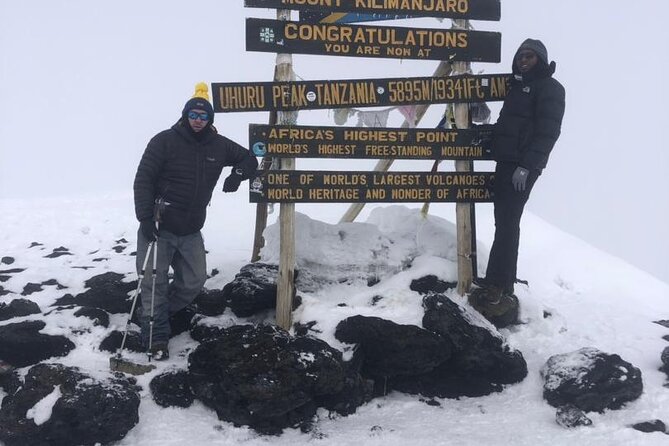
Day 5 starts at Barranco Camp (3960 m) and finishes at Karanga Camp (4035 m). The walking time is shorter, about 3 to 4 hours, with a smaller net gain listed as +100 m and -25 m.
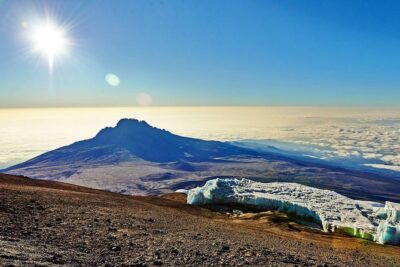
Here is the special moment: you climb over the Barranco Wall, and you get a rewarding view of Kibo’s southern glacier. That combo, a physical effort plus a clear visual payoff, is exactly why people talk about this section with real energy.
Day 6 takes you from Karanga Camp (4035 m) to Barafu Camp (4640 m). Expect about 3 to 4 hours, with a climb of roughly +615 m. This is when the air really starts to feel thin. The work is still manageable, but you feel the altitude quicker, and your rest becomes part of the plan.
A few more Moshi trips to compare
- Safari Serengeti And Ngorongoro
★ 5.0 · 288 reviews - Climbing Kilimanjaro – Machame Route
★ 5.0 · 170 reviews - Climbing Kilimanjaro through 7 days Machame Route
★ 5.0 · 151 reviews - Kilimanjaro climb, Lemosho Route (8-day)
★ 5.0 · 148 reviews
Summit night is the whole game: Stella Point to Uhuru Peak
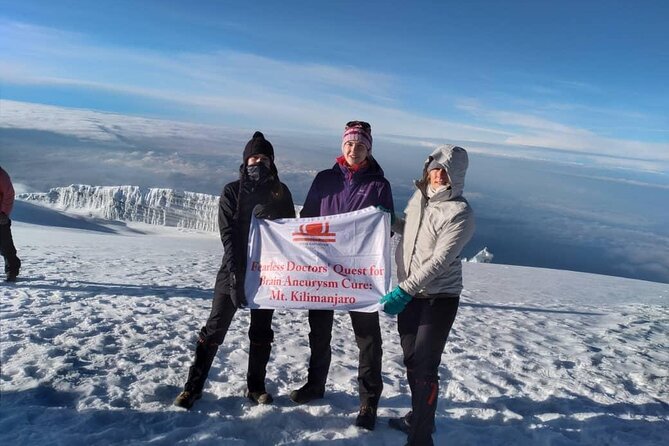
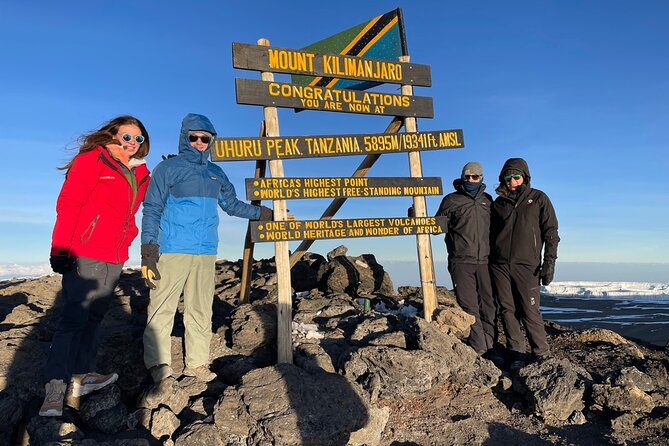
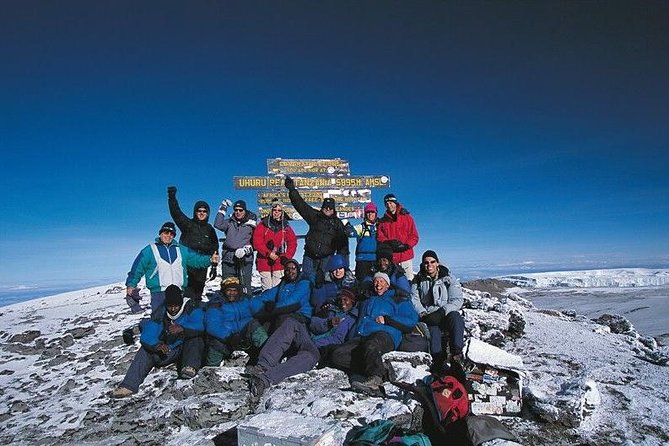
Day 7 is the big one. You start at Barafu Camp (4640 m) and go to Uhuru Peak (5895 m), then descend to Mweka Camp (3080 m). The walking time is listed as 10 to 14 hours, and altitude drops are huge on paper, with about -1255 m listed and then a larger descent to camp.
You should expect a very steep, long climb, with a possibly cold push to Stella Point. Many people treat this as the toughest night of their trip, not because it is technically complicated, but because it is long and your body is working with less oxygen. The itinerary also flags that altitude might influence the climb, which is polite wording for expect your legs to feel heavier than you think they should.
The upside, when it works, is the views. You get a fantastic panorama across the crater ridge and at the summit. That is the payoff you came for, and it is why this route is so popular.
Also, pay attention to the support kit that is included. This trek comes with an oxygen cylinder and an ox meter. You do not need to assume they will hand it to you, but you do have that safety net available if the team decides altitude needs medical help.
Day 8, your knees meet gravity and you win anyway
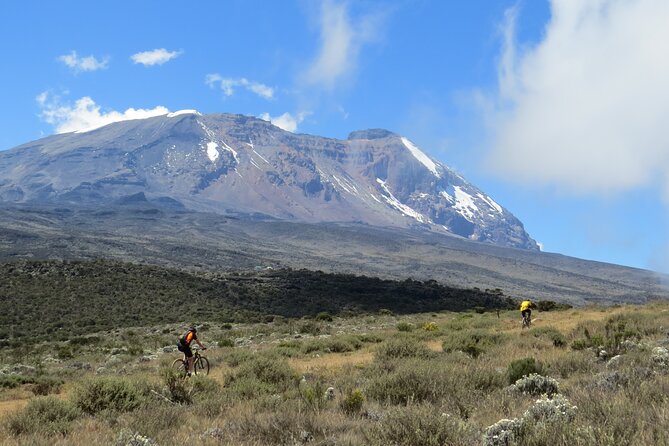
Day 8 starts at Mweka Camp (3080 m) and ends at Mweka Gate (1630 m). Plan for about 2 to 3 hours of walking, with a listed drop of around -1450 m.
This is a win day. You are done with the altitude grind, and the mountain is dropping away fast. The catch is that steep descents can be rough on knees. If your body feels stiff, slow down and use your balance. Short steps help more than you think.
Price and logistics, what $3,500 includes and why that can be good value
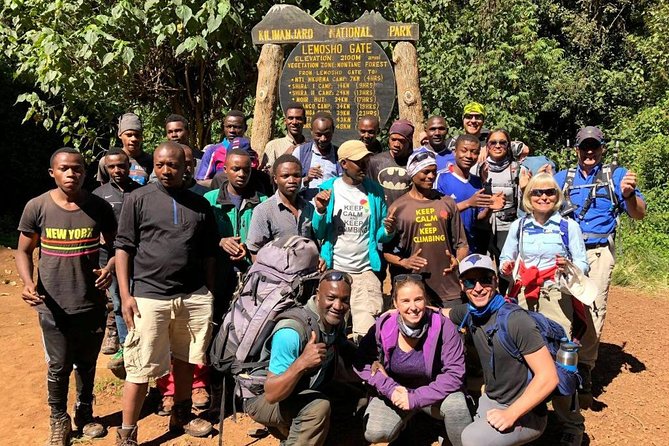
At $3,500 per person for an 8-day Kilimanjaro trek, the value is mostly about what is already handled for you. This package includes all park fees such as entry, camping, forest department and rescue fees. It also includes drinking water, transport to and from the gate, and hotel pickup and drop-off.
On top of that, you get 7 nights accommodation in camping style with tents, mattresses, and a mess tent, plus a professional guide. There is also an ethical labor piece built in, with fair and ethical salaries for the team in line with KPAP guidelines.
What is not included matters for budgeting. Tips for guide, cook, and porters are not included. Personal climbing gear and equipment are not included, so you need to plan your packing before you arrive. Pre and post accommodation and airport transfers are not included, though booking is available on request. Travel insurance is also not included.
My practical take: for a mountain like this, it is usually worth paying for packages that cover the fixed costs (fees, crew pay, and logistics). You can then budget the flexible parts, like tips and gear, without last minute stress.
The Nyange Adventures team focus, care that feels real
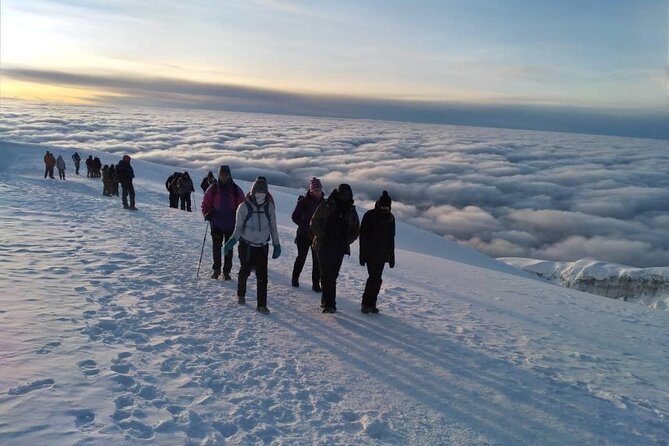
The biggest theme across the strongest feedback is the team. People consistently highlight that they felt safe, respected, and genuinely taken care of from start to finish. You will also see names pop up repeatedly, which is often a sign the same leadership shows up again and again.
Guides named in guest feedback include Amnaay and Musa, Joy and Geopron, Davis and Ibrahim, Robert and Herick, Kevin, and Francis. Chefs and food helpers mentioned include Oscar, Nikaas, and Sam. One amusing detail is the “stomach engineer” nickname for Mohammed, which tells you the cooking role is treated seriously.
Porters show up as more than equipment carriers too. Guests describe porters as fun to hang with, impressively fast, and strong. That matters. A good porter team helps keep you moving at the pace the guide sets, and it reduces the feeling that you are dragging your whole life uphill.
Another recurring point: organization. People describe everything running smoothly from first contact to the descent. In one case, a group booking became effectively solo due to cancellations, and the traveler felt that created flexibility while still feeling cared for.
There is also a small extra some guests highlight: an evening at the operator’s farm, with a note about employing women and young men from the village. That kind of community-linked side experience can make your time around Moshi feel less like a waiting room.
Camps, food, and daily comfort you should not ignore
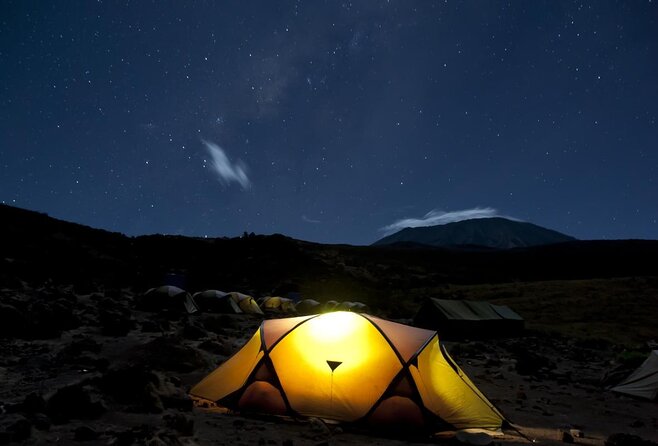
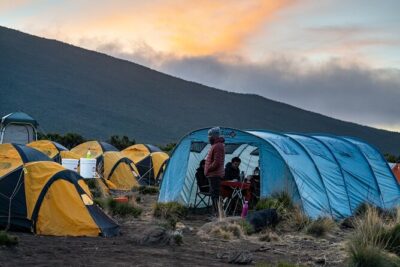
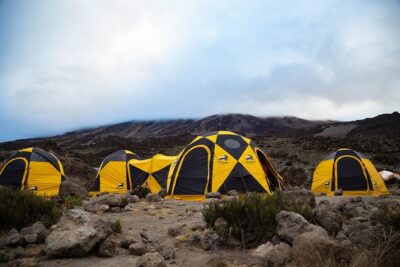
You are camping for the whole trek, but the essentials are covered. Your package includes tents, mattresses, and a mess tent, which is a big deal on summit day when you want warmth and a place to eat without chaos.
Meals are included as three meals a day. That sounds basic until you are hungry at altitude, then it becomes a morale boost. Being fed consistently also helps you keep your energy steady across long walking days, especially Day 7 when it is 10 to 14 hours on the move.
Drinking water is included too. You will still have your own habits for hydration, but this removes one of the annoyances that can otherwise become a problem.
Oxygen support and the real meaning of “tools”
Including an oxygen cylinder and ox meter is not just a checkbox. It changes the vibe when altitude is already testing you. It means the team has a way to respond if symptoms show up or if you are struggling more than expected.
That said, oxygen is not a magic pass. You still need to walk slowly, rest when told, and follow your guide’s pacing advice. But having the tool present can help you trust the medical side of the operation.
What to pack when the mountain is cold and long
Your personal gear is not included, so plan your kit carefully. Since Day 7 is described as very steep, long, and possibly cold, you should expect real cold at night and early morning. Bring layering you can adjust while walking and while stopping. Gloves, a warm hat, and a good outer layer matter.
You will also want rain protection. Mountain weather can shift quickly, and when you are already at high altitude, getting wet can feel miserable fast. A headlamp is also smart because summit night starts in darkness.
Because tents and mattresses are provided, you are not trying to solve the entire sleeping setup on arrival. Still, your own sleeping bag or sleeping system needs to match the temperatures you might face at those elevations. If you are unsure, ask the operator what comfort they expect you to bring for the coldest nights.
Who should choose this Lemosho climb
This trek is for people with moderate physical fitness. That does not mean it is easy. It means the pace and schedule can work if you walk smart, take it seriously, and do not treat altitude like it is just another hike.
It is also a strong option for people who want acclimatization built in. The route includes multiple days around major elevation points, and you do not jump straight to the summit early. That typically makes the climb feel less abrupt.
And it is not only for young climbers. One guest shared a successful ascent at age 73 via Lemosho with the help and support of the team. Your experience will still depend on your health and how you handle altitude, but it shows that the route is not automatically out of reach if you follow the guidance.
Should you book this 8-day Lemosho climb with Nyange Adventures?
Book it if you want a scenic, acclimatization-friendly route, you are okay with camping, and you understand that Day 7 is a long, steep, cold-feeling grind. The package value is strongest when you appreciate what is included, like park fees, meals, camping setup, transport to the gate, oxygen tools, and a professional guide.
Skip it or rethink timing if you know you are not prepared for a very demanding summit day, or if you do not want to handle your own mountain gear and tipping budget. Also, be honest about your altitude limits and health. If you have medical concerns, get advice before you go.
If you want a trip where the team focus shows up again and again in real feedback, this one is worth serious consideration.
FAQ
Where is the climb based and what is the usual start time?
The trip is from Moshi, Tanzania. The experience has a start time of 8:00 am, and you begin at Lemosho Gate.
How long is the Kilimanjaro trek on the Lemosho route?
The trek is listed as 8 days.
What is the highest point on the itinerary?
The itinerary includes Uhuru Peak (5895 m) on Day 7.
What does the daily walking look like on the itinerary?
Walking times vary by day. Examples include about 2 to 3 hours on Day 1, 4 to 5 hours on Day 2, and 10 to 14 hours on Day 7.
Is hotel pickup and drop-off included?
Yes. Hotel pickup and drop-off are included.
Are meals included during the climb?
Yes. The package includes three meals a day.
Is oxygen support included?
Yes. You get an oxygen cylinder and an ox meter included in the package.
What camping setup is provided?
The trek includes tent, mattresses, and a mess tent for accommodation.
What is not included in the price?
Tips for the team (guide, cook, porters) are not included, and personal mountain climbing gear and equipment are not included. Pre and post accommodation and airport transfers are also not included, and travel insurance is not included.
What is the cancellation policy?
You can cancel for a full refund if you cancel up to 24 hours before the experience’s start time. If you cancel less than 24 hours before, the amount paid is not refunded.
Just posted around Moshi
- machame route★ 5.0 · 16 reviews
- Kilimanjaro Climbing Umbwe Route★ 5.0 · 3 reviews
- Wildlife Extravaganza: Manyara, Tarangire & Ngorongoro in 3 Days★ 5.0 · 3 reviews
- Mt Kilimanjaro 6 days Marangu route hike★ 5.0 · 3 reviews
- 3 Days Private E-Bike Tour in West Kilimanjaro★ 5.0 · 3 reviews
- West Kilimanjaro cycling Adventures★ 4.5 · 8 reviews
- Kilimanjaro Climb • Marangu Route ~ 9 Day★ 5.0 · 4 reviews
- Private Cycle to Kilimanjaro Bike Park Safari★ 5.0 · 6 reviews
Kilimanjaro Climbs, compared.
8-Day Small-group Lemosho Kilimanjaro Summit Trekking
Read our review →
5 Days Best of Tanzania Luxury Safari Northern Circuit
Read our review →
Climbing Kilimanjaro through 7 days Machame Route
Read our review →