Reviewed · KILIMANJARO CLIMBS
Mt. Kilimanjaro Climb – 8 Day Lemosho Route
Kilimanjaro feels close on this Lemosho trek. What makes the 8-day Lemosho route so appealing is the extra time to acclimatize, plus the calm, scenic western approach that helps you get toward Uhuru Peak without the frantic pace you see on shorter options. I love the route’s scenery as it shifts through rainforest, moorland, and volcanic terrain, and I love the structure of the climb, especially the longer acclimatization feel that supports a high summit success rate (around 95%). One consideration is the summit push starts around midnight, so you need to handle a long, cold, steep mental grind.
You’ll also like the human side of this trip. With a max group size of 12 travelers and a team that includes lead guides and support staff, the pace tends to feel controlled, not chaotic. The guides I see highlighted most often are Ezekiel and Michael, and the crew focus in the comments is consistent: safety, good pacing, and caring details that make the basics work better when you’re tired.
In This Review
- Key highlights to know before you go
- Why the 8-Day Lemosho Route makes sense for your body
- Moshi to Londorossi Gate: your first day of moving like a climber
- Shira Ridge and Shira Plateau: the “big sky” acclimatization phase
- Lava Tower and the Senecio Forest descent to Barranco Camp
- Great Barranco Wall: the famous step and why it feels easier than it looks
- Barafu Hut and the Southern Circuit views you can’t unsee
- Midnight summit start, Stella Point sunrise, and Uhuru Peak at the top
- The descent to Mweka Gate and the muddy, happy finish
- Price and value: what $3,099 buys you, and what it doesn’t
- Who this climb is best for (and who should think twice)
- Should you book the 8-Day Lemosho Kilimanjaro climb?
- FAQ
- What time does the Kilimanjaro trek start?
- How long is the Mt. Kilimanjaro Lemosho climb?
- Where do you get picked up and dropped off?
- What meals are included during the hike?
- What camping and toilet support is included?
- Is airfare or the Tanzania visa included in the price?
- How many people are in the group?
Key highlights to know before you go
- Lemosho is built for acclimatization, with an extra day on high ground so your body has time to adjust
- Scenery changes fast, from forest to savannah grasslands to moorland and volcanic features like Lava Tower
- A calmer feel on the mountain, since this route is described as among the less crowded Kilimanjaro options
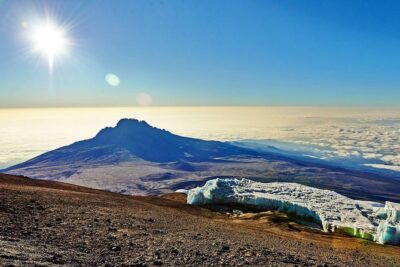
- Summit sunrise timing at Stella Point, where the effort is rewarded with a long-awaited view over Mawenzi
- Strong guide and support ratios, including lead and assistant guides plus cooks and porters
- Included camping setup and meals, including tents, sleeping mat, and a private toilet tent
Why the 8-Day Lemosho Route makes sense for your body
If you’re thinking about Kilimanjaro, your biggest enemy is usually not the mountain. It’s altitude and fatigue. The Lemosho route is popular because it gives your body more chances to adapt before you’re asking it to do the hardest work of your life.
On this 8-day plan, the rhythm is simple and smart: you go up enough to gain altitude benefits, then you sleep lower when the schedule allows. That is the basic “climb high, sleep low” idea, and it shows up in the way the days are paced. The overall success rate for the Lemosho is commonly cited as around 95%, and while nothing is guaranteed on Kilimanjaro, the schedule is designed to give you the best odds compared with faster routes.
One more reason I like Lemosho for many people: the western slope approach tends to feel quieter. You’re still hiking Kilimanjaro, so it’s not empty, but it’s often described as less crowded. That matters when you’re trying to breathe, focus, and keep your pace steady instead of reacting to other groups around you.
Finally, the scenery payoff is real. You start in forest, then the route steps you toward savannah and moorland, and later into volcanic zones. That means you get different kinds of views across the days, including sweeping vistas toward Mt. Meru and Moshi from the western side.
More Kilimanjaro climbs:
- Kilimanjaro climb by Lemosho Route (7-day)
★ 5.0 · 651 reviews - Kilimanjaro climb, Machame Route (7-day)
★ 5.0 · 262 reviews - Kilimanjaro Climbing Lemosho Route 8 Days.
★ 5.0 · 186 reviews
Moshi to Londorossi Gate: your first day of moving like a climber
Day 1 is all about getting to the start clean and then settling into the trail. You leave Moshi, and the drive to Londorossi Gate is roughly 4 hours. At the gate, you handle entry formalities, then you move onward toward the Lemosho trailhead.
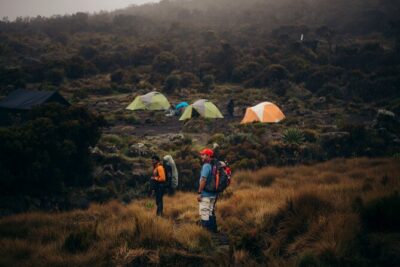
Once you start hiking, the atmosphere changes from road to wilderness fast. The early part goes through undisturbed forest. This is the part where you’ll want to slow down and keep your steps smooth, because you’re building the habit that will matter later at high altitude.
A practical tip: forest hiking often tricks people into going too quickly. Your lungs feel okay at first, so the brain wants to “make up time.” Don’t. I’d rather you arrive at your first campsite steady and calm than competitive and breathless.
You might also spot monkeys in the trees, including blue monkeys swinging through the canopy. It’s one of those small reminders that this is not just a training hike, it’s a living ecosystem.
Shira Ridge and Shira Plateau: the “big sky” acclimatization phase
Day 2 takes you out of rainforest and into a savannah of tall grasses, heather, and volcanic rock dusted with lichen. As you ascend, you cross streams and reach Shira Ridge, then you drop gently to Shira 1 Camp. This is a classic Kilimanjaro pattern: gain enough altitude to feel the climb, then manage it with controlled descent to sleep.
On Day 2 you also catch that first broader look at Kibo across the plateau. That moment matters. It’s a mental checkpoint that makes the mountain feel real, not theoretical.
Day 3 is the Shira Plateau day, and it’s special because it’s less about grinding and more about acclimatization through movement. You walk east on moorland meadows toward Shira 2 Camp, then you divert off the main trail to Moir Hut, a lesser-used camping site near the Lent Hills. The Lent Hills walks are included as an acclimatization opportunity, and this is where you get more time to adjust without immediately forcing a huge altitude spike.
This plateau day is also where you learn how to listen to your body. If you feel a headache creeping in, you don’t need to panic. You just need to tell the guide and keep your pace sensible.
Lava Tower and the Senecio Forest descent to Barranco Camp
By Day 4, you’re working your way toward a major volcanic feature: Lava Tower, a 300 ft tall volcanic rock formation. The day starts with climbing up a ridge, then heads southeast to this landmark, and then moves into a long descent down to Barranco Camp.
The key acclimatization detail here is that you spend time at higher altitude even though the day ends at a similar overall elevation. That is helpful for many climbers, because the body gets exposure without the “all day, all the way” escalation that can overwhelm you.
As you descend, you go through Senecio Forest, which is described as strange but beautiful. That phrase fits the experience well. You’re not just walking through more “trees.” You’re stepping into a different high-altitude plant world where everything looks wind-tough and built for cold.
You’ll end Day 4 at Barranco Camp, at about 13,000 ft. That’s the kind of altitude where even small things matter. Hydration, warm layers, and keeping your energy for dinner all help.
A few more Moshi trips to compare
- Safari Serengeti And Ngorongoro
★ 5.0 · 288 reviews - Climbing Kilimanjaro – Machame Route
★ 5.0 · 170 reviews - Climbing Kilimanjaro through 7 days Machame Route
★ 5.0 · 151 reviews - Kilimanjaro climb, Lemosho Route (8-day)
★ 5.0 · 148 reviews
Great Barranco Wall: the famous step and why it feels easier than it looks
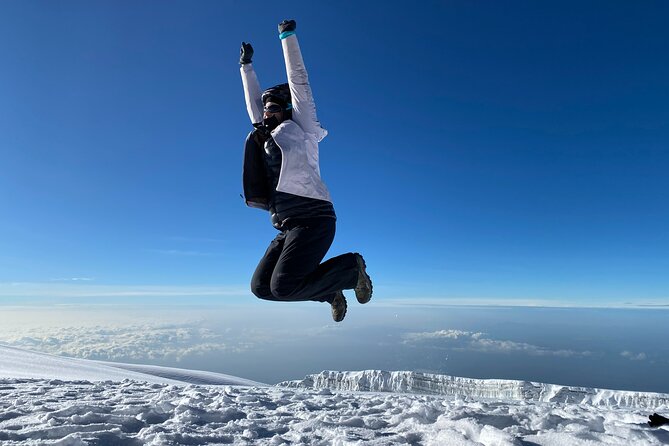
Day 5 has one of Kilimanjaro’s most talked-about obstacles: the Great Barranco Wall, sometimes called the Kissing Wall. You first descend into a ravine to the base, then climb the nearly 900 ft cliff.
The wall is non-technical, but it’s steep. The narrow section is about 3 ft wide, and it’s famous for the idea that climbers place a kiss on the rock as they pass. Whether or not you do that tradition, you will recognize the moment: you hug the outcrop, breathe, and realize the cliff isn’t as scary as it looks from below.
From the top, you cross hills and valleys, then descend sharply into Karanga Valley. Then you climb up again to Karanga Camp. That means Day 5 is a “workout day,” not a gentle float. Still, it’s a good kind of hard because it helps prepare your legs for the later summit push.
One practical consideration here: steep days cost more than you expect. Your pacing at the wall matters more than your willpower. If you rush, you’ll pay later at camp.
Barafu Hut and the Southern Circuit views you can’t unsee
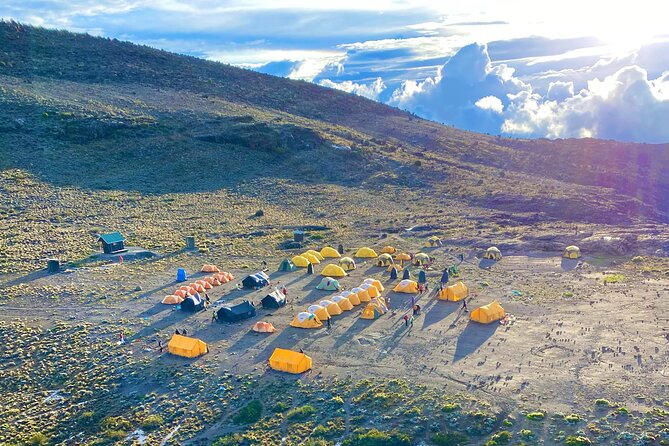
Day 6 connects your trek to the Mweka Trail junction and continues up the rocky section to Barafu Hut. This is the point where you can think of the Southern Circuit as complete, and it gives you a new angle on the summit area.
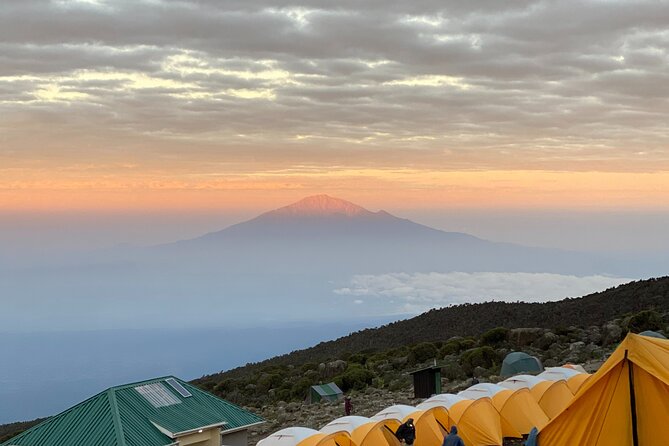
From Barafu, you get early dinner and rest for the summit day. The descriptions emphasize that you can see Mawenzi and Kibo from this position. That’s not just pretty. It helps you understand what you’re moving toward through the darkness ahead.
This is also when I recommend treating rest like training. Sleep when you can. Eat what you’re given. Warm up layers early, because waiting until you feel cold is usually when you start losing time and comfort.
A note on your mindset: Barafu feels like the “everything from now on” camp. The mountain will demand more mental focus than strength.
Midnight summit start, Stella Point sunrise, and Uhuru Peak at the top
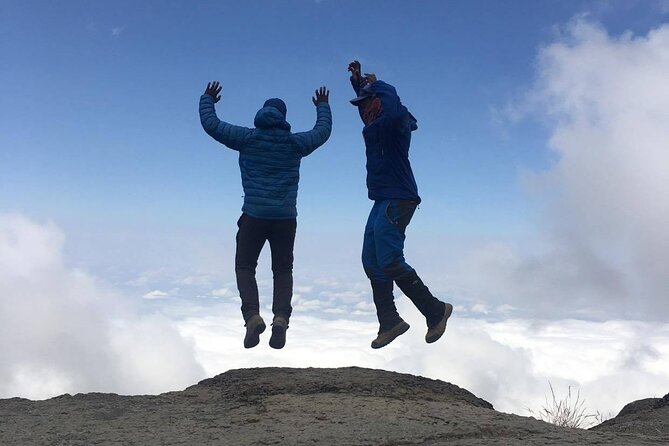
Day 7 is the summit day. Around midnight, you begin the push to the top. You’ll ascend in the darkness for several hours with frequent but short breaks. This is where a guide’s pacing decisions matter most, because if you go too fast, altitude symptoms can turn into a real problem.
Near Stella Point, at about 18,900 ft, you get the sunrise. The description says it’s the most magnificent sunrise you’re likely to see, and it’s coming over Mawenzi Peak. That means you’re not just looking at light. You’re watching the world change as you stand on the rim of Africa’s highest point.
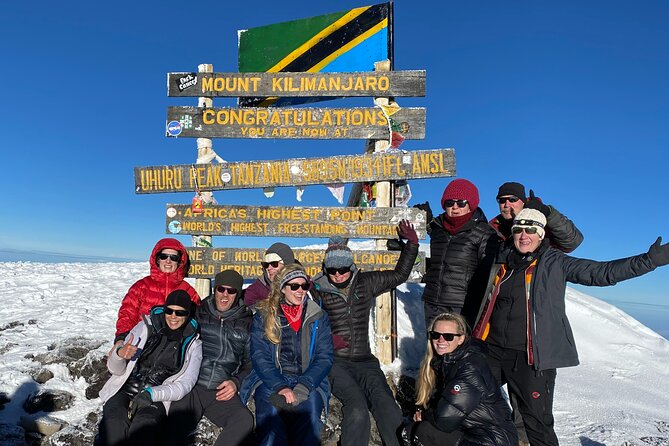
Then you reach Uhuru Peak, the highest point on Mt. Kilimanjaro and the continent of Africa. Take a moment, take photos, and let the accomplishment settle into your body. Even if you’re the type who wants to rush, this is a “pause and breathe” moment.
After the summit, you start descending, aiming toward the next camp and continuing down to Mweka Gate on Day 8. The important truth is this: going down is not easy, but it’s usually easier than going up. Still, knees and feet need attention after the long effort.
The descent to Mweka Gate and the muddy, happy finish
On Day 8, you continue the descent to Mweka Gate. Your driver meets you and takes you back to your hotel in Moshi, where you can relax and receive summit certificates. The area at lower elevations can be wet and muddy, so expect less “clean hiking shoes” and more “survive the terrain” energy.
Then you drive another hour to Mweka Village, where another vehicle returns you to Moshi. It’s a satisfying end to a trek because you get closure with people around you, not just a far-off finish line.
Price and value: what $3,099 buys you, and what it doesn’t
At $3,099 per person for an 8-day Lemosho climb, this is not a budget trip. But it does include a lot of the costs that usually surprise people on Kilimanjaro.
What’s included:
- Airport pickup and drop-off
- Hotel lodging the night before and the night after the climb
- All fees and taxes
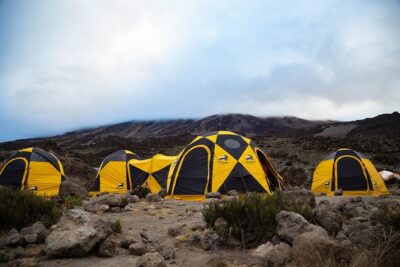
- Camping setup support like tents (3 person mountaineering tents), sleeping mat, and a private toilet tent
- A support team of certified guides, porters, and cooks
- Meals: breakfast 6 times, lunch 6 times, dinner 6 times
What is not included:
- Airfare to and from Tanzania
- Visa
- Personal travel insurance
- Tips for the support team
- Sleeping bag and other personal gear
- Rental gear
- Drinks and snacks
For value, I think the most important inclusions are the support team setup and the basics that keep you warm, dry, and fed. Kilimanjaro is hard enough without fighting equipment problems. You should still budget for your personal gear, especially your sleeping bag, cold weather layers, and any rentals you might need.
Who this climb is best for (and who should think twice)
This Lemosho route is best for you if you want a more achievable schedule, you care about scenery and varied habitats, and you prefer a route described as less crowded. It also suits people who can commit to consistent pacing and early nights on camp days.
You should think twice if you know you struggle with long physical efforts at altitude, or if the idea of a midnight summit start feels unrealistic. The trip also requires strong physical fitness, which is stated clearly in the tour details.
If you like structure, this trek delivers it. You’re not guessing your way through the mountain. You’re following a plan that includes high-altitude exposure days and targeted rest and descent days.
Finally, if you want a crew that treats the trip like a safety-first operation, the guide name that comes up most often is Ezekiel, with Michael also mentioned. People consistently highlight pacing decisions and accommodation for group needs.
Should you book the 8-Day Lemosho Kilimanjaro climb?
I’d say you should book this if you want the classic Kilimanjaro combo: a well-paced schedule for acclimatization, serious summit payoff at Uhuru Peak, and a route that feels quieter rather than rushed. The extra time on the Shira Plateau and the acclimatization-friendly rhythm are exactly what many first-time summit hopefuls need.
If you’re on the fence, ask yourself two questions. First, can you realistically handle the midnight start and cold darkness grind? Second, are you comfortable preparing your personal cold-weather gear and sleeping bag so you’re not depending on rentals?
If those boxes check out, this Lemosho plan looks like a strong bet for a meaningful climb, a big sunrise memory, and a finish where you can actually enjoy the certificate moment.
FAQ
What time does the Kilimanjaro trek start?
The meeting time is listed as 9:00 am.
How long is the Mt. Kilimanjaro Lemosho climb?
The duration is listed as 8 days, approximately.
Where do you get picked up and dropped off?
Pickup and drop-off are included, and the drive is from Moshi to Londorossi Gate at the start, then back to Moshi after the trek at the end.
What meals are included during the hike?
Breakfast is included 6 times, lunch is included 6 times, and dinner is included 6 times.
What camping and toilet support is included?
The package includes 3 person mountaineering tents, a sleeping mat, and a private toilet tent.
Is airfare or the Tanzania visa included in the price?
No. Airfare, visa, and personal travel insurance are not included.
How many people are in the group?
The maximum number of travelers is 12.
Just posted around Moshi
- machame route★ 5.0 · 16 reviews
- Kilimanjaro Climbing Umbwe Route★ 5.0 · 3 reviews
- Wildlife Extravaganza: Manyara, Tarangire & Ngorongoro in 3 Days★ 5.0 · 3 reviews
- Mt Kilimanjaro 6 days Marangu route hike★ 5.0 · 3 reviews
- 3 Days Private E-Bike Tour in West Kilimanjaro★ 5.0 · 3 reviews
- West Kilimanjaro cycling Adventures★ 4.5 · 8 reviews
- Kilimanjaro Climb • Marangu Route ~ 9 Day★ 5.0 · 4 reviews
- Private Cycle to Kilimanjaro Bike Park Safari★ 5.0 · 6 reviews
Kilimanjaro Climbs, compared.
8-Day Small-group Lemosho Kilimanjaro Summit Trekking
Read our review →
5 Days Best of Tanzania Luxury Safari Northern Circuit
Read our review →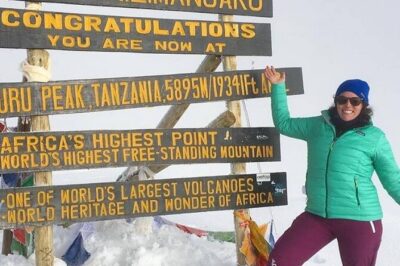
Climbing Kilimanjaro through 7 days Machame Route
Read our review →