Reviewed · KILIMANJARO CLIMBS
Mt Kilimanjaro Climb – 7 days Machame
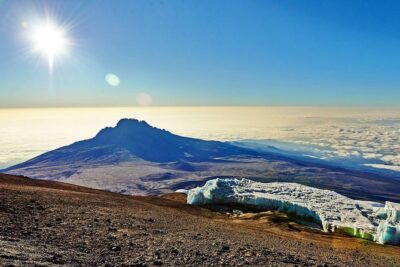
Kilimanjaro starts in a rainforest. This 7-day Machame route through Tanzania’s Kilimanjaro National Park is the classic “Whisky Route”, with a plan that helps you acclimatize as you climb higher. You’ll move from forest to moorland to alpine desert, then swing back down through the rainforest to finish at Mweka Gate.
I like how much is handled for you. Three meals a day, plus camping setup (tent, mattresses, mess tent) and government taxes are included, so you can focus on the hike instead of logistics. I also love the safety layer: oxygen cylinder and an ox meter, plus professional guides, are part of the package.
One drawback to plan for is extra costs. You still need to budget for tips and bring all your personal mountain climbing gear and equipment.
In This Review
- Key Things to Know Before You Go
- Why the Machame Whisky Route Works Better Than a Rush
- Moshi Start and Kilimanjaro Gate Day 1: Forest, Forms, and First Camp Timing
- Day 2 Shira Plateau to Machame-to-Shira Change: The First Real View Moment
- Day 3 Lava Tower around 4,640 m and Barranco Camp: Acclimatize with Purpose
- Day 4 Barranco Wall to the Ridge: Hands Optional, Safety Not Optional
- Day 5 Barafu Camp and the Moon-Like Approach: Early Night, Big Next Day
- Day 6 Midnight Summit Push: Tea, Stella Point, and Uhuru Peak at Sunrise
- Day 7 Mweka Gate Farewell and the Rainforest Finish Back to Moshi
- Price and Value: What $2,543.59 Covers on the Machame Route
- Safety, Altitude, and the Gear Reality Check
- Who This 7-Day Machame Climb Fits Best
- Should You Book Nyange Adventures for the 7-Day Machame Climb?
- FAQ
- Where does the Kilimanjaro climb start?
- How long is the Machame climb?
- Are meals included on the trek?
- Is hotel pickup and drop-off included?
- Do you provide oxygen for altitude support?
- Do they offer vegetarian meals?
- What is not included in the tour price?
- How much should I budget for tips?
- What fitness level do I need?
- Can I cancel for a full refund?
Key Things to Know Before You Go
- Machame route pacing includes climb higher and sleep a bit lower to support acclimatization
- Full-board mountain support covers meals, porters, cook, and camping facilities for 6 nights
- Safety equipment included, including oxygen cylinder and an ox meter
- A real summit plan starts around midnight for the Stella Point and Uhuru Peak sunrise
- Hotel pickup and gate transport remove a lot of day-to-day stress
- Vegetarian option available if you tell the team when booking
Why the Machame Whisky Route Works Better Than a Rush
The Machame route is popular for a reason. The day-to-day schedule is built around altitude reality: you go up, you get a bit of recovery built in, and you do not sleep at your highest point every single night. That matters on Kilimanjaro, because how you feel at altitude is often less about the climb itself and more about how your body is treated after each day.
On this 7-day version, you get a classic progression. You start in rainforest, then you watch the terrain shift into moor and heath land, later reaching the Shira Plateau and Lava Tower area around 4,640 m. By the time you’re on the final approach, you’re walking through the moon-like alpine desert toward Barafu Camp. It’s a route that gives your body time to adapt while still giving you that full Kilimanjaro drama.
And yes, it is still hard. It’s a hike at extreme altitude, and your legs will feel it. But the route design gives you the best shot at finishing strong, rather than just following a checklist.
More Kilimanjaro climbs:
- Kilimanjaro climb by Lemosho Route (7-day)
★ 5.0 · 651 reviews - Kilimanjaro climb, Machame Route (7-day)
★ 5.0 · 262 reviews - Kilimanjaro Climbing Lemosho Route 8 Days.
★ 5.0 · 186 reviews
Moshi Start and Kilimanjaro Gate Day 1: Forest, Forms, and First Camp Timing
Your trip begins in Moshi, with pickup arranged from the Kilimanjaro Airport area. The plan is to head to the national park gate, handle the formalities with your guide, and then start the climb proper.
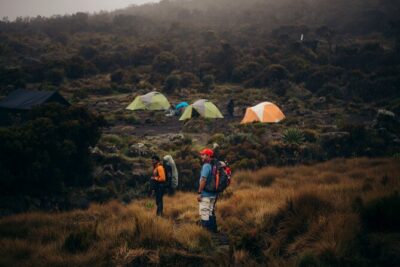
Day 1 ends at Machame Camp after roughly 5 to 6 hours. This is the “warm up” day in the sense that the terrain and air are kinder than what comes later. You also get your first dose of rainforest character: ancient trees, primeval ferns, liana, and lichens. It’s not just scenery. In rainforest, footing and footing comfort matter, and the slower start helps you settle into the rhythm.
There’s also a surprisingly grounding moment at the gate area: you’ll see teams and mountain crew getting ready and loading everything for the trek. It makes the whole operation feel real, not abstract. In one past experience shared by hikers on this route, there was even a pre-climb briefing to check equipment and meet the guide in person, which is exactly the kind of small support that reduces guesswork on Day 1.
Day 2 Shira Plateau to Machame-to-Shira Change: The First Real View Moment
Day 2 is still a hike day, but it’s also a turning point. You start early enough to reach your destination around mid-afternoon, with a walking time of about 7 hours.
What I like here is the dramatic shift in terrain. You move away from green rainforest into moor and heath land. This is the moment where Kilimanjaro feels less like a park trail and more like an expedition.
You’ll camp on the Shira Plateau and get a strong view of the broader mountain range from your campsite. And at sunset, the glacier of Kibo lights up. It’s a simple detail, but on Kilimanjaro it hits hard. You’re not just hiking altitude, you’re witnessing the mountain’s scale.
A practical note: because Day 2 is longer and the terrain changes, it can feel like a bigger jump than the numbers suggest. Take it steady, keep water going, and don’t treat this as a day to prove fitness.
Day 3 Lava Tower around 4,640 m and Barranco Camp: Acclimatize with Purpose
Day 3 is built for acclimatization. The plan is to climb roughly 700 m while sleeping not much higher than the prior night. That is exactly the “climb high, sleep low” concept you want on Kilimanjaro, because it gives your body exposure without constant upward pressure while you sleep.
Your route goes from the Shira Plateau up toward Lava Tower around 4,640 m. After a rest, you continue through the Barranco Valley to Barranco Camp. Expect about 6 to 7 hours of trekking.
This is also one of those days where you learn what the word alpine desert means in real life. You’re not dealing with lush groundcover anymore. You’re dealing with stark, dry, high-altitude terrain, plus the distinctive plant life in the Barranco Valley, including lobelia and giant senecio.
If you’ve ever wondered why guides talk so much about pacing, Day 3 is the answer. You can feel your breathing changing, but you still have movement for most of the day. Dinner at camp, and the early shift into rest, becomes part of the acclimatization strategy.
A few more Moshi trips to compare
- Safari Serengeti And Ngorongoro
★ 5.0 · 288 reviews - Climbing Kilimanjaro – Machame Route
★ 5.0 · 170 reviews - Climbing Kilimanjaro through 7 days Machame Route
★ 5.0 · 151 reviews - Kilimanjaro climb, Lemosho Route (8-day)
★ 5.0 · 148 reviews
Day 4 Barranco Wall to the Ridge: Hands Optional, Safety Not Optional
Barranco is famous for the Barranco Wall, and you’ll tackle it after breakfast. The key detail is that it’s not a technical climb with ropes or exposed climbing moves. There might be moments where you use your hands for grip, but the route guidance stays focused on safe footing and listening to your guides.
The walk itself includes plenty of ascents and descents, followed by ridge walking. That ridge time is where you often get the strongest glacier views, with the glacier of Kibo staying to your left as you hike toward camp. Walking time is listed around 3 to 4 hours, but the full day is about 7 hours once you factor in breaks and camp rhythm.
What I love about this day is the balance. You get a memorable “challenge moment” without needing mountaineering skills, and you get rewarded with views that feel earned. What I’d watch for is energy management. The combination of short climbs and descents can make your day feel longer than it looks on paper.
In past Kilimanjaro trips with this operator, hikers specifically praised guides like Mo and Amnaay for creating a supportive environment. That kind of tone matters on Barranco, because confidence on sketchy steps often comes from how calm and clear your guide is.
Day 5 Barafu Camp and the Moon-Like Approach: Early Night, Big Next Day
Day 5 is about reaching Barafu Camp, usually after 3 to 4 hours, with the majority of the walking through alpine desert. Think stark, dry, and exposed. You’ll have dinner waiting, then it’s an early night for the reason you’re here.
This is also the emotional setup day. Day 6 starts at midnight, so Day 5 is when you stop thinking about comfort and start thinking about how you’ll function at 3 a.m.
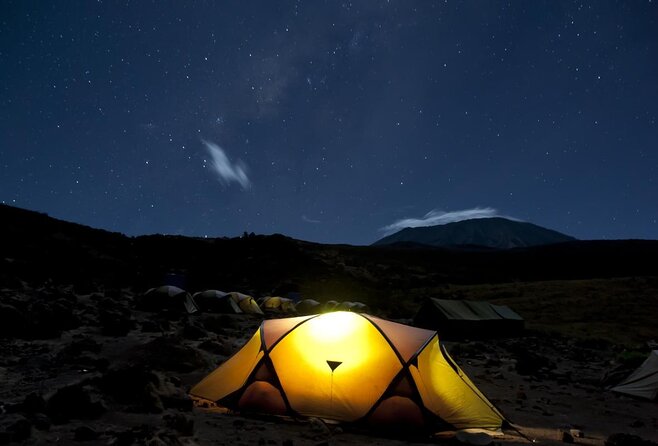
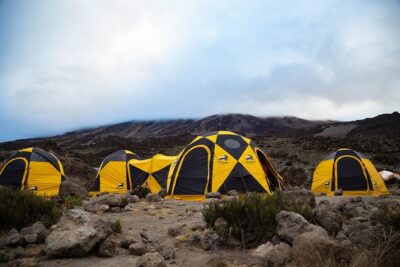
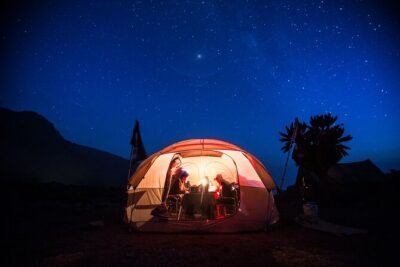
The good news is that camping support takes care of the basics. Camping facilities like tents and mattresses are provided, and meals are included. You’ll still feel cold and tired, but you’re not scrambling for food, shelter, or water.
If you want an easy mental trick for the night: focus on sleeping in short blocks and doing what you can now. Tomorrow is the summit push, and it’s a real schedule, not a vibe.
Day 6 Midnight Summit Push: Tea, Stella Point, and Uhuru Peak at Sunrise
Day 6 is the headline. You start climbing around midnight, and you’ll be woken up just before that with tea and biscuits. After about 5 to 7 hours, you reach Stella Point, the crater rim.
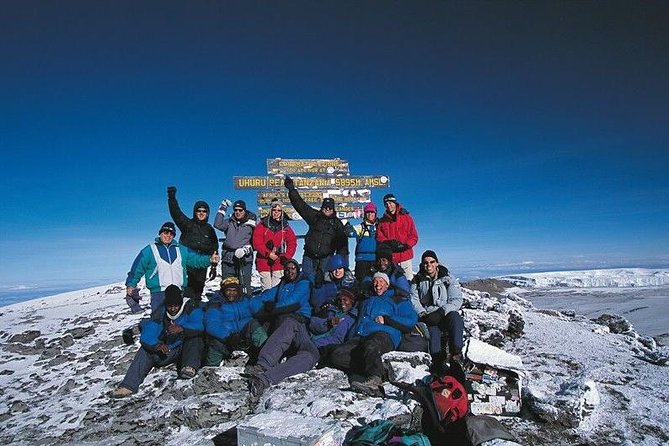
From Stella Point, it’s another 1 to 2 hours to Uhuru Peak at 5,895 m. This is the sunrise moment, where you’re standing on top of Africa’s highest mountain and watching light spill across the horizon.
I’ll be straight with you: this day can be tough in a physical way and a cold way. One hike memory shared by someone on this route described the summit section as tough and cold, but also a very good experience. That fits the reality. You’re moving slowly, using breath control, and trying to stay warm while you climb.
After Uhuru Peak, you descend along the same way to Barafu Camp, usually after 1 to 2 hours. When you arrive, the rest of the mountain team is there with snacks and refreshment. That part matters more than you might think. The summit is adrenaline, but the descent is where you turn fatigue into survival mode.
Day 7 Mweka Gate Farewell and the Rainforest Finish Back to Moshi
Your final day is not just “the end.” It’s closure.
After breakfast you’ll take part in a traditional farewell ceremony with your mountain crew. Then it’s a short walk, about 2 to 3 hours through rainforest, to reach Mweka Gate. This is a nice reset after the high-altitude days, because the air and environment feel closer to what your body knows.
From Mweka Gate, your driver is waiting to transfer you back to your hotel. Then you get the post-climb rhythm: shower time, a cold drink, a debrief, and awarding of your certificate of achievement.
This last day is where your brain finally catches up. During the week, you’re focused on breathing and foot placement. On Day 7, you can actually look back and feel what you did.
Price and Value: What $2,543.59 Covers on the Machame Route
At $2,543.59 per person, this trek is not cheap. But on Kilimanjaro, the real question is what’s included and how much risk and stress it removes.
Here’s what you do get as part of the price:
- Three meals a day for the trek
- 6 nights accommodation with camping facilities (tent, mattresses, mess tent)
- Transport to and from the gate, plus hotel pickup and drop-off
- Oxygen cylinder and ox meter
- Professional guide, assistant guide support through the team, and porters and cook support
- Government taxes, drinking water, plus coffee and tea
That is a lot of “base camp life” included. On a mountain like Kilimanjaro, that base support matters because it affects your energy, not just your comfort.
What you do not get, and what you must budget separately:
- Tips for the team, with suggested daily amounts for cook, head guide, assistant guide, and porters
- Your personal climbing gear and equipment
- Alcoholic and soft drinks
- Pre and post accommodation and airport transfers beyond what’s included, though booking can be requested
- Travel insurance
So the value question becomes simple: if you want one operator to handle planning, food, camping, porters, oxygen support, and transport, this price buys that structure. If you’re the kind of person who already has everything lined up and doesn’t want to pay for support, you might feel the cost more sharply. But if you want less uncertainty, this is exactly what you’re paying for.
Safety, Altitude, and the Gear Reality Check
The trek includes safety equipment like an oxygen cylinder and an ox meter. That’s important because it shows the operation plans for altitude management, not just storytelling about the summit.
You also get professional guidance throughout the route. On Day 4, for example, Barranco Wall is described as not involving climbing passages, but it’s still a place where you might need hands for grip. That’s where clear guidance is the difference between “fun challenge” and “panic steps.”
Also keep expectations realistic: the tour is listed for travelers with moderate physical fitness. That doesn’t mean you should be casual about training. It means the climb is designed to be achievable if you’re prepared enough to keep moving and recover each night.
One more practical point that comes up in real Kilimanjaro logistics: you need to handle your visa yourself at the border or airport. The trek also notes that it’s a private tour, so your group is handled as one unit, not mixed across random strangers.
And about gear: since personal climbing gear and equipment is not included, plan to bring what your operator requires. If you prefer not to pack bulky items, you might find options through the team, since some hikers on this route have handled sleeping bag rental to travel lighter. Still, confirm what is available when you book.
Who This 7-Day Machame Climb Fits Best
This is a strong match if you:
- Want the Machame route specifically, with the “climb high, sleep low” plan
- Appreciate guided structure, including meals, camping facilities, and transport
- Want summit odds supported by an oxygen setup and a real summit schedule
- Prefer a private group experience, rather than being lumped into mixed groups
It might be less ideal if you:
- Hate early starts and cold nights, since Day 6 begins around midnight
- Are unwilling to budget for tips, or want a total cost that includes every extra penny
- Do not want to bring personal climbing gear and equipment
If you’re trying to decide between routes, Machame’s mix of rainforest, moorland, and alpine desert is also just plain cool. You’ll see Kilimanjaro change in ways that a shorter route might not give you time to notice.
Should You Book Nyange Adventures for the 7-Day Machame Climb?
I’d recommend booking this trek if you want a well-supported Machame climb with strong practical pieces baked in: hotel pickup and gate transport, full meals, camping facilities for 6 nights, and oxygen equipment included. The route timing makes sense for acclimatization, and the itinerary moves you through the mountain’s major zones instead of rushing you through them.
Two final decision checks:
- If you’re good with the idea that you will manage cold early mornings, long days, and a midnight summit push, this is the kind of trip that feels like it pays you back.
- If you need a fully all-in price with zero extras, you’ll likely feel the gaps because tips and personal gear are not included.
With a 5-star rating and 100% recommendation, plus consistent praise for guides and teams, this is a solid option for people who want less uncertainty and more mountain time.
FAQ
Where does the Kilimanjaro climb start?
The experience starts at Kilimanjaro Airport and then heads to Kilimanjaro National Park for the gate formalities.
How long is the Machame climb?
It’s listed as about 7 days, with 6 nights of camping accommodation.
Are meals included on the trek?
Yes. You get three meals a day, with breakfast, lunch, and dinner included.
Is hotel pickup and drop-off included?
Yes. Hotel pickup and drop-off are included, along with transport to and from the gate.
Do you provide oxygen for altitude support?
Yes. Oxygen cylinder and an ox meter are included.
Do they offer vegetarian meals?
A vegetarian option is available. You need to advise the team at the time of booking.
What is not included in the tour price?
Not included are tips for the team, personal mountain climbing gear and equipment, alcoholic and soft drinks, pre and post accommodation and airport transfers beyond what’s included, and travel insurance.
How much should I budget for tips?
Suggested industry recommendations are $12 a day to the cook, $20 a day to the head guide, $12 to $15 a day to the assistant guide, and $5 to $8 a day to each porter, divided by everyone in the climb.
What fitness level do I need?
The tour notes that travelers should have a moderate physical fitness level.
Can I cancel for a full refund?
Yes, free cancellation is available if you cancel at least 24 hours before the experience’s start time, based on local time.
Just posted around Moshi
- machame route★ 5.0 · 16 reviews
- Kilimanjaro Climbing Umbwe Route★ 5.0 · 3 reviews
- Wildlife Extravaganza: Manyara, Tarangire & Ngorongoro in 3 Days★ 5.0 · 3 reviews
- Mt Kilimanjaro 6 days Marangu route hike★ 5.0 · 3 reviews
- 3 Days Private E-Bike Tour in West Kilimanjaro★ 5.0 · 3 reviews
- West Kilimanjaro cycling Adventures★ 4.5 · 8 reviews
- Kilimanjaro Climb • Marangu Route ~ 9 Day★ 5.0 · 4 reviews
- Private Cycle to Kilimanjaro Bike Park Safari★ 5.0 · 6 reviews
Kilimanjaro Climbs, compared.
8-Day Small-group Lemosho Kilimanjaro Summit Trekking
Read our review →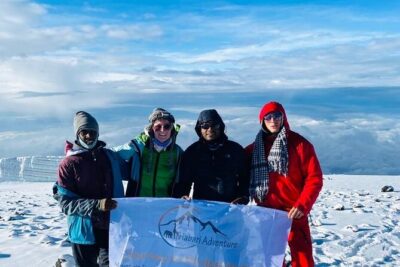
5 Days Best of Tanzania Luxury Safari Northern Circuit
Read our review →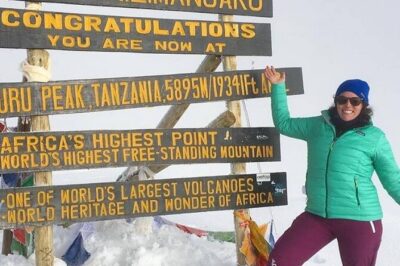
Climbing Kilimanjaro through 7 days Machame Route
Read our review →