Reviewed · KILIMANJARO CLIMBS
Mt Kilimanjaro Climb – 6 days Marangu
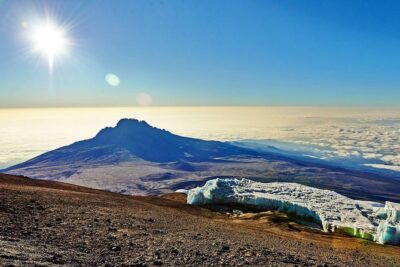
Kilimanjaro is a giant mood swing. One day you’re in rainforest, the next you’re moving in Arctic conditions toward Uhuru Peak. This 6-day Marangu route tour is built for a smoother start than most paths, with an acclimatization day, full board, and support that keeps the focus on safety.
I especially like two things. First, you get a private guide, so the pacing and explanations fit your group. Second, the climb includes oxygen support with an oxygen cylinder and an ox meter, plus park fees and meals all sorted out.
One thing to consider: even on the easiest Kilimanjaro route, the final summit push is still brutal. You start around midnight, and altitude sickness can happen, so you’ll need patience, slow steps, and good communication with your guide.
In This Review
- Key Highlights Worth Your Time
- Why the Marangu Route Works for a First-Timer
- Price and Logistics: What $2,185.90 Really Buys
- Day-by-Day: From Marangu Gate to Uhuru Peak Night Push
- Day 1: Rainforest Walking to Mandara Hut
- Day 2: Into Moorland to Horombo Hut
- Day 3: Acclimatization Day at Horombo, plus Mawenzi Saddle
- Day 4: Sunrise, Saddle Country, and Kibo Hut
- Day 5: Midnight Ascent to Stella Point, then Tough Choices
- Day 6: Descent Through Forest to Marangu Gate, Certificates in Hand
- Getting to the Mountain: Moshi Pickup, Start Time, and Pace
- Altitude Support: Oxygen, Acclimatization, and What Your Guide Will Watch
- Hut Life, Meals, and the Comforts You Actually Use
- Who This Trip Suits Best
- Should You Book This Marangu Kilimanjaro Climb?
- FAQ
- How long is the Kilimanjaro climb on the Marangu route?
- Where does the experience start, and what time?
- Is this a private tour?
- What is included in the price?
- Are park fees included?
- Does the package include oxygen?
- What kind of accommodation should I expect?
- What meals are provided during the trek?
- What should I bring or arrange myself?
- Can I cancel and get a full refund?
Key Highlights Worth Your Time
- Marangu route for first-timers, commonly seen as the easiest approach on Kilimanjaro
- Private guiding, meaning you move at your group’s pace and get direct coaching
- Acclimatization built in with an extra day at Horombo to improve summit odds
- Oxygen cylinder and ox meter included, a real support layer for altitude management
- Full board plus park fees covered, so budgeting is simpler from day one
- Ethical team support, with fair salaries mentioned as part of the package
Why the Marangu Route Works for a First-Timer
The Marangu route is often called the easiest way up Kilimanjaro for a reason. It’s not easy, but it tends to be more gradual than other options, and it’s designed around classic hut stops instead of constant tent life. That matters when you’re trying to manage altitude while still getting decent rest.
Another thing I like is the value angle. The tour calls Marangu the cheapest route, which usually means you spend less on the mountain portion compared with more equipment-heavy trekking styles. If you want to do the real deal, reach the top, and keep costs under control, Marangu is a strong match.
And you’re not just walking through one Kilimanjaro “look.” Your days move through distinct zones, from rainforest to moorland and into high cold terrain. That gives you constant variety and plenty of chances to learn what you’re seeing.
More Kilimanjaro climbs:
- Kilimanjaro climb by Lemosho Route (7-day)
★ 5.0 · 651 reviews - Kilimanjaro climb, Machame Route (7-day)
★ 5.0 · 262 reviews - Kilimanjaro Climbing Lemosho Route 8 Days.
★ 5.0 · 186 reviews
Price and Logistics: What $2,185.90 Really Buys
This climb is priced at $2,185.90 per person, and the biggest reason it can feel fair is what’s included. You get three meals a day for the mountain days, drinking water, five nights of accommodation, and transport to and from the gate. You also get park fees covered, including entry, forest department, and rescue fees.
On top of that, the package includes the things that can quietly blow up a budget on other treks. You’re not paying separately for a professional guide, oxygen cylinder, and ox meter, and you’re not handling the mountain logistics piece by piece. Even the simple items like a mess tent and camp support are part of the included setup.
What’s not included is also clear, and you should plan for it:
- Tips for the guide, cook, and porters
- Personal mountain gear and equipment
- Pre and post accommodation and airport transfers (booking is available on request)
- Travel insurance
So here’s the practical takeaway. If you arrive in Moshi ready to hike and you already have your personal gear, this price looks like it covers the heavy lifting. If you need to buy a full kit last minute, you’ll want to price that early so the total cost doesn’t sneak past your expectations.
Day-by-Day: From Marangu Gate to Uhuru Peak Night Push
You’ll start from Moshi, then ride to Marangu Gate. The route is paced around altitude, not speed. Expect long days, but also realistic breaks where your guide can keep an eye on how you’re responding.
Day 1: Rainforest Walking to Mandara Hut
After breakfast in Moshi, you’ll be picked up and driven to the start at Marangu Gate, about 45 minutes away. Once registration is done, you hike on a well-maintained trail through Montane Forest. Dense rainforest and coffee plantations make this first day feel less like survival training and more like a nature walk with big goals.
Wildlife is a real possibility here. You have a good chance of spotting black and white colobus monkeys and colorful birds. The day’s hike time is about 4 to 5 hours, with around 870 meters of elevation gain.
Practical note: day one is where you can set habits. Go slow, sip water, and save your energy for the longer days ahead.
A few more Moshi trips to compare
- Safari Serengeti And Ngorongoro
★ 5.0 · 288 reviews - Climbing Kilimanjaro – Machame Route
★ 5.0 · 170 reviews - Climbing Kilimanjaro through 7 days Machame Route
★ 5.0 · 151 reviews - Kilimanjaro climb, Lemosho Route (8-day)
★ 5.0 · 148 reviews
Day 2: Into Moorland to Horombo Hut
Day two is longer, about 6 to 8 hours, and you’ll feel the shift as the trail transitions from forest into moorland. You walk through more Montane Forest first, then into rolling alpine meadows dotted with giant heather trees.
This is also where the plant life gets very Kilimanjaro weird. You might see giant lobelia and giant groundsel, plants that can grow up to about 16 feet tall. When you reach Horombo Hut, you get hot water to wash, an evening meal, and overnight rest.
Horombo is a key step, because day three is where the climb stops being a sprint and becomes a strategy.
Day 3: Acclimatization Day at Horombo, plus Mawenzi Saddle
This is the day that can make the biggest difference to your summit odds. You stay at Horombo Hut and do a recommended acclimatization hike in the surrounding area. The classic walk here goes toward Mawenzi Saddle and passes Zebra Rocks along the way.
The round trip hike is about 4 to 5 hours. Your best friend on this day is steady movement. Drink enough water, move slowly, and tell your guide early if you feel off. The plan includes dinner and early sleep, because being tired at altitude can mess with everything.
If your goal is to maximize your chances, this day is worth treating like part of the summit itself, not a random extra day.
Day 4: Sunrise, Saddle Country, and Kibo Hut
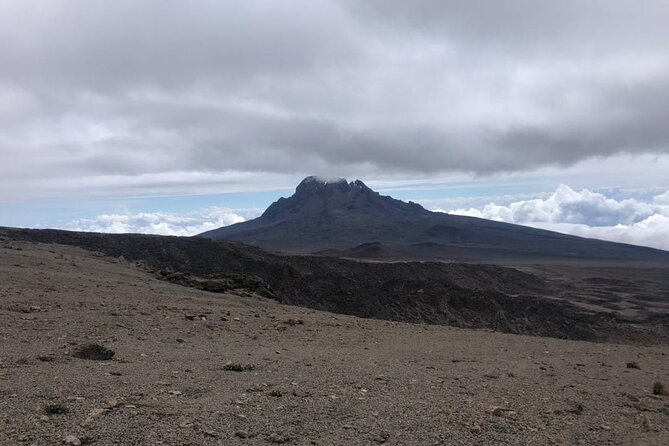
Wake early for sunrise if conditions cooperate, because the views can be great and it helps keep morale up. After full breakfast, you trek slowly through heathland and then into a lunar-like zone on the saddle between Mawenzi and Kibo.
This is a common time for altitude symptoms. The route description explicitly calls out that you may start to feel altitude effects, so you’ll want to pay attention and report anything to your guide. The total hike time is around 6 to 8 hours, with about 980 meters of elevation gain.
You’ll arrive at Kibo Hut, described as a drystone walled hut with dormitories and limited facilities. In other words, you’ll rest, but don’t expect comfort like a hotel. This night matters because it leads directly into the summit push.
Day 5: Midnight Ascent to Stella Point, then Tough Choices
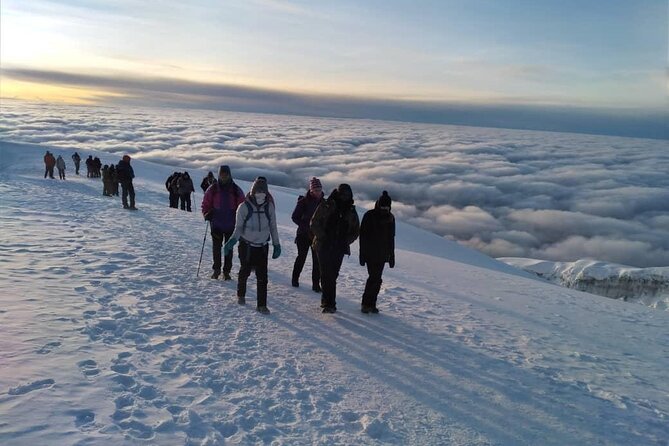
This is the hard day. You start just before midnight and hike through the night, following heavy stone scree with switchbacks between the Ratzel and Rebmann glaciers. You’re aiming for Stella Point at 5,685 meters.
The guide calls this segment probably the most challenging part of the route. It’s not just physical. It’s mental, because you’re tired, cold, and focused on one slow step at a time.
The tour lists about 13 hours for the day, and you’ll follow your guide’s guidance closely throughout. If you’re prone to altitude issues, this is where oxygen support and consistent pacing become especially important.
Day 6: Descent Through Forest to Marangu Gate, Certificates in Hand
Day six starts with breakfast and then the easier part of the adventure. You hike from the higher zone back to Marangu Gate along a scenic path through the forest. The hike time is about 5 to 7 hours, with around 1,890 meters of elevation loss.
When you reach Marangu Gate, you’ll receive summit certificates for those who reached Stella Point and Uhuru Peak. Then you drive back to your hotel for a shower, dinner, and celebrations with a Kilimanjaro beer.
Even if you feel wrecked, day six tends to feel like a release valve. The mountain ends, and normal human routines return.
Getting to the Mountain: Moshi Pickup, Start Time, and Pace
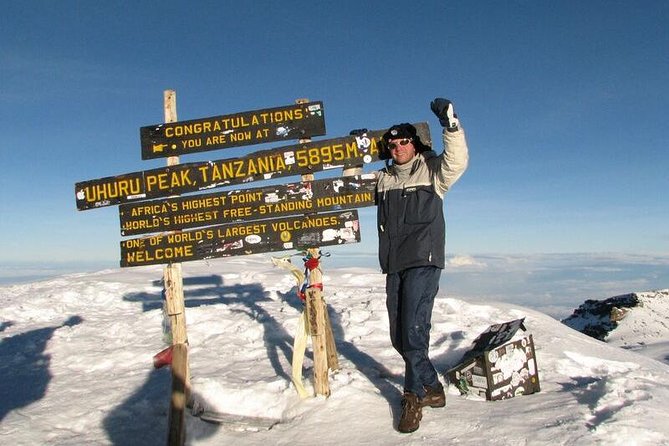
This tour includes hotel pickup and drop-off and transport to and from Marangu Gate. You’re in Moshi, then you drive to the park entrance area before trekking begins.
The schedule lists a start time of 8:30 am, with the start associated with Kilimanjaro Airport as a meeting point. In plain terms, you’ll want to confirm what your exact pickup looks like for your lodging and arrival timing, since the area logistics can vary.
One more thing: this is a private experience. The tour data specifies that only your group participates. That matters because on a climb, you don’t waste time stuck behind other groups or trying to match someone else’s pace. Your guide can also adjust to how you’re feeling that day.
And yes, you’ll be encouraged to take it slow. The route notes use pole, pole, which is East Africa for take it easy. That advice is not a motivational slogan, it’s altitude math.
Altitude Support: Oxygen, Acclimatization, and What Your Guide Will Watch
Altitude on Kilimanjaro isn’t optional. Even with the Marangu route being the gentler option, the climb moves into places where breathing feels different. The itinerary builds in support in a few ways.
First, there’s the extra acclimatization day at Horombo. That reduces the “go-go-go and hope” factor and gives your body time to adjust.
Second, the tour includes an oxygen cylinder and an ox meter. The ox meter is part of what allows you and your guide to track altitude impact more actively. You’ll still have to do the basics: hydrate, move slowly, and pay attention to symptoms.
Third, the trek itself has built-in moments where altitude becomes the focus. Day four notes symptoms can begin, and day five is the long night ascent to Stella Point. The correct move is simple: tell your guide early. If you wait until you’re miserable, you’ve already lost time.
Guides can make a difference here. In recent trip reports tied to this operator, you’ll see names like Musa, Freddy and Benny, Erick, Francis, and Steven connected to Marangu climbs. The common thread is teaching and careful pacing, not just logistics.
Hut Life, Meals, and the Comforts You Actually Use
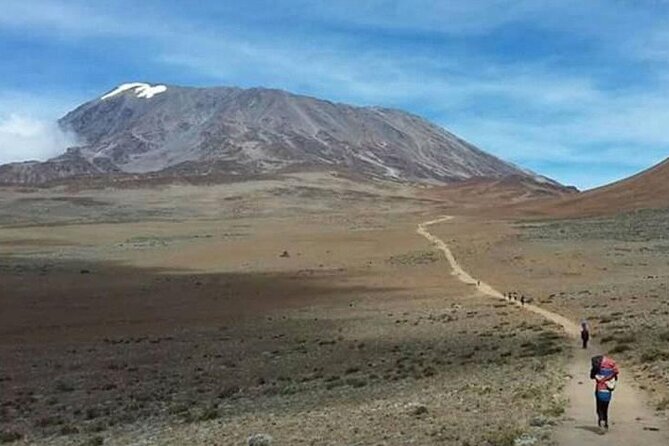
This climb is full board on the mountain: breakfast, lunch, and dinner every day for the trek days listed. Drinking water is included too, which is important because at altitude you don’t want to ration too aggressively.
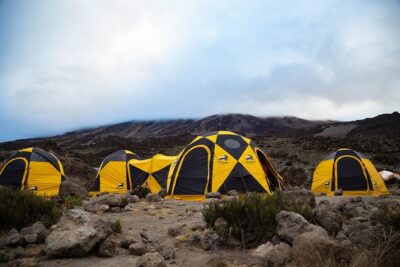
Accommodation is described as dormitory-style lodging. On Marangu, you’re not living inside a tent for everything, but the included camping setup mentions tents, mattresses, and a mess tent as part of the support system. Either way, you should expect basic mountain conditions and limited space.
Some details that matter:
- Horombo Hut includes hot water for washing.
- Kibo Hut has dormitories but limited facilities.
- The final day ends with a shower and a proper dinner back in Moshi.
If you’re the type who likes clean socks and a real bed, plan your expectations and lean into the “good enough to recover” mindset. Your biggest comfort is the rhythm, not luxury.
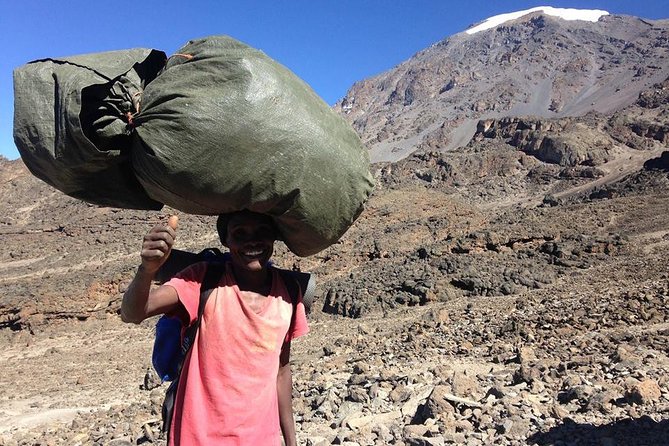
Also, your team is part of the package. The tour notes fair and ethical salaries in line with KPAP guidelines. That’s not a fluffy checkbox. It affects staff stability and overall professionalism, and you feel that when the team is calm, organized, and focused on safety.
Who This Trip Suits Best
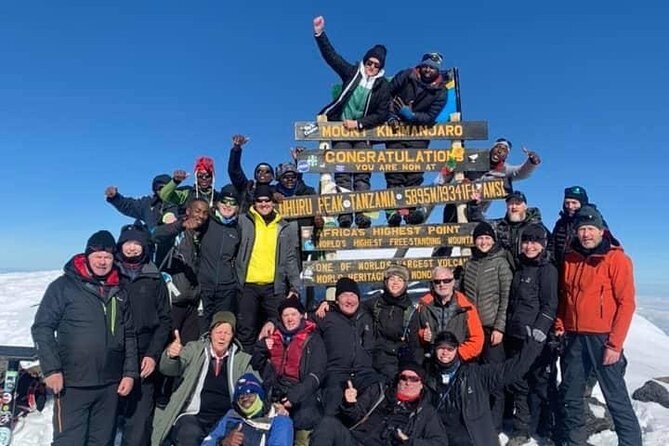
This Marangu 6-day climb suits you if:
- You want the world-famous summit goal with the most beginner-friendly route style mentioned in the plan
- You like a structured trek with meals, fees, and mountain logistics covered
- You want a private guide and direct support for pacing and altitude concerns
- You can handle a moderate fitness baseline and long hiking days
It may not suit you as well if:
- You expect a relaxed hike with no tough night segment
- You’re unwilling to move slowly and communicate early if you feel altitude symptoms
The route is famous for a reason, but it still demands respect.
Should You Book This Marangu Kilimanjaro Climb?
If your priority is a well-run route, clear inclusions, and real altitude support, I think this is a solid choice. The combination of private guidance, acclimatization time at Horombo, and oxygen support makes it a practical option for many first-timers.
Book it if you’re ready for the reality of a midnight summit push and you want the “get to the top” experience without extra planning headaches. Don’t book it if you’re hoping for easy hiking or if you still need to figure out basic gear and insurance.
For the people who do it thoughtfully, this is one of those trips that resets your sense of what you can handle.
FAQ
How long is the Kilimanjaro climb on the Marangu route?
It runs for 6 days, with the trek time and elevation changes spread across the full schedule from Marangu Gate up toward Uhuru Peak and then back down.
Where does the experience start, and what time?
The listed start is at Kilimanjaro Airport, with a start time of 8:30 am.
Is this a private tour?
Yes. The tour is described as private, and only your group will participate.
What is included in the price?
The package includes park fees, three meals a day, drinking water, five nights accommodation, camping facilities (tent, mattresses, mess tent), transport to and from the gate, professional guide, oxygen cylinder and ox meter, hotel pickup and drop-off, and government taxes. Mobile ticket and government taxes are also listed as part of the experience details.
Are park fees included?
Yes. All park fees are included, including entry, forest department, and rescue fees.
Does the package include oxygen?
Yes. It includes an oxygen cylinder and an ox meter.
What kind of accommodation should I expect?
The overview describes dormitory-style accommodation on the route. The included items also mention camping facilities such as tents and mattresses.
What meals are provided during the trek?
Three meals a day are included, with breakfast, lunch, and dinner during the trekking period.
What should I bring or arrange myself?
You need to bring your own personal mountain climbing gear and equipment. Travel insurance is also not included, and pre and post accommodation plus airport transfers are not included (though booking is available on request).
Can I cancel and get a full refund?
Yes, there is free cancellation, and you can cancel up to 24 hours in advance for a full refund.
Just posted around Moshi
- machame route★ 5.0 · 16 reviews
- Wildlife Extravaganza: Manyara, Tarangire & Ngorongoro in 3 Days★ 5.0 · 3 reviews
- Mt Kilimanjaro 6 days Marangu route hike★ 5.0 · 3 reviews
- Kilimanjaro Climbing Umbwe Route★ 5.0 · 3 reviews
- 3 Days Private E-Bike Tour in West Kilimanjaro★ 5.0 · 3 reviews
- West Kilimanjaro cycling Adventures★ 4.5 · 8 reviews
- Kilimanjaro Climb • Marangu Route ~ 9 Day★ 5.0 · 4 reviews
- Private Cycle to Kilimanjaro Bike Park Safari★ 5.0 · 6 reviews
Kilimanjaro Climbs, compared.
8-Day Small-group Lemosho Kilimanjaro Summit Trekking
Read our review →
5 Days Best of Tanzania Luxury Safari Northern Circuit
Read our review →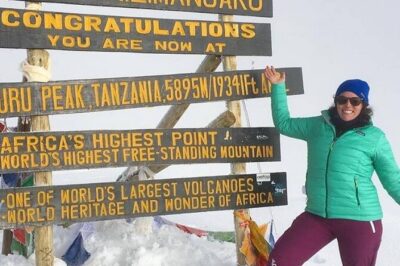
Climbing Kilimanjaro through 7 days Machame Route
Read our review →