Reviewed · KILIMANJARO CLIMBS
Mountain Kilimanjaro Climbing 7 Days Rongai Route
Kilimanjaro has a way of humbling you fast. The Rongai Route earns extra points because it climbs the north side near the Kenyan border, where the hike feels quieter and more wild.
I love how this climb mixes big crater views with real backcountry time before you link up with the more well-known Marangu-area camps. I also like that your pacing includes built-in acclimatization walks, not just a straight grind upward.
One possible drawback: the summit day is long and cold. Plan for a real night push, and be honest about your fitness, because the climb starts around midnight and runs into the next day.
In This Review
- Key Highlights You’ll Actually Feel on the Mountain
- Why the Rongai Route Feels Less Crowded and More Wild
- Moshi Base and Exceed Expectations Tours Support (Including WhatsApp Help)
- Day 1: NaleMuru Farmland and Pine Forest to Simba Camp (2625m)
- Day 2: Second Cave (3450m) Views and Third Cave Acclimatization
- Day 3: Moorland Ascent, Mawenzi Country, and Camping near Kikelewa Caves (3630m)
- Day 4: Steep Grass Slopes to Mawenzi Tarn Hut and Another Acclimatization Window
- Day 5: The Saddle Between Mawenzi and Kibo, Lunar Desert, then Early Night
- Day 6: Midnight Final Ascent, Hans Meyer Cave to Gillman’s Point and Uhuru Peak
- Day 7: Descent via Mandara Hut (2700m) and Tropical Rainforest to the Gate
- Price and Value: What $2,628.72 Buys on a 7-Day Route
- Who This 7-Day Rongai Climb Fits Best
- What to Know Before You Go (Without the Guesswork)
- Should You Book This 7-Day Rongai Climb?
- FAQ
- How long is the Rongai Route climb?
- Where does the Rongai route start?
- What time does the experience start?
- What camps and major points are on the route?
- What’s the group size?
- Is pickup from Moshi included?
- Is there an admission ticket included?
- Can I get a refund if I cancel?
Key Highlights You’ll Actually Feel on the Mountain
- Rongai’s remote north-side feel, with low traffic and fewer crowds than the main popular routes
- Less rain risk in the north, making it a strong option for rainy season climbs
- Scenery variety by altitude, from pine forest and moorland to the lunar saddle between Mawenzi and Kibo
- Acclimatization built into the daily rhythm, including short explore-walks like the Third Cave stop
- A summit plan that times sunrise well, reaching Gillman’s Point as the light warms the crater rim
- Small group size up to 15, which usually means less waiting and a calmer camp vibe
Why the Rongai Route Feels Less Crowded and More Wild
Rongai is the north-side way up Kilimanjaro, close to the Kenyan border. That geography matters. It’s the only route that approaches from this direction, so it feels different from the busier routes that many first-time climbers talk about.
What you gain is quiet trekking. Less foot traffic often means more time to hear your own breathing, spot wildlife like colobus monkeys, and just focus on the trail. There’s also a practical upside if you’re climbing in wetter months. The north side typically gets less precipitation, so your chances of hiking on drier ground tend to be better than routes on the other side.
Now, the tradeoff is scenery style. The Rongai route isn’t the same “postcard every hour” experience as some western approaches. Instead, you get long stretches of moorland and wilderness that feel remote, then you merge into the Marangu-side area around the Kibo camp zone.
More Kilimanjaro climbs:
- Kilimanjaro climb by Lemosho Route (7-day)
★ 5.0 · 651 reviews - Kilimanjaro climb, Machame Route (7-day)
★ 5.0 · 262 reviews - Kilimanjaro Climbing Lemosho Route 8 Days.
★ 5.0 · 186 reviews
Moshi Base and Exceed Expectations Tours Support (Including WhatsApp Help)
This climb starts from Moshi, and the tour includes pickup. That matters more than it sounds when you’re trying to keep your head clear before a multi-day altitude challenge.
Your operator here is Exceed Expectations Tours & Safari, and one theme shows up in the way they communicate: fast answers and real customization. In at least one trip planning story, Oscar helped directly with questions in a WhatsApp group, and the organizers adjusted plans to fit the travelers’ needs. If you like having a clear plan before you arrive in Tanzania, that kind of responsiveness is a comfort.
Also, you’re not going to be swallowed by a big crowd. This experience lists a maximum of 15 travelers, which is small enough that the logistics tend to feel manageable, and group delays are less likely.
Day 1: NaleMuru Farmland and Pine Forest to Simba Camp (2625m)
Your day starts with a drive to the Rongai trailhead at the village of NaleMuru. From there, the trek opens with farmland and pine forest, which is a nice way to start. It’s not just “go straight up.” You’re warming up your legs on a trail that feels more gradual at first.
You might spot colobus monkeys, and if luck is on your side, elephants or buffalo along the route. Even when you don’t see wildlife, the early walk gives you a chance to settle into the rhythm, practice taking steady steps, and get used to breathing at elevation without racing.
The first camp is Simba Camp, at about 2625m, on the edge of the moorland zone. The key payoff here is views across the Kenyan plains. Expect big open air and that early sense of distance, like you’re leaving civilization behind but still not too far in.
Time on foot is listed around 4 hours for day 1. That’s helpful because it keeps your first day from feeling like a penalty for being excited.
Day 2: Second Cave (3450m) Views and Third Cave Acclimatization
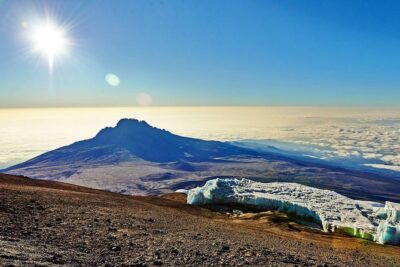
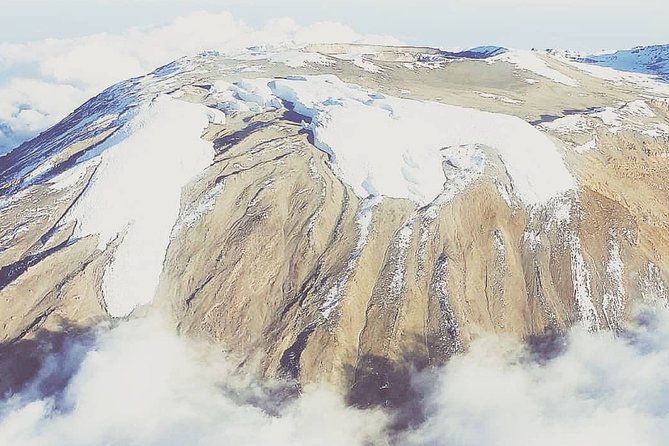
Day 2 is a steady ascent to the Second Cave at 3450m. This is one of those days where the effort and the payoff line up. You get superb views of Kibo and the Eastern ice fields from the crater rim area.
After a hot lunch, you get a break and then a choice for acclimatization: rest at camp or do an afternoon walk to the Third Cave. I like this kind of structure. It’s not heavy decision-making while you’re already tired. You’re either recovering or moving lightly, both of which help your body adjust to altitude.
The total listed trekking time is about 4 hours. Keep your pace easy. On Kilimanjaro, “easy” often means you look like you’re not working very hard. That’s the right look.
A few more Moshi trips to compare
- Safari Serengeti And Ngorongoro
★ 5.0 · 288 reviews - Climbing Kilimanjaro – Machame Route
★ 5.0 · 170 reviews - Climbing Kilimanjaro through 7 days Machame Route
★ 5.0 · 151 reviews - Kilimanjaro climb, Lemosho Route (8-day)
★ 5.0 · 148 reviews
Day 3: Moorland Ascent, Mawenzi Country, and Camping near Kikelewa Caves (3630m)
On day 3, the pine forest falls behind you and the trail turns into moorland. The hike stays described as a steady ascent, and the views keep showing up, especially toward the eastern ice fields of Kibo.
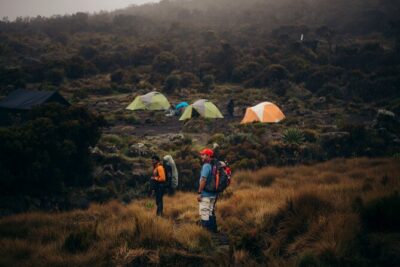
Here’s where Rongai starts feeling truly remote. You leave the main trail and take a smaller path across the moorland toward the jagged peaks of Mawenzi, Kilimanjaro’s second volcanic cone. That “leaving the main line” moment is part of why Rongai works for people who want something less crowded.
Your camp is in a sheltered valley near Kikelewa caves at about 3630m. A sheltered spot can mean less wind, and on cold nights, that matters.
This day’s trek is also around 4 hours. The benefit of keeping the daily time moderate is that you can save energy for the higher camp days, where weather and altitude tend to be less forgiving.
Day 4: Steep Grass Slopes to Mawenzi Tarn Hut and Another Acclimatization Window
Day 4 starts with a short but steep climb over grassy slopes. The reward is a big view back toward the Kenyan plains to the north. These “look back” moments are more than scenery. They remind you how far you’ve come, and they keep you grounded when you feel the altitude.
Next you reach Mawenzi Tarn Hut, directly below the towering cliffs of Mawenzi. This is one of those camps where the mountain feels close, almost like it’s leaning over you. After you arrive, you can rest or explore the surrounding area for acclimatization.
The listed walking time is about 4 hours. Use that rest time wisely. I’d treat it like part of the climb. Hydrate, eat, keep moving gently, and don’t rush around trying to “beat fatigue.” At altitude, calm wins.
Day 5: The Saddle Between Mawenzi and Kibo, Lunar Desert, then Early Night
Day 5 takes you into the in-between zone that feels different from the earlier moorland sections. You cross the saddle between Mawenzi and Kibo, described as a lunar desert. You get a few hours of trekking and then a big, emotional geography shift: Kilimanjaro’s summit presence fills your view, and the trail toward the high camp stretches out in front of you.
When you reach camp, the plan is early night. That’s not a “nice idea.” It’s a strategy. Day 6 is built around midnight, so day 5 is when you help your future self by getting real rest.
Time on foot is listed around 6 hours. Longer than prior days, but still not the summit marathon. Think of this day as your physical and mental bridge to the main push.
Day 6: Midnight Final Ascent, Hans Meyer Cave to Gillman’s Point and Uhuru Peak
Day 6 is the reason people travel across the world to Kilimanjaro. You begin your final ascent around midnight, which means you start cold, you move through dark, and you keep going while your body tries to negotiate with the altitude.
You pass Hans Meyer Cave at about 5220m. The climb is described as slow but steady. That’s exactly what you should expect too. If you move fast, you’ll pay later. If you move steady, you give your body a fighting chance.
At sunrise, you reach Gillman’s Point (5681m), on the crater rim. This is a key moment because the light changes everything. Cold air still bites, but warming sun means you can focus better and enjoy the transformation on the crater edge.
After another 1 to 2 hours, you reach Uhuru Peak (5895m). The summit is the high point, but the smartest part of the day is what happens next. You return to Kibo Hut where a warm meal awaits you, then you get a 1 to 2 hour break before descending back down toward Horombo Hut.
The listed duration for day 6 is about 15 hours. That’s why training and mindset matter. You’re not just climbing, you’re living on a schedule.
Day 7: Descent via Mandara Hut (2700m) and Tropical Rainforest to the Gate
Day 7 feels like the relief day, but it still has structure. You pass through heath and moor zones to Mandara Hut at about 2700m, where there’s a warm lunch. This is a practical morale boost. Food on the last day keeps energy from leaking away.
Soon after, you move back into tropical rainforest. That change of vegetation and the feel of the air is usually a welcome shift after days above the treeline-like zones.
You then continue down to the Kilimanjaro National Park Gate at about 1860m, and after saying goodbye to your guides, there’s a short transfer back to your hotel in Moshi. The plan even calls out shower time and celebration, because after a summit effort, you’ll probably appreciate warm water more than you expect.
Total trekking time on day 7 is listed around 6 hours.
One important human note: tip your guides, cooks, and porters. They finish with you at the gate, and tipping is the way you show appreciation when the hardest work is done.
Price and Value: What $2,628.72 Buys on a 7-Day Route
The price listed is $2,628.72 per person for this 7-day Rongai climb. That’s not cheap, but Kilimanjaro is not a casual hike. What you’re paying for is time, altitude logistics, and a multi-day staffed operation where guides, cooks, and porters matter.
You also get admission tickets included across the days listed. That’s a concrete inclusion, not a vague promise. You’re also getting practical touches like pickup and a mobile ticket, which reduce stress at the start of your trip.
Where value becomes real is your route choice. Rongai is recommended as an alternative to crowded routes and a good fit for rainy season because the north side often sees less precipitation. If you’re aiming for a calmer trail experience, that route itself can be worth real money to you, because you’ll feel it every day from the trail’s mood onward.
Who This 7-Day Rongai Climb Fits Best
This route is described as moderately difficult, and it’s recommended especially if you have less backpacking experience. Still, “moderately difficult” doesn’t mean easy. The summit push is long, cold, and high altitude, so you’ll want a realistic sense of stamina.
Here’s the best-fit match I’d use to decide:
- You want remote hiking with fewer crowds.
- You value acclimatization days and short explore walks over nonstop pressure.
- You’re okay with the fact that day 6 is a major effort, around 15 hours of total time.
- You prefer a small group experience, with up to 15 travelers.
If you dislike cold nights, long summit days, or you’re unsure about your fitness, talk with the operator before booking and be honest about your training.
What to Know Before You Go (Without the Guesswork)
Altitude is the main challenge, not just distance. The trek uses camp changes and acclimatization walks to help your body adjust, and that’s why the 7-day timing is recommended. You’ll feel that smarter pacing most on day 5 and day 6.
Pack mindset matters too. You’re moving from farmland and pine forest into moorland, then crossing a “lunar desert” saddle, then climbing through the crater rim zone into the summit night. That means layers, warmth, and comfort count.
Also, expect a schedule heavy day. Day 6 starts around midnight, and day 7 ends with rainforest descent to 1860m. Your energy management and hydration habits on days 1 to 5 directly affect how you feel when the climb becomes a long, steady grind.
Should You Book This 7-Day Rongai Climb?
I think you should book this if you want the Kilimanjaro experience but prefer the north-side feel, with less traffic and a more wilderness-style trek. The route structure makes sense, with views that keep motivating you and acclimatization built in rather than dumped on you all at once.
You might want a different climb if your biggest goal is variety in the broad sense of constantly changing scenery, because Rongai is more about moorland and wilderness than nonstop dramatic scenery jumps. Also, if you’re sensitive to long summit days, take day 6 seriously before committing.
If you do book, I’d recommend you ask Exceed Expectations Tours questions early, especially anything that affects your comfort and pace. Based on Oscar’s hands-on communication in at least one planning story, the team is the type that answers questions quickly, and that makes the climb feel less scary before you even start.
FAQ
How long is the Rongai Route climb?
The minimum number of days for the Rongai route is six days, and seven days are recommended. This experience runs for about 7 days.
Where does the Rongai route start?
The drive goes to the village of NaleMuru, which is the starting point for the Rongai route.
What time does the experience start?
The meeting point start time is listed as 12:00 am, and the final ascent on summit night begins around midnight.
What camps and major points are on the route?
You’ll camp at places including Simba Camp, Kikelewa caves area, Mawenzi Tarn Hut, Kibo camp, and during the summit day you’ll pass Hans Meyer Cave, reach Gillman’s Point, and climb to Uhuru Peak. You also descend to Horombo Hut and continue to Mandara Hut.
What’s the group size?
This experience lists a maximum of 15 travelers.
Is pickup from Moshi included?
Pickup is offered.
Is there an admission ticket included?
Yes. Admission tickets are listed as included for the days shown in the schedule.
Can I get a refund if I cancel?
There is free cancellation. You can cancel up to 24 hours in advance for a full refund, and cancellations inside 24 hours are not refunded.
Just posted around Moshi
- machame route★ 5.0 · 16 reviews
- Kilimanjaro Climbing Umbwe Route★ 5.0 · 3 reviews
- Wildlife Extravaganza: Manyara, Tarangire & Ngorongoro in 3 Days★ 5.0 · 3 reviews
- Mt Kilimanjaro 6 days Marangu route hike★ 5.0 · 3 reviews
- 3 Days Private E-Bike Tour in West Kilimanjaro★ 5.0 · 3 reviews
- West Kilimanjaro cycling Adventures★ 4.5 · 8 reviews
- Kilimanjaro Climb • Marangu Route ~ 9 Day★ 5.0 · 4 reviews
- Private Cycle to Kilimanjaro Bike Park Safari★ 5.0 · 6 reviews
Kilimanjaro Climbs, compared.
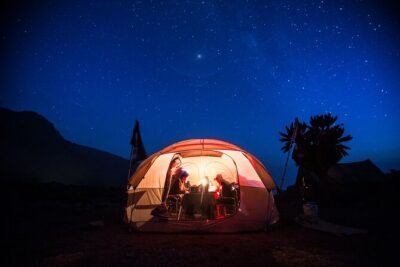
8-Day Small-group Lemosho Kilimanjaro Summit Trekking
Read our review →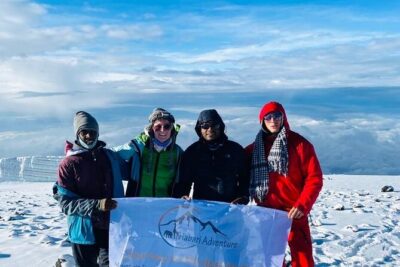
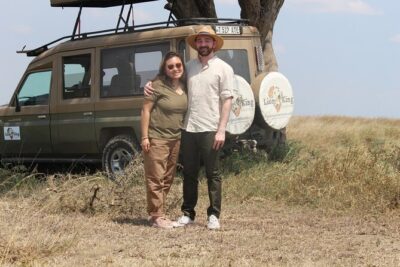
5 Days Best of Tanzania Luxury Safari Northern Circuit
Read our review →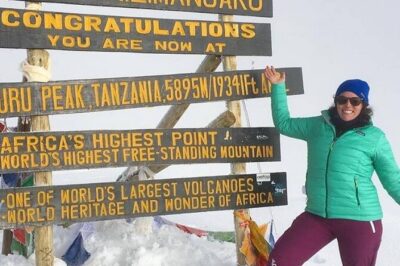
Climbing Kilimanjaro through 7 days Machame Route
Read our review →