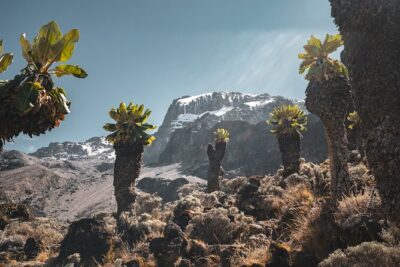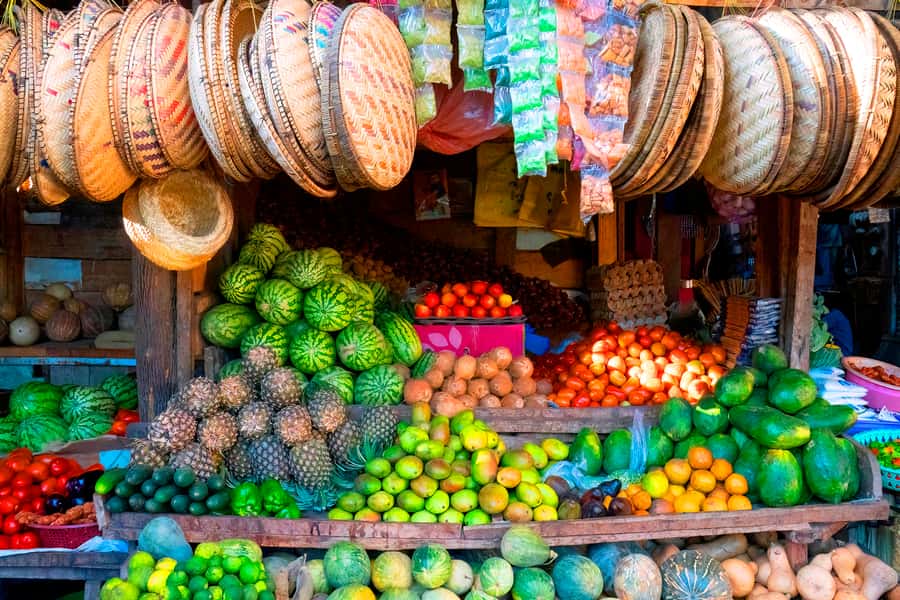
Reviewed · MOSHI & KILIMANJARO TOURS
Moshi: Town tour and Local Markets tour
Moshi markets have a way of turning a blur into real life. This 3-hour Moshi Town and Local Markets tour is built around how people trade, eat, and move around town, starting with a photo stop at the railway and ending with a souvenir shop mission. I especially liked touring with Isaac (Zac), who explains what you are seeing in plain English, and I loved the fruit tasting and market comparisons that make the different stalls feel like a story, not a checklist.
One thing to keep in mind: you will be walking through active market areas and busy streets, so you will want comfortable shoes and the mental switch that you are here to experience everyday Moshi, not to browse quietly.
In This Review
- Quick hits before you go
- Getting Oriented in Moshi, Fast, Without Feeling Like a Tourist
- Train Station Arrival: Panorama Photos and the Railway Story
- Manyema Market: Where You Start Learning the Rhythm of Trade
- Mbuyuni Market: Banana, Fish, Spices, Clothes, and Everyday Services
- Central/Main Market: Comparing How Food Markets Differ
- Coffee Union Cafe Break: Coffee and Tea, Plus Conversation Fuel
- Moshi Bus Stand: Watching Commerce Meet Transport
- Blue Zebra Art and Tanzanite: Souvenirs With a Social Purpose
- Price and Value: Why $25 Works for a 3-Hour Town Tour
- What to Bring, and How to Make This Tour Feel Easy
- Should You Book the Moshi Town and Local Markets Tour?
- FAQ
- FAQ
- How long is the Moshi Town and Local Markets tour?
- What is the price per person?
- Does the tour include hotel pickup and drop-off?
- Is bottled water included?
- Are food and drinks included?
- What language is the tour guide?
- What should I bring?
- Is there free cancellation?
- Can I reserve now and pay later?
Quick hits before you go
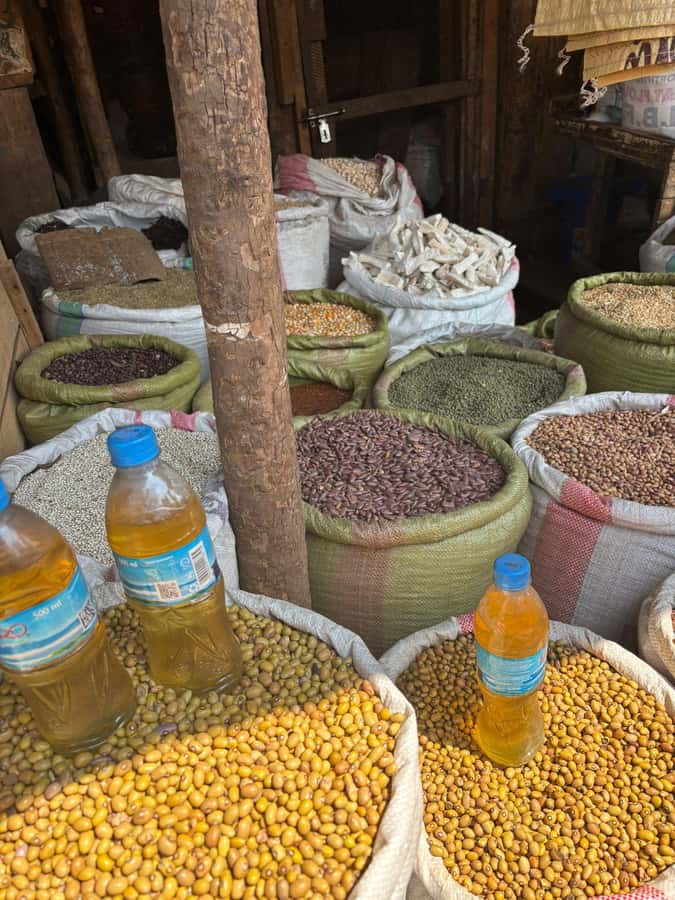
- Railway photo stop at the train station with Mt Kilimanjaro panorama views, plus a quick history lesson
- Fruit tasting and snack samples as markets teach you what locals actually buy and eat
- Multiple markets in one route so you can compare food, spices, clothes, and everyday services
- Sim-banking explanation after you pass local banks, so you get the practical side of Tanzania’s money system
- Coffee Union Cafe break with coffee and tea included in the visit time window
- Blue Zebra Art shop with a social mission plus a look at TANZANITE, a stone found only in Tanzania
Getting Oriented in Moshi, Fast, Without Feeling Like a Tourist
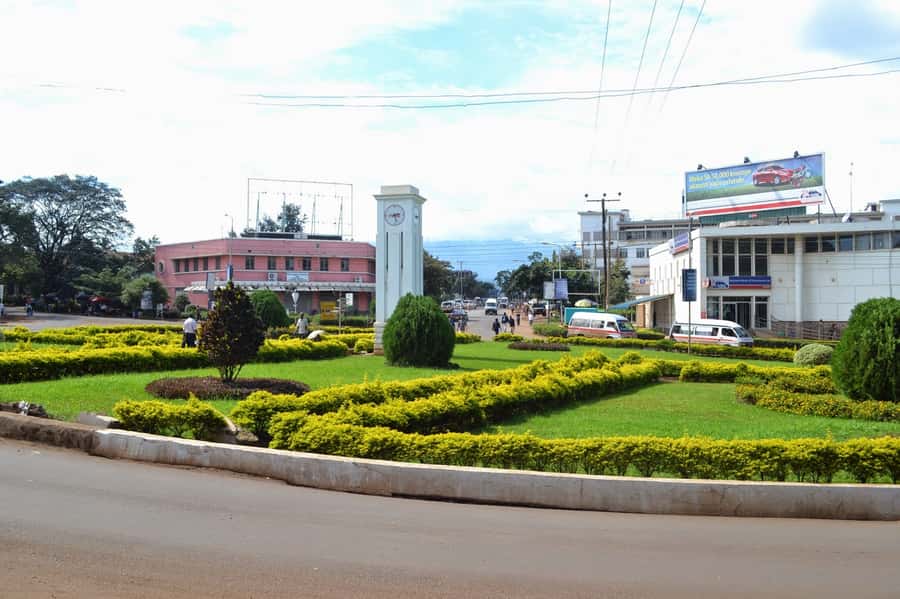
If you only pass through Moshi on the way to Kilimanjaro, it is easy to miss the town that supports every trek, every shop, every boda cycle, and every bus ride. This tour is a smart fix. You spend the morning with a local guide and a simple route, but the focus stays on everyday economics and routines.
What I found useful is that the tour doesn’t treat markets as background scenery. You are guided to notice how stalls are organized, what kinds of items get grouped together, and what people buy when they are buying for a household versus a quick meal. That turns your photos into something more meaningful because you understand the “why” behind what you see.
The guide also keeps you moving at a pace that works for a 3-hour window, with short stops that give you time to look, ask questions, and take photos when it matters.
A few more Moshi trips to compare
- Kilimanjaro climb by Lemosho Route (7-day)
★ 5.0 · 651 reviews - Safari Serengeti And Ngorongoro
★ 5.0 · 288 reviews - Kilimanjaro climb, Machame Route (7-day)
★ 5.0 · 262 reviews
Train Station Arrival: Panorama Photos and the Railway Story
You start with hotel pickup in Moshi Urban, then head straight into town. The first meaningful stop is the train station. You are not just looking at a building and calling it culture. You learn about the history of the railway, and you get time for photos with a strong view of Mt Kilimanjaro on a clear day.
This stop does two useful things for you. First, it gives you a sense of Moshi’s geography and scale, since the mountains are not far from the daily life of the town. Second, it sets a theme for the rest of the tour. Rail and trade go together here, and once you hear that short railway context, the markets later feel more connected to the town’s real movement of goods.
Practical note: the station area can be busy, so be ready to keep your camera close and your walking steps steady.
Manyema Market: Where You Start Learning the Rhythm of Trade
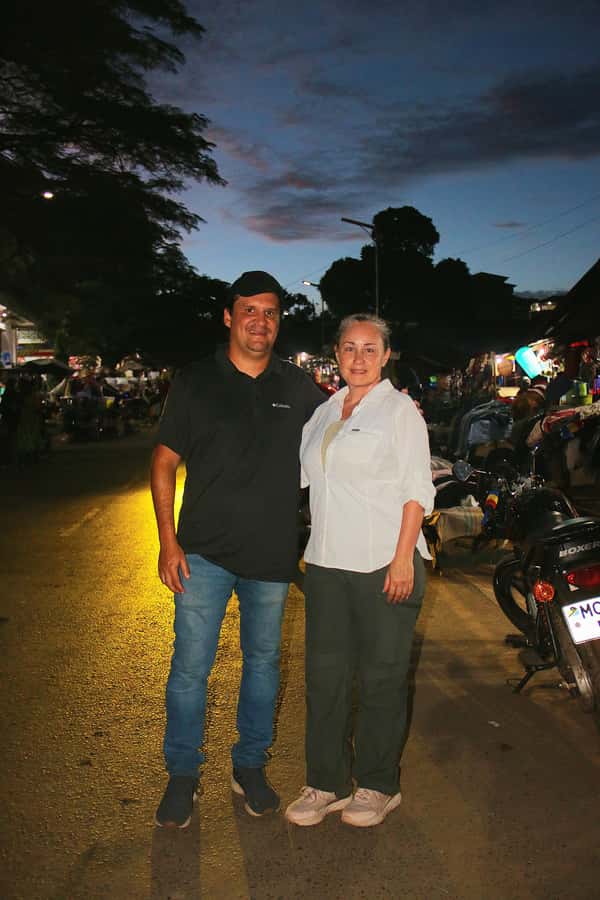
After the station, you head to Manyema Market for a guided walk and a food market visit. This is where you begin to understand how market life is organized for fast decision-making. You will see different product types and learn what people are using these stalls for in daily routines.
You also start tasting. The tour includes food tasting, and the experience is built around the idea that you learn faster with your senses. Fruit tasting is specifically part of the tour, and it is a great way to break the ice with sellers. You get to ask small questions, try something local, and notice what flavors and textures are common in Moshi.
What I like about this first market stop is that it works like an introduction chapter. By the time you reach the later markets, you will recognize patterns, like how produce gets displayed, how spice stalls attract attention, and how people move through the aisles.
Potential drawback: fruit and snacks can tempt you into buying extras. Your tour price does not include food and drinks, so if you want more than the tasting samples, plan for spending on the side.
Mbuyuni Market: Banana, Fish, Spices, Clothes, and Everyday Services
Next you move to Mbuyuni Market, where the guide helps you zoom in. This is one of the best stops for understanding Moshi as a working town because you cover several categories in one area.
You can expect to see:
- the banana market
- the fish market
- the spice market
- clothing stalls
- a local dispensary area
- and other everyday places where people get what they need
The value here is that you are not only observing. You are learning how these businesses support the local economy. The guide’s explanations connect product categories to daily life, like why certain goods are sold together and how people think about buying for meals, work, and household needs.
This is also where the tour’s “local economy” theme really lands. When you see fish, spices, and produce in the same market circuit, it becomes obvious how food supply chains work at a town level. And when you spot services like the dispensary, you understand that markets are not only for shopping. They are a central meeting point for routines.
Small practical tip: markets can be fragrant, crowded, and sometimes loud. If you are sensitive, take it slow at the start, and let your guide steer you through the busiest lanes.
Same base in Moshi, a completely different day:
- Kilimanjaro Climbing Lemosho Route 8 Days.
★ 5.0 · 186 reviews - Climbing Kilimanjaro – Machame Route
★ 5.0 · 170 reviews - Climbing Kilimanjaro through 7 days Machame Route
★ 5.0 · 151 reviews - Kilimanjaro climb, Lemosho Route (8-day)
★ 5.0 · 148 reviews
Central/Main Market: Comparing How Food Markets Differ
Then you go to the Main Market (sometimes described as the central market in conversation). This is your comparison stop. You will see how the food market here differs from the first market, and you will get a clearer picture of how Moshi divides commerce across different neighborhoods or market zones.
In a 3-hour tour, this “compare and contrast” method is effective. Instead of just seeing three random stops, you start building mental maps. You begin to understand what changes from place to place, even when the general theme is the same: food, household goods, and supplies.
I also appreciated that the guide keeps the flow moving but still stops for photo moments. That matters because the best market photos usually happen in a half second, when someone’s basket, expression, or stall details align just right.
Coffee Union Cafe Break: Coffee and Tea, Plus Conversation Fuel
After you finish the market circuit, you shift to a short break at Coffee Union Cafe. The stop is timed for a visit with coffee and tea, so you can sit, cool down, and reset your legs.
This kind of break sounds basic, but it changes the quality of the entire outing. It gives you a chance to ask follow-up questions in a calmer setting, and it helps you digest what you saw. I like using a coffee break like this to ask, What do people buy most on market days? What ingredients are common in local cooking? Your guide’s answers help the earlier market visuals stick.
Because food and drinks beyond the included coffee and tea time window are not listed as included, treat this cafe break as a hydration and comfort moment, not a full meal plan.
Moshi Bus Stand: Watching Commerce Meet Transport
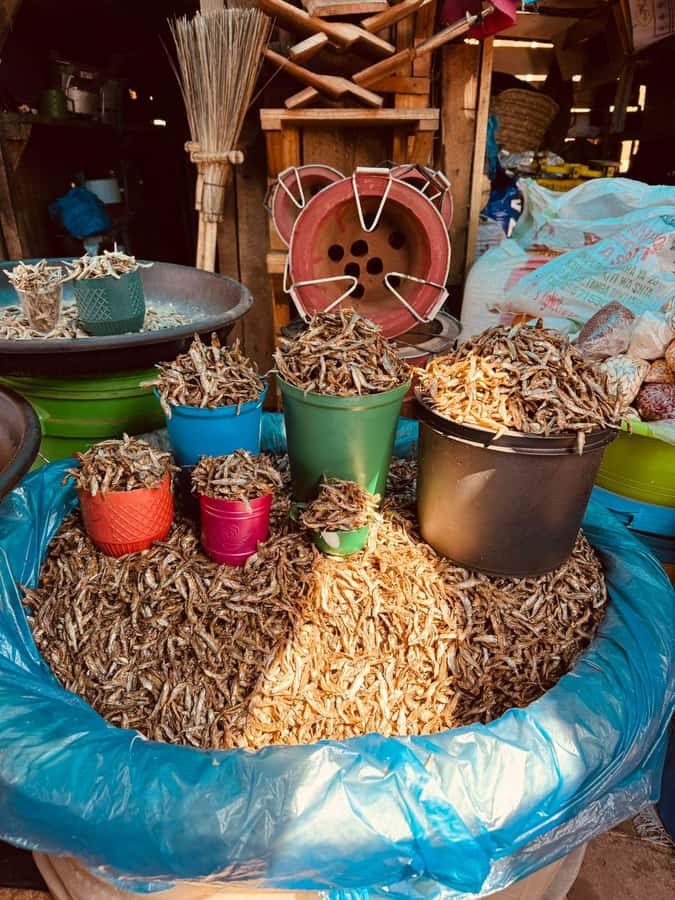
Next up is the Moshi bus stand. You do a photo stop, then a guided walk as you watch how people do business around transportation.
This stop is underrated. Markets are where goods are sold, but transport is where those goods and workers actually connect. You get to see the movement of the day in a condensed form, and you can understand why timing and routes matter to local life.
If you like seeing practical systems, this is the part that makes Moshi feel real fast. You also get a chance to observe how conversations, schedules, and small transactions happen in the same space.
In short, it turns your tour from “where goods are sold” into “how goods and people circulate.”
Blue Zebra Art and Tanzanite: Souvenirs With a Social Purpose
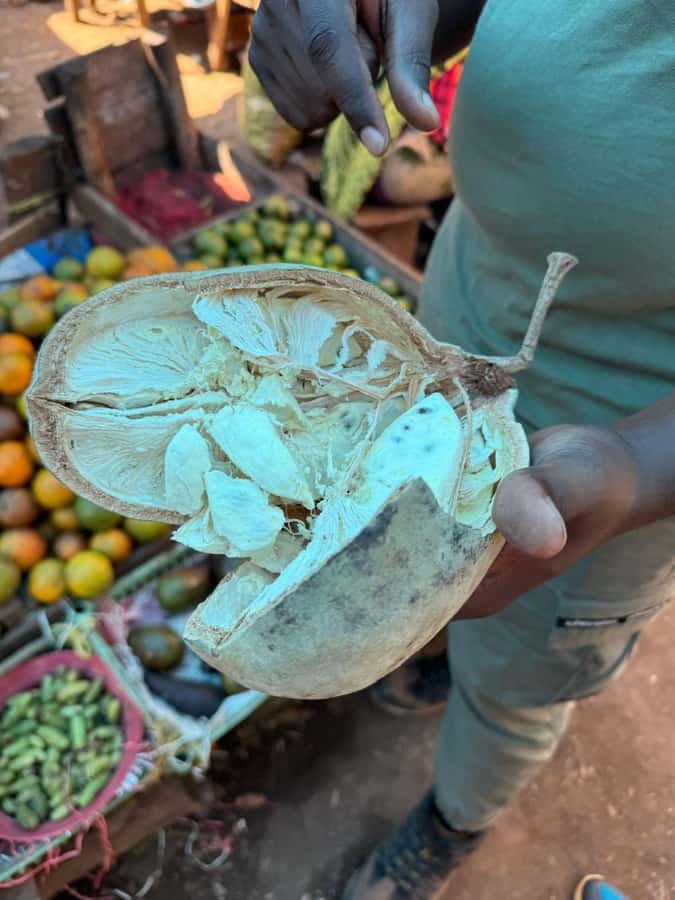
To finish, you visit Blue Zebra Art in a souvenir shop area known for Tanzanite and arts and crafts. This last stop is distinctive because it links shopping to a social mission.
Here is what makes it meaningful:
- Many items are made by disabled persons, supporting employment and better life outcomes.
- Part of the revenues is returned to the community, including sending orphans to school and helping underprivileged people.
- The shop also sells TANZANITE, a valuable stone found only in Tanzania.
You can browse and buy if you want, but even if you do not, the point is to understand what you are purchasing and why the shop exists. It is a useful reminder that souvenirs can be more than decoration.
If you are interested in Tanzanite, ask your guide what to look for and how sellers describe it. The guide is there to translate more than just language. They help you understand what kind of stone you are being offered.
Price and Value: Why $25 Works for a 3-Hour Town Tour
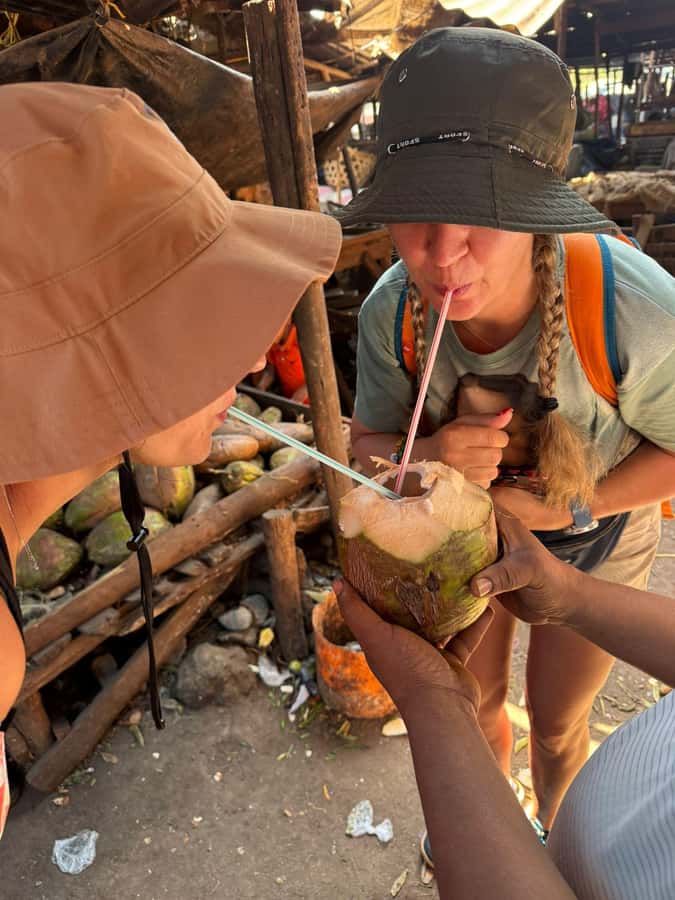
At $25 per person for about 3 hours, this is the kind of tour that makes sense for people who want more than a photo stop in town. You get hotel pickup and drop-off in Moshi Urban, plus bottled water, and you receive a guided route covering multiple market zones, a cafe break, and stops tied to transport and local commerce.
The real value is not that you see a lot of places. It is that the guide explains what those places do for local life. That is especially helpful if you do not feel comfortable walking the markets on your own.
Also, since food and drinks are not included beyond the tasting and cafe coffee and tea time window, you can control spending. That is actually good budgeting for a short outing. If you want extra snacks or a full meal later, you can do it on your terms.
Who is this best for?
- First-time visitors to Moshi who want a grounded introduction to daily life
- Trek travelers who want a town day that is practical and not overly touristy
- Anyone who prefers walking with a guide over trying to decode market culture alone
- Single travelers too, since multiple reviews mention feeling safe and comfortable with Isaac
What to Bring, and How to Make This Tour Feel Easy
For a 3-hour walk that includes active market areas, keep it simple.
Bring:
- Comfortable shoes (you will walk and stand)
- Comfortable clothes you can move in
- A light layer if you get chilly in the cafe break area
A smart strategy: pace yourself during the first market. Once you see the pattern, the rest of the route gets easier. Let your guide handle the busy lanes when needed, and don’t be shy about asking what a stall sells and how people use it.
If you care about photos, plan to pull your camera out during the photo stops and moments your guide prompts. Market photography can be messy if you try to stop suddenly in the flow of people.
Should You Book the Moshi Town and Local Markets Tour?
If you want to understand Moshi beyond trekking prep, I think you should book this. You get a guided, walkable introduction to the town’s everyday economy, and the route hits the key “systems” that make a market town function: railway connections, multiple market zones, a coffee pause, bus stand movement, and a souvenir shop with real community purpose.
Only skip it if you dislike walking in busy areas or you want a quieter, less interactive experience. Otherwise, this is one of the better-value ways to spend a few hours in town, with a guide like Isaac who focuses on explanations you can actually use.
FAQ
FAQ
How long is the Moshi Town and Local Markets tour?
It runs for 3 hours.
What is the price per person?
The price is $25 per person.
Does the tour include hotel pickup and drop-off?
Yes, hotel pickup and drop-off are included.
Is bottled water included?
Yes, bottled water is included.
Are food and drinks included?
Food and drinks are not included. The tour includes food tasting and a coffee and tea cafe break within the scheduled time.
What language is the tour guide?
The live tour guide is available in English.
What should I bring?
Bring comfortable shoes and comfortable clothes.
Is there free cancellation?
Yes. You can cancel up to 24 hours in advance for a full refund.
Can I reserve now and pay later?
Yes, you can reserve now and pay later.
Just posted around Moshi
- machame route★ 5.0 · 16 reviews
- Kilimanjaro Climbing Umbwe Route★ 5.0 · 3 reviews
- Wildlife Extravaganza: Manyara, Tarangire & Ngorongoro in 3 Days★ 5.0 · 3 reviews
- Mt Kilimanjaro 6 days Marangu route hike★ 5.0 · 3 reviews
- 3 Days Private E-Bike Tour in West Kilimanjaro★ 5.0 · 3 reviews
- West Kilimanjaro cycling Adventures★ 4.5 · 8 reviews
- Kilimanjaro Climb • Marangu Route ~ 9 Day★ 5.0 · 4 reviews
- Private Cycle to Kilimanjaro Bike Park Safari★ 5.0 · 6 reviews
Moshi & Kilimanjaro Tours, compared.



Climbing Kilimanjaro through 7 days Machame Route
Read our review →