Reviewed · KILIMANJARO CLIMBS
Marangu Route
Kilimanjaro can feel friendly here. The Marangu route is often called the Coca-Cola route for its straightforward hiking and scenic land escarpment, with no technical climbing moves. I like that the days are built around hut accommodation, which keeps the focus on altitude and pacing instead of tent logistics. The only real drawback is that even a non-technical route still asks for moderate fitness and good self-control when the air gets thin.
The other big plus is the people. In this kind of Kilimanjaro setup with Mboni Adventures, guides you may meet or hear about include Julius and Brad, Festus, Jackson, Khatib and Frank, and Juma (also spelled Khateeb in one note). That support matters because Kilimanjaro is less about tricky rock and more about steady decisions when you are tired.
At $2,051.29 per person for about five days, this isn’t a budget trip, but you do get value on the cost side because all fees and taxes are included and pickup is offered. If you want a first summit attempt that feels organized and human, Marangu is a strong candidate.
In This Review
- Key points to know before you go
- Marangu Route, or the Coca-Cola Route, explained for first-timers
- Starting in Marangu village, and why the first day feels different
- Hut nights on the Marangu trail: sleep, meals, and recovery
- Your private team on Kilimanjaro, with names like Festus and Juma
- A realistic 5-day rhythm for the Marangu climb
- Scenery on the land escarpment, and how to enjoy it without burning out
- Price and value: what $2,051.29 per person really covers
- Who Marangu suits best, and who should think twice
- Timing, meeting point, and ticket redemption you can plan around
- Add-on possibilities around Moshi: culture, Meru, safari, Zanzibar
- Should you book this Marangu Route Kilimanjaro climb?
- FAQ
- How long is the Marangu Route climb?
- Where does the Marangu Route start?
- Is the Marangu Route technical?
- What is included in the price?
- Is alcohol included?
- Is pickup offered?
- What are the ticket redemption hours and meeting point details?
Key points to know before you go
- No technical climbing means fewer scrambling moments and a more straightforward hiking rhythm.
- Huts instead of tents can make nights easier to manage, especially if you just want to sleep and recover.
- Private tour with pickup keeps the experience focused on your group, not a long cattle-car line of strangers.
- Support team quality is a recurring theme, with guidance praised by name, including Juma, Festus, and Julius.
- Moderate fitness is the baseline. You still need stamina for altitude and long walking days.
- Alcohol isn’t included, so plan for what you want to drink separately.
Marangu Route, or the Coca-Cola Route, explained for first-timers
Marangu is one of the best-known ways to climb Mount Kilimanjaro, and it has that reputation for a reason. It starts from Marangu village at the base of Kilimanjaro, then heads upward through a scenic stretch often described as the land escarpment. People call it the Coca-Cola route because it is one of the easiest routes, visually pretty, and generally less intimidating than the more technical options.
What I like about Marangu is the mental math it does for you. If you are worried about technical climbing, you can put that anxiety aside, since Marangu is described as having no technical climb. That shifts your energy toward the real challenge: altitude, pacing, and staying disciplined when the sky feels close and your legs are tired.
That said, easy on paper does not mean easy in your lungs. You will still hike high, spend nights at elevation, and need to take it slow. If you treat it like a casual walk, altitude will humble you quickly.
More Kilimanjaro climbs:
- Kilimanjaro climb by Lemosho Route (7-day)
★ 5.0 · 651 reviews - Kilimanjaro climb, Machame Route (7-day)
★ 5.0 · 262 reviews - Kilimanjaro Climbing Lemosho Route 8 Days.
★ 5.0 · 186 reviews
Starting in Marangu village, and why the first day feels different
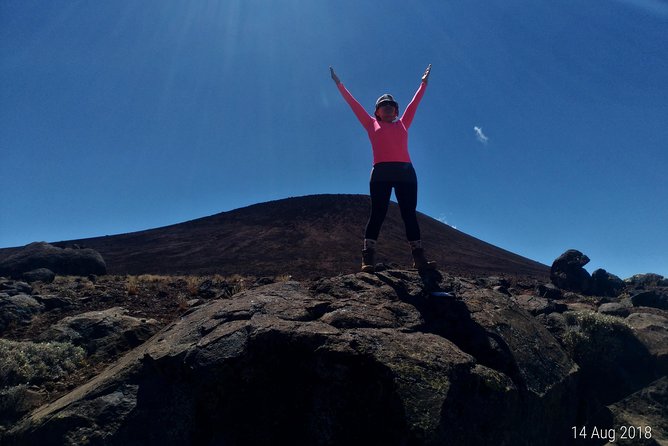
Your climb begins in and around Marangu village, the gateway area at the mountain’s base. From there, the experience is about gradually gaining elevation while keeping your body in the game. Even without technical climbing, the days can feel long because you are always walking uphill, breathing thin air, and trying to conserve energy.
The transition from normal life to mountain life can be jarring, so it helps that this route uses hut accommodation rather than camping. When you know you will have a structured place to sleep, you can plan your food and recovery with less stress. It also tends to reduce the time you spend dealing with gear at night.
One more practical detail: this is listed as a private tour/activity, meaning your group handles the hike with your team rather than blending into a large mixed group. That usually makes it easier to keep pace consistent, ask questions, and get quick reassurance when conditions feel tough.
Hut nights on the Marangu trail: sleep, meals, and recovery
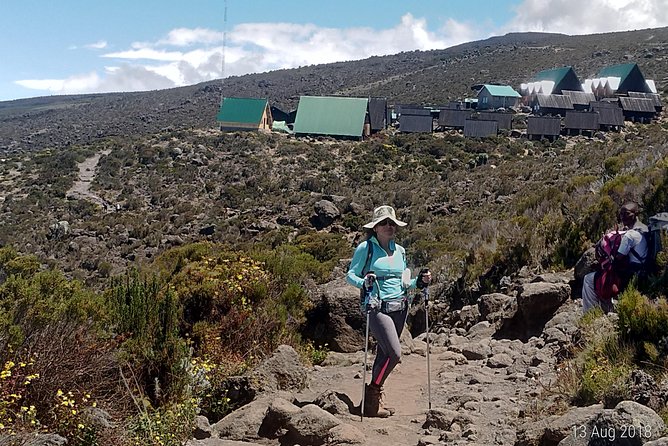
The biggest comfort advantage on Marangu is the hut system. The route is specifically noted for providing accommodation in huts, and it’s one reason many people feel more at ease compared with other Kilimanjaro routes. Instead of building camp and managing tent life, you focus on recovery, hydration, and getting warm enough for the next day.
Huts also tend to make logistics simpler. You can think about your evening routine in a straightforward way: eat, get organized, warm up, and rest. On a mountain like Kilimanjaro, those small routines add up because the next day keeps coming.
Food is another key piece, and names of guides and the support crew show up often in the praise. One set of notes specifically highlights an amazing cook and consistently good meals each day. While the exact menu is not spelled out here, the pattern is clear: the team aims to keep you fueled so you can keep moving.
Still, huts are not a luxury resort. Nights at altitude can be cold, and sleep quality can vary depending on weather and your own body. If you are the type who needs perfect sleep to perform, you may want to mentally plan for rougher nights.
Your private team on Kilimanjaro, with names like Festus and Juma
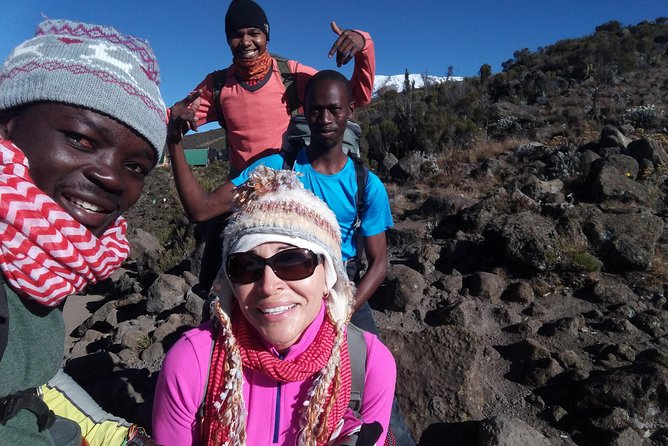
On Kilimanjaro, your success is usually about teamwork more than heroics. That is why I pay attention to who is guiding you and how the support crew is described. With Mboni Adventures, the feedback includes guides named such as Julius and Brad, Festus and his team, Jackson and crew, and summit coaching credited to people like Khatib and Frank. Juma and Khateeb also show up as guides connected with a smooth, professional day experience.
Even if you never meet every name above, the point is that the organization places real emphasis on the human side of the climb. A good guide helps you pace, encourages the right choices, and keeps morale steady when progress feels slow. Porters and cooks matter too because you need energy and practical support, not constant stress.
Because this is a private tour, you get a more controlled environment. Your guide can adjust pace, talk through readiness, and manage the group rhythm to match you. In other words, you spend less time waiting around and more time walking smart.
A few more Moshi trips to compare
- Safari Serengeti And Ngorongoro
★ 5.0 · 288 reviews - Climbing Kilimanjaro – Machame Route
★ 5.0 · 170 reviews - Climbing Kilimanjaro through 7 days Machame Route
★ 5.0 · 151 reviews - Kilimanjaro climb, Lemosho Route (8-day)
★ 5.0 · 148 reviews
A realistic 5-day rhythm for the Marangu climb
This experience runs for about 5 days. The exact daily schedule is not listed here, but the Marangu route experience generally follows a pattern: start near the base, gain elevation through successive trekking days, sleep in huts, then make your summit push from the higher zones before returning down to the trailhead.
Here’s how to think about it, day by day, without pretending it is a stroll:
Day 1: Settling in and starting the climb from Marangu village
You transition from Moshi life to mountain walking. Expect an effort that feels steady rather than brutal. Hut accommodation is part of the plan from early on, which helps your recovery right away.
Day 2: Build altitude gradually, keep your pace slow
This is where you learn whether you can stick to a steady rhythm when you feel winded. If you walk too fast early, altitude will punish you later. The non-technical nature of Marangu helps you keep moving without getting stuck on scrambling skills.
Day 3: Higher sleeping, more focus on hydration
As elevation rises, small actions matter more: drink consistently, eat what you can, and keep your breathing calm. This is also the day many first-timers realize that Kilimanjaro is more about patience than strength.
Day 4: Summit night style effort and a tough turnaround
Your body usually feels the push of altitude during the summit attempt and then demands real focus on going down safely. Even with a non-technical route, going higher means longer effort, and descending can feel harder on tired legs.
Day 5: Return toward Marangu and wrap up
The last day is about finishing strong and getting back to the base area. Your job is to keep your steps careful, stay hydrated, and celebrate the fact that you completed a full Kilimanjaro circuit on foot.
One detail that I treat as non-negotiable: the route is described as having no technical climb, but you are still climbing a mountain where conditions can change fast. Plan for cold, fatigue, and the need for smart pacing.
Scenery on the land escarpment, and how to enjoy it without burning out
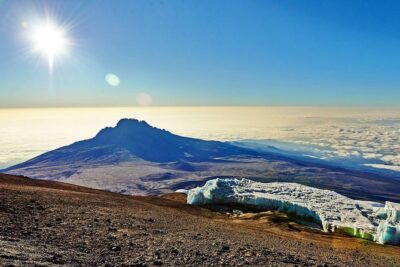
The Marangu route is repeatedly described as scenic, with attention to the land escarpment. For me, that’s the right kind of scenery for a first Kilimanjaro attempt. You get views that keep you engaged, but you are not constantly scrambling or focusing on rock moves.
How to enjoy it: take photos, sure, but do not rush. When your heart rate climbs, your brain often tries to solve problems by walking faster. Instead, keep your pace controlled. Scenic paths are still exhausting uphill.
It also helps to remember what success feels like on Kilimanjaro. In one set of notes, the summit experience includes reaching Uhuru Peak safely. The story arc matters: the mountain does not reward speed, it rewards consistency and good decisions made under stress.
Price and value: what $2,051.29 per person really covers
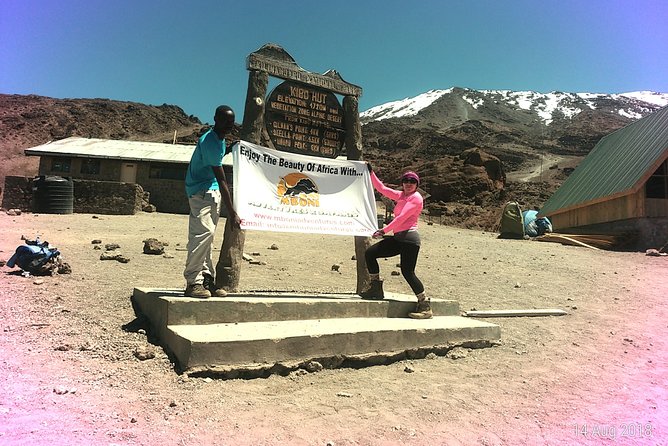
The price is $2,051.29 per person, with about 5 days of climbing. That sounds like a lot, and it is. But here’s what makes it feel more reasonable: the listing states that all fees and taxes are included. It also includes pickup offered, and the structure is private for your group.
What is not included is alcohol. That is not unusual on mountain trips, but it does affect how you budget your spending. If you want to bring something specific to drink, plan for the fact that it will be on you.
So how do I judge value? For Kilimanjaro, value is not only the total cost. It is how much of the trip is handled for you, especially the planning and support that affects safety and comfort. Hut accommodation, guide-led pacing, and a support crew that handles practical needs can turn a stressful climb into an organized one.
If you want to keep costs down, Marangu may or may not be the cheapest route. But if you want a calmer experience built around hut nights and non-technical hiking, this price starts to make more sense.
Who Marangu suits best, and who should think twice
Marangu is best for people who want an easier approach to Kilimanjaro. The big selling points are no technical climb and hut accommodation, which lower the barrier for first-timers who are nervous about technical skill.
The experience is also listed for travelers with moderate physical fitness. That means you should be able to hike for hours, handle steady uphill effort, and manage altitude-related fatigue. If you have health concerns, you should talk with a professional before booking.
This is also a private tour, so it tends to fit groups that value control. Couples, friend groups, and small teams often like the feel of a climb where everyone follows the same guide instructions.
If you are someone who hates cold nights and expects hotel-level comfort, you should temper expectations. Huts are still mountain shelters, not five-star rooms. If you are okay with that trade, Marangu can feel like the friendlier way up.
Timing, meeting point, and ticket redemption you can plan around
Ticket redemption is listed at Mount Kilimanjaro, Mt Kilimanjaro, Tanzania. The opening hours are given as 7:00 AM to 6:00 PM, with the overall redemption window running from 05/27/2019 to 06/18/2026, Monday through Sunday.
Pickup is offered, but the details of where and when you meet are not specified here, so it is smart to confirm your pickup time during booking. If you are flying in, build in cushion time, because altitude trips often start early and run on mountain schedules.
Also note that confirmation is received at the time of booking. That matters because it reduces the uncertainty of what you are showing up to do and where.
Add-on possibilities around Moshi: culture, Meru, safari, Zanzibar
One of the practical reasons people choose Moshi for Kilimanjaro is that it is a launchpad for other Tanzania trips. The experience overview notes you can opt to do other activities like Tanzania cultural tours, Mount Meru trekking, Tanzania wildlife safaris, and Zanzibar Island beach holidays.
This matters for value because Kilimanjaro takes over your calendar. If you add a safari day or a cultural visit before or after, you turn a mountain trip into a full Tanzania story. If you want to rest after the hike, Zanzibar-style beach time can be a smart reset, since you are coming down from cold, altitude mornings and want warm recovery.
Should you book this Marangu Route Kilimanjaro climb?
Book it if you fit these priorities: you want a non-technical Kilimanjaro experience, you want hut accommodation, and you like the idea of a private tour with pickup. If you are a first-timer, Marangu’s reputation for easier hiking is a real advantage, especially when paired with a team that takes guidance and care seriously.
I would pause before booking if you are looking for a casual walk, because this climb still requires moderate fitness and you will be working at elevation. Also, if you are sensitive to cold nights, think through what hut sleep will be like for you.
My final practical advice is simple: train for walking uphill, plan to move slowly, and take the guide’s pacing seriously. Marangu can feel friendlier than other routes, but Kilimanjaro still demands respect.
FAQ
How long is the Marangu Route climb?
The duration is listed as about 5 days.
Where does the Marangu Route start?
It starts from Marangu village at the base of Mount Kilimanjaro.
Is the Marangu Route technical?
The route is described as having no technical climb.
What is included in the price?
All fees and taxes are included.
Is alcohol included?
Alcoholic beverages are not included.
Is pickup offered?
Yes, pickup is offered.
What are the ticket redemption hours and meeting point details?
The ticket redemption point is Mount Kilimanjaro, Mt Kilimanjaro, Tanzania, with opening hours listed as 7:00 AM to 6:00 PM, Monday through Sunday.
Just posted around Moshi
- machame route★ 5.0 · 16 reviews
- Kilimanjaro Climbing Umbwe Route★ 5.0 · 3 reviews
- Wildlife Extravaganza: Manyara, Tarangire & Ngorongoro in 3 Days★ 5.0 · 3 reviews
- Mt Kilimanjaro 6 days Marangu route hike★ 5.0 · 3 reviews
- 3 Days Private E-Bike Tour in West Kilimanjaro★ 5.0 · 3 reviews
- West Kilimanjaro cycling Adventures★ 4.5 · 8 reviews
- Kilimanjaro Climb • Marangu Route ~ 9 Day★ 5.0 · 4 reviews
- Private Cycle to Kilimanjaro Bike Park Safari★ 5.0 · 6 reviews
Kilimanjaro Climbs, compared.
8-Day Small-group Lemosho Kilimanjaro Summit Trekking
Read our review →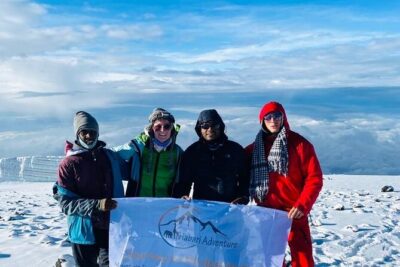
5 Days Best of Tanzania Luxury Safari Northern Circuit
Read our review →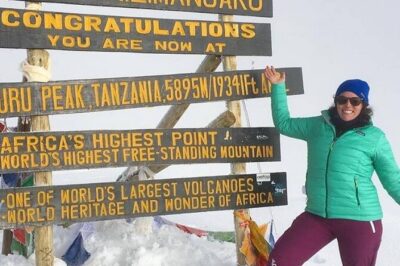
Climbing Kilimanjaro through 7 days Machame Route
Read our review →