Reviewed · KILIMANJARO CLIMBS
Marangu Route 6 Days 5 Nights/Kilimanjaro Climb
Six days, one big sky.
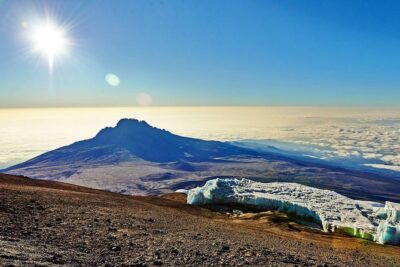
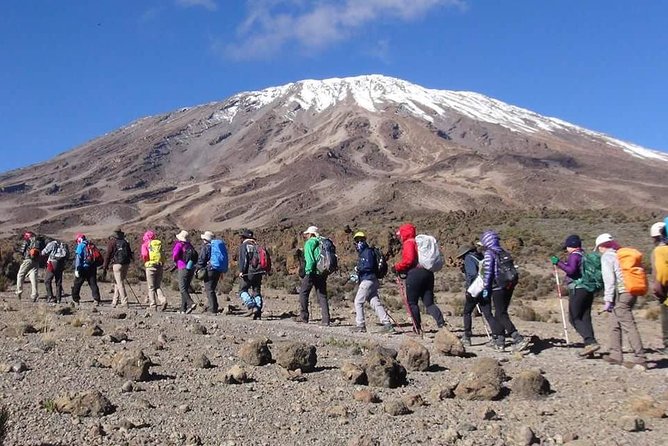
This Kilimanjaro climb starts in Moshi and takes the Marangu Route approach, known for gentler, more gradual going on the way up. You are hiking through rainforest, moorland, and alpine zones, then timing your effort for sunrise views and the final walk to Uhuru Peak. I like that the experience is built around professional mountain guides plus a full briefing before you trip.
What makes this route feel manageable day to day is the rhythm of huts and rest stops. You get set destinations like Mandara Hut, Horombo Hut, and Kibo Hut, and the schedule includes an acclimatization day instead of rushing. The summit stage still has a hard edge, so the main drawback is that the midnight summit day is long and strenuous, so you should take the prep and pacing seriously.
Key thing to know: all the park walking happens at altitude, and the trip is designed for people with moderate physical fitness. If you hate early mornings, cold nights, and long hiking days, this will test your patience.
In This Review
- Quick hits before you commit
- Why the Marangu Route makes the steady choice for Uhuru Peak
- Day 1: Moshi to Mandara Hut through rainforest and Maundi Crater views
- Day 2: From Mandara’s timberline into heath and moor country, Horombo Hut at 3,700m
- Day 3: Acclimatization at Horombo, Zebra Rocks at 4,020m
- Day 4: The long push to Kibo Hut, Last Water point and the saddle
- Day 5: Summit night details, sunrise at Gillman’s Point, Uhuru Peak at 5,895m
- Day 6: Descent through heath and rainforest, back to the Marangu gate at 1,860m
- Guides, briefings, and certificates: who runs the show
- Price and what you actually get for $1,900 per person
- Who this Kilimanjaro Marangu climb fits best
- Should you book this Kilimanjaro Marangu climb?
- FAQ
- How long is the Kilimanjaro climb on this package?
- Where does the climb start?
- What time does the trek start?
- Which route is used to reach the summit?
- What meals are included?
- Are admission tickets included?
- Is accommodation included during the trek?
- Is pickup included?
- What is not included in the price?
- What is the cancellation policy?
Quick hits before you commit
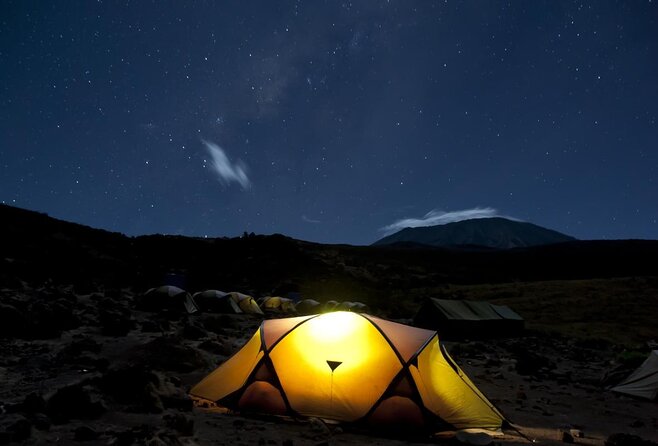
- Marangu Route, hut-based trek: Expect nights at Mandara Hut, Horombo Hut, and Kibo Hut, rather than camping.
- Acclimatization is part of the plan: Day 3 includes a trek to Zebra Rocks at 4,020m so you are not guessing.
- Sunrise timing is real: You reach Gillman’s Point at 5,681m around sunrise before continuing to Uhuru Peak at 5,895m.
- Clear high-altitude waypoints: Hans Meyer Cave (5,220m) and the crater rim at Gillman’s Point are part of the story.
- Private trip setup: It is private, meaning your group is the only one participating.
- Support and paperwork handled for you: Pickup, park gate process, and formalities are managed as part of the trip flow.
Why the Marangu Route makes the steady choice for Uhuru Peak
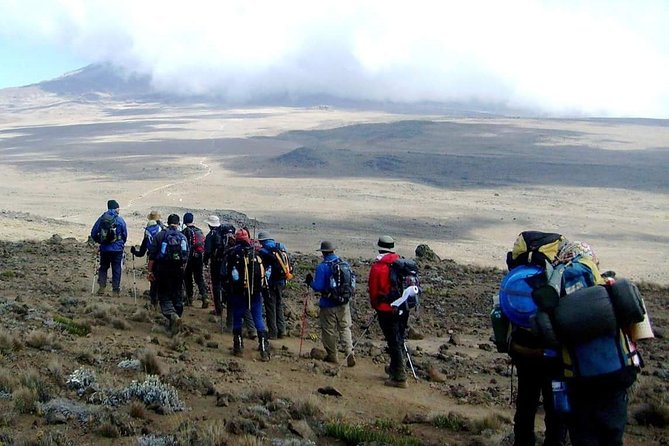
The Marangu Route is often picked because it is a more gradual climb profile than some alternatives. That matters on Kilimanjaro, because you are fighting altitude as much as you are fighting distance. Here, the plan uses staged hut nights and set trekking blocks, so you can focus on steady hiking instead of constant decision-making.
I also like that the route is designed around the big moments you actually remember. You have views from higher points like Horombo Hut looking toward Mawenzi and Kibo, and you have a built-in sunrise window near the crater rim. Those are not side quests. They are part of how the day unfolds.
Finally, this trip is structured as a true guided climb, not a “good luck out there” experience. You are walking with professional mountain guides, and you get a full briefing and certificates of achievement at the end. For a summit goal like Kilimanjaro, that kind of organization is not fluff, it is what keeps the whole machine working.
More Kilimanjaro climbs:
- Kilimanjaro climb by Lemosho Route (7-day)
★ 5.0 · 651 reviews - Kilimanjaro climb, Machame Route (7-day)
★ 5.0 · 262 reviews - Kilimanjaro Climbing Lemosho Route 8 Days.
★ 5.0 · 186 reviews
Day 1: Moshi to Mandara Hut through rainforest and Maundi Crater views
Day 1 starts with pickup from your lodge in Moshi, then you transfer to the Marangu gate for the paperwork and formal start. Once you clear that process, you are in dense rainforest, walking under a canopy of impressive vegetation. You might even catch a glimpse of primates along the way, which is a nice reminder that this is not just a climb, it is a nature journey.
Your first stop is Mandara Hut, where you rest after about 5 hours of hiking covering roughly 8.3 km (5.2 mi). After that rest, your guide takes you to Maundi Crater for a view described as looking toward the Kenyan interior. That is a strong way to settle into the climb, because it gives you a bigger picture early.
This day also sets expectations for comfort. Meals are included (breakfast, lunch, and dinner), so you can keep your energy stable without scrambling for food. The tradeoff is that rainforest hiking is slower by nature, so mentally budget for a long-feeling day even when the distance is not huge.
Day 2: From Mandara’s timberline into heath and moor country, Horombo Hut at 3,700m
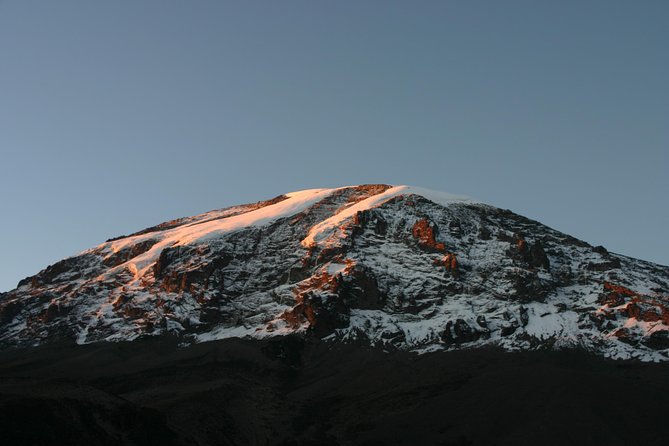
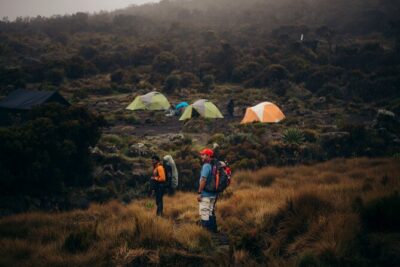
Day 2 begins with an early breakfast and a move away from Mandara Hut toward the timberline. Then the scenery shifts into heath and moor zones, which is exactly what you want as the altitude climbs. The ground and the air both feel different as you go higher, and you notice that the walk becomes more about rhythm than speed.
You reach Horombo Hut at about 3,700m after roughly 4 to 6 hours of trekking, with a full day estimate around 9 hours. Horombo is a highlight for views, with sightlines toward Mawenzi and Kibo and across the wider Masai steppe.
This is also a good day to pay attention to how your body reacts to altitude. If you feel winded, this is where you learn how much you need to slow down. A gradual profile is helpful, but your pace still sets your success.
Meal coverage continues here too with breakfast, lunch, and dinner included. That consistency is one reason this itinerary feels easier to follow. You always know where you are going to sleep and where food will be waiting.
Day 3: Acclimatization at Horombo, Zebra Rocks at 4,020m
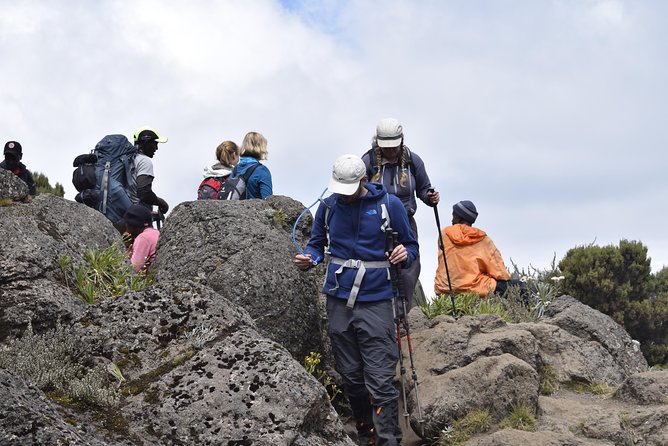
The most important day on Kilimanjaro is often the one that feels like it should be optional. Here, you get an explicit acclimatization day on Day 3, starting from Horombo Hut. Do not underestimate this, because it is built to improve your chances of reaching the summit.
You trek about 4 hours to Zebra Rocks at 4,020m. The rock formation earns its name with distinctive black-and-white striped coloring, which is a welcome change from more uniform trails. On the return, lunch is waiting, and the afternoon is for relaxing and rebuilding strength for the tougher next stage.
What I like about this structure is that it teaches you pacing without burning yourself out. You are moving upward enough to stimulate acclimatization, but you are not trying to force a summit effort. If you want one day where you can get your energy under control, this is it.
A few more Moshi trips to compare
- Safari Serengeti And Ngorongoro
★ 5.0 · 288 reviews - Climbing Kilimanjaro – Machame Route
★ 5.0 · 170 reviews - Climbing Kilimanjaro through 7 days Machame Route
★ 5.0 · 151 reviews - Kilimanjaro climb, Lemosho Route (8-day)
★ 5.0 · 148 reviews
Day 4: The long push to Kibo Hut, Last Water point and the saddle
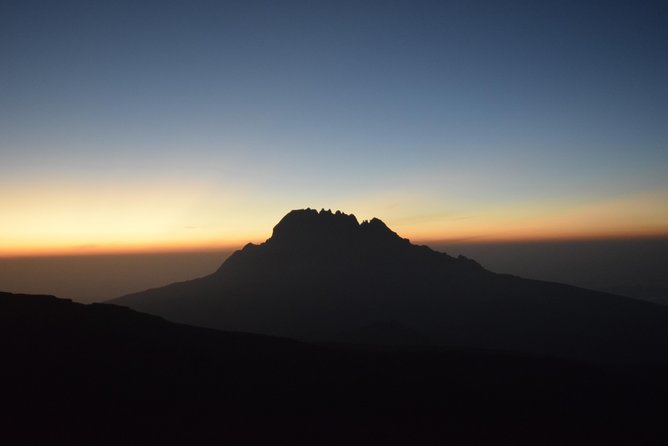
Day 4 is where the schedule turns serious. The stage to Kibo Hut is described as long and tough, usually taking around 5 to 6 hours to reach. The trail passes the Last Water point, then continues to the “saddle,” a nearly vegetation-less plateau that connects the main summit area Kibo with Mawenzi.
That detail about being nearly vegetation-less is not just scenery trivia. It changes how the walk feels. You may experience more exposure to wind and temperature swings, so your clothing layers and your hydration habits matter.
You arrive at Kibo Hut in the early evening, then you get a meal and an early night. The reason is simple: the summit stage has a short night window to work with, and you want rest before the climb begins.
This day is one of the clearest “mentally prepare yourself” moments in the itinerary. If you walk it like a calm hike, Day 5 will feel more doable. If you rush, Day 5 will punish you.
Day 5: Summit night details, sunrise at Gillman’s Point, Uhuru Peak at 5,895m
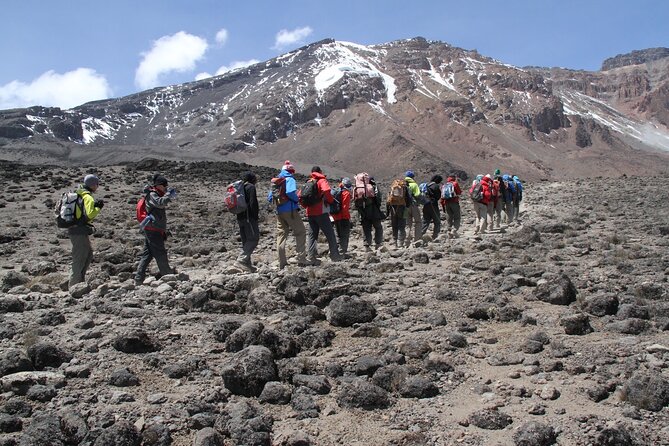
This is the big day, and the itinerary makes that clear. You begin the final ascent around midnight, which means you are climbing in cold conditions and in darkness at the start. The route passes Hans Meyer Cave at 5,220m, then continues upward slowly, step by step.
A key turning point arrives at sunrise. You reach Gillman’s Point at 5,681m, described as the crater rim of Kilimanjaro, and that is where the sun starts warming the land. It is not just dramatic. That warmth can change how your body feels, even if the altitude is the same.
From Gillman’s Point, you hike another 1 to 2 hours to reach Uhuru Peak at 5,895m. The return begins back to Kibo Hut for a warm meal. Then there is a 1 to 2 hour break before continuing downhill toward Horombo Hut.
The day’s schedule is estimated around 15 hours, so this is not a “quick summit and done” scenario. This is endurance plus altitude management, with your guide leading the timing. I would treat the summit night as the main event, and the rest of the trip as training.
Day 6: Descent through heath and rainforest, back to the Marangu gate at 1,860m
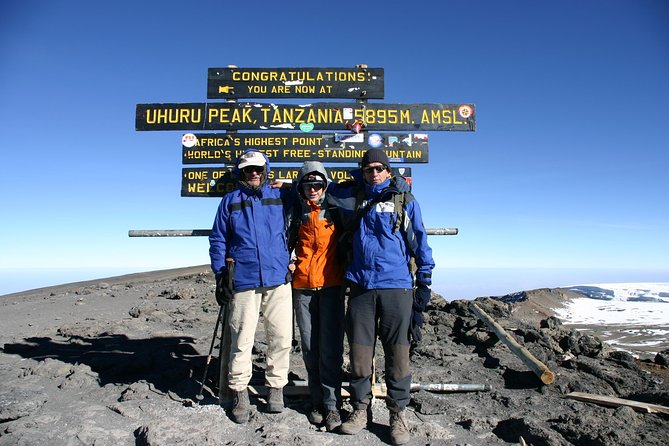
Day 6 is the release valve. You pass through heath and moor zone down to Mandara Hut at about 2,700m, with a warm lunch waiting there. Then you continue back through tropical rainforest, returning to the Kilimanjaro National Park gate at 1,860m.
The trekking time is estimated around 6 hours total. Once you are back at the gate area, you say goodbye to your mountain guides and take a short transfer back to your hotel in Moshi. The day ends with the kind of comfort you will appreciate after all those hours on your feet, including the chance to shower and celebrate.
This descent is also where you remember that success is more than reaching the summit. Finishing the full down-and-out day is what turns a good climb into a complete one.
Guides, briefings, and certificates: who runs the show
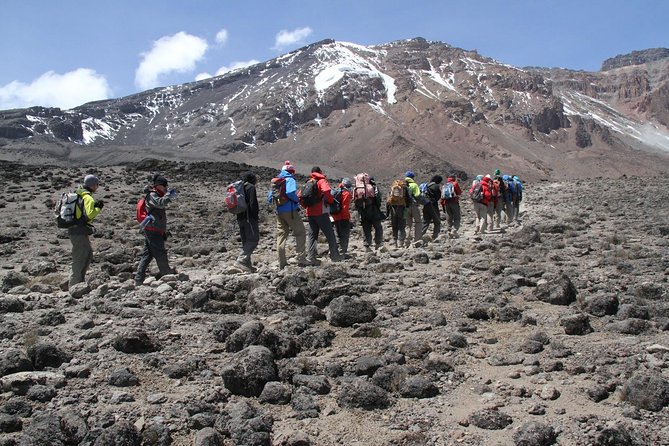
What stands out in the way this climb is delivered is the human support. The experience is led by professional mountain guides, and the trip includes a full briefing before you start. That briefing matters most right before the summit push, because it sets expectations about pacing and what to do if conditions change.
I also noticed a pattern in guide names tied to this Marangu experience. Vitalis is mentioned as chief guide on one group climb, and other groups cite guides like Goodluck and Nicolas. There are also references to Amos handling arrangements and Issa acting as a host, including support that worked well for a solo traveler.
The best practical takeaway for you is this: with named leaders like Vitalis, you can trust that the trip is not run as a faceless package. Ask your questions early, follow the guidance closely, and you will likely feel less “lost” when the altitude and darkness get intense. And yes, the itinerary includes certificates of achievement, which is a satisfying finish line for a hard week.
Price and what you actually get for $1,900 per person
At $1,900 per person, this is not a budget stroll. But it is also not priced like you are buying only the walking. The cost includes all fees and taxes, crew salary, accommodation, and airport pickup, plus meals throughout. Admission ticket fees are included too.
On top of that, you get practical support like pickup offered from your lodge on Day 1 and a transfer back to Moshi on Day 6. There is also a mobile ticket mentioned, which can make day-of details easier.
What is not included is equally important for your planning. You will need to budget for gratitude, your visa, and international flights. Alcohol and soft drinks are also not included. Those are common “extras” on mountain trips, but they can surprise people if they assume everything is bundled.
So is it good value? I think it is, if you value a guided hut-based route with structured days, included meals, and organized logistics. If you already have flights and want to handle everything yourself, you might find cheaper options. But if you want someone to manage the full system, the inclusions here reduce the stress.
Who this Kilimanjaro Marangu climb fits best
You will likely love this trip if you want a hut-based Kilimanjaro climb, prefer a route known for gradual slopes, and appreciate a schedule that includes acclimatization. It also fits travelers who like clear structure: you know the hut names, the major landmarks, and the fact that meals are included.
A solo traveler can also work well here, since support is part of the experience and the trip is delivered as a private activity for your group. In one account, Issa was highlighted as a host, which points to practical assistance during the process.
I would be cautious if you struggle with early starts and long hiking days. Day 5 alone is a marathon, and the itinerary has you starting around midnight. This climb also requires moderate physical fitness, and you are spending many hours at altitude.
Should you book this Kilimanjaro Marangu climb?
I would book this if you want a guided, organized Kilimanjaro attempt via the Marangu Route, with hut nights, included meals, and a schedule that takes acclimatization seriously. The price feels more reasonable when you count in all fees and taxes, admission tickets, accommodation, airport pickup, and the fact that you are led by a team with real named leaders like Vitalis, Goodluck, and Nicolas in previous Marangu climbs.
Skip it or look for another plan if you know you cannot handle a midnight start, cold conditions at night, and the long summit day. Also, if you have not budgeted for visa, international flights, and gratitude, you will likely feel the squeeze later.
If you are okay with hard hiking and you want a structured path to Uhuru Peak, this is the kind of climb that gives you more confidence than chaos.
FAQ
How long is the Kilimanjaro climb on this package?
It is scheduled for about 6 days, described as 5 nights.
Where does the climb start?
The experience is based in Moshi, Tanzania, and you are collected from your lodge in Moshi on the first day.
What time does the trek start?
The start time is listed as 9:00 am.
Which route is used to reach the summit?
This experience uses the Marangu Route.
What meals are included?
Breakfast is included for 5 days, and lunch and dinner are included for 6 days each.
Are admission tickets included?
Yes, admission ticket(s) are included as part of the experience.
Is accommodation included during the trek?
Yes, accommodation is included.
Is pickup included?
Yes. Airport pickup is included, and pickup from your lodge in Moshi is mentioned for Day 1.
What is not included in the price?
Gratitude, visa, international flight, and alcohol and soft drinks are not included.
What is the cancellation policy?
Free cancellation is offered up to 24 hours in advance for a full refund. If canceled less than 24 hours before the start time, the amount paid is not refunded. If the experience is canceled due to poor weather, you will be offered a different date or a full refund.
Just posted around Moshi
- machame route★ 5.0 · 16 reviews
- Mt Kilimanjaro 6 days Marangu route hike★ 5.0 · 3 reviews
- Kilimanjaro Climbing Umbwe Route★ 5.0 · 3 reviews
- Wildlife Extravaganza: Manyara, Tarangire & Ngorongoro in 3 Days★ 5.0 · 3 reviews
- 3 Days Private E-Bike Tour in West Kilimanjaro★ 5.0 · 3 reviews
- West Kilimanjaro cycling Adventures★ 4.5 · 8 reviews
- Kilimanjaro Climb • Marangu Route ~ 9 Day★ 5.0 · 4 reviews
- Private Cycle to Kilimanjaro Bike Park Safari★ 5.0 · 6 reviews
Kilimanjaro Climbs, compared.
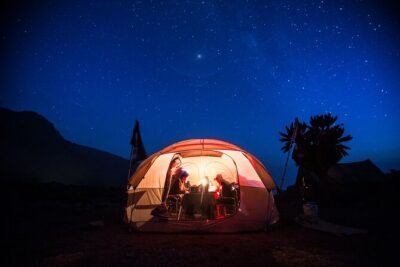
8-Day Small-group Lemosho Kilimanjaro Summit Trekking
Read our review →
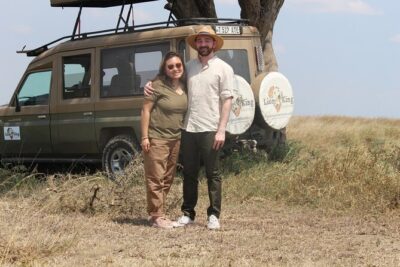
5 Days Best of Tanzania Luxury Safari Northern Circuit
Read our review →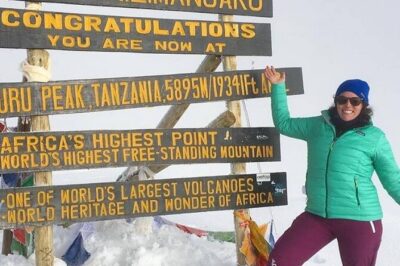
Climbing Kilimanjaro through 7 days Machame Route
Read our review →