Reviewed · KILIMANJARO CLIMBS
Machame Route 6 days 5 Nights/Kilimanjaro Climb
Kilimanjaro starts long before sunrise. This 6-day Machame Route from Moshi strings together rainforest hiking, high-altitude landmarks like Lava Tower, and a summit-night plan built around timing. It is run as a private trek with a guide team, plus camping and meals so you can focus on your body, not logistics.
I love that the route gives extra time for acclimatization, which matters when you are climbing the height of Africa. I also like the practical rhythm of camping and included meals, so you are not hunting food after each long hiking day.
One drawback to plan for is that day 5 is a true midnight grind, with the toughest stretch around Stella Point where you are pushing through heavy scree and thin air.
In This Review
- Key highlights before you commit
- Why the Machame Route fits real acclimatization, not just bravery
- Moshi start, pickup, and the pace of a private trek
- Day 1: Rainforest ridges and Machame Camp, where mud tests you
- Day 2: Leaving the rainforest and stepping into Shira Plateau rhythm
- Day 3: Lava Tower, Arrow Glacier, and the smart drop to Barranco Hut
- Day 4: Barranco Wall to Barafu Hut, completing the South Circuit
- Day 5: Midnight ascent, Stella Point sunrise, and Uhuru Peak
- Day 6: Descent to Mweka, summit certificates, and the long return to Moshi
- What you get for $1,990: the value question that actually matters
- Budgeting tips, personal equipment, and what to bring
- Your guide team: why support makes or breaks summit night
- Weather, fitness, and the kind of traveler this suits
- Should you book this Machame climb with Migration Venture Africa?
- FAQ
- How long is the Kilimanjaro Machame route trek?
- Is pickup from Moshi included?
- Is this a private tour, and is there a minimum group size?
- What is included in the price of $1,990 per person?
- What is not included, and how do tips work?
- What should I pack for the trail conditions?
- When do you start the summit push?
- What is the cancellation window for a full refund?
Key highlights before you commit
- More acclimatization on Machame with a higher chance of feeling steadier as altitude climbs.
- Stella Point sunrise moment at 18,600 ft, with weather deciding how perfect it looks.
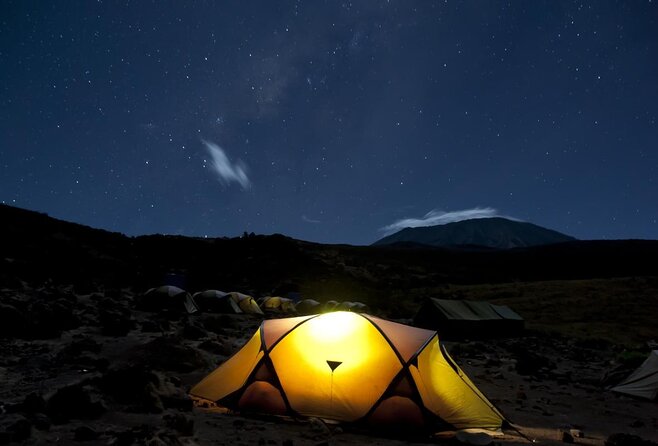
- Camping and full meal plan across the trek, including breakfast, lunch, and dinner.
- Private guiding with real support from a crew that can include senior guides like Epa, Rama, Nicholas, and others depending on your departure.
- Trail-tested gear tips like gaiters and trekking poles for muddy, slippery sections.
- Summit certificate day when you reach the Mweka Park Gate and start the descent back toward Moshi.
Why the Machame Route fits real acclimatization, not just bravery
If you want the summit more than once, you pick your route like it is part of the training. The Machame profile is known for giving you more time to adjust compared to shorter itineraries, and that extra breathing room can make a noticeable difference in how you feel.
You also get a climb pattern that alternates up and down in a smart way. Even when you do not end a day at a higher number on the map, the body still learns how to cope. That is the goal of this schedule: steady progress, fewer panic moments, more control.
More Kilimanjaro climbs:
- Kilimanjaro climb by Lemosho Route (7-day)
★ 5.0 · 651 reviews - Kilimanjaro climb, Machame Route (7-day)
★ 5.0 · 262 reviews - Kilimanjaro Climbing Lemosho Route 8 Days.
★ 5.0 · 186 reviews
Moshi start, pickup, and the pace of a private trek
This climb is based in Moshi, Tanzania, and the meeting time listed is 9:00 am. Pickup is offered, and you will likely use a vehicle transfer that gets you from town to the park area without wasting daylight.
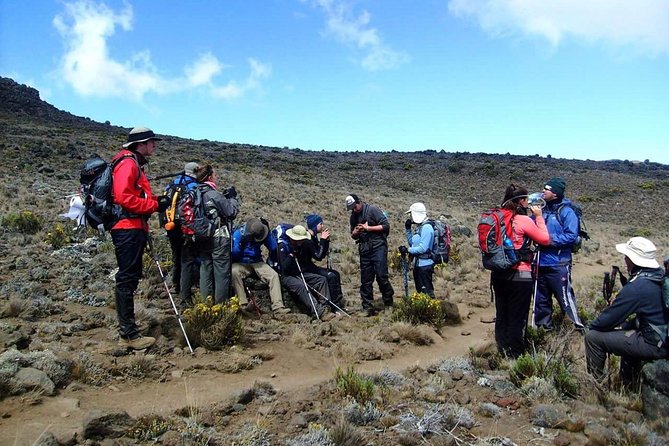
This is a private tour/activity, so only your group participates. There is also a minimum of 2 people per booking, so it is not a solo-only setup. If you travel with a partner or small group, that privacy usually means fewer distractions and more flexibility with your pace and questions.
Day 1: Rainforest ridges and Machame Camp, where mud tests you
Day 1 starts with getting into Kilimanjaro National Park, about a 50-minute drive from Moshi to the gate. You hike from there through rainforest terrain on a winding trail that climbs a ridge, and it is exactly the kind of start that teaches you how your legs will behave later at altitude.
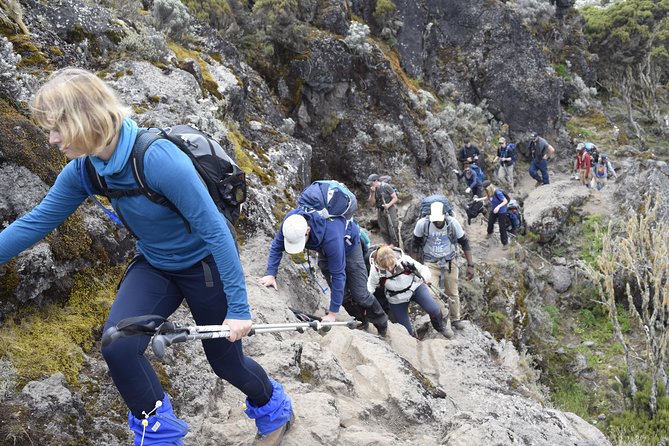
The note that matters most here is simple: lower down, the trail can be muddy and slippery. Gaiters and trekking poles are a good idea, because footing errors early can turn into fatigue later. The day continues until you reach Machame Camp, and the hiking time listed is about 7 hours.
The tradeoff with day 1 is that you are not just walking. You are learning the style of this mountain climb: consistent steps, steady breathing, and treating every puddle like it is trying to make you fall.
Day 2: Leaving the rainforest and stepping into Shira Plateau rhythm
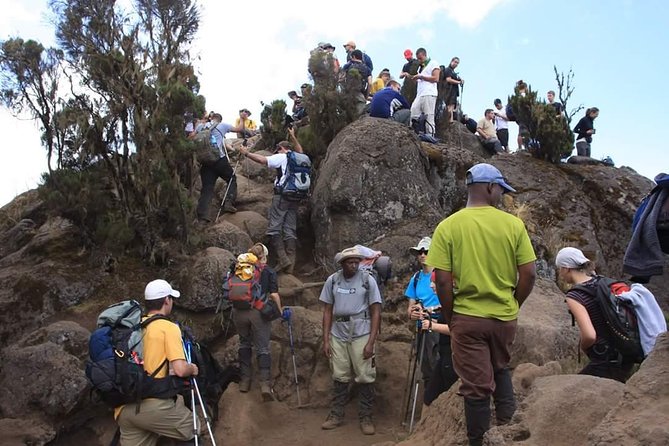
After breakfast, the trek shifts away from the forest and onto an ascending path. You cross a little valley, walk along a steep rocky ridge, and pass through areas covered with heather. Then the route turns toward a river gorge, where you get a different kind of breath and a different kind of view.
Day 2 ends with an overnight at the Shira campsite. The schedule lists about 5 hours of hiking, and you will have rest, dinner, and the night there. This day tends to feel like the point where your body starts realizing you are on a high-altitude mission, not a casual hike.
If you tend to go out fast, this is where you practice restraint. Walk like you are training, not racing. You are building a long-day engine for what comes next.
A few more Moshi trips to compare
- Safari Serengeti And Ngorongoro
★ 5.0 · 288 reviews - Climbing Kilimanjaro – Machame Route
★ 5.0 · 170 reviews - Climbing Kilimanjaro through 7 days Machame Route
★ 5.0 · 151 reviews - Kilimanjaro climb, Lemosho Route (8-day)
★ 5.0 · 148 reviews
Day 3: Lava Tower, Arrow Glacier, and the smart drop to Barranco Hut
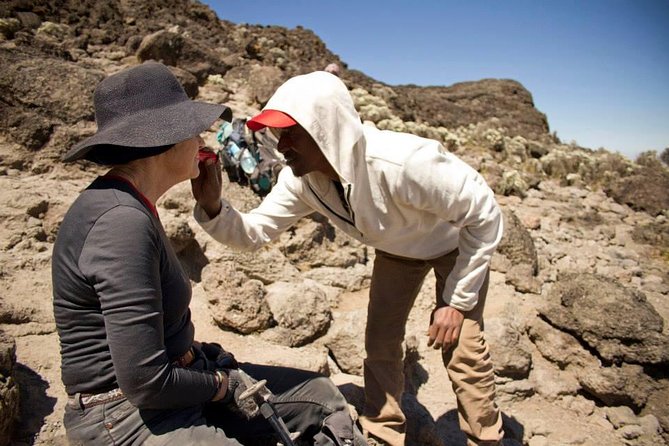
Day 3 is a memorable altitude day. From the Shira Plateau, you continue up a ridge toward the junctions that lead into the Kibo area. Then your route points southeast toward Lava Tower, also known as Shark’s Tooth, a standout landmark that makes the day feel more than just numbers on a trail.
Soon after, you reach the Arrow Glacier area at around 16,000 ft, then the schedule turns you down toward Barranco Hut at about 13,000 ft. You end day 3 lower than you started, and that is not a mistake. It is part of the acclimatization plan, letting your body adjust while still keeping the effort real.
This is also listed as a key acclimatization day. So even if the altitude map looks like a backtrack, treat it like a rehearsal for summit day, not an easy break. The hiking time listed is about 7 hours.
Day 4: Barranco Wall to Barafu Hut, completing the South Circuit
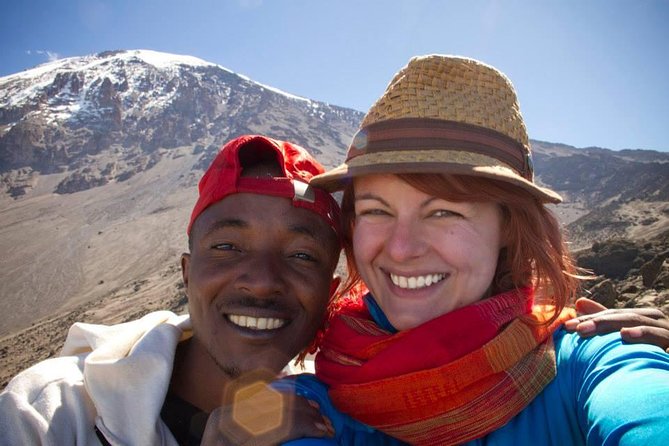
Day 4 begins with leaving Barranco and tackling a steep ridge past Barranco Wall. You then reach Karanga Valley campsite, and after that you hit the junction that connects with the Mweka Trail. From there, you continue upward to Barafu Hut, where the day ends with camp and rest.
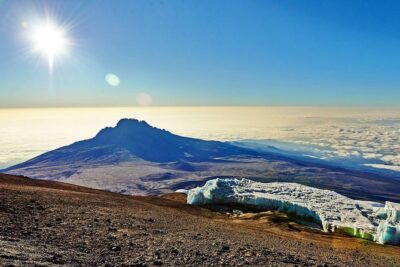
At this point you have completed the South Circuit, and the schedule notes that you get views of the summit from multiple angles. It also specifically points out seeing Mawenzi and Kibo from this position. That combination is one of the moments that makes the climb feel like it has a payoff, even before you reach Uhuru Peak.
The listed hiking time is about 9 hours, so do not underestimate this day. You are preparing for the summit push, and your job is to arrive at Barafu with enough strength to sleep, recharge, and get ready for the long night.
Day 5: Midnight ascent, Stella Point sunrise, and Uhuru Peak
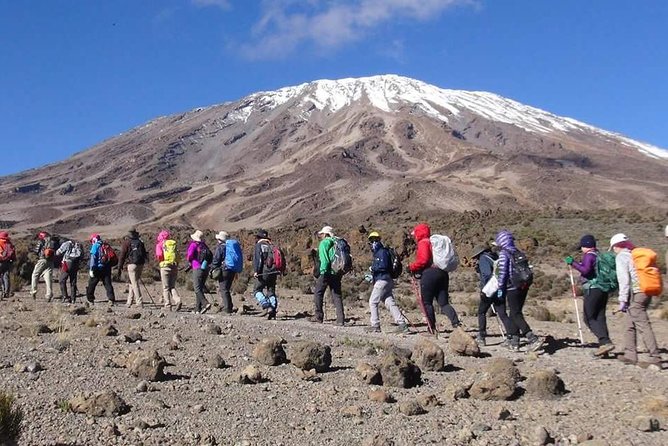
This is the day you came for, and it is not shy about effort. The trek starts very early, between midnight and 2:00 am, heading to the summit area between the Rebmann and Ratzel glaciers. Your route is northwesterly and it climbs through heavy scree toward Stella Point at 18,600 ft.
The schedule calls this section the most mentally and physically challenging portion. That is honest, and it is also why good pacing matters. Scree burns energy, and the steepness plus altitude makes your head feel like it is working harder than your legs.
Then comes the big reward: at Stella Point you stop briefly, and you may see the most magnificent sunrise, weather permitting. From Stella Point, you continue for about an hour to the summit, with snow possible along the way. At Uhuru Peak, you reach the highest point on Mount Kilimanjaro, and the highest point on the African continent.
If you handle pressure well, it will feel like control. If you struggle with discomfort, it will feel like bargaining with yourself. Either way, it is the crux of the trip.
Day 6: Descent to Mweka, summit certificates, and the long return to Moshi
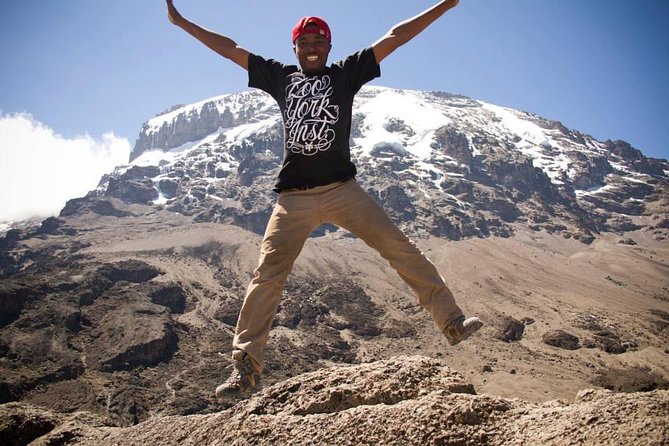
After breakfast, day 6 is all about getting down safely. You descend to the Mweka Park Gate to receive your summit certificates. That certificate moment is simple, but it is also real closure. The mountain will still be the mountain, but you are past the hardest part.
The schedule notes that lower elevations can be wet and muddy. Gaiters and trekking poles help here again, because the risk shifts from altitude exhaustion to slippery footing. From the gate, you continue to Mweka Village, about an hour, and then a vehicle meets you to drive you back to Moshi.
The listed hiking time is about 4 hours. Shorts and t-shirts might be enough in the lower zones, but the plan also suggests keeping rain gear and warmer clothing handy, because weather near the mountain can flip fast.
What you get for $1,990: the value question that actually matters
At $1,990 per person, you are paying for more than a guide and a dream. This price includes camping accommodation and meals, plus a steady supply of basics like bottled water. The meal plan listed is 6 breakfasts, 7 lunches, and 6 dinners, which is a big deal on a climb where timing matters.
The schedule also shows admission handling within the trip plan, with park entry noted across the route days. In plain terms: you are paying to have the mountain work organized, not just paid in hopes.
You are also getting private tour attention, which can be a value boost if you want a calmer experience and fewer group pressures. The company’s communication and planning is described as organized and responsive, and people highlight how much the crew’s support can help on tough moments.
One thing to keep realistic: the cost still does not include everything. Your biggest extra budget items are usually tips, personal gear, insurance, and flights.
Budgeting tips, personal equipment, and what to bring
The package does not include international flights or visas, and it also does not include travel insurance. Alcohol and non-alcoholic beverages are not included either, and additional personal equipment is explicitly excluded.
Tips are recommended and listed with specific amounts:
- Guide: $15 to $20 per guide per day
- Cook: $10 to $15 per day
- Porters: $8 to $10 per porter per day
That means your final mountain budget depends on how many porters and how long the group stays. Build that in early so it does not feel like a surprise on the last day.
For trail support, the itinerary gives a few direct packing cues: gaiters and trekking poles for muddy, slippery sections. It also suggests that shorts and t-shirts are often enough at lower elevations, but keep rain gear and warmer layers for the cold and for stormy weather.
Also, there is a formal dress code listed. That can feel odd for a hiking trip, but since it is stated, I would plan for at least some presentable clothing for the certificate moment and any brief formal meetups.
Your guide team: why support makes or breaks summit night
On Kilimanjaro, the summit is not only a body achievement. It is a mental game with a long, uncomfortable timeline. That is why I pay attention to the crew, not just the route.
This operator runs with a private guide and supporting team members. In past departures, named guides include senior guide Epa, and also guides like Rama, David, Nicholas, Goodluck, and Vitto. People also describe a chef and porters as essential, not optional, because the food and the carry system keep everyone moving without falling apart.
If you like having a coach who keeps you steady when you slow down, this setup is a plus. More importantly, you want a guide who manages pace and energy, especially from the midnight start onward.
Weather, fitness, and the kind of traveler this suits
The trek operates in all weather conditions, so plan for rain, cold, and changing conditions. The route also asks for moderate physical fitness. If you are currently inactive, this climb will demand training and patience.
This is best for you if:
- You can handle long hiking days and high-altitude discomfort.
- You want a structured climb with camping and meals included.
- You prefer a private setup that keeps your group focused and supported.
This may be a tougher fit if:
- You get easily flustered by cold, darkness, or steep, rocky trail.
- You are not comfortable committing to the midnight summit window and the scree section that comes after.
Kilimanjaro is not a place to test your courage. It is a place to practice good effort.
Should you book this Machame climb with Migration Venture Africa?
I think you should book if you want a route that gives you more acclimatization time, a clear summit plan aimed at sunrise, and an organized team that takes care of meals and camping so your brain stays on the climb. If you also value private guiding, this package checks a lot of boxes without forcing you to micromanage daily logistics.
I would hesitate if the summit night feels like a dealbreaker. Day 5 is the hardest day on the trek, and the heavy scree near Stella Point plus the early start make it mentally demanding. If you know you need an easier schedule, you might want a different route profile.
If you do book, treat it like training with a deadline. Walk slower than you think you need to, use poles when the trail gets slick, and pack for cold and rain even if Moshi feels warm.
FAQ
How long is the Kilimanjaro Machame route trek?
The itinerary runs for about 6 days (6 days 5 nights), starting at 9:00 am and ending after the descent from Mweka with a vehicle back to Moshi.
Is pickup from Moshi included?
Pickup is offered, and the route is based in Moshi. The trek begins with a meeting time in the morning and then you travel to the park gate.
Is this a private tour, and is there a minimum group size?
Yes. It is a private tour/activity where only your group participates. There is also a minimum of 2 people per booking.
What is included in the price of $1,990 per person?
The package includes bottled water and meals: 6 breakfasts, 7 lunches, and 6 dinners. Camping accommodation is included as part of the trek setup, and a mobile ticket is provided.
What is not included, and how do tips work?
International flights, visas, travel insurance, alcoholic and non-alcoholic beverages, and additional personal equipment are not included. Tips are recommended, with listed amounts for guides, a cook, and porters.
What should I pack for the trail conditions?
The trek plan specifically suggests gaiters and trekking poles because lower sections can be muddy and slippery. It also recommends keeping rain gear and warmer clothing handy, especially for cold conditions near the summit.
When do you start the summit push?
The plan calls for an early start between midnight and 2:00 am on day 5, climbing toward Stella Point at 18,600 ft and continuing to Uhuru Peak.
What is the cancellation window for a full refund?
Free cancellation is available, and you can cancel up to 24 hours in advance of the experience for a full refund. If you cancel less than 24 hours before the start time, the amount paid is not refunded.
Just posted around Moshi
- machame route★ 5.0 · 16 reviews
- Kilimanjaro Climbing Umbwe Route★ 5.0 · 3 reviews
- Wildlife Extravaganza: Manyara, Tarangire & Ngorongoro in 3 Days★ 5.0 · 3 reviews
- Mt Kilimanjaro 6 days Marangu route hike★ 5.0 · 3 reviews
- 3 Days Private E-Bike Tour in West Kilimanjaro★ 5.0 · 3 reviews
- West Kilimanjaro cycling Adventures★ 4.5 · 8 reviews
- Kilimanjaro Climb • Marangu Route ~ 9 Day★ 5.0 · 4 reviews
- Private Cycle to Kilimanjaro Bike Park Safari★ 5.0 · 6 reviews
Kilimanjaro Climbs, compared.
8-Day Small-group Lemosho Kilimanjaro Summit Trekking
Read our review →
5 Days Best of Tanzania Luxury Safari Northern Circuit
Read our review →
Climbing Kilimanjaro through 7 days Machame Route
Read our review →