Reviewed · KILIMANJARO CLIMBS
Machame 7 days Kilimanjaro climb
Kilimanjaro feels personal on Machame. This 7-day Machame climb, often called the Whiskey Route, balances steady altitude gains with the classic climb high, sleep low rhythm, and it aims for strong summit odds. I especially like that it’s built around gradual acclimatization time and that you descend on a different route, finishing at Mweka Gate instead of retracing your steps. One drawback to know up front: summit night is hard, and you need a strong fitness baseline plus patience for slow going at altitude.
You’ll start in Moshi with pickup offered, then roll into the trek from Machame Gate at the southern base. Accommodation is tented only, with two midrange hotel nights on a bed and breakfast basis. If you want a more relaxed pace than the faster routes, this is the length I’d steer you toward.
In This Review
- Key highlights to know before you go
- Why Machame’s “climb high, sleep low” rhythm matters more than marketing
- Moshi pickup, 8:00am start, and how to set yourself up for a smooth day 1
- Machame Gate kickoff: where the hike turns from walking to climbing
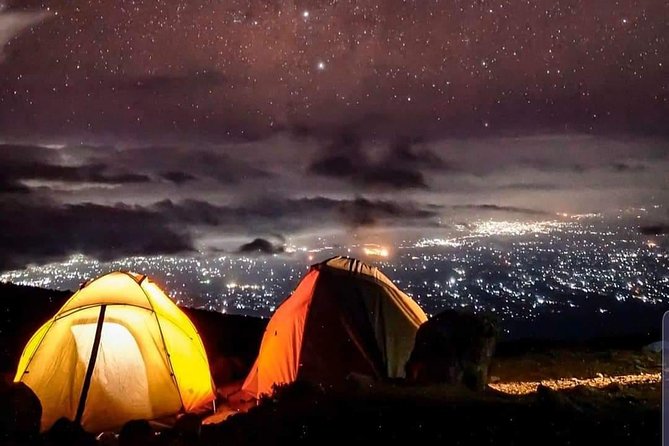
- Tented camping on Machame: included gear, real crew value, and meal energy
- Acclimatization days: how the itinerary is built to keep you moving smart
- East-side summit approach: what it feels like when altitude starts talking
- Summit night and sunrise timing near Uhuru Peak
- Down you go: finishing at Mweka Gate and why the descent still matters
- Price and value: what $2,800 really buys you, and what costs are still on you
- Who should book this Machame 7-day climb, and who should pause
- Final verdict: should you book Kili Footprints for Machame 7 days?
- FAQ
- What time does the Kilimanjaro Machame climb start?
- Is pickup included in the Machame 7 days Kilimanjaro climb?
- Where do you begin and end the climb?
- What kind of accommodation do you get on this climb?
- Are hotel nights included?
- What meals are included during the trek?
- What should I bring if I book this tour?
- Can I cancel for a refund?
Key highlights to know before you go
- Whiskey Route style climbing on the Machame itinerary, known for scenic hiking and solid summit success rates
- Climb high, sleep low acclimatization, built for your body to adjust over multiple days
- Tented accommodation only, with included camping gear and a crew that handles setup
- Summit night planning for sunrise timing, with experienced leadership for the toughest hours
- East-approach to the top and a different descent that ends at Mweka Gate
- Private experience so your group runs with your team, not a mixed crowd
Why Machame’s “climb high, sleep low” rhythm matters more than marketing
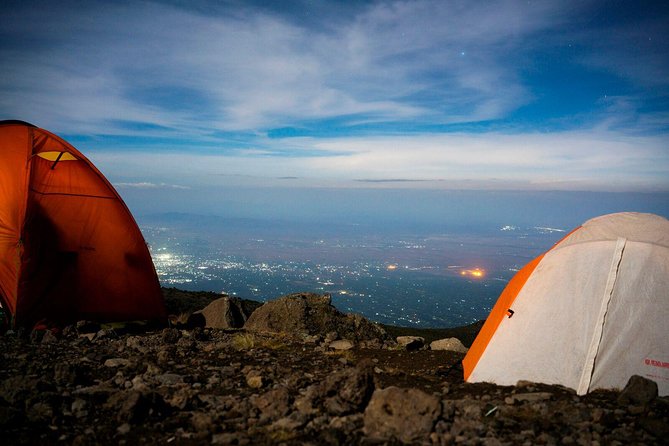
Machame is popular for a reason. It’s one of the more scenic routes on Kilimanjaro, and it’s often associated with higher summit success because it gives your body time to adjust. The phrase climb high, sleep low isn’t fluff. It means you gain altitude during the day, then sleep at a lower elevation than you climbed to, which helps reduce the risk of altitude issues.
On a mountain this big, the biggest “feature” is time. With a 7-day plan, you’re not rushing through altitude zones. That gives you more chances to recover each day and keep moving when your legs start to feel like they belong to someone else.
The approach to the summit is made from the east, and the itinerary is designed around reaching the top after enough acclimatization. Then you come down via a different route, which is a real plus for your comfort and for how the days feel. Descending the same way you climbed would be rough on the knees and monotonous. Here, the mountain changes scenery as you head down toward Mweka Gate.
More Kilimanjaro climbs:
- Kilimanjaro climb by Lemosho Route (7-day)
★ 5.0 · 651 reviews - Kilimanjaro climb, Machame Route (7-day)
★ 5.0 · 262 reviews - Kilimanjaro Climbing Lemosho Route 8 Days.
★ 5.0 · 186 reviews
Moshi pickup, 8:00am start, and how to set yourself up for a smooth day 1
This climb starts at 8:00am, and Moshi is where most people get their energy back before the trek begins. Pickup is offered, and the meeting area is near public transportation, which matters if your flight plans are complicated or you’re trying to avoid a stressful scramble.
I like how this kind of setup lets you show up calm and ready. Kilimanjaro rewards people who treat day 1 like part of the trek, not just a travel day. If you can, plan to arrive early enough to breathe, eat a normal meal, and sort gear without panic.
Also note that this is a private tour/activity, only your group participates. That tends to make the mountain feel less chaotic, especially at checkpoints and when the group is adjusting for pace and energy. It’s easier for a guide team to read you when they’re focused on your group, not trying to manage multiple groups at once.
Machame Gate kickoff: where the hike turns from walking to climbing
The trek begins at Machame Gate at the southern base of Kilimanjaro. That first section is your mental shift moment. You’re leaving behind roads, and suddenly every step has altitude attached to it. Even before the big climbs, you’ll feel the air thin slightly and the slope become your new boss.
What’s good here is that the route starts with enough structure to get you into a rhythm. You’re not thrown into a steep grind right away without context. And because the climb runs for days, your guide team can fine-tune pacing based on how you’re breathing and moving.
One more point: tented accommodation only means the crew’s work shows up quickly. When you see tents being set up efficiently, it’s a sign you won’t be spending your energy on camp logistics. You’ll still carry your day pack, but the heavy setup side is handled by the team.
Tented camping on Machame: included gear, real crew value, and meal energy
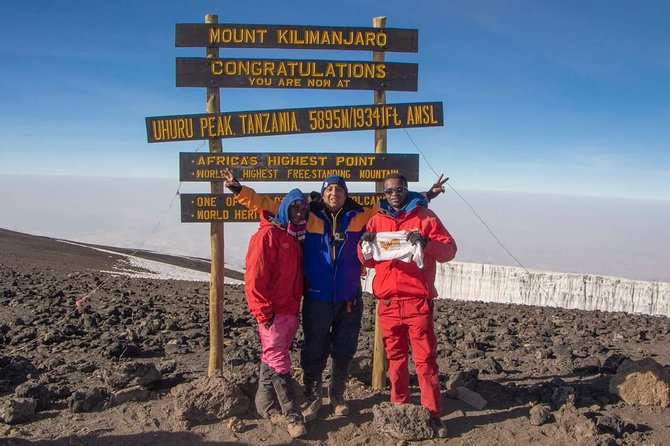
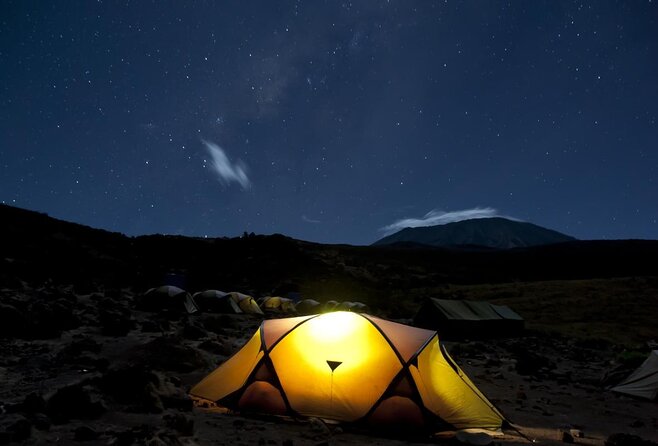
Accommodation is tented only, and the tour includes camping equipment plus crew wages. In practice, that means you’re paying for the mountain infrastructure, not just the walking. A good crew is the difference between “this is hard” and “this is hard but manageable.”
The reviews I saw heavily emphasize the team side. People repeatedly mention being made to feel safe and in good hands, and they also call out the guides and cooks as key parts of the experience. Jackson, the founder and main point of contact, comes up often for prompt responses and reliable coordination, including airport pickup for early arrivals.
Meals are also a serious part of this climb. You get four meals during the trek, which matters because food intake affects how strong you feel for the next day. On Kilimanjaro, the goal isn’t gourmet, it’s fuel. If your meals are consistent and your cook is organized, you’ll be less likely to burn out from hunger or from eating too little.
Because you’re camping, you should also expect weather swings. Cold nights at altitude are normal, so having the right sleep setup is a big deal. The tour includes camping gear, but you’ll still need to bring personal climbing gear, and that includes your layer strategy. If you go underprepared for cold, the mountain will remind you at bedtime.
A few more Moshi trips to compare
- Safari Serengeti And Ngorongoro
★ 5.0 · 288 reviews - Climbing Kilimanjaro – Machame Route
★ 5.0 · 170 reviews - Climbing Kilimanjaro through 7 days Machame Route
★ 5.0 · 151 reviews - Kilimanjaro climb, Lemosho Route (8-day)
★ 5.0 · 148 reviews
Acclimatization days: how the itinerary is built to keep you moving smart
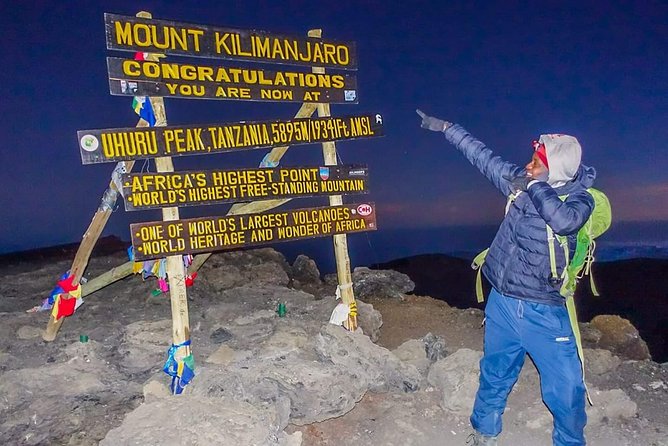
Machame is designed to help you adjust to altitude changes over several days. That’s why the longer options are the smarter pick. The information here is clear: while climbs can take six or seven days, choosing the longer route is advised for the best chance of acclimatization and reaching the summit.
You’ll spend the middle days climbing higher in stages, then sleeping lower than your day’s high point. This is the core of the Machame approach. It’s also where your pacing matters most. If you treat acclimatization days like they’re just warm-up hikes, you’ll often pay later during summit night.
What I’d encourage you to do is follow your guide’s pace even when you feel surprisingly good early. Early confidence is normal. Altitude doesn’t care, and it catches up. A guide team can help you slow down at the right times, which is often what turns a near-miss summit into a summit.
In this Machame 7-day plan, your summit attempt is timed after several acclimatization days. That’s not just tradition. It’s a practical way to stack your odds.
East-side summit approach: what it feels like when altitude starts talking
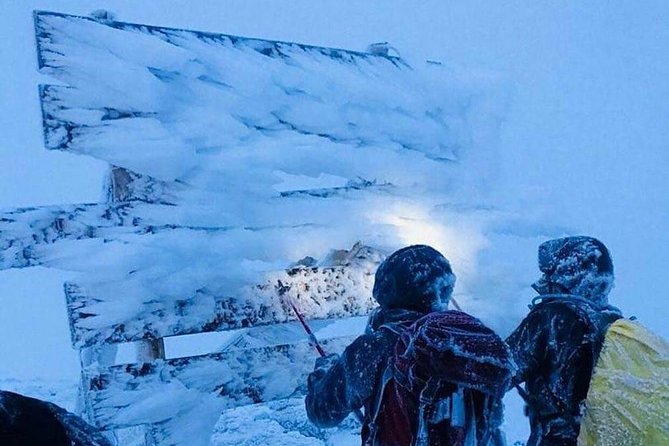
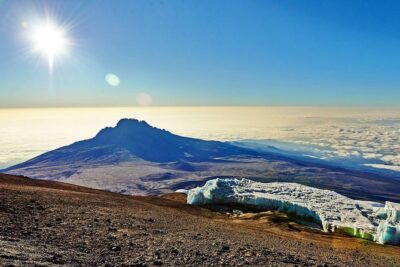
The approach to the summit is made from the east. That route direction affects the feel of the climb and the kinds of views you’ll see. On Kilimanjaro, the landscape changes constantly, and the east approach tends to deliver dramatic, shifting mountain scenes as you move higher.
More importantly, this is where the altitude starts to get louder. Breath may feel shallow. Walking becomes slower, and it’s normal for your heart rate to spike with effort. This is also where you’ll appreciate guides who manage the group actively, not just “lead and leave.”
From the reviews, the leadership quality shows up again and again. People mention that the guides were knowledgeable and focused on maximizing the chance to summit. They also mention feeling secure, which is more than emotional comfort. It usually translates into clear decision-making, steady pacing, and practical support when you’re struggling.
If you’re prone to pushing too hard, this phase is where you need discipline. The smartest move is to conserve energy, drink water regularly, and keep your steps consistent rather than fast.
Summit night and sunrise timing near Uhuru Peak
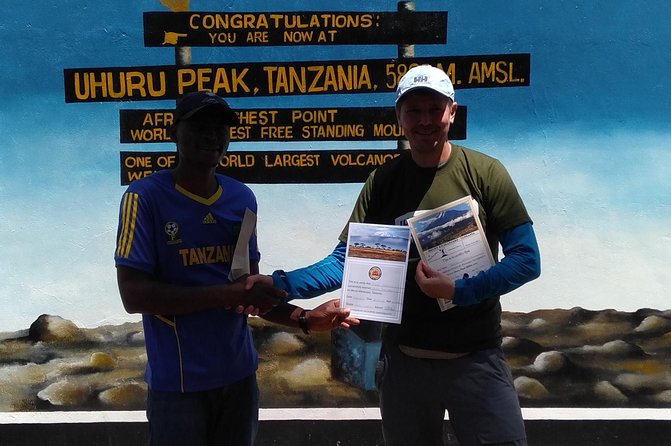
Summit night is the hardest part of the climb. That’s not a scare line, it’s just how Kilimanjaro works. Reviews highlight that summit night can be challenging, but with guide support, many people still reach the peak just in time for sunrise.
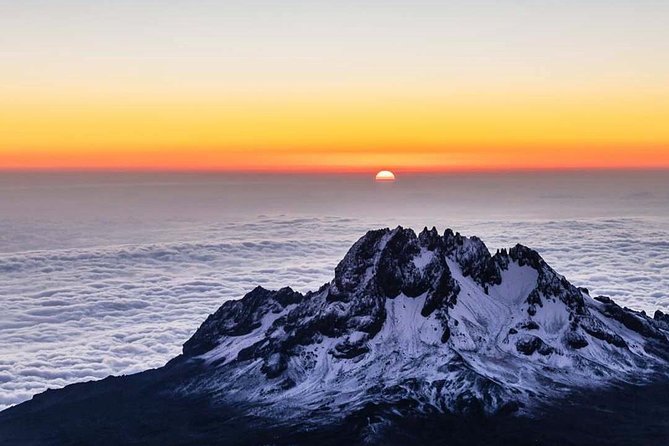
Uhuru Peak is explicitly mentioned in the feedback, and the summit experience is what most people remember for years. Sunrise timing matters because it’s not only beautiful, it’s also a sign you managed the hardest stretch of the trek at the right pace. Reaching the top before sunrise is tough, and it requires both endurance and good judgment about speed.
A good guide team helps in two ways. First, they keep you moving at a pace that fits altitude. Second, they manage decisions as conditions change, especially when people get tired and start making mistakes like stepping too fast or ignoring cold.
Here’s the honest consideration: you can do everything right and still have a tough night. Altitude is not a promise. But the planning in a 7-day Machame climb is aimed at giving you the best chance, with acclimatization time and experienced leadership.
Down you go: finishing at Mweka Gate and why the descent still matters
After the summit, you don’t simply stroll downhill. Descending is physically demanding too, especially on knees and legs. Machame helps here by using a different route for descent and finishing at Mweka Gate.
That design choice is practical. A varied descent can reduce repeated stress from the same trail segments and can make the days feel less one-note. You’ll likely feel relief mixed with exhaustion, and that’s a common combo at this point in the trek.
This stage is where pacing again matters. People often get excited and rush. On descent, rushing can be the wrong kind of victory. Your guide team should keep you focused on safe footing and manageable step rates, especially as the terrain gets rocky.
Once you’re done, the mountain finally gives you normal day rhythms again. The tour also includes two night in a midrange hotel bed and breakfast basis, which is a welcome cushion after days of tent living. That hotel time is valuable because sleep quality and basic meals restore your body fast.
Price and value: what $2,800 really buys you, and what costs are still on you
At $2,800 per person, this isn’t a budget safari add-on. It’s a full Kilimanjaro service with a lot included. Here’s what’s covered: all fees and taxes, camping equipment, crew wages, two hotel nights with breakfast, and four meals during the trek. Pickup is offered, and the tour is private to your group.
So where does the value land?
- Included camping equipment reduces gear stress, and it also means the company is set up for the trek logistics from the start.
- Paying crew wages is not a small line item. On Kilimanjaro, guides and porters are what keep the experience safe and efficient.
- The two hotel nights let you recover properly before and after the trekking grind.
What’s not included is also important:
- Travel insurance
- Personal climbing gears
- International or local flights
In other words, the $2,800 is mainly the mountain service, not your whole trip. Your additional costs come down to flights, insurance, and the personal gear you bring. If you already own good cold-weather layers and trekking basics, your extra spend might be reasonable. If you need to buy everything last minute, plan for that.
One more value angle: since this is private, your group gets a focused guide team. That can matter a lot during summit night when everyone’s energy and health status needs careful attention.
Who should book this Machame 7-day climb, and who should pause
This experience suits people with strong physical fitness, since Kilimanjaro is not gentle. You don’t need to be a mountain athlete, but you do need stamina, comfort with long days, and the ability to handle slow uphill walking without quitting.
You’ll also enjoy it if you like a guided, structured approach. The reviews put a lot of weight on feeling safe, and that usually comes from a well-run crew and steady decision-making.
This might not be your best choice if:
- You’re looking for very basic, rustic camping only. This one is tented, but it’s built with service and included gear.
- You’re not comfortable with summit night difficulty. Even with good planning, it can be brutally cold and slow.
- You want a faster “maximum days off” schedule. The 7 days are part of the strategy.
If your goal is the highest chance of reaching the top, the longer Machame rhythm is the right fit. It’s the route that helps your body get used to altitude instead of fighting it.
Final verdict: should you book Kili Footprints for Machame 7 days?
I’d book this Machame 7-day climb if your priority is smart acclimatization, a guided summit attempt, and a team that clearly cares about safety. The route choice makes sense, and the service structure looks built for people who want fewer hassles and more mountain time.
Based on the feedback tone, the strongest selling points are the guides and crew support, the way summit night is handled, and the attention paid to meals and day-to-day comfort. Jackson’s responsiveness and airport pickup coordination also come through clearly, including early arrival situations.
If you go in with realistic expectations about summit night effort, prepare personal gear for cold, and keep to the pace plan, this is the kind of climb that can turn into a genuine milestone, not just an exhausting checklist.
FAQ
What time does the Kilimanjaro Machame climb start?
The start time is 8:00am.
Is pickup included in the Machame 7 days Kilimanjaro climb?
Pickup is offered.
Where do you begin and end the climb?
The trek starts at Machame Gate and finishes at Mweka Gate.
What kind of accommodation do you get on this climb?
It’s tented accommodation only.
Are hotel nights included?
Yes. You get two nights in a midrange hotel on a bed and breakfast basis.
What meals are included during the trek?
Four meals are included during the trek.
What should I bring if I book this tour?
You should bring personal climbing gear. Travel insurance is also not included.
Can I cancel for a refund?
Free cancellation is available. You can cancel up to 24 hours in advance for a full refund, and poor weather can result in a different date or a full refund.
Just posted around Moshi
- machame route★ 5.0 · 16 reviews
- Kilimanjaro Climbing Umbwe Route★ 5.0 · 3 reviews
- Wildlife Extravaganza: Manyara, Tarangire & Ngorongoro in 3 Days★ 5.0 · 3 reviews
- Mt Kilimanjaro 6 days Marangu route hike★ 5.0 · 3 reviews
- 3 Days Private E-Bike Tour in West Kilimanjaro★ 5.0 · 3 reviews
- West Kilimanjaro cycling Adventures★ 4.5 · 8 reviews
- Kilimanjaro Climb • Marangu Route ~ 9 Day★ 5.0 · 4 reviews
- Private Cycle to Kilimanjaro Bike Park Safari★ 5.0 · 6 reviews
Kilimanjaro Climbs, compared.
8-Day Small-group Lemosho Kilimanjaro Summit Trekking
Read our review →
5 Days Best of Tanzania Luxury Safari Northern Circuit
Read our review →
Climbing Kilimanjaro through 7 days Machame Route
Read our review →