Reviewed · KILIMANJARO CLIMBS
Lemosho Route 8 Days Kilimanjaro Climbing Tour
Lemosho keeps you focused on the next step. This 8-day Kilimanjaro climb from Moshi is designed around gradual altitude gain, with camp days that let you see how the mountain changes, not just how hard it feels. The best part is that your trek runs with a full team, including guides, porters, and a cook, plus camp support that helps you stay calm and consistent when the air gets thin.
I especially like two things: the route’s steady shift through multiple altitude zones (rainforest to moorland, then alpine desert), and the practical safety and comfort extras that come as standard, like clean purified drinking water and an emergency oxygen cylinder carried with the group. It’s not just a hike with a view, it’s a system.
One consideration before you commit, it’s priced at $2,600 per person, and that number covers a lot, but not everything. You still need to plan for things like your visa, flights, and personal trekking gear, and you should be ready for the demanding night summit push.
In This Review
- Key highlights worth your attention
- Is the Lemosho Route a smart choice for Kilimanjaro?
- Price and logistics, what your $2,600 is really covering
- The Lemosho climb, day by day from gate to certificate
- Day 1: Lemosho Gate to Mti Mkubwa Camp (rainforest start)
- Day 2: Shira Ridge to Shira I Camp (vegetation begins to change)
- Day 3: Moorlands toward Lent Hills, to Shira II Camp
- Day 4: Alpine desert day to Barranco Camp, with Western Breach and Lava Tower views
- Day 5: Barranco Wall scramble to Karanga Camp
- Day 6: Through the Alpine desert to Barafu Camp (base camp for the summit push)
- Day 7: Midnight start via Stella Point to Uhuru Peak, then down to Mweka Camp
- Day 8: Mweka Gate descent through rainforest, plus your achievement certificate
- Guides, cooks, porters, and camp setup you can count on
- Summit night, what to expect and how to stay steady
- How this trip rates for value, compared to doing more yourself
- Who should book this 8-day Lemosho Kilimanjaro climb
- Should you book Macpace Tours and Safaris for this Lemosho climb?
- FAQ
- What is the duration of the Lemosho Route Kilimanjaro tour?
- Where does the climb start and end?
- Is airport pickup and drop-off included?
- What safety and comfort items are included on the mountain?
- Is this tour private?
- What’s not included in the price?
Key highlights worth your attention
- 8 days on the Lemosho route, with multiple camp nights to support acclimatization
- Big vegetation shifts each day, from rainforest beginnings to alpine desert conditions
- Emergency oxygen on hand, plus guides, porters, and a cook managing daily camp life
- Quality four-season tents and sleeping mattresses, built for real mountain weather
- Summit plan via Stella Point to Uhuru Peak (5,895m), then a controlled descent to Mweka Camp
- Pickup, transfers, and park/conservation fees are included, so fewer things to organize yourself
Is the Lemosho Route a smart choice for Kilimanjaro?
If you’re trying to pick a route, the real question is how you want your climb to feel day to day. The Lemosho route over an 8-day schedule gives you time to climb, rest, and adjust, instead of rushing altitude like a checklist. That matters on Kilimanjaro, where pacing can decide how you experience the mountain.
You’ll also like the fact that the trip is planned around variety. Day 1 starts in the rainforest zone, and by later days you’re hiking through moorlands and then into a harsher alpine desert feel. This is more than scenery for photos. When your body is working hard, it helps to stay mentally engaged by noticing real changes in terrain and air temperature.
There’s another quiet advantage: you’re not trying to learn everything on the fly. With guides and porters working as a team, you get structured support from the start, right at Lemosho Gate. That reduces stress, especially if it’s your first Kilimanjaro attempt.
More Kilimanjaro climbs:
- Kilimanjaro climb by Lemosho Route (7-day)
★ 5.0 · 651 reviews - Kilimanjaro climb, Machame Route (7-day)
★ 5.0 · 262 reviews - Kilimanjaro Climbing Lemosho Route 8 Days.
★ 5.0 · 186 reviews
Price and logistics, what your $2,600 is really covering
At $2,600 per person, this trek is in the mid-to-higher range compared with DIY climbing. But the value is in what’s included, not just the headline number.
Here’s what your package covers, in plain terms:
- Airport pickup and drop-off in Moshi
- All transfers to the mountain and back to your Moshi hotel
- Professional guides, porters, and a cook (with salaries included)
- Quality four-season, waterproof sleeping tents on a twin-share basis
- Sleeping mattress
- Emergency oxygen cylinder
- Clean, purified drinking water
- Park-related fees (conservation, camping, rescue fees included as part of park fees)
- VAT (18% charged by the Government)
- Quality mess tents with table and chairs
- Hotels while you’re in the area
- Meals listed as 7 breakfasts, 7 dinners, and 8 lunches
- A summit certificate
What’s not included, so you can budget accurately:
- Tanzania visa
- International and domestic flights
- Personal trekking equipment (you can rent some items, but you’ll still need to handle it)
- Tips and gratuities
- Personal travel insurance
- Personal expenses like laundry or phone use
- Liquors, beers, and bottled beverages
My take: if you want a climb where someone else handles the everyday machine of logistics, this price makes more sense. You’re paying for people, safety tools like oxygen, and systems for food and camp. If you’re trying to cut costs by doing more yourself, the package might not feel as attractive.
The Lemosho climb, day by day from gate to certificate
Kilimanjaro is a memory-making route. What makes this one special is that every day has a clear purpose, and the terrain keeps shifting so you can feel how altitude changes your pace.
Day 1: Lemosho Gate to Mti Mkubwa Camp (rainforest start)
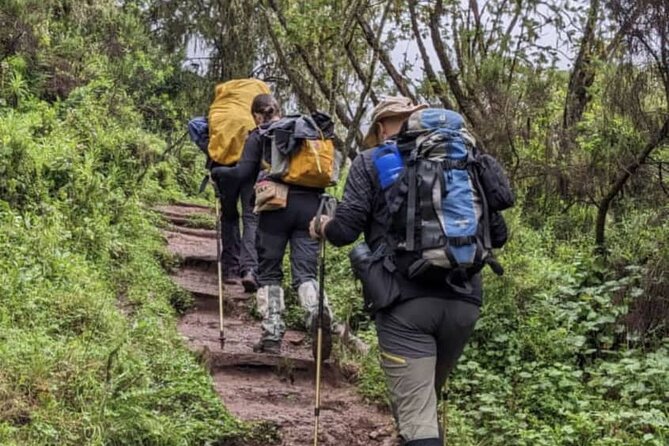
You begin with the team helping you set off from Lemosho Gate, then you hike through the rainforest to Mti Mkubwa Camp. The day is shorter than later stretches, listed around 4 hours, which is helpful for easing into the rhythm.
This first night matters because you’re not just parking in a campsite. It’s your intro day to the mountain, where you learn how your breathing and energy respond as you gain altitude.
A few more Moshi trips to compare
- Safari Serengeti And Ngorongoro
★ 5.0 · 288 reviews - Climbing Kilimanjaro – Machame Route
★ 5.0 · 170 reviews - Climbing Kilimanjaro through 7 days Machame Route
★ 5.0 · 151 reviews - Kilimanjaro climb, Lemosho Route (8-day)
★ 5.0 · 148 reviews
Day 2: Shira Ridge to Shira I Camp (vegetation begins to change)
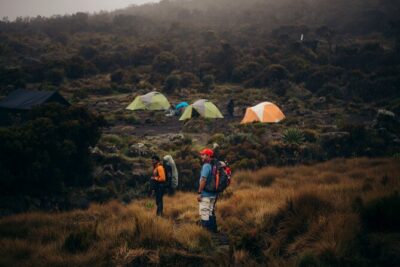
Day 2 continues your ascent to Shira I Camp. You’ll notice vegetation shifting as you climb: the trail transitions from rainforest into heath and moorland zones. You also cross Shira Ridge, then push toward the Shira Plateau area before reaching camp.
It’s a 6-hour trekking day in the schedule, so plan for a steady pace. This is the day where you can feel your body adjusting to thinner air even if you don’t feel totally wrecked.
Day 3: Moorlands toward Lent Hills, to Shira II Camp
Today the trail keeps pushing into higher, more rugged terrain. The description highlights moorlands becoming increasingly rugged and barren. As you approach the Lent Hills, the trail gets steeper and the views open up over the Shira Plateau.
You’re hiking about 5 hours to reach Shira II Camp. This is another acclimatization day, and it’s also a good time to start staying calm with water and food. The goal is consistency, not heroics.
Day 4: Alpine desert day to Barranco Camp, with Western Breach and Lava Tower views
Day 4 is the pivot into a more surreal feel. You move through alpine desert, where there’s little vegetation and the ground looks harsher and more exposed. Along the way, you get standout views connected to features like the Western Breach and Lava Tower.
It’s listed around 7 hours, and you finish at Barranco Camp. This camp sets you up for what comes next, the Barranco Wall.
Day 5: Barranco Wall scramble to Karanga Camp
Now you climb. Day 5 starts with an ascent up the Barranco Wall, described as a steep scramble. If you like the sense of progress that comes from rock and movement, this day tends to feel rewarding.
After the scramble, the route continues through valleys and ridges toward Karanga Camp, which the schedule places around 4 to 6 hours of trekking. Expect this day to be a mix of effort and payoff.
Day 6: Through the Alpine desert to Barafu Camp (base camp for the summit push)
On this day you’re closer to the top, climbing to Barafu Camp, identified as the base camp for the final push to Uhuru Peak. The description again notes steeper terrain and the Alpine desert environment.
You’re looking at about 3 to 5 hours to reach camp. The goal is to arrive with enough energy to sleep well and prepare for the hardest section of the whole trek.
Day 7: Midnight start via Stella Point to Uhuru Peak, then down to Mweka Camp
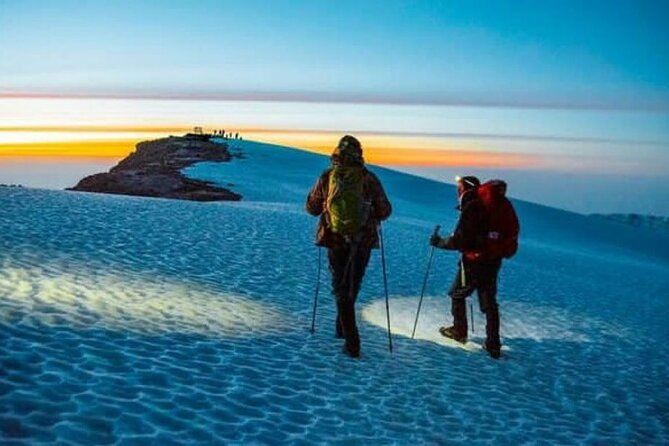
Day 7 is the big one. You start in the midnight hour and work your way toward Stella Point, then to Uhuru Peak, at 5,895m. Reaching the summit is described as an indescribable accomplishment, and then you descend to Mweka Camp for the night.
The time shown is about 4 hours for this day, but the key detail to hold onto is the flow: nighttime start, Stella Point, Uhuru Peak, then descent. This is not a day for rushing, it’s a day for steady breathing and following the plan.
Day 8: Mweka Gate descent through rainforest, plus your achievement certificate
On the final day you hike down through lush rainforest, retracing steps toward Mweka Gate. The schedule notes around 4 hours for the descent.
As you drop in altitude, you’ll pass through different vegetation zones again and you may spot wildlife along the way. When you reach the gate, you receive your summit certificate, then you say goodbye to Kilimanjaro and head back.
Guides, cooks, porters, and camp setup you can count on
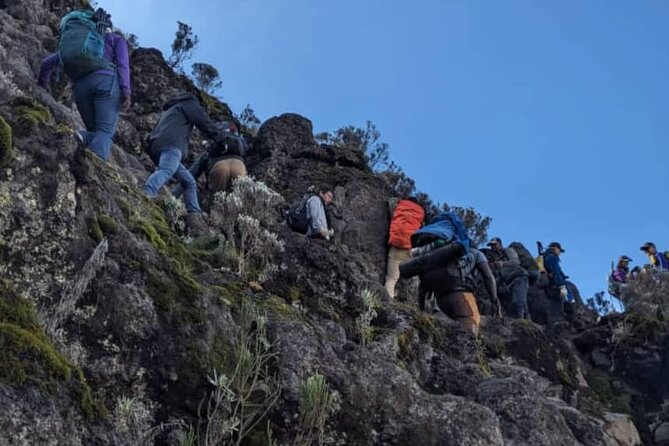
For Kilimanjaro, the team matters as much as your fitness. The support on this trek includes professional guides, porters, and a cook, with salaries included. That means you’re not just paying for route leadership, you’re paying for the whole camp operation.
One theme from the experience is the quality of human support. Climbing teams described in connection with this operation include guides such as Joseph, and you might hear about other professionals like Victor and Edwin as well. The takeaway for you is simple: look for a company that supplies not only staff, but staff who stay attentive and organized when conditions change.
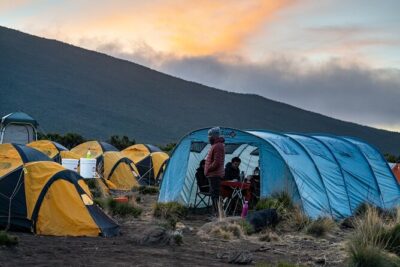
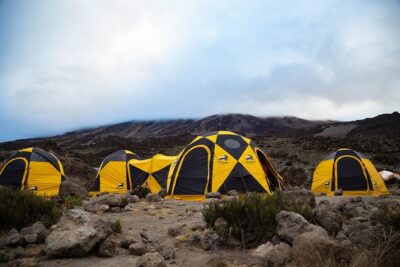
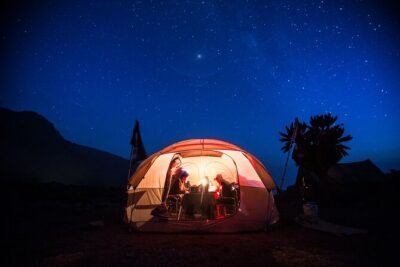
Camp comforts are also part of why people feel confident. You’ll have quality waterproof, four-season tents on a twin sharing basis, plus a sleeping mattress. Meals happen in mess tents with table and chairs, which sounds small until you’re cold and tired and you want a real place to eat and regroup.
Safety notes that matter:
- Emergency oxygen cylinder is included.
- Clean, purified drinking water is included.
And based on what climbers have pointed out, the camp setup can include amenities that improve comfort, including mention of a private toilet setup by at least one person who did this climb.
Summit night, what to expect and how to stay steady
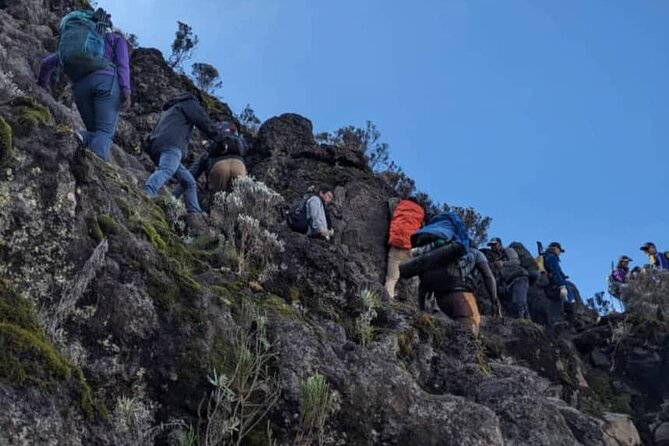
Summit day is built as a sequence: start at night, move toward Stella Point, reach Uhuru Peak, then descend to Mweka Camp. That pacing plan matters because you’re going from darkness and cold to big altitude effort and then back down.
If you’re nervous, it helps to focus on process, not fear. Your job is to keep a steady effort level, drink water as planned, and trust the team to handle camp and monitoring. This trip’s included emergency oxygen adds a real layer of reassurance, even if you hope you never need it.
Another thing I like about this climb setup is that the camps are supported with real logistics. When you’re tired, it’s easier to make good choices when you’re not dealing with tent problems, water worries, or meal chaos.
How this trip rates for value, compared to doing more yourself
Here’s where the math gets interesting. If you try to build a similar climb yourself, you’d have to line up:
- multiple staff members
- camp gear
- park fees and permits management
- water logistics
- a safety tool like emergency oxygen
This package already includes conservation fees, camping fees, and rescue fees as part of park fees, plus VAT, which often surprises people when they’re doing their own planning.
So yes, $2,600 is a big number. But when you consider it includes guides, porters, cook, tents, water, oxygen, park fees, and meals, it’s less about buying effort and more about buying reduced uncertainty.
Who should book this 8-day Lemosho Kilimanjaro climb
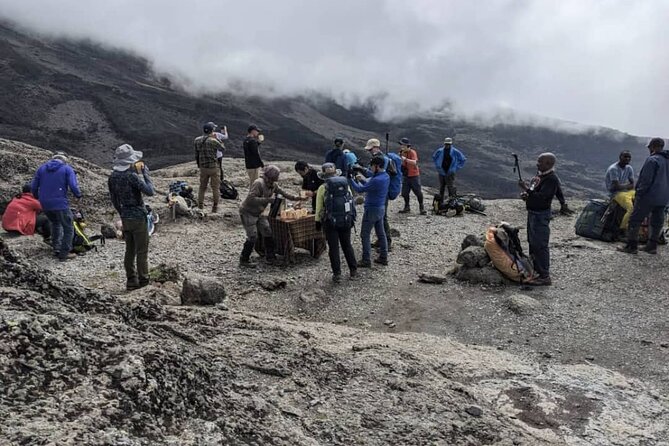
This trek is listed for travelers with moderate physical fitness. In practice, that usually means you can walk for hours on steep ground and you can handle long days without needing constant breaks.
This tour also fits well if you want:
- an organized climb with pickup and transfers
- tents, mattresses, and camp meals handled for you
- the 8-day pace that supports acclimatization
- a private setup where it’s only your group participating
It may not be the best match if you’re trying to travel ultra-budget, because flights, visa, tips, and insurance are not included. It may also not suit you if you’re not comfortable with a demanding night summit push.
Should you book Macpace Tours and Safaris for this Lemosho climb?
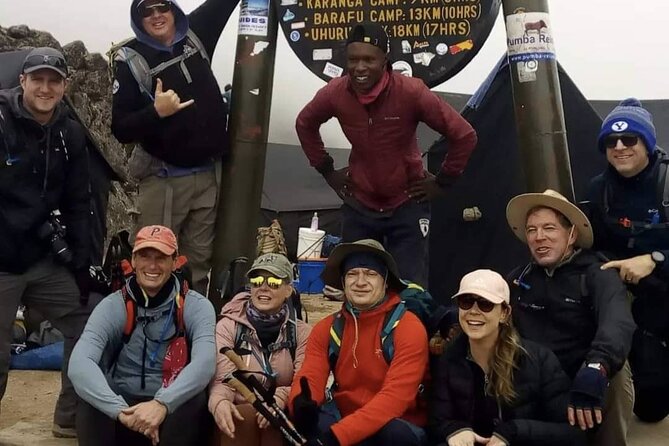
If you’re aiming for a structured Kilimanjaro climb with strong support, I think this is worth your attention. The big reasons are the combination of included safety and comfort (oxygen cylinder, purified water, quality tents) plus the fact that logistics are handled from Moshi through the mountain days and back.
Before you click book, I’d ask yourself three practical questions:
- Can you commit to a moderate fitness level and the night summit schedule?
- Are you okay budgeting extra for the parts not included, like visa, flights, tips, insurance, and personal gear?
- Do you want a private group experience with full staffing, meals, and camp setup covered?
If your answers are yes, you’re choosing a climb that tries to make the mountain manageable, step by step, and that’s the kind of value that matters on Kilimanjaro.
FAQ
What is the duration of the Lemosho Route Kilimanjaro tour?
The tour duration is 8 days (approx.).
Where does the climb start and end?
The trek starts at Lemosho Gate and ends at Mweka Gate, where you receive your summit certificate.
Is airport pickup and drop-off included?
Yes. Airport pick up and drop off are included, along with all transfers to and from the mountain to your Moshi hotel.
What safety and comfort items are included on the mountain?
The package includes an emergency oxygen cylinder and clean, purified drinking water. You also get quality waterproof, four-season tents and sleeping mattresses.
Is this tour private?
Yes. It’s described as a private tour/activity, so only your group will participate.
What’s not included in the price?
Not included are the Tanzania visa, international and domestic flights, personal trekking equipment (rentals may be available), tips and gratuities, personal travel insurance, personal expenses, and liquors, beers, and bottled beverages.
Just posted around Moshi
- machame route★ 5.0 · 16 reviews
- Kilimanjaro Climbing Umbwe Route★ 5.0 · 3 reviews
- Wildlife Extravaganza: Manyara, Tarangire & Ngorongoro in 3 Days★ 5.0 · 3 reviews
- Mt Kilimanjaro 6 days Marangu route hike★ 5.0 · 3 reviews
- 3 Days Private E-Bike Tour in West Kilimanjaro★ 5.0 · 3 reviews
- West Kilimanjaro cycling Adventures★ 4.5 · 8 reviews
- Kilimanjaro Climb • Marangu Route ~ 9 Day★ 5.0 · 4 reviews
- Private Cycle to Kilimanjaro Bike Park Safari★ 5.0 · 6 reviews
Kilimanjaro Climbs, compared.
8-Day Small-group Lemosho Kilimanjaro Summit Trekking
Read our review →
5 Days Best of Tanzania Luxury Safari Northern Circuit
Read our review →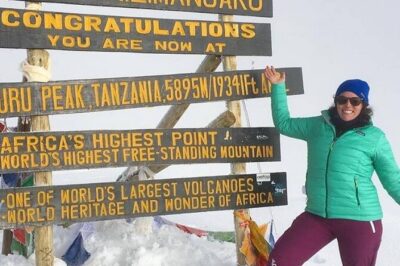
Climbing Kilimanjaro through 7 days Machame Route
Read our review →