
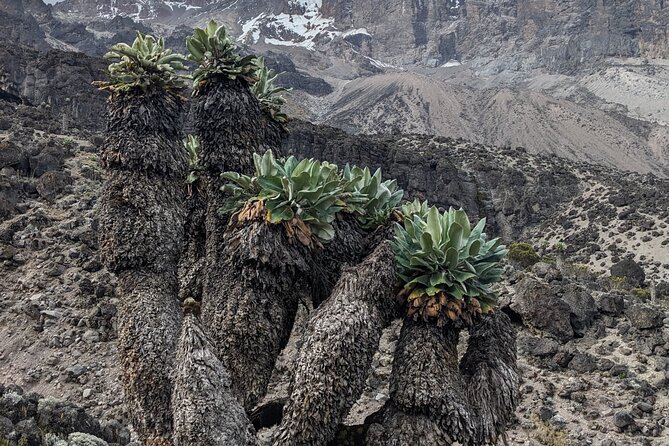
Reviewed · KILIMANJARO CLIMBS
Lemosho Route 7 Days Trekking at Mount Kilimanjaro
Kilimanjaro by the quieter Lemosho Route feels different. In 7 days you’ll climb from rainforest to alpine desert and you’ll have a clear, built-in plan for altitude, not just a big push up. I especially like how this route spreads the work out and how the team support feels organized from Arusha to Mweka Gate.
What I like most: certified guidance and small-group trekking (max 8 people) that keeps things more personal on busy mountains. I also really appreciate that park admission is included, so you are not scrambling to understand fees while you are in the thick of the trip.
One drawback to consider is that summit day is still hard. Even with a good route plan, you start around midnight for the Uhuru Peak push, and altitude can make a strong day feel brutal.
In This Review
- Key points worth knowing before you go
- Why the 7-Day Lemosho feels like a smarter Kilimanjaro plan
- Price and value: what $2,800 per person really covers
- Getting from Arusha to Kilimanjaro: 4×4 ride and permit check
- Day 1: Londorossi Gate to Mti Mkubwa Camp via rainforest
- Day 2: Shira One Camp at 3500m, a steep rhythm-setter
- Day 3: Lava Tower acclimatization to Barranco Camp at 3940m
- Day 4: Barranco Wall to Karanga Camp, shorter hike for recovery
- Day 5: Barafu Camp at 4600m, the summit launchpad
- Day 6: Uhuru Peak at 5895m, then a long descent to Mweka Camp
- Day 7: Mweka Gate finish into the rainforest, certificate day
- How hard is this really, and who should consider it
- The Suricata Safaris team experience, from certified guides to real support
- Day-by-day comfort reality check: what each camp time means
- Quick decision guide: should you book this Lemosho 7-day trek
- FAQ
- How long is the trek on the Lemosho Route?
- Where does the trek start and end?
- What is the highest point on this route?
- What transportation is provided from Arusha?
- Are park admission tickets included?
- How big is the group?
- What meals are included?
- What is not included in the price?
- Is pickup included?
- Can I cancel for a full refund?
Key points worth knowing before you go
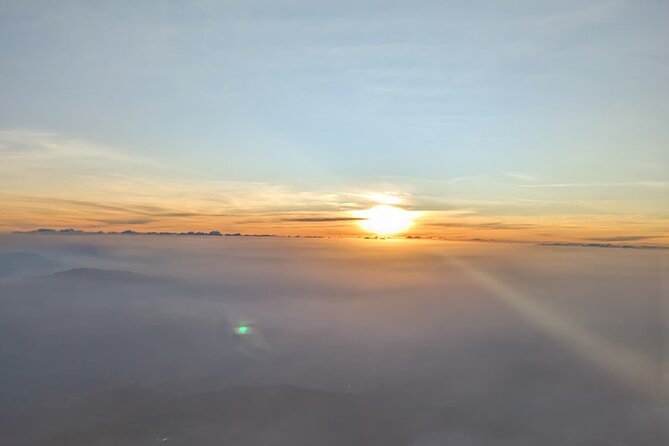
- Lemosho route pacing: longer time on the mountain, with acclimatization built into the daily design
- Small group size (max 8): easier communication, quicker decisions, and less chaos on the trail
- Park admission included: your ticket is handled as part of the trip
- Acclimatization stops that matter: Lava Tower and the Barranco Wall are there for a reason
- Structured meals: breakfasts, lunches, and dinners are scheduled across the trek
Why the 7-Day Lemosho feels like a smarter Kilimanjaro plan
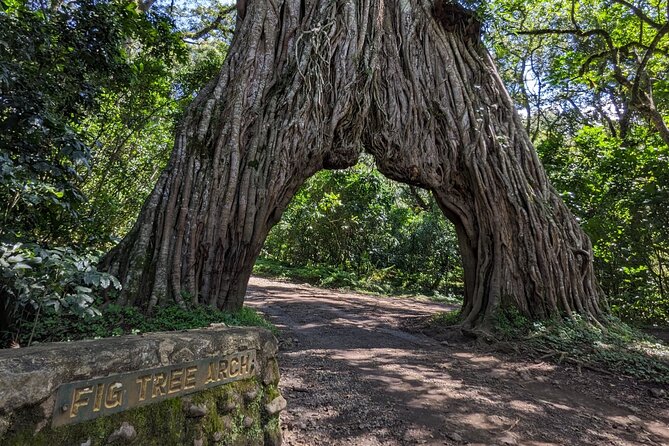
If you want Kilimanjaro without feeling like you are in a moving queue, the Lemosho Route is a solid choice. It is widely used for a reason: the route’s time on the mountain helps your body adjust, and your days do not all feel identical in difficulty.
I also like the way this itinerary builds momentum. You start with a gentler rainforest ascent, then you gradually step up into heath and moorland. By the time you are dealing with the big altitudes, you have already had time to learn your pace.
Finally, the “less traveled” reputation is not just marketing. Fewer people on your stretch of trail usually means fewer slowdowns, less jostling for photos, and a calmer rhythm when you need it most.
More Hiking Trips in Arusha
- 8-Day Small-group Lemosho Kilimanjaro Summit Trekking
★ 5.0 · 186 reviews - Mountain Kilimanjaro Day Hike
★ 5.0 · 102 reviews - Private Full Day Hiking Experience to Marangu Route
★ 5.0 · 61 reviews
Price and value: what $2,800 per person really covers
At $2,800 per person, this is not a bargain-basement option. But it is also not a mystery price. The value shows up in what is included and what is handled for you.
Here is what you do get in the package:
- Certified guide for the full trek
- Breakfast, lunch, dinner across the days on the route (meals are explicitly listed as included)
- Admission ticket included for the park side of things
What you do not get:
- International flights and departure taxes
- Medical, travel, and luggage insurance
For many people, the best “value” is not the food or the vehicle ride, it is the reliability of the whole structure. When the guide is certified, the route is planned day by day, and the park admission is included, you spend less mental energy on logistics and more on actually hiking.
Getting from Arusha to Kilimanjaro: 4×4 ride and permit check
Your trip starts in Arusha, and you begin with transportation by 4×4 Land Cruiser or Land Rover. The ride gets you to Londorossi Gate (2250m) where you spend about an hour handling registration and payment for the permit.
Then you keep driving to the Lemosho starting point around 2100m. This is one of those details that matters more than it sounds. That permit stop is real time, so you want to arrive fresh, not rushed.
Also, the operator offers pickup, and you receive a mobile ticket. There’s no extra “wait until someone tells you where to stand” feeling built into the plan.
Day 1: Londorossi Gate to Mti Mkubwa Camp via rainforest
Day 1 is your on-ramp. After the gate process, you drive to the trailhead and start ascending through rainforest.
You climb about 650m total, from roughly 2100m to 2750m, reaching Mti Mkubwa Camp, also called Big Tree Camp. The rainforest hike covers about 6 km and takes around 3 hours.
Why this matters: this is your first chance to find your breathing and your footing. Rainforest days often feel humid and warm, so go steady. If you sprint early, you will pay later.
Practical note: dinner and overnight stay are set at the campsite, so you are not searching for a meal after you arrive tired.
More Kilimanjaro climbs:
- 5 Days Best of Tanzania Luxury Safari Northern Circuit
★ 5.0 · 174 reviews - 7-Day Machame Kilimanjaro Summit Tour from Arusha
★ 5.0 · 125 reviews - 4 days Best experience Kilimanjaro Hike, Serengeti &Ngorongoro
★ 5.0 · 54 reviews - From Arusha/Moshi: Kilimanjaro Hike Marangu Route Day Trip
★ 4.5 · 54 reviews
Day 2: Shira One Camp at 3500m, a steep rhythm-setter
After breakfast, you head into the heath and moorland zone. Your target is Shira One Camp at 3500m.
Distance is about 13 km, and the itinerary lists about 1100m of ascent. Total hike time is around 6 hours, and it is described as steep enough that you need to manage your pace.
This is where many first-timers learn a big Kilimanjaro lesson: “steady” beats “fast” almost every time. You do not need to move quickly to win. You need to keep your body calm enough to continue day after day.
Dinner and overnight are at the campsite again, so your main job is to finish the day well, not to make a personal best.
Day 3: Lava Tower acclimatization to Barranco Camp at 3940m
Day 3 is a long one, but it is built for altitude success. You start early after breakfast on the way to Barranco Camp (3940m).
A key feature is the stop at Lava Tower (4600m) for acclimatization. The plan has you passing that point, then you push on to Barranco for the night. There’s also a picnic lunch along the way.
Time is about 6 to 7 hours. The route is listed at 10.75 km, with a climb of about 750m up to Lava Tower and another 660m from Lava Tower to Barranco.
Why I like this design: you get a “high point” experience without treating it like the summit. That helps you practice how your body handles thinner air, and it sets you up for the Barranco approach that comes next.
Dinner and overnight are at Barranco Camp.
Day 4: Barranco Wall to Karanga Camp, shorter hike for recovery
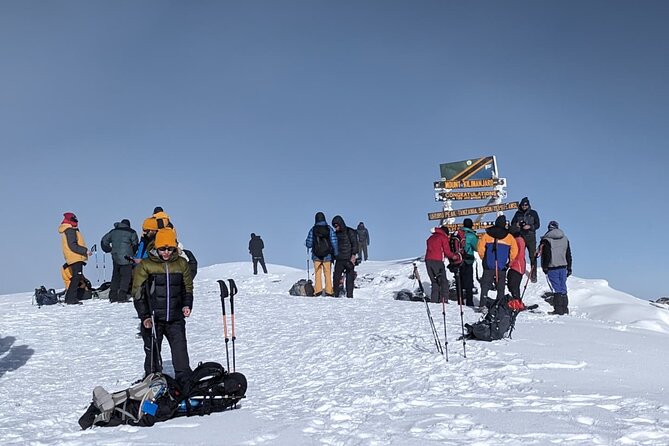
Day 4 starts with the climb of Barranco Wall (4250m) to Karanga Camp (4000m).
This is a more technical-feeling day than the numbers alone might suggest, because a wall climb challenges legs and balance. But the good news is the itinerary keeps it short.
You hike for about 3 to 4 hours over roughly 4.25 km, with about 250m of altitude gain. You also get a hot lunch upon arrival, followed by rest plus an acclimatization walk.
That “recovery plus acclimatization” combo is smart. After the big altitude steps earlier, this kind of day lets you reset without losing the gains you made.
Dinner and overnight are at Karanga Camp.
Day 5: Barafu Camp at 4600m, the summit launchpad
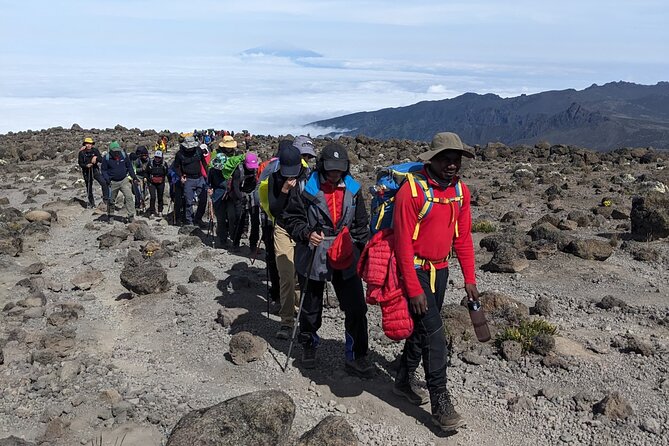
Day 5 moves you into your highest base position before the big night. After breakfast around 8:30 am, you hike through heath and moorland toward Barafu Camp (4600m).
Time is about 3 to 4 hours over about 4.25 km with around 600m ascent. When you arrive, there is hot lunch, then rest. The itinerary has early dinner, followed by sleeping for a few hours.
This is another day where your mindset matters. You are not “training” for fitness. You are storing energy for a midnight start the next day.
If you tend to worry or overthink, try to treat this as a calm staging day: eat, rest, and stay warm.
Day 6: Uhuru Peak at 5895m, then a long descent to Mweka Camp
Day 6 is summit day. The schedule starts around 12:00 am, when you wake, pack essentials, and begin with hot drinks and snacks.
You then climb to Uhuru Peak (5895m). The trek time listed is 6 to 7 hours, with about 4.86 km of distance and an elevation gain around 1295m.
After the summit, you descend to Barafu Camp for breakfast, about 3 hours down. Then you continue past the descent into alpine desert, heath, and moorland until you reach the rainforest’s edge at Mweka Camp (3100m).
The itinerary lists the full descent distance from Uhuru Peak to Barafu and then to Mweka Camp as about 11.5 km, with a total altitude decrease of about 2795m.
This day is the “succeed or struggle” hinge for many hikers. Even for people who are in great shape, altitude and cold make the summit push feel different than training back home. The trick is to pace carefully and accept that you are working against your breathing, not against a clock.
Dinner and overnight are at Mweka Camp.
Day 7: Mweka Gate finish into the rainforest, certificate day
On day 7, you hike from Mweka Camp down to Mweka Gate (1800m) after breakfast.
The trek is about 3 to 4 hours through rainforest, covering around 9.1 km with a descent of about 1400m.
When you reach the gate, if you summited successfully, you receive a certificate. Then you meet your vehicle and get transferred back to Jevas Hotel in Arusha.
This is a surprisingly emotional part of the trip. You are tired, your body feels different after summit day, and then suddenly you are back at a place where the hard work is officially done.
How hard is this really, and who should consider it
The itinerary is listed as best for moderate physical fitness. That sounds friendly, but Kilimanjaro is still high altitude and still long hours.
The most demanding element is the summit day. The itinerary has you starting near midnight and climbing about 5895m. The guide’s pacing and your ability to move steadily at altitude often matters more than raw fitness.
You should also be ready for weather swings. One of the strongest clues from real trekking experiences is that rain can show up for long stretches. Plan for wet conditions mentally, not just in your head.
Who it suits best:
- People who want a thoughtful acclimatization-focused plan
- Hikers who like clear daily structure (camp, meals, timing)
- Small groups that prefer a more controlled experience than major-route crowds
The Suricata Safaris team experience, from certified guides to real support
A big part of why this trip gets strong feedback is the human side. You’re not just booking a route, you’re joining a working team.
The tour includes a certified guide, and based on the names that have been mentioned, you might trek with guides such as Mike and Freddie, or other leaders like Freddy, Modest, and Teacher. (Availability can vary by group, but these names show the kinds of professionals the operator uses.)
On the support side, you can expect a team approach. One group described having a cook and 9 porters with their guides. Another described a larger group total on the mountain. Either way, the pattern is clear: the operation relies on both guiding and portering to keep you moving safely and comfortably.
Why you should care: when you have good team coordination, logistics feel smoother, and you spend less time guessing what happens next.
Day-by-day comfort reality check: what each camp time means
You camp each night, and meals are scheduled, which helps. Still, camp life on Kilimanjaro is simple. You will be cold some nights, you will be tired, and you will want to manage energy.
Here’s how each camp stage supports the bigger picture:
- Mti Mkubwa Camp (2750m): your first real rest, after rainforest effort
- Shira One Camp (3500m): after a steep climb, you need calm recovery
- Barranco Camp (3940m): the acclimatization rhythm continues, plus a base for Day 4
- Karanga Camp (4000m): a shorter day with rest and an acclimatization walk
- Barafu Camp (4600m): close to summit start, for rest and preparation
- Mweka Camp (3100m): after summit, you’re descending into your first real relief
The overall message: these camp nights are part of the altitude plan, not just a place to sleep.
Quick decision guide: should you book this Lemosho 7-day trek
I think you should book this trek if you want:
- a 7-day schedule with gradual altitude steps
- park admission included and a certified guide
- a route that avoids the most crowded feel by going Lemosho
I would hesitate if you know you struggle with summit-night effort, because Day 6 is non-negotiable in timing and difficulty. You can be fit and still find altitude tough, so be honest about your comfort level with midnight starts and cold conditions.
If you want a structured climb with real support and a strong chance to manage altitude well, this is a very practical way to tackle Kilimanjaro.
FAQ
How long is the trek on the Lemosho Route?
The trek is about 7 days.
Where does the trek start and end?
It starts in Arusha, and after reaching Mweka Gate on the final day, you are transferred back to Arusha to Jevas Hotel.
What is the highest point on this route?
The itinerary includes a summit attempt to Uhuru Peak at 5895m.
What transportation is provided from Arusha?
You travel by 4×4 Land Cruiser or Land Rover from Arusha to Londorossi Gate and then to the Lemosho starting point.
Are park admission tickets included?
Yes, admission tickets are included for the trek.
How big is the group?
The tour has a maximum of 8 travelers.
What meals are included?
The package includes breakfast for 6 days, lunch for 7 days, and dinner for 6 days, as listed in the inclusions.
What is not included in the price?
International flights and departure taxes, plus medical, travel, and luggage insurance, are not included.
Is pickup included?
Yes, pickup is offered.
Can I cancel for a full refund?
You can cancel up to 24 hours in advance for a full refund. If you cancel less than 24 hours before the start time, the amount paid is not refunded.
More Hiking & Trekking in Arusha
- 4 Days Mount Meru Trekking
★ 5.0 · 55 reviews - 6 Days Serengeti Safari(hiking waterfalls &coffee tour)
★ 5.0 · 48 reviews - Arusha: Napuru Waterfalls Guided Hike
★ 4.8 · 39 reviews - Mount Kilimanjaro Day Hike Through Marangu Route to Mandara Hut
★ 5.0 · 37 reviews
Just posted around Arusha
- 8 Days Serengeti Migration safari★ 5.0 · 11 reviews
- tarangire & ngorongoro 2 days tour★ 5.0 · 14 reviews
- serengeti, ngorongoro & tarangire 4 days private tour★ 5.0 · 18 reviews
- tarangire, ngorongoro & lake manyara park 3 days private tour★ 5.0 · 11 reviews
- Mt. Kilimanjaro: Shira plateau to Cathedral point 3872m Day hike★ 5.0 · 7 reviews
- serengeti & ngorongoro 3 days private tour★ 5.0 · 15 reviews
- climb the KILIMANJARO via Lemosho route★ 5.0 · 4 reviews
- Kilimanjaro Waterfalls Hike & Moshi Hot Springs Day Trip Tour★ 5.0 · 4 reviews
Kilimanjaro Climbs, compared.
8-Day Small-group Lemosho Kilimanjaro Summit Trekking
Read our review →
5 Days Best of Tanzania Luxury Safari Northern Circuit
Read our review →
Climbing Kilimanjaro through 7 days Machame Route
Read our review →
Browse the lists this tour appears in