Reviewed · KILIMANJARO CLIMBS
Kilimanjaro Summit Challenge: 6 Days via Marangu Route
Kilimanjaro starts with a rainforest walk. This 6-day Marangu Route on the classic Coca-Cola-style itinerary is one of the most straightforward ways up, with comfortable hut nights that cut down on the gear-and-shelter stress. I like that it is built around a clear rhythm of ascent and rest, so you always know what comes next.
I also like the way the plan handles altitude with an extra acclimatization hike day, not just a straight line upward. The one real drawback to plan for is the summit-day grind, you start around midnight and can spend 10 to 14 hours hiking in cold, steep conditions over scree and volcanic rock.
In This Review
- Key things that make this Kilimanjaro plan work
- The Marangu Route, a classic hut-based climb out of Moshi
- Price and logistics: what $2,213 buys you, and what it does not
- Day 1: Mandara Huts and your rainforest introduction at 1,870 m to 2,720 m
- Day 2: Horombo Hut, moorland breathing room, and the first big views
- Day 3: Mawenzi ridge acclimatization at 4,600 m without going full summit
- Day 4: Kibo Huts and the jump into alpine desert at 4,703 m
- Day 5: Midnight start to Gilman’s Point and Uhuru Peak, then down to Horombo
- Day 6: Descent through moorlands and rainforest back to Moshi, plus summit certificates
- What is included, and what you should plan to bring yourself
- Guides and day-to-day support at altitude, the part you feel most
- Who this Kilimanjaro Marangu trek is best for
- Should you book the Kilimanjaro Summit Challenge via Marangu?
- FAQ
- How long is the Kilimanjaro trek on this Marangu route?
- Where does the experience start and end?
- Does the package include airport transfers?
- What kind of overnight accommodations are used?
- What are the key days for acclimatization and the summit push?
- Is emergency oxygen included?
- What meals and water are included?
- What important items are not included for you to bring?
- Are visas, flights, and insurance included?
- How late can I cancel for a full refund?
Key things that make this Kilimanjaro plan work
- Hut sleeping on Marangu makes the trek more comfortable than tent-only routes
- Rainforest to moorland to alpine desert transitions so your body gradually adjusts
- A Mawenzi ridge acclimatization hike at 4600 m helps you prepare for the summit push
- Summit strategy includes Gilman’s Point before continuing to Uhuru Peak
- Emergency oxygen is included for emergencies only, not as summit support
- Meals plus daily hot water and drinking water reduce what you must manage on the trail
The Marangu Route, a classic hut-based climb out of Moshi
If you are drawn to Kilimanjaro but want the logistics kept simple, Marangu is the name people gravitate to. It is the best-known route in this 6-day challenge because it uses established mountain huts for overnight stays, so you are not constantly thinking about shelter setup.
That comfort matters more than you might think. On Kilimanjaro, the big enemies are cold, fatigue, and altitude uncertainty. When you can sleep in huts and focus on rest, warmth, and steady pacing, your day-to-day life on the mountain gets easier.
This plan also starts you from Moshi, which gives you a proper low-altitude baseline before the climb. You drive to the park gate on Day 1 to register, then you start hiking from Mandara.
More Kilimanjaro climbs:
- Kilimanjaro climb by Lemosho Route (7-day)
★ 5.0 · 651 reviews - Kilimanjaro climb, Machame Route (7-day)
★ 5.0 · 262 reviews - Kilimanjaro Climbing Lemosho Route 8 Days.
★ 5.0 · 186 reviews
Price and logistics: what $2,213 buys you, and what it does not
At $2,213 per person for a 6-day trip, the value is in what is already handled for you. You get return transfers between Kilimanjaro airport and Moshi (and back again), plus all the major mountain staff costs like guides, assistant guides, porters, and cook wages.
You also get emergency oxygen plus basic first aid. It is specifically for emergencies only, not for helping anyone reach the summit. Still, having it in the system is a reassuring part of the package.
Meals are another big value piece. The plan includes breakfast (5 days), lunch (6 days), and dinner (6 days). Daily drinking water and hot water for washing are included as well, which helps a lot on a multi-day mountain where hygiene is not just comfort, it is morale.
What is not included is equally important:
- Visas and flights
- Health and travel insurance
- Yellow fever vaccination is compulsory
- Personal hiking gear (renting is possible in Tanzania)
- Portable toilet, personal medicine, and water purifying tablets are not included, though a portable toilet is recommended
So, the real question is not just whether the price looks affordable. It is whether you want to pay for a turnkey mountain setup, with fewer blanks to fill in yourself.
Day 1: Mandara Huts and your rainforest introduction at 1,870 m to 2,720 m
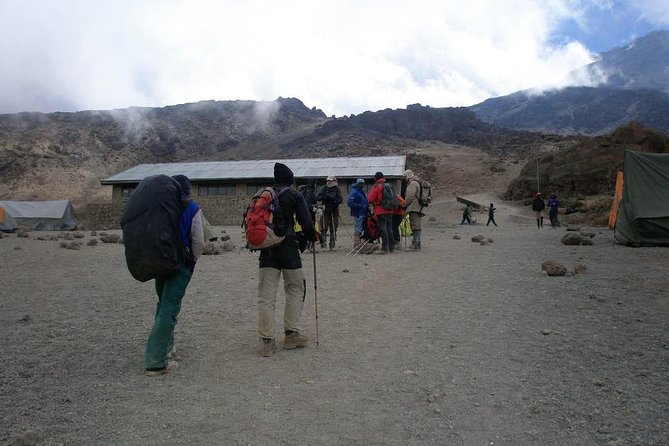
Day 1 is your ramp-up. After breakfast, you drive to Marangu Gate to register, then begin hiking into the dense rainforest. This part is typically where hikers discover the first Kilimanjaro lesson, your effort can feel smaller than it is because the air is wet, warm, and your legs start working even when you feel like you are moving slowly.
You cover about 8 km in 3 to 4 hours, ending at Mandara Hut around 2,720 m. Wildlife is possible in the forest, with Colobus monkeys something you might spot if you are lucky.
What I like about Day 1 pacing is that it is short enough to let you settle in. It also gives you time to practice your rhythm, such as how often you drink, how you manage layers, and how you walk when your body is adapting.
Day 2: Horombo Hut, moorland breathing room, and the first big views
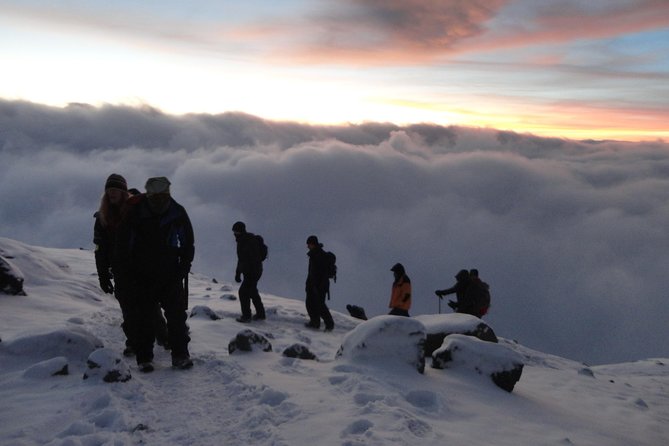
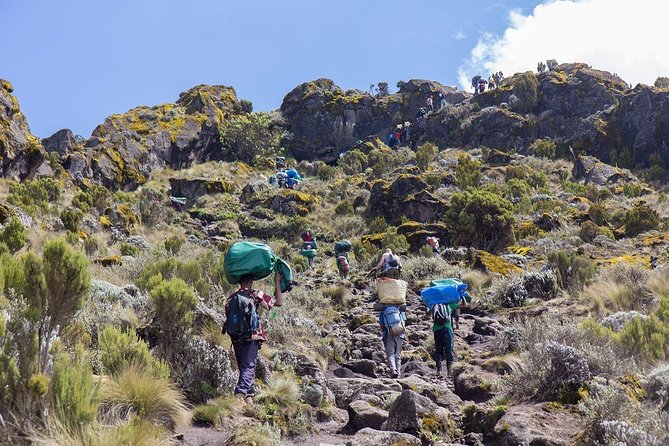
On Day 2, you hike about 12 km over 6 to 7 hours while climbing from roughly 2,720 m to around 3,720 m. The terrain changes as you leave the last part of the rainforest and move into rolling moorlands.
This is where you start noticing the mountain in a new way. The air opens up, your steps feel different, and the views toward major peaks become part of your daily experience. You arrive at Horombo Hut, with standout views toward Kibo and Mawenzi.
For many hikers, Horombo is the emotional checkpoint of the climb. You are higher than you thought possible at the start, and you can feel that the mountain is now serious business.
A balanced consideration: even though this is not the summit push, the time on your feet is longer than Day 1. If you push too hard early in the week, you will feel it later, especially on the longest day.
A few more Moshi trips to compare
- Safari Serengeti And Ngorongoro
★ 5.0 · 288 reviews - Climbing Kilimanjaro – Machame Route
★ 5.0 · 170 reviews - Climbing Kilimanjaro through 7 days Machame Route
★ 5.0 · 151 reviews - Kilimanjaro climb, Lemosho Route (8-day)
★ 5.0 · 148 reviews
Day 3: Mawenzi ridge acclimatization at 4,600 m without going full summit
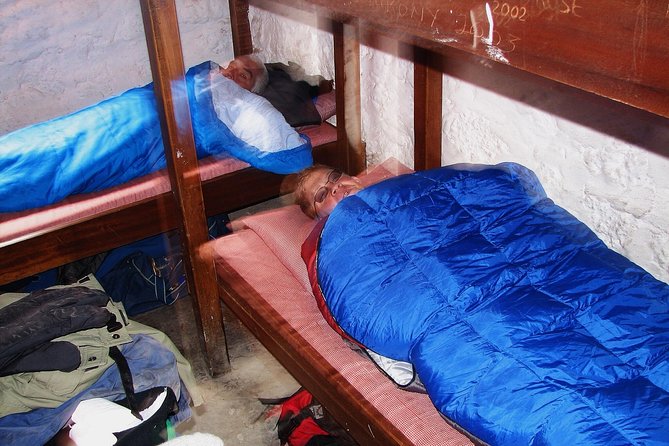
Day 3 is an acclimatization day with a purpose. You start at Horombo Hut, and while the plan includes time for your body to adjust, you also get a day hike to Mawenzi ridge at 4600 m.
The hike takes about 4 hours, and you have lunch at Mawenzi ridge before descending back to Horombo for dinner and overnight. This day matters because altitude does not negotiate. It just accumulates.
The practical payoff is that you learn how the higher air affects your breathing while you are still close to your base hut. That makes the later summit-day cold and steep climbing feel more familiar, and it helps you avoid the common mistake of treating the summit as a separate adventure instead of the hardest part of the same trip.
If you tend to feel anxious when a day gets uncertain, this kind of acclimatization step can actually calm you down, because you have a clear schedule and a guided plan.
Day 4: Kibo Huts and the jump into alpine desert at 4,703 m
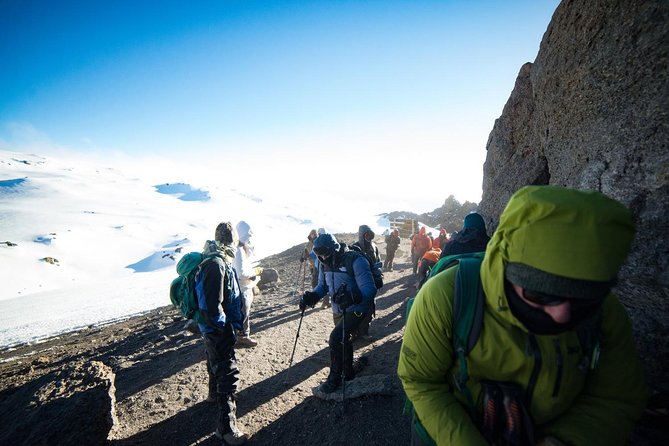
By Day 4, the climb gets tougher underfoot. You travel around 10 km in 5 to 6 hours, rising from about 3,720 m up to 4,703 m at Kibo Hut.
The big change is the shift into alpine desert. The ground can feel rougher and more exposed, and the air keeps tightening. This is also the day when you really want to manage energy carefully, because Kibo Hut is your final stop before the summit push.
This is a good day to think about what you carry. Even with porters and staff support, your personal comfort choices matter. Cold protection, drinking enough, and keeping your body moving at an efficient pace all pay off tomorrow.
Day 5: Midnight start to Gilman’s Point and Uhuru Peak, then down to Horombo
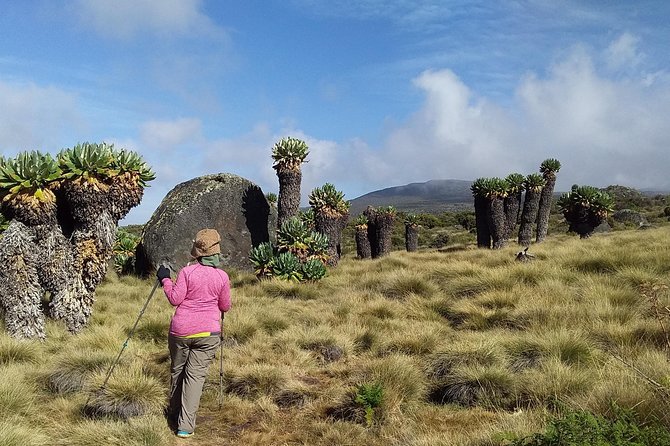
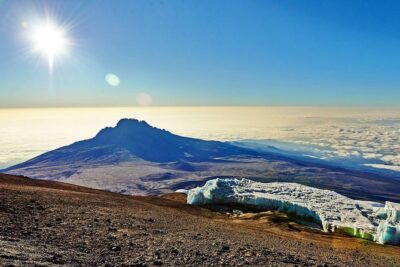
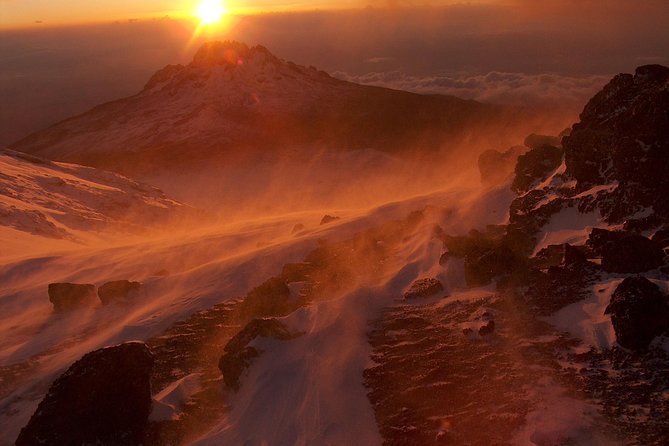
Summit day is long. You begin the push around midnight, ascending steeply over scree and volcanic rock. The plan routes you to Gilman’s Point at 5,685 m, then onward to Uhuru Peak at 5,895 m, the highest point on Kilimanjaro.
Expect the total hiking time to run 10 to 14 hours, with the highlight being sunrise from the Roof of Africa. That means you are not just climbing to a high point, you are climbing through the coldest part of the night toward a very specific reward: light coming up over the summit.
After reaching Uhuru, you descend back to Kibo Hut for a short rest, then continue down to Horombo Hut for the night. The descent is often physically demanding too. Your legs can feel heavy, and your balance matters on loose rock.
If there is one day that decides how the trip feels overall, it is this one. The planning strength here is that you have acclimatization earlier, hut support, and staff checks, rather than forcing everyone into a single brutal push.
Day 6: Descent through moorlands and rainforest back to Moshi, plus summit certificates
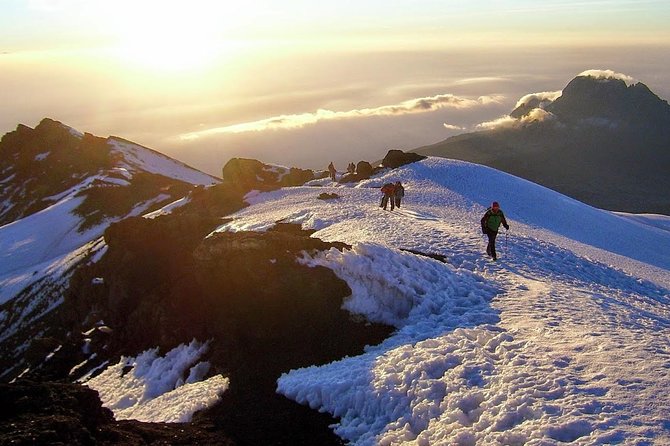
Day 6 turns the mission into a relief march. You descend from about 3,720 m down through moorlands and rainforest, passing Mandara Hut on the way down to Marangu Gate.
The hike is about 20 km and typically 6 to 7 hours. When you reach Marangu Gate, you receive your summit certificates, then you are driven back to Moshi for a celebratory evening.
A practical note: descent still takes stamina. Your pace will likely be faster than you expected, but your knees and feet do the real work. This is where having the right sock and boot comfort really matters, even though the trip includes a lot for you.
What is included, and what you should plan to bring yourself
Here is the clean breakdown of what the package covers:
- Return transfers between Moshi and Kilimanjaro airport
- Qualified mountain guide, assistant guides, porters, and cook, including their wages
- Emergency oxygen and a basic first aid kit (emergency use only)
- All fees and taxes
- Drinking water plus hot water for a wash daily
- Meals: breakfast (5), lunch (6), dinner (6)
Now, what you should plan around:
- Personal hiking gear is not included, though renting is available in Tanzania
- A portable toilet is optional but highly recommended
- Bring personal medicine and water purifying tablets since they are not included
- Flights and visa needs are not included, and yellow fever vaccination is compulsory
This mix matters because it tells you what kind of traveler the trip fits. It is ideal if you want support for the big moving parts, but still want to handle your own health essentials and clothing choices.
Guides and day-to-day support at altitude, the part you feel most
The best part of a Kilimanjaro trek is not a view card. It is how safe and steady you feel while the altitude does its thing.
In feedback tied to this style of trip, the team is described as doing health checks twice a day. That is not a small detail on Kilimanjaro. It is a real tool for catching issues early, before they turn into emergencies.
Support also shows up in practical ways. The mountain staff are credited with helping with gears and giving assistance with bags when it was most needed. Names mentioned include guides such as Sele and Abdul, and they are praised for making tough terrain manageable.
That is the heart of the value here. When your body is tired and conditions change fast, good guiding turns uncertainty into steps you can follow.
Who this Kilimanjaro Marangu trek is best for
This plan says most people can participate, which makes it a solid option if you are healthy and ready for altitude challenges. The best fit tends to be:
- First-time Kilimanjaro hikers who prefer hut accommodations
- People who want a structured acclimatization plan, including a dedicated Mawenzi ridge hike
- Travelers who like having meals, hot water for washing, and staff logistics handled
It may be a less comfortable fit if you:
- Strongly dislike very early summit schedules, you start around midnight
- Prefer a lighter, DIY approach, because this package includes staff support but still expects you to bring key personal items like medicine and optional toilet gear
Fitness-wise, you do need stamina. Day 5 alone can be a 10 to 14 hour day. Day 6 also stays active with a 20 km descent.
Should you book the Kilimanjaro Summit Challenge via Marangu?
I would book this if you want the classic, well-established Kilimanjaro path with hut nights, clear daily goals, included meals, and a team that provides hands-on support and emergency readiness.
I would hesitate if you dislike long summit-day hours or you are not ready for the cold and steep segments over scree and volcanic rock. The climb is demanding, even with excellent guidance.
If you want help choosing, decide based on two things: your willingness to do a midnight start, and your preference for structured support and huts versus more rugged camping logistics.
FAQ
How long is the Kilimanjaro trek on this Marangu route?
The trek is listed as 6 days approximately.
Where does the experience start and end?
It starts at Moshi Urban, Tanzania, and ends back at the same meeting point.
Does the package include airport transfers?
Yes. Return transfers between Kilimanjaro airport and Moshi, and Moshi to Kilimanjaro airport are included.
What kind of overnight accommodations are used?
The route uses hut stays, including nights at places like Mandara Hut, Horombo Hut, and Kibo Hut.
What are the key days for acclimatization and the summit push?
You hike to Mawenzi ridge for acclimatization on Day 3, then you start the summit push on Day 5 around midnight to reach Gilman’s Point and Uhuru Peak.
Is emergency oxygen included?
Yes. Emergency oxygen is included for use in emergencies only, not as summit aid.
What meals and water are included?
The plan includes breakfast (5), lunch (6), and dinner (6). Fresh drinking water and hot water for a wash daily are also included.
What important items are not included for you to bring?
Personal hiking gear is not included, and optional but highly recommended items include a portable toilet, personal medicine, and water purifying tablets.
Are visas, flights, and insurance included?
No. Visas and flights are not included, and health and travel insurance are also not included. Yellow fever vaccination is compulsory.
How late can I cancel for a full refund?
You can cancel up to 3 days in advance for a full refund. If you cancel less than 3 days before the experience’s start time, the amount paid will not be refunded.
Just posted around Moshi
- machame route★ 5.0 · 16 reviews
- Kilimanjaro Climbing Umbwe Route★ 5.0 · 3 reviews
- Wildlife Extravaganza: Manyara, Tarangire & Ngorongoro in 3 Days★ 5.0 · 3 reviews
- Mt Kilimanjaro 6 days Marangu route hike★ 5.0 · 3 reviews
- 3 Days Private E-Bike Tour in West Kilimanjaro★ 5.0 · 3 reviews
- West Kilimanjaro cycling Adventures★ 4.5 · 8 reviews
- Kilimanjaro Climb • Marangu Route ~ 9 Day★ 5.0 · 4 reviews
- Private Cycle to Kilimanjaro Bike Park Safari★ 5.0 · 6 reviews
Kilimanjaro Climbs, compared.
8-Day Small-group Lemosho Kilimanjaro Summit Trekking
Read our review →
5 Days Best of Tanzania Luxury Safari Northern Circuit
Read our review →
Climbing Kilimanjaro through 7 days Machame Route
Read our review →