Reviewed · KILIMANJARO CLIMBS
Kilimanjaro Private Climbing in 6 Days Marangu Route
Kilimanjaro feels big, but this 6-day Marangu plan is built to manage it. You get a private climb out of Moshi, with strong on-mountain support, hut-to-hut structure, and a summit push timed for sunrise odds.
What I like most is the day-to-day support system: daily health checks, fresh meals, and a guide team that focuses on getting you moving safely at altitude.
One thing to consider is that Marangu can still be physically demanding, especially the cold, steep, switchback grind at night on summit day. If you’re not comfortable with very early starts and scree underfoot, you’ll feel it.
In This Review
- Quick Take: What Makes This Private 6-Day Marangu Climb Work
- What You Are Really Buying: Private Support on the Marangu Route
- Route Reality Check: Why Marangu Feels Structured, Even When It’s Hard
- Day 1: Moshi to Mandara Hut, Rainforest to Slippery Trails
- Day 2: Mawenzi Views and Horombo Huts
- Day 3: Acclimatization at Horombo, Zebra Rocks to Mawenzi Base Camp
- Day 4: Saddle Crossing, Kibo Hut, and the 4130m Water Limit
- Day 5: Midnight Start, Gillman’s Point Sunrise, and Uhuru Peak Push
- Day 6: Descent, Mandara Lunch, Team Bonding, and Summit Certificates
- The Huts, Food, and Cold Weather Reality (What You’ll Notice Most)
- Price and Value: What $2,000 Covers on a Private 6-Day Climb
- Who Should Choose This Climb (and Who Might Think Twice)
- Practical Tips That Help You Get the Best Outcome
- Should You Book This Private 6-Day Marangu Climb?
- FAQ
- How many days is the Kilimanjaro private climbing trip?
- Where does the tour start, and is airport pickup included?
- What route is used, and which huts do you stay in?
- What kind of guide support is included for the climb?
- What safety items are included for emergencies and altitude?
- Are meals and drinking water included on the mountain?
- Do I need travel insurance, and what altitude should it cover?
- What is the cancellation policy for this experience?
Quick Take: What Makes This Private 6-Day Marangu Climb Work
- Private service, with a 4:1 support staff ratio so you are not hiking alone in a crowd.
- Emergency oxygen cylinders on the route, plus access to first aid.
- Marangu huts on wooden A-framed Mandara and Horombo options, with Kibo Hut before the summit push.
- Acclimatization built in, including a full extra day at Horombo.
- Summit sunrise staging at Gillman’s Point, where you may catch the most famous morning light.
- Guide experience and safety training, including Wilderness first responder certification.
What You Are Really Buying: Private Support on the Marangu Route
This trip is not just a ticket to Kilimanjaro. You’re buying a system that tries to keep altitude, pace, and comfort under control.
First, you’re guided by a team with a minimum of 8 years climbing experience on Kilimanjaro, and they are certified for Wilderness first responder. In plain terms, that matters because altitude emergencies are not theoretical. This operator also emphasizes daily health checks throughout the trek, which helps catch issues early, before they become ugly.
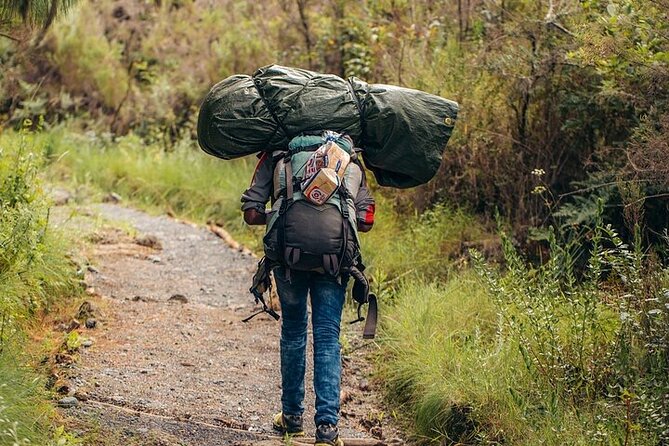
Second, the support staffing ratio is about 4:1 (guides, cooks, porters, and other support staff relative to climbers). That usually translates into two very real things for you: your bags are carried, and your guide can spend more time watching how you’re doing, not just shepherding you down a trail.
Finally, they run with practical safety elements: the climb includes access to a first aid kit and emergency oxygen cylinders. You hope you never need those. But having them on the mountain changes the mood, because you can take the summit night seriously without panicking.
More Kilimanjaro climbs:
- Kilimanjaro climb by Lemosho Route (7-day)
★ 5.0 · 651 reviews - Kilimanjaro climb, Machame Route (7-day)
★ 5.0 · 262 reviews - Kilimanjaro Climbing Lemosho Route 8 Days.
★ 5.0 · 186 reviews
Route Reality Check: Why Marangu Feels Structured, Even When It’s Hard
Marangu has a reputation for being one of the more straightforward Kilimanjaro routes, mostly because it uses huts rather than tents. That affects your experience immediately.
You’ll sleep at:
- Mandara Hut on Day 1
- Horombo Huts on Days 2 and 3
- Kibo Hut on Day 4 before summit night
Huts mean you’re dealing with cold, but not setting up camp in freezing wind. Still, Marangu is not a walk in the park. The terrain changes fast. Day 1 can be muddy and slippery in the rainforest zone. Day 4 shifts into a moonscape feel as the landscape around the Mawenzi and Kibo saddle opens up. Then summit night throws you into heavy scree with the possibility of snow.
The good part for you is pacing. This 6-day format includes a whole extra acclimatization day at Horombo, and that can make a difference in how your body handles the climb upward. The hardest piece is always the same on Kilimanjaro: the summit push is mental and physical, and it starts very early.
Day 1: Moshi to Mandara Hut, Rainforest to Slippery Trails
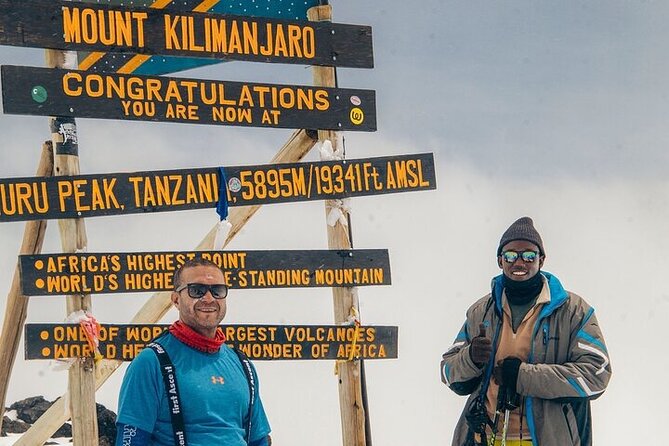
Day 1 starts with a about 60-minute drive from Moshi to the Kilimanjaro National Park gate. You’ll pass through the Village of Marangu, then arrive at the park area where permits get issued. That waiting period matters more than it sounds. You get time to settle, meet your team, and absorb what the day will require.
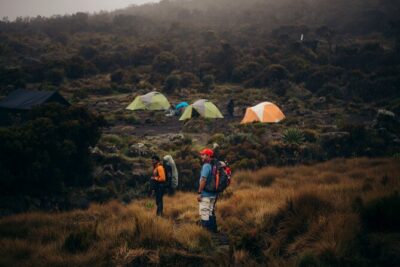
Once you start, you’re in rainforest scenery with guide talk about local flora, fauna, and wildlife. It’s also the part of the hike where footing can betray you. At the lower elevations, the trail can be muddy and slippery, so you’ll do better if you travel with rain gear and trekking poles.
You’ll end Day 1 at Mandara Hut, described as group wooden A-framed huts in a forest clearing. Huts are practical, but they also remind you you’re in Africa at altitude, not a resort. Expect damp air, cool evenings, and gear management. Keep your essentials reachable, because you will not want to unpack everything every time the weather changes.
Day 2: Mawenzi Views and Horombo Huts
Day 2 starts after a hearty breakfast. Then the trail gradually changes character. You’ll leave rainforest behind and move into heathland, where you may spot giant lobelias and groundsel. From there, the hike opens into mooring grassland style terrain with small shrubs dominating the view.
This is a great day to watch your own pace. It’s long enough to feel the altitude, but the landscape also gives you moments of distraction, especially during breaks. There’s a lunch stop halfway, timed for views of Mawenzi. If you’re hungry for photos, this is one of your best windows.
Later, you reach Horombo Huts in the late afternoon, under a viewpoint toward Kibo. Temperatures start to drop here, so don’t treat the air as harmless. Bring layers that you can add quickly, because warmth becomes a strategy on Kilimanjaro, not a luxury.
A few more Moshi trips to compare
- Safari Serengeti And Ngorongoro
★ 5.0 · 288 reviews - Climbing Kilimanjaro – Machame Route
★ 5.0 · 170 reviews - Climbing Kilimanjaro through 7 days Machame Route
★ 5.0 · 151 reviews - Kilimanjaro climb, Lemosho Route (8-day)
★ 5.0 · 148 reviews
Day 3: Acclimatization at Horombo, Zebra Rocks to Mawenzi Base Camp
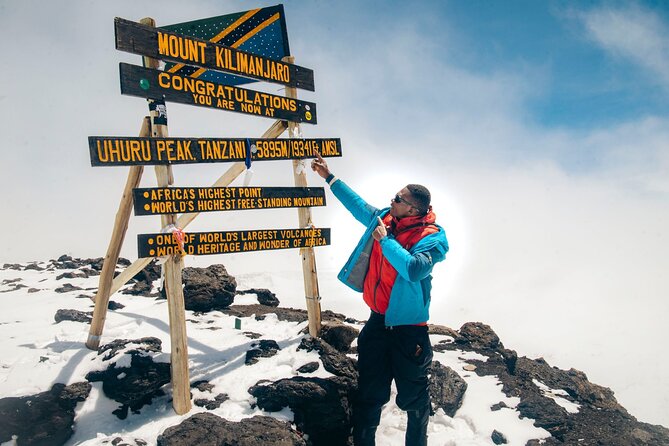
Day 3 is a gift day. You stay at Horombo for a full day, meaning you can either rest at the huts or take a stroll toward Mawenzi base camp, then return.
The optional route goes past Zebra Rocks, which is a specific landmark and a nice way to make your day feel like more than just sitting. The goal is acclimatization. You’re giving your body time to adjust to higher elevation, and you’re also learning what the weather is like when you’re already tired.
If you have minimal experience climbing mountains, this is the day you’ll feel most thankful for. Going higher without giving your body a chance to adapt is where summit hopes go to die. This extra day is built to help you avoid that.
Day 4: Saddle Crossing, Kibo Hut, and the 4130m Water Limit
Day 4 shifts from “pretty hike” into “let’s get ready for summit night.”
After breakfast, you continue through heathland that thins into a moonscape as you enter the saddle connecting Mawenzi and Kibo. Lunch happens here, and later you cross this surprisingly wide saddle. It’s a strange-feeling place, because the view is dramatic but the air can be sharp.
Then comes an important practical detail: the last place where water is available is at 4130m. You need to treat this as a fueling checkpoint. Your guide’s instructions matter here because your hydration schedule affects how you feel during the summit push.
From Kibo Hut, the summit is now a further 1195m of ascent. That means you’re not just “walking up.” You’re transitioning from the day hike world into steep, cold, and slow altitude travel.
You’ll spend the night at Kibo Hut, and you’ll do so early. The plan is to go to bed early so you can rest for summit night.
Day 5: Midnight Start, Gillman’s Point Sunrise, and Uhuru Peak Push
This is the big one. Your morning starts extremely early, between midnight and 2 a.m. The reason you go at this time is simple: you need daylight conditions and stable weather windows, plus you’re aiming for sunrise on the way.
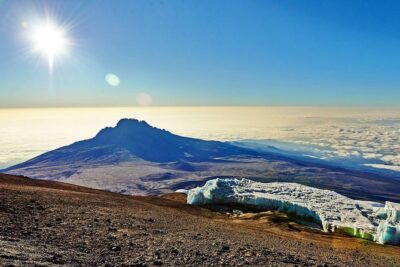
The ascent moves in switchback formation. You’ll be working through heavy scree and possibly snow as you head toward Gillman’s Point on the crater rim. That part is mentally tough because your world is mostly your footing and your breath.
Then you get the payoff. At Gillman’s Point, you’re rewarded with the most magnificent sunrise during your short rest. Faster hikers may be able to view sunrise from the summit itself, but even if you don’t, the crater-rim sunrise moment is a major highlight of the route.
After Gillman’s Point, you have about one remaining hour ascent to Uhuru Peak. That final leg is where emotions show up, sometimes as pure excitement, sometimes as frustration from cold and fatigue. This is exactly where a good guide makes a difference. Staying warm and focused is the job.
Also remember: the climb includes emergency oxygen access and first aid. On summit day, that safety net doesn’t replace careful movement, but it supports a calm, controlled plan.
Day 6: Descent, Mandara Lunch, Team Bonding, and Summit Certificates
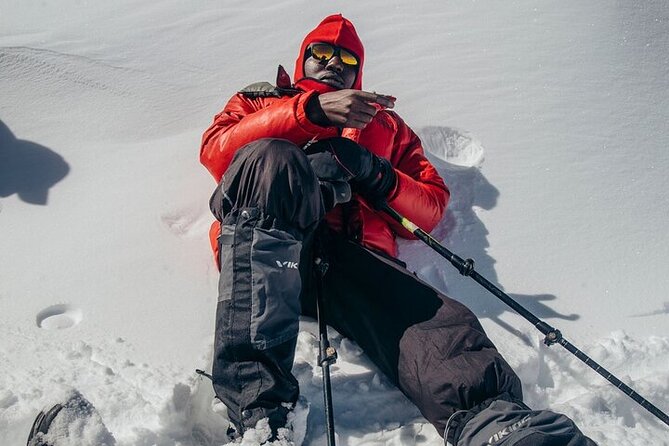
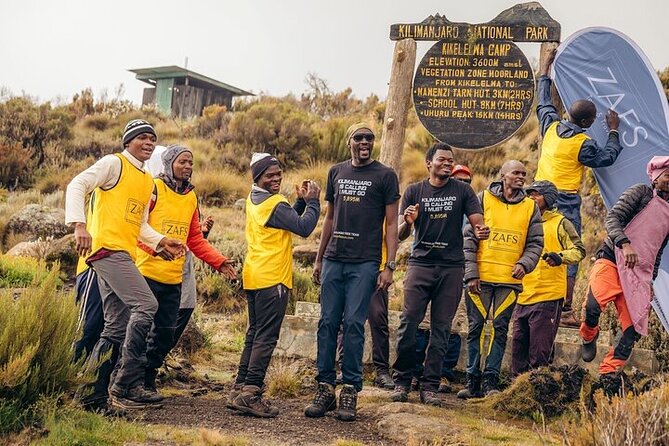
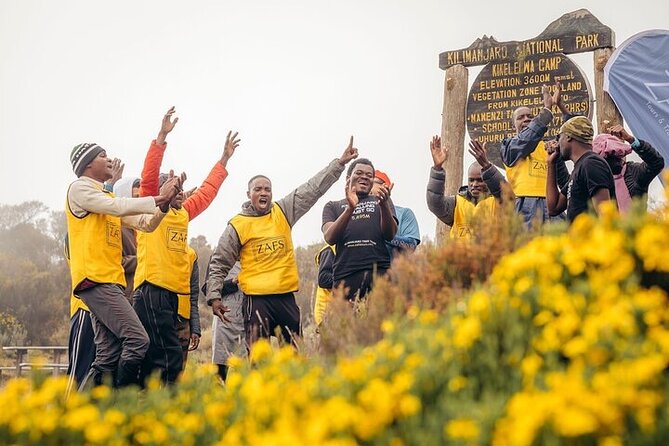
After breakfast, you do something you don’t get on most treks: a heartfelt ceremony of appreciation and team bonding with your crew. It’s a respectful moment for the guides, cooks, and porters who have been working hard to make your climb possible.
Then the descent begins. You go down stopping at Mandara Huts for lunch. This is where you’ll feel the weather shift from summit-cold to warmer conditions. The terrain becomes wet, muddy, and steep, so your feet will need protection.
The recommendation is clear: use gaiters and trekking poles on the descent. Gaiters help keep mud out and reduce blisters. Poles help you control knee stress on steep, slick sections.
At the park gate, you’ll receive your summit certificates. After that, a vehicle meets you and drives you back to Moshi, about 60 minutes.
And don’t skip the obvious but often awkward part: plan to tip your guides, cooks, and porters, since tips are not included in the package.
The Huts, Food, and Cold Weather Reality (What You’ll Notice Most)
The biggest day-to-day comfort factors on Kilimanjaro are warm sleeping, enough calories, and hydration. This operator runs the climb with all meals and drinking water on the mountain, plus they emphasize fresh nutritious meals and “special guidance” to help you reach the top.
You should also know the overall temperature pattern here. Even early in the hike, the plan calls out that temperatures begin to drop around late afternoon on the climb into Horombo. On summit night and early morning at altitude, the cold is not optional.
Hut nights remove some friction, but you still need to treat temperature as your enemy:
- add layers early
- use layers you can move in
- keep your hands and feet covered as needed
- plan for damp air, especially after rainforest sections
From the reviews, the food and care stand out. People highlight that the chef provides meals that feel better than you’d expect on the mountain, and they credit the team for keeping climbers comfortable and encouraged. That kind of support matters when your body is fighting for oxygen.
Price and Value: What $2,000 Covers on a Private 6-Day Climb
At $2,000 per person, this is positioned as a full-service private climb. The value comes from what’s included, not just the headline cost.
Included items that drive value:
- 2 nights hotel accommodation before and after on bed and breakfast basis
- Airport pick-up and drop-off
- Transfers to and from the mountain
- National Park entry, huts, and climbing fees
- Rescue fees
- A fully supported climb with about 4:1 support staff ratio
- All meals and drinking water on the mountain
- Access to first aid kit and emergency oxygen
- A certificate documenting your summit ascent
Not included items you should budget for:
- Meals and drinks not on the mountain
- Snacks on the mountain
- Personal trekking gear
- Travel insurance, required to cover trekking up to 6000m
- Tips for guide and crew
- International flights and visas
Here’s the real way to think about price: you’re paying for logistics and risk management. Rescue fees, hut reservations, oxygen and first aid access, and the staffing ratio all cost real money. If you try to do any of those yourself, you lose more than convenience. You lose time, planning, and consistency.
So for your money, you’re mostly buying a calm, organized climb where you can focus on your body and your headspace.
Who Should Choose This Climb (and Who Might Think Twice)
This is for you if:
- You want a private experience with a dedicated team.
- You have at least moderate physical fitness and you can handle an aggressive early start on summit day.
- You want stronger structure than a self-paced scramble.
- You’d like acclimatization built in, with an extra day at Horombo.
This may be a tougher fit if:
- You hate early mornings and cold, because the summit night starts between midnight and 2 a.m.
- You’re expecting a casual hike the whole way. Summit day is the grind, and the route includes heavy scree.
On the positive side, the reviews mention climbers with minimal mountain experience who still made it to Uhuru Peak, and the names of guides like Alex and Moshi came up as supportive and encouraging. That kind of guidance is especially helpful if you’re newer to high-altitude travel.
Practical Tips That Help You Get the Best Outcome
You don’t need fancy gear, but you do need the basics that match this route.
Bring:
- Rain gear for Day 1 mud and slippery trails
- Trekking poles and likely use them most days
- Gaiters for the muddy descent on Day 6
- Layers for fast temperature changes, especially around Horombo and Kibo
Follow your guide on:
- hydration timing (especially around the last water at 4130m)
- rest and pace during the extra acclimatization day
- how early to go to bed on Day 4 before the summit night
Also, mentally prepare for switchbacks and scree. A lot of summit success is not about speed. It’s about steady movement and staying warm while you work uphill for hours.
Should You Book This Private 6-Day Marangu Climb?
If you want a Kilimanjaro climb that feels organized, supported, and safety-minded, this private 6-day Marangu option is a strong match. The combination of 4:1 support, daily health checks, emergency oxygen access, and a built-in acclimatization day is exactly what you want when altitude is the real opponent.
But be honest with yourself about the experience you’re signing up for. Even with excellent support, summit day is still a midnight-to-early-morning challenge over scree and possible snow. If early, cold, steep climbing is not your thing, choose something that fits your comfort level better.
If you can handle that, you’ll likely appreciate the way the team keeps the trip running smoothly, including the human touch on Day 6 with the ceremony and the focus on making sure you get your summit certificate with a safe, controlled descent.
FAQ
How many days is the Kilimanjaro private climbing trip?
The trip is 6 days approximately, starting with a drive from Moshi to the park gate and ending with your return after the descent.
Where does the tour start, and is airport pickup included?
The meeting point start is at Kilimanjaro Airport, and the package includes airport pick-up and drop-off. It also includes transfers to and from the mountain.
What route is used, and which huts do you stay in?
This is a 6-day Kilimanjaro climb via the Marangu Route. You stay at Mandara Hut (Day 1), Horombo Huts (Days 2 and 3), and Kibo Hut (Day 4) before the summit push to Uhuru Peak.
What kind of guide support is included for the climb?
The climb is fully supported with qualified guides who have at least 8 years of experience on the mountain, and the average support staff to climbers ratio is about 4:1.
What safety items are included for emergencies and altitude?
The tour includes access to a first aid kit and emergency oxygen cylinders on the mountain, along with rescue fees included in the package.
Are meals and drinking water included on the mountain?
Yes. All meals and drinking water are included while you are on the mountain. Snacks are not included on the mountain.
Do I need travel insurance, and what altitude should it cover?
Yes. You must have travel insurance that covers trekking up to 6000m.
What is the cancellation policy for this experience?
You can cancel for free up to 24 hours in advance for a full refund. If you cancel less than 24 hours before the start time, the amount paid is not refunded.
Just posted around Moshi
- machame route★ 5.0 · 16 reviews
- Kilimanjaro Climbing Umbwe Route★ 5.0 · 3 reviews
- Wildlife Extravaganza: Manyara, Tarangire & Ngorongoro in 3 Days★ 5.0 · 3 reviews
- Mt Kilimanjaro 6 days Marangu route hike★ 5.0 · 3 reviews
- 3 Days Private E-Bike Tour in West Kilimanjaro★ 5.0 · 3 reviews
- West Kilimanjaro cycling Adventures★ 4.5 · 8 reviews
- Kilimanjaro Climb • Marangu Route ~ 9 Day★ 5.0 · 4 reviews
- Private Cycle to Kilimanjaro Bike Park Safari★ 5.0 · 6 reviews
Kilimanjaro Climbs, compared.
8-Day Small-group Lemosho Kilimanjaro Summit Trekking
Read our review →
5 Days Best of Tanzania Luxury Safari Northern Circuit
Read our review →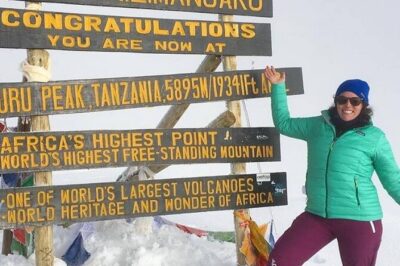
Climbing Kilimanjaro through 7 days Machame Route
Read our review →