Reviewed · KILIMANJARO CLIMBS
Kilimanjaro Marangu Route 6 Days
Ready for a climb with a bed waiting?
This Kilimanjaro Marangu Route 6 Days plan is one of the easiest and most popular ways up, with a steady routine that helps you focus from start to summit. I especially like the fact that you stay in huts instead of camping, plus the included care details like warm water for washing and purified drinking water. The big consideration is simple, it is a popular route, so you might share some moments on the trail with other groups.
You also get proper structure, from a pickup and transfers in Moshi to experienced English-speaking mountain guides and full board meals while you are on the mountain. I like that the schedule builds in extra time for acclimatization, instead of rushing you like a video game speedrun. On the tough side, the summit day is long and steep, and you will start it in the dark.
In This Review
- Key Things I’d Prioritize on This Marangu Route
- Marangu Route in Plain English: Huts, Zones, and Why 6 Days Helps
- Price and Logistics: What $2,179.49 Covers on Kilimanjaro
- Starting in Moshi and Moving to the Park Gate
- Day 1: Mandara Hut at 2,700 m Through Tropical Rainforest (5 to 6 Hours)
- Day 2: Horombo Hut at 3,720 m and the First Big Peak Views
- Day 3: The Zebra Rocks Day and an Extra Night for Acclimatization
- Day 4: Toward the Saddle and Up to Kibo Hut at 4,700 m
- Day 5 Summit Day: Gillman’s Rim at 5,685 m and the Uhuru Peak Option
- Day 6: Back to Marangu Gate, Summit Certificates, and Mountain Inn Celebration
- Safety and Comfort: The Included Gear You Should Actually Care About
- Who This Tour Fits Best (and Who Might Want a Different Route)
- Should You Book Kilimanjaro Brothers for the Marangu 6 Days?
- FAQ
- How long is the Kilimanjaro Marangu Route 6 Days climb?
- Where does the climb start?
- Are meals included during the trek?
- What safety equipment is included?
- Is there running water at Kibo Hut?
- What is the summit route like on the final ascent?
- What is not included in the price?
Key Things I’d Prioritize on This Marangu Route
- Huts every night: simpler sleeping and meals, no camp logistics.
- A built-in acclimatization buffer: extra day at Horombo to help your body adjust.
- Real safety gear included: emergency oxygen tanks, VHF radios, Gamow Bag, and a pulse oximeter.
- Summit approach that feels paced: slow zig-zags up loose volcanic scree to Gillman’s rim, then onward if you feel good.
- Comfort touches: warm water for washing daily and clean purified drinking water during the trek.
Marangu Route in Plain English: Huts, Zones, and Why 6 Days Helps
The Marangu route is often called the most approachable Kilimanjaro climb because it uses huts and a more moderate slope compared with many other routes. It is also the only route with huts, which matters more than it sounds when you are tired and the air is getting thin.
This specific 6-day plan centers on doing 5 nights on the mountain (Marangu 6 days, 5 nights). It also notes the route can be done as 5 days, 4 nights on the mountain, but you are better off choosing the longer option if your goal is to give acclimatization the attention it deserves.
You will move through clear altitude zones, starting in rainforest, then going into low alpine and high alpine, and finally reaching the high camp areas around Kibo. That progression is what makes Marangu feel logical. You start by adjusting, not by forcing.
More Kilimanjaro climbs:
- Kilimanjaro climb by Lemosho Route (7-day)
★ 5.0 · 651 reviews - Kilimanjaro climb, Machame Route (7-day)
★ 5.0 · 262 reviews - Kilimanjaro Climbing Lemosho Route 8 Days.
★ 5.0 · 186 reviews
Price and Logistics: What $2,179.49 Covers on Kilimanjaro
At $2,179.49 per person, this is not a budget bargain. But a lot of costs that people often forget are included, and that changes the value equation.
Here’s what the price covers that actually affects your day-to-day comfort and risk level:
- Safety and medical support on the mountain, including emergency oxygen tanks, VHF handheld radios, a Gamow Bag (hyperbaric chamber), rescue fees, and a pulse-oximeter to measure oxygen level.
- All meals while on the mountain plus large, fresh, healthy portions.
- Daily comfort basics, warm water for washing every day and clean, purified drinking water.
- The support system, including an experienced English-speaking guide team and a porter to carry your day-pack during the summit attempt.
- Park and government fees, plus arrival and departure transfers and transport in the destination location.
- Two hotel nights: one night before and one after, in a classic standard hotel with bed and breakfast.
What you still pay separately is also clearly stated. Tips are not included, the Tanzania visa on arrival is not included, and personal expenses like drinks or laundry are on you. Optional add-ons, like a short safari, are not included either.
If you want a simple rule of thumb, think of this price as paying for fewer unknowns. You are buying planning, food, and safety systems, not just a hike.
Starting in Moshi and Moving to the Park Gate
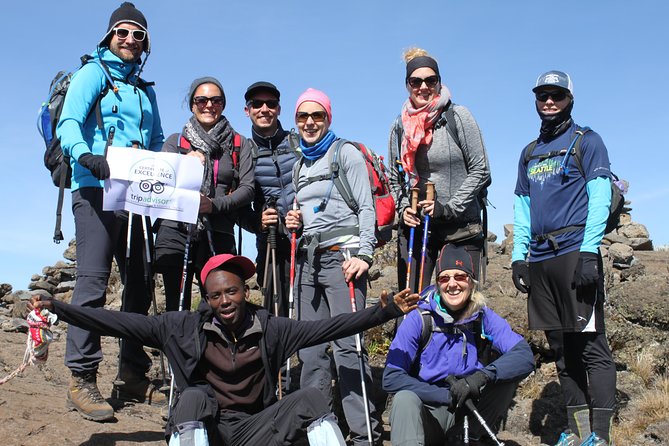
Most people feel the climb starts the moment they step into the park, but the smoother version starts earlier. In Moshi, you get arrival and departure transfers, and pickup is offered.
Day 1 starts with breakfast, then a short journey to the Marangu National Park gate for formalities. You then begin climbing through tropical rainforest, which is a good way to ease into effort while the air is still comfortable.
This first day is not about heroics. It is about getting your rhythm, learning how your body reacts to sustained walking, and settling into the routine your guide team manages.
Day 1: Mandara Hut at 2,700 m Through Tropical Rainforest (5 to 6 Hours)
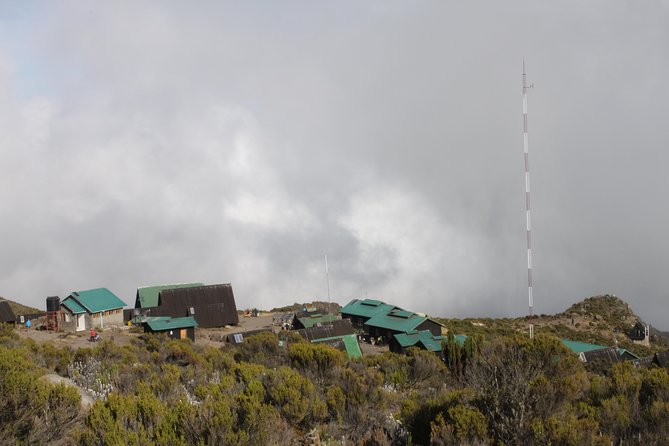
You leave the gate and step into tropical rainforest. The path takes you past lush, shaded sections where the temperature feels warmer and the air feels heavier. It is a good warm-up, and it also reduces the mental shock of starting at high altitude too fast.
You reach Mandara Hut at about 2,700 m for dinner and overnight. This is also a rest day in disguise. When you arrive, you can slow down, eat well, and enjoy the camp atmosphere around you instead of immediately worrying about tomorrow.
The walk is about 5 to 6 hours, and you stay focused on steady steps. Your guide team also helps keep things organized, with meals managed for you once you are on mountain time.
A few more Moshi trips to compare
- Safari Serengeti And Ngorongoro
★ 5.0 · 288 reviews - Climbing Kilimanjaro – Machame Route
★ 5.0 · 170 reviews - Climbing Kilimanjaro through 7 days Machame Route
★ 5.0 · 151 reviews - Kilimanjaro climb, Lemosho Route (8-day)
★ 5.0 · 148 reviews
Day 2: Horombo Hut at 3,720 m and the First Big Peak Views
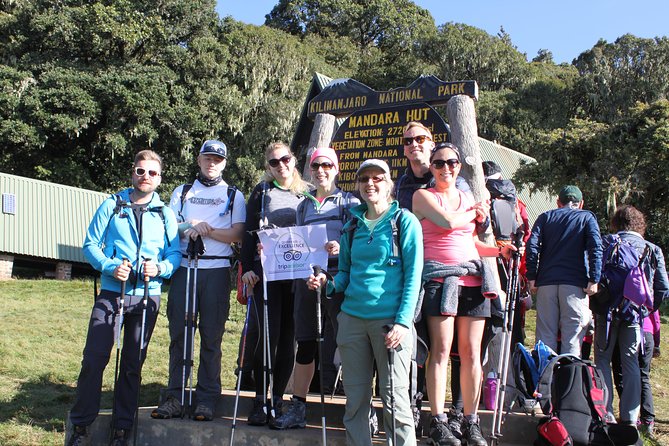
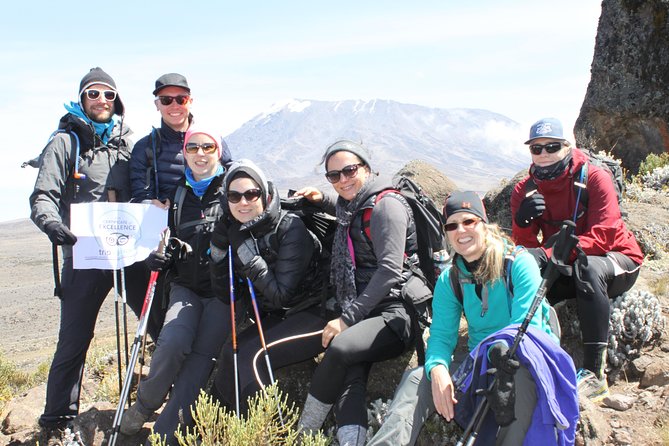
Day 2 begins with a steep ascent through forest, then the trail opens into moorland. That shift is where Marangu starts to feel big. In clear weather, you get views of the Kibo and Mawenzi peaks, which is motivation in physical form.
You aim to arrive at Horombo Hut mid-afternoon. That timing matters because it gives you time to relax, hydrate, and adjust before the next day. You spend the evening around the camp while the scenery does most of the talking.
This segment is about 4 to 6 hours of walking. The altitude is not extreme yet, but it is enough to make hydration and slow pacing matter.
Day 3: The Zebra Rocks Day and an Extra Night for Acclimatization
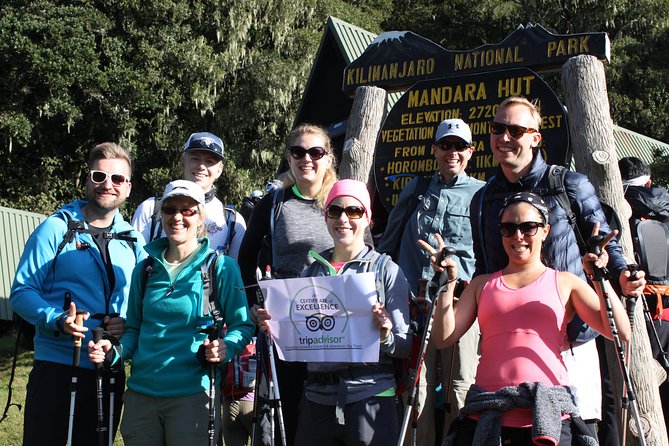
Day 3 is built for acclimatization, and I like that a lot. You walk toward the Mawenzi hut and pass the Zebra Rocks, a named highlight that helps you orient on the trail.
The key feature on this day is that you get extra time and an extra night at Horombo Hut. The plan explicitly recommends drinking enough water and walking slowly. That is not fluff. It is your real tool for helping your body cope with altitude.
You also have all meals for the day provided at Horombo Hut. When food is handled and your day schedule is stable, you waste less energy and worry less.
You move from low alpine to higher alpine zones, with about 6 hours of walking. Expect it to feel like a steady climb rather than a race.
Day 4: Toward the Saddle and Up to Kibo Hut at 4,700 m
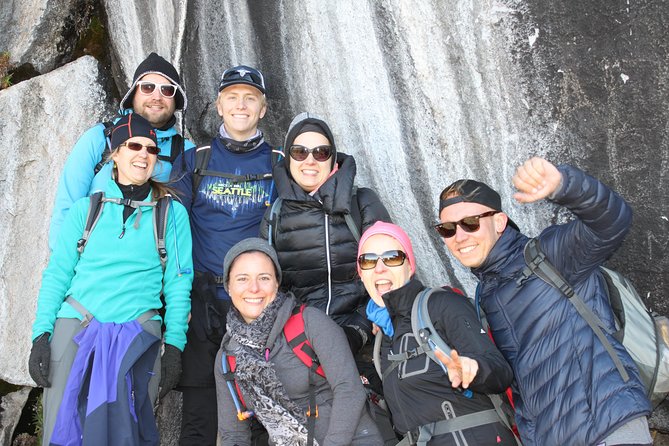
Day 4 is the approach toward the saddle between Mawenzi and Kibo. The description calls it a lunar desert feel, which is exactly what it means in practice: less vegetation, more open rock, and a stark high-altitude vibe.
The route climbs very gradually toward Kibo Hut at 4,700 m. You take it at a slow pace so you can keep oxygen levels stable and your breathing under control. After reaching Kibo Hut, you spend the night in a comfortable hut, then you focus on preparation.
One detail you should plan for, Kibo Hut has no running water. That means what you can do for washing or quick comfort is limited. Your guide team provides warm water for washing every day, but at Kibo specifically, do not assume a normal shower setup.
Then it is a very early night. That early rest is for tomorrow’s summit push, and your body will thank you for it.
Day 5 Summit Day: Gillman’s Rim at 5,685 m and the Uhuru Peak Option
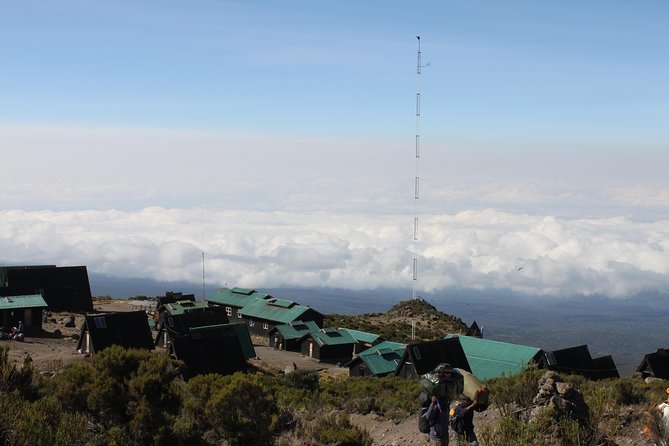
Summit day is the big event, and it starts before midnight. You begin a steep climb over loose volcanic scree, using well-graded zig-zags. The pace stays slow and steady, because speed is not the winning strategy at altitude.
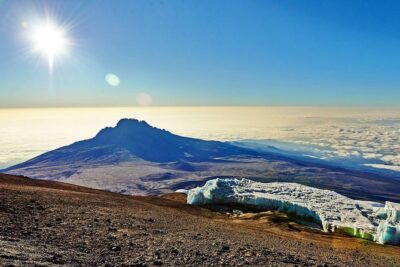
You reach Gillman’s 5,685 m crater rim. You rest there briefly to enjoy sunrise over Mawenzi. That moment is why people sign up for this route in the first place, because it mixes effort and payoff in one view.
If you still feel good, you can continue slowly to Uhuru Peak at 5,895 m. The plan frames Uhuru Peak as the highest point in Africa, and the route includes a three-hour round trip along the crater rim.
After the summit moment, you descend fast back to Kibo Hut for refreshment. Then you continue descending to Horombo Hut.
This is a long day, about 13 hours total. It is also the day where included safety systems matter most: emergency oxygen tanks, VHF radios carried on each trek, and the pulse-oximeter help your team respond if conditions change. You also have a porter who carries your day-pack during the summit attempt, which can feel like a small mercy when your legs are done negotiating.
Day 6: Back to Marangu Gate, Summit Certificates, and Mountain Inn Celebration
On your final day, you descend past Mandara huts toward the Marangu National Park gate. The walking time is about 6 to 7 hours, and the mood usually changes quickly. Early in the day you feel tired, but as you drop lower, the air gets easier and morale improves.
Successful climbers receive summit certificates at the gate. That is a simple piece of paper, but it is also a tidy way to mark the accomplishment without needing speeches or theatrics.
After the hike, you get transferred to Mountain Inn for dinner, summit celebration, and overnight. This is one of those end-of-trip moments where you realize you have finished, not just survived.
Safety and Comfort: The Included Gear You Should Actually Care About
Kilimanjaro is generally treated like a hike, but it is still a high-altitude climb. The best sign in this plan is that safety gear is not an afterthought.
Here’s what is included, and why it matters for you:
- Emergency oxygen tanks: helps the team respond if someone needs extra support.
- VHF handheld radios: improves communication on the mountain. When things get spread out, radios keep coordination possible.
- Gamow Bag (hyperbaric chamber): gives a pressure-style emergency option in the event of altitude issues.
- Pulse-oximeter: measures oxygen level, letting guides track conditions rather than guessing.
- Rescue fees on the mountain: the plan includes these costs, so you are not surprised later.
On the comfort side, you get warm water for washing every day and clean, purified drinking water. That means you can focus on recovery instead of scrambling to find basics.
Food is also taken seriously, with large portions of fresh, healthy, nutritious meals served throughout. One of the strongest themes from prior participants is that they felt well fed and properly supported, and the structure of full board makes that easier to deliver consistently.
Who This Tour Fits Best (and Who Might Want a Different Route)
This Marangu 6-day plan suits you if you want the Marangu style, huts, and a guided routine that keeps logistics off your mind. The data also says it fits travelers with moderate physical fitness. The walking hours are not extreme every day, but the summit day is long.
You will likely love it if you:
- like the idea of sleeping in huts instead of camping
- prefer organized meals and day schedules
- value safety systems included in the plan
- want extra acclimatization time with the extra day at Horombo
You might think twice if you:
- strongly prefer quiet, isolated routes, because this is described as one of the most popular trails
- struggle with long summit-day effort, since Day 5 is about 13 hours and involves a steep climb in darkness
Should You Book Kilimanjaro Brothers for the Marangu 6 Days?
If your top priorities are strong organization, steady pacing, and safety that is built into the plan, I think this is a solid choice. Kilimanjaro Brothers includes the stuff you want on mountain days, oxygen tanks, radios, a Gamow Bag, and monitoring tools, not just a guide and a prayer.
I also like that the team’s communication is part of the experience. In past trip stories, people highlighted being met on arrival and getting clear guidance in advance. George Mtaki, the director of sales and marketing, is specifically mentioned as helping explain the trip plan the evening before, which suggests you will know what is coming before you are wearing oxygen-warped math skills.
One more practical reason to consider booking: Marangu’s hut format plus full board meals is a calmer way to climb. You still work hard, but you spend less time solving camp problems.
FAQ
How long is the Kilimanjaro Marangu Route 6 Days climb?
The tour is listed as 6 days approximately, with days on the mountain that include options for 5 days/4 nights or 6 days/5 nights. This review focuses on the 6 days with 5 nights on the mountain.
Where does the climb start?
The climb starts from Moshi, Tanzania, with arrival and departure transfers. Day 1 includes travel from your hotel to the Marangu National Park gate for required formalities.
Are meals included during the trek?
Yes. All meals while on the mountain are included, with full board accommodation described as bed, breakfast, lunch, and dinner. Large portions of fresh, healthy food are provided.
What safety equipment is included?
The plan includes emergency oxygen tanks, VHF handheld radios carried on each trek, a Gamow Bag hyperbaric chamber, and a pulse-oximeter to measure oxygen level. Rescue fees on the mountain are also included.
Is there running water at Kibo Hut?
No. The plan specifically notes that there is no running water at Kibo Hut.
What is the summit route like on the final ascent?
You start before midnight for the climb to the crater rim at Gillman’s 5,685 m for sunrise. If you feel good, you can continue to Uhuru Peak at 5,895 m, then descend back to the huts.
What is not included in the price?
Not included are tips, Tanzania visa on arrival, and personal expenses such as laundry, telephone, and beverages. Optional tours after your climb are also not included.
Just posted around Moshi
- machame route★ 5.0 · 16 reviews
- Kilimanjaro Climbing Umbwe Route★ 5.0 · 3 reviews
- Wildlife Extravaganza: Manyara, Tarangire & Ngorongoro in 3 Days★ 5.0 · 3 reviews
- Mt Kilimanjaro 6 days Marangu route hike★ 5.0 · 3 reviews
- 3 Days Private E-Bike Tour in West Kilimanjaro★ 5.0 · 3 reviews
- West Kilimanjaro cycling Adventures★ 4.5 · 8 reviews
- Kilimanjaro Climb • Marangu Route ~ 9 Day★ 5.0 · 4 reviews
- Private Cycle to Kilimanjaro Bike Park Safari★ 5.0 · 6 reviews
Kilimanjaro Climbs, compared.
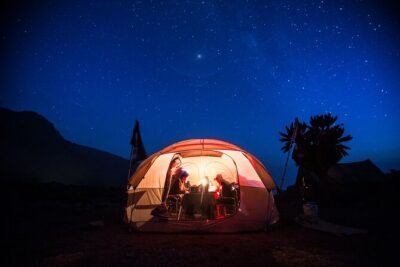
8-Day Small-group Lemosho Kilimanjaro Summit Trekking
Read our review →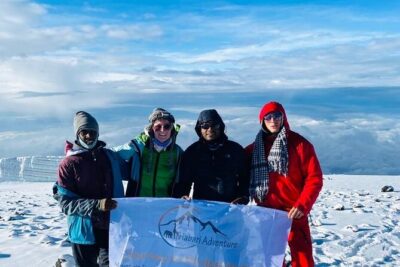
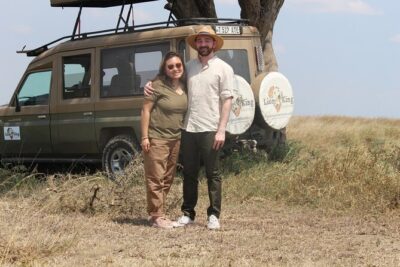
5 Days Best of Tanzania Luxury Safari Northern Circuit
Read our review →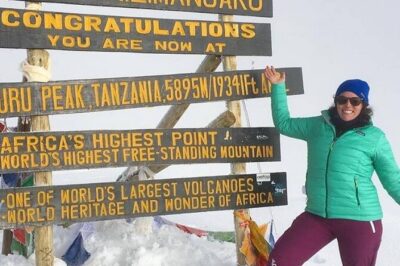
Climbing Kilimanjaro through 7 days Machame Route
Read our review →