Reviewed · KILIMANJARO CLIMBS
Kilimanjaro Machame Route 7 Days
Altitude hits fast on day one. This 7-day Kilimanjaro Machame route is built around gradual acclimatization with shorter climbing days that help your body adjust. You start in the rainforest, work up through low and high alpine zones, then finish with the cold push toward Uhuru Peak.
I also really like how the team supports you with safety and comms gear that stays with you on the trek, including VHF radios, a pulse-oximeter, and a Gamow Bag. Based on what I see emphasized in how their guides operate (George Mtaki is involved in leadership, and people highlighted guides like Mo and arrivals handled by Kelvin), the whole operation tends to feel organized and calm. One consideration: even with pacing, the summit day is still hard, and you should be ready for the altitude and cold to do most of the work, not your willpower alone.
In This Review
- The Machame Route Sweet Spot for a 7-Day Plan
- Safety Kit on the Mountain, Not in a Backpack
- Day 1: Machame Gate to Machame Camp Through Rainforest
- Day 2: Machame Camp to Shira Camp 2, Short Distance, Higher Air
- Day 3: Shira Camp 2 via Lava Tower to Barranco Camp
- Day 4: Barranco to Karanga Valley Camp, A Short Day With Strategic Value
- Day 5: Karanga Valley to Barafu Camp, The Build to Summit Night
- Day 6: Summit Day to Uhuru Peak, Then Down to Mweka Camp
- Day 7: Final Descent to Mweka Gate and Summit Ceremony
- Camps, Meals, and Comfort You Actually Notice
- Porters, Pace, and the Team Factor
- Price and Value: What $2,669.88 Really Buys
- Who This 7-Day Machame Climb Is Best For
- Should You Book This Machame 7 Days With Kilimanjaro Brothers?
- FAQ
- Where does this Kilimanjaro climb start?
- How long is the Machame route experience?
- Is this trek suitable for first-time climbers?
- What is the daily hiking time like?
- Are meals included?
- What safety equipment is included?
- Are transfers and hotel stays included?
- Do I need to pay for a Tanzania visa?
- Are tips included in the price?
- What if weather is poor?
- If you want, tell me your planned travel month and your fitness level (recent hiking, max altitude, and whether you’ve had altitude sickness before), and I’ll help you sanity-check whether Machame 7 days fits you well.
The Machame Route Sweet Spot for a 7-Day Plan
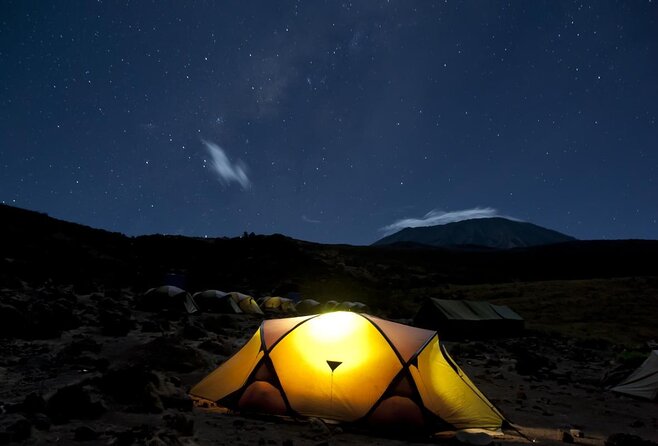
Machame is one of Kilimanjaro’s most popular routes for a reason. It takes you through real changes in terrain, not just one long slog, and the 7-day format gives you built-in chances to acclimatize before you go higher.
This specific pacing matters because altitude does not care about your fitness level or how confident you feel at sea level. Your plan includes climbs that nudge you upward, followed by days that let you “absorb” the altitude before continuing. That does not guarantee summit success, but it gives you a better shot than a rushed itinerary.
Safety Kit on the Mountain, Not in a Backpack
If you’re going to spend days near 5,000 meters, you want more than good intentions. This climb includes equipment designed for real risk management: emergency oxygen tanks, VHF handheld radios carried on each trek, and a pulse-oximeter to measure oxygen levels. You also get a Gamow Bag, described as a hyperbaric chamber, plus rescue fees.
These details are not luxury items. They are what you want when weather shifts, a headache turns into something worse, or someone’s breathing is not keeping up. And the camp setup supports that too, with waterproof tents, sleeping mats, solar LED lights, and toilet tents so your night routine stays manageable.
More Kilimanjaro climbs:
- Kilimanjaro climb by Lemosho Route (7-day)
★ 5.0 · 651 reviews - Kilimanjaro climb, Machame Route (7-day)
★ 5.0 · 262 reviews - Kilimanjaro Climbing Lemosho Route 8 Days.
★ 5.0 · 186 reviews
Day 1: Machame Gate to Machame Camp Through Rainforest
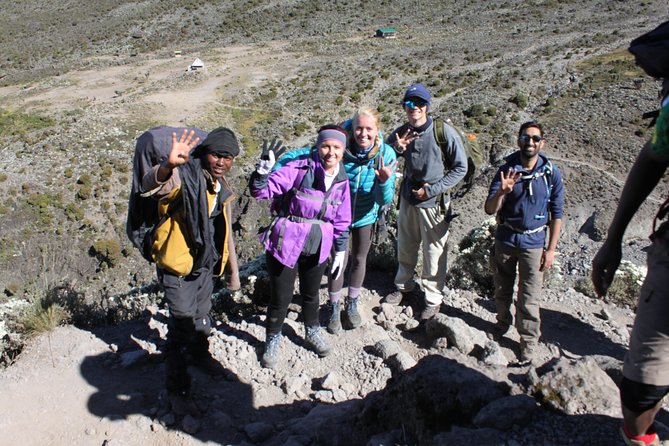
Your first day starts at Machame Gate at 1,640 meters (5,380 ft). Then you climb to Machame Camp around 2,850 meters (9,350 ft). Expect about 5 to 6 hours and roughly 11 km, with the day mostly in the rainforest zone.
This is a deliberate on-ramp day. You are working hard, but the main goal is to get your rhythm and let your lungs start learning the altitude. Rainforest means humidity and mud, so your feet will feel the difference quickly. The upside is that your body often adapts better when you are not jumping too high too fast.
Practical note: keep your pace slow today. Save energy for tomorrow, and don’t treat this day like a “speed hike.”
Day 2: Machame Camp to Shira Camp 2, Short Distance, Higher Air
Day two climbs from Machame Camp to Shira Camp 2, around 3,810 meters (12,500 ft). The hike is shorter in distance, about 5 km, but it still takes about 5 to 6 hours. The zone shifts into low alpine, which usually means cooler temperatures and more exposed trails compared to rainforest.
This is the kind of day where you feel your breathing before you feel your legs. It’s also where good pacing really pays off. If you go too hard, you can feel it for the next 24 hours, and the whole schedule depends on you being functional for the following days.
What helps: you’ll be moving with a team that uses oxygen monitoring tools, and that tends to encourage steady progress over macho efforts.
Day 3: Shira Camp 2 via Lava Tower to Barranco Camp
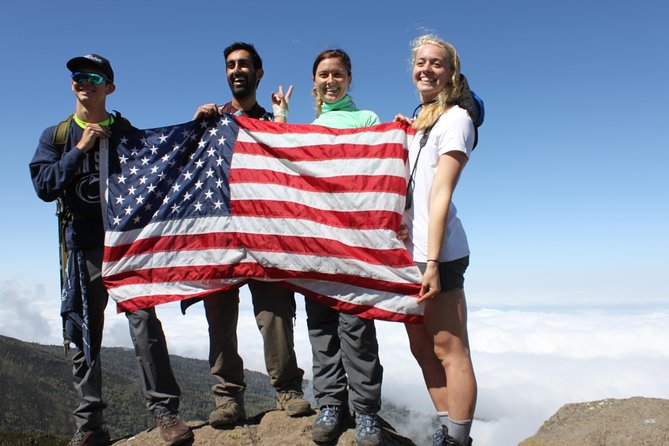
This is one of the most memorable days on the Machame route. You go from Shira Camp 2 up toward Lava Tower at 4,630 meters (15,190 ft), then descend to Barranco Camp around 3,976 meters (13,044 ft). Expect about 8 to 9 hours and around 10 km, with the zone change described as low alpine to high alpine.
The Lava Tower area is where the altitude starts to feel real. Even if the climb is not the longest by distance, it can be the longest by effort because your body is working with less oxygen. Then you descend to Barranco, which helps you reset.
Barranco Camp is also psychologically important. It’s a “you got this” stop after a harder high point. When people talk about being carried by their guides, this is the kind of day they mean.
A few more Moshi trips to compare
- Safari Serengeti And Ngorongoro
★ 5.0 · 288 reviews - Climbing Kilimanjaro – Machame Route
★ 5.0 · 170 reviews - Climbing Kilimanjaro through 7 days Machame Route
★ 5.0 · 151 reviews - Kilimanjaro climb, Lemosho Route (8-day)
★ 5.0 · 148 reviews
Day 4: Barranco to Karanga Valley Camp, A Short Day With Strategic Value
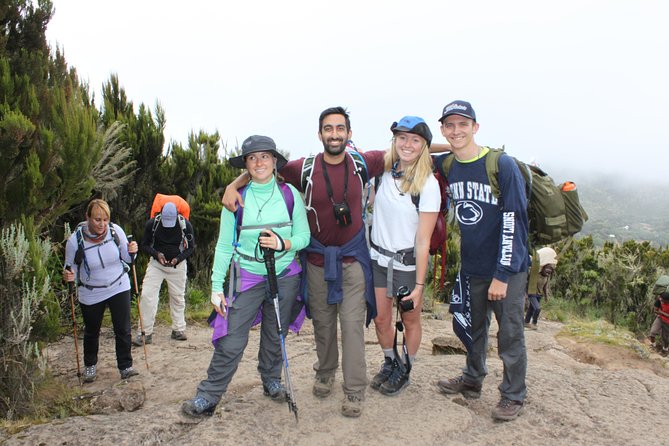
You’ll hike from Barranco Camp to Karanga Valley Camp around 3,995 meters (13,106 ft). Distance is about 4 km and time is about 4 to 5 hours, staying in the high alpine zone.
This day is short on purpose. In a climb like this, short does not mean easy. You’re still at high altitude, and your energy system is still adapting. But strategically, you get a break from the long “up and keep going” feeling, which can reduce the risk of you arriving at the summit push drained.
This is also a day to pay attention to how you sleep and hydrate. If you start this day too fast, you’ll still feel it later.
Day 5: Karanga Valley to Barafu Camp, The Build to Summit Night
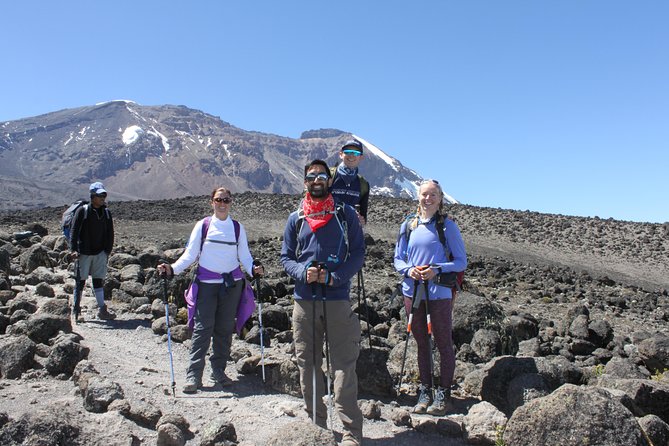
Day five climbs from Karanga Valley Camp to Barafu Camp around 4,673 meters (15,331 ft). It’s about 4 km and around 4 hours, still in the high alpine zone.
Barafu is where the expedition mood changes. You’re high enough that the cold can feel sharp even if the day looks bright. Mentally, people often remember this day as the last “normal” walk before summit night.
Your plan also includes practical support that matters here, like clean camp routines and consistent meal service. Getting fed well before summit is not a motivational slogan. It directly impacts energy, warmth, and how steady your pace stays when it’s time to go for Uhuru Peak.
Day 6: Summit Day to Uhuru Peak, Then Down to Mweka Camp
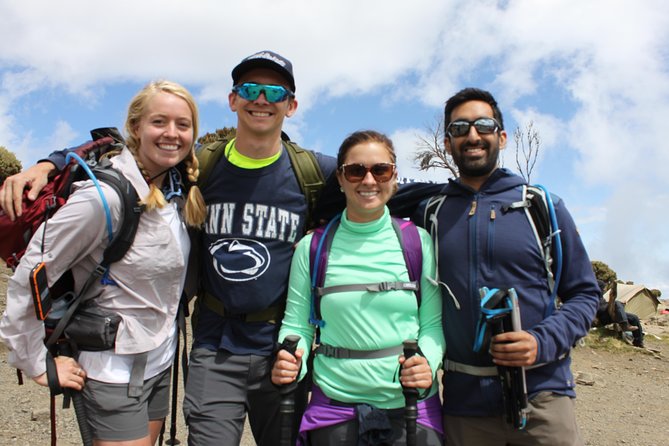
This is the big one. You climb to Uhuru Peak at 5,895 meters (19,341 ft), then descend to Mweka Camp at about 10,000 ft. The hiking time is listed as about 4 to 6 hours and distance about 12 km.
That time window can sound manageable until you experience the reality of summit altitude. Near the top, progress slows and every breath becomes a priority. This is where you’ll feel the value of the included safety gear: oxygen tanks, the Gamow Bag, and pulse-oximeter checks.
Also, you get porter support for the summit attempt. A porter is included to carry your day-pack during the summit push. That is a small detail that feels huge when every ounce matters.
Then comes the descent to Mweka Camp. You won’t be chasing speed. You’ll be chasing stability.
Day 7: Final Descent to Mweka Gate and Summit Ceremony
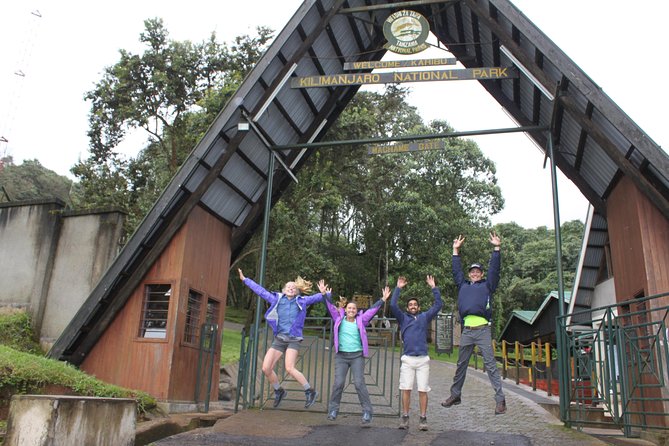
Your final day descends from Mweka Camp to Mweka Gate at about 4,600 meters (5,340 ft). It’s listed as about 3 to 4 hours and about 10 km. Then you transfer to your previous hotel for your certificate and summit party ceremony.
This is the moment where your body finally believes you. Expect your legs to feel worked, even if the terrain is easier than earlier days. The descent is often hard on knees, so take it slow, especially if you’re tired.
I like that they include the post-climb celebration flow. It helps you land the experience instead of rushing into a “next thing.” And with transfers included, you’re not stuck figuring out logistics while you’re still running on adrenaline.
Camps, Meals, and Comfort You Actually Notice
Kilimanjaro is not just about walking. It’s about surviving days in a cold, high-altitude rhythm with decent rest and enough food. This package is built around full meals on the mountain, plus warm water for washing every day.
You’ll also have clean, purified drinking water included. That matters more than people expect, because dehydration can make altitude symptoms worse. Camp setup includes waterproof tents and sleeping mats, plus toilet tents, and you even get a portable personal flash toilet.
Food is included for the entire climb (breakfast, lunch, dinner). One consistent highlight from the way their team is described is plentiful, healthy meals with vegetables, and breakfasts that set you up for the day rather than just filling you up.
Not a guarantee, but when camps are organized and tents go up on time, you get more sleep and less stress. That alone can improve how you handle altitude.
Porters, Pace, and the Team Factor
This climb includes experienced professional English-speaking guides and includes fair and ethical treatment of porters. There’s also porter support for carrying your day-pack during the summit attempt, which reduces load when you need strength most.
Pace is everything on Kilimanjaro. The difference between a “hard trek” and a “dangerous climb” can be how your team manages effort. The strongest signals about how this operator runs are that the group stays organized, with a supportive vibe, and with attention to how people are doing physically during the walk.
A detail I appreciate: VHF radios and oxygen monitoring mean decisions can be made faster if someone is struggling. It’s not about panic. It’s about early action.
Price and Value: What $2,669.88 Really Buys
At $2,669.88 per person, you should compare this price against what’s included, not just what the summit costs. This package includes major safety components that add real value: emergency oxygen tanks, a Gamow Bag, pulse-oximeter monitoring, VHF radios, rescue fees, plus all meals during the climb.
It also covers a lot of what can quietly add cost elsewhere: waterproof tents, sleeping mats, toilet tents, solar LED lights, purified drinking water, warm water washing, and two nights in Moshi before and after the trek are accounted for with classic and comfort hotel accommodations.
What’s not included is also clear: tips, Tanzania visa on arrival, and personal expenses. Tips are normal for this kind of trip, but you should budget them so the final bill does not sting.
If you want to treat this like a high-stakes mountain objective, not a budget hack, this looks like a sensible value structure.
Who This 7-Day Machame Climb Is Best For
This is a good match if you have moderate physical fitness and you want a challenging climb with a structured acclimatization approach. Machame can be demanding, but the schedule includes shorter days and higher altitude exposure in a way that can help first-timers manage the biggest challenge: altitude.
It’s also a solid option if you care about logistics. Pickup offered, arrival and departure transfers included, and full camp support reduce the “where do we go now” stress.
If you know you typically struggle at altitude, or if you want a slower, longer acclimatization arc, you might consider whether a longer climb would suit you better. This plan is built for progress and success, not for extra margin.
Should You Book This Machame 7 Days With Kilimanjaro Brothers?
I’d book this if your priorities are strong safety gear, organized camp logistics, and a Machame plan that gives your body time to adapt before the summit push. The combination of VHF radios, pulse-oximeter checks, emergency oxygen, and a Gamow Bag is the kind of coverage that makes summit day feel less like a gamble.
I would pause before booking if you feel uncertain about summit altitude demands, or if you’re trying to minimize your total spending, because tips and the visa are not included and summit day is still physically serious even with a good schedule.
If you’re ready to work with a team, move at a conservative pace, and take altitude seriously, this looks like a strong way to do Kilimanjaro.
FAQ
Where does this Kilimanjaro climb start?
The climb is based in Moshi, Tanzania, with arrival and departure transfers included.
How long is the Machame route experience?
It is scheduled for 7 days (approx.).
Is this trek suitable for first-time climbers?
The Machame route is described as suitable for both experienced and less experienced climbers, and the 7-day plan includes shorter walks to help with altitude acclimatization.
What is the daily hiking time like?
Hiking hours listed for the walking days range from about 4 to 9 hours depending on the day, with longer days on the route sections like the Lava Tower to Barranco segment.
Are meals included?
Yes. All meals while on the mountain are included, and accommodations are described with bed and breakfast and full board (bed, breakfast, lunch, and dinner) for the climb portion.
What safety equipment is included?
The package includes emergency oxygen tanks, VHF handheld radios, a Gamow Bag, and a pulse-oximeter for measuring oxygen level.
Are transfers and hotel stays included?
Yes. Arrival and departure transfers are included, and there are included hotel nights before and after the trek in Moshi.
Do I need to pay for a Tanzania visa?
A Tanzania visa on arrival is not included.
Are tips included in the price?
No. Tips are not included.
What if weather is poor?
The experience requires good weather. If it is canceled due to poor weather, you will be offered a different date or a full refund.
If you want, tell me your planned travel month and your fitness level (recent hiking, max altitude, and whether you’ve had altitude sickness before), and I’ll help you sanity-check whether Machame 7 days fits you well.
Just posted around Moshi
- machame route★ 5.0 · 16 reviews
- Kilimanjaro Climbing Umbwe Route★ 5.0 · 3 reviews
- Wildlife Extravaganza: Manyara, Tarangire & Ngorongoro in 3 Days★ 5.0 · 3 reviews
- Mt Kilimanjaro 6 days Marangu route hike★ 5.0 · 3 reviews
- 3 Days Private E-Bike Tour in West Kilimanjaro★ 5.0 · 3 reviews
- West Kilimanjaro cycling Adventures★ 4.5 · 8 reviews
- Kilimanjaro Climb • Marangu Route ~ 9 Day★ 5.0 · 4 reviews
- Private Cycle to Kilimanjaro Bike Park Safari★ 5.0 · 6 reviews
Kilimanjaro Climbs, compared.
8-Day Small-group Lemosho Kilimanjaro Summit Trekking
Read our review →
5 Days Best of Tanzania Luxury Safari Northern Circuit
Read our review →
Climbing Kilimanjaro through 7 days Machame Route
Read our review →